Parking
Use Wolf Lake Trailhead on Norris–Canyon Road. Parking is on the south side; cross carefully to the signed trail entrance on the north. An information kiosk is at the trailhead.
Yellowstone National Park, WY · MT · ID
A short waterfall walk through Yellowstone's forest and wet meadows.
Overview
Map & elevation
Plan your hike

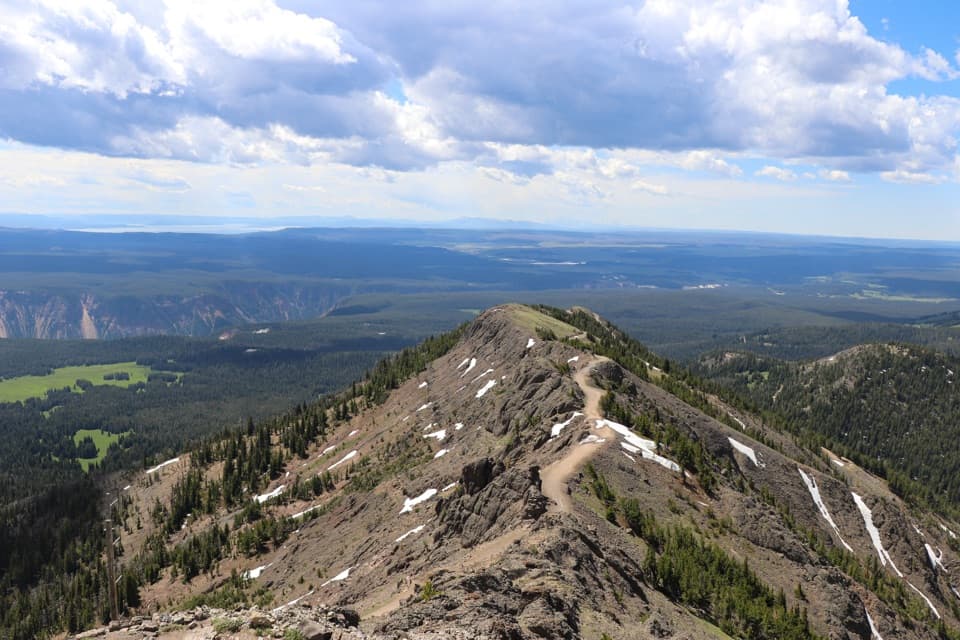
The highest, rockiest slopes around here are a summer buffet for grizzly bears.
Yellowstone Tour Guide
Parkwolf is a GPS audio tour guide for Yellowstone National Park. As you drive, it chimes in with what’s ahead: hidden gems, upcoming stops, history, geology, and wildlife, right through your car’s speakers.
See the Yellowstone audio tourRecorded for this trailhead
Ice Lake Trailhead“The Ice Lake trailhead is coming up, a good choice for a short, easy lake walk. Allow thirty to forty-five minutes for the one-mile round trip through conifers, with a gentle climb after a small footbridge.”
Plays as you drive up to this trailhead in the Parkwolf Yellowstone Tour Guide.
More stories near here in the app
“First time driving through a national park. We used the Yellowstone tour on grand loop Road and it’s just like having a tour guide in your car with you.”


Trail guide
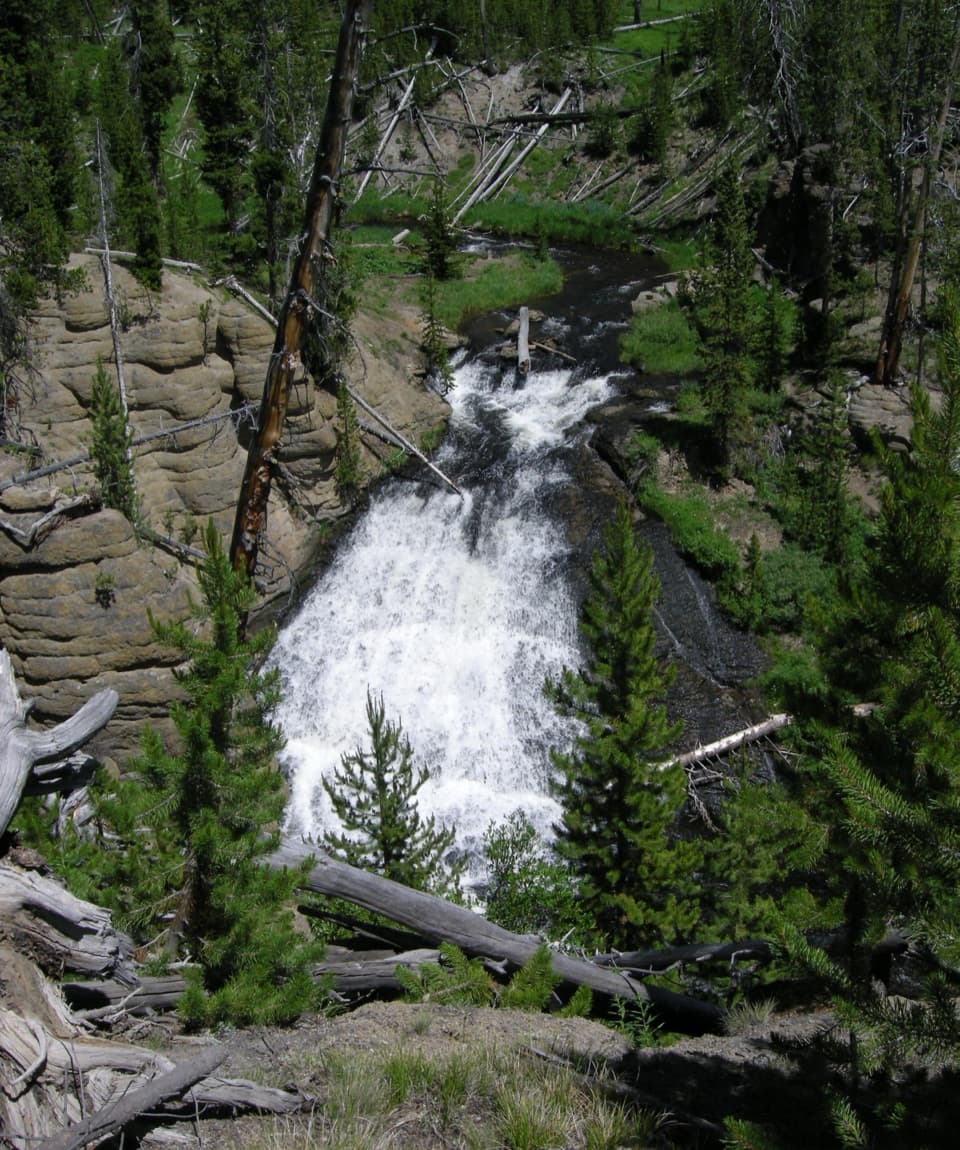
Wolf Lake Trail is a 2.4-mile out-and-back round trip from Wolf Lake Trailhead to the Howard Eaton Trail junction, with Little Gibbon Falls roughly halfway. It’s an easy, gently uphill walk on natural ground through forest and wet meadows; allow about 1½ to 2 hours. For a shorter outing, turn around at the falls, about 0.8 mile from the trailhead, for roughly 1.6 miles round trip.
Parking is across Norris–Canyon Road from the signed trail entrance, so cross carefully to start. The path climbs gently through forest and swampy meadows, with the Gibbon River close by. Ground around Virginia Meadows can be muddy and insects can be bothersome in early summer. Beyond the falls, the trail crosses the river and reaches the Howard Eaton junction; turn back there for the route described here. The longer Howard Eaton walk to Wolf Lake itself is a different itinerary.
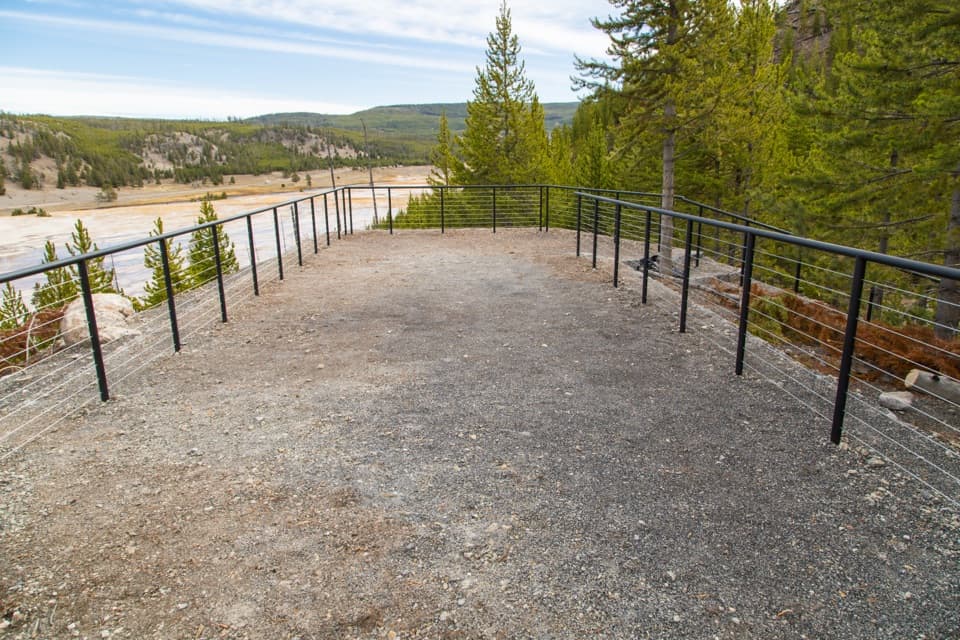
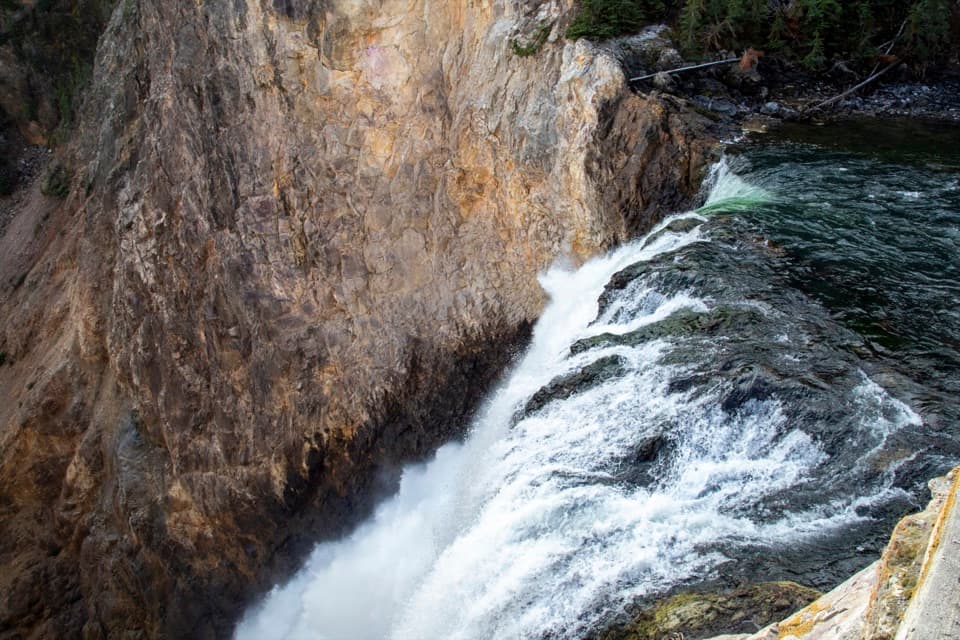
The falls are a small cascade, about 25 feet high, partly screened by trees when viewed from the bluff. A closer river-level view is also described along the route. Keep well back from the ledge. For a photo, frame the white water with the layered rock and pines around the cascade.
The trailhead has an information kiosk. Yellowstone warns that grizzly bears frequent this area, and pets are not allowed on trails. There is a Gibbon River crossing beyond the falls, so assess the water before continuing.
Wildlife
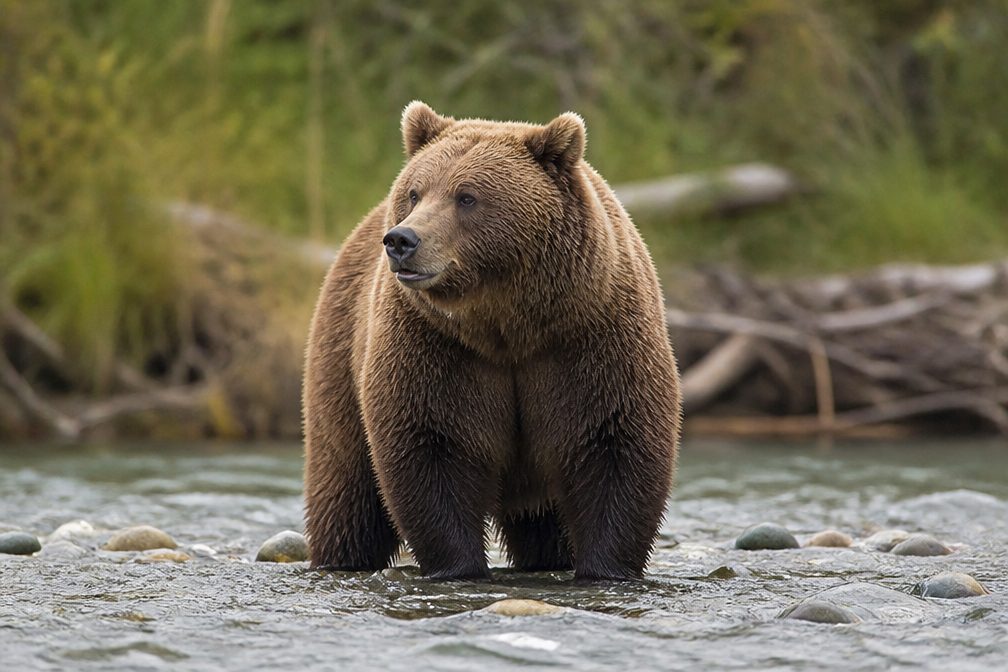 713 sightingsGrizzly BearMost seen around 6 AMSighting map
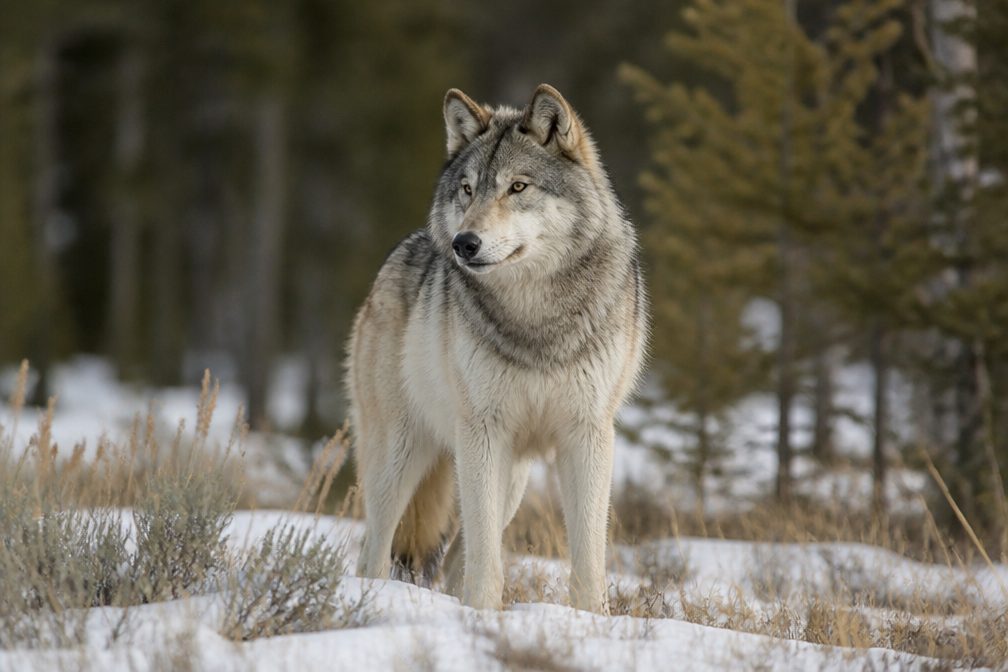 743 sightingsWolfMost seen around 6 AMSighting map
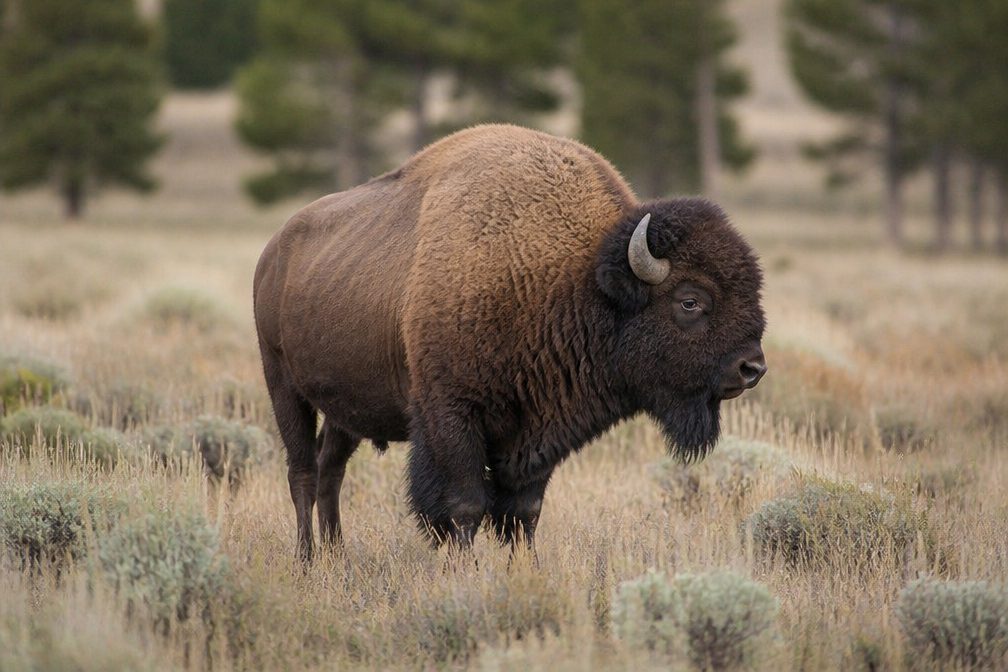 5,273 sightingsBisonMost seen around 7 AMSighting map
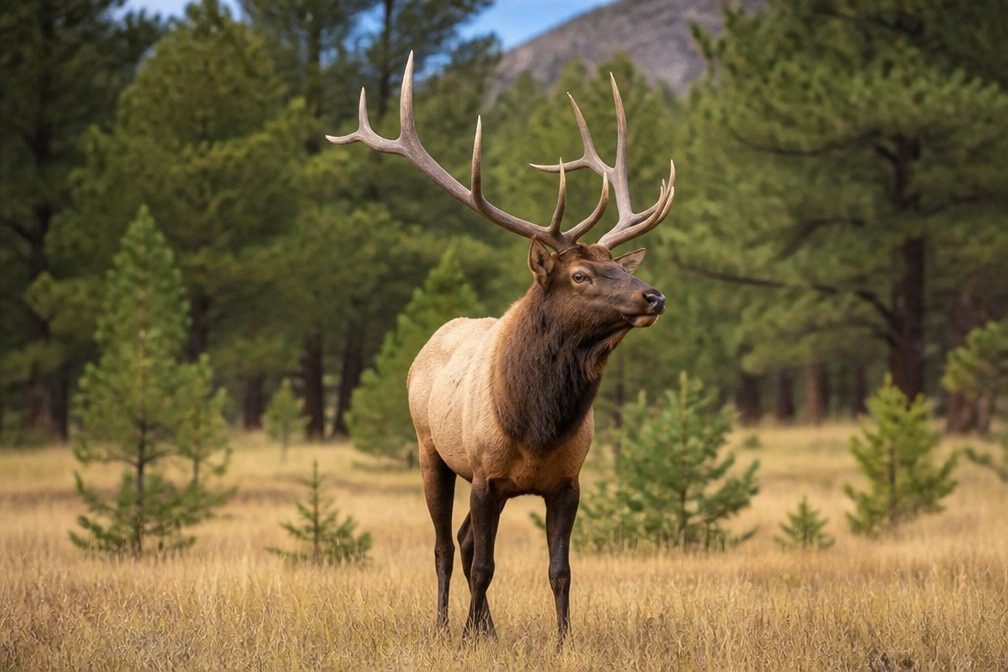 3,258 sightingsElkMost seen around 7 PMSighting map
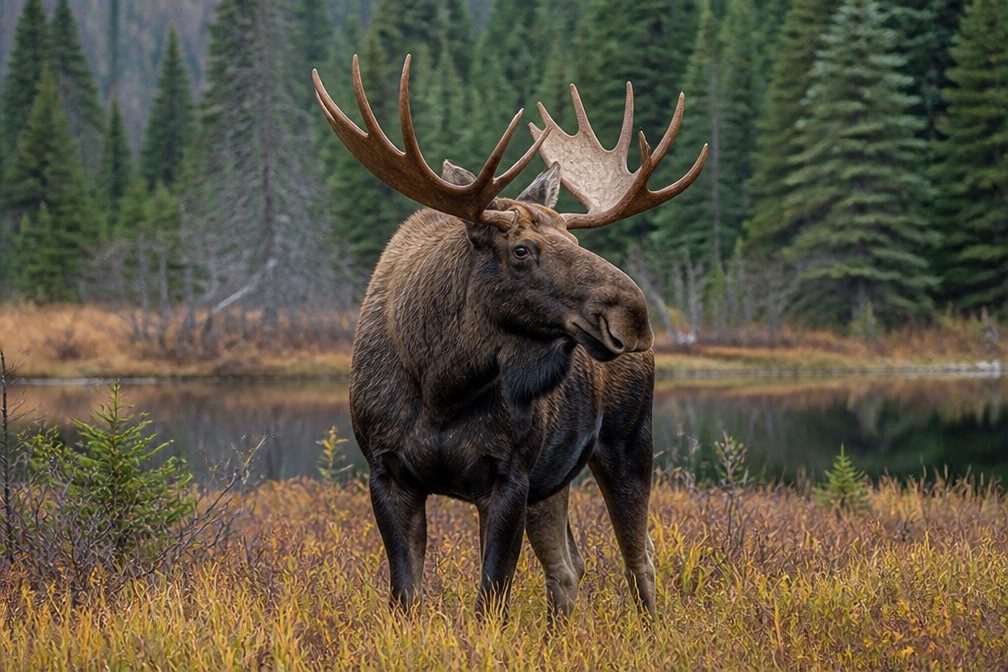 397 sightingsMooseMost seen around 7 PMSighting map
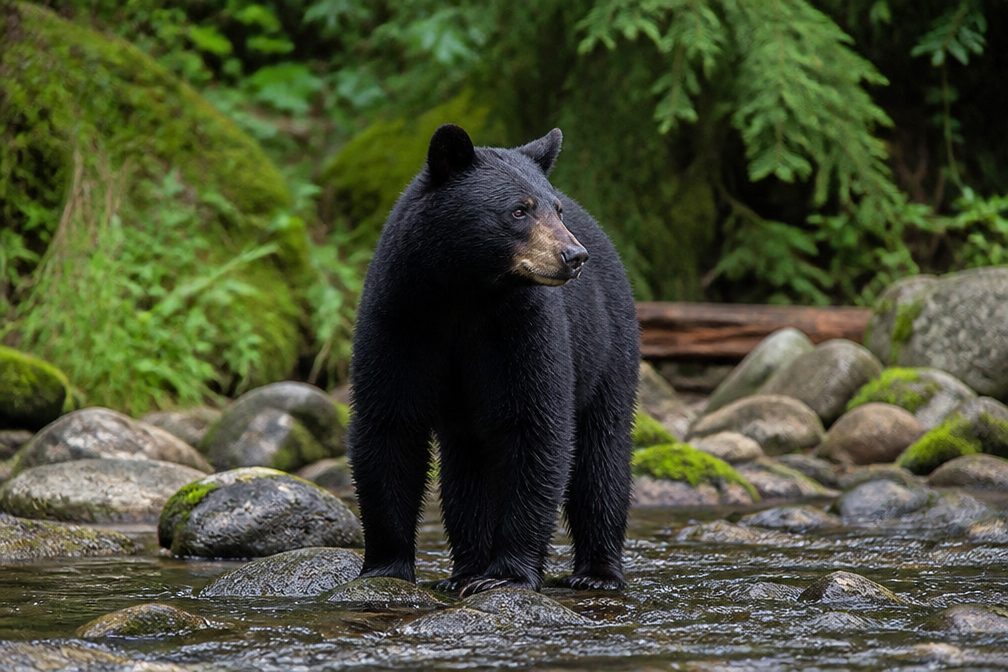 1,494 sightingsBlack BearMost seen around 7 PMSighting map
Sighting maps show where each species has been reported across Yellowstone. Wildlife moves, so no sighting is guaranteed.
Keep exploring
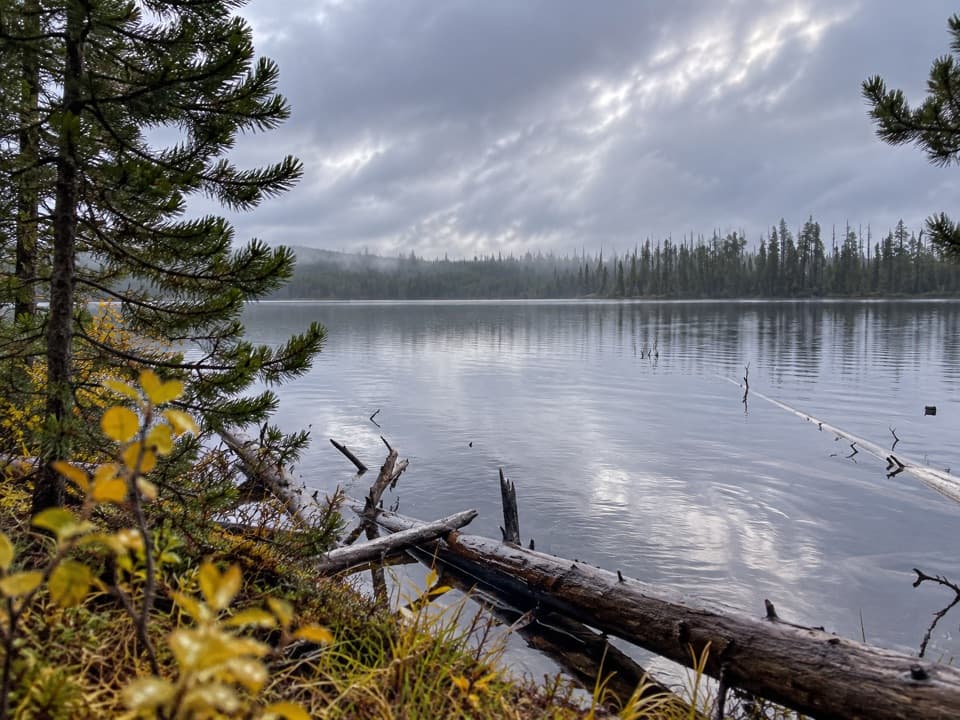 EasyIce Lake Trail1 mi · 45 min · 0.4 mi awayA short forest walk to the western edge of Ice Lake.
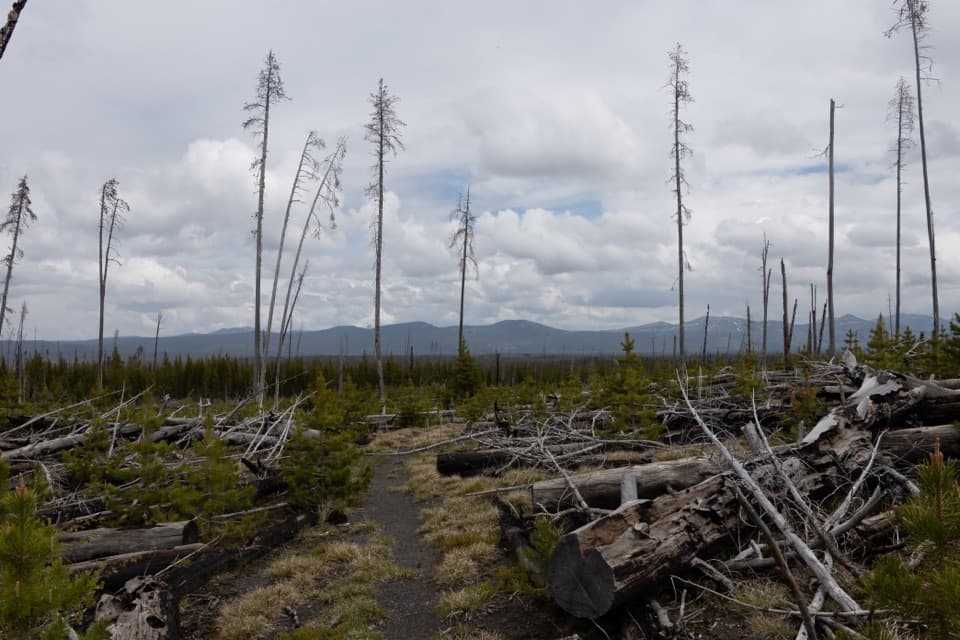 ModerateCygnet Lakes Trail8.2 mi · 3.5 hr · 2.7 mi awayAn exposed lodgepole walk reaches a marshy meadow with waterfowl.
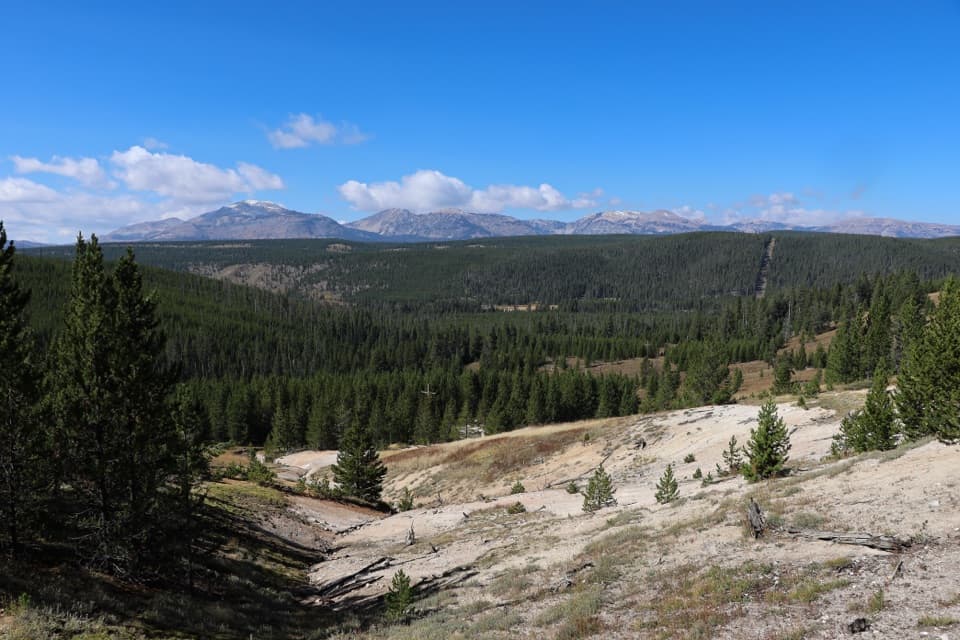 ModerateSolfatara Creek Trail6.3 mi · 3.5 hr · 3.7 mi awayA long thermal creek walk through forest, meadows, and hot springs
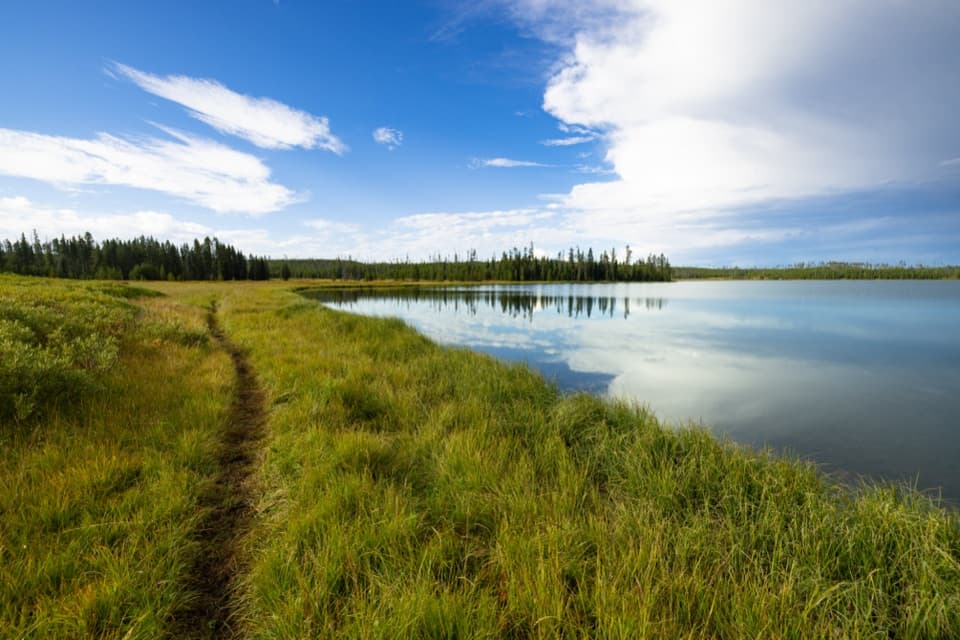 EasyGrebe Lake Trail6.2 mi · 3.5 hr · 3.8 mi awayA long, gentle fire road walk to a lakeside turnaround.
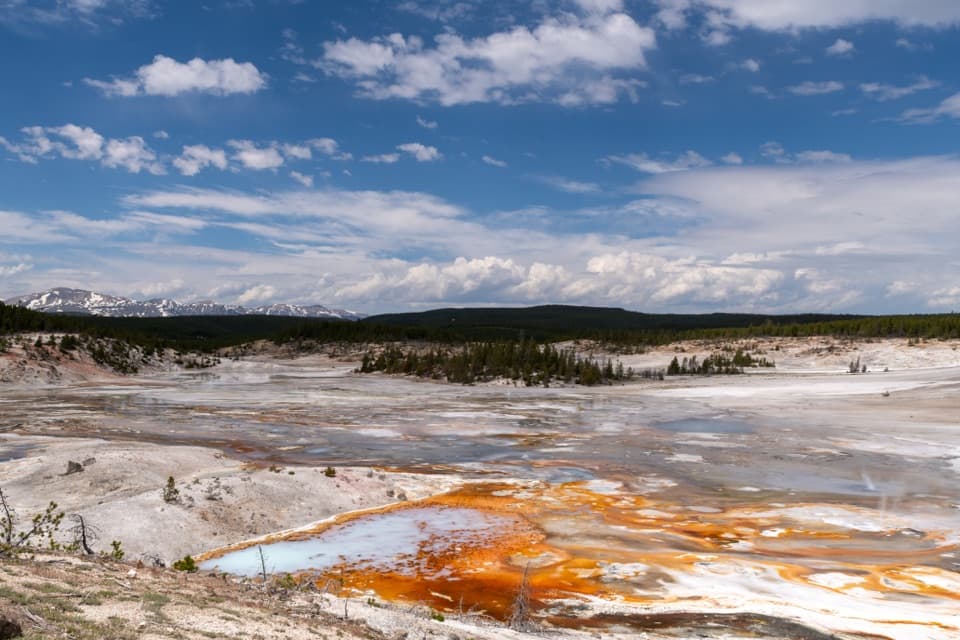 EasyPorcelain Basin Trail1 mi · 45 min · 3.9 mi awayLoop past steaming geysers and vivid runoff in a pale basin.
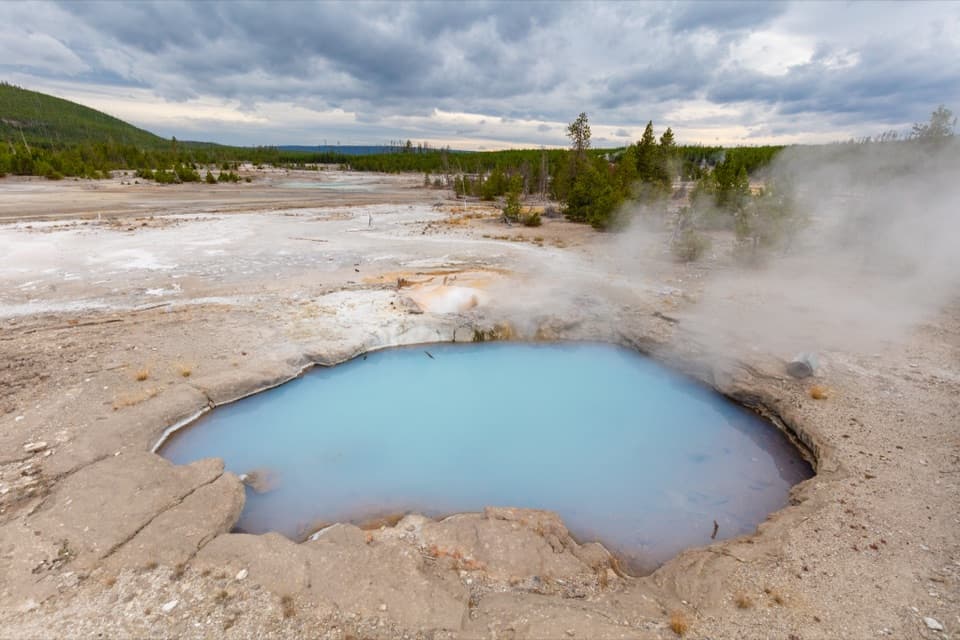 EasyBack Basin Trail1.5 mi · 1.3 hr · 3.9 mi awayA wooded thermal loop with geysers scattered through the pines.
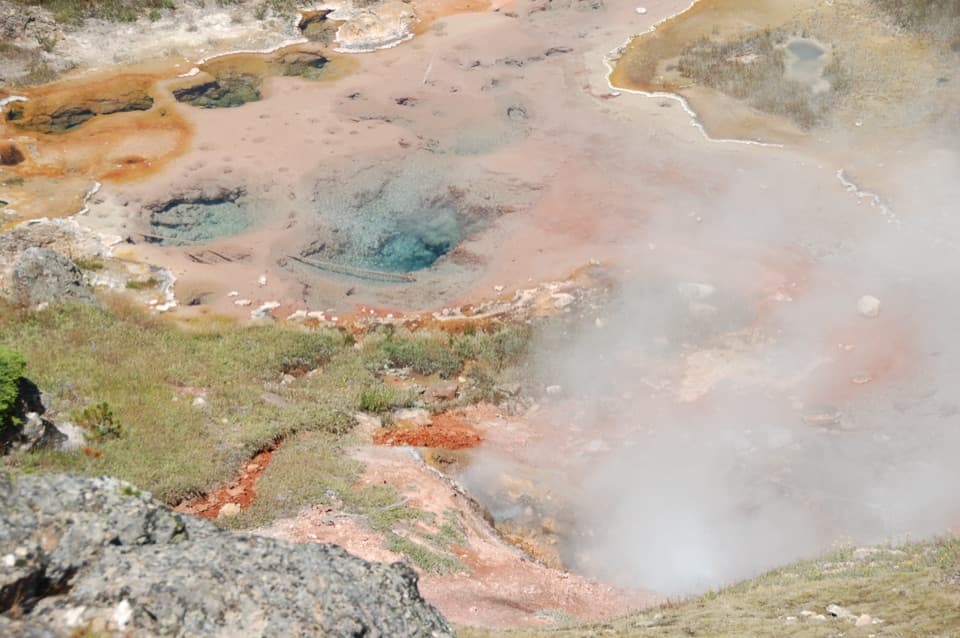 EasyArtists Paintpots Trail1 mi · 45 min · 5.7 mi awayA short loop past bubbling mud and a steep climb.
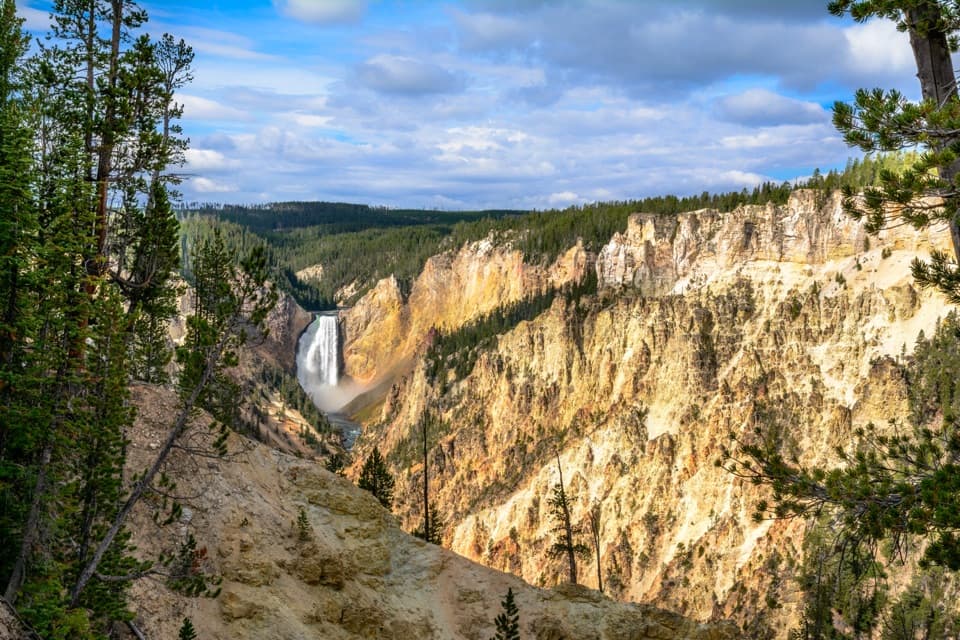 ModerateNorth Rim Trail7 mi · 4 hr · 6.1 mi awayConnect the North Rim's waterfalls and canyon overlooks on foot.
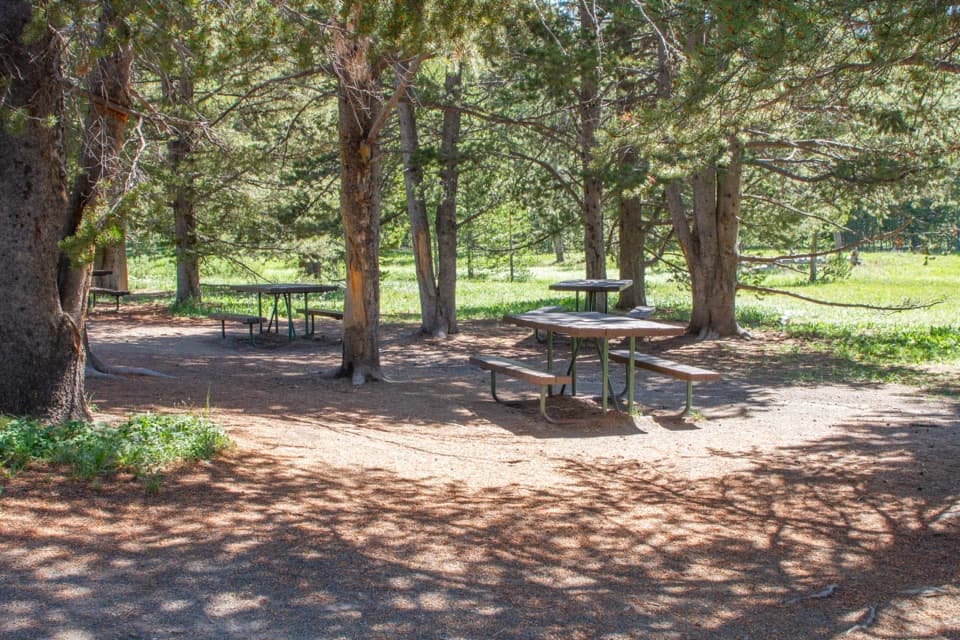 Picnic area · 0.4 mi awayVirginia Cascade Picnic AreaA shaded table break on the way through Virginia Cascade Drive.
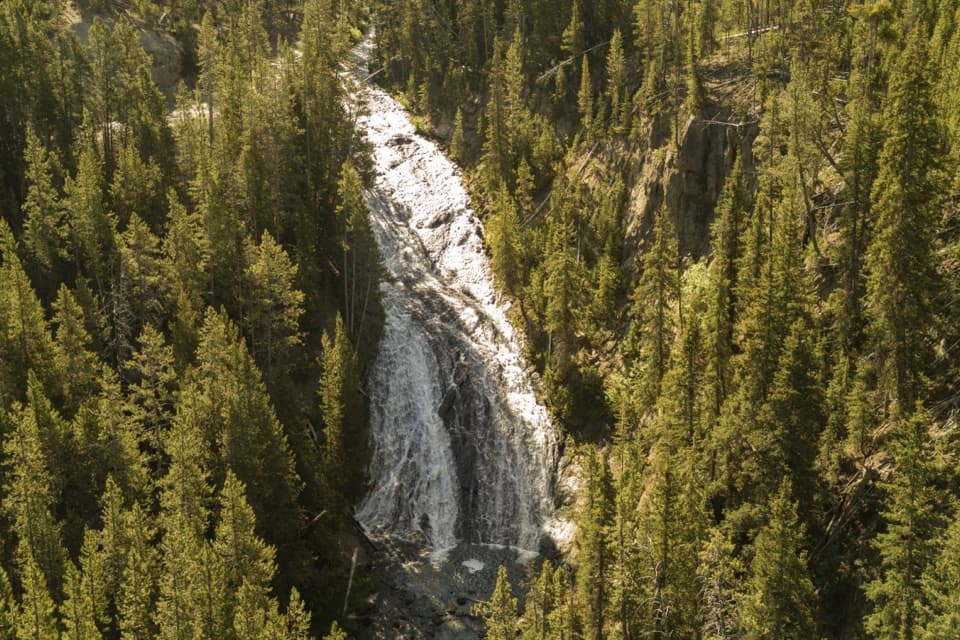 Sight · 1 mi awayVirginia CascadeA 60-foot cascade along the old road east of Norris.
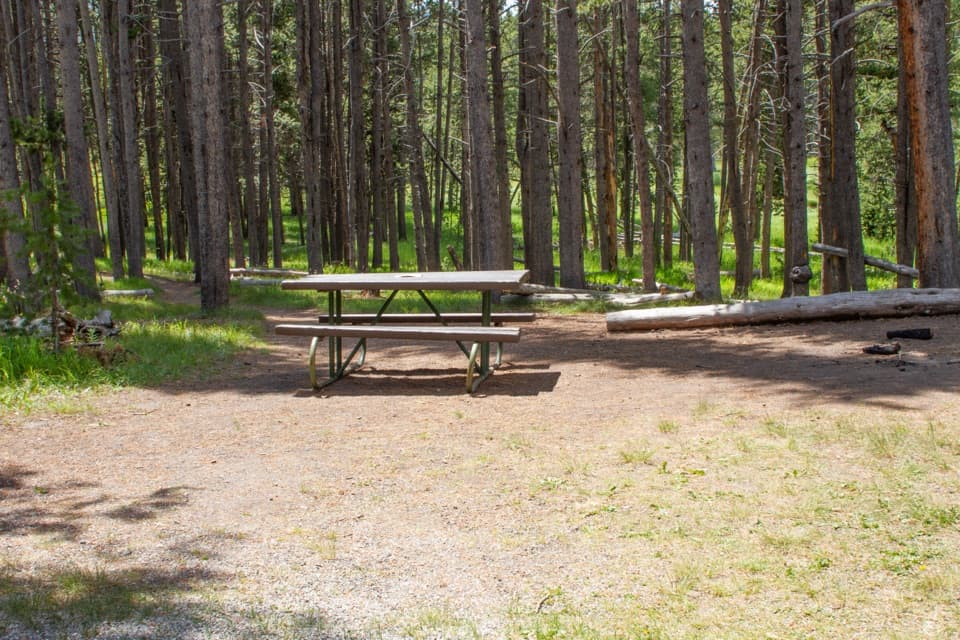 Picnic area · 3.3 mi awayNorris Meadows Picnic AreaA quieter riverside lunch stop near Norris Basin
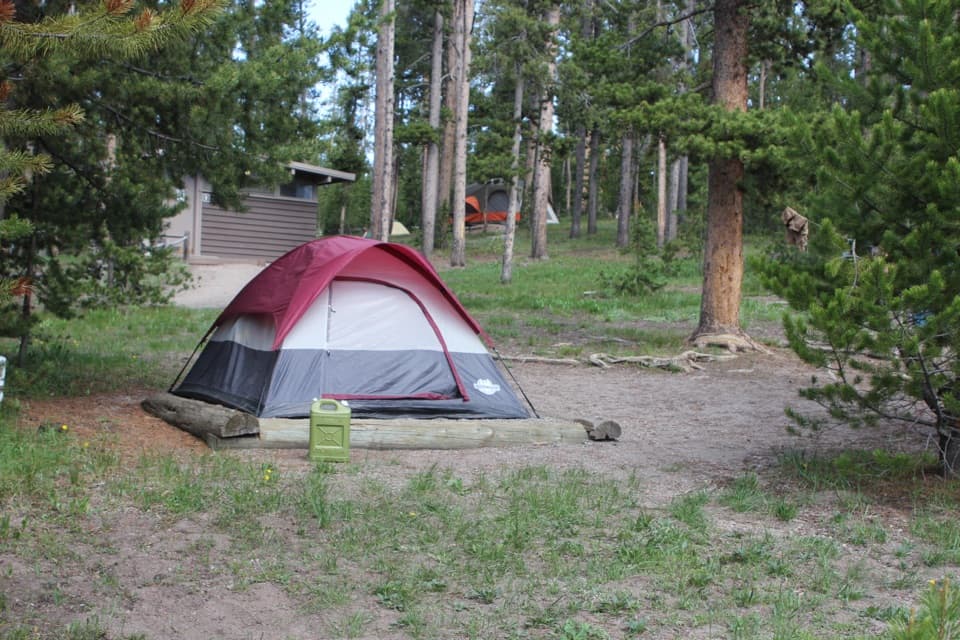 Campground · 3.7 mi awayNorris CampgroundA central campground beside Yellowstone’s Gibbon River meadow.
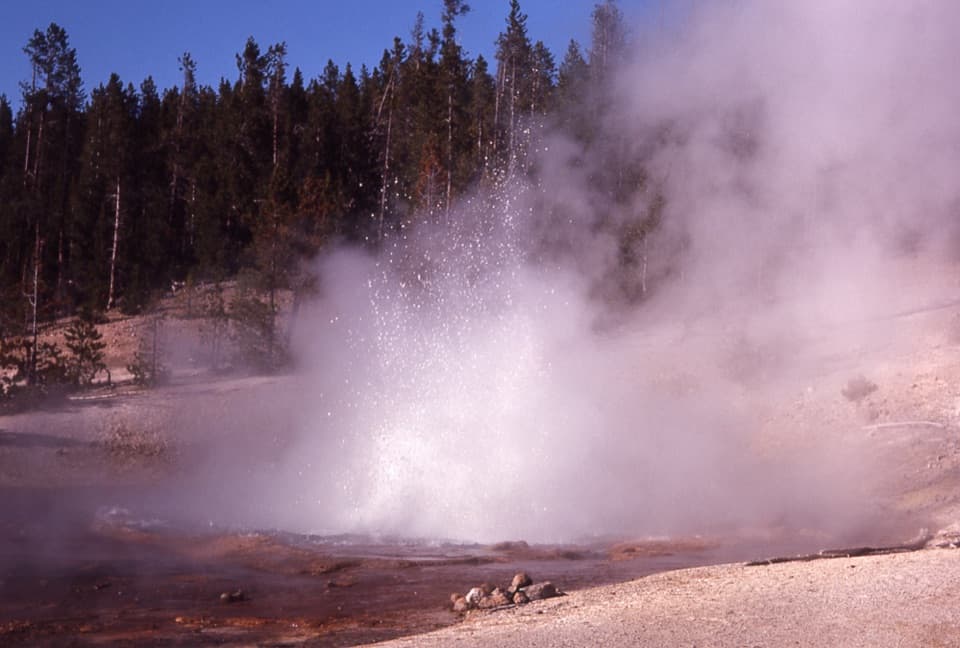 Sight · 3.7 mi awayEchinus GeyserA 66-foot acidic geyser with sea-urchin spines around a red rim.
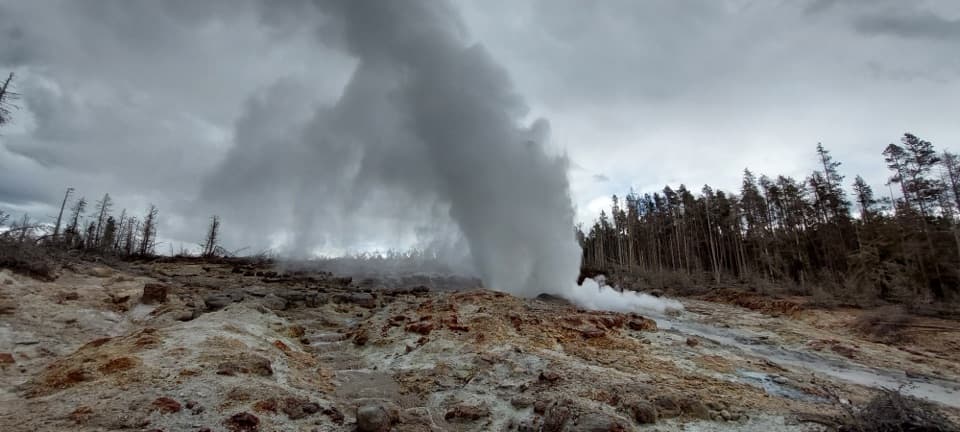 Sight · 3.8 mi awaySteamboat GeyserThe world’s tallest active geyser—and you can’t plan its eruptions.
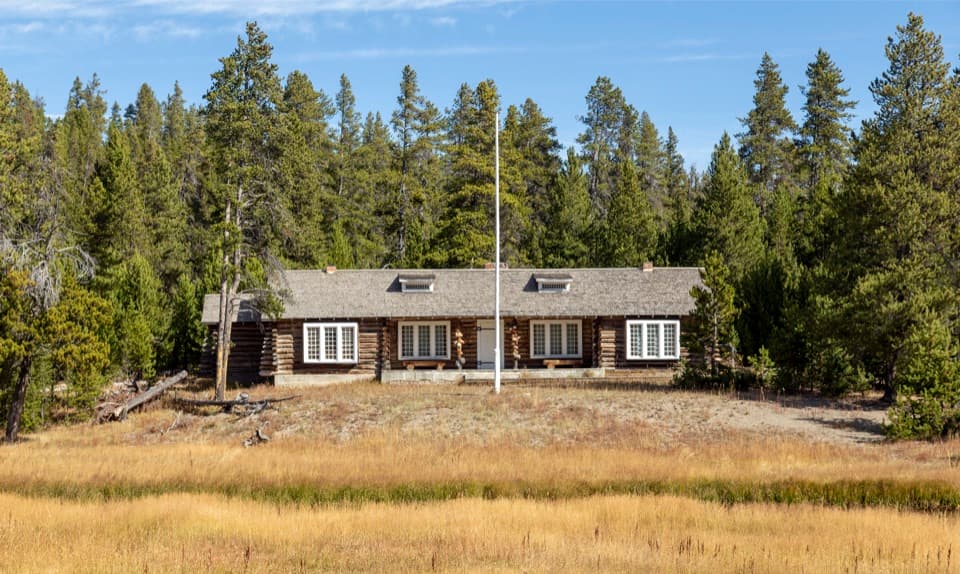 Sight · 3.8 mi awayMuseum of the National Park RangerA small log museum traces Yellowstone's ranger profession.
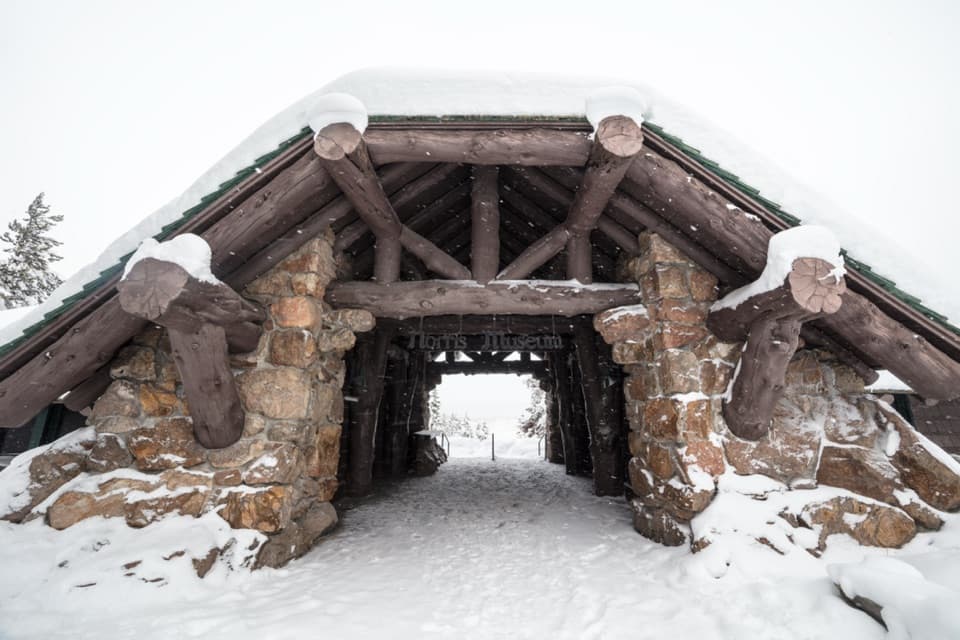 Sight · 3.9 mi awayNorris Geyser Basin Museum and Information StationA 1930 stone and log museum opens onto Norris’s geothermal story.
Parkwolf’s Yellowstone ranking

The audio tour guide for the drive, plus offline maps, trails, and wildlife heatmaps for when the signal drops.