Place · 0.2 mi away

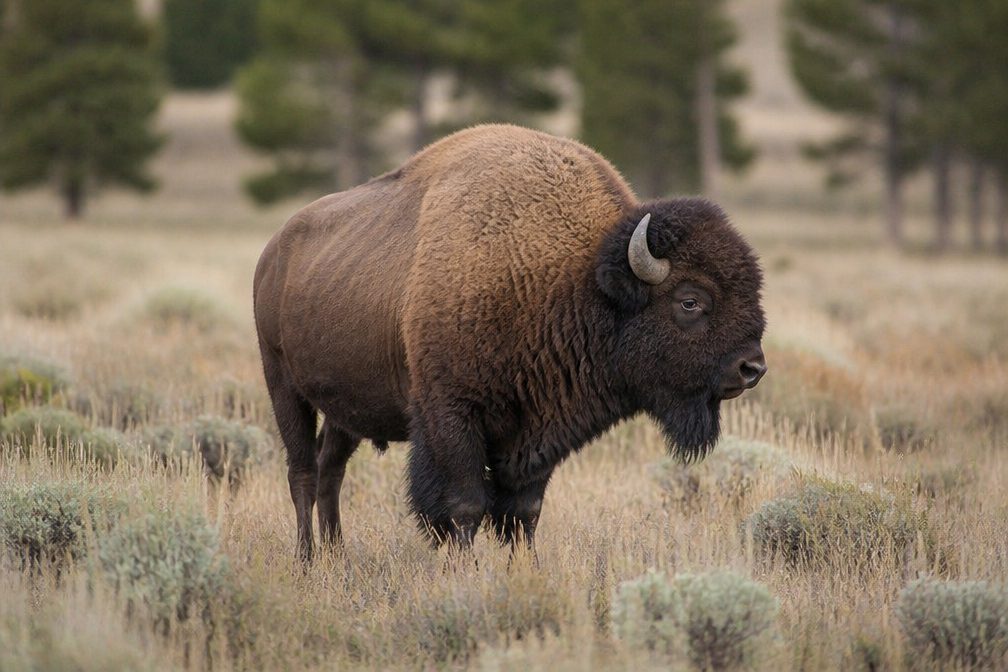
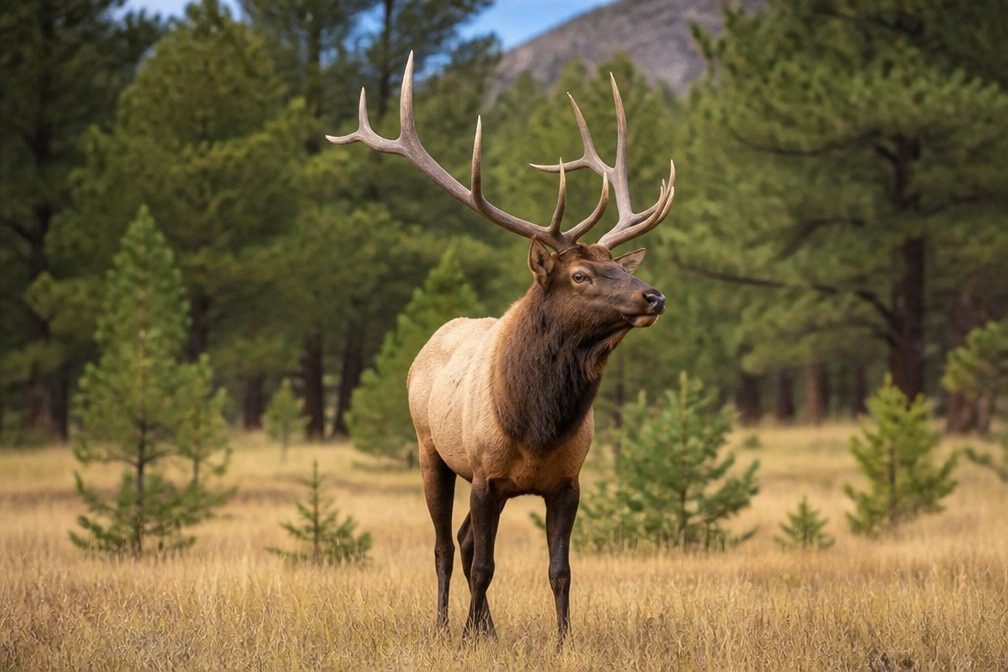
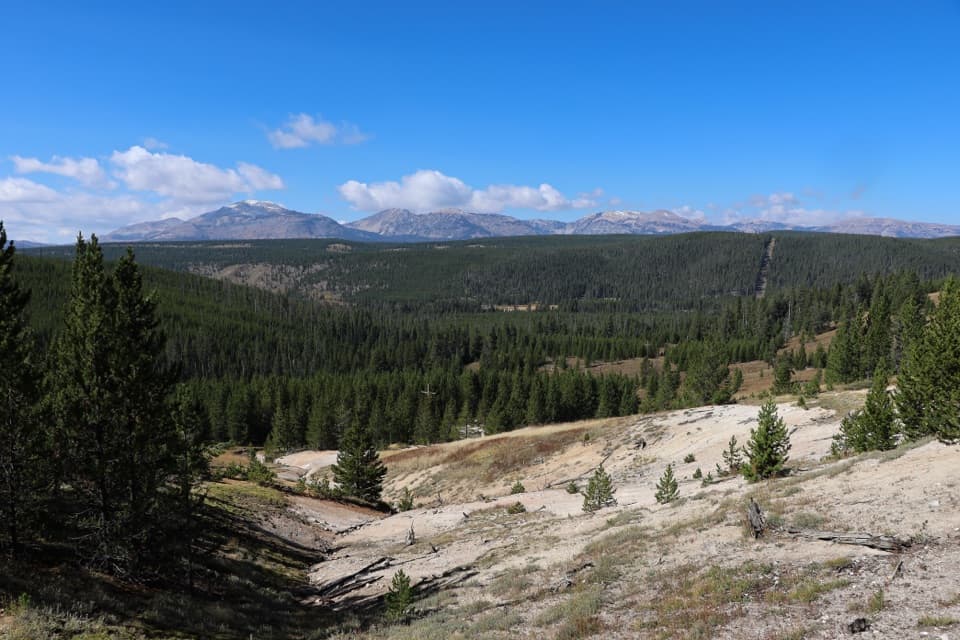
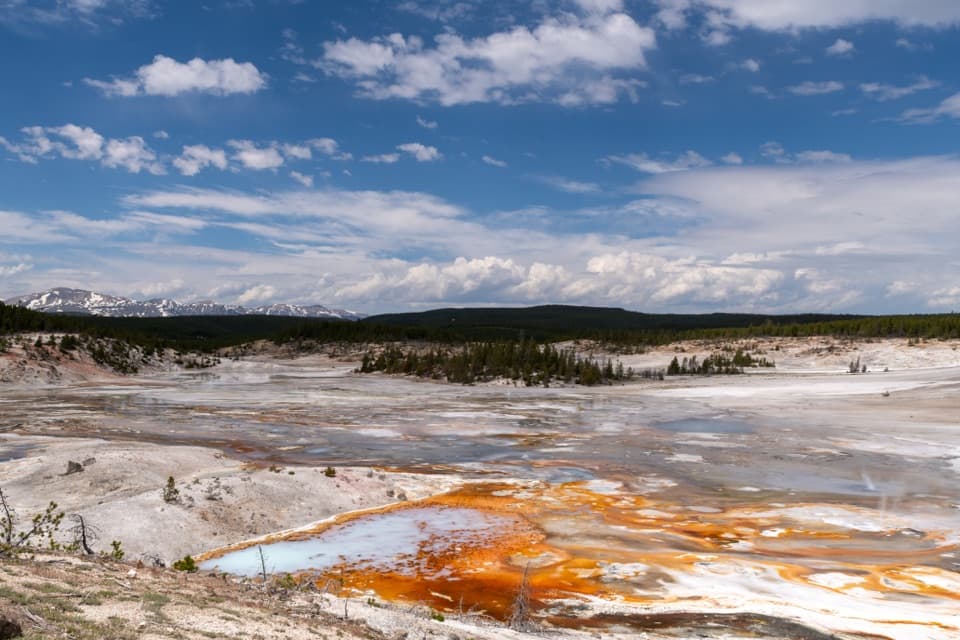
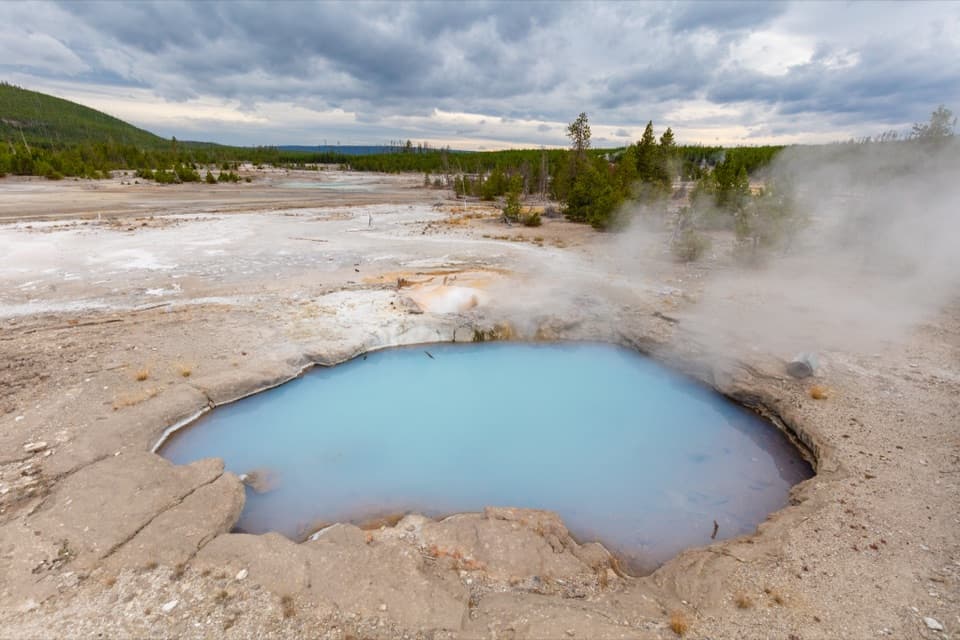
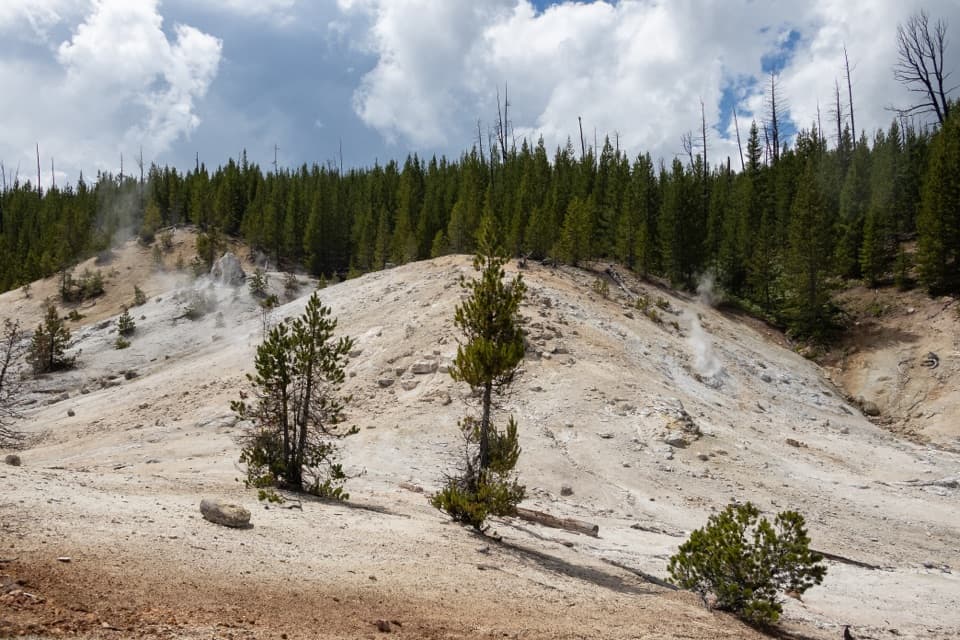
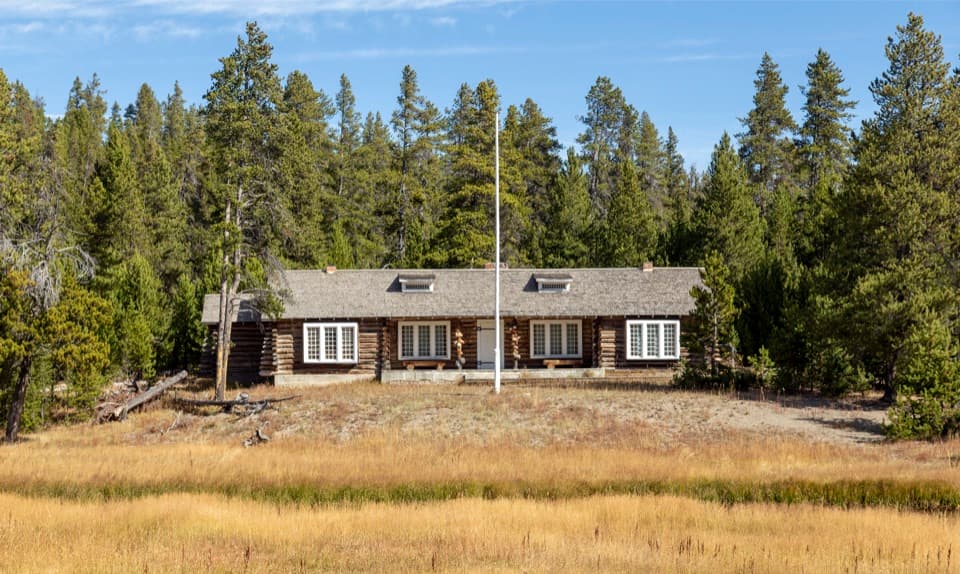
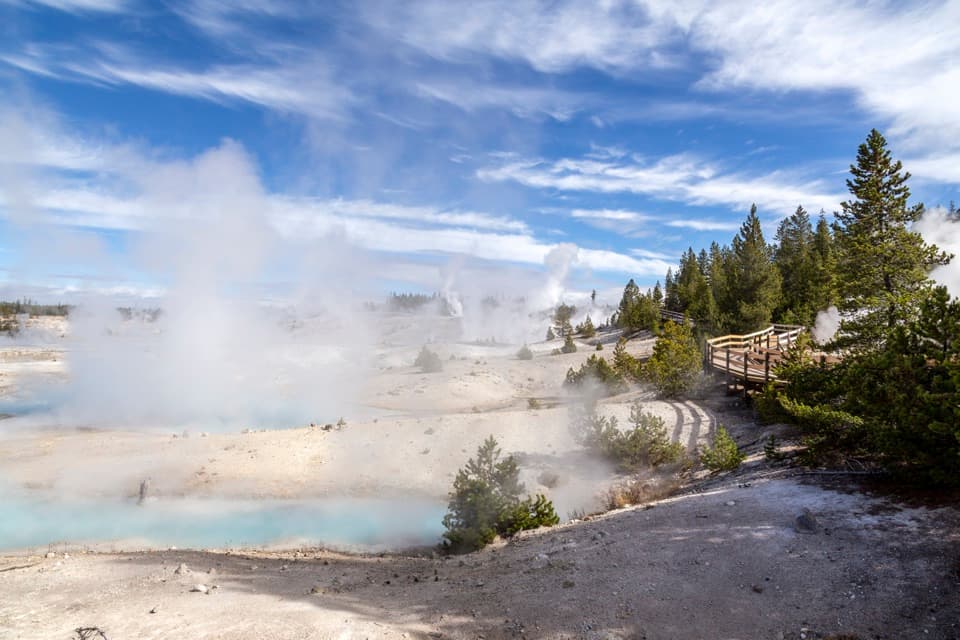
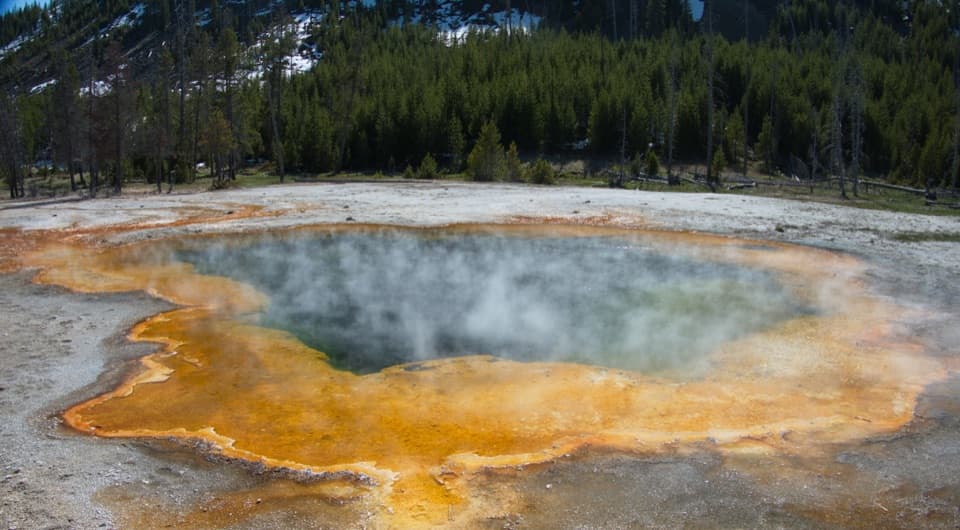
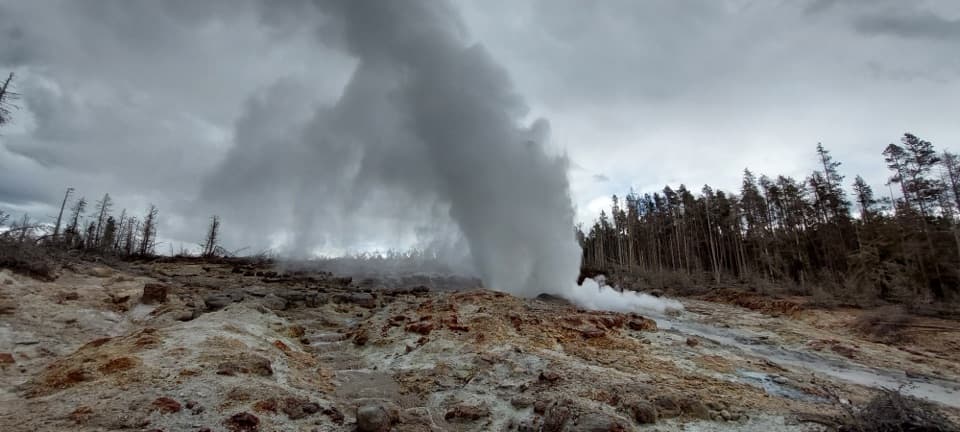
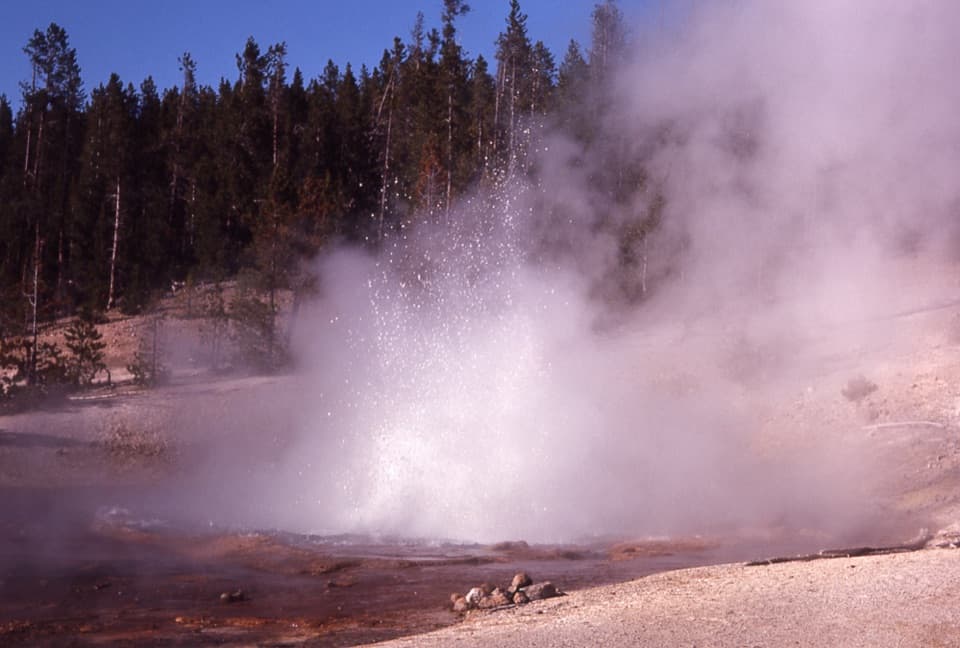
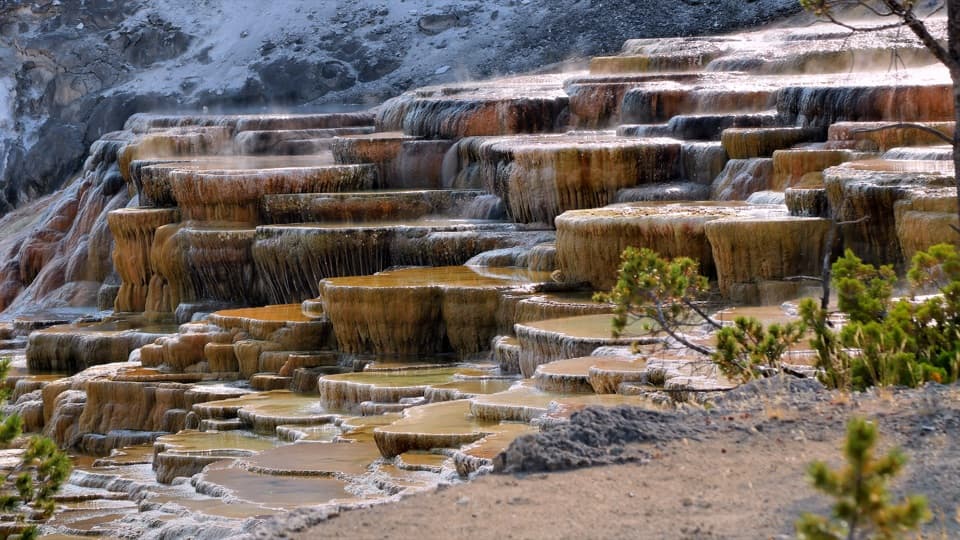
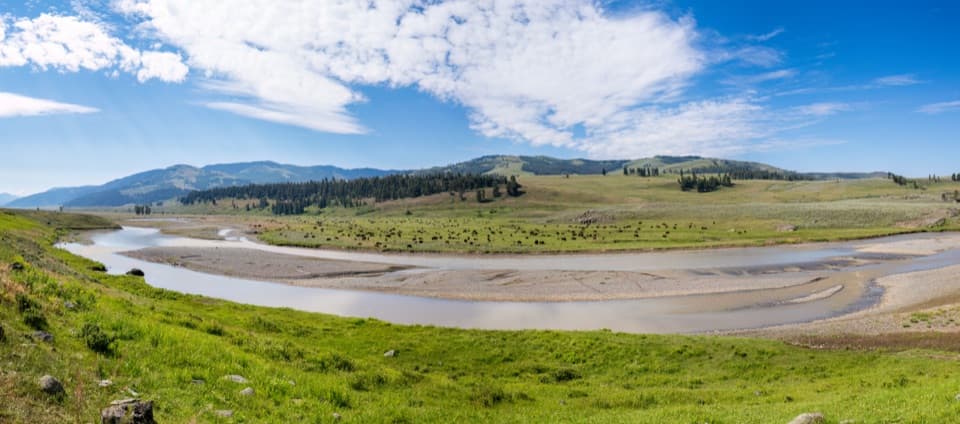
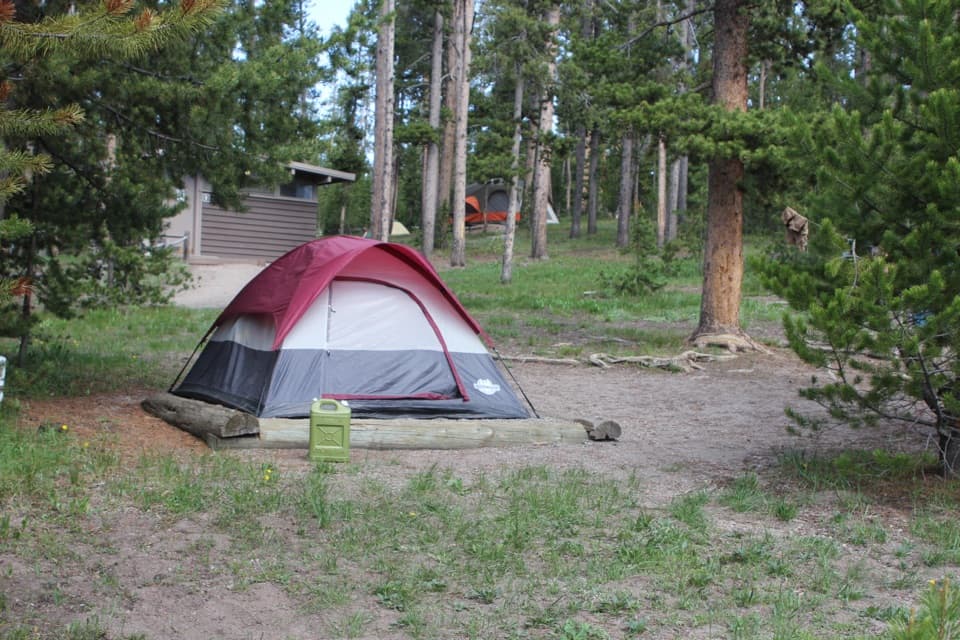
Norris Campground sits in a prime, central spot near Norris Junction, with meadow and river-side sites that used to see bison and elk wander through. It’s right by the park’s hottest, most changeable thermal area, so that classic sulfur tang is part of the vibe.
It’s closed and has been for years, with the park saying it will remain closed for the foreseeable future due to limited capacity for emergency response, maintenance, and repairs. Don’t plan on staying here until the park announces otherwise.
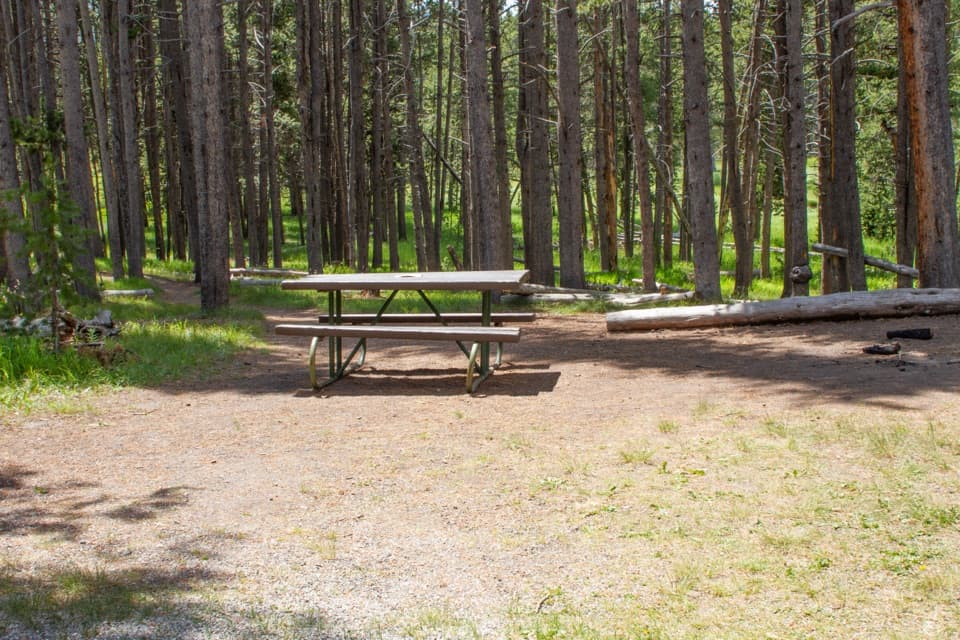
Norris offered 112 sites in a mix of tent and small-to-mid RV spots, with only a handful fitting longer rigs (some up to about 50 feet combined). Facilities included potable water, a dishwashing sink, picnic tables, fire rings, and bear-proof food lockers. Restrooms were a mix of flush toilets (near the entrance) and vault toilets elsewhere. There were no showers. Firewood and ice were sold at the entrance, and generators were typically allowed during daytime hours. Expect little to no cell coverage.
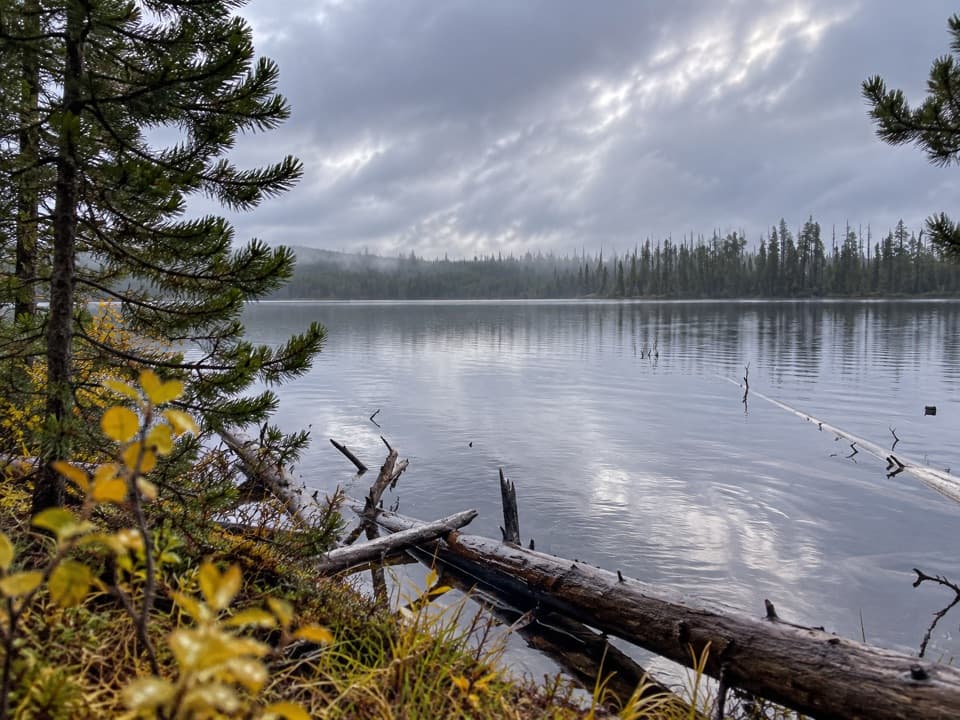
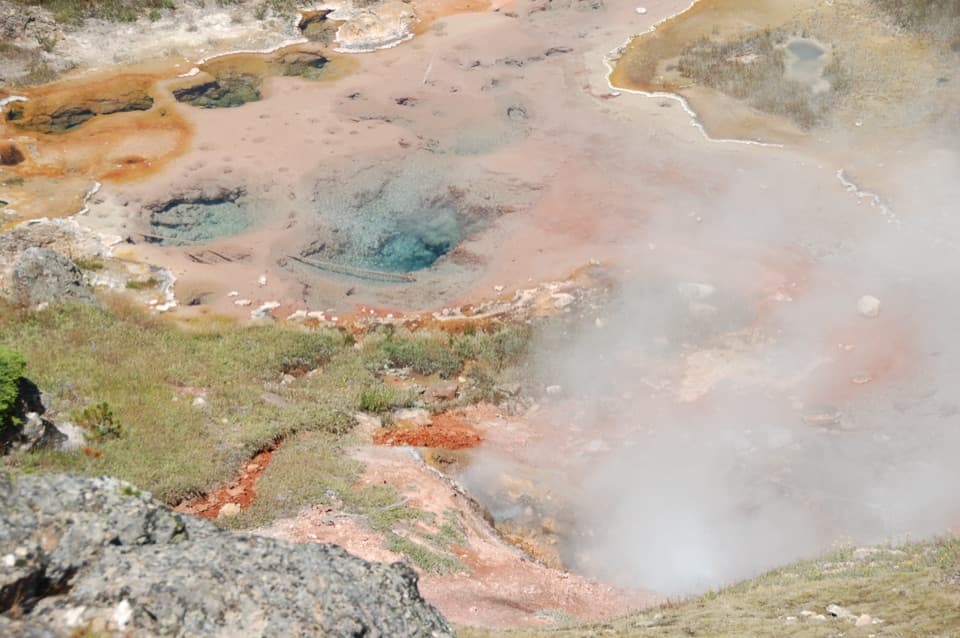
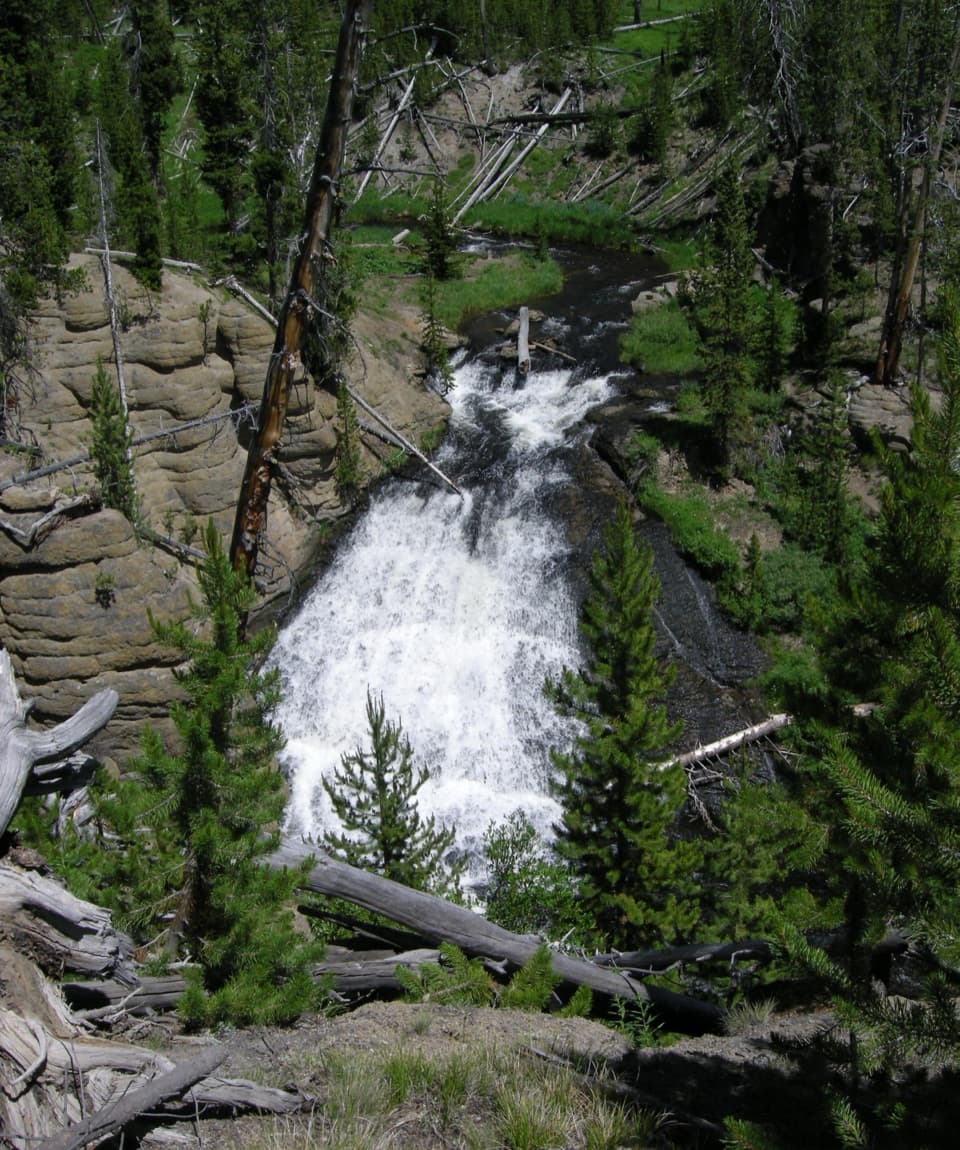
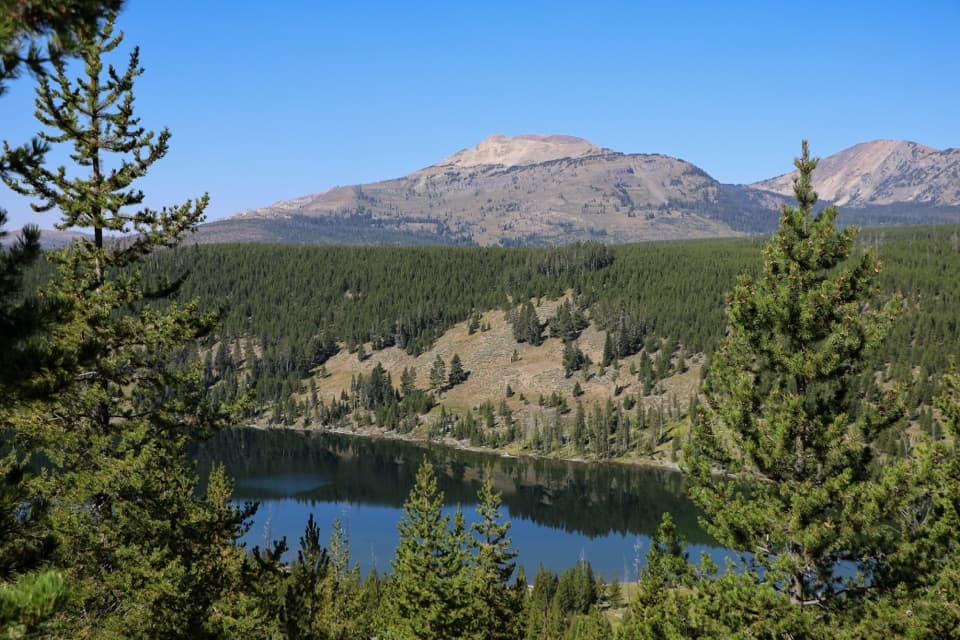
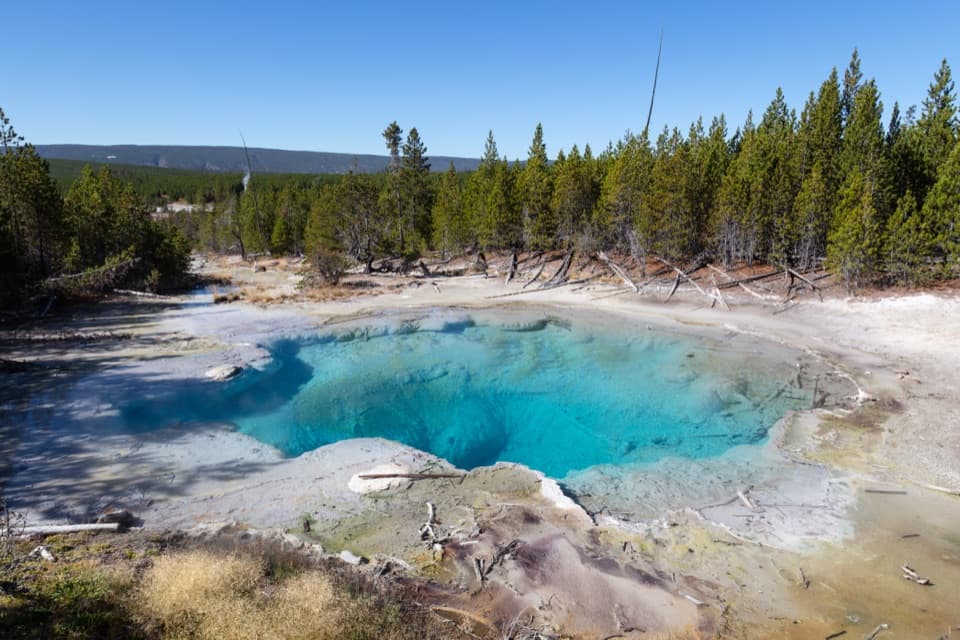
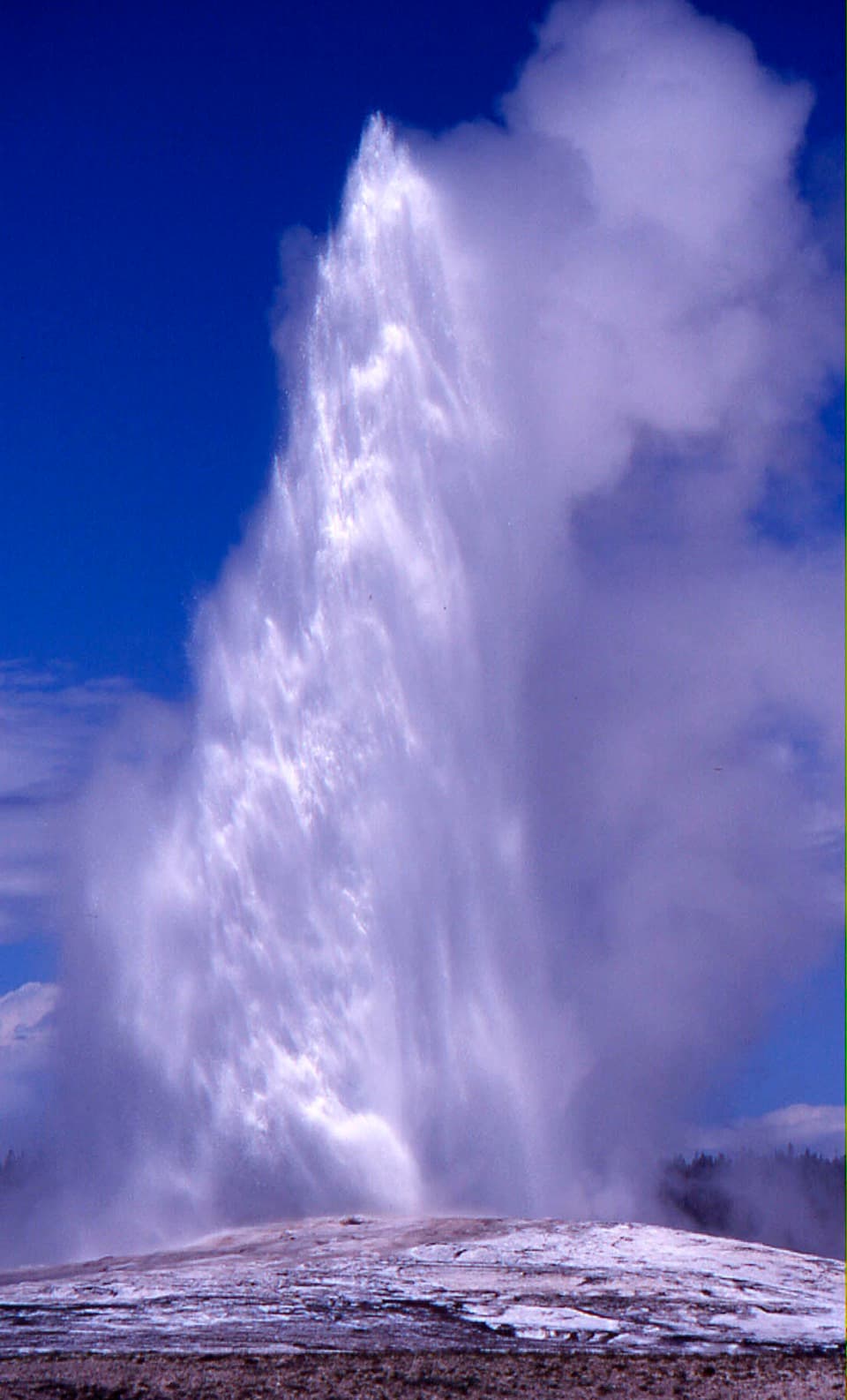
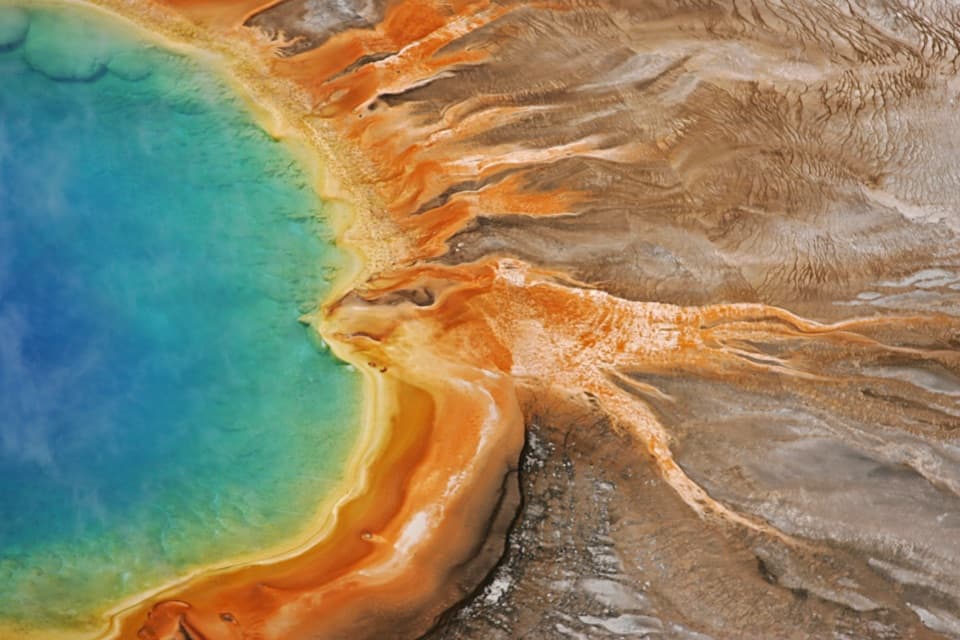
The setting was a standout: walk-in sites by the meadow and the Gibbon River, plus quick access to Norris Geyser Basin (about a mile by trail) and Artists Paintpots (a short drive). At roughly 7,500 feet, nights ran cold even in summer, so warm layers mattered.
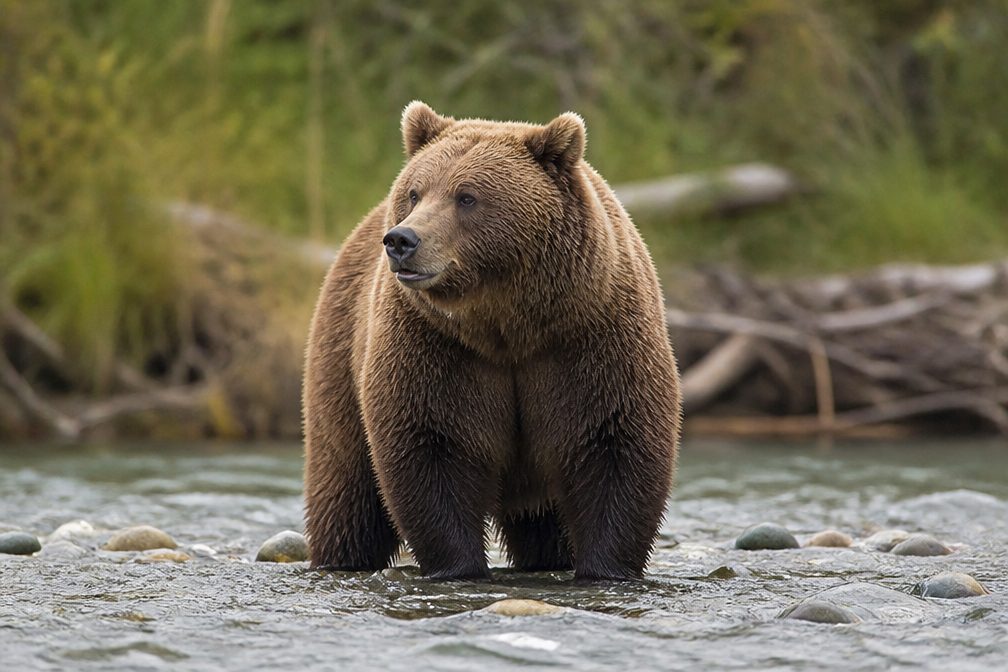
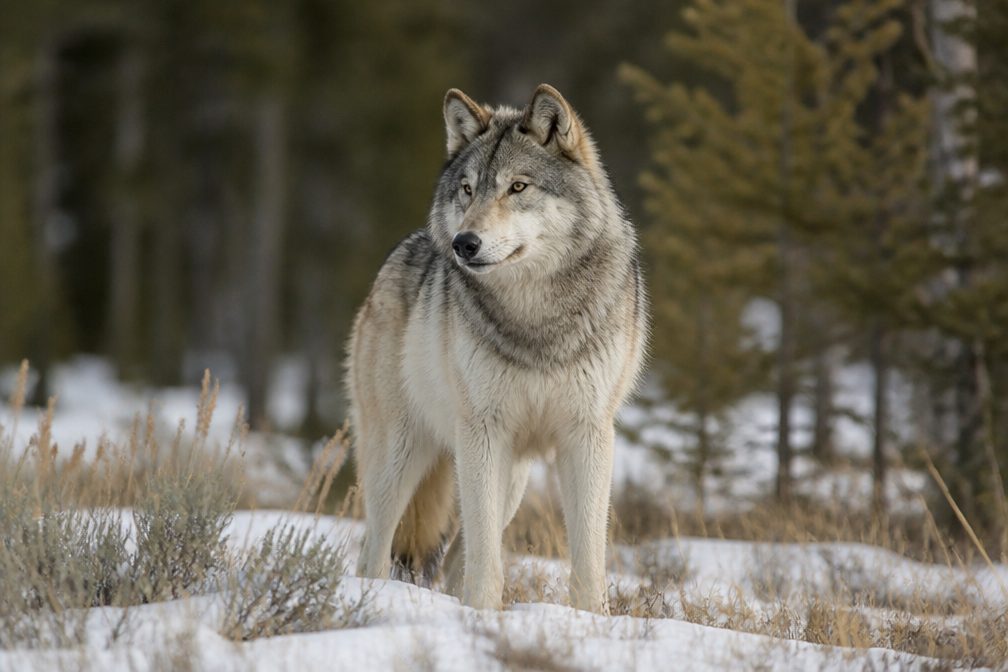
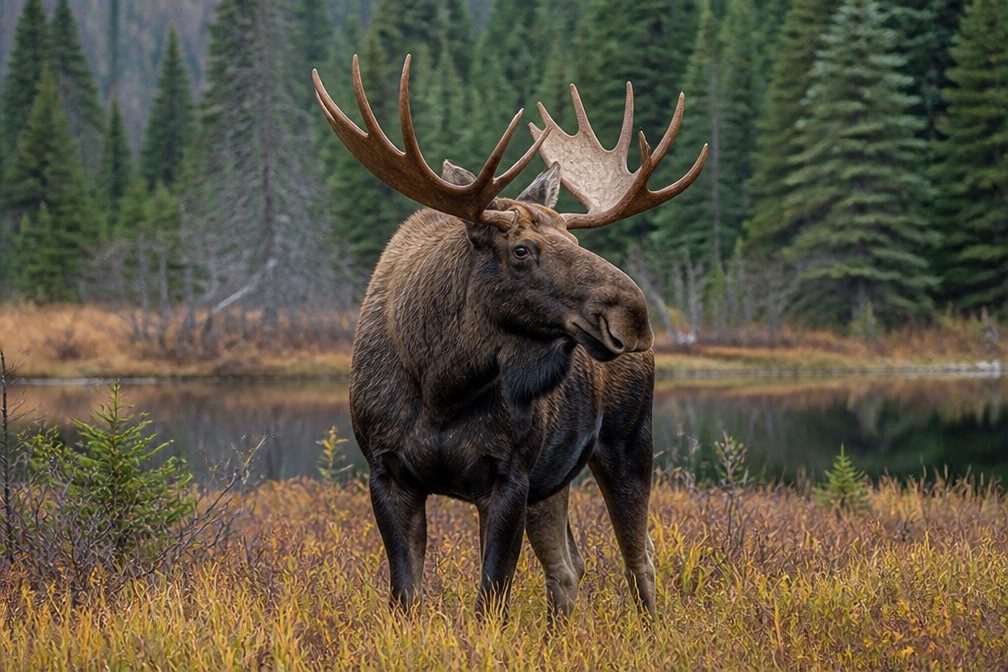
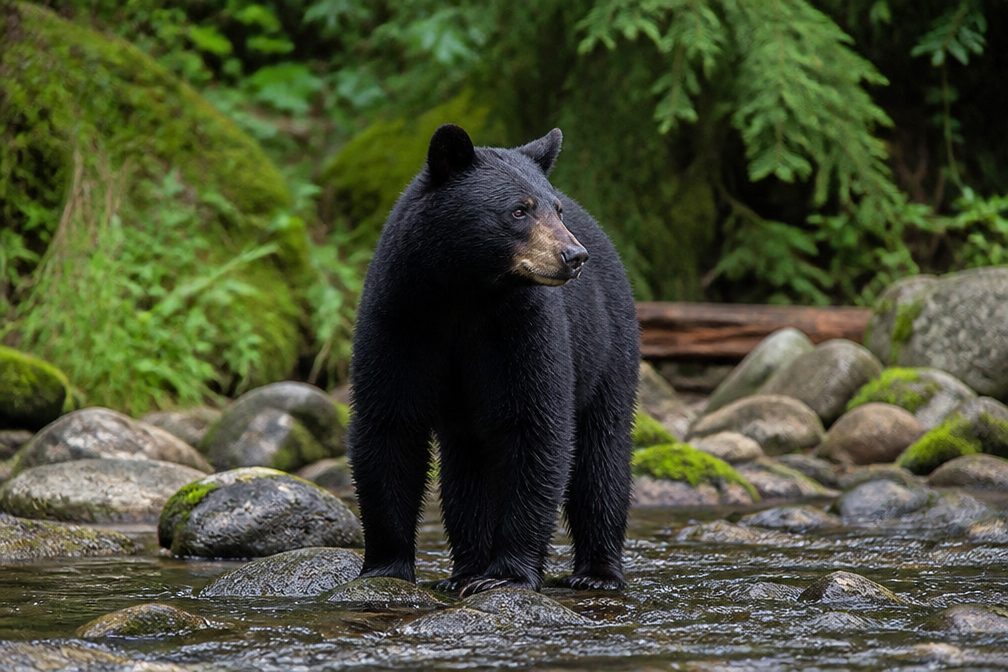
Bison and elk commonly used the meadows around camp; bears are in the broader area. Food and scented items needed to be locked in bear boxes or a hard-sided vehicle. Keep safe wildlife distances and carry bear spray on strolls from camp.
With Norris closed, look to other in-park campgrounds. Madison and Canyon make practical central bases; Grant Village works well if you’re exploring the south and Yellowstone Lake. Most sites across the park require reservations that typically open six months out.
While closed, there’s no best time. If it ever reopens, aim for shoulder seasons or early mornings to secure a site if it’s first-come—lines used to form around dawn. Cold nights are the norm, so plan your sleep system accordingly.