Parking
Start at Glen Creek Trailhead (1K3) on Grand Loop Road, south of Mammoth and just north of Bunsen Peak Trailhead. The route finishes at Highway 191, so arrange a pickup or shuttle before setting out.
Yellowstone National Park, WY · MT · ID
A long Gallatin crossing past a remote lake and over a pass.
Overview
Map & elevation
Plan your hike

The highest, rockiest slopes around here are a summer buffet for grizzly bears.
Yellowstone Tour Guide
Parkwolf is a GPS audio tour guide for Yellowstone National Park. As you drive, it chimes in with what’s ahead: hidden gems, upcoming stops, history, geology, and wildlife, right through your car’s speakers.
See the Yellowstone audio tourRecorded for this trailhead
Bunsen Peak Trailhead“You're nearing the Bunsen Peak trailhead, a good choice if you want a summit hike with views over Swan Lake Flats and the Gallatin Mountains.”
Plays as you drive up to this trailhead in the Parkwolf Yellowstone Tour Guide.
More stories near here in the app
“First time driving through a national park. We used the Yellowstone tour on grand loop Road and it’s just like having a tour guide in your car with you.”


Trail guide
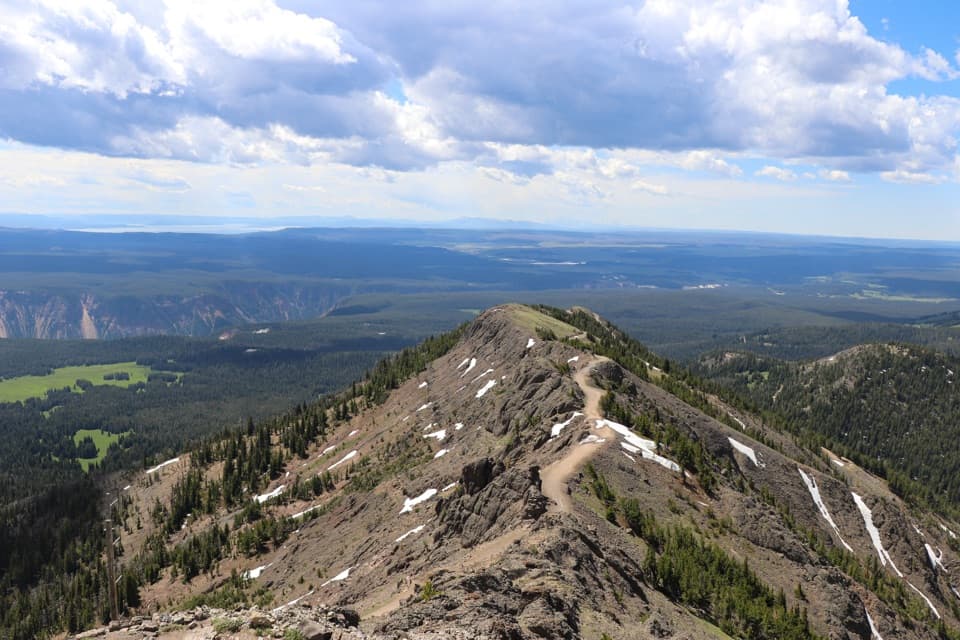
Sportsman Lake Trail is a strenuous, roughly 24-mile one-way crossing of Yellowstone’s Gallatin Range. It starts at Glen Creek Trailhead south of Mammoth, climbs over a pass through forest and meadows, passes Sportsman Lake, then follows 2.1 miles of Specimen Creek Trail to Highway 191. This is a remote point-to-point route, not a loop. Plan a pickup at the highway end; most hikers will want to split the crossing with an overnight, which requires a backcountry permit.
From Glen Creek, the mapped approach follows the Howard Eaton and Fawn Pass trail corridors to the Sportsman Lake route. The long cross-range section reaches the lake before continuing northwest to Specimen Creek. Yellowstone describes forest, meadows and a pass, but does not publish mile-by-mile footing or a typical time. Treat it as a backcountry traverse and carry navigation suited to the full route.
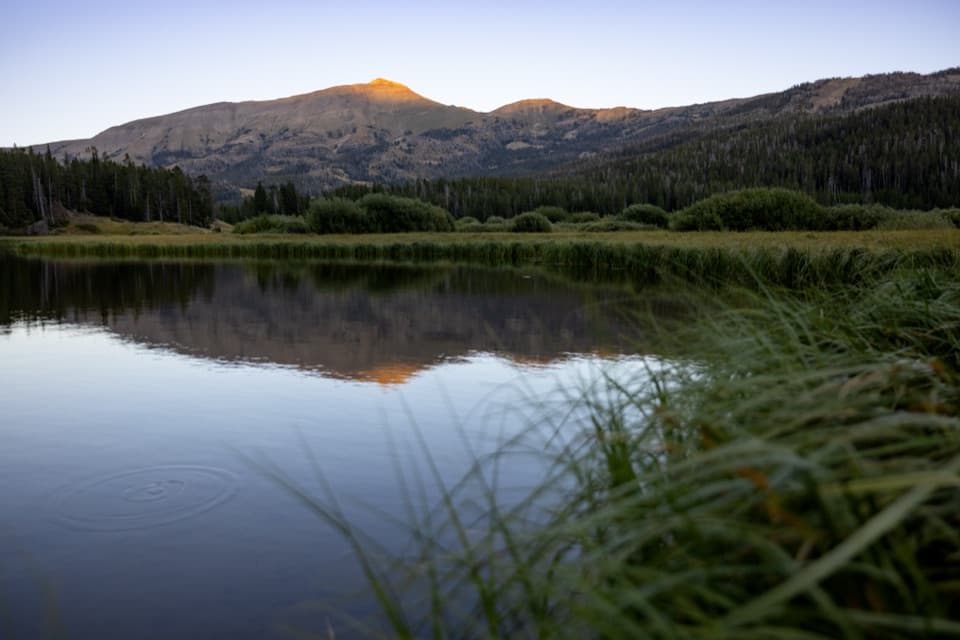
Sportsman Lake is the route’s natural pause: the water reflects a forested ridge, and Electric Peak catches the last light. Elk, bighorn sheep and grizzlies may be seen; grizzlies frequent this area. If you stop for a photo, include the water and the ridge rather than cropping tightly to the summit.
The route crosses the Gallatin Bear Management Area. Yellowstone advises groups of four or more and prohibits off-trail travel there from May 1 through November 10. Pets are not allowed on Yellowstone hiking trails or in the backcountry; trained service animals are allowed. The route ends on Highway 191 after its Specimen Creek segment, so arrange the exit ride before starting. Allow about 14–15 hours if you attempt it in one push; an overnight is more realistic for most hikers.
Wildlife
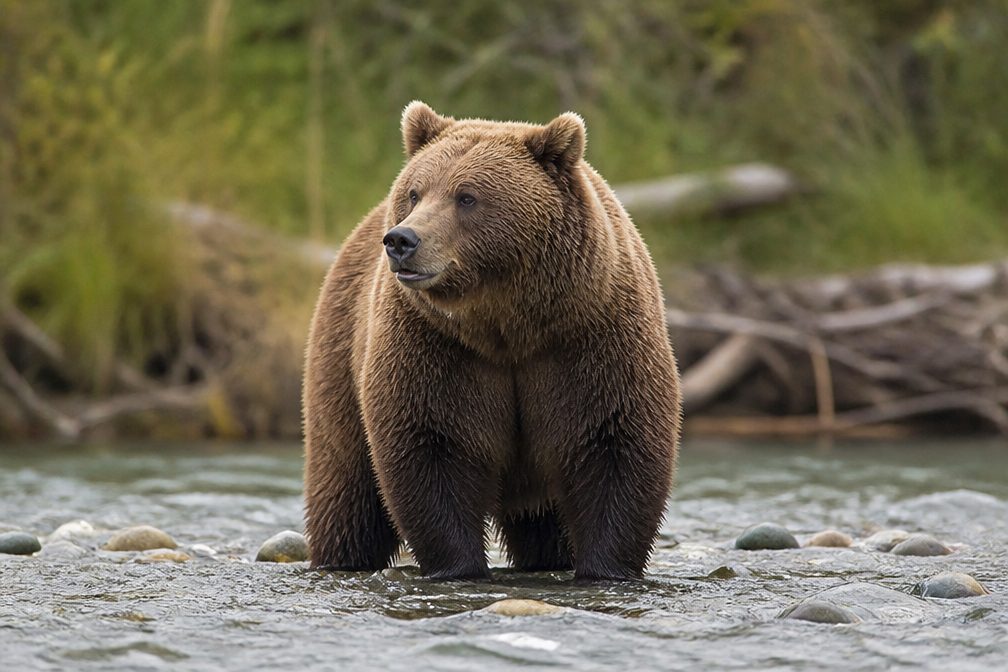 713 sightingsGrizzly BearMost seen around 6 AMSighting map
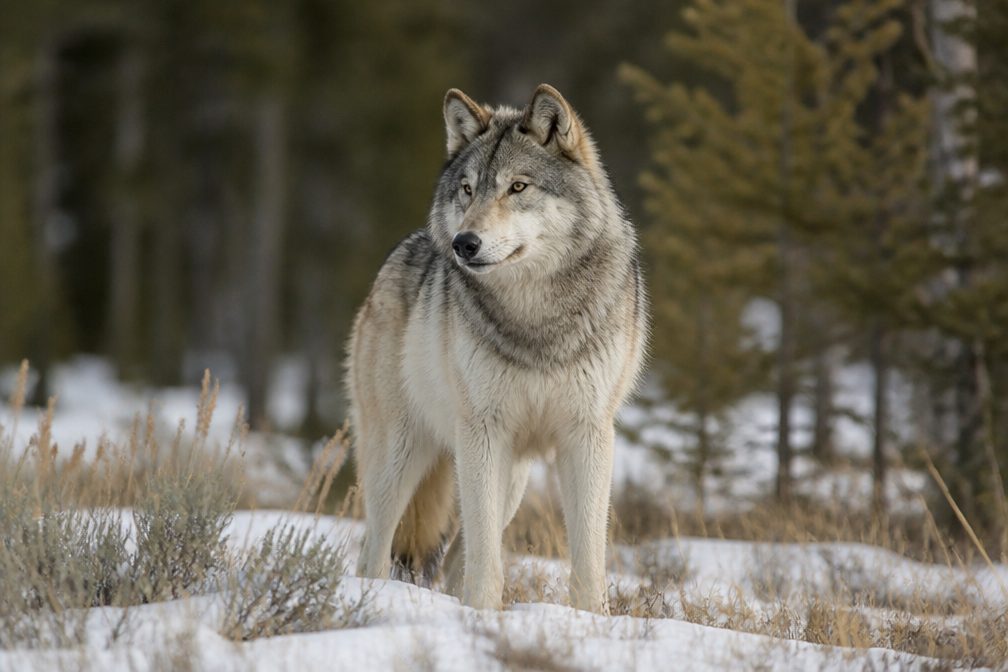 743 sightingsWolfMost seen around 6 AMSighting map
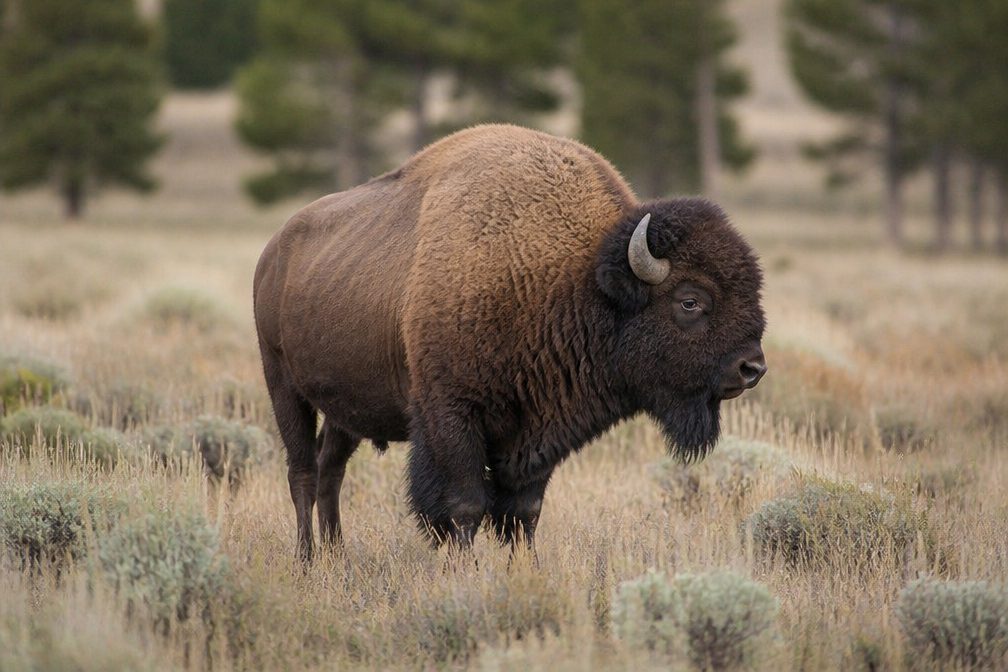 5,273 sightingsBisonMost seen around 7 AMSighting map
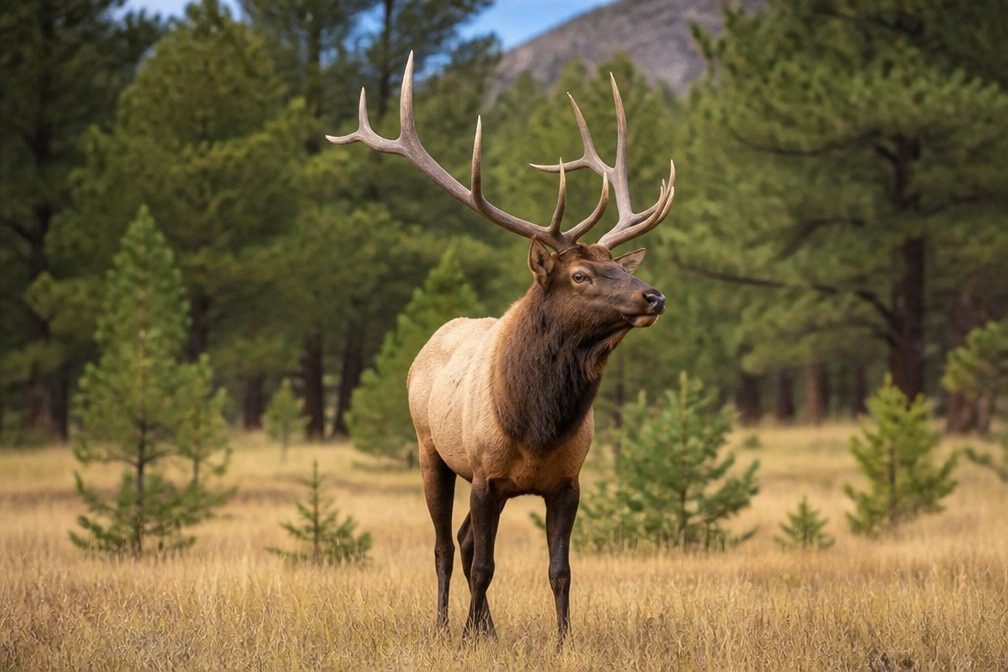 3,258 sightingsElkMost seen around 7 PMSighting map
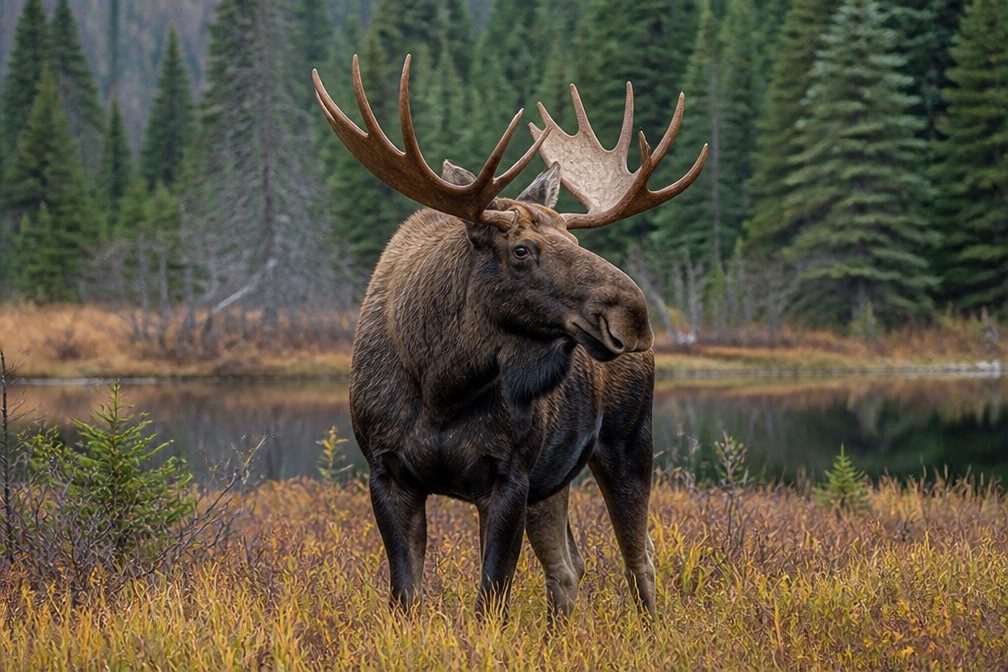 397 sightingsMooseMost seen around 7 PMSighting map
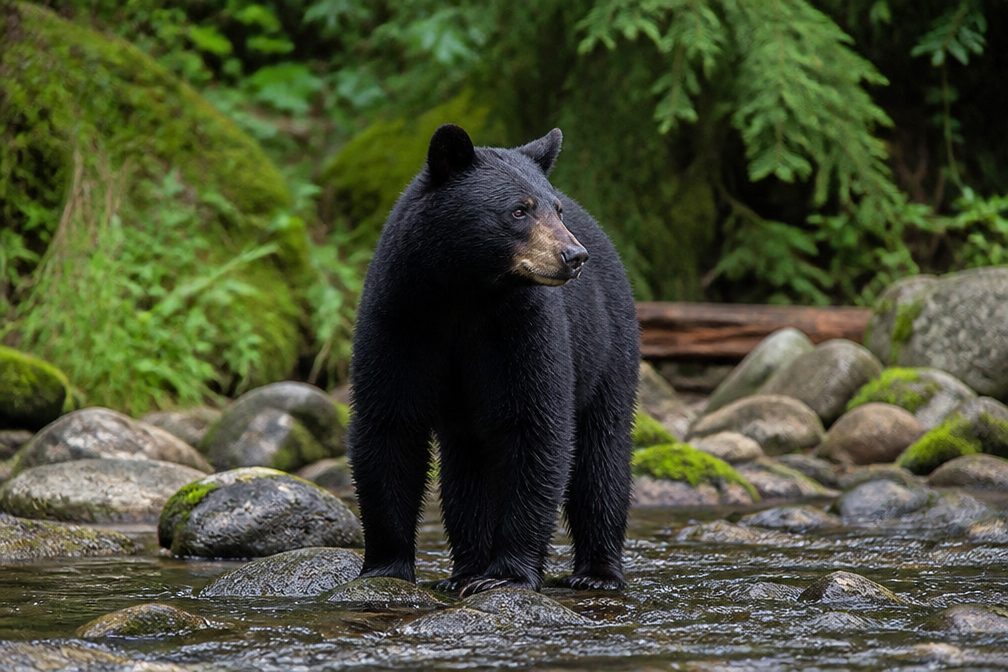 1,494 sightingsBlack BearMost seen around 7 PMSighting map
Sighting maps show where each species has been reported across Yellowstone. Wildlife moves, so no sighting is guaranteed.
Keep exploring
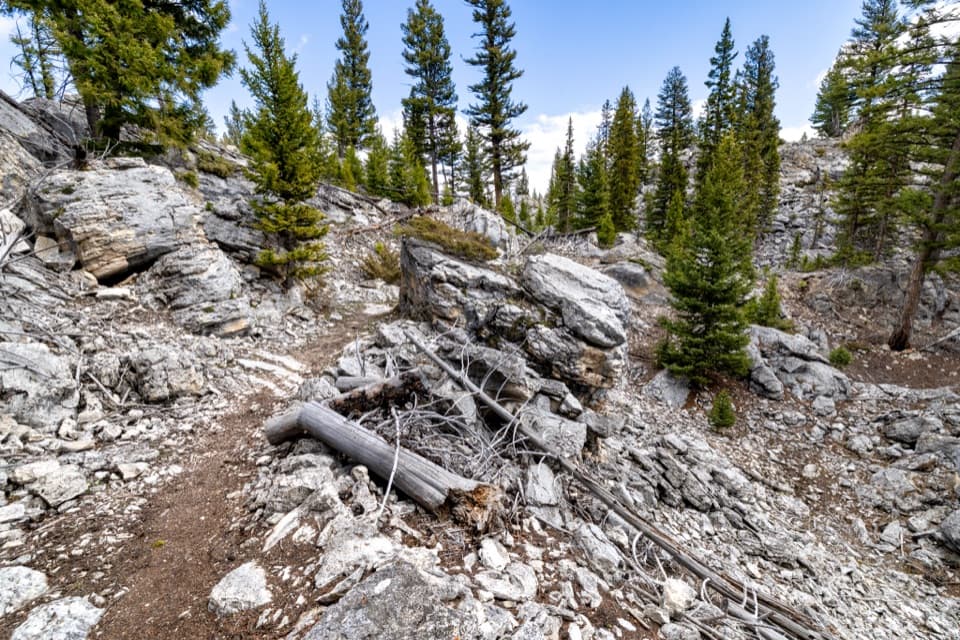 EasyHoward Eaton Trail: Glen Creek to Mammoth Hot Springs4 mi · 2.5 hr · 0.1 mi awayDownhill through the Hoodoos into Mammoth’s old spring terraces.
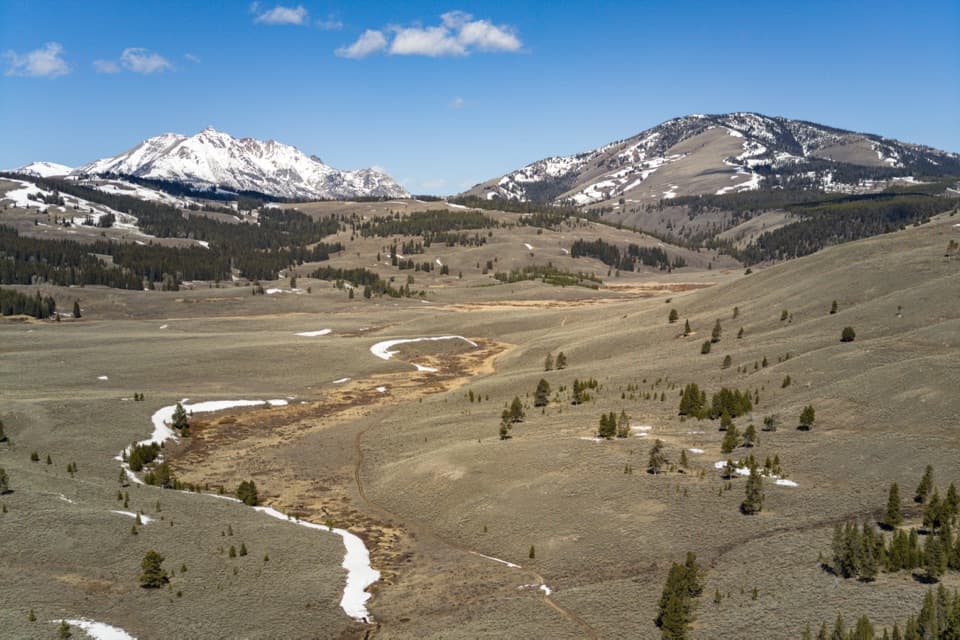 ModerateGlen Creek Trail11.9 mi · 6.5 hr · 0.1 mi awayA long walk through sagebrush flats beneath Electric Peak.
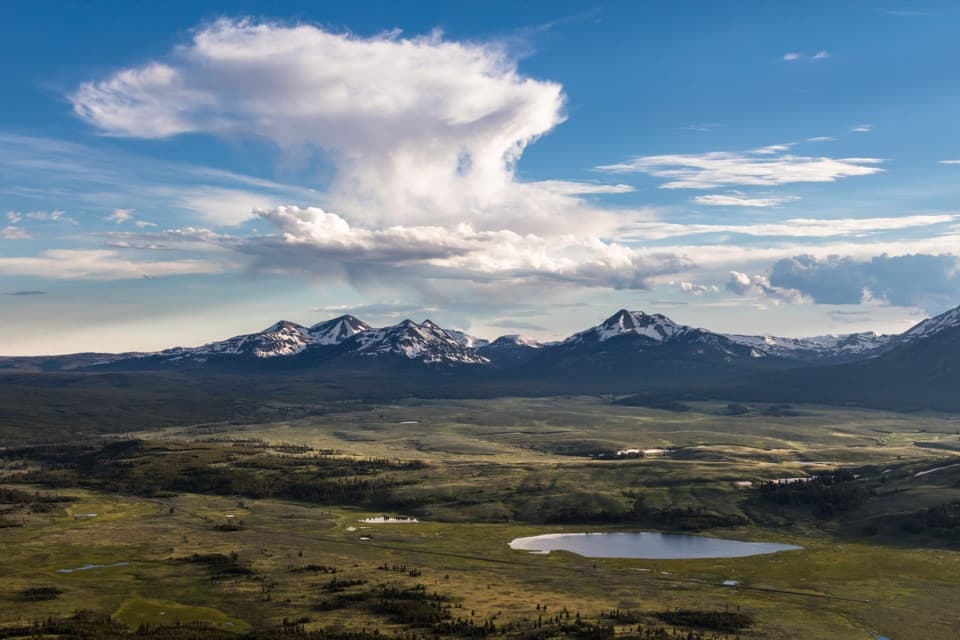 ModerateBunsen Peak Trail4.6 mi · 2.5 hr · 0.1 mi awaySwitchbacks climb to a broad view over Swan Lake Flats.
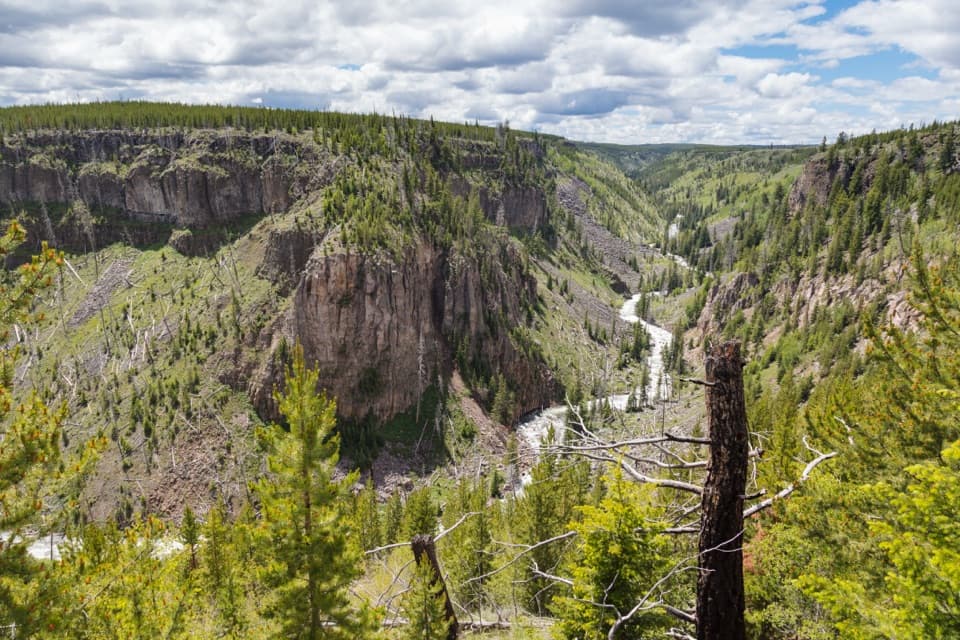 ModerateBunsen Peak Road Trail6 mi · 3 hr · 0.2 mi awayA level old road turns into a steep canyon descent.
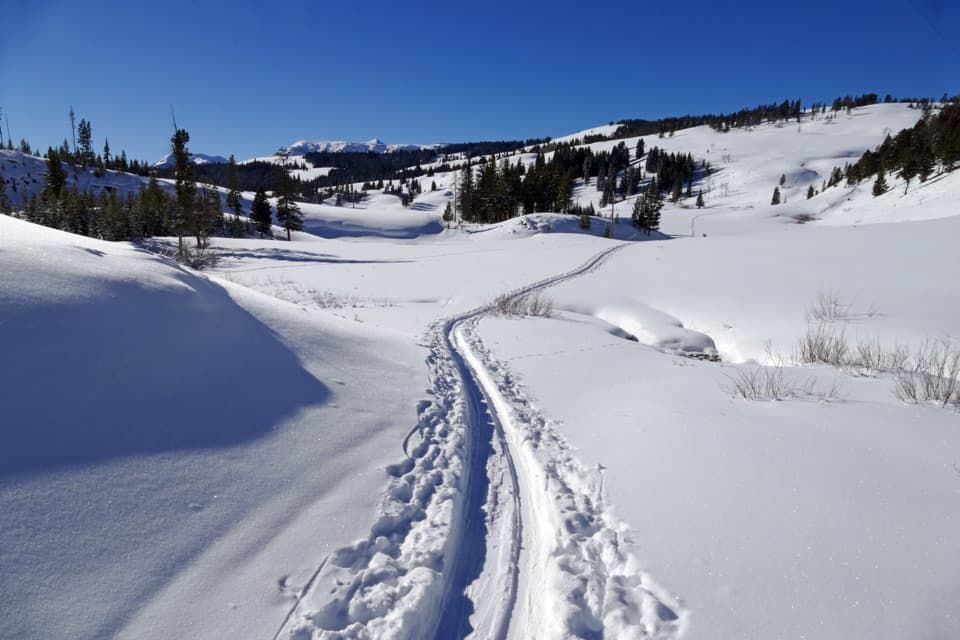 ModerateSnow Pass Trail3 mi · 2.5 hr · 2 mi awayA steep, forested climb to a 7,450-foot pass.
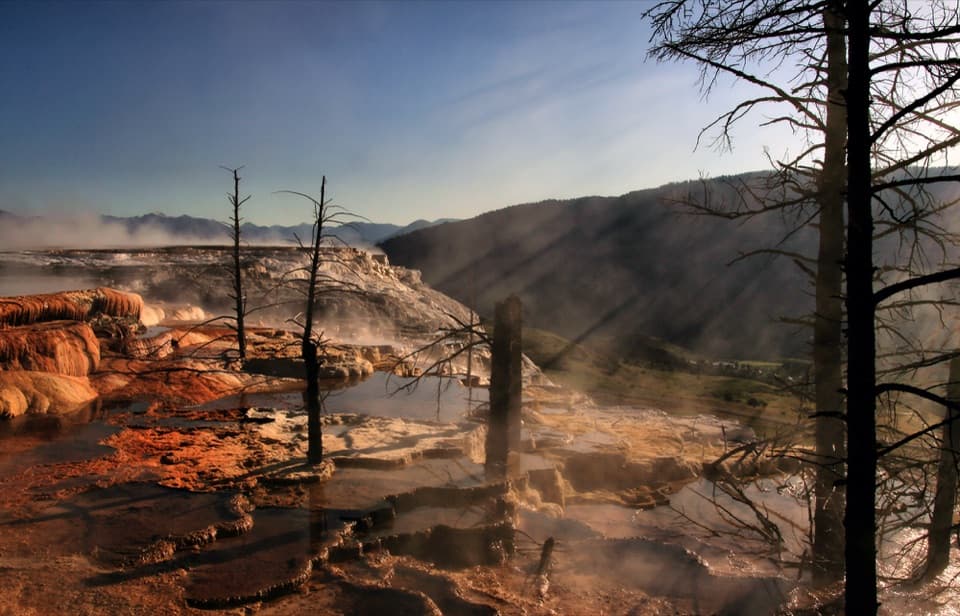 EasyMammoth Hot Springs Upper Terrace Boardwalk Trail0.6 mi · 30 min · 2.7 mi awaySee changing hot spring colors from the upper boardwalk.
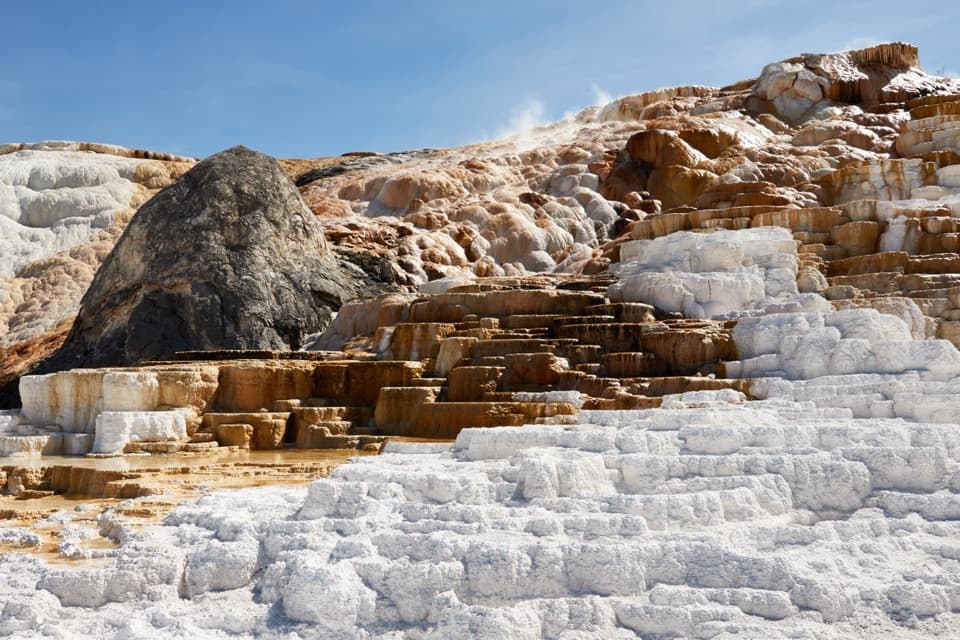 ModerateMammoth Hot Springs Lower Terraces Trail1.8 mi · 1.3 hr · 3 mi awayWalk boardwalks past colorful travertine shelves that keep rebuilding.
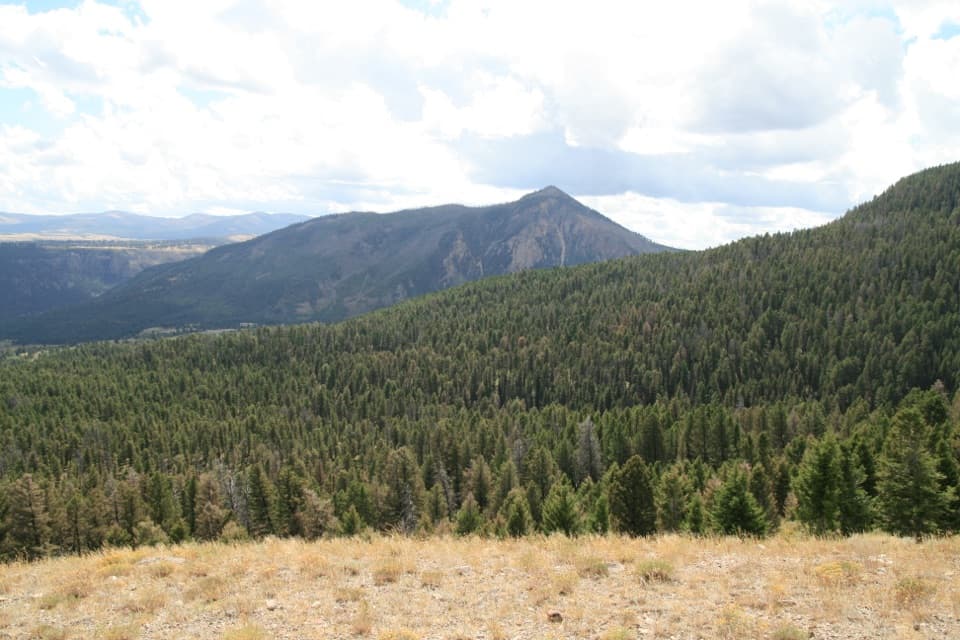 ModerateClagett Butte–Snow Pass Loop4.9 mi · 3.5 hr · 3.1 mi awayA steep Mammoth loop linking Clagett Butte and Snow Pass.
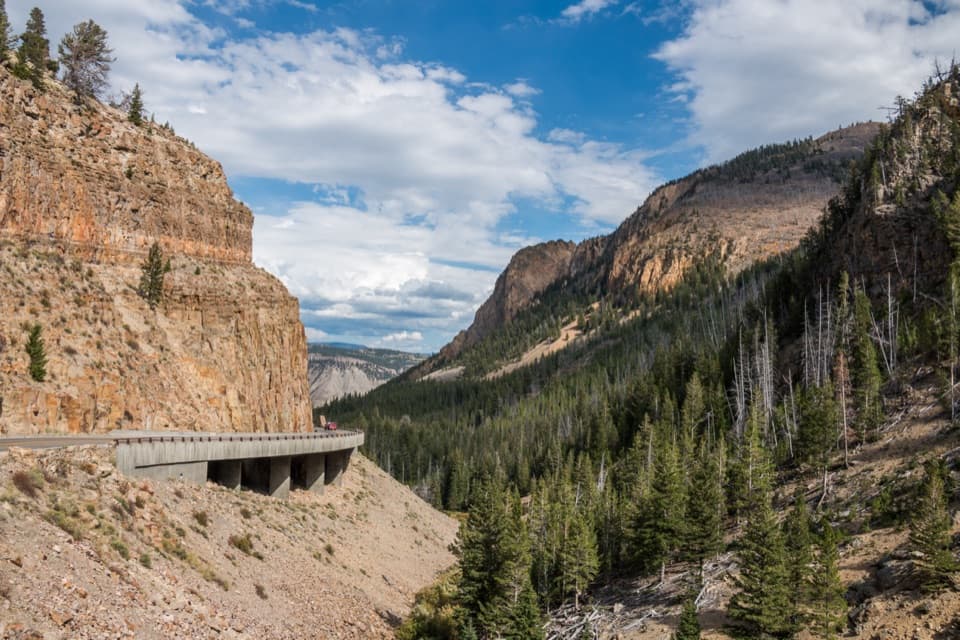 Sight · 0.3 mi awayGolden GateAn 11-arch viaduct bends around a golden canyon wall.
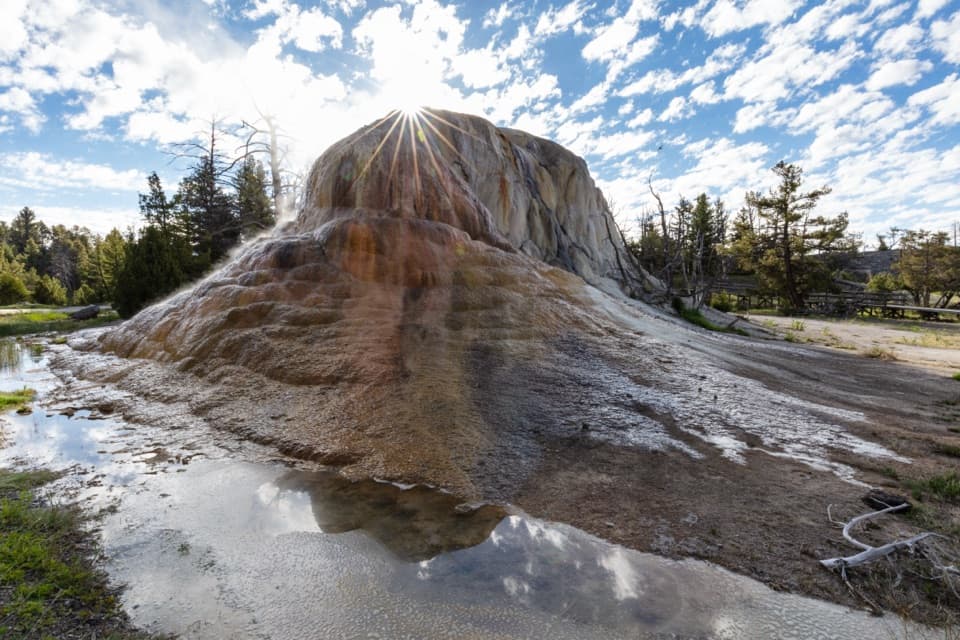 Sight · 2.4 mi awayOrange Spring MoundOrange travertine still growing beside Upper Terrace Drive.
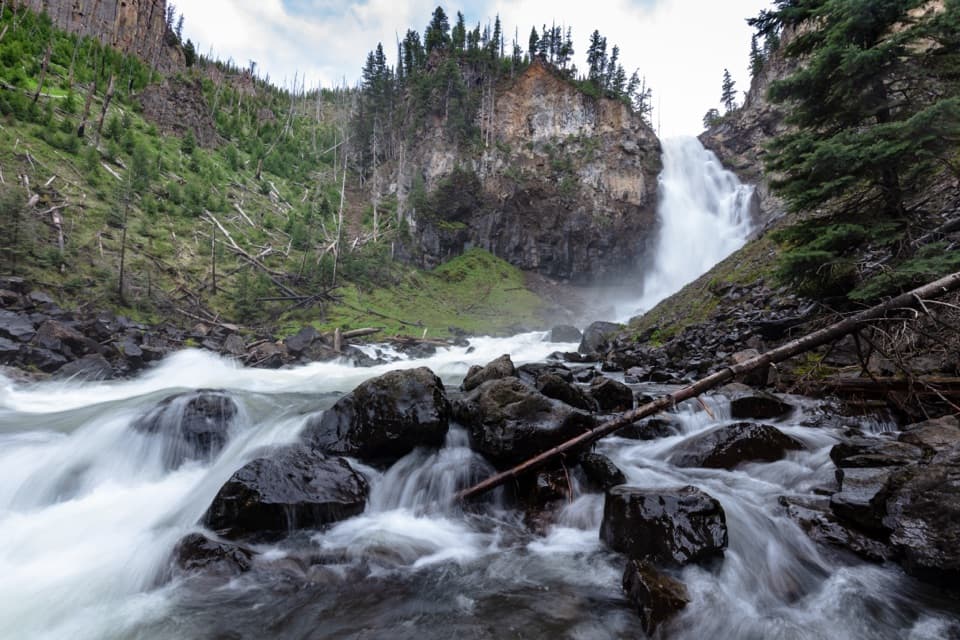 Sight · 2.4 mi awayOsprey FallsA hard hike to a 150-foot waterfall in Sheepeater Canyon.
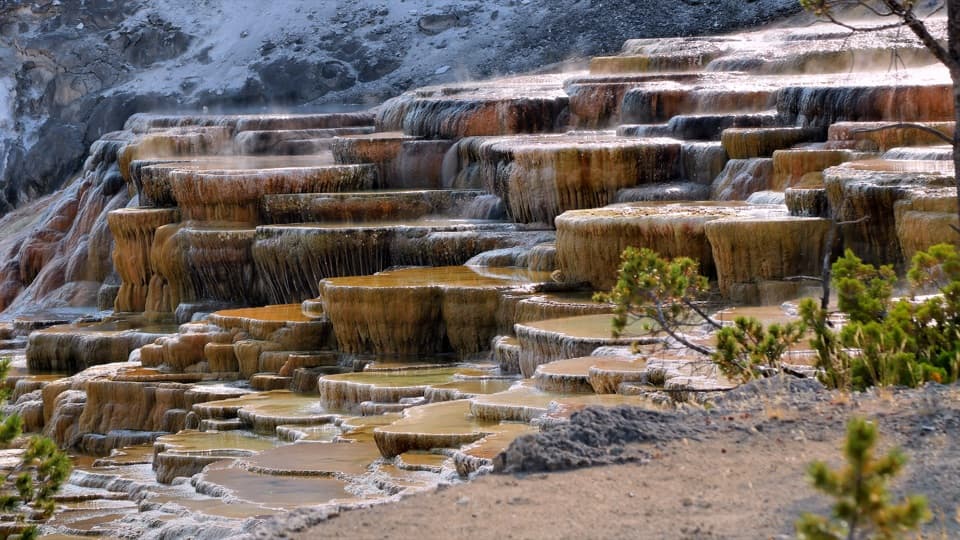 Sight · 2.8 mi awayMammoth Hot Springs Lower TerracesHeat-loving microbes tint travertine orange, green and brown.
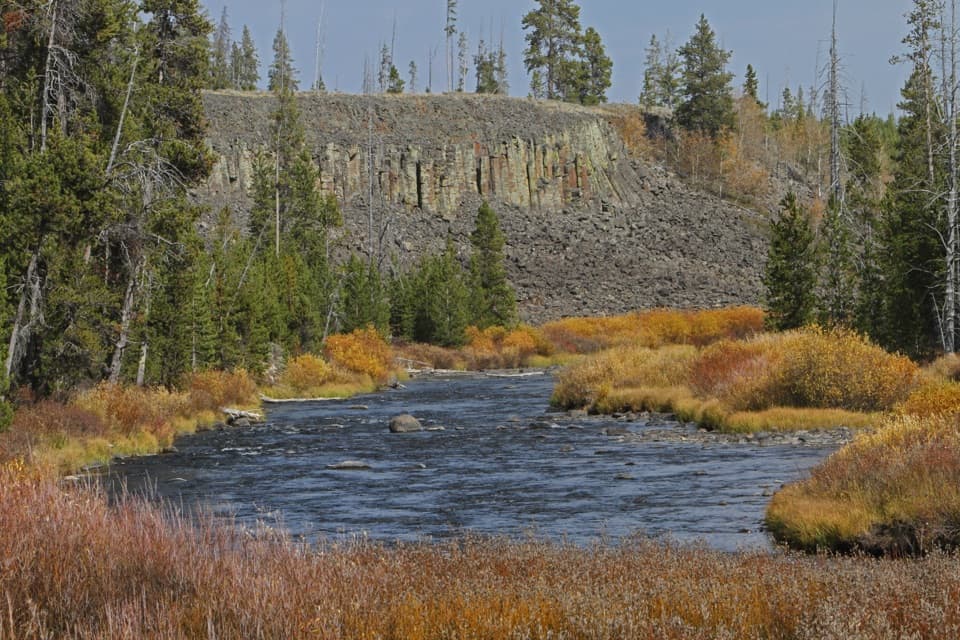 Sight · 2.9 mi awaySheepeater CliffWalk right up to a wall of six-sided basalt columns.
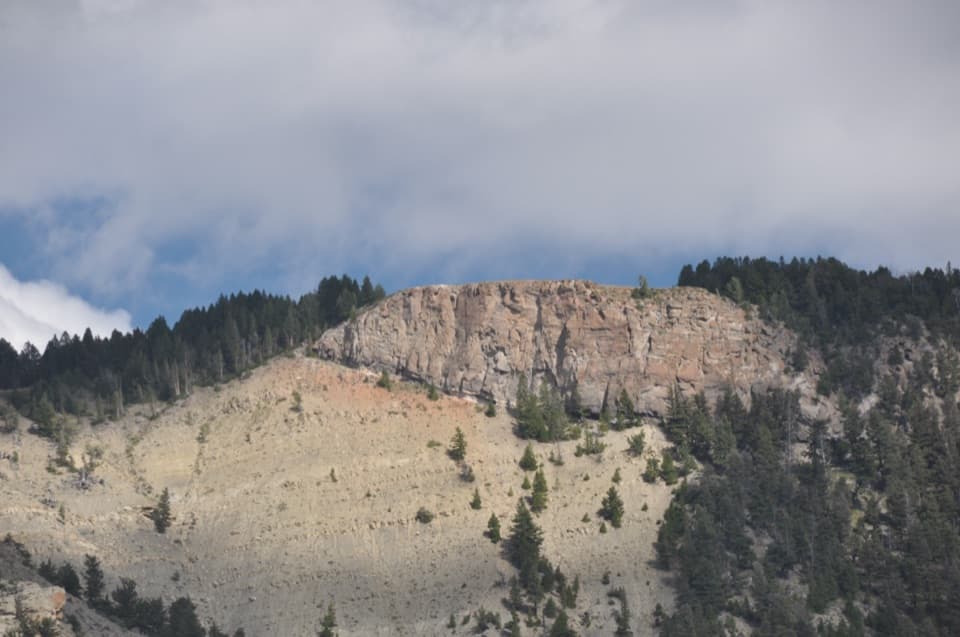 Sight · 3 mi awayMount Everts ViewpointA 37-day survival story above layers separated by 60 million years
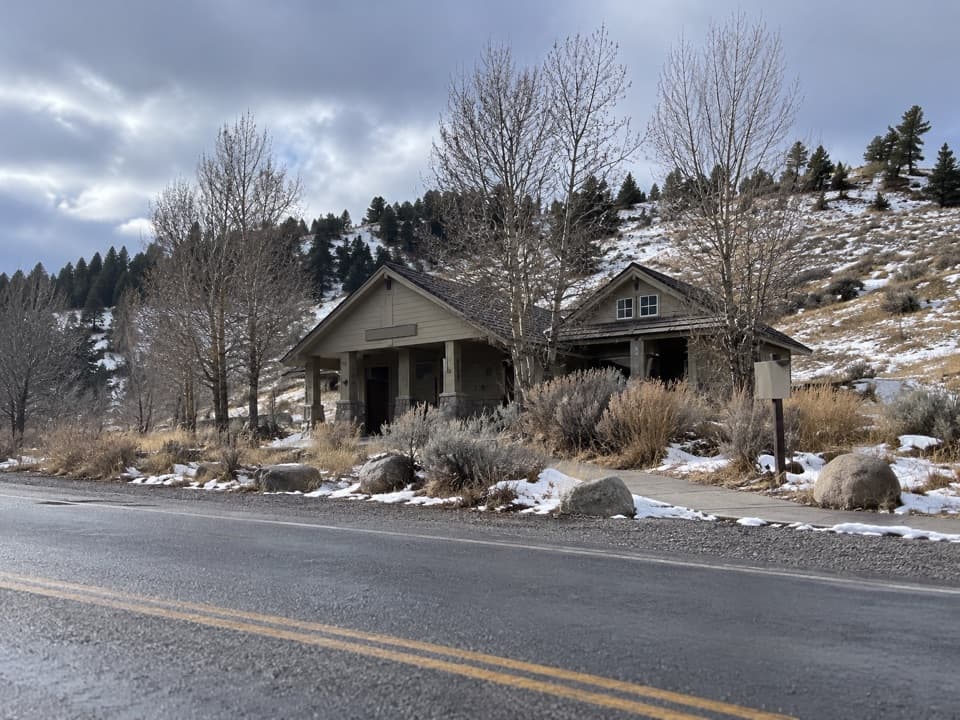 Restroom · 3.1 mi awayMammoth Hot Springs RestroomsClean, accessible toilets with a family restroom.
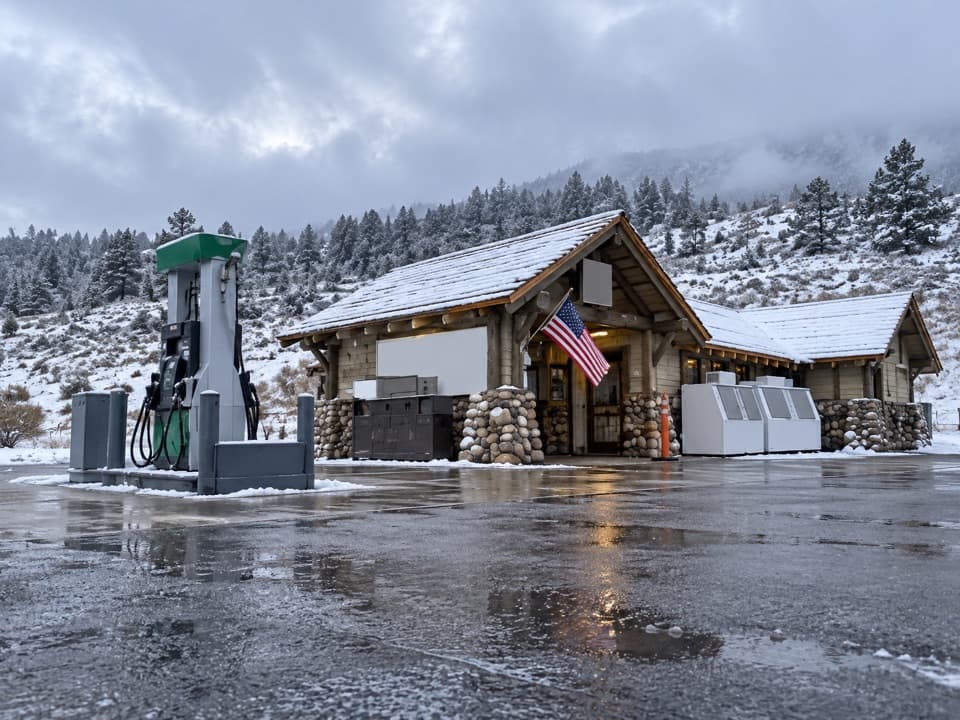 Gas station · 3.2 mi awayMammoth Hot Springs Gas StationA practical fuel stop in Yellowstone’s Mammoth area.
Parkwolf’s Yellowstone ranking

The audio tour guide for the drive, plus offline maps, trails, and wildlife heatmaps for when the signal drops.