Place · 0.4 mi away

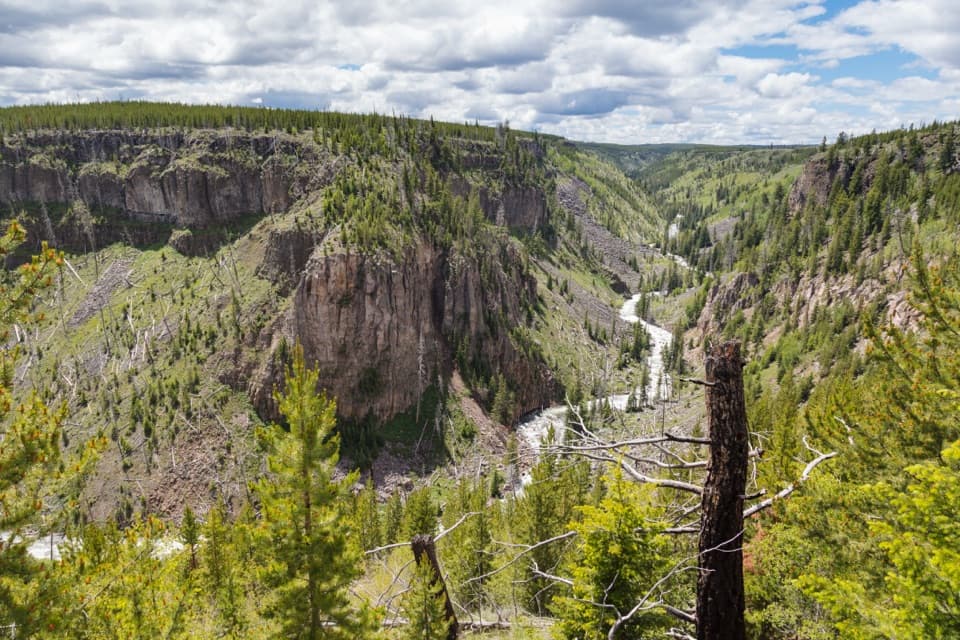
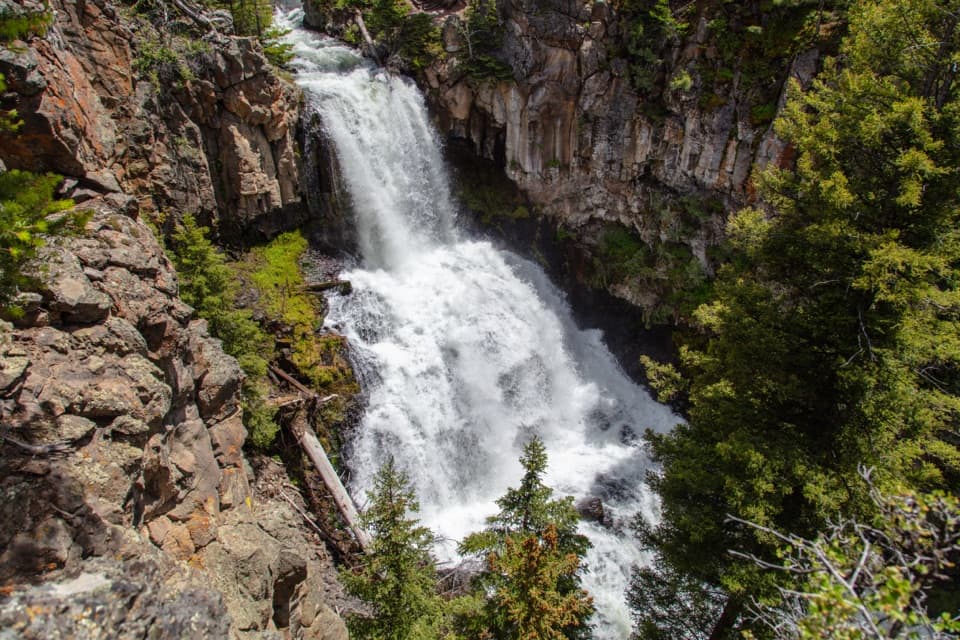
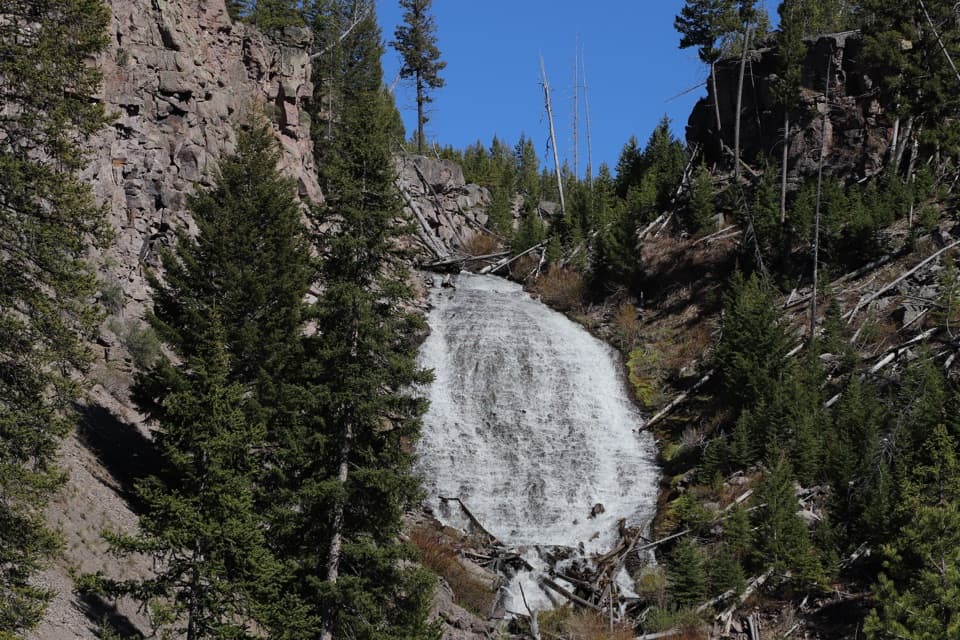
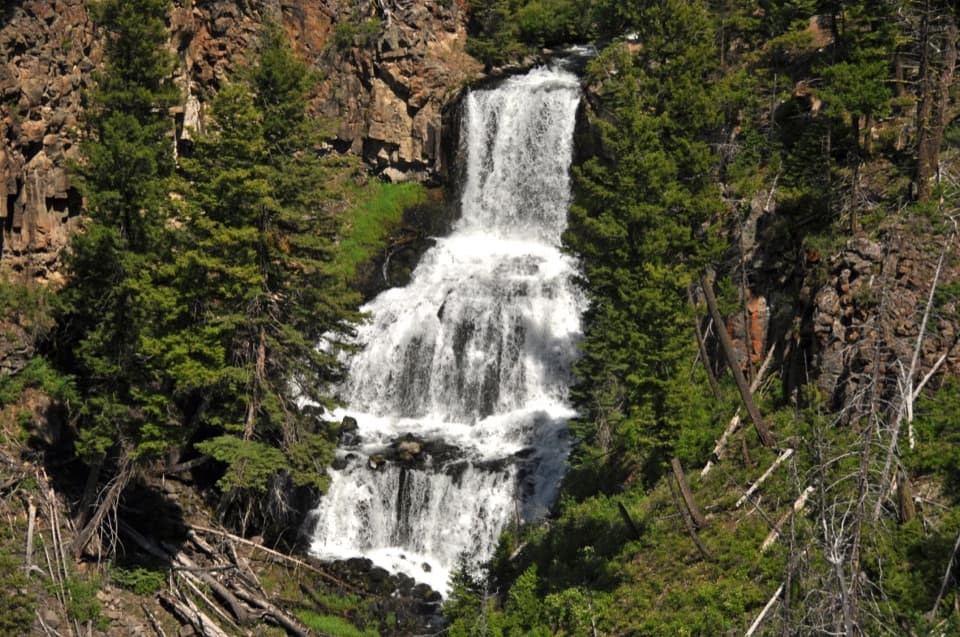
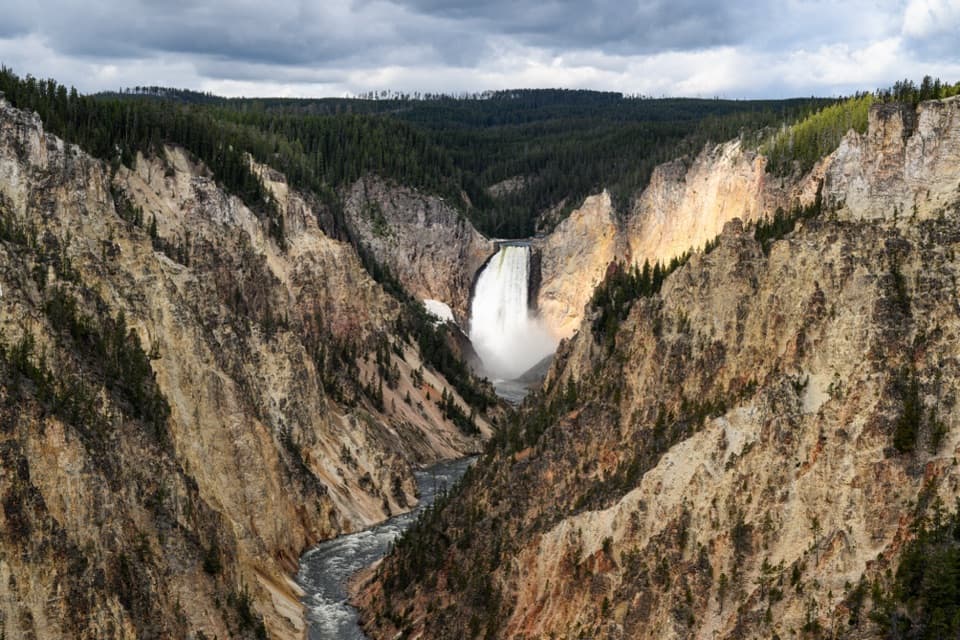
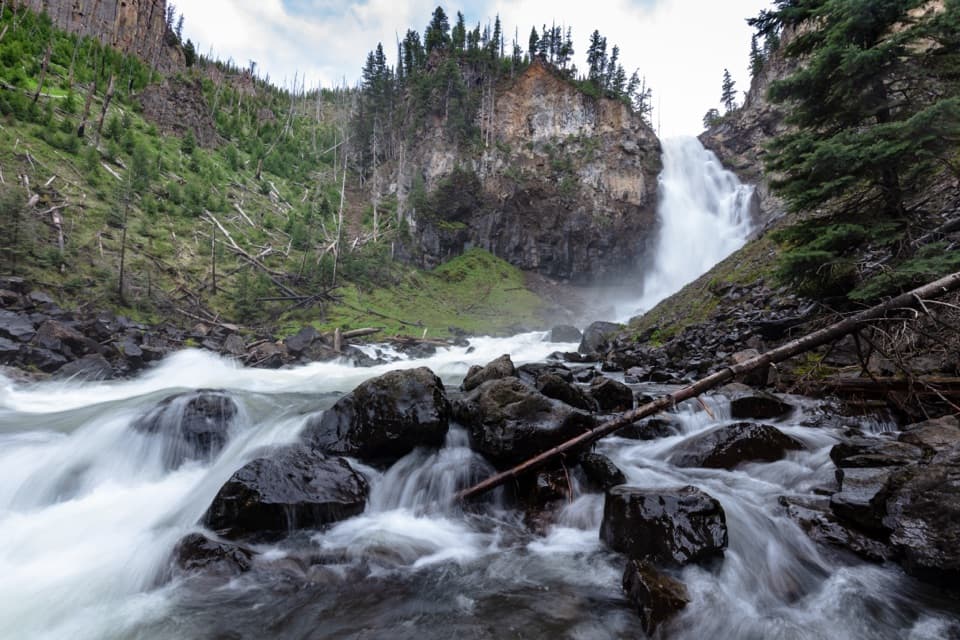
Osprey Falls is a 150‑foot plunge tucked into Sheepeater Canyon—one of the deepest canyons in the park—so it feels wild and wonderfully uncrowded. Expect a half‑day outing and a big payoff at the base, where the spray and thunder of the falls are front‑row.
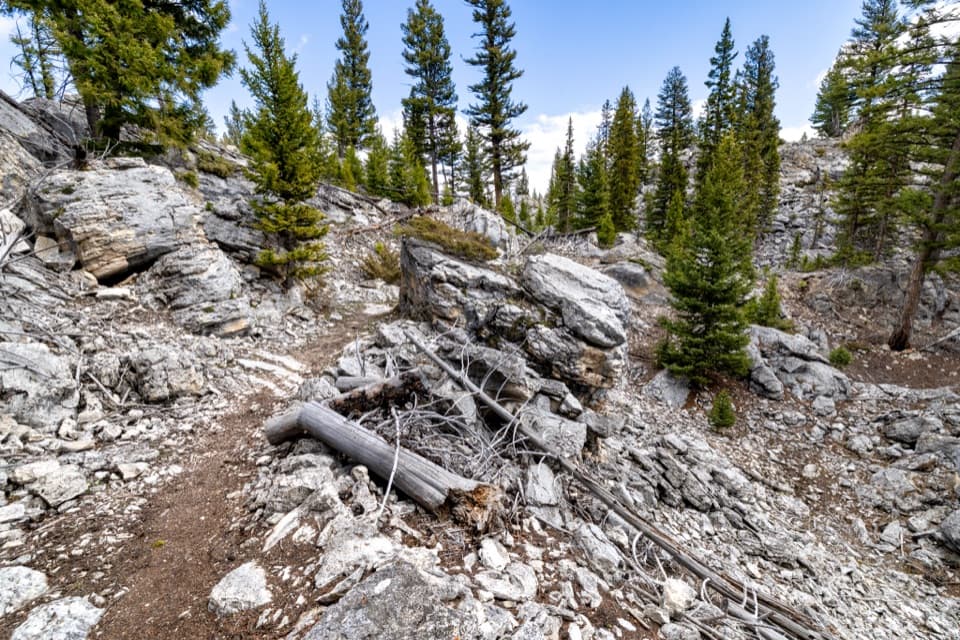
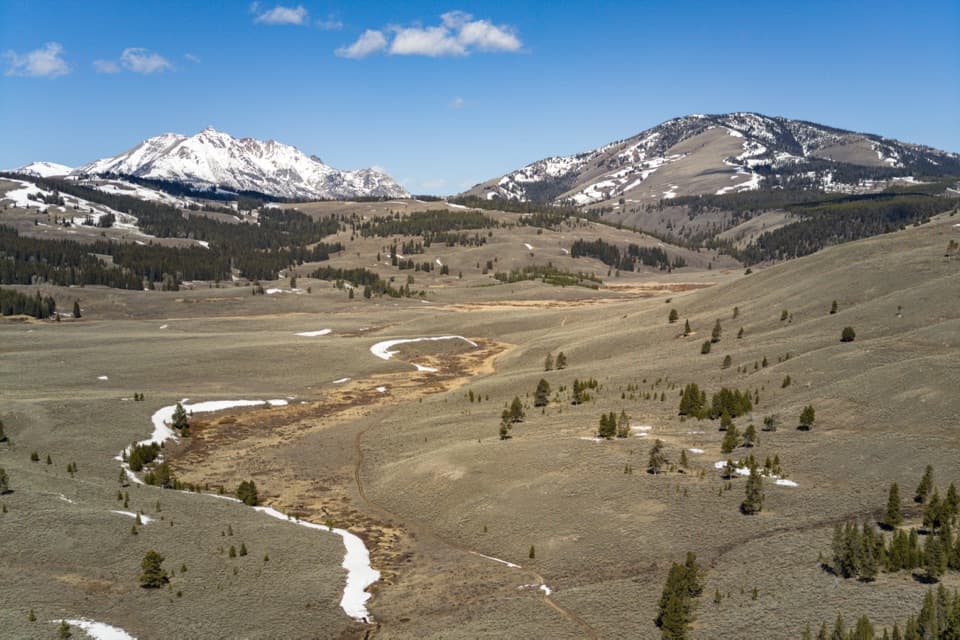
The standard route is about 9 miles round trip with roughly 1,289 feet of gain. You start with about 3 miles on Old Bunsen Peak Road (easy walking), then the character changes: a steep series of narrow, sometimes loose switchbacks drops 700–800 feet into the canyon to reach the river and the falls. Going down is manageable; the climb back out is a grind, especially on warm afternoons. Trekking poles and real hiking footwear help a lot.
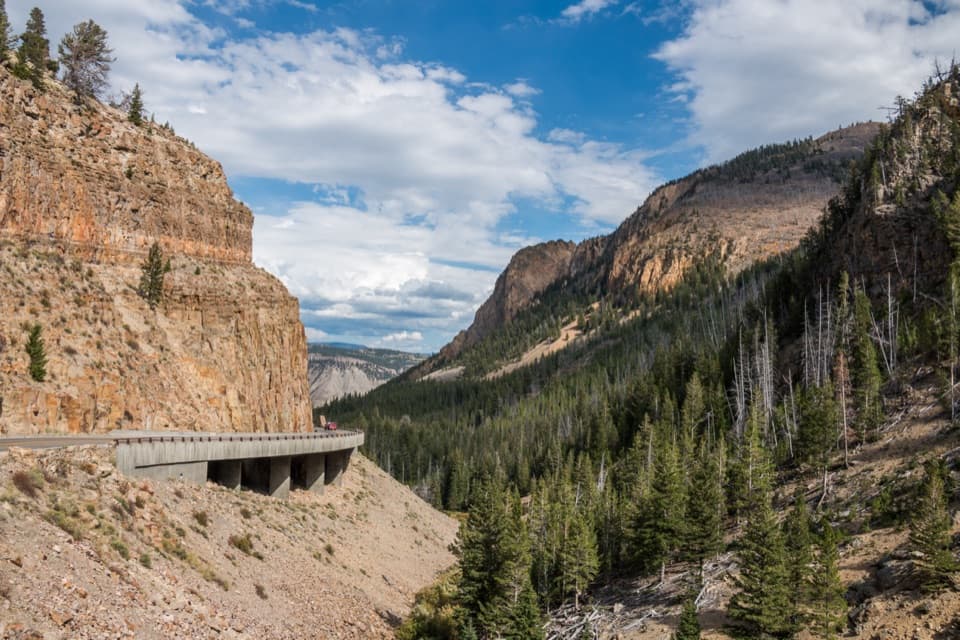
The trailhead sits about 5 miles south of Mammoth Hot Springs on the Grand Loop Road. Park in the gravel lot just south of Golden Gate, across from the Glen Creek trailhead. Parking can be limited. There are no restrooms or water here—plan ahead.
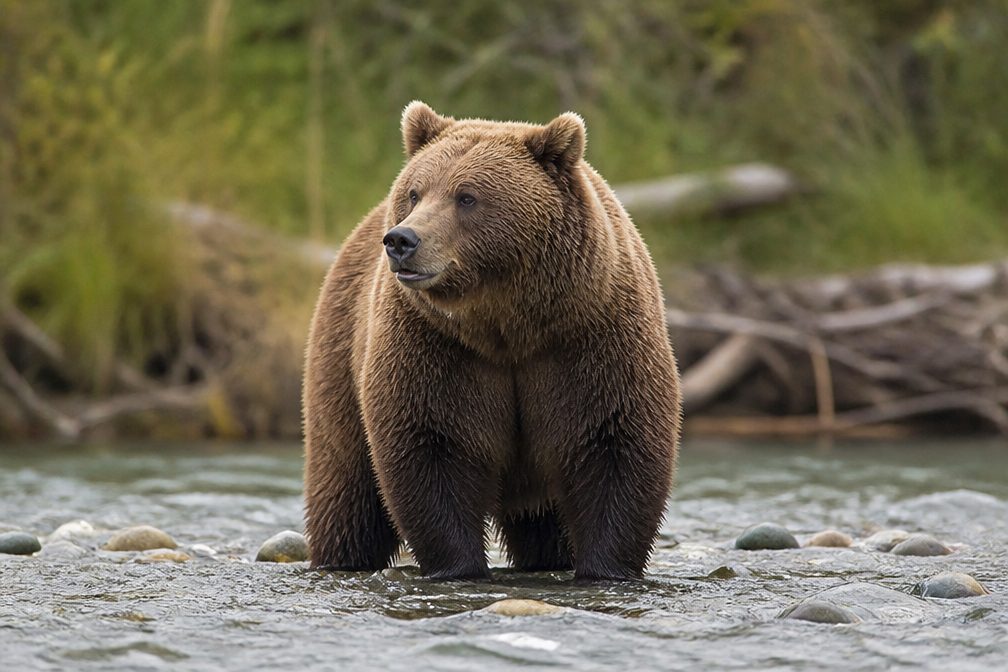
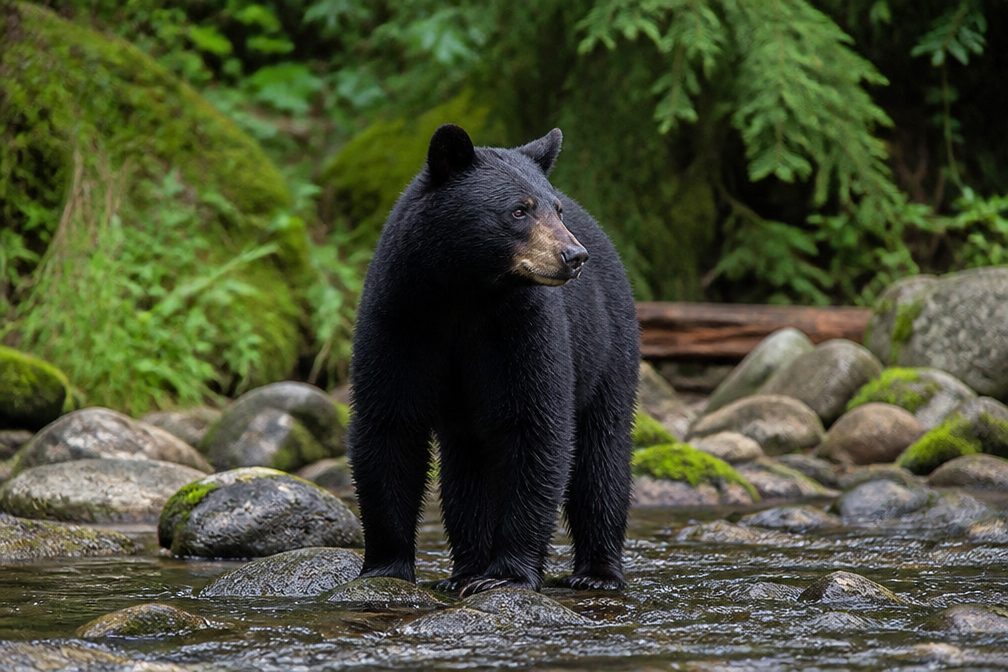
Rockfall is a known hazard on the switchbacks and near the base; heed any posted signs and avoid lingering beneath steep walls if you hear debris. This is bear country (grizzlies frequent the area), so carry bear spray and stay alert. Early starts often mean quieter trails and better chances to spot wildlife like coyotes.
Dogs are not allowed on this trail. Bikes are allowed on Old Bunsen Peak Road but not on the Osprey Falls Trail itself. The old road has a subtle uphill grade on the return leg, which you’ll feel after the canyon climb.
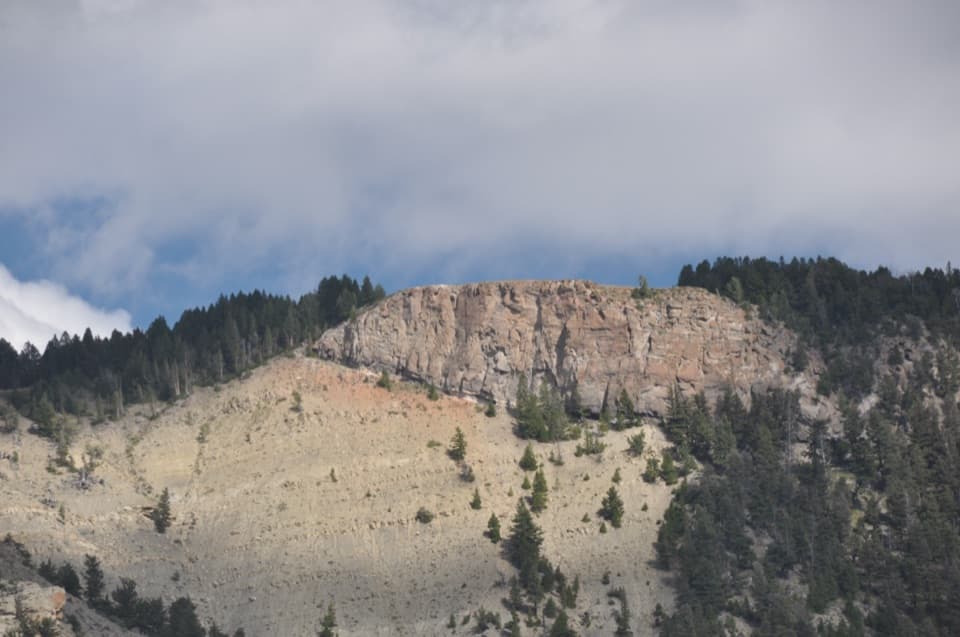
The canyon slices through hard volcanic rocks tied to Yellowstone’s complex geologic story. Notably, the nearby walls expose the type section of the Osprey Basalt—a stack of columnar‑jointed lava flows and gravels—adding a bonus for geology‑curious hikers.
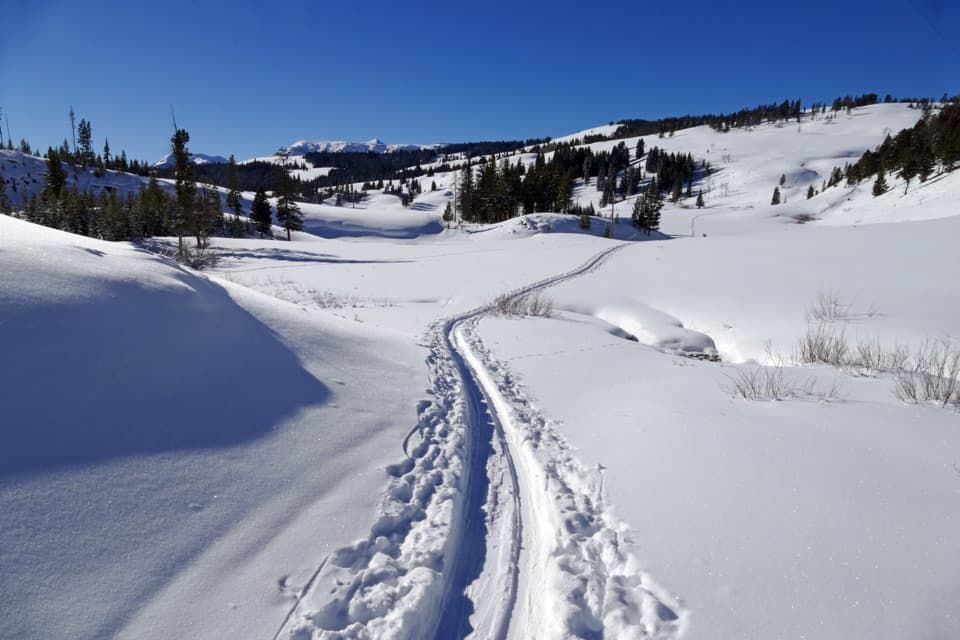
Hikers commonly tackle this from spring through fall. In winter, access can require skiing in from the Upper Terrace gate or arranging a snow coach drop‑off. Always check current conditions before you go.
Start early on warm days for cooler temps on the climb out and a better chance at solitude. Weekdays are typically quieter. Midday light reaches the canyon floor, but softer morning light often makes for nicer photos at the base.