Overview
Camp Four is Yosemite Valley’s storied, walk-in, tents-only campground on the north side of the Valley, long considered the beating heart of big-wall climbing. You’re camping beneath massive granite—close to El Capitan—with boulders right in camp (including the famed Midnight Lightning). Expect a social, hostel-like scene where early starts, late beta swaps, and lively evenings are normal.
Why It’s Special
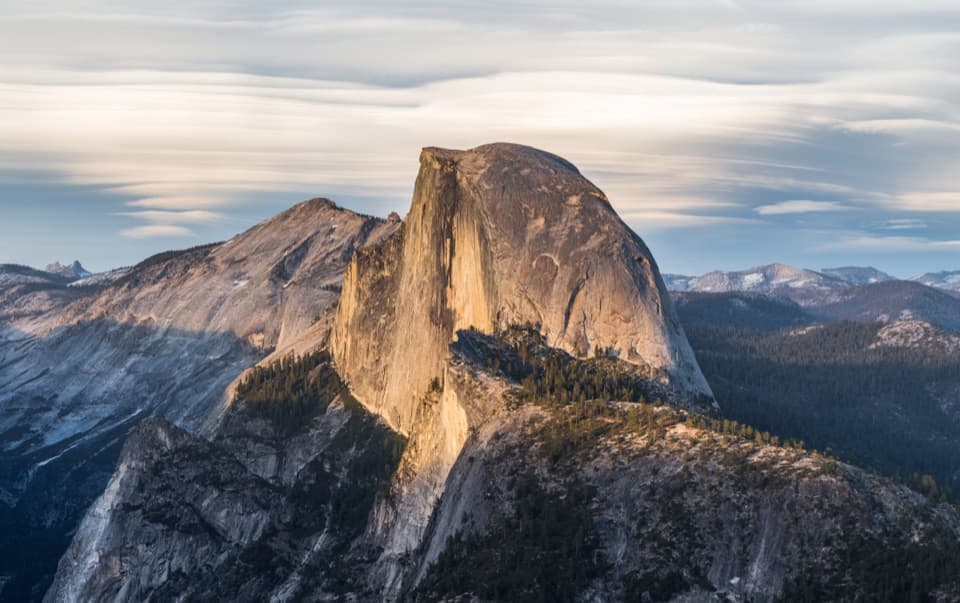
From the late 1940s through the 1980s, Camp Four incubated climbing’s golden eras—innovation, ethics debates, and firsts on Half Dome and El Capitan. The culture forged here helped shape modern climbing, which is why Camp Four was listed on the National Register of Historic Places in 2003. If you’re into climbing history, this is a bucket-list basecamp.
Amenities & Layout
- Walk-in, tents-only; no RVs or trailers. Park in the adjacent lot and carry your gear a short distance to your site.
- Shared sites (up to 6 people per site) with picnic tables, a fire ring, and bear-proof food lockers. Potable tap water and flush restrooms are centrally located.
- No showers at Camp Four; paid showers are available at Curry Village.
- Strict food storage rules 24/7—use the bear lockers. Pets are not allowed. Sleeping in vehicles in the Camp Four lot is prohibited.
Reservations, Capacity & Fees
- Roughly mid-April to fall: reservations required and released one week before your arrival date. Outside that window (typically Nov to mid-April), it’s first-come, first-served and can fill early on nice-weather days.
- Expect intense competition for spots in peak season; be ready right when reservations open.
- Fee is per person per night. The campground was expanded to 61 tent-only sites, each accommodating up to six people.
- Check in at the kiosk (from around mid-morning) with ID to receive your site assignment and parking pass.
Campfires & Rules
- Fires are allowed in rings from 5 pm to 10 pm when attended.
- Follow all food storage rules—no scented items in tents or cars.
- Weather closures can happen on short notice if high winds or heavy snow are forecast.
Geology & Setting
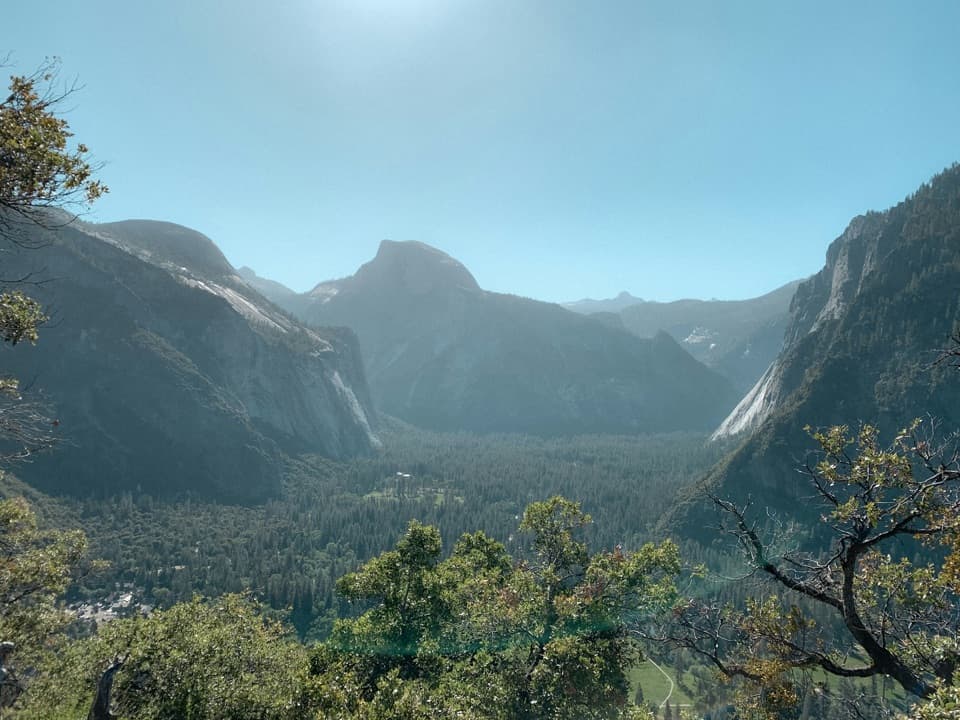
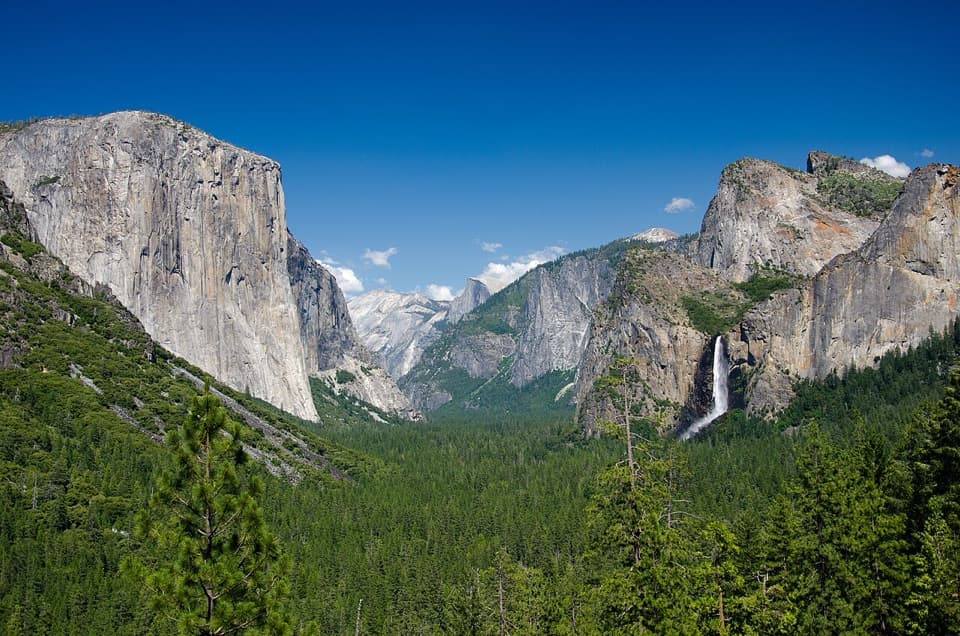
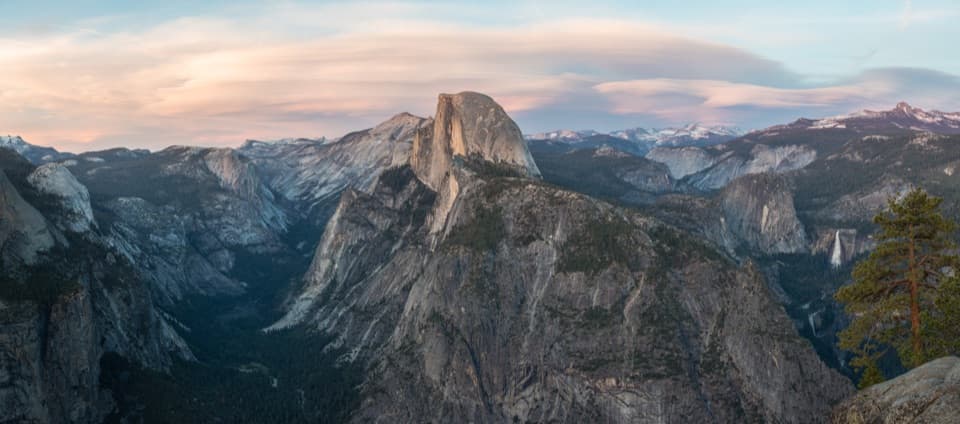
Those sheer walls come from tough granitic rocks of the Sierra Nevada Batholith, and the Valley’s flat floor reflects glacial excavation later filled by sediments. You’ll notice glacial polish, erratics, and the hanging valleys that set up the big waterfalls—perfect details to look for on rest days.
Safety & Wildlife
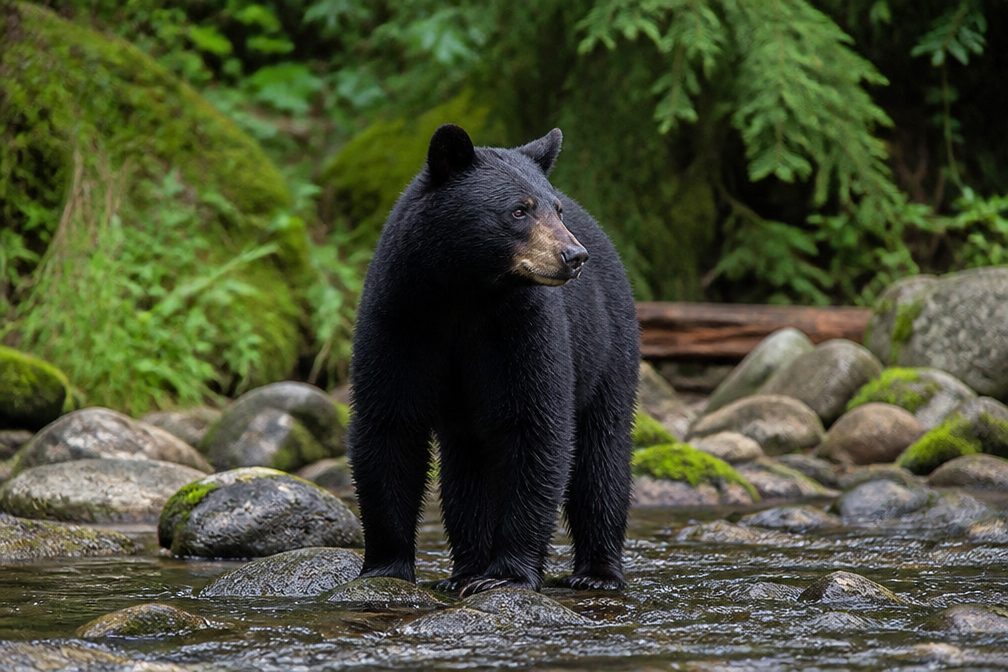
Rockfall is an ever-present natural process in Yosemite Valley; heed all closures and advisories near cliff bases. Bears do roam the Valley—use lockers religiously and keep a clean camp.
Best Time to Visit
- Spring and fall bring cooler temps and (slightly) easier competition than midsummer. Weekdays are better than weekends.
- In winter’s first-come, first-served season, arrive early on fair-weather days.
- For a calmer experience, choose quieter midweek nights and bring earplugs; for the climbing scene, late spring through fall is prime.
- Fires are limited to 5–10 pm; plan cooking and social time around that window.