Cook's Meadow

Easy meadow loop with classic Yosemite Falls and Half Dome views
Cook's Meadow, Yosemite National Park
InsideYosemite National Park

Overview

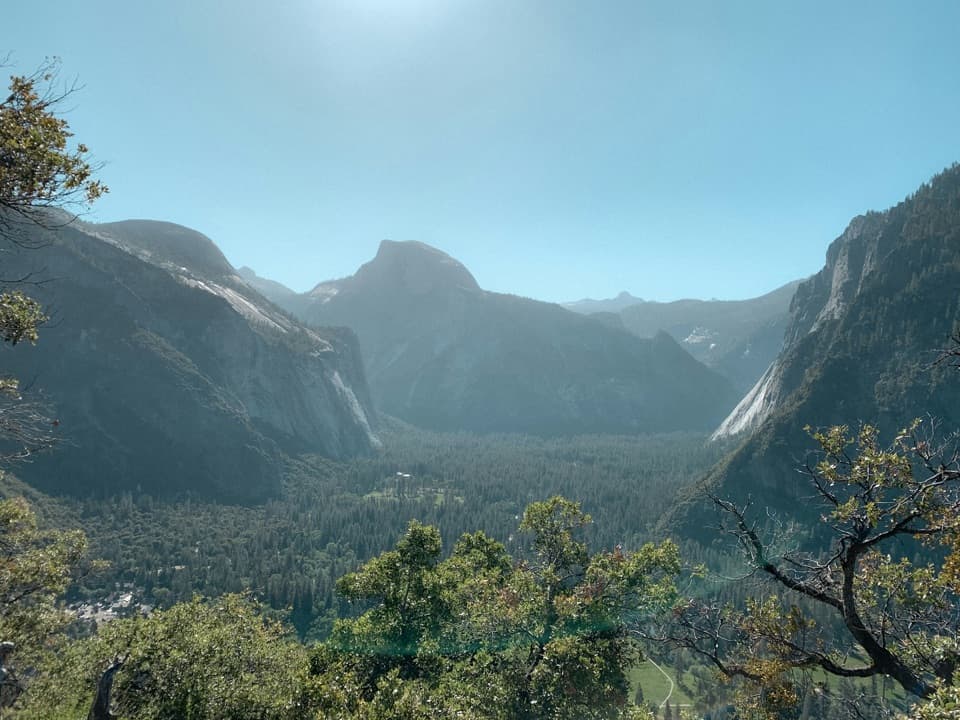
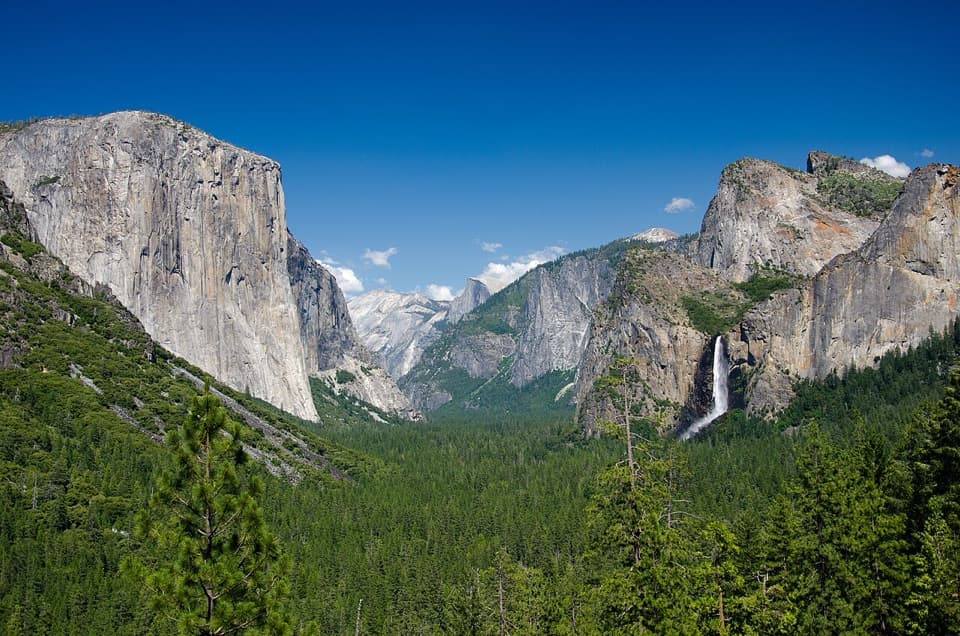
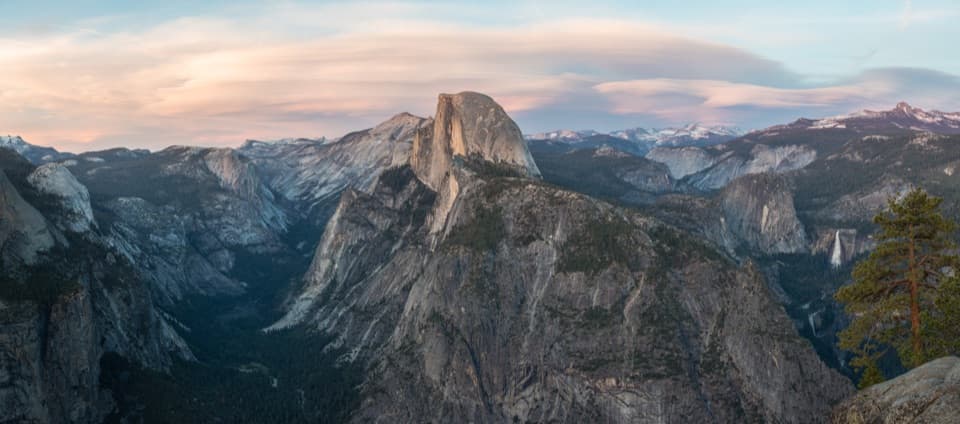
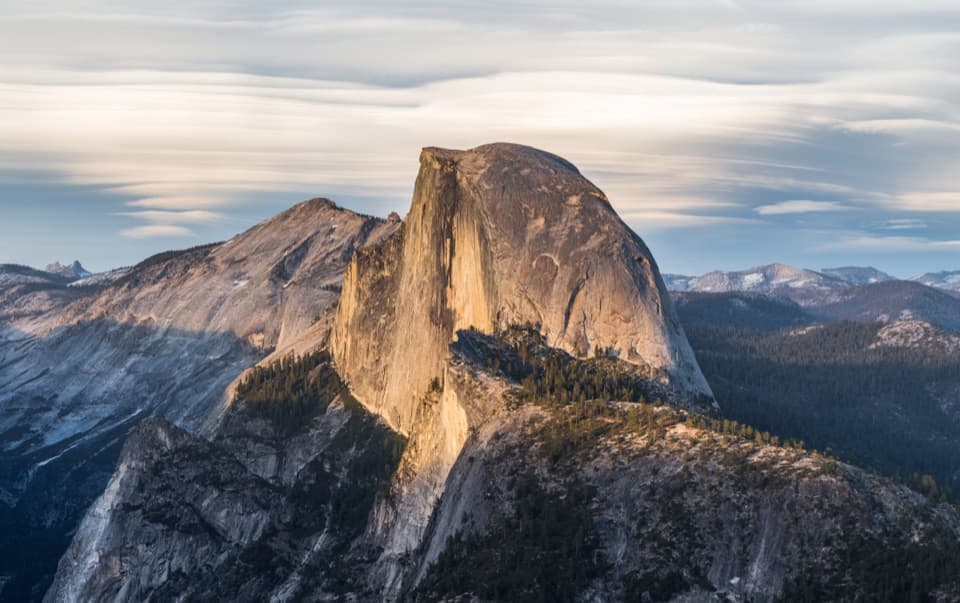
Cook’s Meadow is Yosemite Valley at its most photogenic: a wide, open meadow set beneath granite giants, with an easy, mostly flat loop that frames Yosemite Falls, Half Dome, Glacier Point, Sentinel Rock, and the Three Brothers in one leisurely stroll. Expect paved paths and boardwalks that skim across sensitive wetlands and give you those classic foreground-meadow, background-granite photos.

What You’ll See

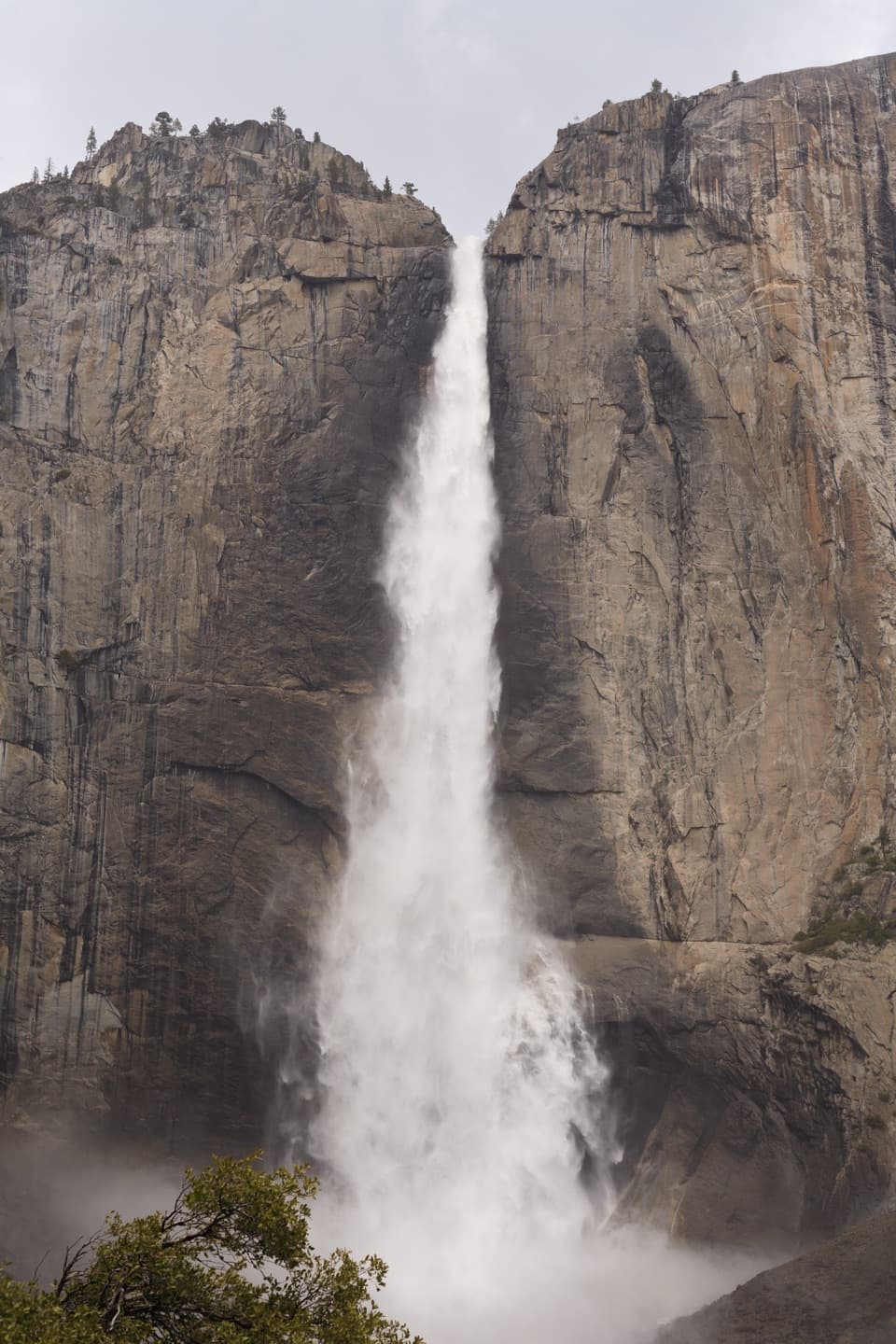
  • Waterfall drama in spring when Yosemite Falls roars, mellow reflections along the Merced River, and broadside views of Half Dome from near Sentinel Bridge.
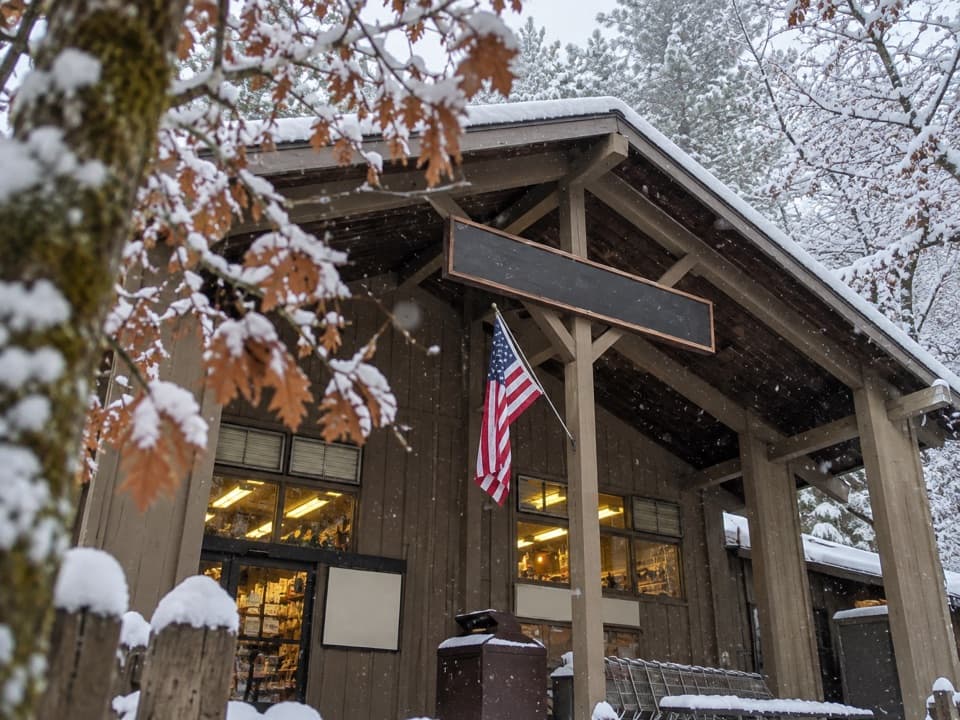
  • Seasonal shifts: wildflowers in spring, a golden meadow with colorful black oaks and cottonwoods in fall, and peaceful open views even in winter when the loop is often still walkable.

Nature Notes

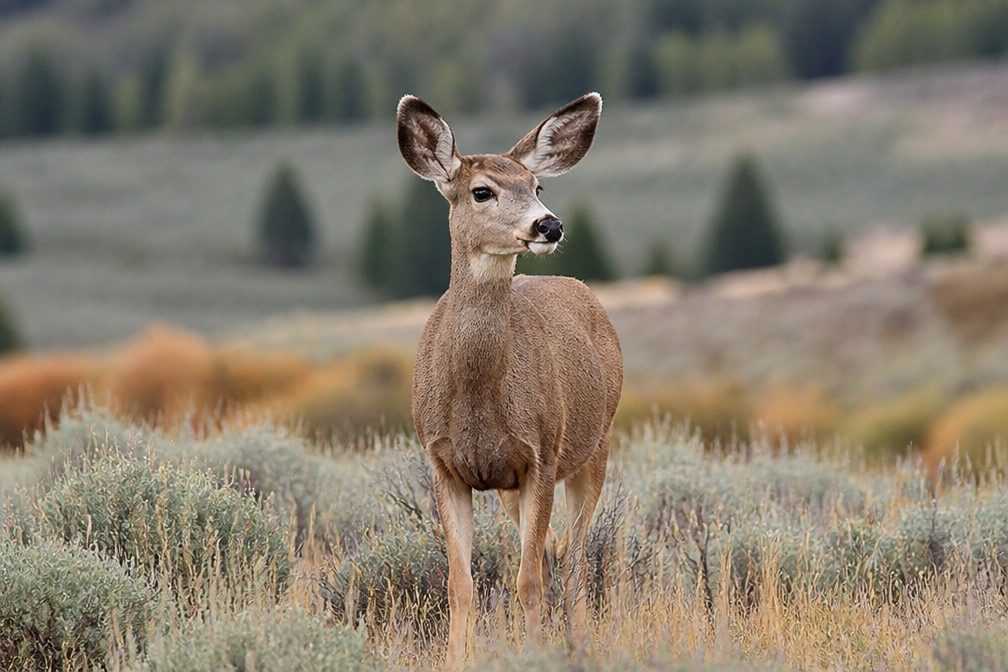
Cook’s, Sentinel, and Leidig Meadows are wetlands nourished by the Merced River and Yosemite Creek. Peak snowmelt in May swells the river and can leave sections damp or flooded—an inconvenience to hikers but essential to the health of the meadow and riparian ecosystem. In late summer, look for showy milkweed that draws monarch butterflies; hummingbirds and other pollinators work the meadows throughout the warmer months.

History in the Grass

This was the site of Old Yosemite Village—once home to a jail, a Wells Fargo office, lodging, photo studios, and a saloon. The Yosemite Chapel is the lone original building still standing nearby. You’ll also spot legacy plantings from early inhabitants and visitors, including a large sugar maple, giant sequoias, and old fruit trees. John Muir’s former home site sits in this vicinity as well.

Route, Access, and Nearby

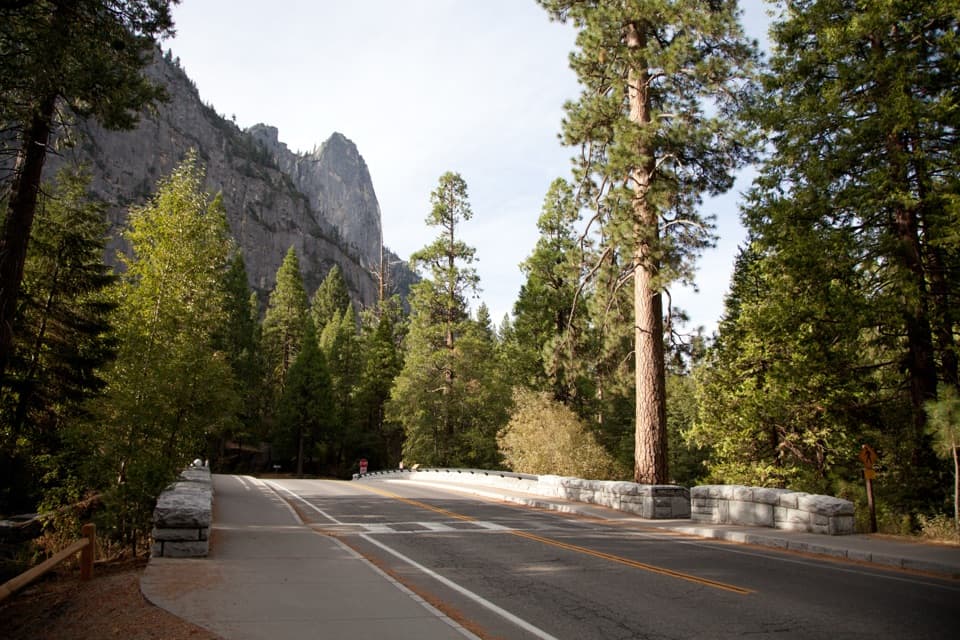
The loop is roughly 1–1.3 miles depending on where you hop on. Common access points include near Sentinel Bridge, across from Yosemite Valley Chapel, by Yosemite Valley Lodge/Lower Yosemite Fall, and from the Yosemite Valley Visitor Center area. The Valleywide Shuttle makes this an easy no-parking play. There aren’t restrooms on the loop itself—use facilities at Lower Yosemite Fall or the Visitor Center before you start.

Best Time to Visit

  • Early morning: soft light, cooler temps, fewer people, and more active wildlife.
  • Late afternoon/golden hour: warm tones on the cliffs and meadow—prime photo conditions.
  • Spring: peak waterfalls and fresh wildflowers.
  • Late October–early November: some of the Valley’s best fall color.

Note: By mid to late summer in dry years, Yosemite Falls can be greatly reduced or dry; the views are still superb, just different.

Good to Know

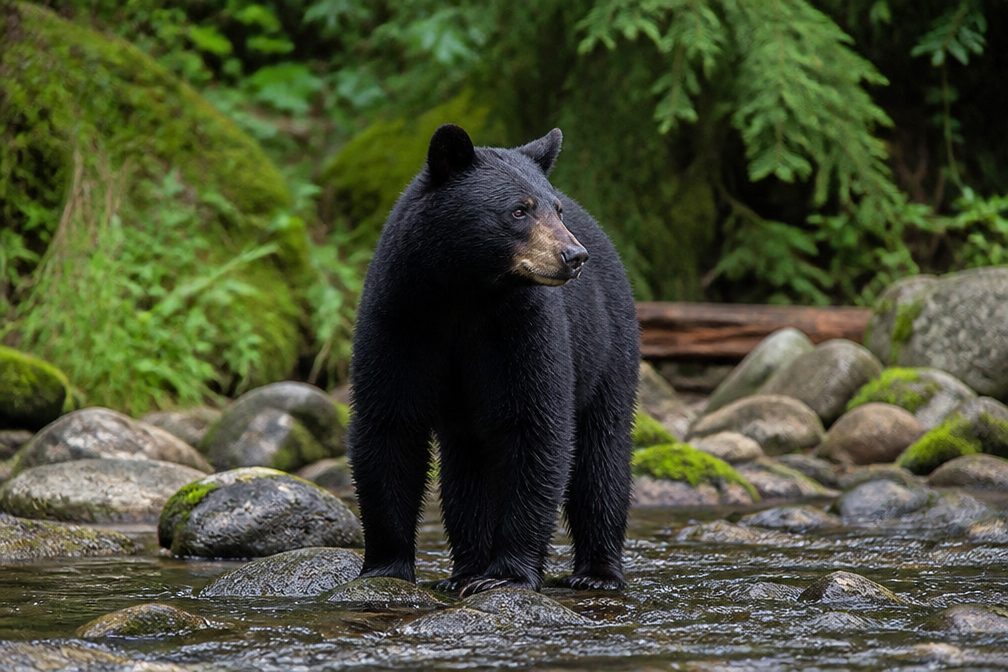
Stay on paved paths and boardwalks to protect the fragile meadow. Parking at Sentinel Bridge is minimal and fills quickly during the day; using the shuttle or walking in from nearby hubs is usually faster and less stressful. Bears are active in the Valley—store all food properly and never leave scented items in vehicles.

Pros

  • Signature views of Yosemite Falls, Half Dome, Glacier Point, and Sentinel Rock
  • Short, flat loop with boardwalks and multiple easy access points

Cons

  • Limited parking near Sentinel Bridge and nearby lots
  • No restrooms directly on the loop

Tips

  • Skip the parking hunt and use the Valleywide Shuttle from the Visitor Center or Lower Yosemite Fall areas to reach the loop quickly.
  • Hit the boardwalks at sunrise or late afternoon for the best light and fewer people.
  • In spring snowmelt, expect wet or occasionally flooded sections—wear waterproof footwear or stick to higher paths.
  • Store all food in lockers and keep cars scent-free; if lockers aren’t available nearby, park elsewhere and shuttle in.
The Parkwolf tour guide sitting on a phone mounted in a car

Parkwolf Tour Guide

Like a tour guide in your car.

Save the places you found around Yosemite, then let Parkwolf guide the drive between them.Download Parkwolf on the App Store