Challenging

Sawback Trail

Banff-to-Lake Louise traverse with big passes, lakes, and solitude
Sawback Trail, Banff National Park
Distance46 mi
Typical time120 hr
DifficultyChallenging
PetsNot allowed

Why hike this trail

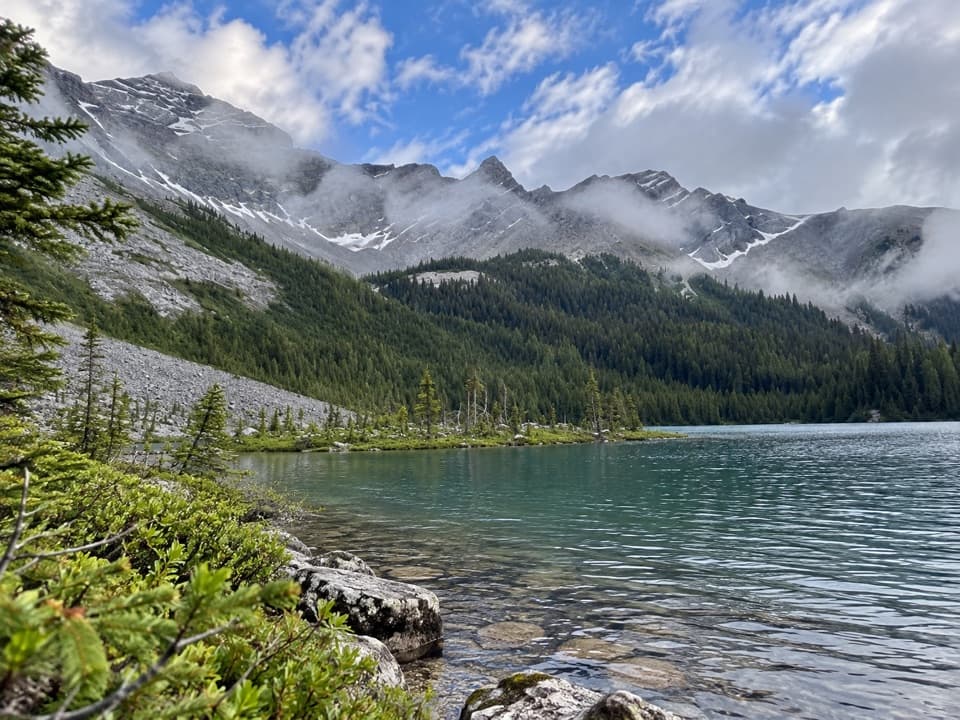
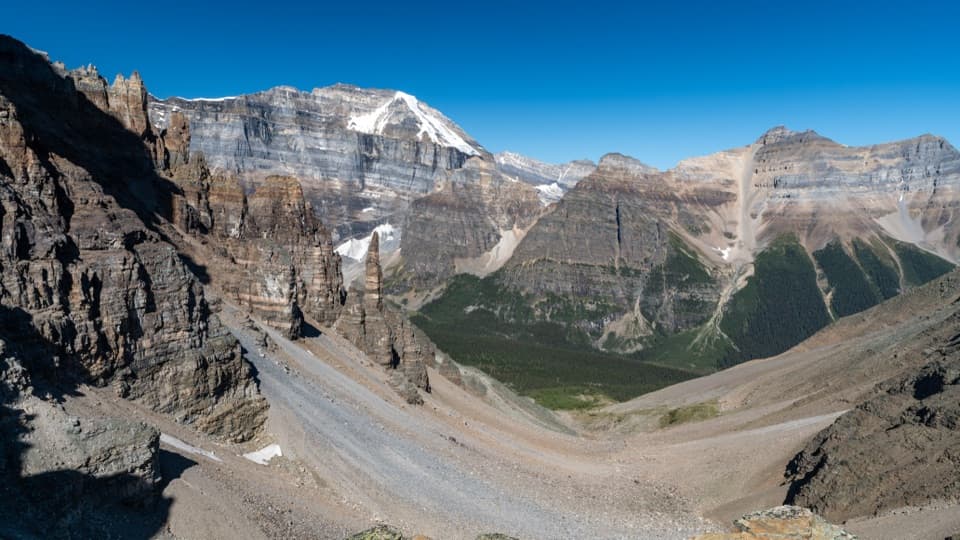
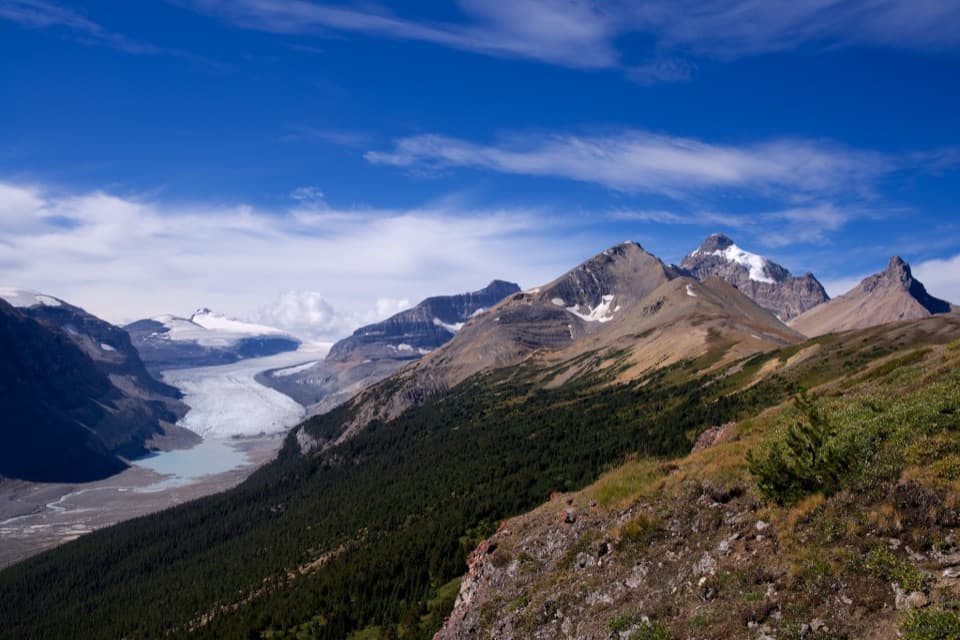
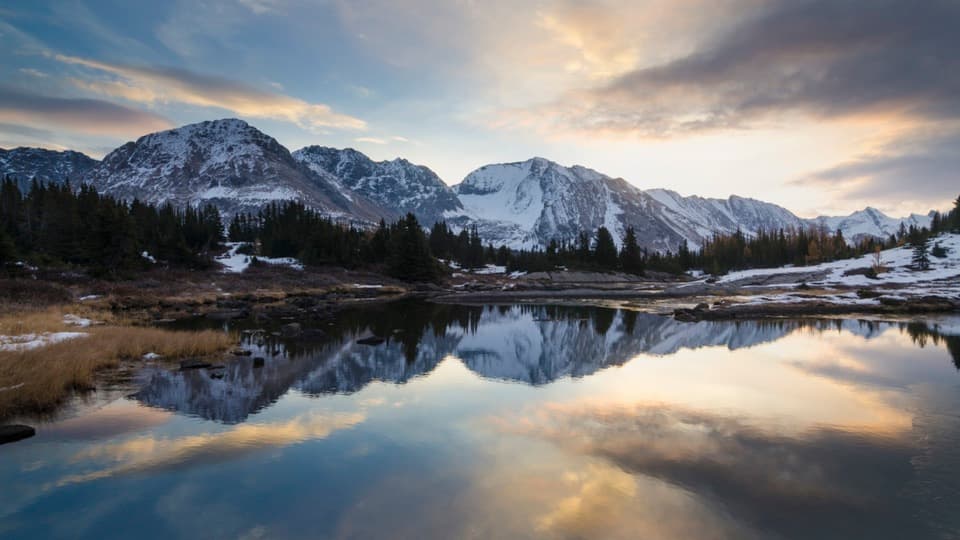
If you want Banff’s wild side without the crowds, the Sawback is the move. This is a classic, point‑to‑point traverse through the rugged Sawback Range with open passes, wildflower meadows, and gemmy lakes. Expect a true backcountry feel from end to end.

Route overview

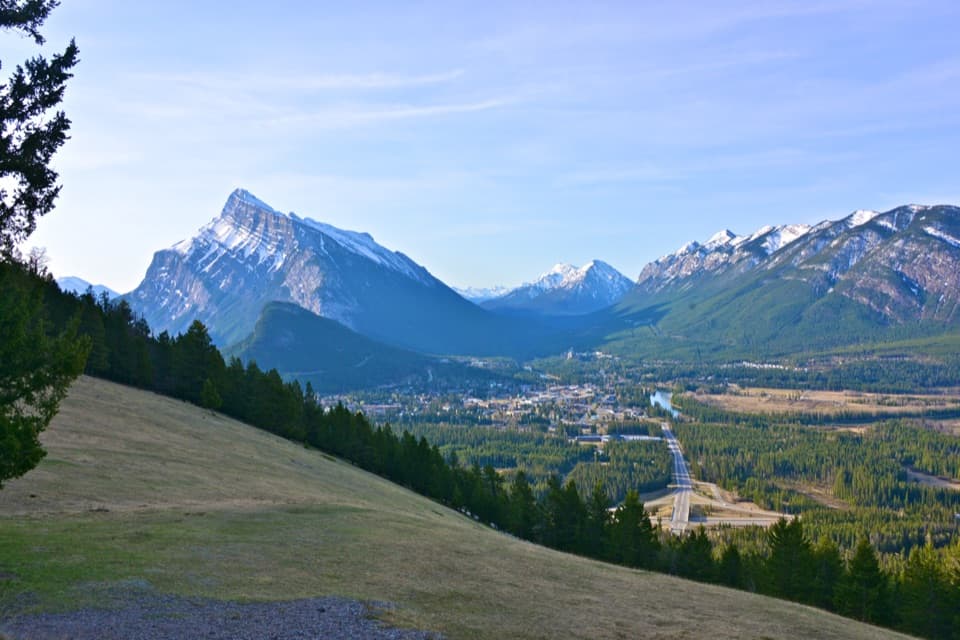
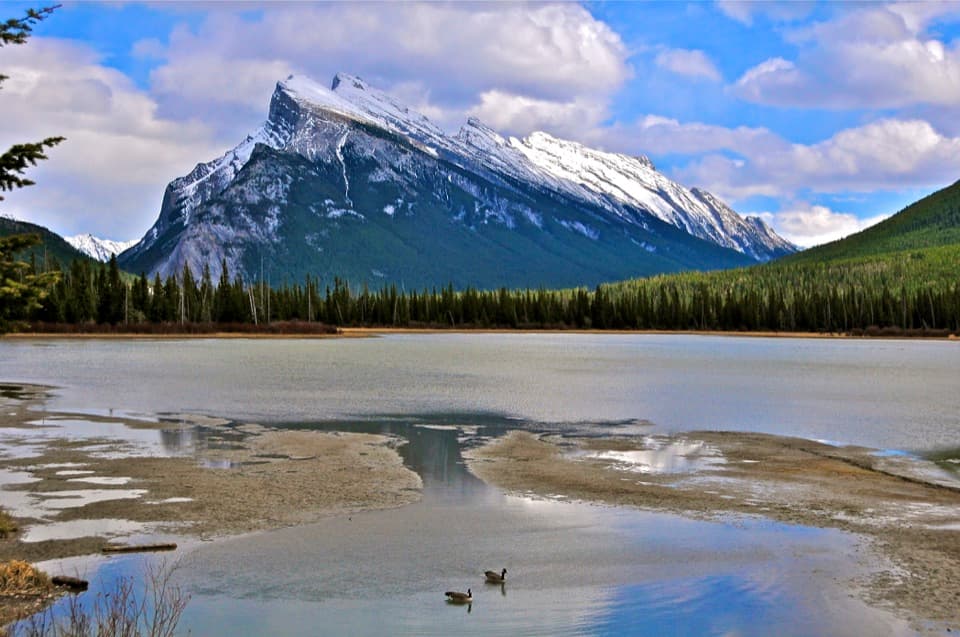
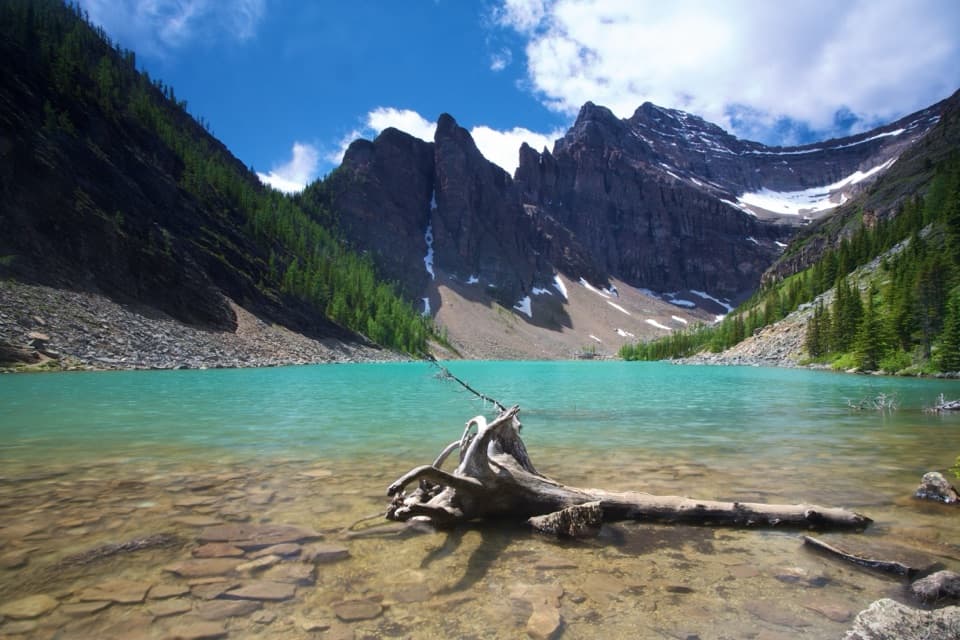
The full traverse runs about 46 miles/74 km total between Mount Norquay (Banff) on the south end and the Fish Creek parking area near Lake Louise on the north end. Most hikers take 4–6 days. You’ll cross multiple alpine passes with recurring up‑and‑down that adds more cumulative gain than the net numbers suggest. Popular sections include Johnston Creek to Baker Lake over Pulsatilla Pass. Notable waters include Mystic Lake, Baker Lake, and views toward Ptarmigan Lake.

What it feels like

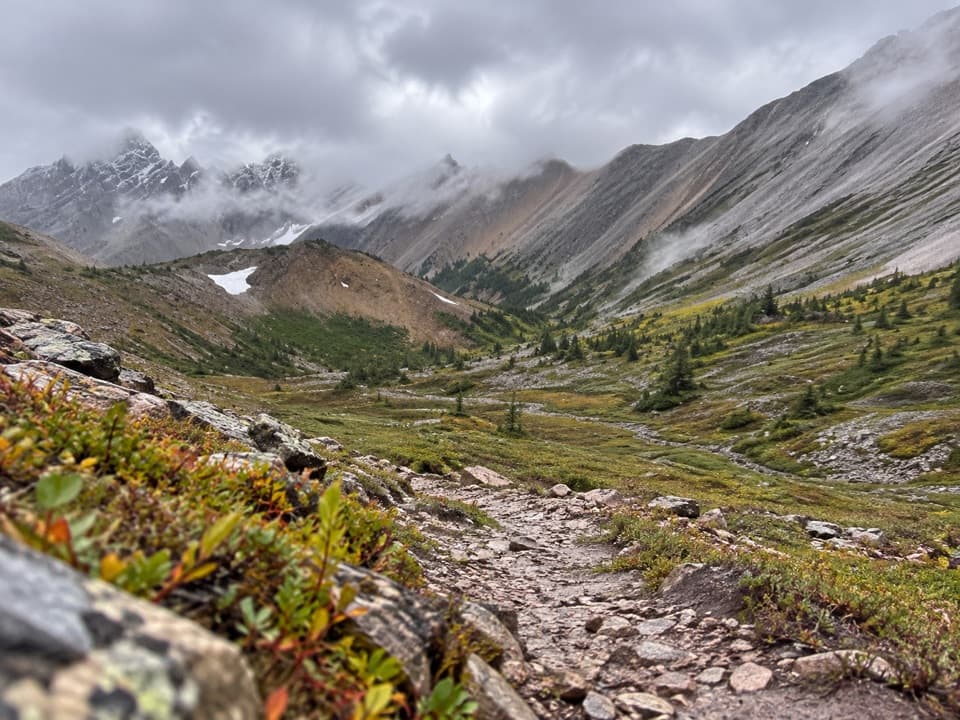
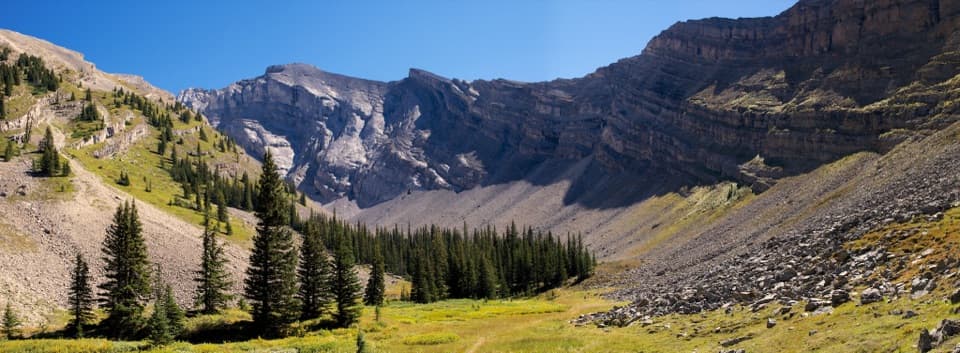
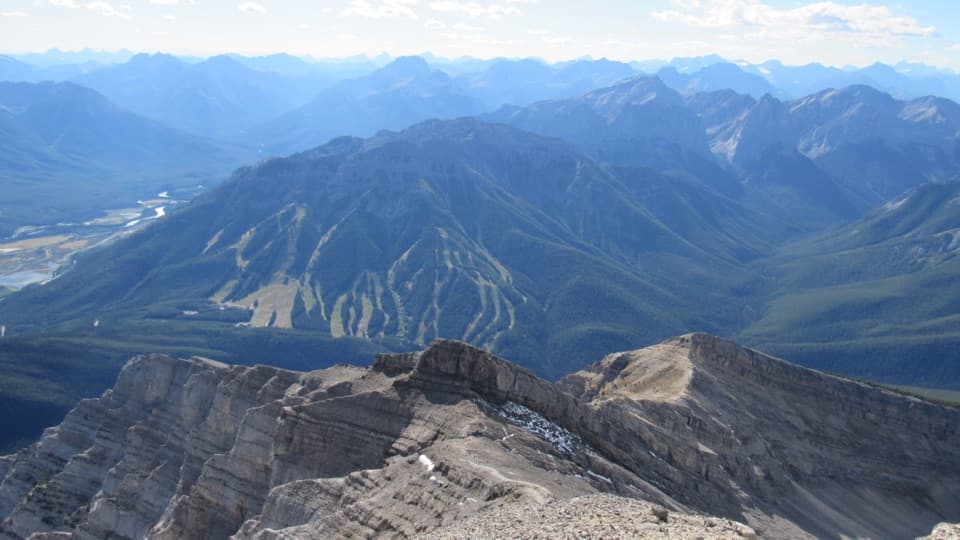
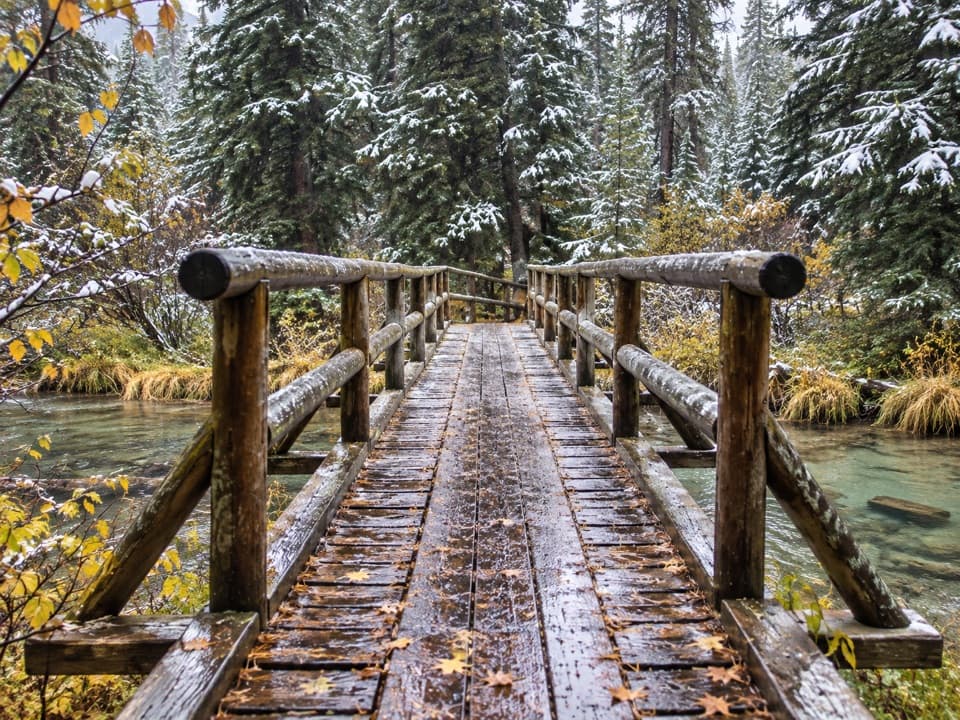
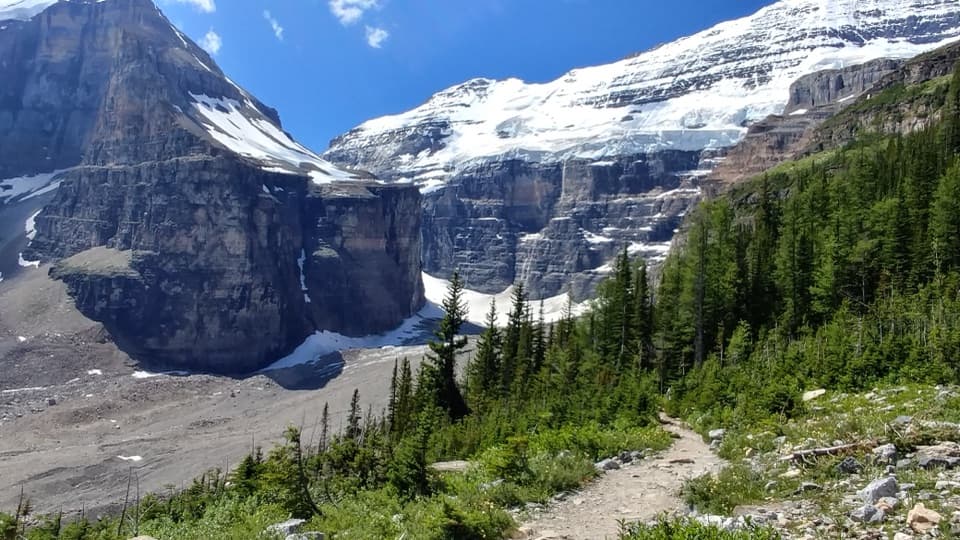
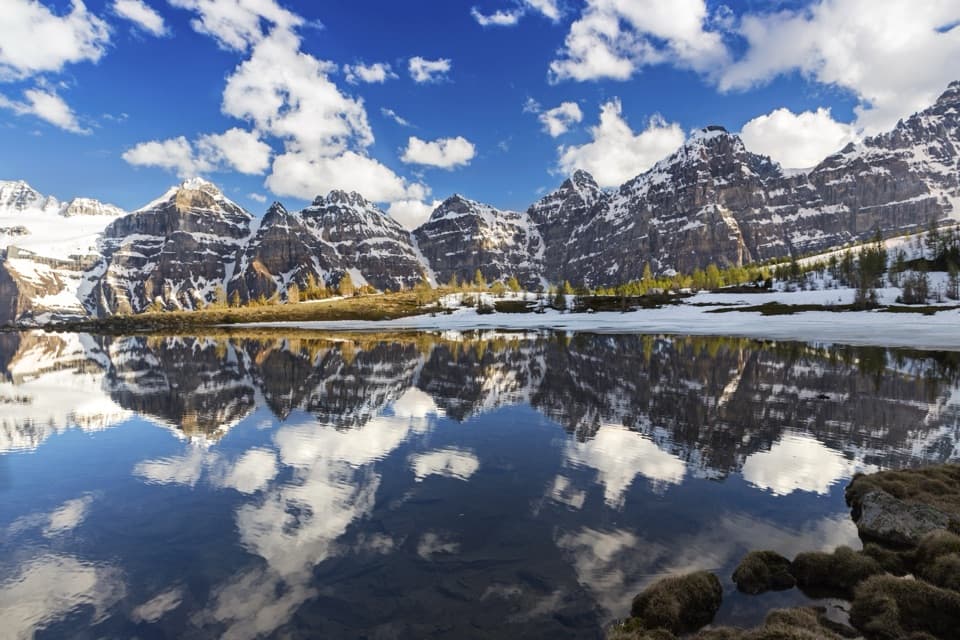
It alternates between dense forest, big‑sky meadows splashed with wildflowers, and rocky alpine terrain above treeline. You’ll get long views, real quiet, and a healthy dose of Banff’s limestone “saw‑tooth” peaks. It’s less social‑media famous than trails west of the Trans‑Canada, which helps keep the solitude intact.

Difficulty and conditions

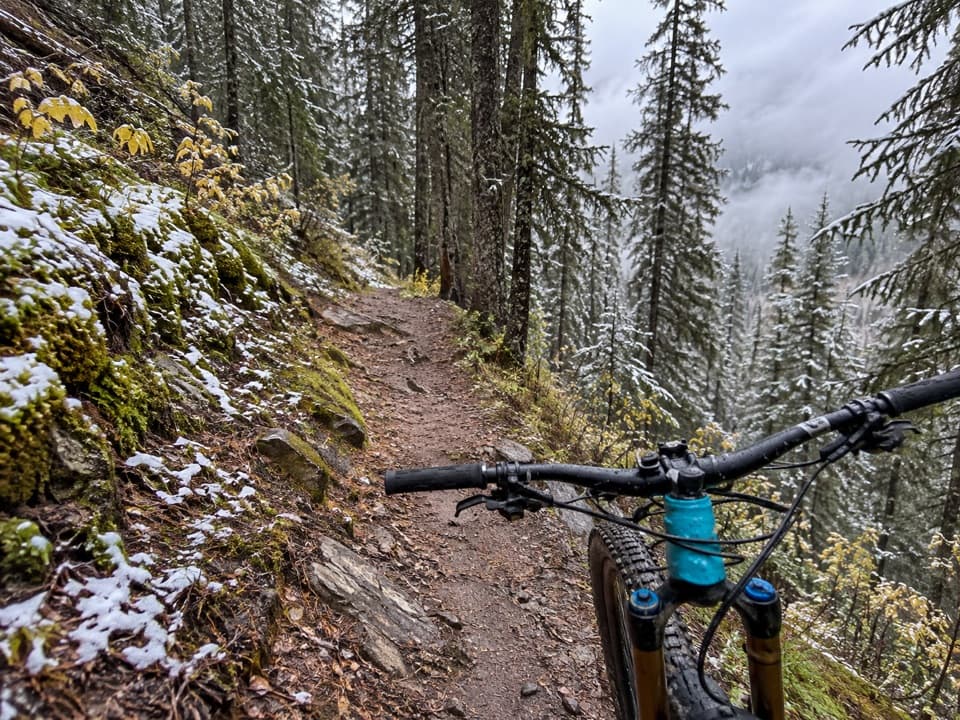
Plan for a moderate‑to‑difficult multi‑day: long mileage, real passes, and some route‑finding. The tread can be faint, especially between Baker Lake and Wildflower Creek, and GPS waypoints from apps may be off at intersections. There’s heavy horse traffic between the Cascade Amphitheatre Trailhead and Mystic Junction, so expect chewed‑up tread and dust. Bugs can be bad early season, especially around lakes and meadows.

Wildlife and safety

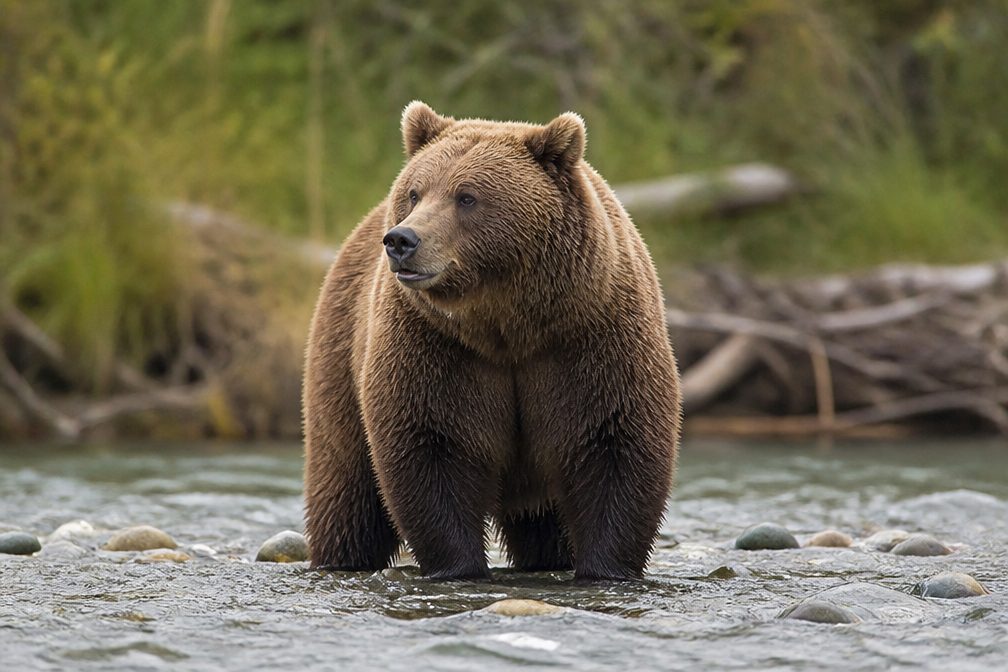
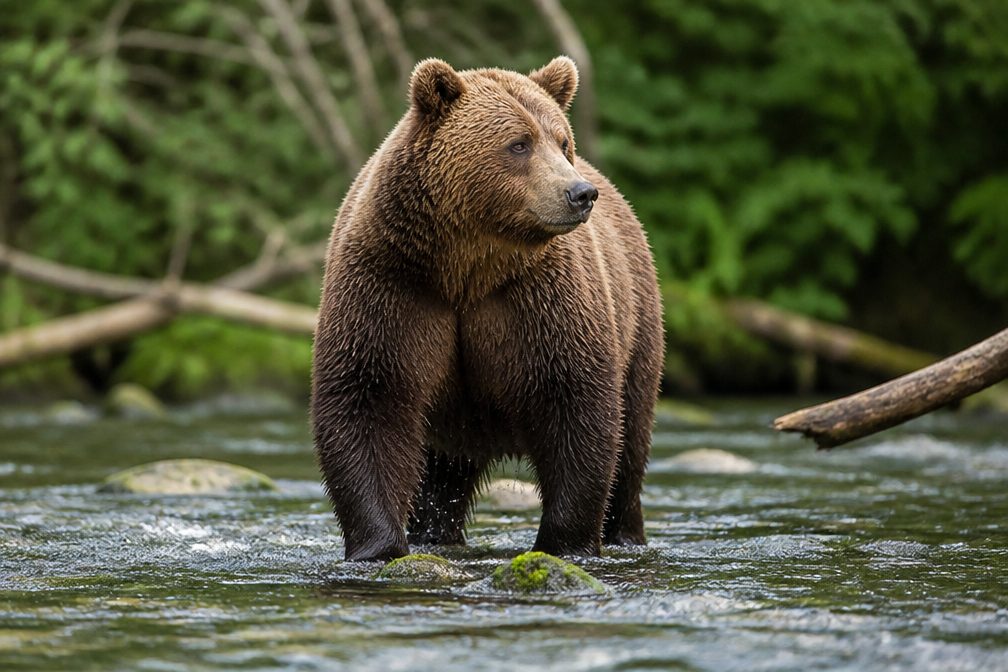
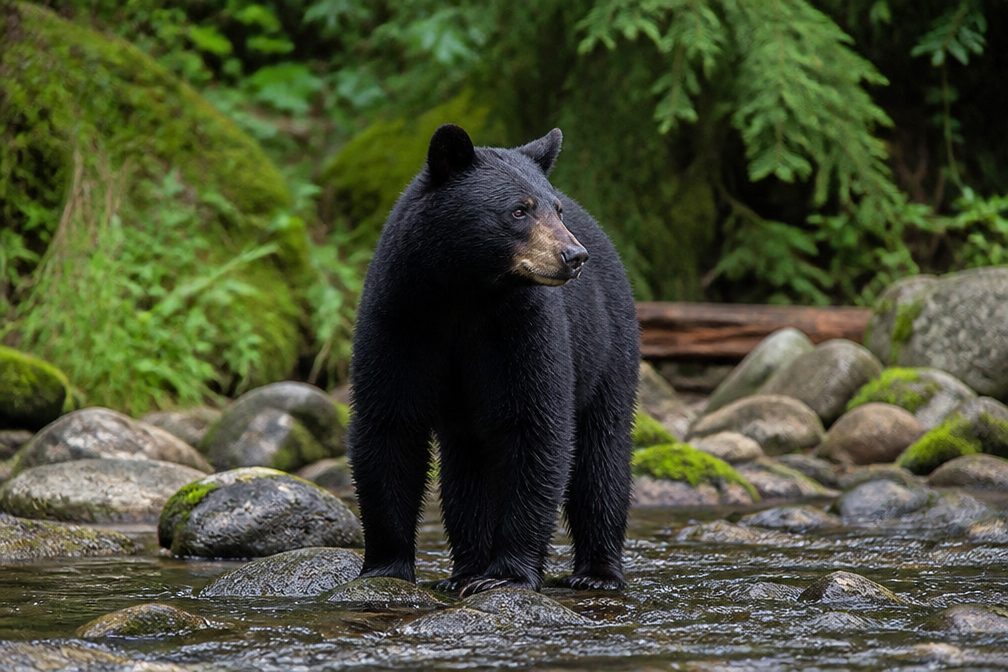
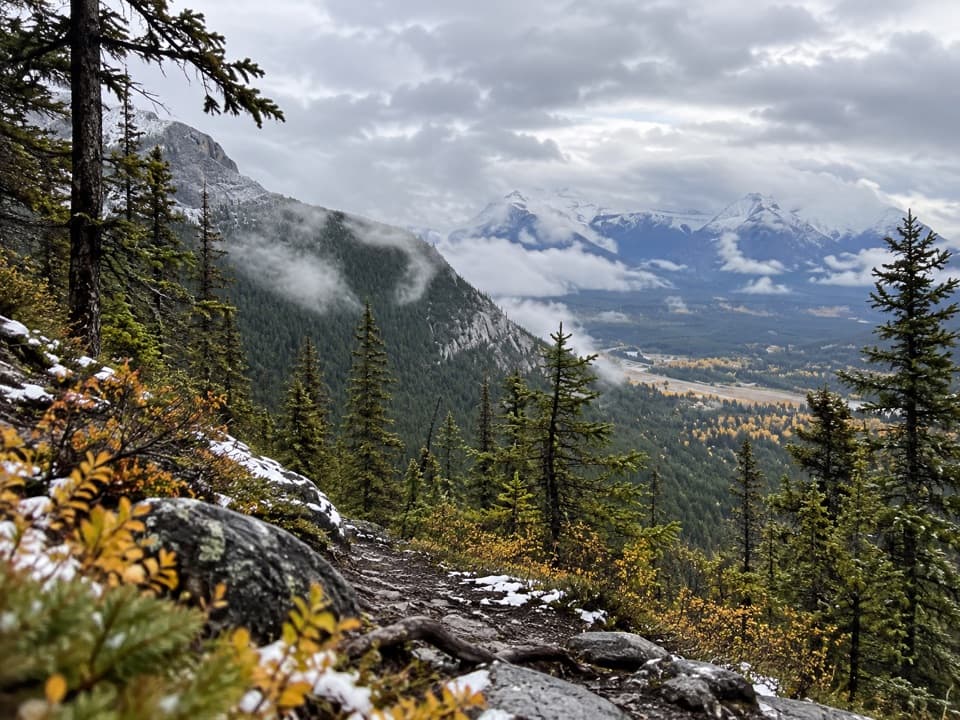
You’re in prime grizzly country. Carry bear spray and know how to use it, store food properly, and make noise in brushy zones. Porcupines are notorious around camps—protect salty gear and trekking pole handles. Weather changes quickly; pack for sun, rain, and a surprise dusting of snow even in mid‑summer.

Camping, permits, and fires

This traverse is stitched together by designated backcountry campgrounds (think Larry’s Camp, Johnston Creek, Luellen Lake, Badger Pass Junction, Wildflower Creek, Baker Lake, Hidden Lake). You must reserve backcountry camps; the system typically opens in January and popular itineraries can go fast. Campfires are prohibited—bring a stove.

Logistics

Start at Mount Norquay or Fish Creek near Lake Louise. Public transit and shuttle options make a one‑car itinerary doable. Fill bottles at creek crossings before long climbs, and build your days around the passes to catch clear weather windows for the best views.

Best time to hike

Late July through September is the sweet spot for snow‑free passes and fewer bugs. Early summer can hold lingering snow at elevation, and the season often shuts down with the first real snow in September. Aim to cross the big passes on clear mornings for both views and photos.

Who it’s for

Experienced backpackers who want a quieter, big‑country Banff traverse with flexible itineraries and standout scenery. If you want a shorter taste of the vibe, the Johnston Creek to Baker Lake section over Pulsatilla Pass is a solid sampler.

Pros

  • Flexible itineraries with many designated campsites to mix and match
  • Public transit and shuttles simplify the point‑to‑point logistics

Cons

  • Heavy horse traffic between Cascade Amphitheatre and Mystic Junction
  • Faint tread and route‑finding challenges near Baker Lake–Wildflower Creek
  • Mosquitoes can be rough early season around lakes and meadows

Parking

Park at either end: Mount Norquay (Banff) or the Fish Creek parking area near Lake Louise. Use shuttles/public transit to connect the endpoints if you have one vehicle.

Caution

Prime grizzly habitat—carry bear spray; some route-finding required (notably Baker Lake to Wildflower Creek); rapid weather shifts; horse traffic near Cascade–Mystic; protect gear from porcupines. Confirm current pet rules before you go.

The Parkwolf tour guide sitting on a phone mounted in a car

Parkwolf Tour Guide

Like a tour guide in your car.

Bring Banff trail research into the car, with offline maps and stories that play as you drive.Download Parkwolf on the App Store