Cape St George Lighthouse

Dramatic clifftop lighthouse ruins with big ocean views and winter whales
Cape St George Lighthouse, Booderee National Park
InsideBooderee National Park

Overview

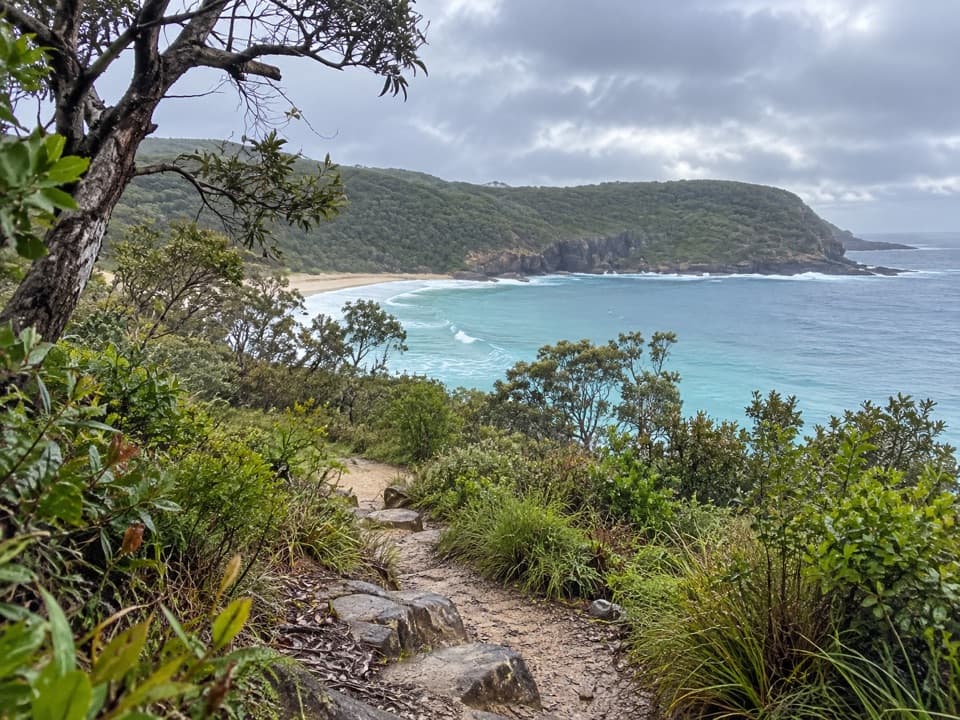
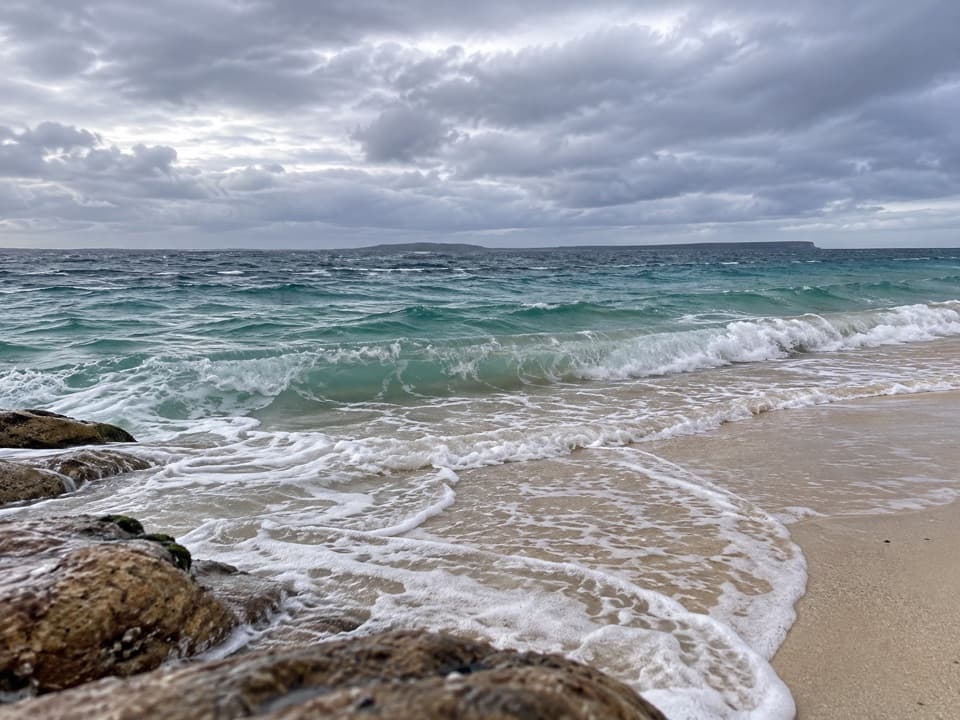
A moody, wind-scoured headland, crumbling limestone walls, and the Pacific stretching to the horizon—this spot delivers drama. The Cape St George Lighthouse Ruins are one of the park’s standout historic sites: atmospheric, photogenic, and a quick stop that punches above its weight.

What You’ll See

  • The remains of an 1860 lighthouse complex scattered along a high cliff, with wide-open coastal panoramas.
  • Clear sightlines for spotting humpbacks during migration—especially in winter—plus regular seabirds and the odd sea eagle cruising the thermals.
  • Informative panels that unpack the site’s odd history and the people who lived here.

Getting There

It’s an easy drive inside the park until the final stretch: expect roughly 6 km of gravel. Two-wheel drive is fine in dry weather, but go slow and be extra cautious after rain. There’s a small parking area and a short stroll to the ruins and viewpoints. A paid park pass is required.

A Rough-Edged History

Built in 1860, the lighthouse was notoriously sited in the wrong place and was deactivated by 1899 when a better light was built at Point Perpendicular. It was later demolished in the early 20th century, leaving the evocative ruins you see today. The story includes shipwrecks, bureaucratic blunders, and several tragedies among the keepers’ families—sobering context that makes the site more than just a pretty viewpoint.

Wildlife

Winter brings reliable chances to see migrating humpback whales from the cliff-top lookouts; patient scanning can pay off. Keep an eye out for raptors like sea eagles, and you may spot dolphins working the coastline.

Safety Essentials

This headland is beautiful but unforgiving. Edges are unfenced in places and the drop is real—keep well back and supervise kids closely. Watch your footing around the ruins and near the cliff where visitors report some broken glass. Stay on marked paths and do not climb the structures.

Facilities

Count on the basics only: parking, interpretive signs, big views, and a picnic bench or two nearby. Plan bathroom stops elsewhere in the park and bring your own water and snacks.

Best Time to Visit

  • Winter afternoons for whale watching and softer side light.
  • Spring and autumn mornings for mild weather, fewer people, and gentle photography conditions.
  • Sunrise and sunset deliver gorgeous color, but stick to paths and mind the edges in low light.

Quick Game Plan (60–90 minutes)

Stroll the main loop through the ruins, pause at each panel, then work the lookouts for photos. In winter, spend 10–15 minutes scanning the horizon for blows and tail slaps before you roll on to your next stop.

Pros

  • Sweeping cliff-top ocean views and winter whale watching
  • Evocative historic ruins with interpretive signs
  • Short, easy walk from the parking area

Cons

  • Rough 6 km gravel access road that can be rutted after rain
  • Unfenced cliff edges and occasional broken glass near lookouts
  • Limited facilities on-site

Tips

  • Drive the final 6 km gravel stretch slowly, especially after rain.
  • Bring water, snacks, and wind protection—this headland is exposed.
  • For whales in winter, pack binoculars and scan patiently from the lookouts.
  • Stay well back from unfenced edges and keep kids within arm’s reach.
  • Drones are regulated here—check park rules before you fly.
The Parkwolf tour guide sitting on a phone mounted in a car

Parkwolf Tour Guide

Like a tour guide in your car.

Save the places you found around Booderee, then let Parkwolf guide the drive between them.Download Parkwolf on the App Store