Place · 0.8 mi away

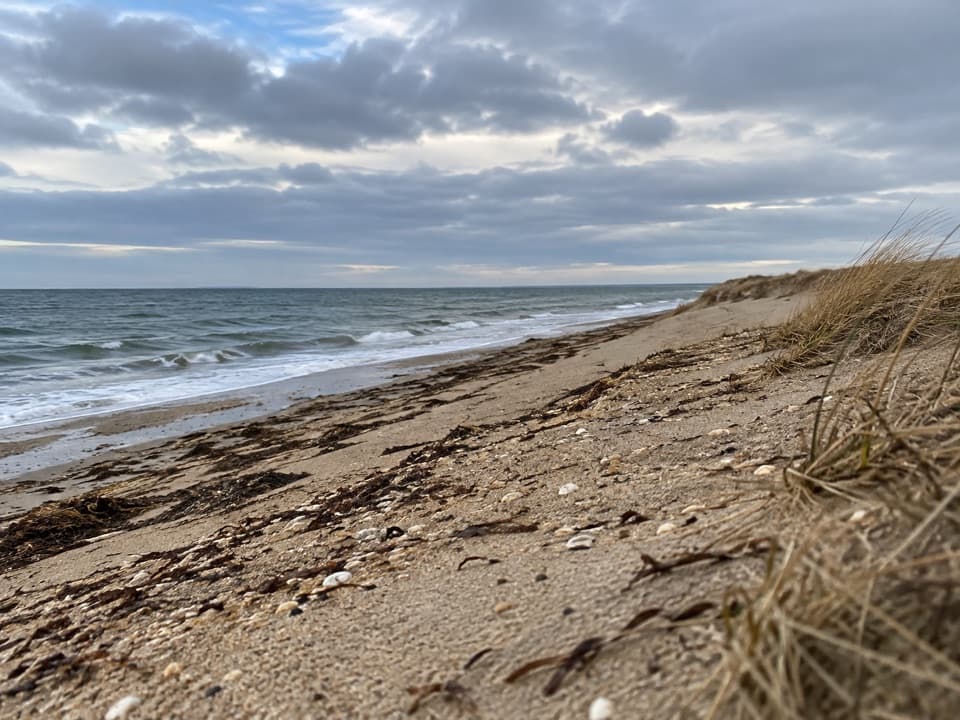
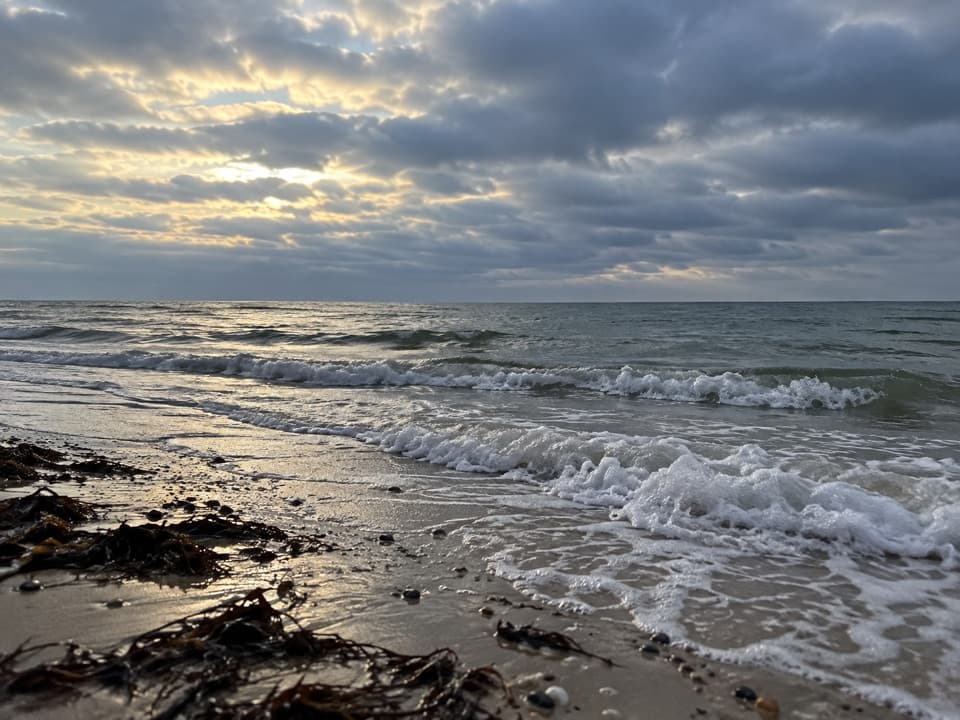
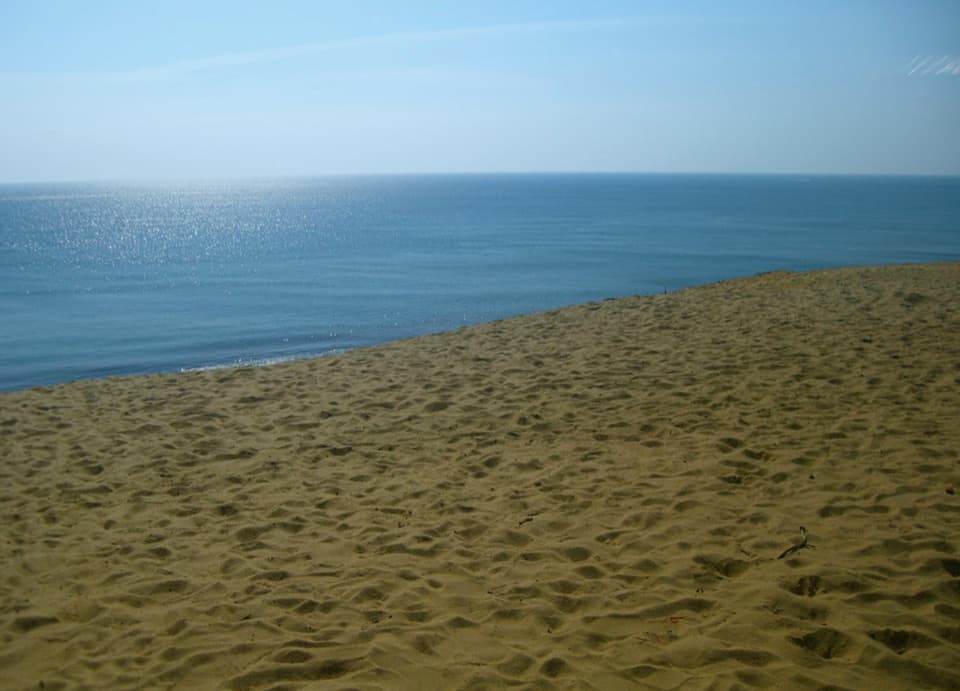
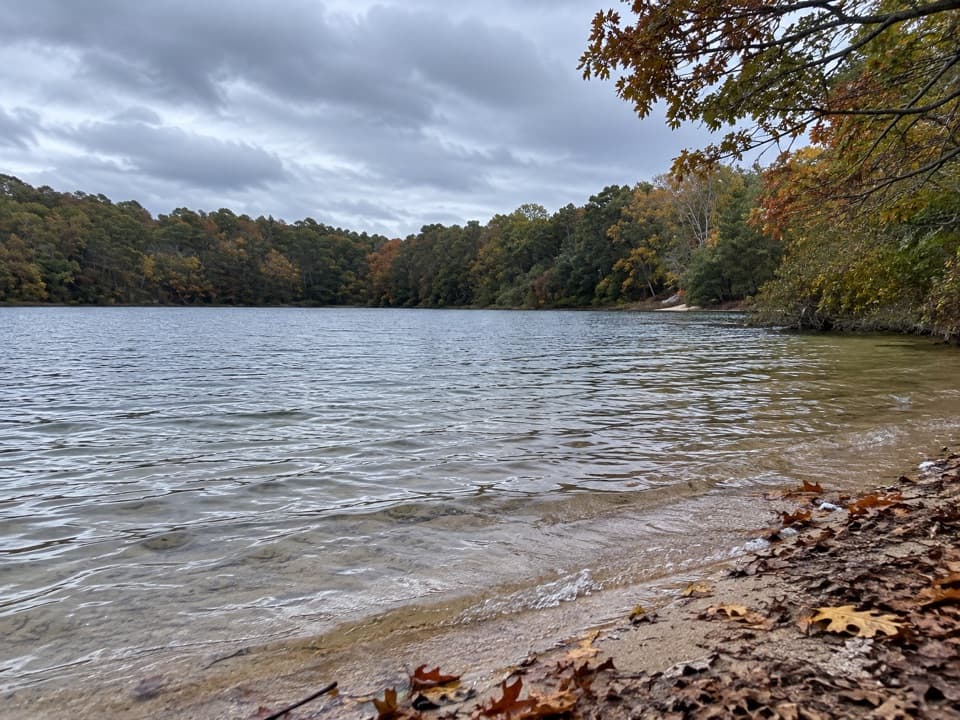
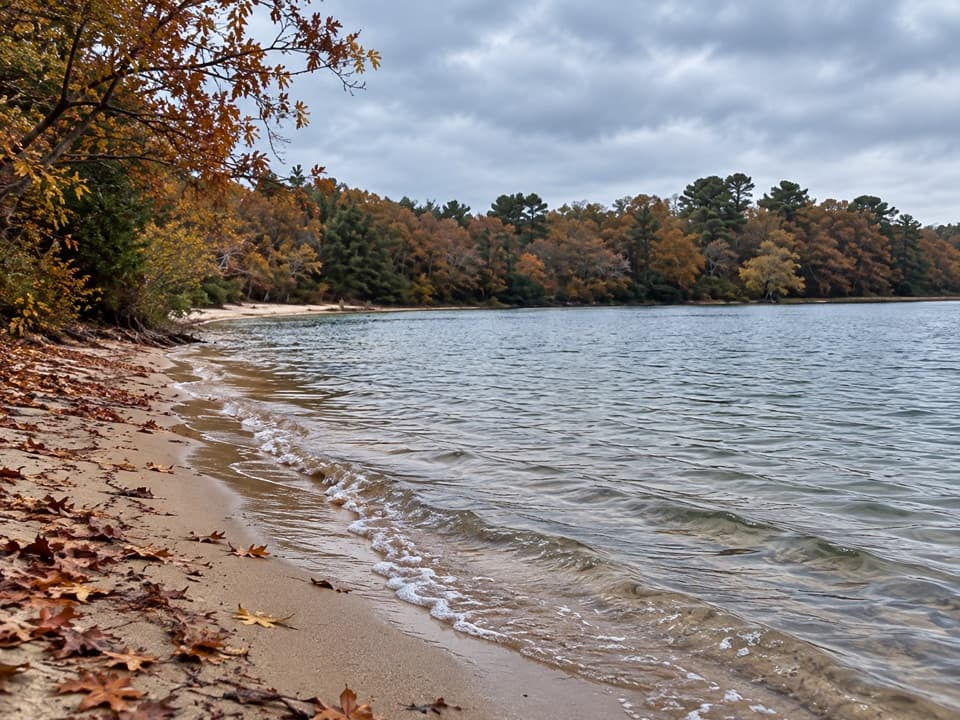
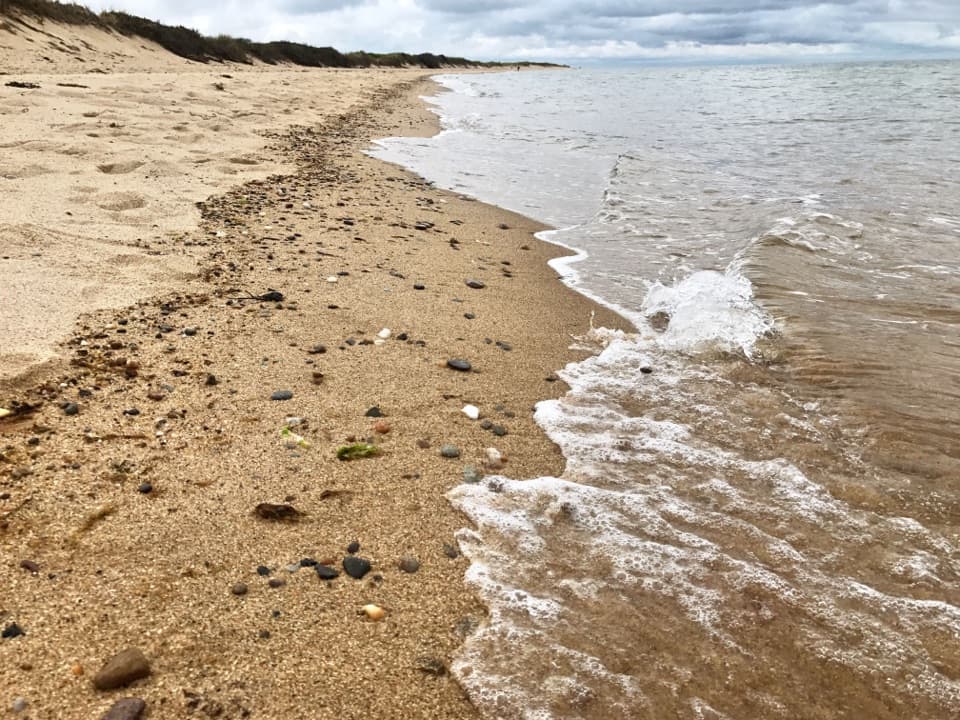
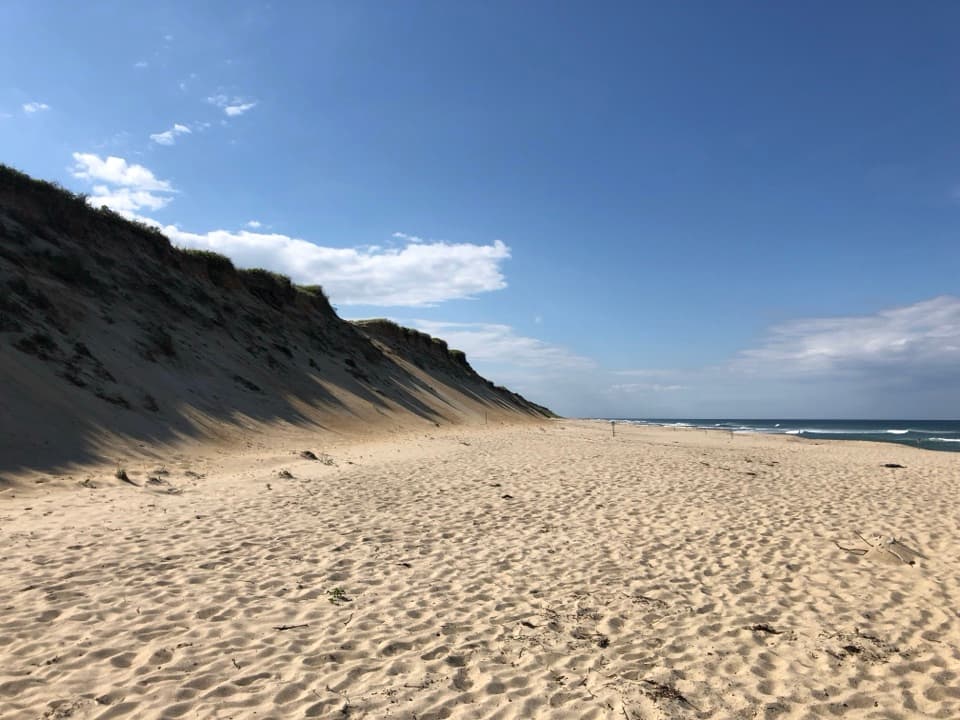
Quiet and scenic, Duck Harbor Beach sits on the bay side with wide skies and long horizons. On clear days you can spot Provincetown’s Pilgrim Monument, and evenings often deliver the kind of sunset that makes you linger. The water here trends calmer and warmer than the ocean side, but the shoreline can be rocky—especially at low tide.
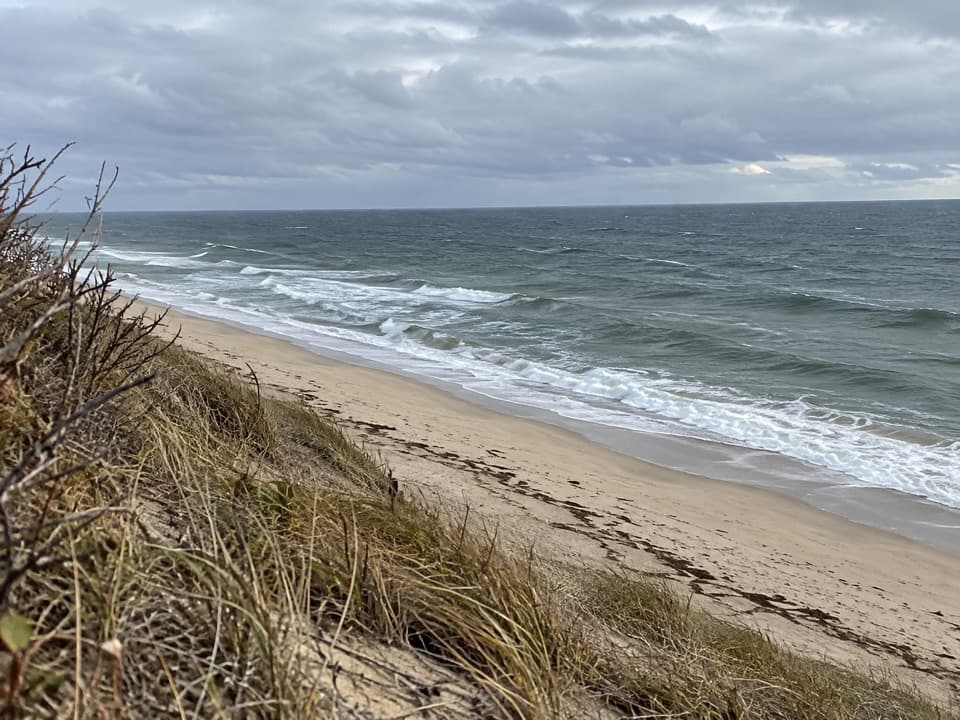
A short sandy path leads over low dunes to a broad beach that transforms with the tide. At low tide, extensive flats emerge—prime for meandering and poking around for shells and smooth stones. It’s usually less crowded thanks to a small lot, so you get more quiet than many Cape spots. Keep an eye on the water: visitors sometimes report seals surfacing close to shore.
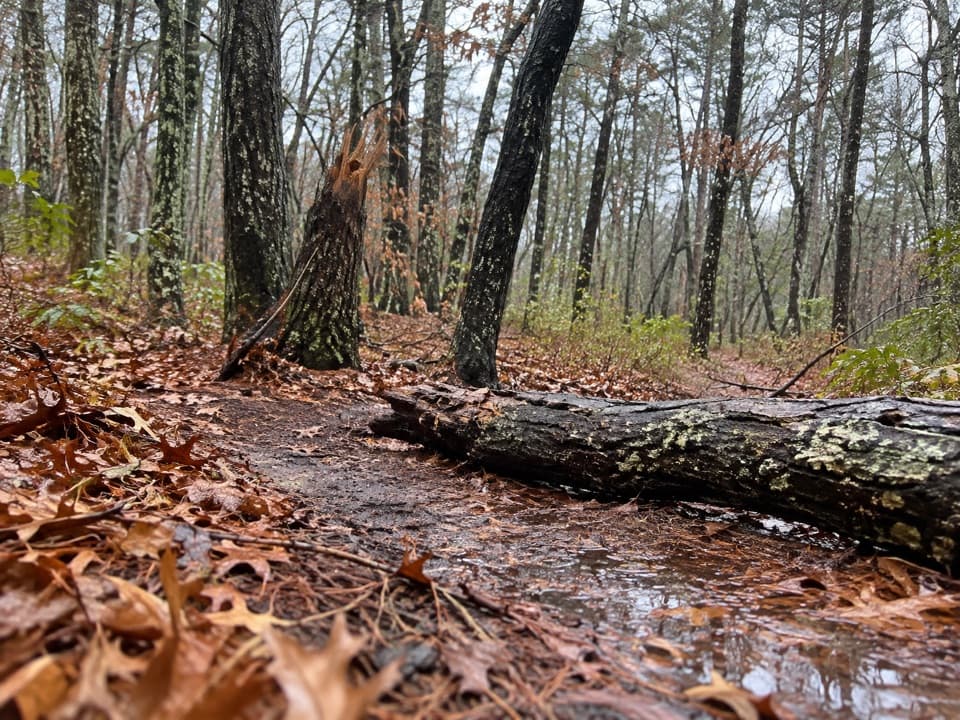
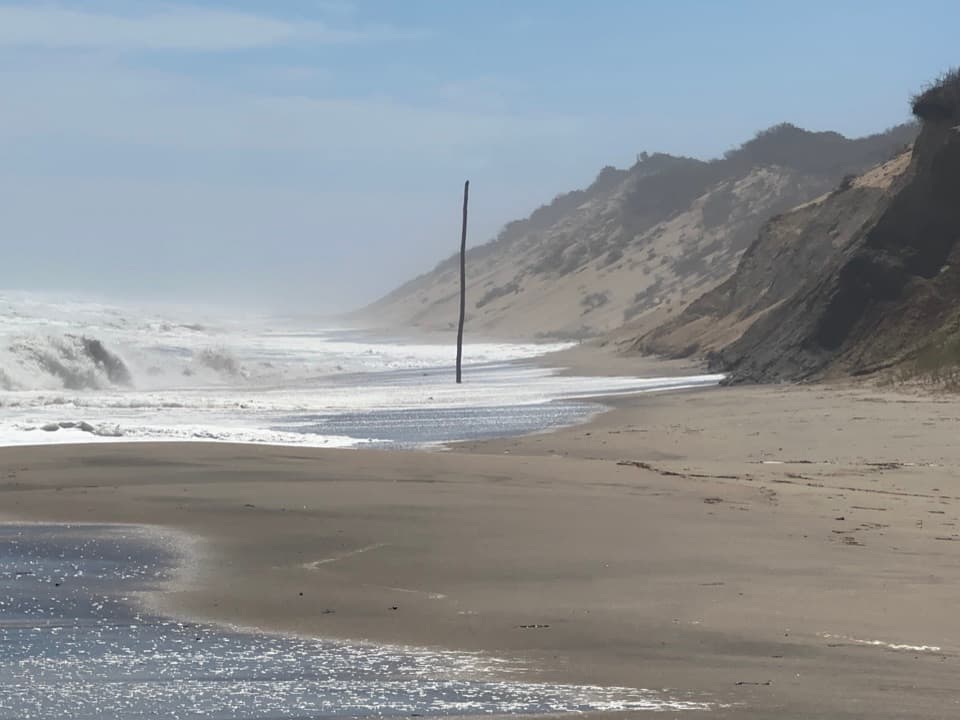
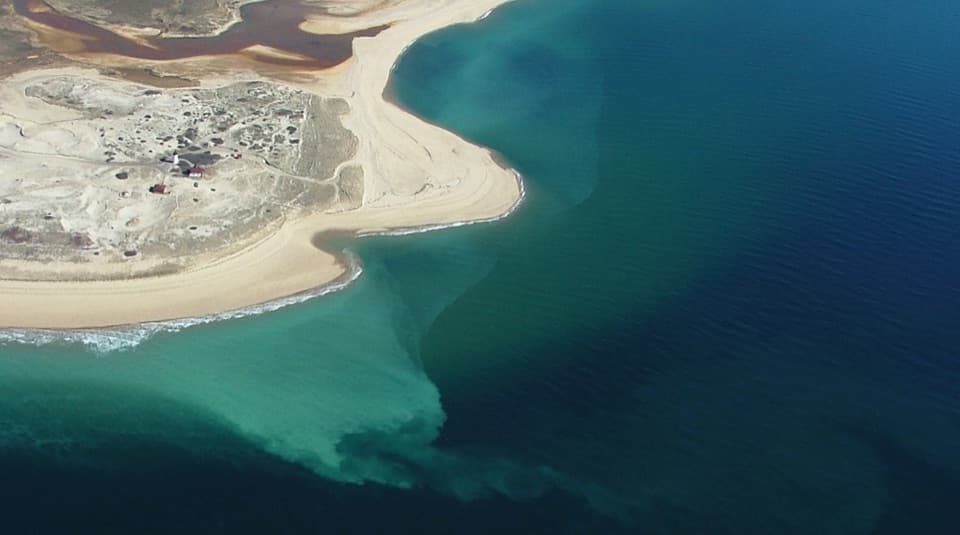
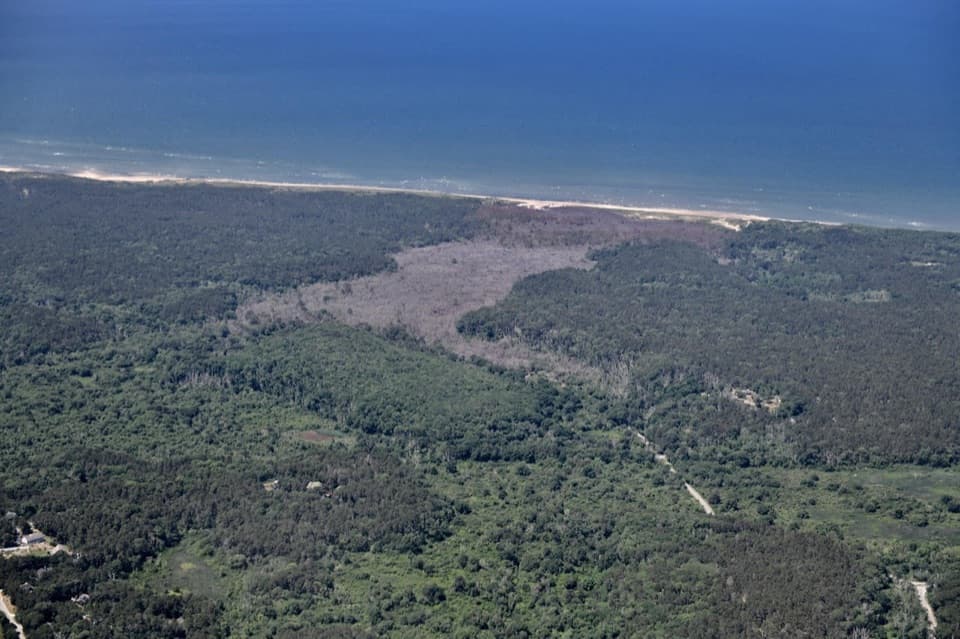
This shoreline has been changing fast since barrier dunes were breached in January 2021. Regular high tides have overwash events that push salt water inland, shifting the old Duck Harbor basin toward salt‑marsh habitat. You may notice standing dead pines, brackish pools, and patches of pickleweed and early salt‑marsh grasses—evidence of an ecosystem in transition that scientists are actively monitoring. Conditions can look different year to year depending on tides, storms, and moving sand.
There’s a small parking area and a sandy approach to the beach. Seasonal restrooms are available; there are no showers and typically no lifeguards. In season (June through Labor Day), a Town of Wellfleet beach sticker is required for the lot, and Cape Cod beach lots can fill quickly on hot days. The beach’s setting near Great Island adds miles of pristine shore to explore, but always respect posted dune and vegetation closures.
Time your visit for sunset on a clear day—arrive early to snag a parking spot. For peaceful strolling, go at low tide when the flats are out. If you’re hoping to swim, plan around the tides rather than midday heat; conditions can be friendlier near late flood to early ebb. Off‑season offers easier parking and even quieter evenings, though services may be limited.
Rules (including pet policies) and on‑the‑ground conditions can change with seasonal protections and the evolving shoreline. Check current advisories before you go and tread lightly on dunes and marsh edges.