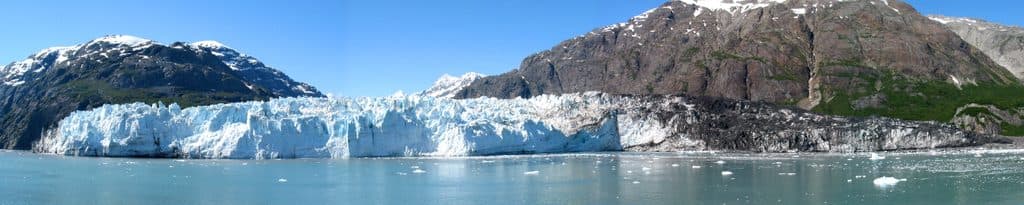
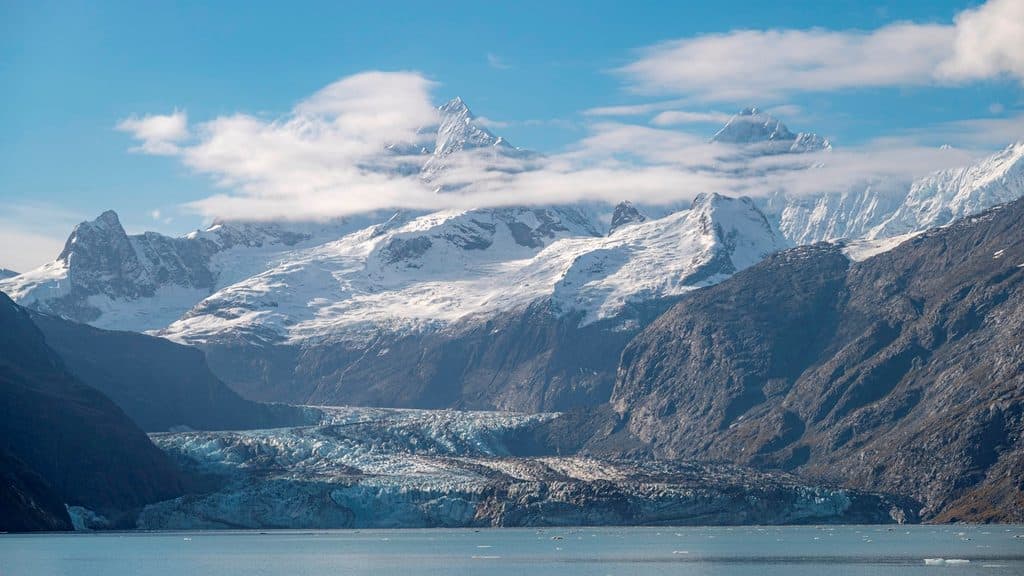
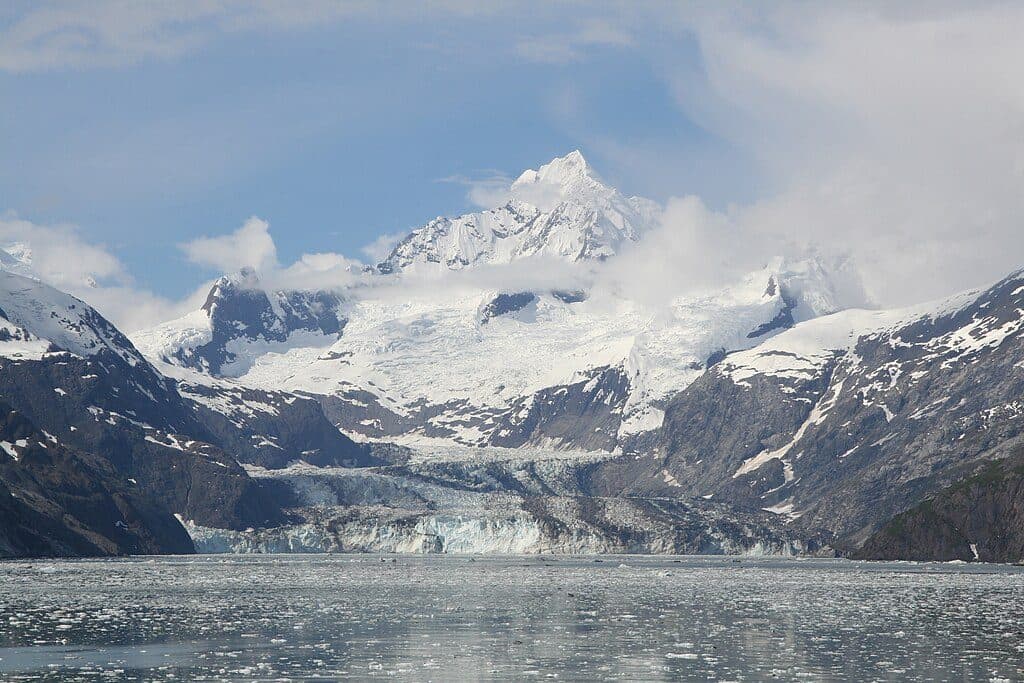
Best time to visit
Go when tides and the marine forecast line up for your route and skill level. Start early to ride favorable currents and calmer winds, and plan crossings and camps around high‑tide windows for safer travel and easier landings.

Sight · Glacier Bay National Park
Quiet kayak maze of islands, wildlife, and tide-driven routes
Overview
A quiet cluster of small, forested islands just north of Bartlett Cove, the Beardslees are Glacier Bay’s most accessible taste of true wilderness. Managed for a largely non-motorized experience, they’re all about still water, rocky shorelines, and solitude. The islands take their name from 19th‑century naval explorer Lester Anthony Beardslee.
Map
Local know-how
Plan your itinerary around tide tables; some channels only go at high tide.
Fill large water bladders at the Visitor Information Station before launching.
Stash boats well above the high‑tide line and secure them before camping.
Pack real rain gear and extra warm layers; weather shifts fast even in summer.
If glaciers are a priority, add a separate West Arm day tour to your trip.
Plan your stop
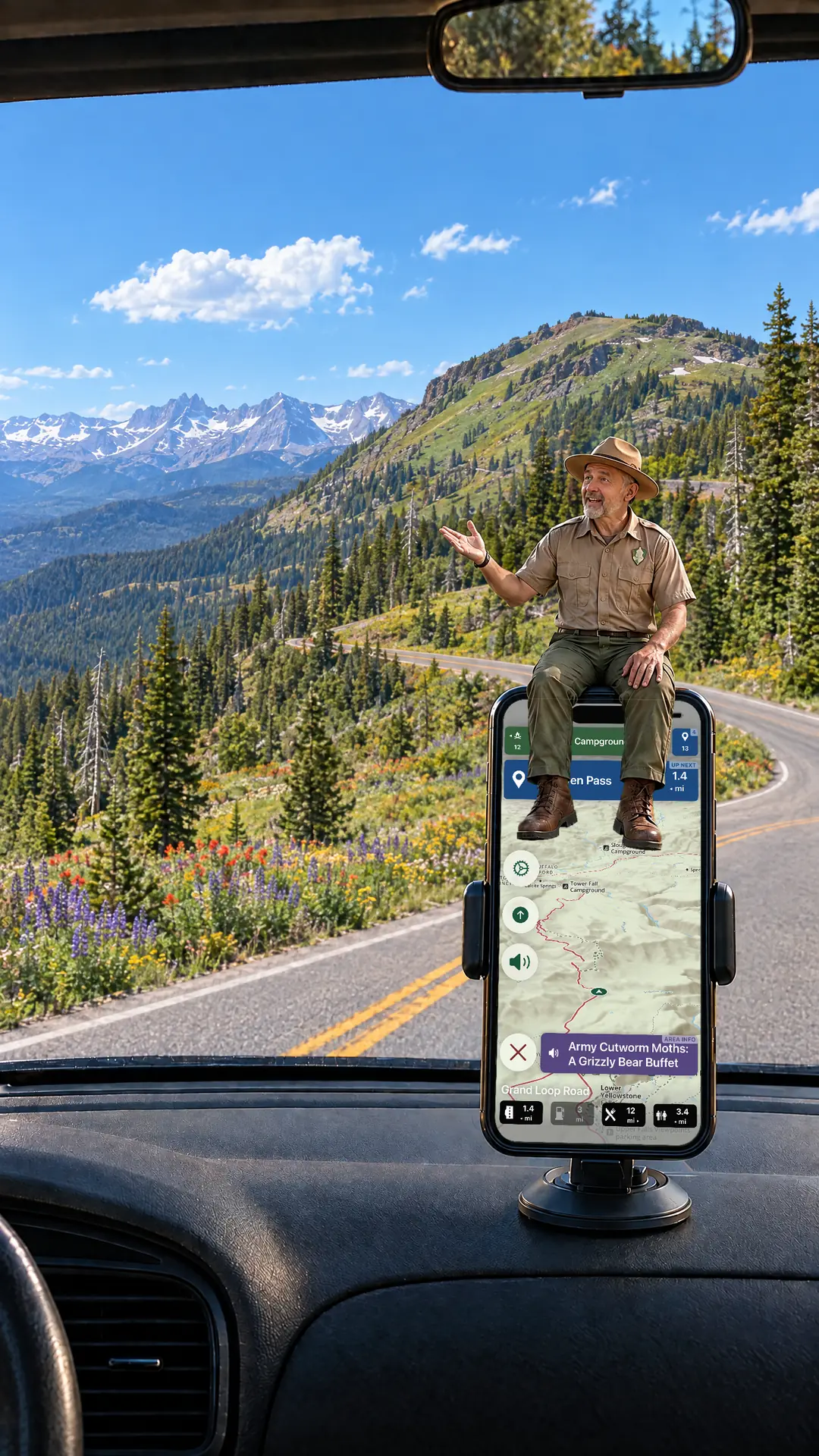
The highest, rockiest slopes around here are a summer buffet for grizzly bears.
Glacier Bay Tour Guide
Parkwolf is a GPS audio tour guide for Glacier Bay National Park. As you drive, it chimes in with what’s ahead: hidden gems, upcoming stops, history, geology, and wildlife, right through your car’s speakers.
More stories near here in the app
“Fantastic app with many points of information… It’s great to just turn on while you’re driving and it gives you an audio tour of the national Park. We love it!!!!”


Guide
Expect lush beaches, interlaced channels, and a maze of tidal passages—some that dry at low tide thanks to ongoing land uplift since glacial retreat. Wildlife is the headline: sea otters and harbor seals are common, with seasonal chances for humpback whales (notably near Spokane Cove and Garforth Island). Birders work these shores for pigeon guillemots, harlequin ducks, cormorants, murrelets, Arctic terns, mergansers, and nesting black oystercatchers. Moose and bears roam the islands and shorelines.
This is a premier paddling destination for day trips or a 2–4 day outing with beautiful beach camping. The water is often placid and protected, but it’s still backcountry: no developed facilities of any kind. Fresh water is scarce to nonexistent—plan to carry all you need, and fill large water bladders at the Visitor Information Station before launching.
Tides run the show here. Many routes are only passable near high tide, and it’s easy to strand yourself or your boat if you mistime it. Store kayaks well above the high‑tide line. Weather can be harsh and change quickly even in summer, so bring real rain gear and extra warm layers. This is bear country: follow food storage rules and standard backcountry bear practices.
Some islands and shorelines are critical wildlife habitat with seasonal landing or approach restrictions—check the latest guidance with rangers before you go. Pets aren’t allowed in the backcountry here. Most of the summer is managed for a predominantly non‑motorized experience—another reason the area stays so peaceful.
Glacier views. If tidewater glaciers are on your must‑see list, pair a Beardslees paddle with a separate day trip into the West Arm.
Wildlife
 98 sightingsHumpback WhaleMost seen around 6 AMSighting map
 48 sightingsOrcaMost seen around 5 PMSighting map
 110 sightingsBrown BearMost seen around 7 PMSighting map
 312 sightingsSea OtterMost seen around 4 PMSighting map
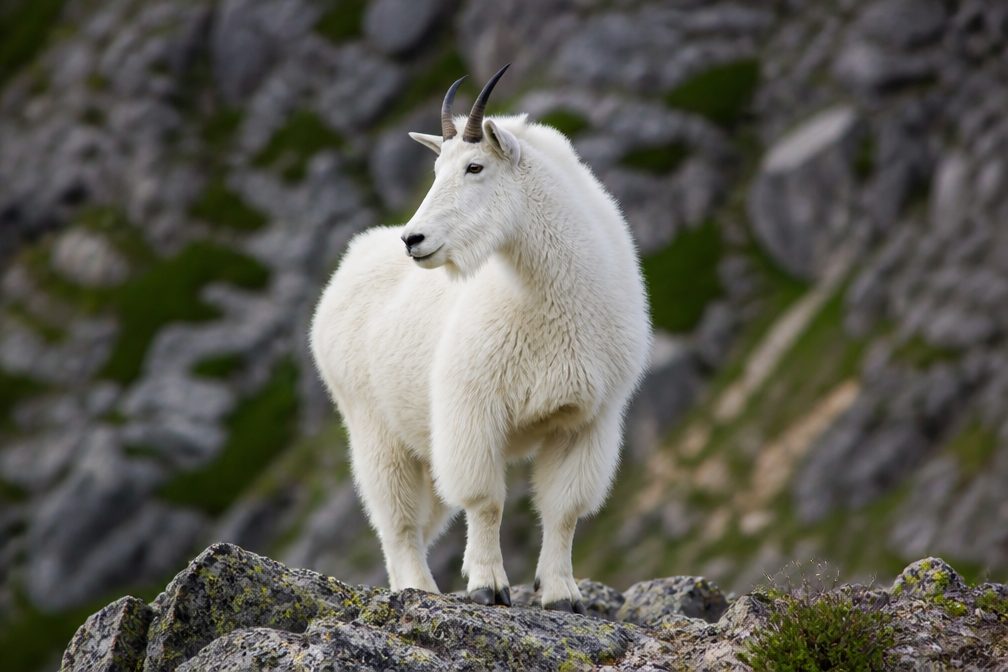 106 sightingsMountain GoatMost seen around 6 PMSighting map
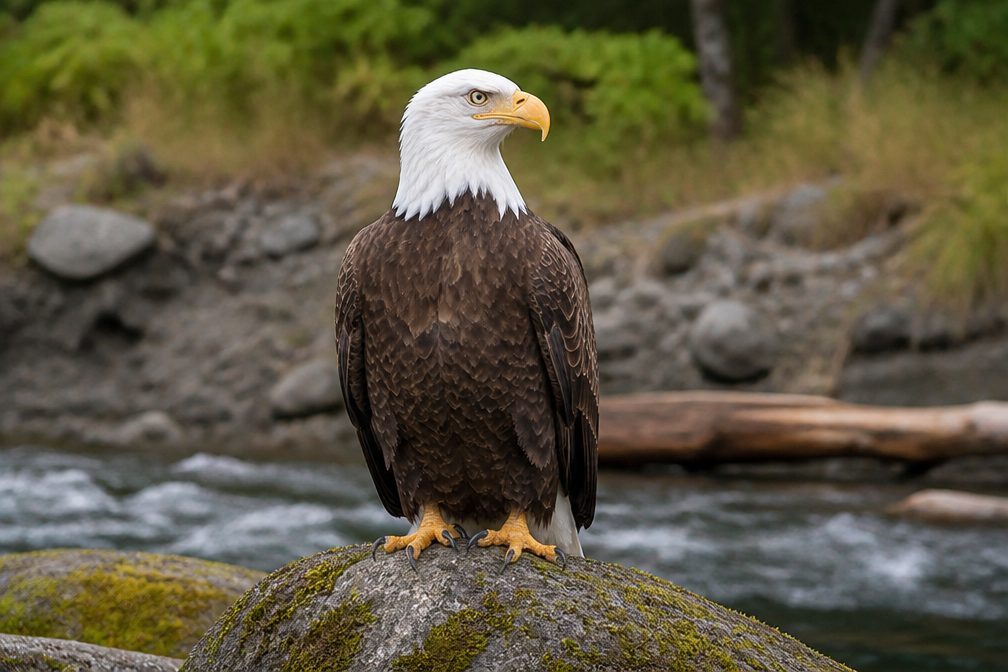 93 sightingsBald EagleMost seen around 5 PMSighting map
Sighting maps show where each species has been reported across Glacier Bay. Wildlife moves, so no sighting is guaranteed.
Keep exploring
 EasyTlingit Trail1 mi · 1 hr · 4.8 mi awayA gentle bayside stroll into Huna Tlingit culture and Bartlett Cove
 EasyForest Loop Trail1.1 mi · 45 min · 4.8 mi awayEasy Bartlett Cove loop through spruce–hemlock forest to the beach
 ModerateBartlett Lake Trail9.2 mi · 7.5 hr · 5 mi awayLong, soggy rainforest trek to a quiet lake—bring rubber boots.
 Sight · 3.7 mi awayLester IslandQuiet, kayak-friendly island just off Bartlett Cove
 Sight · 4.7 mi awayXunaa Shuká HítA living Tlingit clan house on Bartlett Cove’s shoreline
 Sight · 4.8 mi awayHumpback Whale ExhibitOpen-air skeleton of “Snow,” a famed humpback
 Ranger station · 4.8 mi awayBartlett Cove Visitor Information Station (VIS)Permit and orientation hub by the Bartlett Cove dock
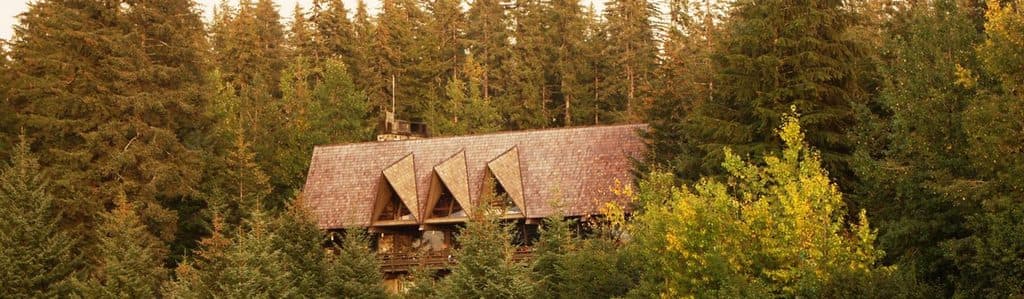 Visitor center · 4.8 mi awayPark Visitor CenterSmall, smart hub with exhibits, views, and a whale-listening hydrophone
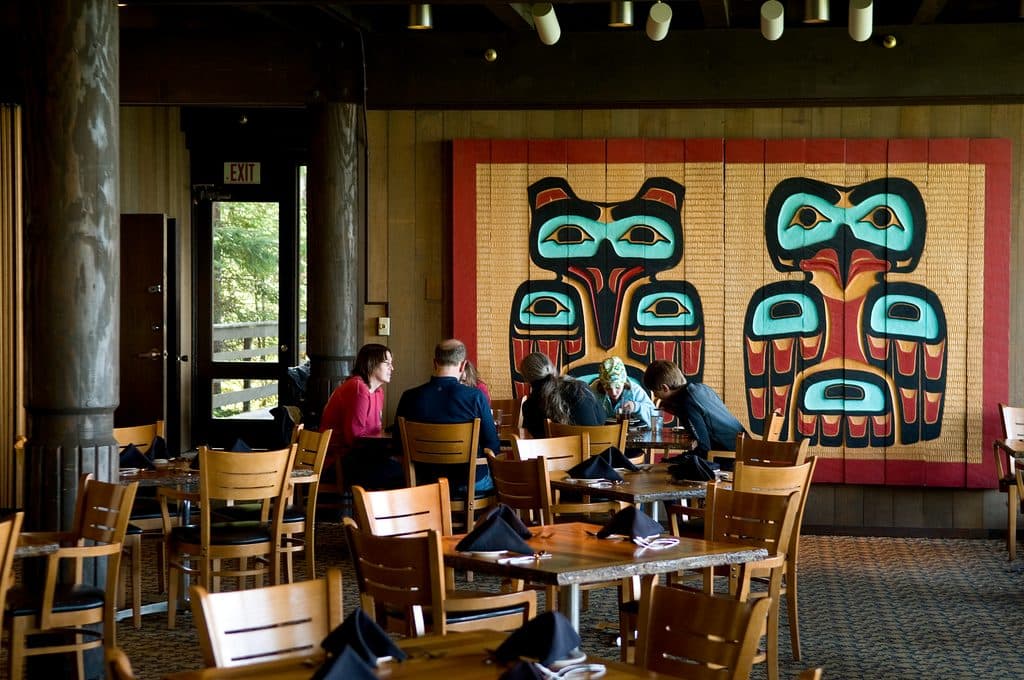 Restaurant · 4.8 mi awayFairweather Dining RoomLocal seafood with big Bartlett Cove views
 Sight · 4.9 mi awayBartlett CoveHub for trails, day tours, culture, and free camping
 Campground · 4.9 mi awayBartlett Cove CampgroundFree walk-in rainforest campground with a communal beach fire pit
Parkwolf’s Glacier Bay ranking

The audio tour guide for the drive, plus offline maps, trails, and wildlife heatmaps for when the signal drops.