Triplet Falls

Rainforest loop to platforms overlooking three cascading falls
Triplet Falls, Great Ocean Road
InsideGreat Ocean Road

Overview

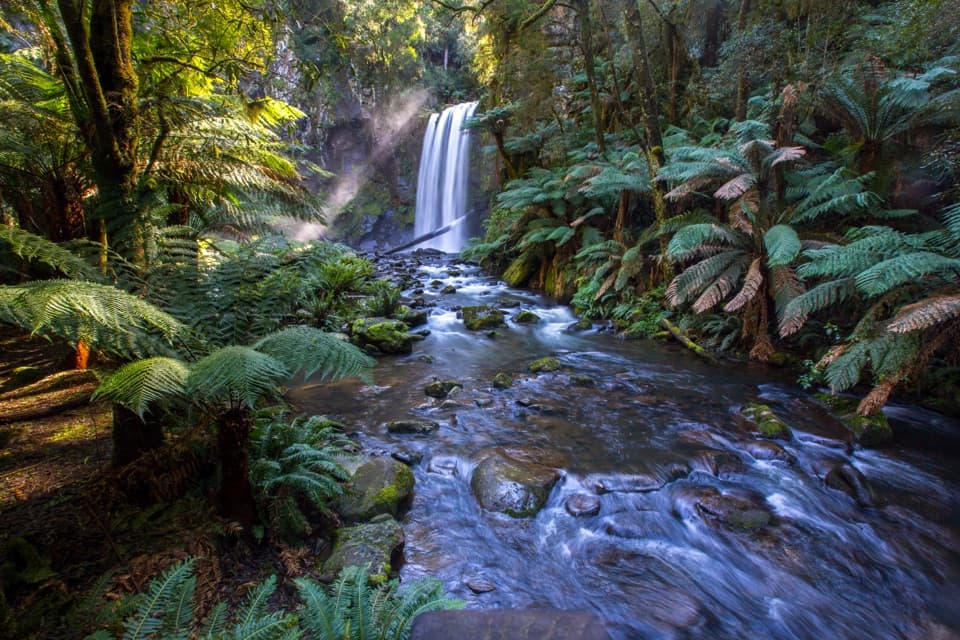
Triplet Falls is the Otways in a nutshell: lush, dripping rainforest, the constant thrum of water, and a well‑built loop track that keeps things fun without being a slog. You’re here for a trio of cascades on Young Creek, framed by mossy rock and fern gullies.

The Walk

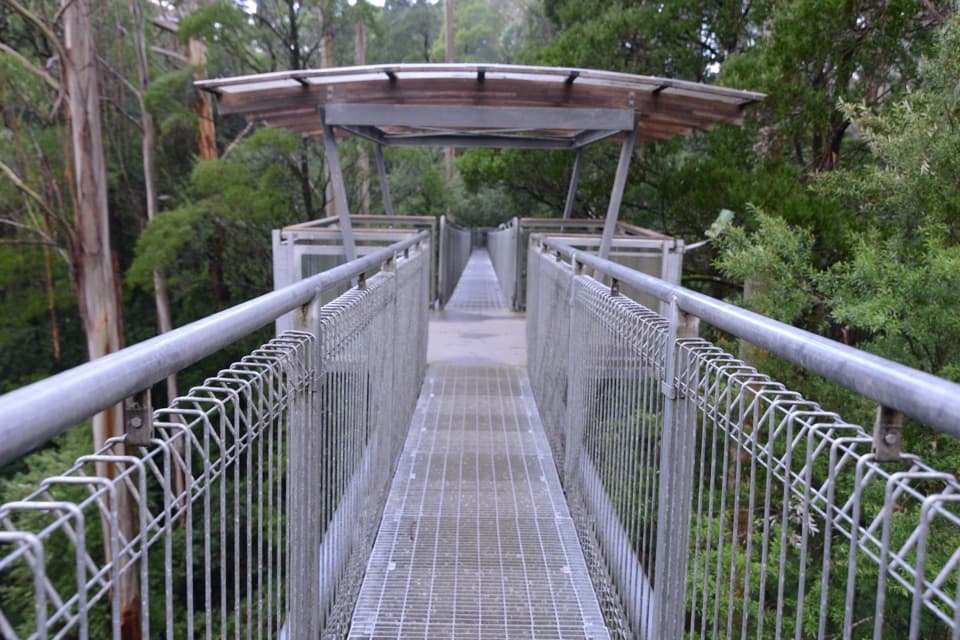
Expect an about 2 km signed loop (45–60 minutes) with stairs, short steep bits, and boardwalks. The main lookout sits roughly halfway around; you’ll hear the roar before you see it. Keep following the loop to pass more platforms and, on the upper return, old logging gear (trolleys and a steamer) that hints at early 1900s industry.

What You’ll See

  • Three ribbons of water tumbling over dark rock ledges—often the right‑hand fall shows best, while vegetation can partially screen the other two.
  • Ancient wet‑forest: mountain ash and myrtle beech, with tree fern canopies that make the track feel Jurassic.
  • After rain, the falls amp up and the “triplet” character pops; in drier spells, the flow narrows but the setting stays gorgeous.

Wildlife

This forest hums with birdsong, and you may spot signs of short‑beaked echidnas or long‑nosed bandicoots (their diggings can trip you up at dusk). Snakes are about in warmer months—watch your footing and stick to the track. Platypus live in the area, but they’re a long shot here.

History Hit

The return leg doubles as a mini open‑air museum: boardwalks lead past sawmilling relics from the Knotts No. 1 era, with signs explaining how timber once moved through this country.

Logistics & Facilities

  • Car park at the end of Phillips Track (sealed at first, then an unsealed, bumpy section). Roughly 30 spaces.
  • Toilets at the trailhead; picnic tables too. No drinking water or food—pack your own.
  • No fees or formal hours, but daylight visits are safest.
  • Park rules: no dogs (except assistance dogs under conditions), no fires, camping, bikes, horses, or firearms.
  • Hazards: slippery surfaces after rain, uneven ground, and falling limbs after wind—standard Otways stuff.

Best Time to Visit

Weekday mornings are the sweet spot for quieter tracks and better wildlife chances. For drama, come after rainfall. Photographers: a wide‑angle lens helps fit all three cascades; soft overcast or post‑rain light works best. Midday can get busier and harsher for photos.

Pair It With

If you’re making a day of it, tack on Little Aire Falls from the same area, or pop up the road to the Otway Fly Treetop Walk. Several other waterfalls (Hopetoun, Beauchamp, Stevensons) round out a satisfying loop. Always give the park’s change‑of‑conditions page a glance before you go.

Pros

  • Short, engaging rainforest loop with towering tree ferns
  • Elevated platforms overlook three side‑by‑side cascades
  • Sawmilling relics and interpretive signs add neat context

Cons

  • Lots of stairs and can be slippery after rain
  • No access to the base; foliage can obscure full view

Tips

  • Walk the signed loop clockwise; the best main lookout sits about halfway in.
  • Bring a rain shell and grippy shoes—boardwalks and stairs get slick after showers.
  • Use a wide‑angle lens to capture all three cascades from the platforms.
  • Phillips Track turns unsealed and bumpy near the end; standard cars are fine if you take it slow.
  • Add Little Aire Falls if you’ve got 90 extra minutes and steady legs.
The Parkwolf tour guide sitting on a phone mounted in a car

Parkwolf Tour Guide

Like a tour guide in your car.

Save the places you found around Great Ocean Road, then let Parkwolf guide the drive between them.Download Parkwolf on the App Store