Place · 1.8 mi away

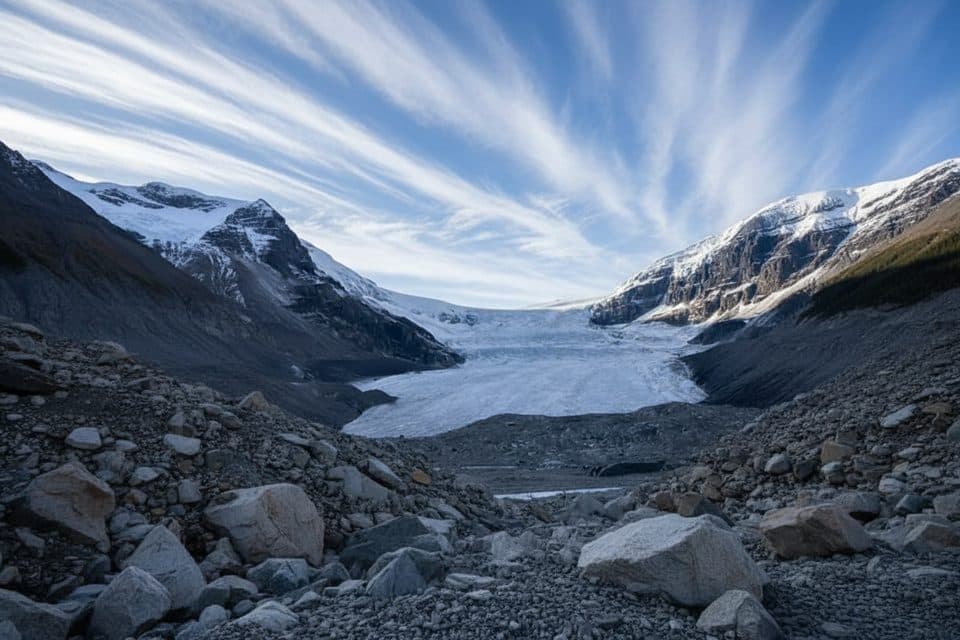
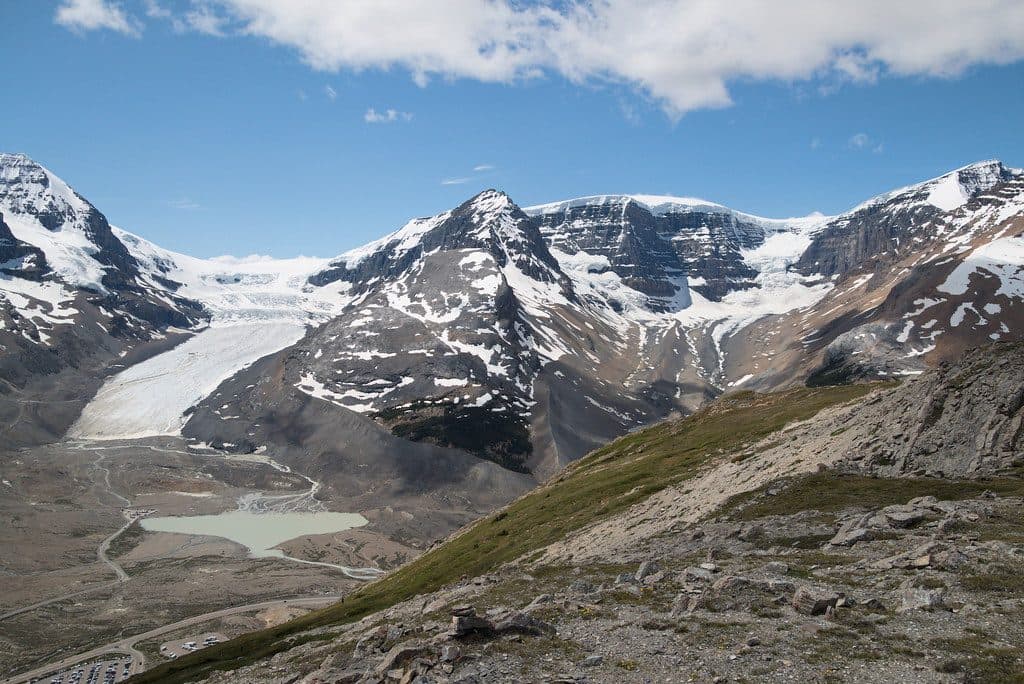
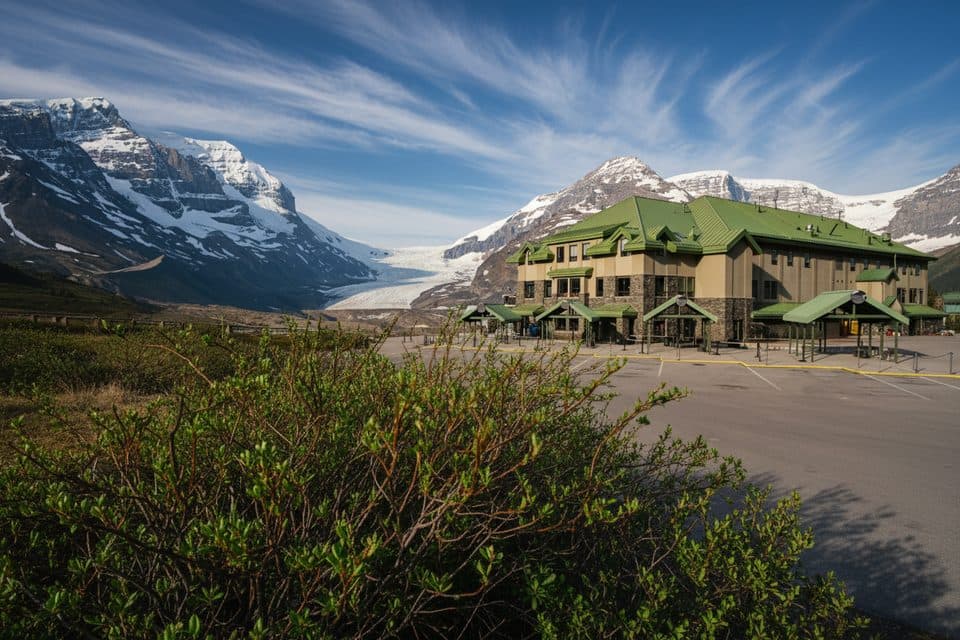
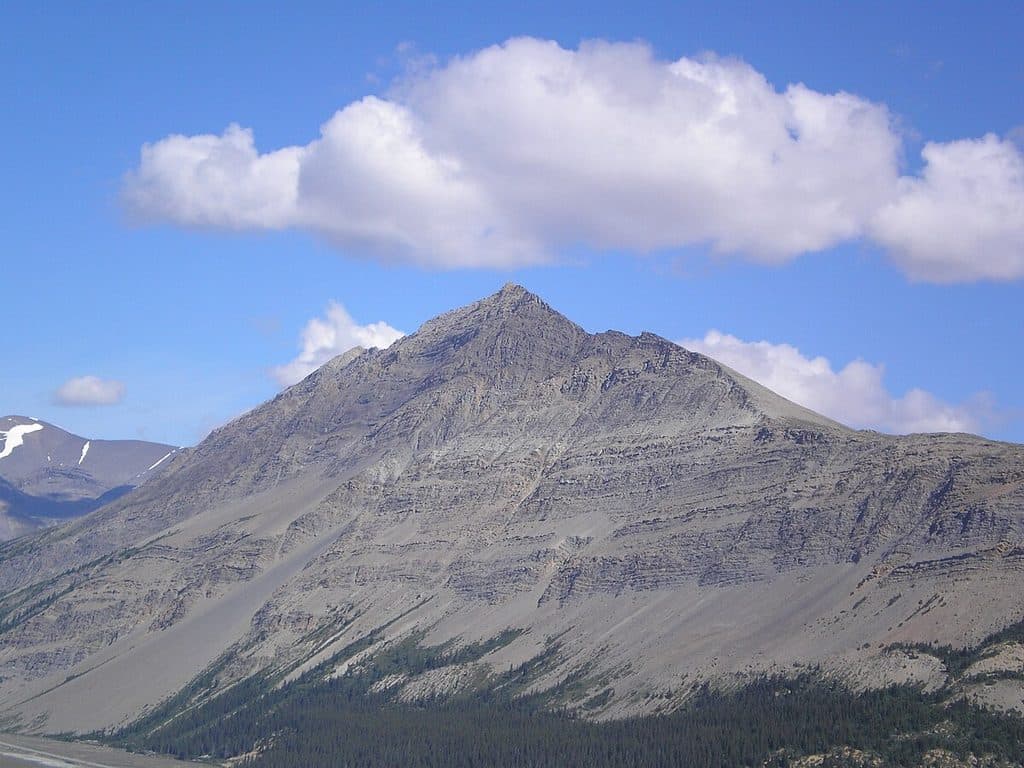
Also called Wilcox Peak, Mount Wilcox rises just east of the Columbia Icefield and looks straight across to the Athabasca Glacier. It’s the go-to summit if you want huge glacier-and-peak views without technical climbing. Expect a classic Jasper progression: forested start, broad alpine meadows, then a rocky finish with knockout scenery.
Most hikers begin on the Wilcox Pass Trail from near Wilcox Creek Campground off the Icefields Parkway. A more direct line starts behind the Icefield information centre area. The popular Wilcox Viewpoint is about 9.5 km round trip with roughly 380 m of gain and gives front-row glacier views. If you continue to the summit, plan for about 11.1 km round trip and around 920 m cumulative gain. The upper slopes are steeper with some scrambling, but no technical climbing.
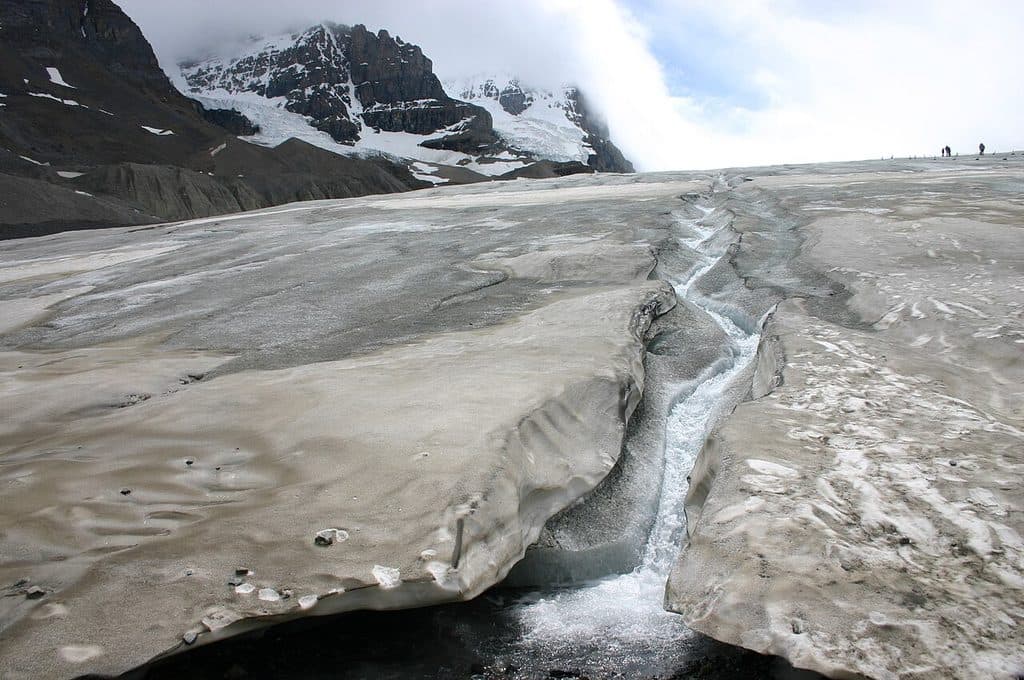
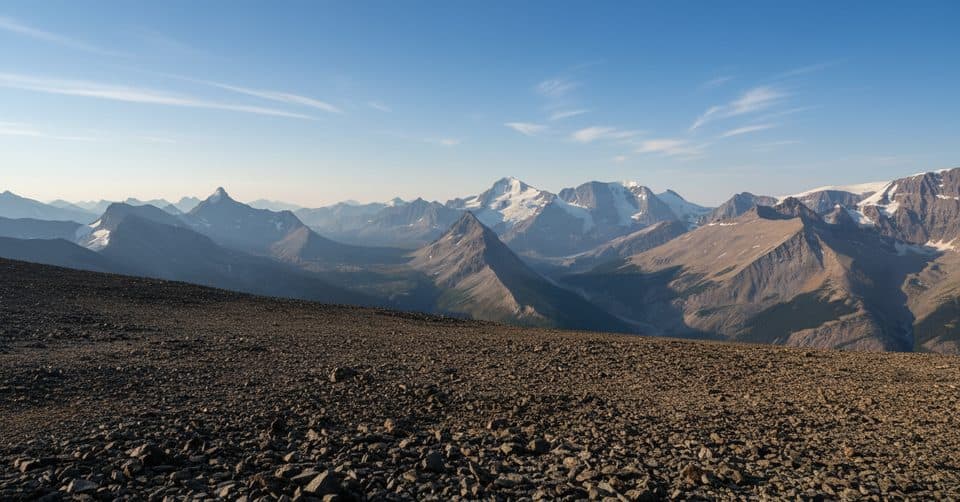
From the meadows up, you get sweeping looks at the Athabasca Glacier and the broader Columbia Icefield, with surrounding giants like Mount Athabasca, Andromeda, Snow Dome, and more. Ridge wandering near the top can extend the views and even offer a gentler descent line. You’ll also pass a set of iconic red chairs near a scenic overlook on the way up.
The trail climbs through spruce-fir forest before breaking into open alpine. It’s well-traveled and easy to follow, but expect steep, rocky sections near the top. The Wilcox Pass area sees heavy use, and some stretches have become wide, braided, and muddy—stick to the main tread to minimize impact.
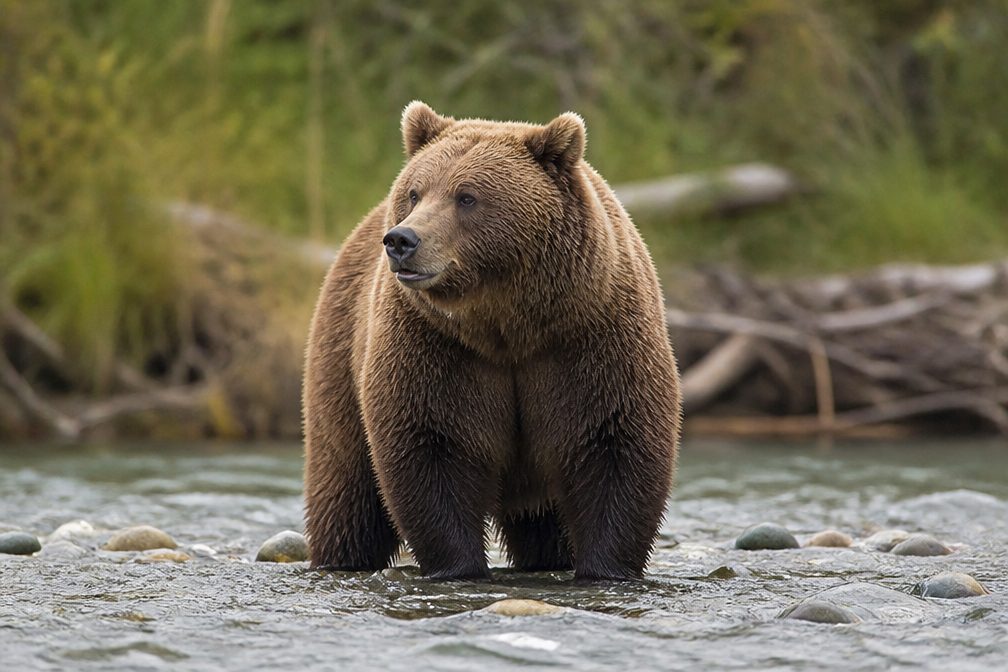
Bighorn sheep are commonly spotted in the alpine meadows around Wilcox Pass, and you might also see marmots, ground squirrels, and various birds. Bears are less commonly seen here but remain possible anywhere in the park—carry bear spray and know how to use it.
Above treeline, wind is the norm and weather flips fast; bring layers, a windproof shell, and sun protection. Sturdy footwear is a must, and trekking poles help on the steep, loose bits. Early or late season can bring lingering snow on upper sections.
Start early for cooler temperatures, fewer people at the lower viewpoint, and better odds at calmer winds up high. Peak season crowds gather around the viewpoint midday; far fewer continue to the summit. Clear, stable weather days make the ridge time far more enjoyable.