Indian Henry's Patrol Cabin

Historic backcountry cabin framed by wildflower meadows and big Rainier views
Indian Henry's Patrol Cabin, Mount Rainier National Park
InsideMount Rainier National Park

Overview

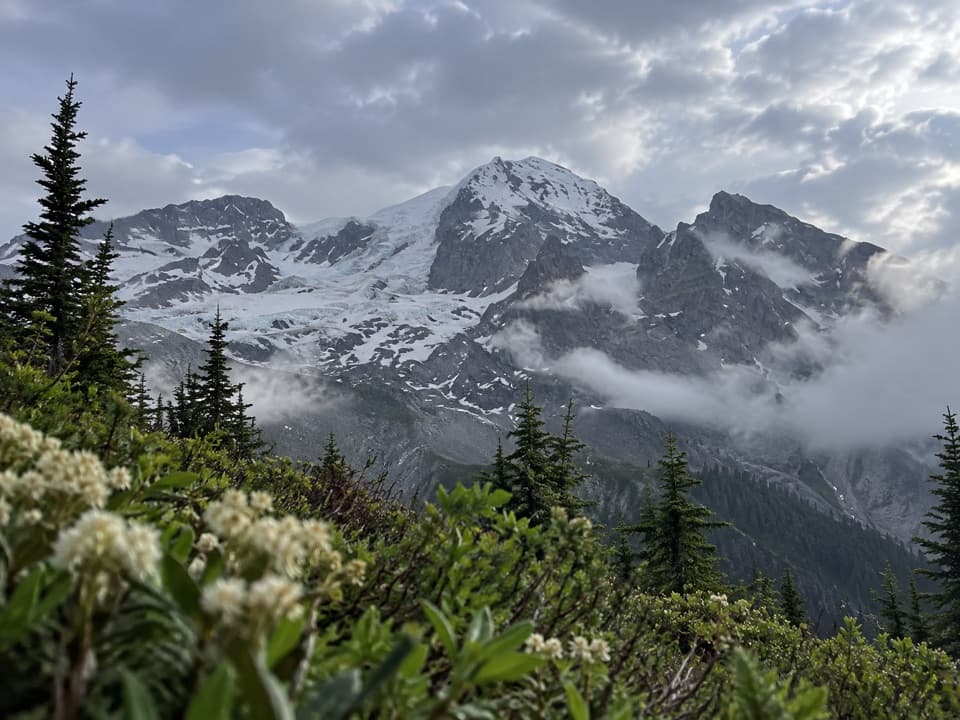
A 1915–1916 backcountry patrol cabin set at about 5,300 feet on the edge of Indian Henry’s Hunting Ground, this historic landmark pairs a rustic log silhouette with an open meadow foreground and a face-full of Mount Rainier. It’s one of those places where the scenery does the heavy lifting—the cabin is the prop, the mountain is the show.

Why it’s special

This was the park’s first backcountry patrol station, a rare survivor from Rainier’s early ranger era. The setting is the draw: broad, flower-studded meadows and classic views that many hikers call among the best anywhere in the area. The cabin was restored in the 1970s to keep it standing as a tangible piece of park history.

What you’ll see

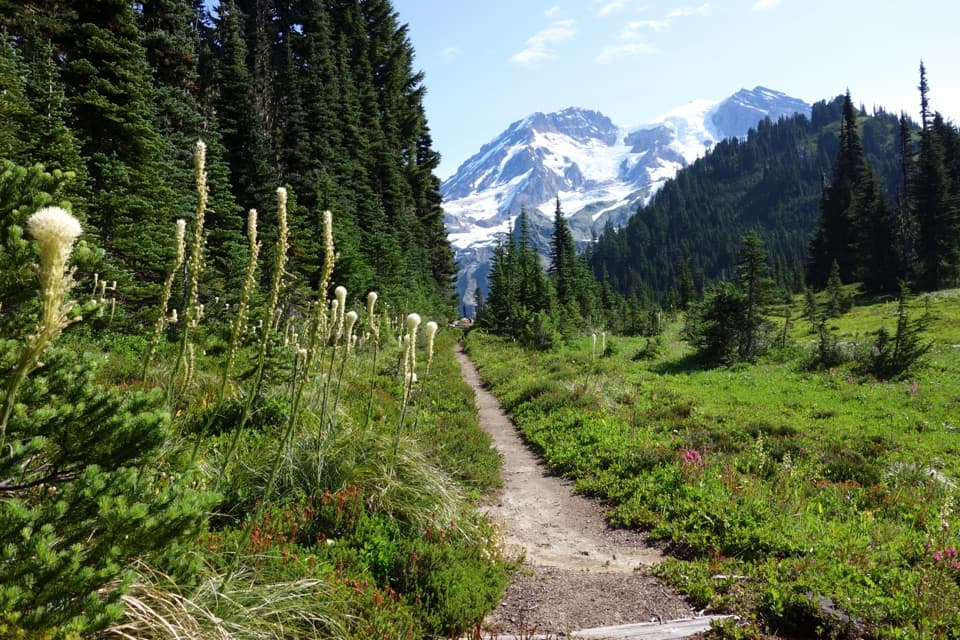
  • Sweeping subalpine meadows that explode with color in summer, with the cabin perched at their edge.
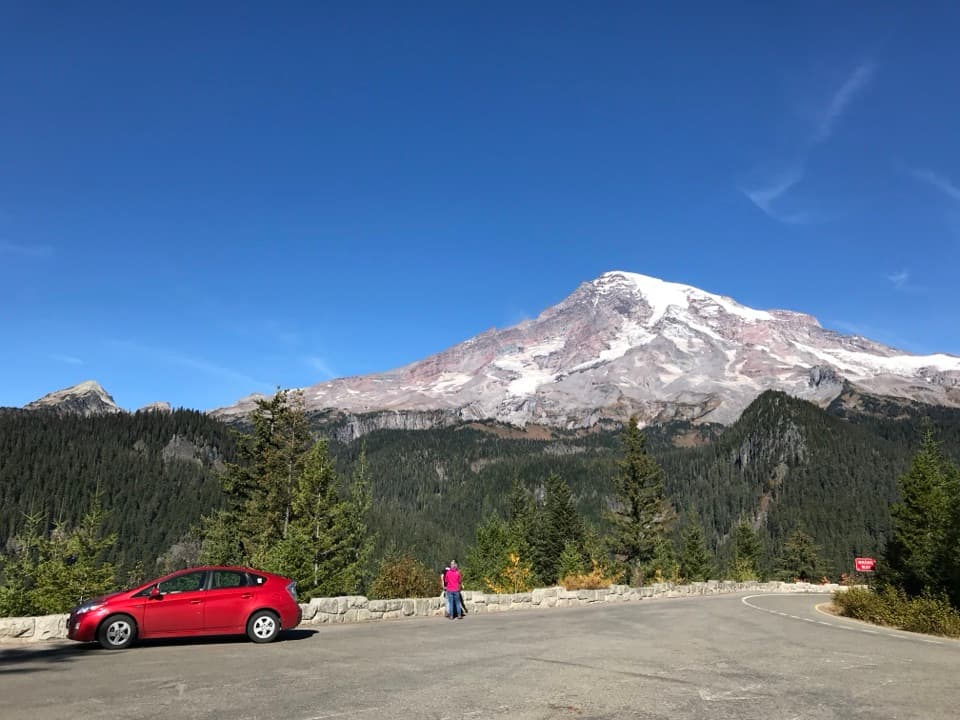
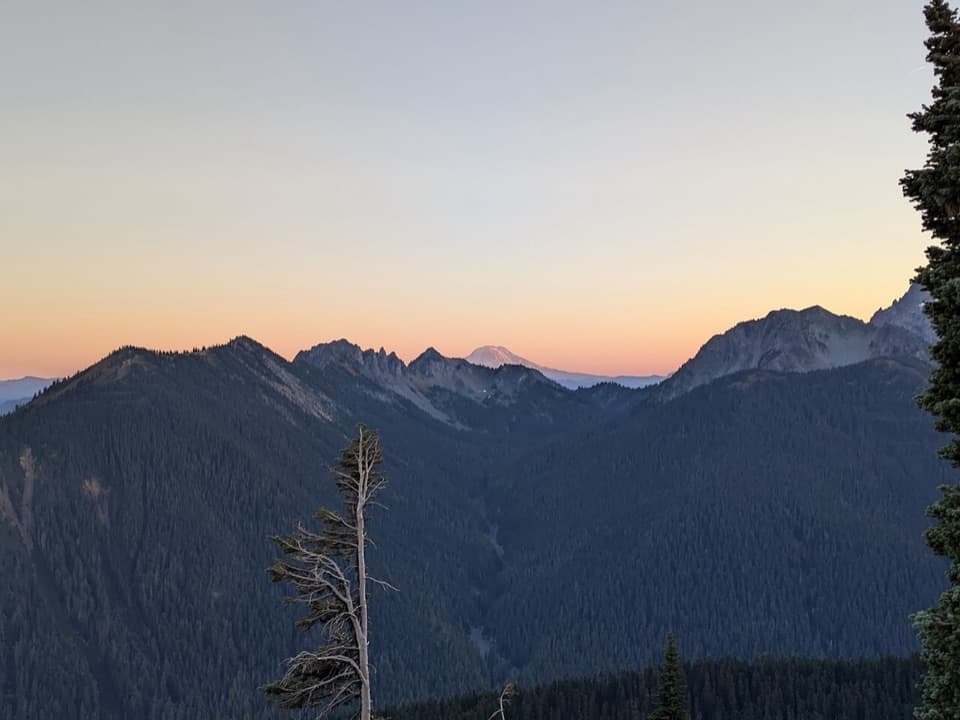
  • Big, head-on views of Mount Rainier, plus surrounding peaks like Copper Mountain, Pyramid Peak, and Iron Mountain.
  • Mirror Lakes about a half-mile away—an easy, photogenic side trip when the light is calm.

Getting there

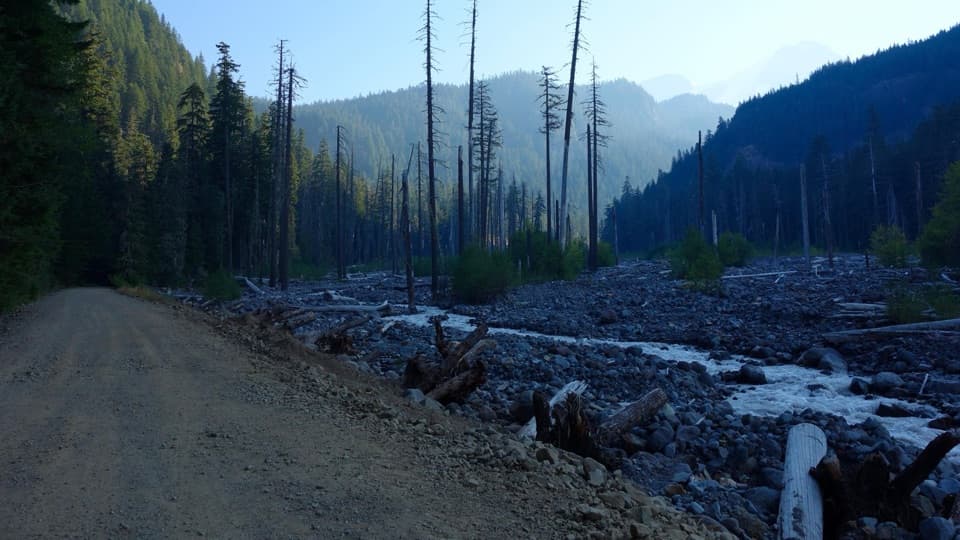
This is a backcountry destination reached by strenuous trails. Popular approaches use the Wonderland Trail, with a challenging out-and-back from Longmire clocking roughly 15 miles round trip and about 3,800 feet of gain. Other routes (like Kautz Creek) reach the meadows too, but some hikers find them less rewarding until you near the basin.

Season & conditions

Snow lingers here—access is best in summer, often mid-July onward. Expect rapid weather shifts at subalpine elevation; carry layers and rain protection. Bugs can be intense during peak bloom.

Wildlife

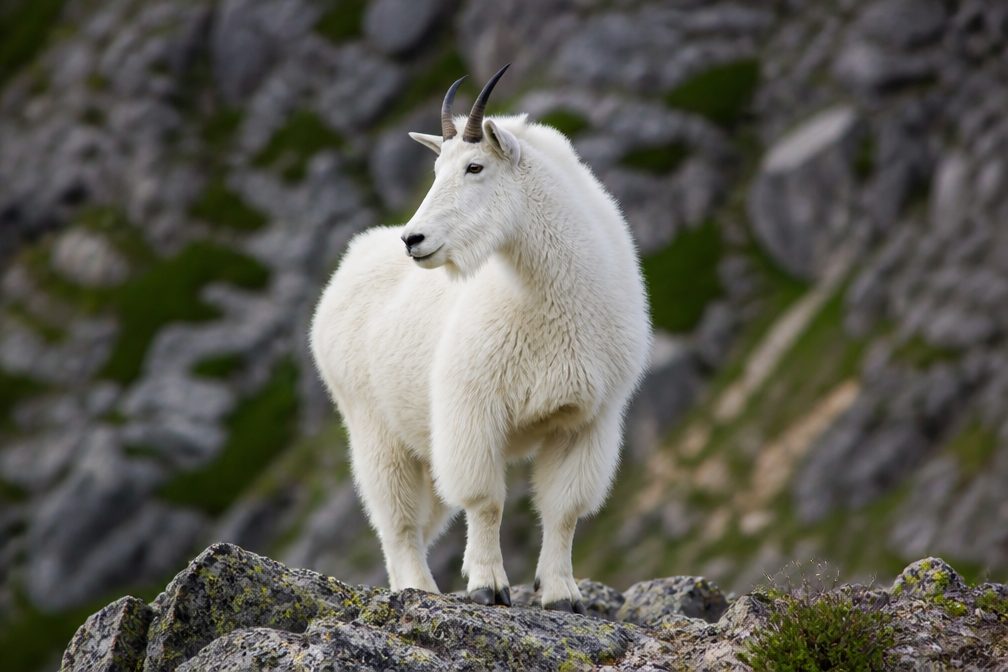
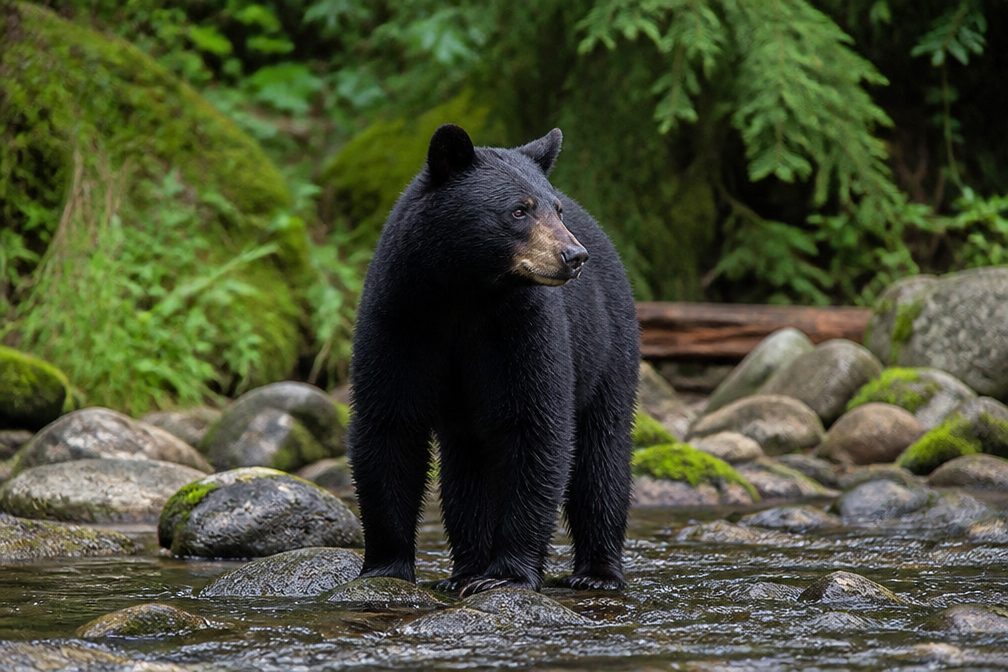
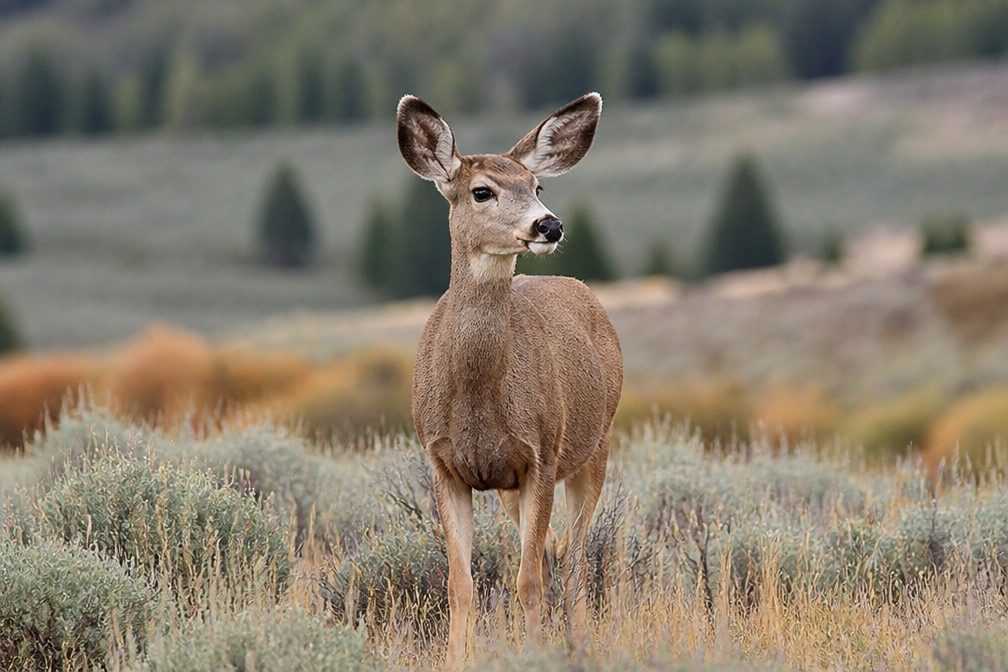
These meadows and nearby lakes support typical subalpine life: marmots lounging on rocks, deer browsing the edges, and a variety of birds. Black bears live in the park—be bear-aware and give all wildlife space.

On-site realities

The cabin is a preserved historic structure, not a lodge or shelter. It’s typically locked; think of the covered porch as a handy lunch spot out of the wind. There are no restrooms, water taps, food, or trash services—pack everything you need and practice Leave No Trace. The nearest designated backcountry campsite is Devil’s Dream (permit required).

Best time to visit

  • When: Mid-July through August for wildflowers and mostly snow-free trails.
  • Day/time: Aim for early morning for softer light on the mountain and a quieter meadow; midday tends to draw more hikers during bloom season. Weekdays are typically calmer than weekends in high summer.
  • Photography: Morning light paints Rainier beautifully; calm evenings can reward a Mirror Lakes detour.

Pros

  • Big Mount Rainier backdrop across classic subalpine meadows
  • Peak summer wildflowers make it a stellar photo stop

Cons

  • Long, strenuous hike with significant elevation gain
  • No services on-site; the cabin is typically locked

Tips

  • If dayhiking from Longmire, start early—it's roughly 15 miles round trip with serious elevation.
  • Peak bloom brings peak bugs; pack strong repellent and long sleeves.
  • Many hikers prefer the Wonderland Trail approach over Kautz Creek for better scenery.
  • Carry layers and rain gear—weather turns quickly at 5,300 feet.
  • Add the short spur to Mirror Lakes for reflections when winds are calm.
The Parkwolf tour guide sitting on a phone mounted in a car

Parkwolf Tour Guide

Like a tour guide in your car.

Save the places you found around Mount Rainier, then let Parkwolf guide the drive between them.Download Parkwolf on the App Store