Place · 0 mi away
Moderate

This Sunrise-area classic trades the crowded overlooks for a quieter, flower-choked basin. Expect about 7.0 miles round-trip with roughly 1,700–1,800 feet of cumulative elevation gain on an out-and-back route. It’s a moderate hike that can feel strenuous because you descend into the basin first—meaning the real climb hits on the way back.
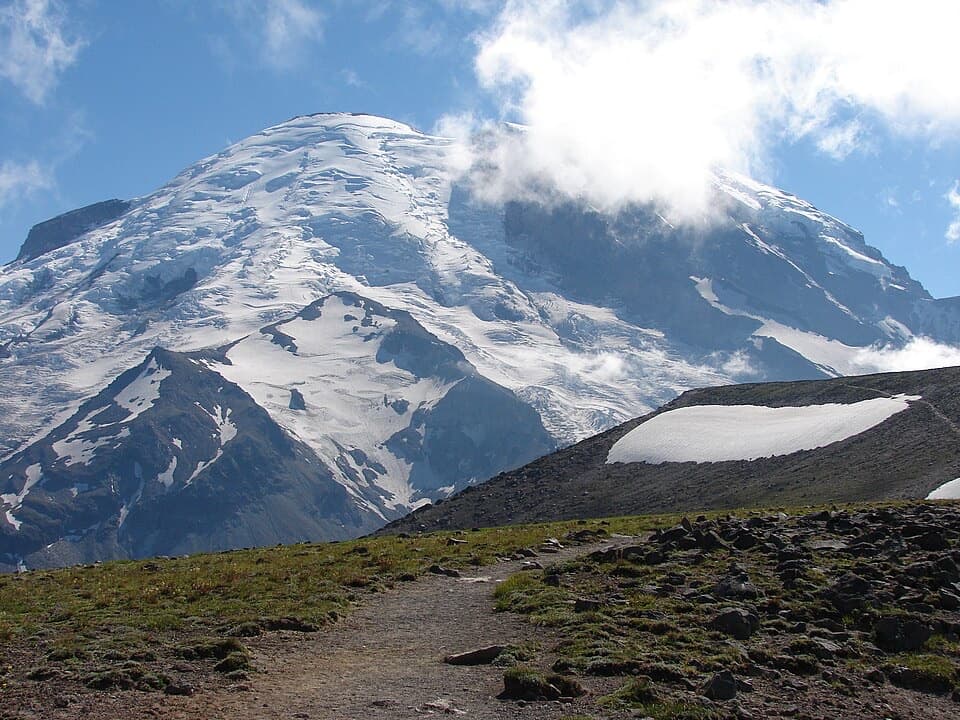
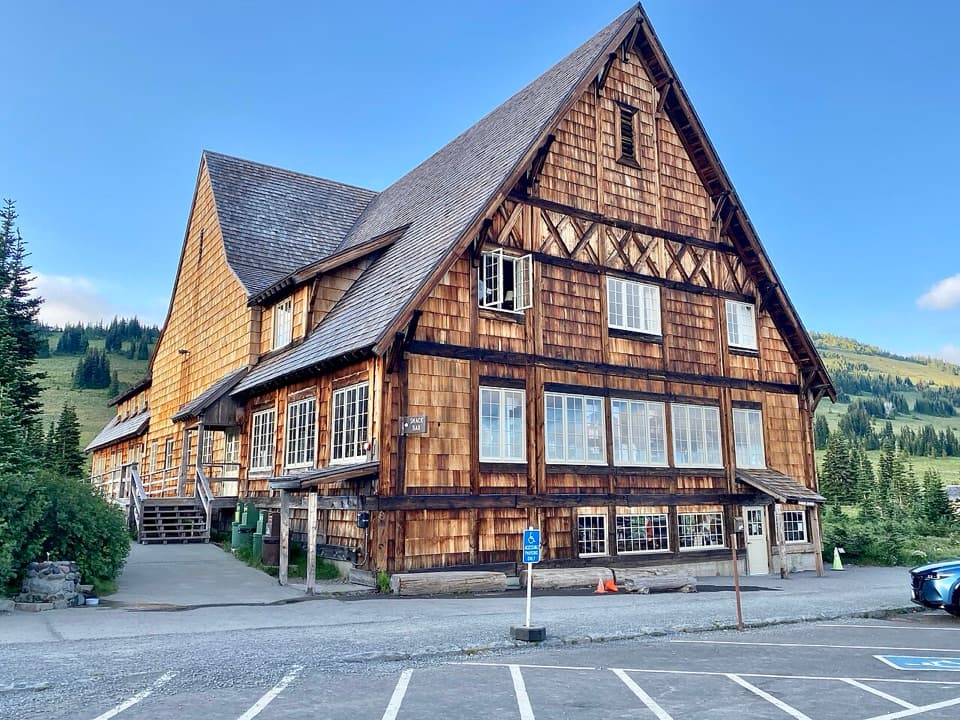
Start from the Sunrise Visitor Center and traverse Sourdough Ridge toward Frozen Lake. From this busy junction, join the Wonderland Trail and drop steadily into Berkeley Park’s broad basin. Turn around wherever the meadows begin to fade or at the signed backcountry camp, then retrace your steps to Sunrise. Plan your energy: the return is an uphill grind back to the ridge.
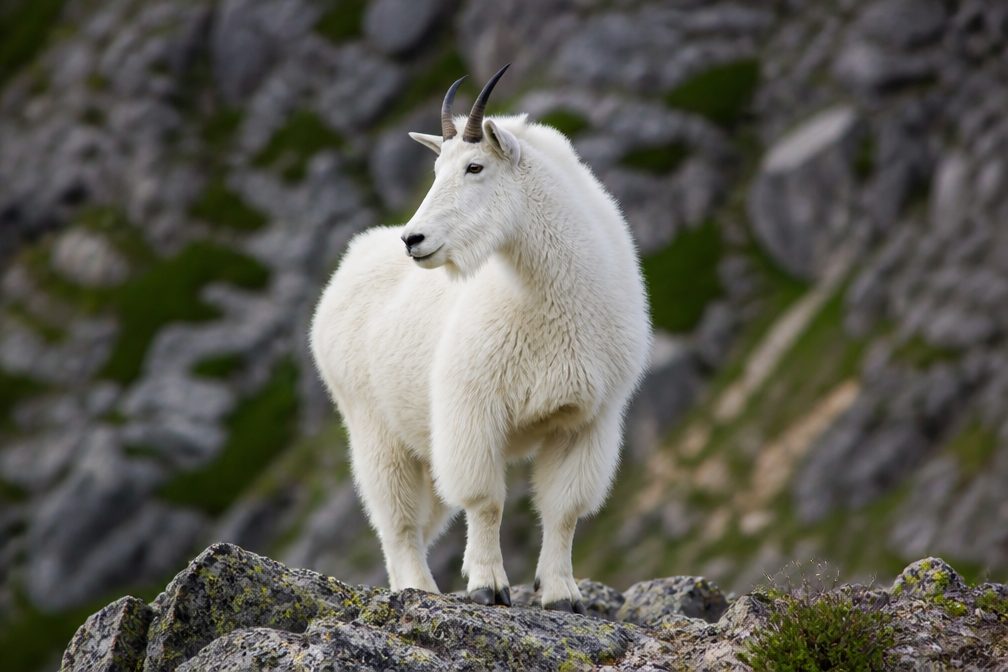
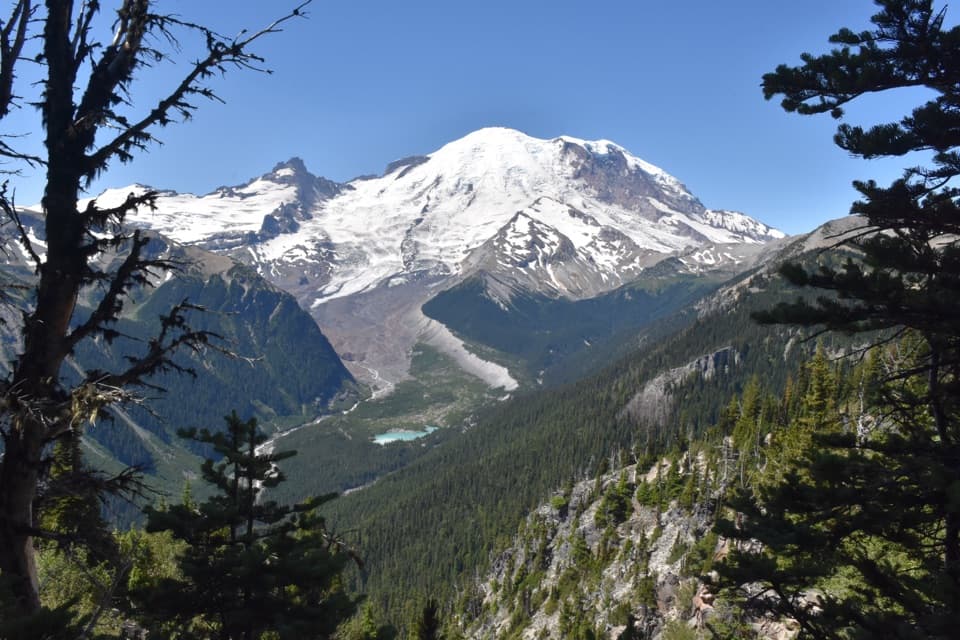
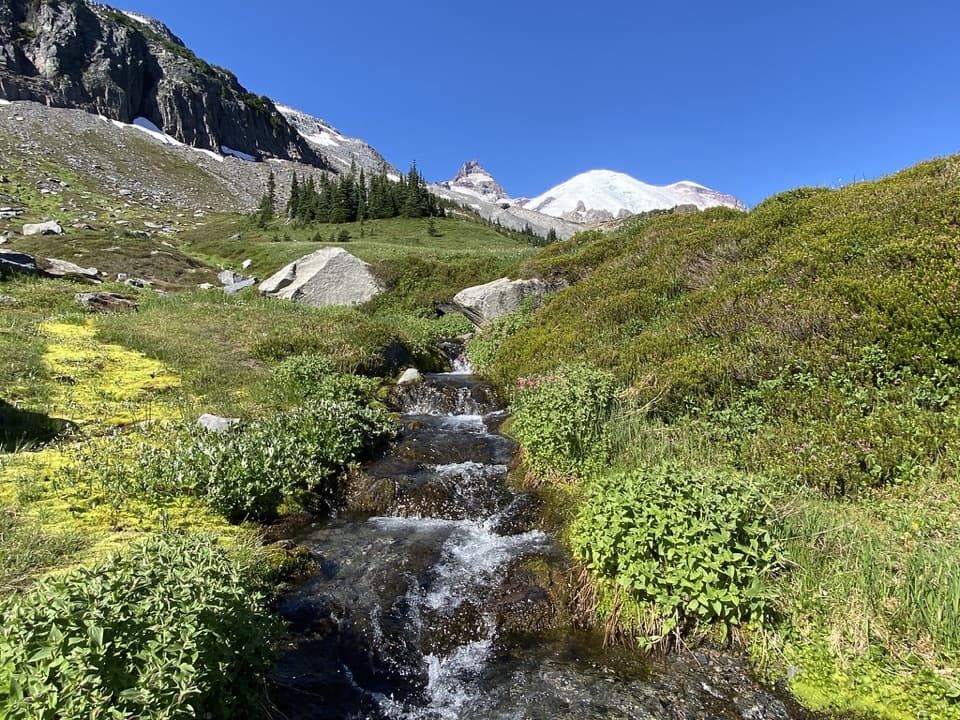
This is peak subalpine “parkland”: rolling meadows between stands of trees, shaped by ancient glaciers. In late July and August, the valley erupts with wildflowers—think carpets of color rivaling the better-known meadows at Paradise. Keep an eye on boulder fields and meadow edges for marmots and pikas, and listen for their whistles. Small creeks thread the basin, adding cool rest spots and chances to watch wildlife. Throughout, there are frequent, head-on views of Mount Rainier from the ridge approach and openings in the meadows.
Aim for late July through September when snow has melted and flowers peak. Snow often lingers into July, and the Sunrise road is seasonal, so shoulder-season access is limited. For parking and a calmer vibe, arrive early—especially on summer weekends. Photographers will like soft morning light across the meadows and clearer afternoon views of Rainier when haze lifts.
If you want big-mountain views plus tranquil meadows without the crush of Sunrise’s main lookouts, this trail is a standout. The reverse-profile climb is real, but the wildflowers, wildlife, and sense of space make the effort worth it.
Park at the Sunrise Visitor Center lot; it fills early on summer weekends—arrive early.
Reverse-profile route with a sustained climb back to Sunrise; snow can linger into July; treat all stream water and be prepared for fast-changing subalpine weather.