Parking
Neither hut is road-accessible. Reach Angelus Hut by a separate backcountry route and plan an onward exit from Hopeless Hut before setting out.
Nelson Lakes National Park, TM
A remote saddle crossing links two alpine huts.
Overview
Map & elevation
Plan your hike

The highest, rockiest slopes around here are a summer buffet for grizzly bears.
Nelson Lakes Tour Guide
Parkwolf is a GPS audio tour guide for Nelson Lakes National Park. As you drive, it chimes in with what’s ahead: hidden gems, upcoming stops, history, geology, and wildlife, right through your car’s speakers.
More stories near here in the app
“Fantastic app with many points of information… It’s great to just turn on while you’re driving and it gives you an audio tour of the national Park. We love it!!!!”


Trail guide
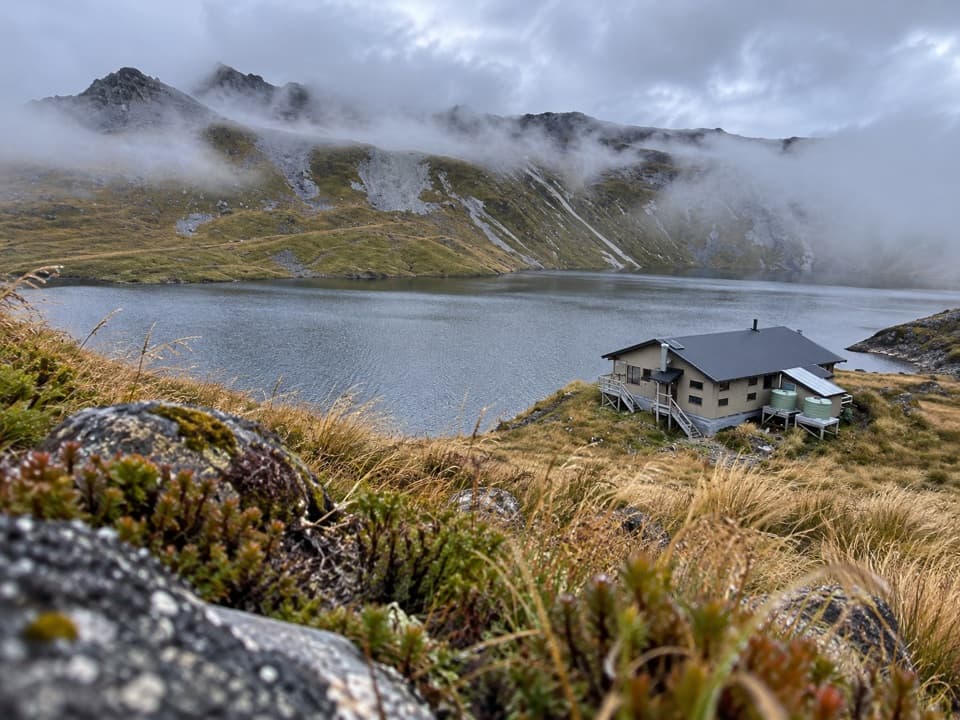
Sunset Saddle Route is a one-way alpine crossing from Angelus Hut to Hopeless Hut, about 6 km (3.7 mi) and usually 3–4 hours. It climbs from Lake Angelus over Sunset Saddle, then drops into the upper Hopeless Valley. This is an unmarked mountain route, not a maintained track: it suits experienced trampers who can navigate when the tread disappears. The distance describes the hut-to-hut crossing alone; adding Mt Angelus is a separate side trip.
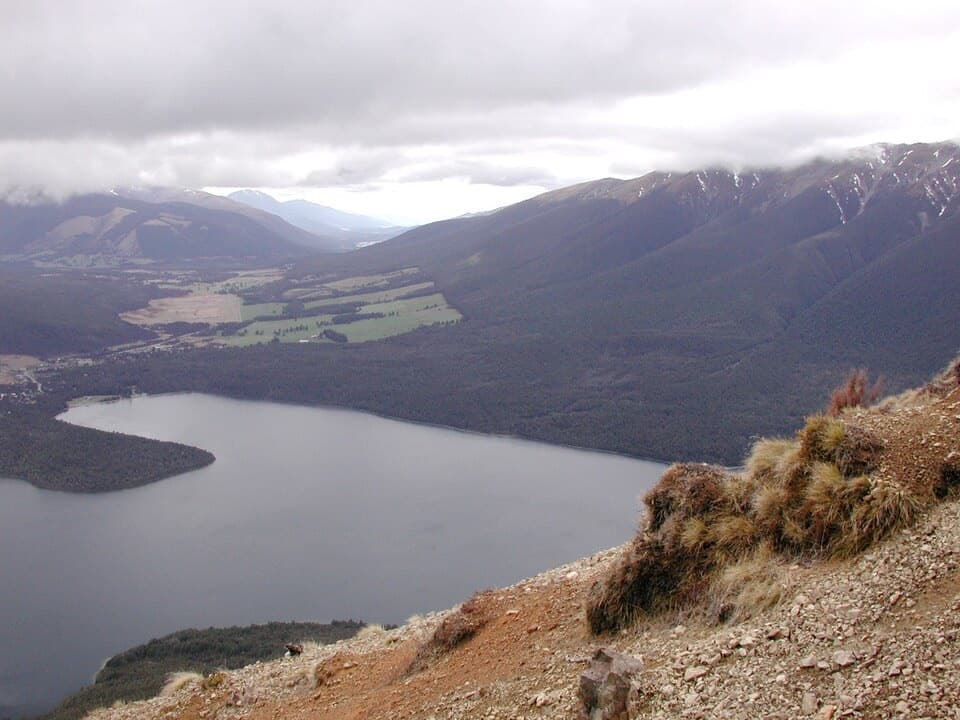
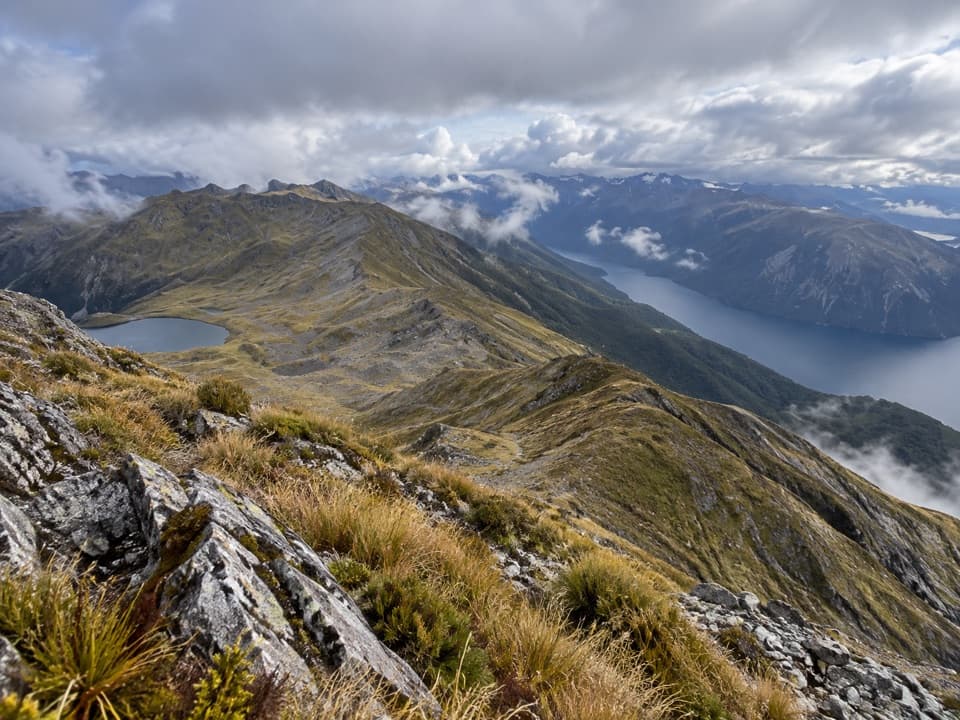
From Angelus Hut, the route descends around the outlet of Hinapouri Tarn, then climbs into the basin before turning toward the saddle. Sunset Saddle sits at roughly 1,890 m, above Angelus Hut at 1,650 m. The approach crosses open alpine ground, and the way can be hard to pick out in poor visibility. In clear weather, the saddle opens a broad view down into Hopeless Valley; take that in before committing to the descent.
From the saddle, follow the true left side of Hopeless Creek through boulders and lingering snow patches. At the main tarn, cross to the true right and traverse a steep scree slope around a waterfall. This is the route’s trickiest section: keep to the described line rather than dropping straight down beside the falls. Once past the scree, the valley floor makes for easier travel to Hopeless Hut, at about 1,030 m.
There is no continuous marked path, and a short, mapped route is no measure of how demanding the terrain feels. Snow and ice can linger, streams must be crossed, and the alpine weather can change quickly enough to erase landmarks. Conditions are particularly serious through the winter and spring snow season; this is not a route to attempt in a whiteout or when snow and avalanche risk make the valley unsafe. Hopeless Hut lies below an avalanche path: avoid staying there during winter storms or when snow reaches the valley floor.
Neither hut is road-accessible. Reach Angelus Hut on a separate backcountry route and plan the onward exit from remote Hopeless Hut before setting out; this is not a road-to-road day hike. Dogs and other domestic pets are not permitted in the park. Hopeless Hut has six bunks. Members of the New Zealand Alpine Club built it, and Sir Edmund Hillary opened it on 23 December 1967.
Wildlife
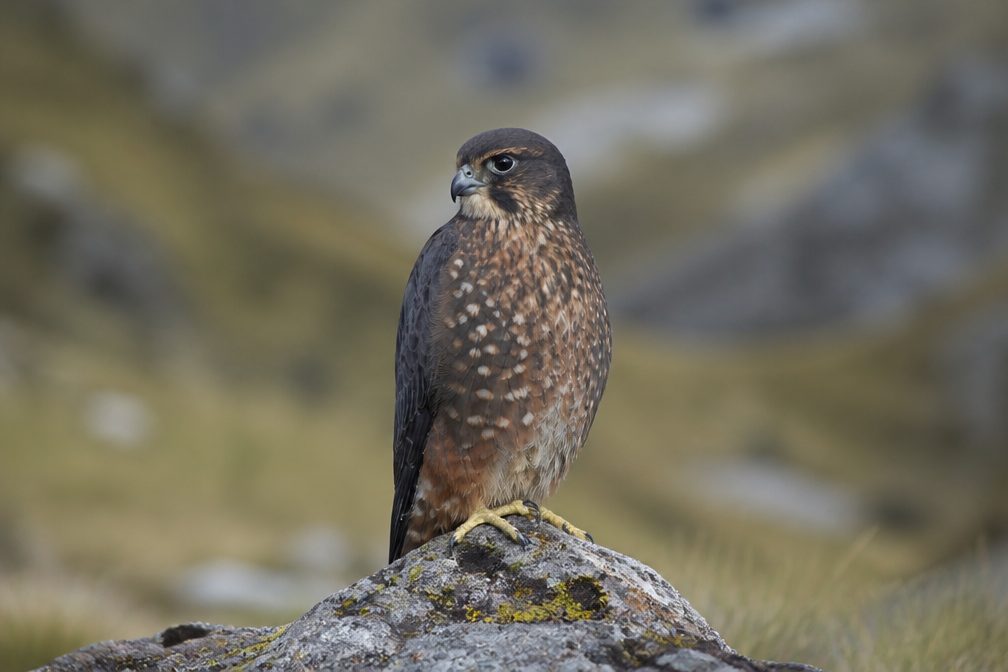 20 sightingsNew Zealand FalconMost seen around 9 AMSighting map
 39 sightingsWekaMost seen around 7 AMSighting map
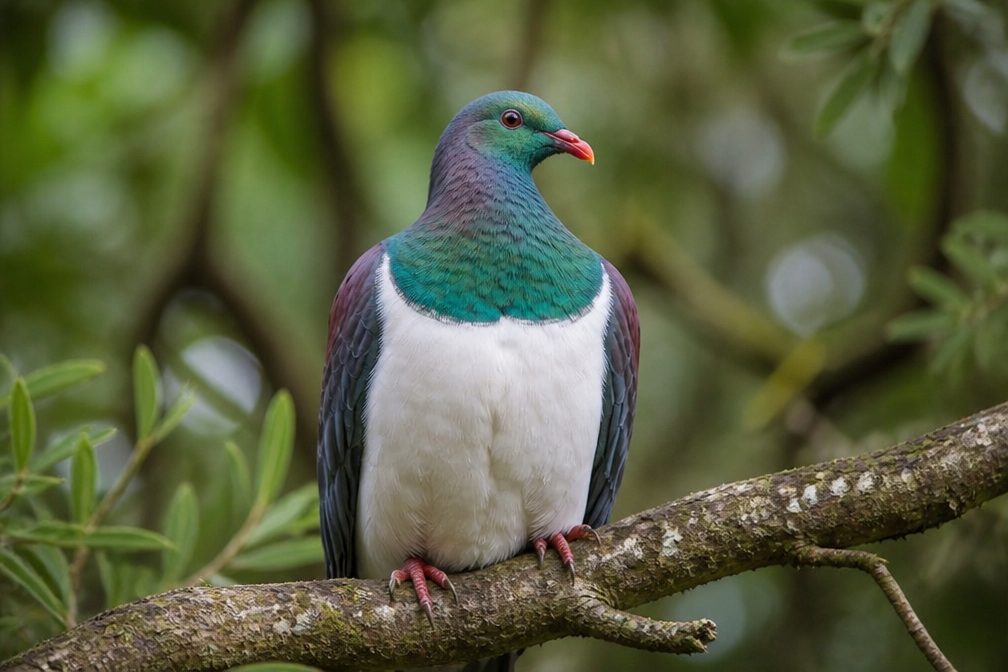 11 sightingsKererūMost seen around 9 AMSighting map
 55 sightingsBlack SwanMost seen around 8 AMSighting map
 23 sightingsParadise ShelduckMost seen around 6 AMSighting map
 17 sightingsTūīMost seen around 7 AMSighting map
Sighting maps show where each species has been reported across Nelson Lakes. Wildlife moves, so no sighting is guaranteed.
Keep exploring
 ChallengingAngelus Hut via Mt Cedric Track/Route6.8 km · 6 hr · 5.8 km awayAn exposed ridge links two remote huts above an alpine basin.
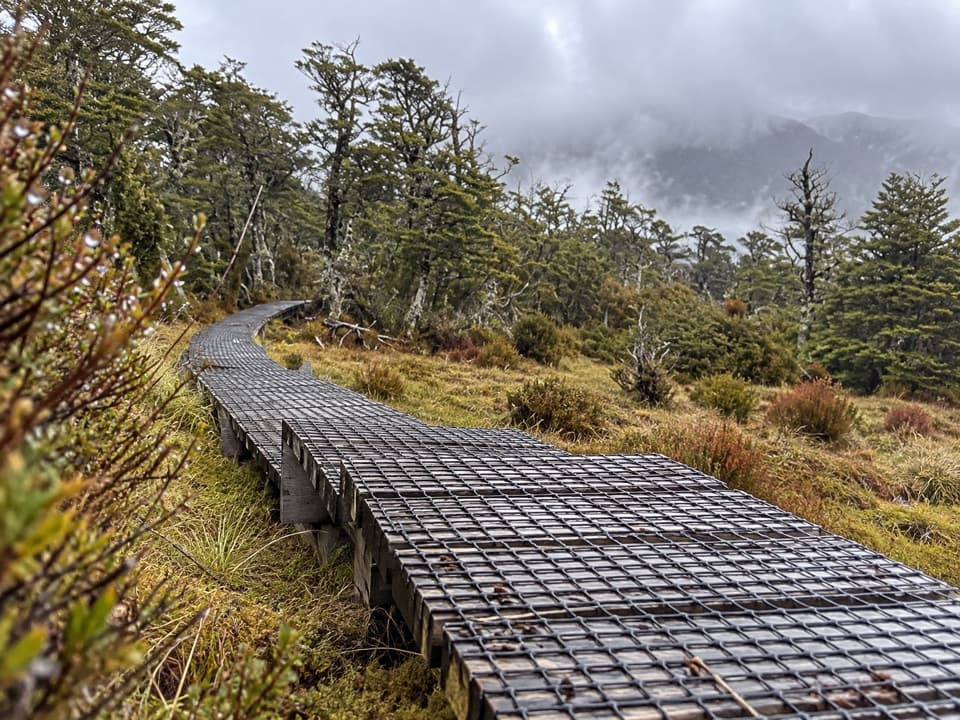 ChallengingSabine–Speargrass Track11.5 km · 5 hr · 5.8 km awayA remote hut crossing, with a boardwalk through mountain wetlands.
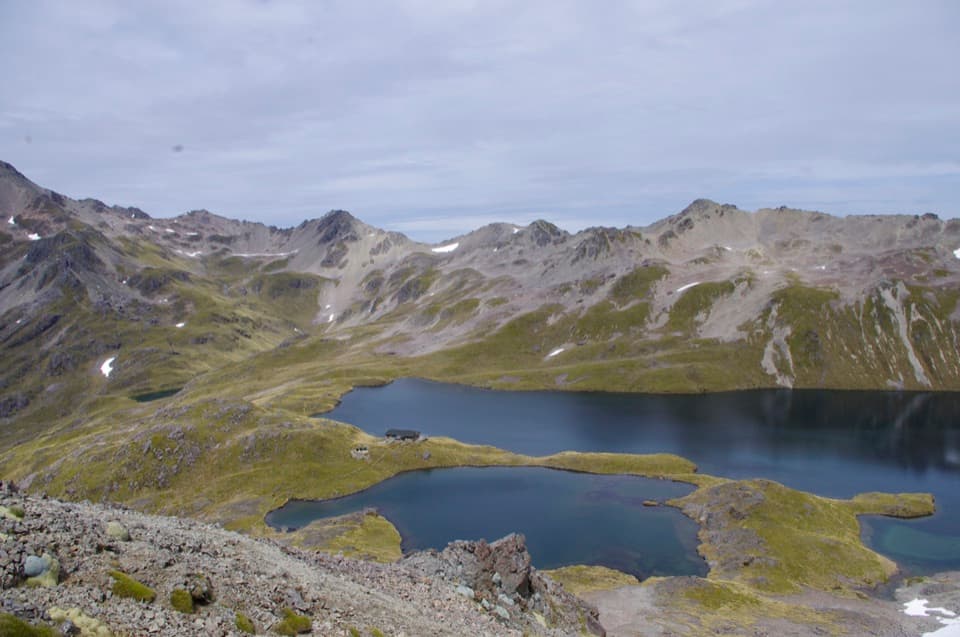 ChallengingAngelus Hut via Travers and Cascade Track/Route9.4 km · 6 hr · 6 km awayA demanding alpine route to Angelus Hut beside a glacial tarn.
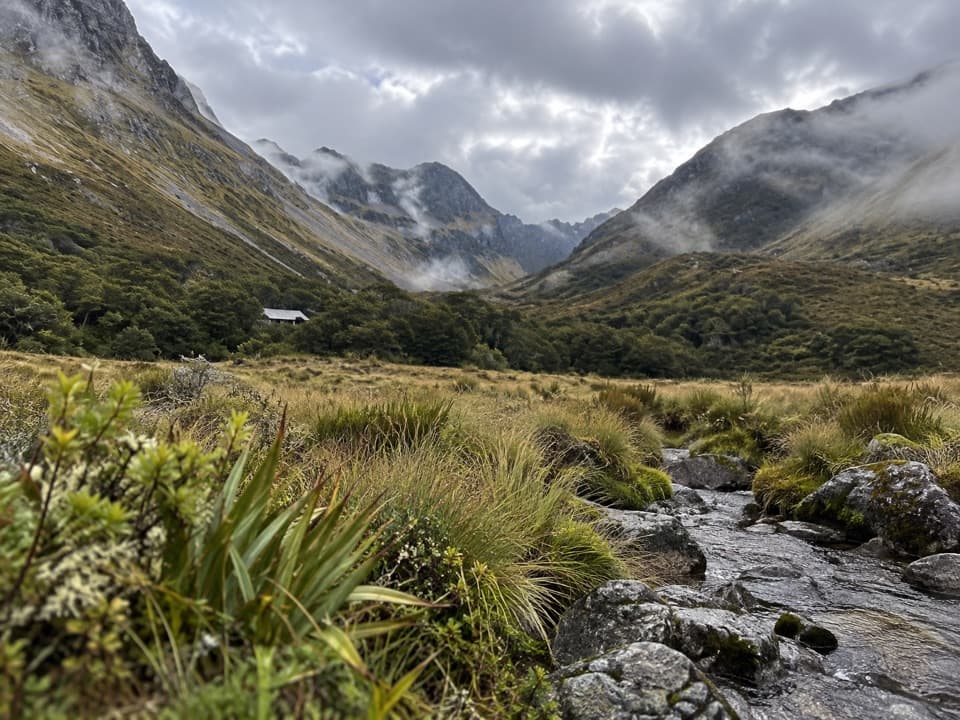 ChallengingTravers Valley Track to Upper Travers Hut20.9 km · 8 hr · 6.2 km awayA demanding valley approach to Upper Travers Hut.
 ModerateHopeless Track to Hopeless Hut7.9 km · 3.5 hr · 7.1 km awayA creek-side climb to a remote six-bunk hut.
 ChallengingMount Misery Track7.8 km · 6.5 hr · 8.4 km awayA 1,100-metre climb to a hut beside a tarn.
 ChallengingD’Urville Track to Upper D’Urville Hut25.1 km · 11 hr · 8.7 km awayA remote valley traverse linking four backcountry huts.
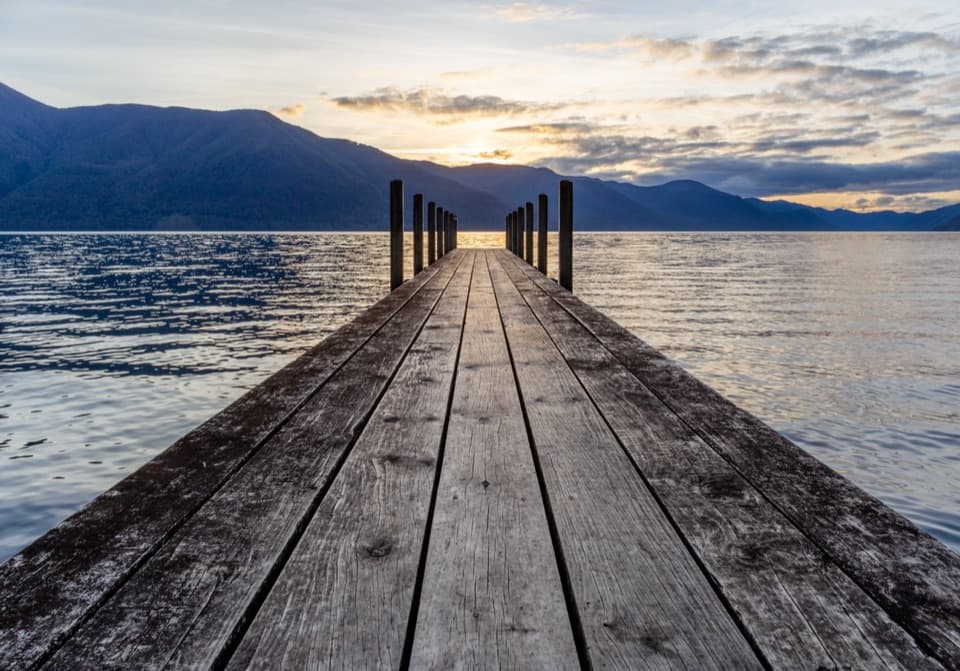 ModerateD’Urville–Sabine Track7.9 km · 2 hr · 8.7 km awayA remote 4.9-mile hut link with a serious stream crossing.Lodging · At the trailheadAngelus HutA 28-bunk alpine stay beside Lake Angelus, reached on foot.Sight · 0.1 km awayRotomaninitua / Lake AngelusA remote glacial tarn with Angelus Hut on its shore.
 Lodging · 4.1 km awaySpeargrass HutA booked 12-bunk hut reached through forest to a tussock clearing.Lodging · 4.7 km awayHopeless HutA six-bunk hut with a Sir Edmund Hillary opening story.
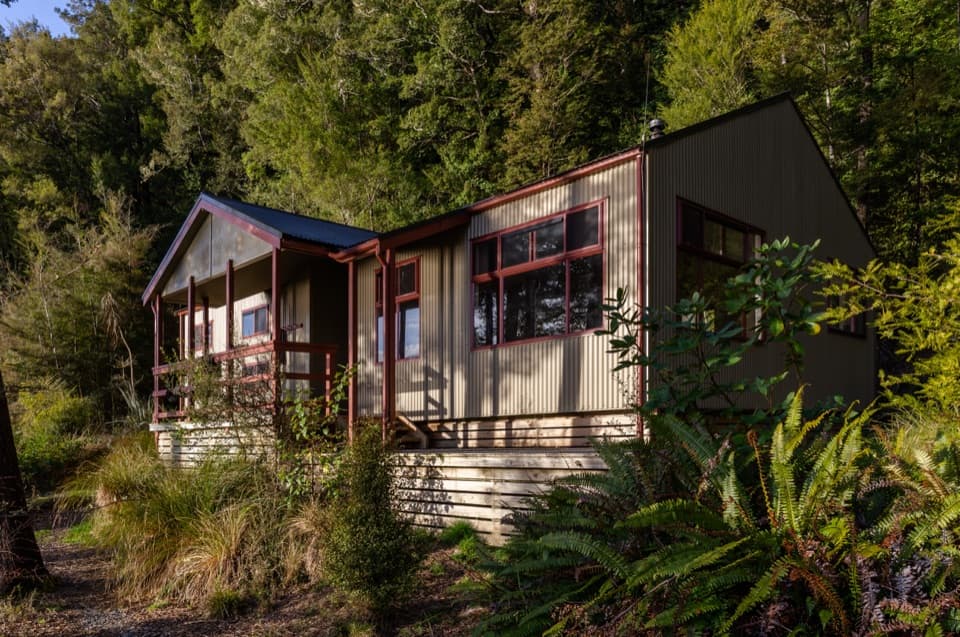 Lodging · 5.7 km awaySabine HutA warm, roomy hut with a broad view over Lake Rotoroa.
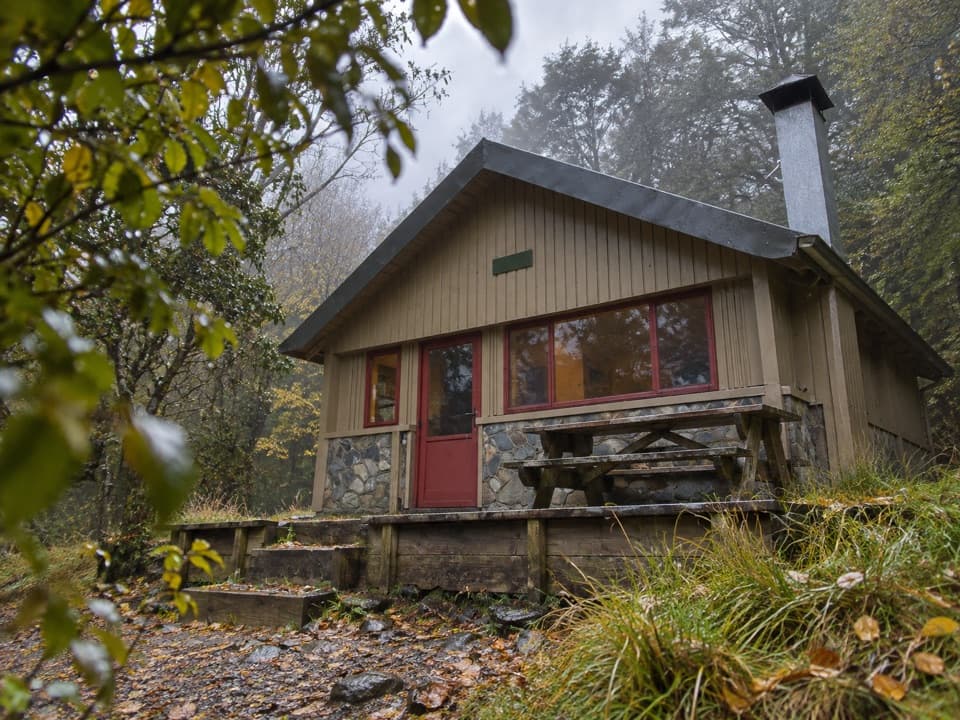 Lodging · 6 km awayColdwater HutA 12-bunk lakeside hut for a proper tramping overnight.
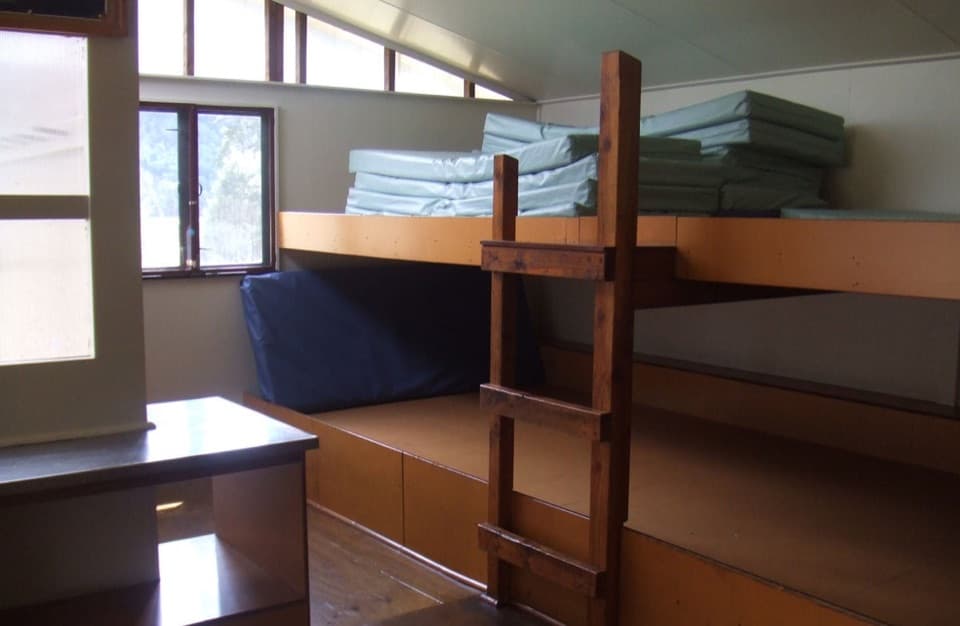 Lodging · 6.2 km awayLakehead HutA hut at Rotoiti’s head, reached by trail or water taxi.
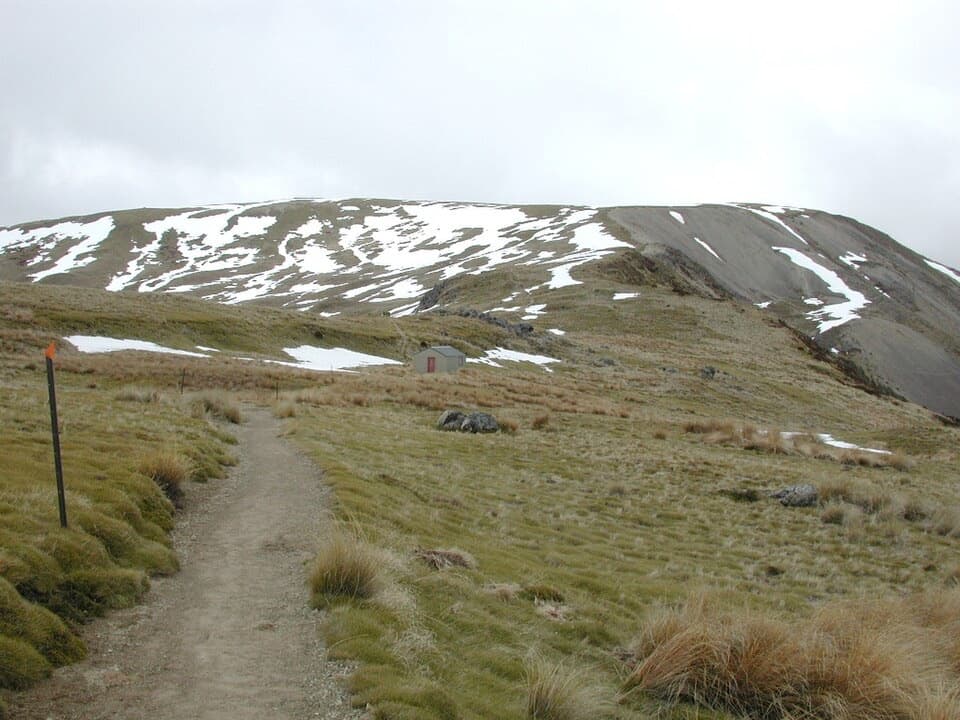 Sight · 7.8 km awayRelax ShelterA small ridge shelter reached above the bushline on Mount Robert.
Parkwolf’s Nelson Lakes ranking

The audio tour guide for the drive, plus offline maps, trails, and wildlife heatmaps for when the signal drops.