Place
Challenging

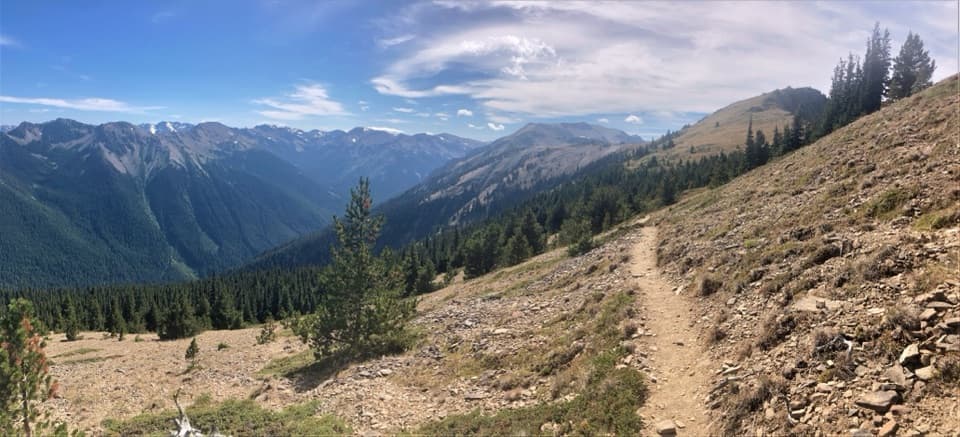
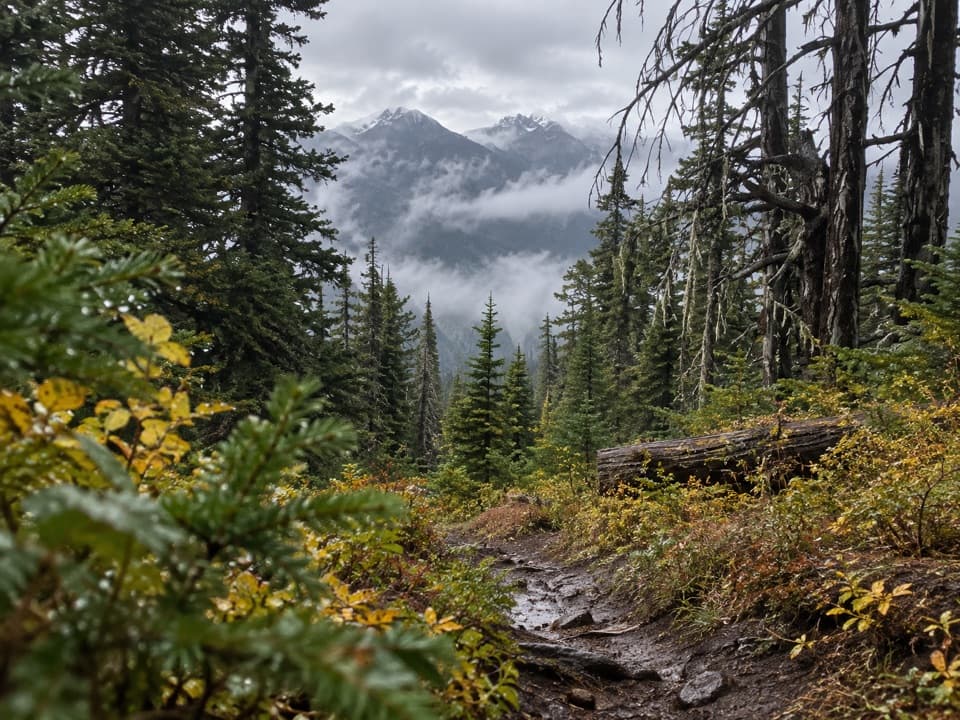
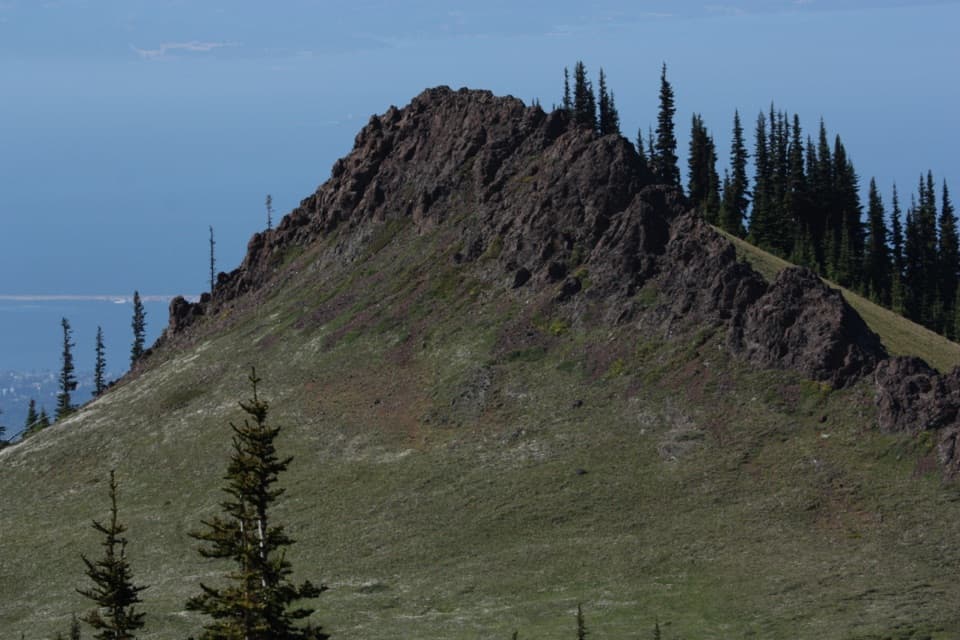
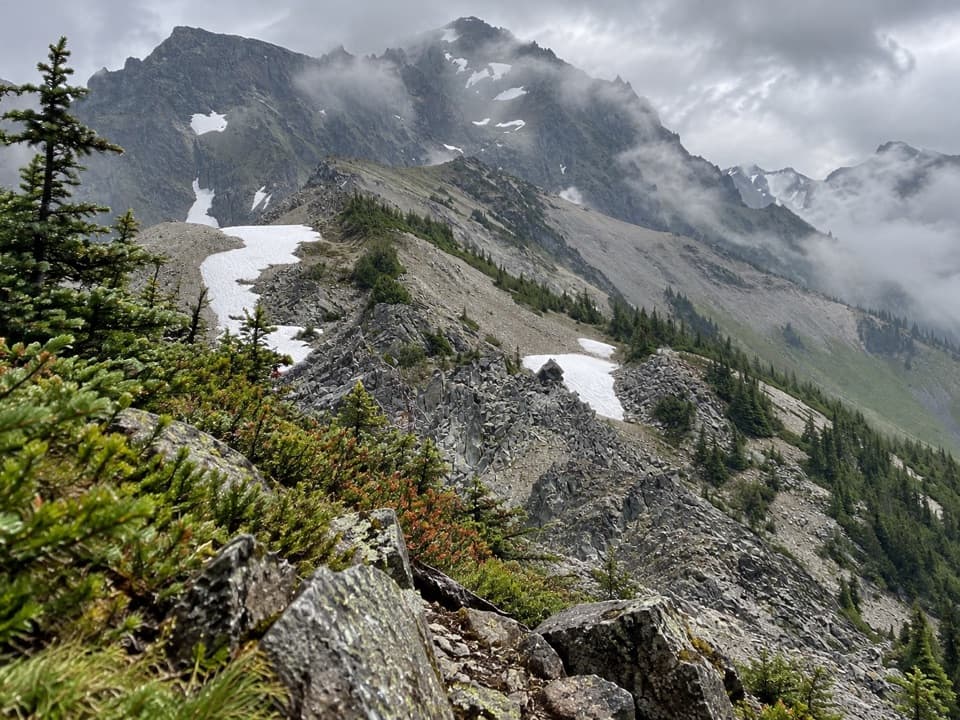
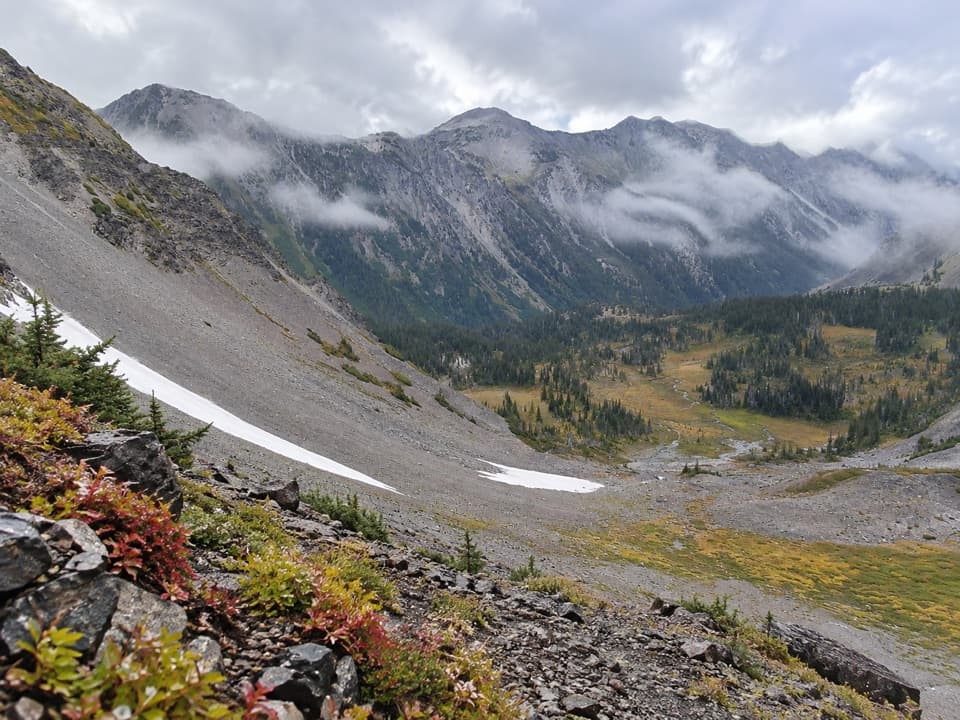
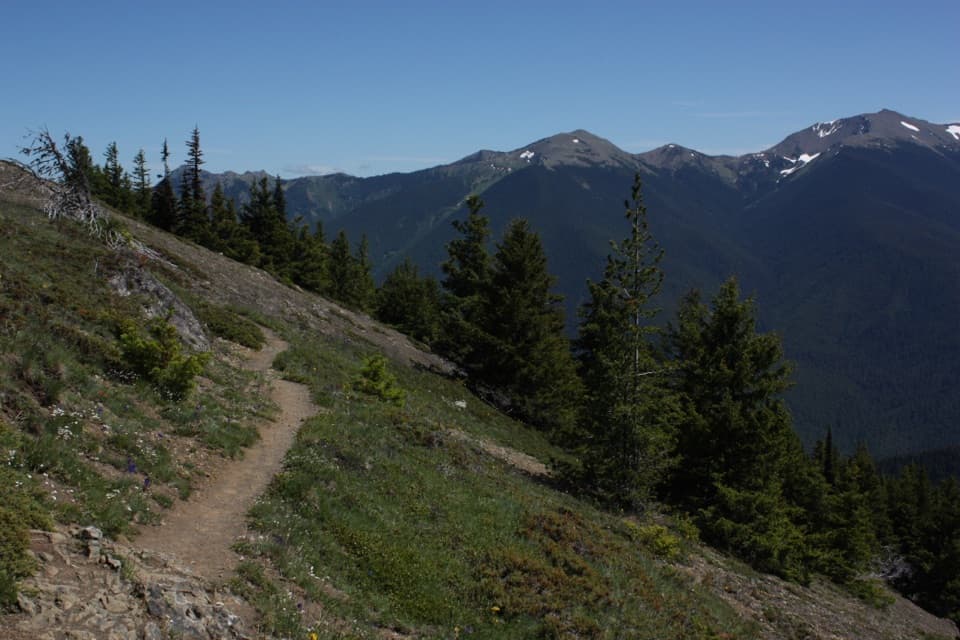
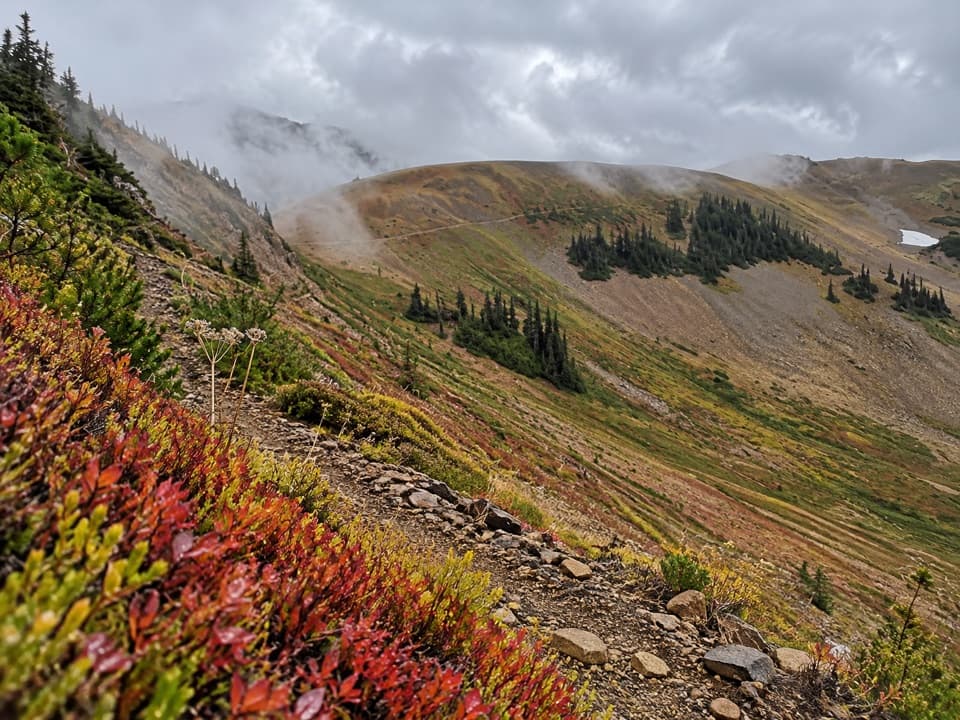
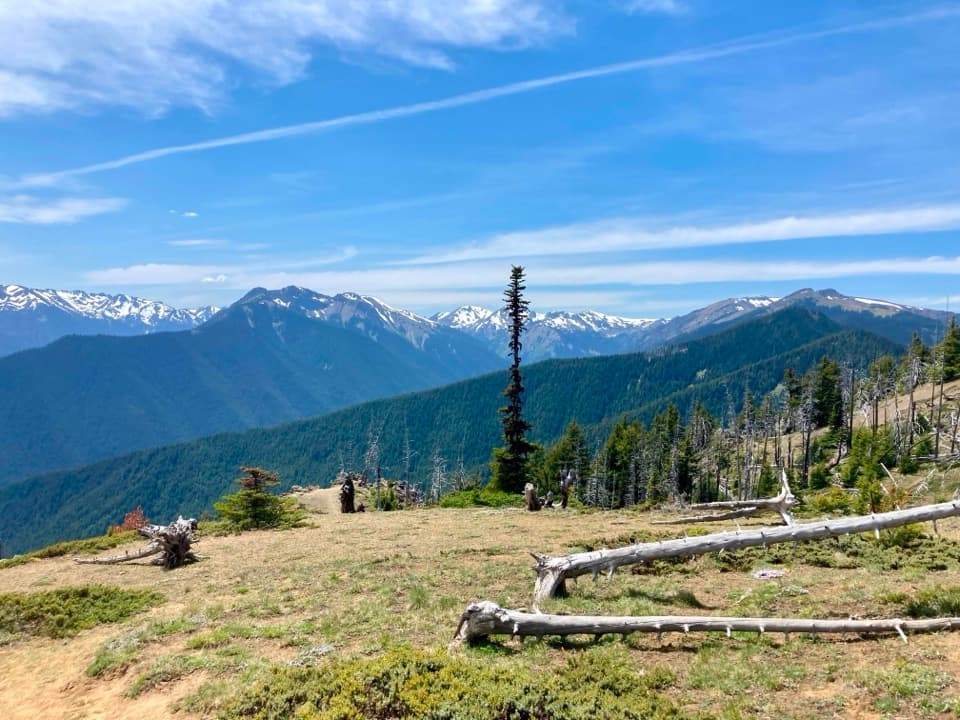
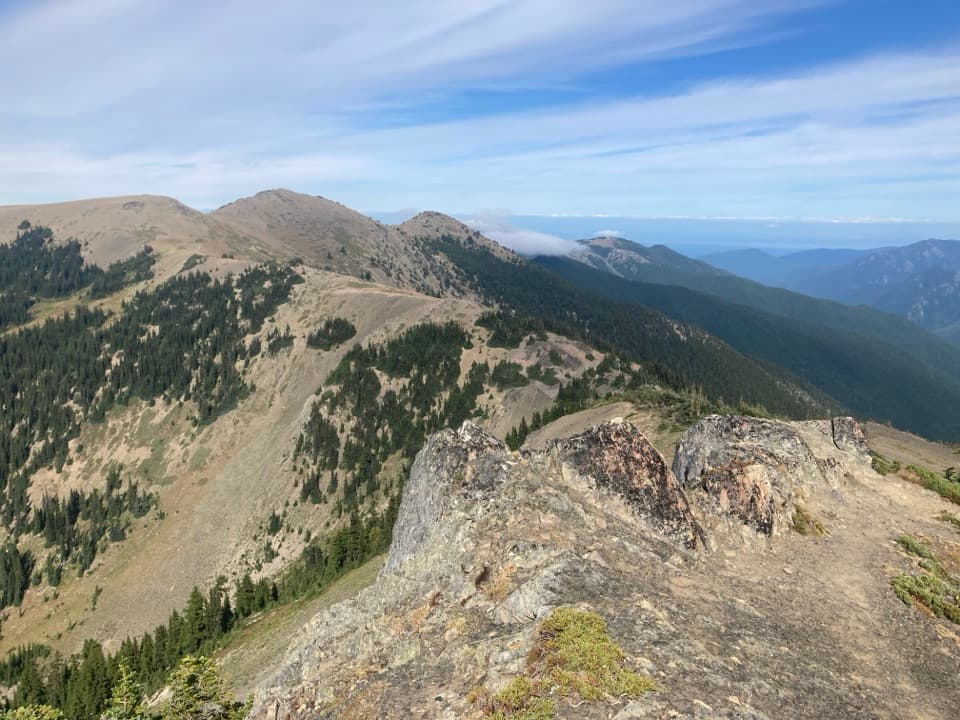
This is Olympic high country at its best: a windswept ridge walk from Obstruction Point to Maiden Peak, rolling over Elk Mountain with wide-open views the whole way. It’s an out-and-back that totals about 8.0 miles roundtrip, with undulating ups and downs that most reports peg between roughly 840 and 1,700 feet of gain. Expect a mix of good tread, rocky stretches, and brief talus.
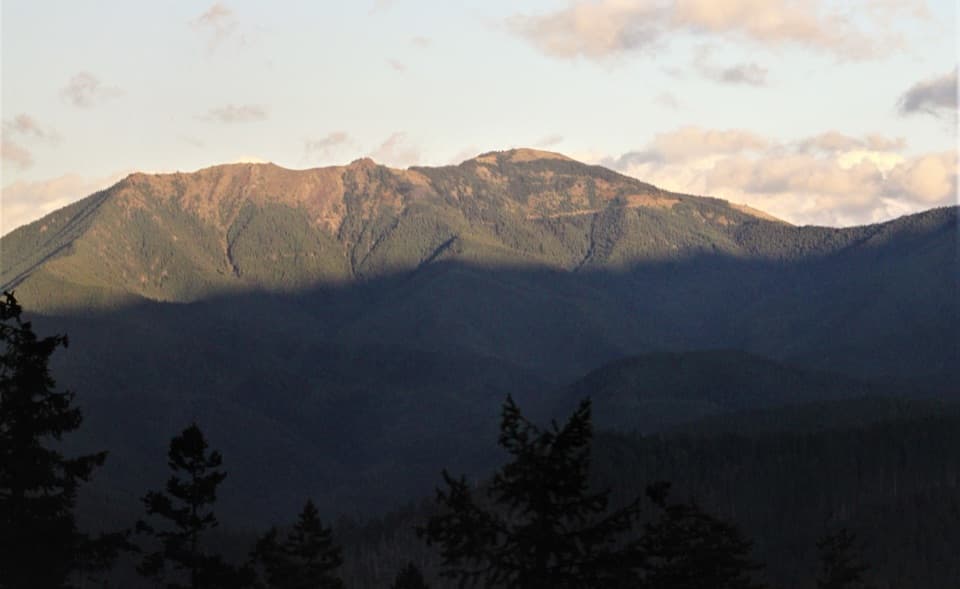
On a clear day, the payoff is huge—panoramas of Mount Olympus, the Grand Valley spread below, and sparkling Moose and Grand Lakes. Elk Mountain itself is a notably exposed perch, often blustery even in summer. Wildlife is part of the show up here: marmots and chipmunks are common, and you might spot ptarmigan along the crest or elk down in the valleys.
This route rides the eastern Hurricane Ridge spine, so conditions change fast. Fog can sock in, winds howl, and summer storms can pop. There are no reliable water sources on the ridge—carry everything you need. Notable waypoints include Roaring Winds camp (scenic but exposed) before the final push toward Maiden Peak. Some hikers extend the traverse toward Deer Park for a bigger day.
Best time to hike: late June through September, when lingering snow has melted and Obstruction Point Road is typically open. Early summer brings wildflowers and fewer people; late summer often has the clearest skies. Start early to bank calm morning light and better odds on views.
Logistics: Park at Obstruction Point Trailhead and head east along the Obstruction Point–Deer Park Trail. The road to the trailhead is narrow gravel and closes seasonally—always check status before committing. Pets aren’t allowed on this backcountry trail. Day hikers don’t need a wilderness permit, but camping does require one.
Bottom line: if you want big, immediate alpine scenery without the crowds of Hurricane Ridge proper, this ridge run is a gem—just pick your weather window and pack layers.
Park at Obstruction Point Trailhead; access via a narrow, seasonal gravel road—check road status before you go.
Highly exposed ridgeline with frequent strong winds, fog, and sudden summer storms; brief talus sections; no on-trail water; Obstruction Point Road closes in winter.