Parking
East access via East Beach Road and Boundary Creek Road; west access from Camp David Jr. Road. Pit toilets are reported at both trailheads. Arrange a shuttle for a one-way walk; parking capacity has not been verified.
Olympic National Park, WA
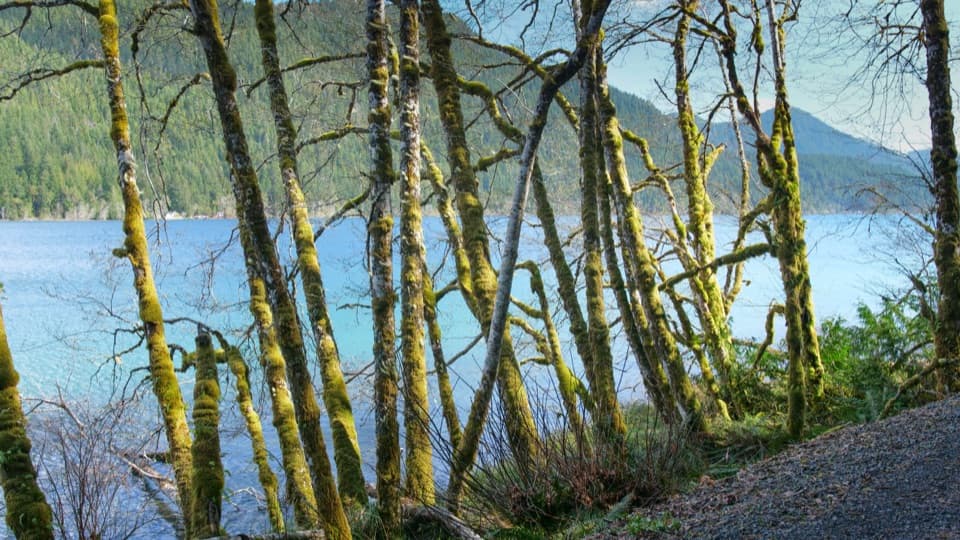
Walk a paved old railroad grade beside Lake Crescent.
Overview
Map & elevation
Plan your hike

The highest, rockiest slopes around here are a summer buffet for grizzly bears.
Olympic Tour Guide
Parkwolf is a GPS audio tour guide for Olympic National Park. As you drive, it chimes in with what’s ahead: hidden gems, upcoming stops, history, geology, and wildlife, right through your car’s speakers.
See the Olympic audio tourRecorded for this trailhead
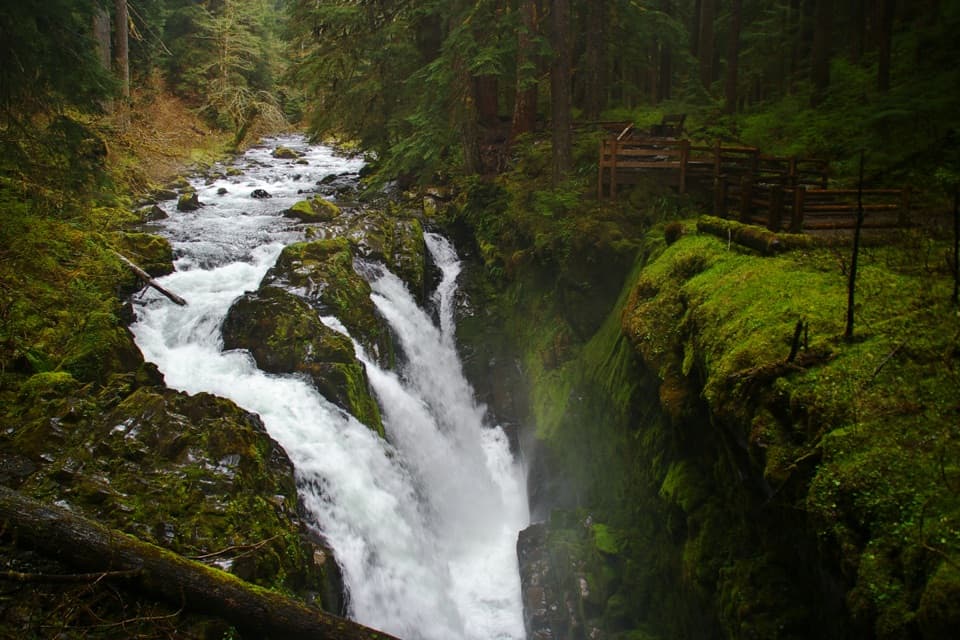
Devils Punchbowl: Beyond the Paved Trail“You’re nearing the Spruce Railroad trailhead for Devils Punchbowl, a blue-green cove crossed by a curved footbridge. It’s about a mile each way, mostly on pavement, but the final spur is steep, narrow, and rocky.”
Plays as you drive up to this trailhead in the Parkwolf Olympic Tour Guide.
More stories near here in the app
“Fantastic app with many points of information… It’s great to just turn on while you’re driving and it gives you an audio tour of the national Park. We love it!!!!”


Trail guide
Spruce Railroad is a paved, mostly gentle point-to-point walk along Lake Crescent's north shore, following an old rail grade from East Beach to Camp David Jr. Road. The official listed distance is 4 miles one way; another trail guide lists 5, and the mapped line measures about 4.4. Treat the mileage as approximate and plan a shuttle or turnaround before you start.
Allow about two hours to walk one way, plus time for beach stops and the tunnels. The old grade is mostly paved and accessible, with wooded stretches, occasional lake access and views from above the water. Elevation-gain estimates vary from 100 to 250 feet. Returning to your starting point on foot makes this roughly an 8-mile walk using the 4-mile estimate.
Two historic railroad tunnels break up the lakeshore route. The curved tunnel gets dark in the middle, so a small light helps. The Devil's Punchbowl is reached by a separate dirt spur that leaves the paved path before a tunnel and reconnects beyond it; the narrow, steep approach has roots and rocks. That spur is not included in the mapped route.
Bicycles are permitted, and dogs are allowed on a leash no longer than 6 feet. Expect to share the paved path, especially near the Punchbowl. Keep to the main paved line if you need the smoother, more accessible footing.
The line was first intended to move Sitka spruce for World War I aircraft production, then carried timber for commercial logging for nearly four decades. The rail bed later became a trail, leaving a remarkably level path through forest and along the lake.
Glaciers carved the steep basin, which reaches about 624 feet deep. The water can be clear enough to see roughly 60 feet down, helping create the lake's blue-green color. Beardslee and Crescenti trout are found only in Lake Crescent.
The route alternates between lake-level glimpses and stretches above the shore, with views toward Barnes Point and Mount Storm King farther west. The lake's shape also has a local geologic story: evidence suggests landslides divided a larger lake into Lake Crescent and Lake Sutherland.
The eastern access is reached from East Beach Road via Boundary Creek Road; the western access is on Camp David Jr. Road. Pit toilets are reported at both trailheads. This is a point-to-point route, so arrange a ride between ends or walk back; food and lodging at Lake Crescent are separate stops, not trail facilities.
Wildlife
 710 sightingsOlympic MarmotMost seen around 11 AMSighting map
 30 sightingsHumpback WhaleMost seen around 6 PMSighting map
 42 sightingsGrey WhaleMost seen around noonSighting map
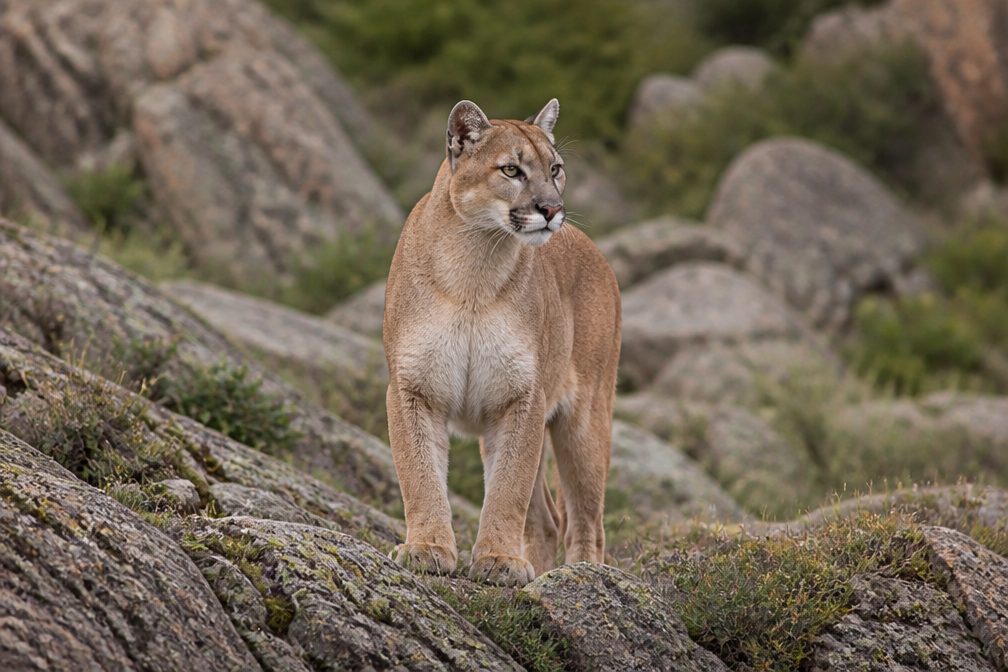 23 sightingsMountain LionMost seen around 8 PMSighting map
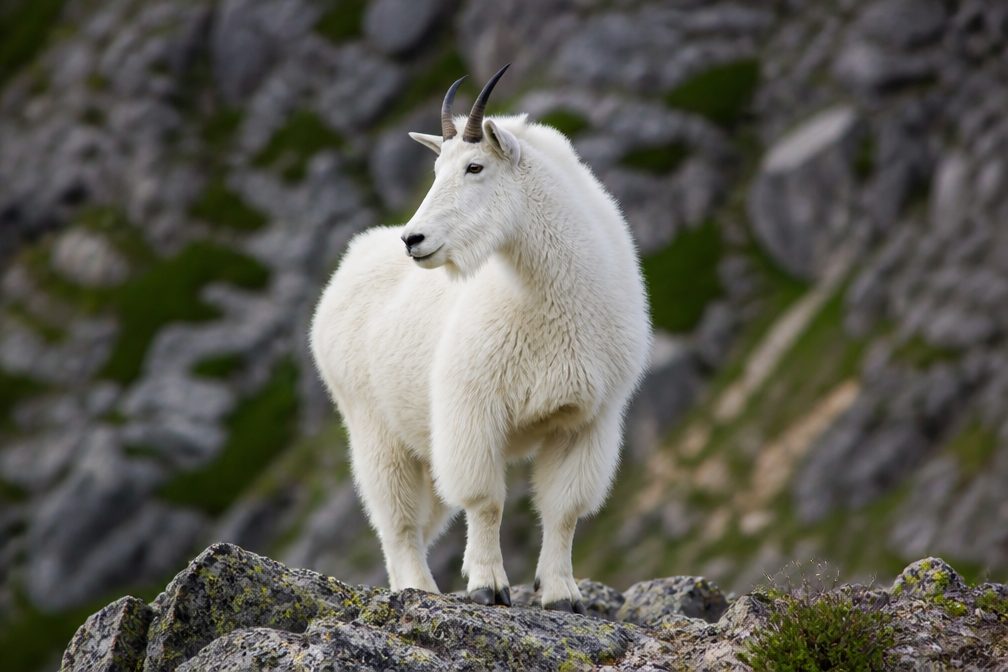 71 sightingsMountain GoatMost seen around 7 AMSighting map
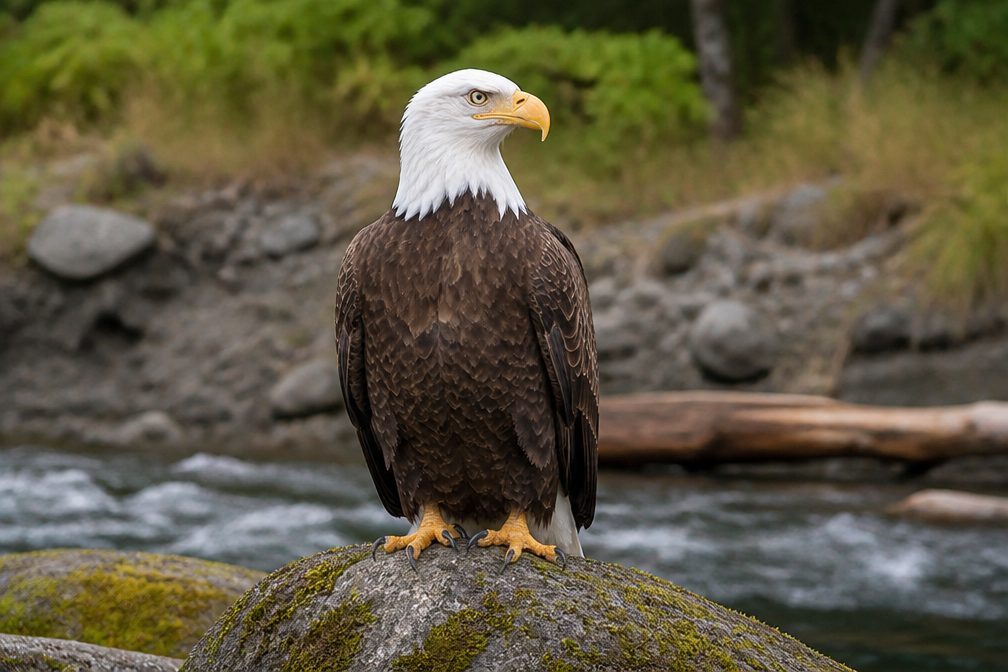 306 sightingsBald EagleMost seen around 11 AMSighting map
Sighting maps show where each species has been reported across Olympic. Wildlife moves, so no sighting is guaranteed.
Keep exploring
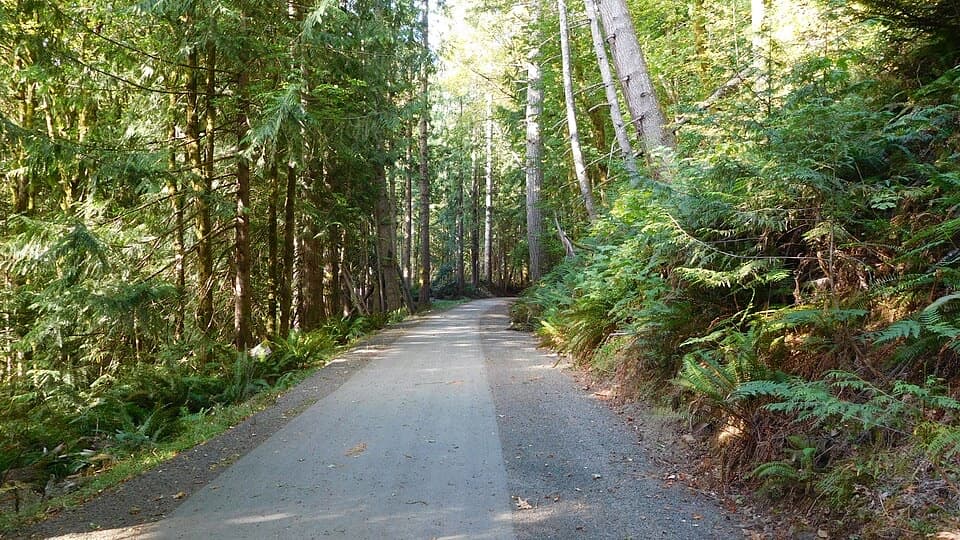 EasyOlympic Discovery Trail — Lake Crescent West6.5 mi · 3 hr · 2.4 mi awayA paved wheelchair-accessible link follows Lake Crescent’s north shore.
 ChallengingAurora Divide Trail14.5 mi · 11.5 hr · 2.5 mi awayA long forest climb reaches a ridge above Lake Crescent.
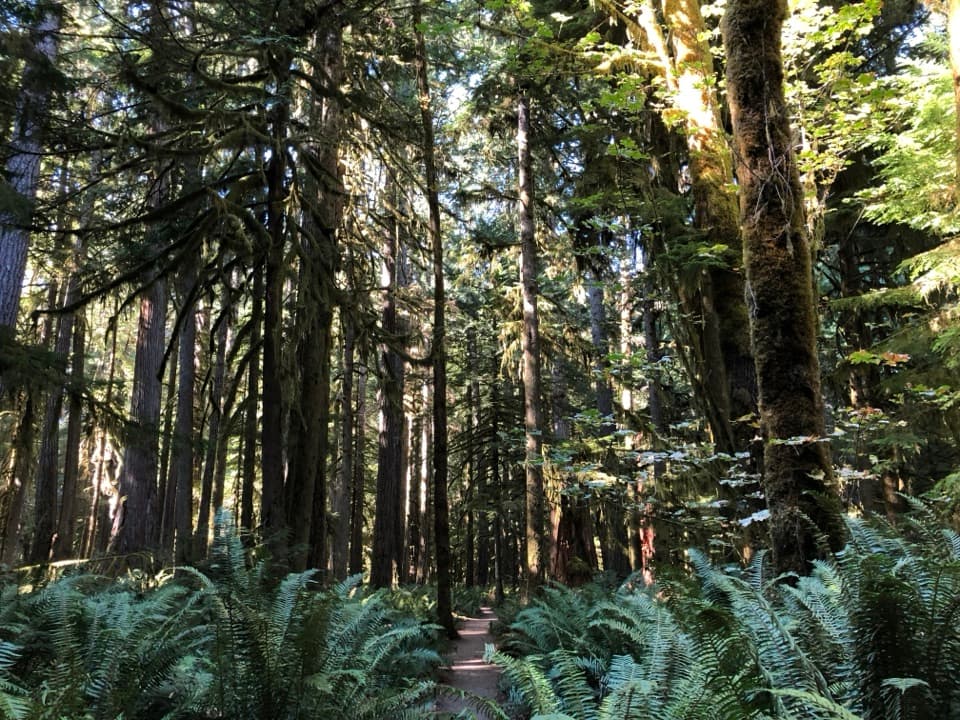 EasyMoments in Time Trail1 mi · 36 min · 2.5 mi awayA mossy forest walk with a short Lake Crescent shoreline stretch.
 ModerateMarymere Falls Trail1.8 mi · 1.3 hr · 2.5 mi awayOld-growth forest leads to close views of a 90-foot waterfall
 ChallengingMount Storm King Trail4.4 mi · 4.5 hr · 2.5 mi awaySteep switchbacks end at a tree-framed Lake Crescent view.
 ChallengingUpper Barnes Creek Primitive Trail18.5 mi · 12 hr · 2.5 mi awayA hard 18-mile out-and-back to a quiet creek divide.
 ModerateBarnes Creek Trail6.6 mi · 4 hr · 2.9 mi awayA steady creekside climb to the upper trail junction.
 ChallengingPyramid Peak Trail7 mi · 4.5 hr · 3.2 mi awayA steep climb to a WWII lookout above Lake Crescent.
 Lodging · 0.6 mi awayLog Cabin ResortCabins, camping and boat rentals in a seasonal Lake Crescent base.
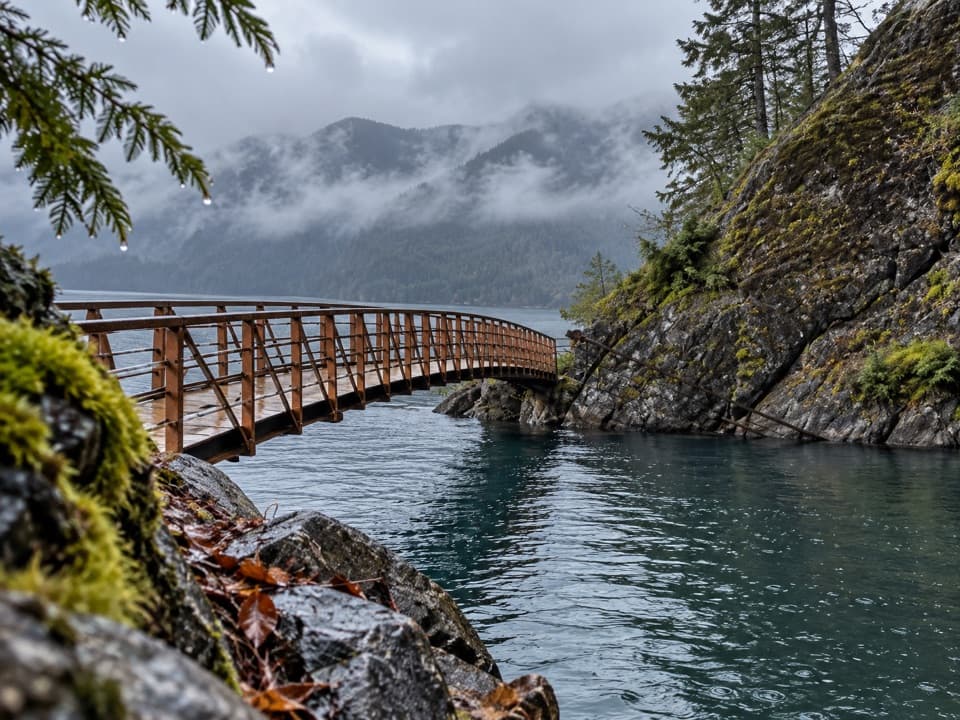 Sight · 1 mi awayDevils PunchbowlA clear-water cove framed by a curved footbridge.
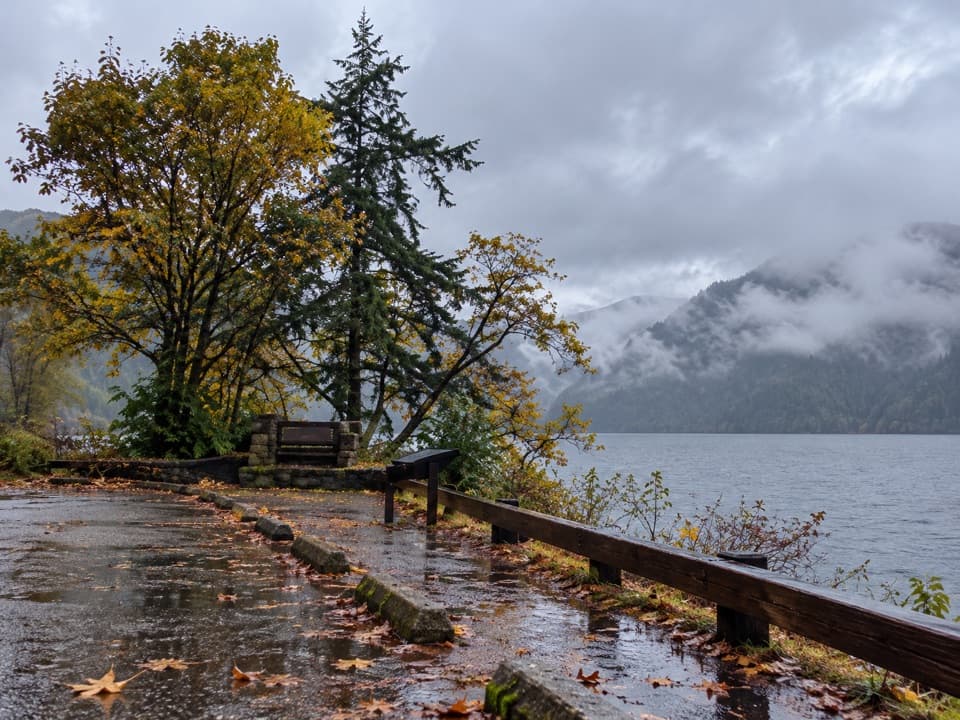 Scenic pullout · 1.9 mi awayLake Crescent Scenic Pull-OffA quick roadside pause for Lake Crescent beneath the Olympic Mountains.
 Sight · 2.5 mi awayStorm King Boat LaunchA short dock stop for clear water and mountain views.
 Lodging · 2.5 mi awayLake Crescent LodgeA 1916 lodge for slow days on Lake Crescent.
 Ranger station · 2.5 mi awayStorm King Ranger StationA historic log cabin with stories of Lake Crescent ferries and trout.
 Picnic area · 2.7 mi awayBovee's MeadowCross the meadow for a picnic beside Lake Crescent.
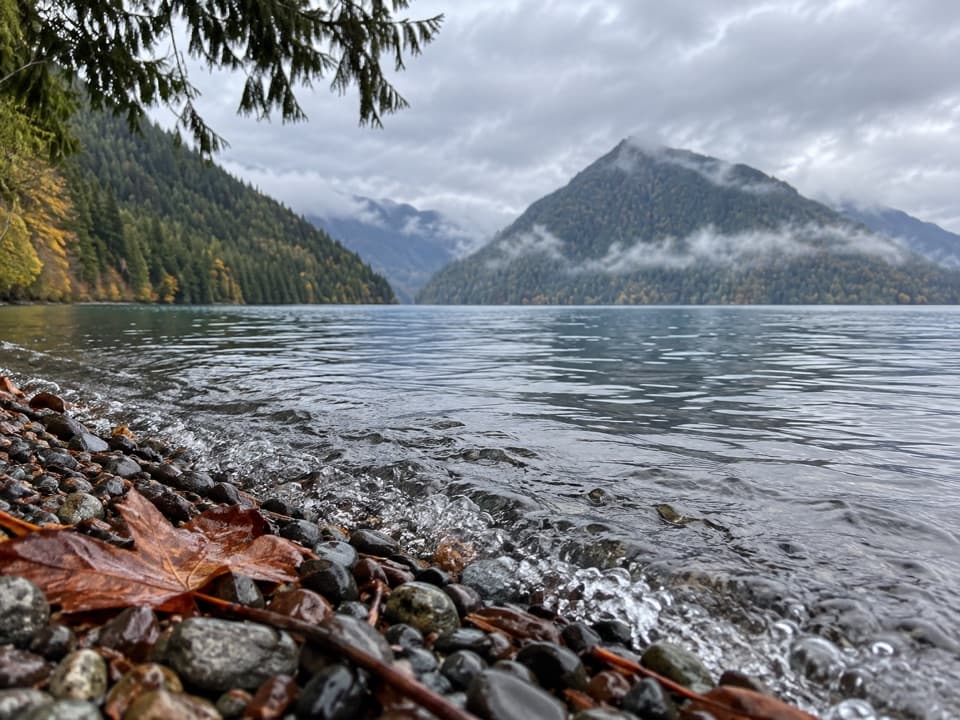 Beach · 2.8 mi awayEast Beach, Lake CrescentA shallow, rocky shore for a swim, picnic, or paddle launch.
Parkwolf’s Olympic ranking

The audio tour guide for the drive, plus offline maps, trails, and wildlife heatmaps for when the signal drops.