Kozjak Lake

The park’s largest lake, crossed by the scenic electric boat
Kozjak Lake, Plitvice Lakes National Park
InsidePlitvice Lakes National Park

Overview

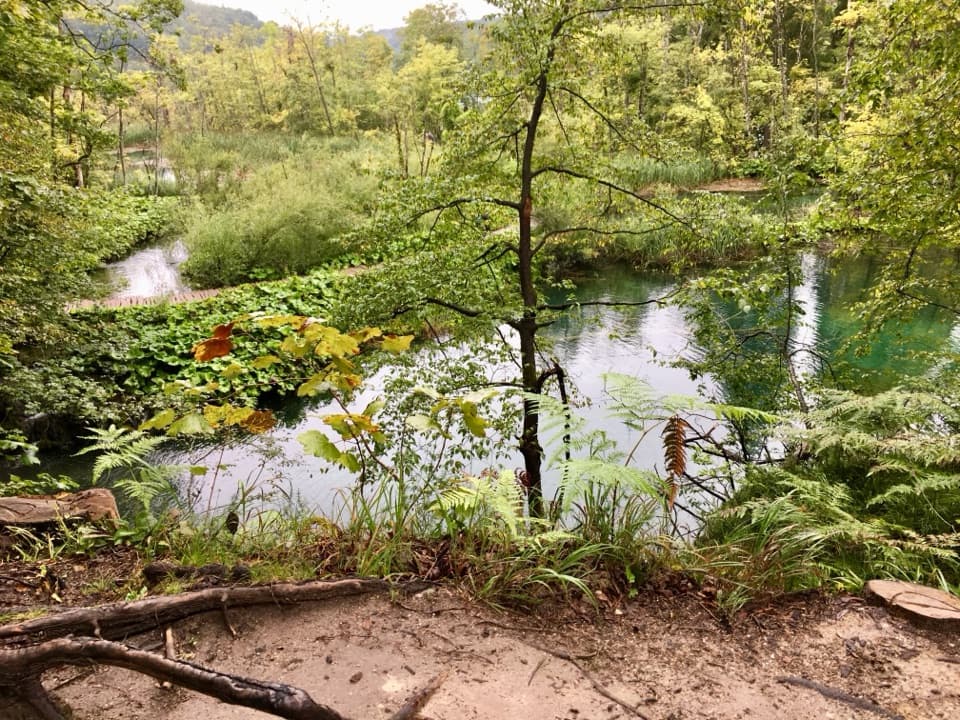
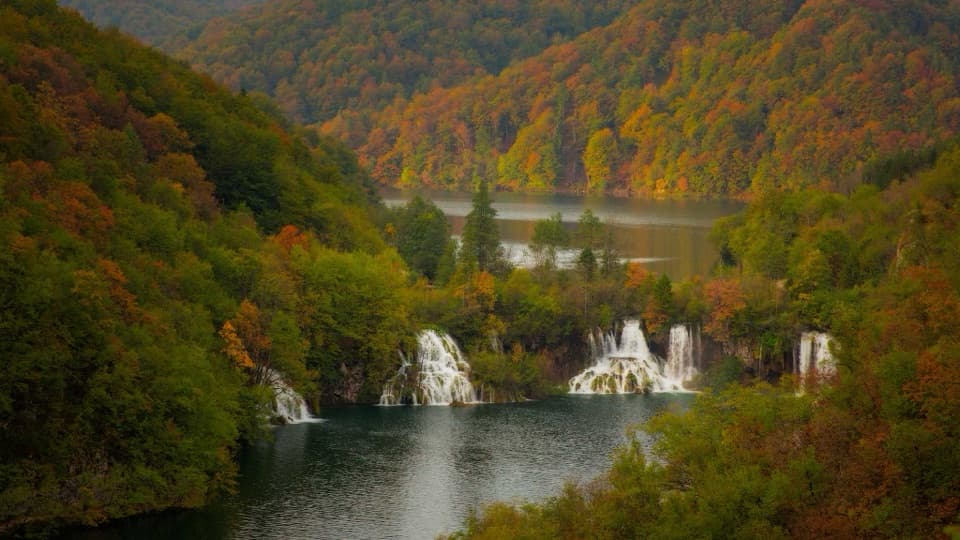
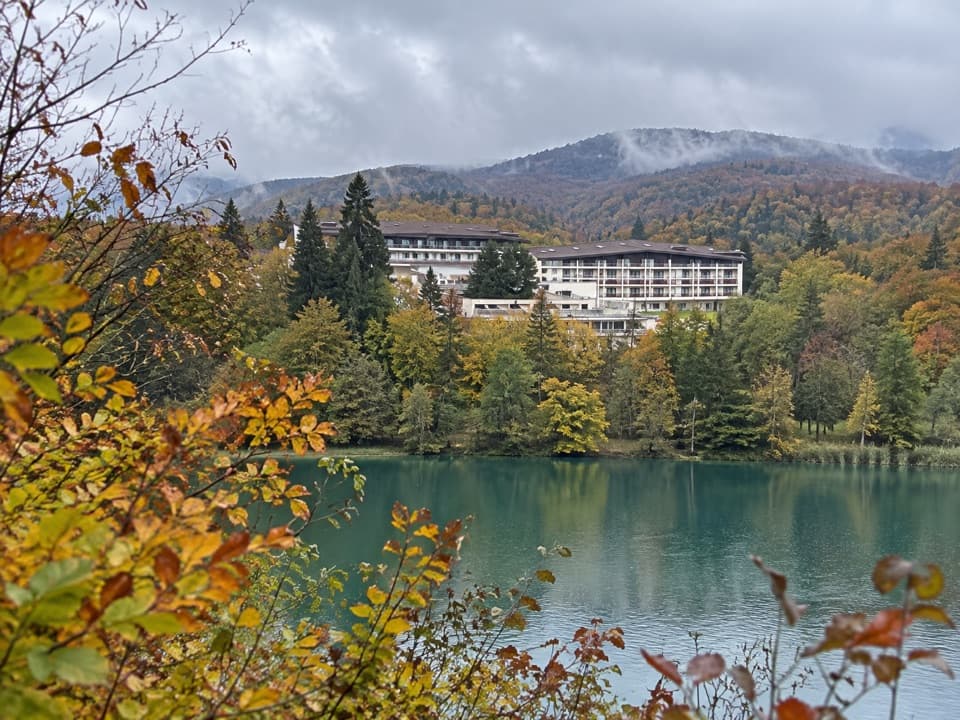
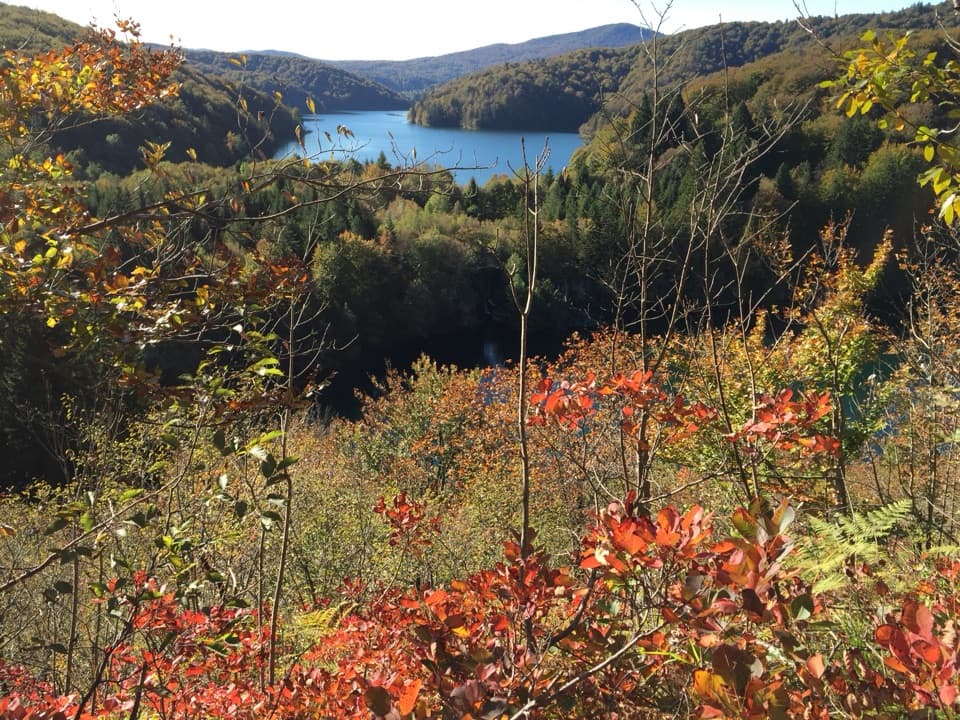
Kozjak Lake is the park’s largest and deepest lake, a broad, glassy expanse that often shifts from azure to emerald depending on minerals, aquatic life, and the angle of the sun. It sits among the Upper Lakes and anchors many visitor routes, so you’ll almost certainly pass its shores—and likely cross it—during a standard visit.

Why it’s special

About four centuries ago, two separate lakes here merged as fast‑growing tufa (travertine) barriers raised water levels; an underwater ridge about 40 m high still hints at that history. Today, Kozjak and neighboring Prošćansko together account for most of the lakes’ surface area, making this a defining slice of the landscape and a natural pause point for photos and a snack.

Geology in plain English

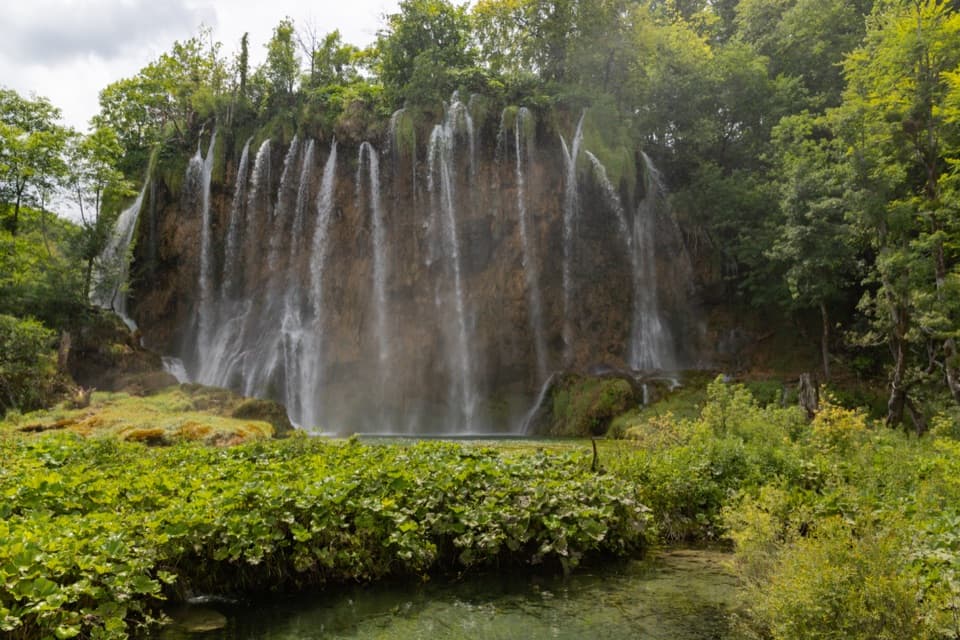
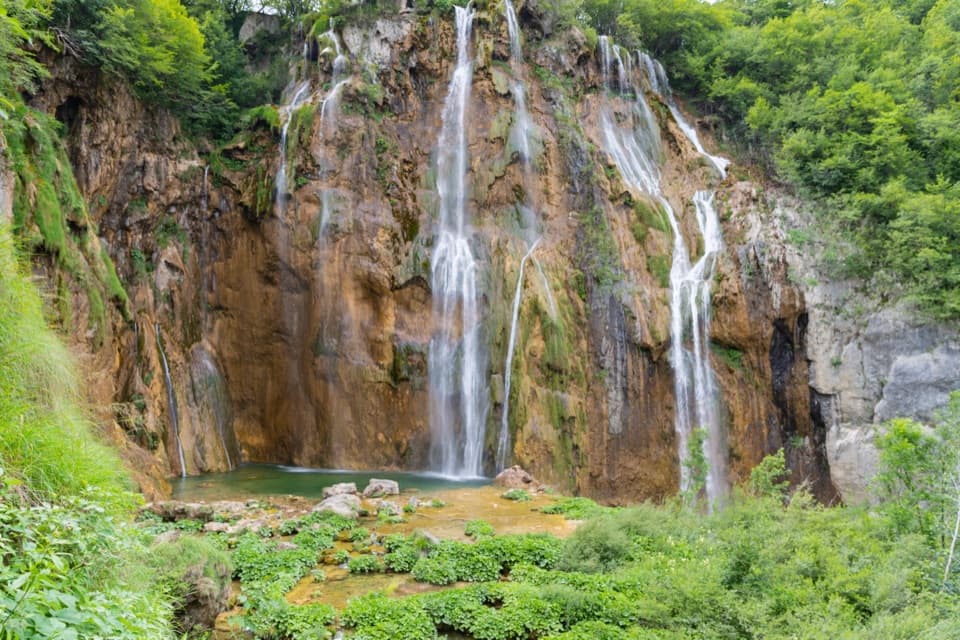
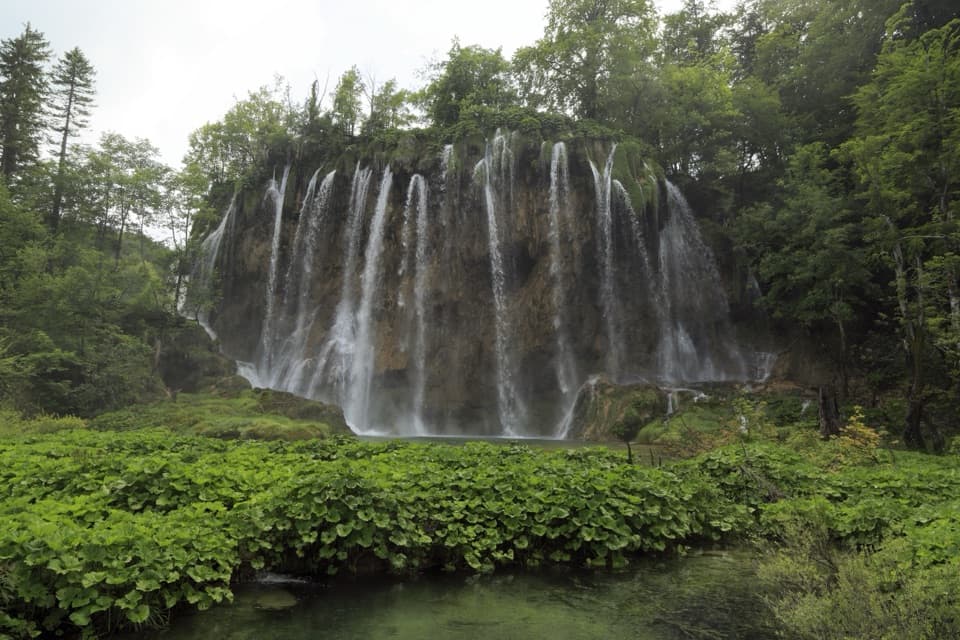
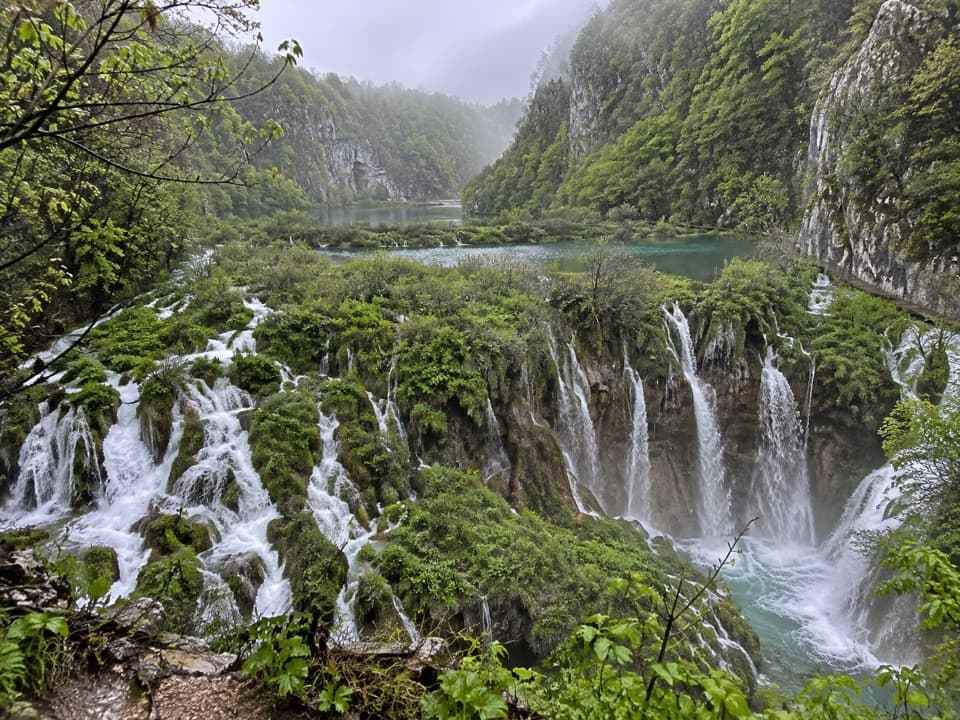
The Upper Lakes rest mostly on dolomite, which doesn’t let water percolate easily. As mineral‑rich water flows, it constantly deposits porous tufa, building rims and ledges that shape lakes and waterfalls. That same slow‑motion construction is why the scenery here keeps evolving.

Getting around

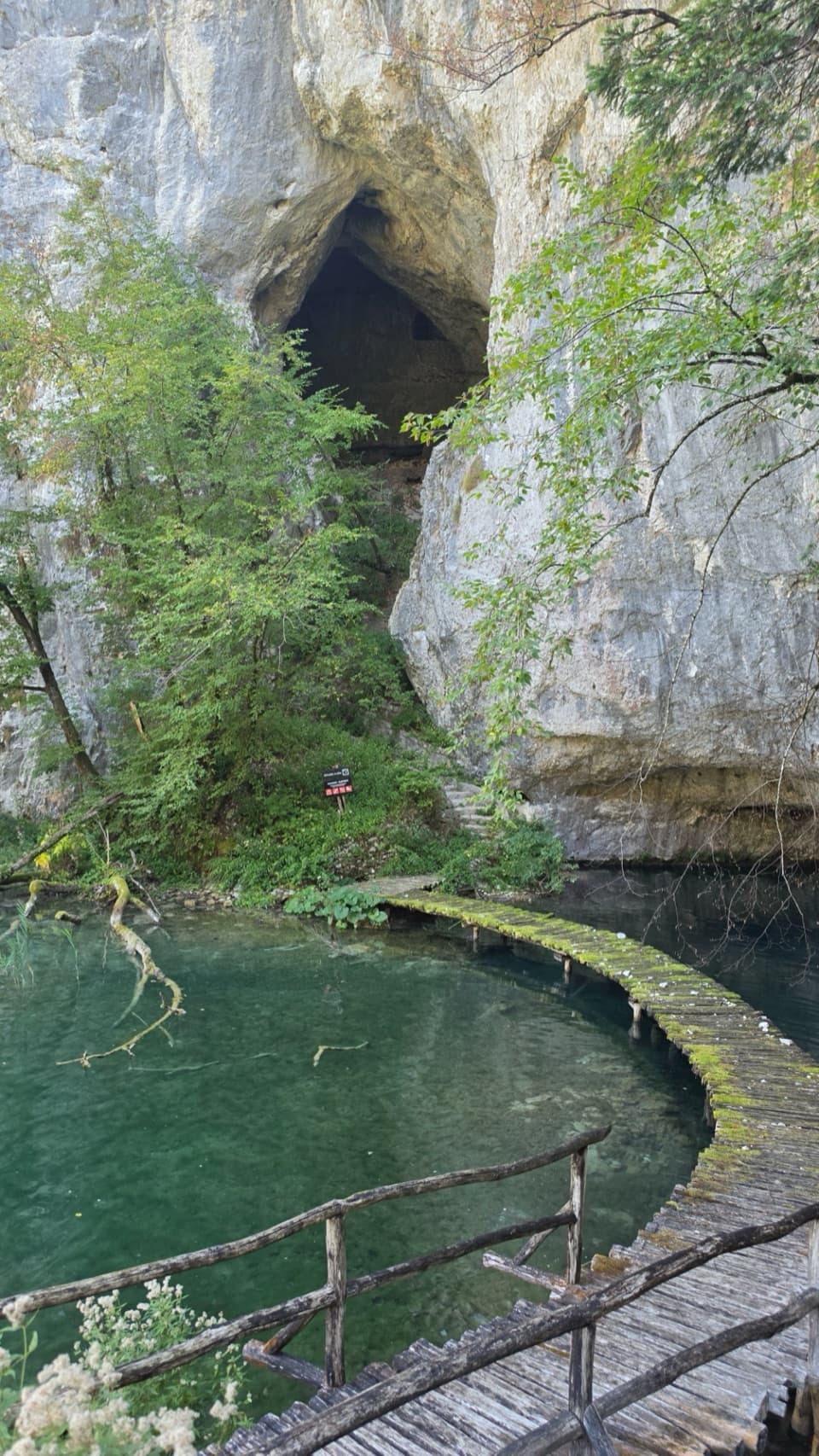
Your park ticket covers the electric boat that ferries visitors across Kozjak and the shuttle that links Entrances 1 and 2—keep that ticket handy. Trails are well marked as part of the park’s recommended circuits; stay on the boardwalks, which can be wet and slick after rain or in winter.

Facilities

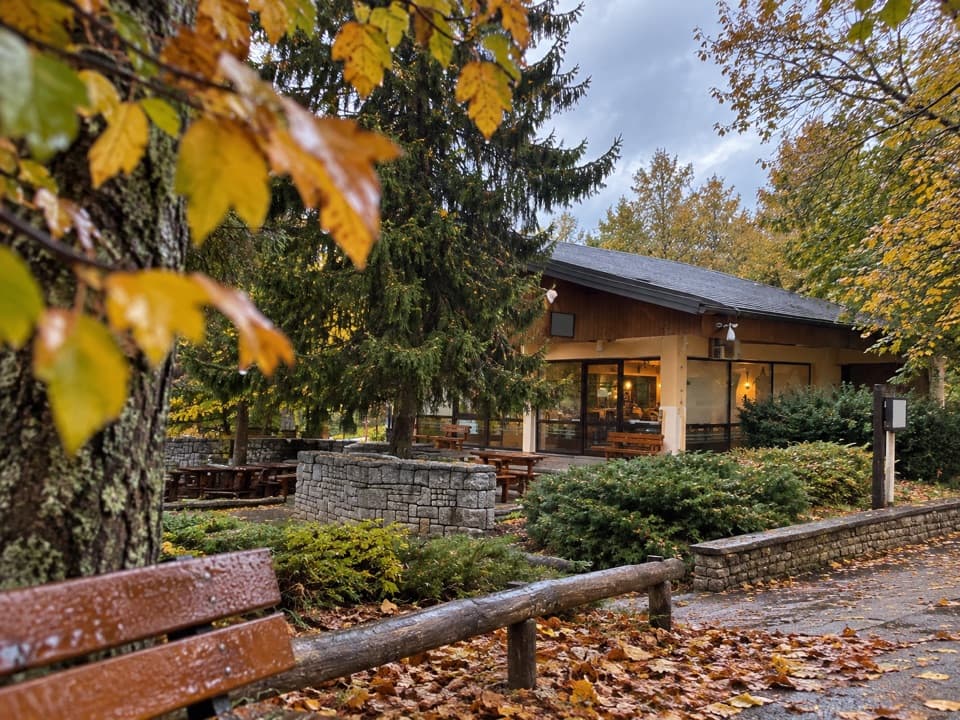
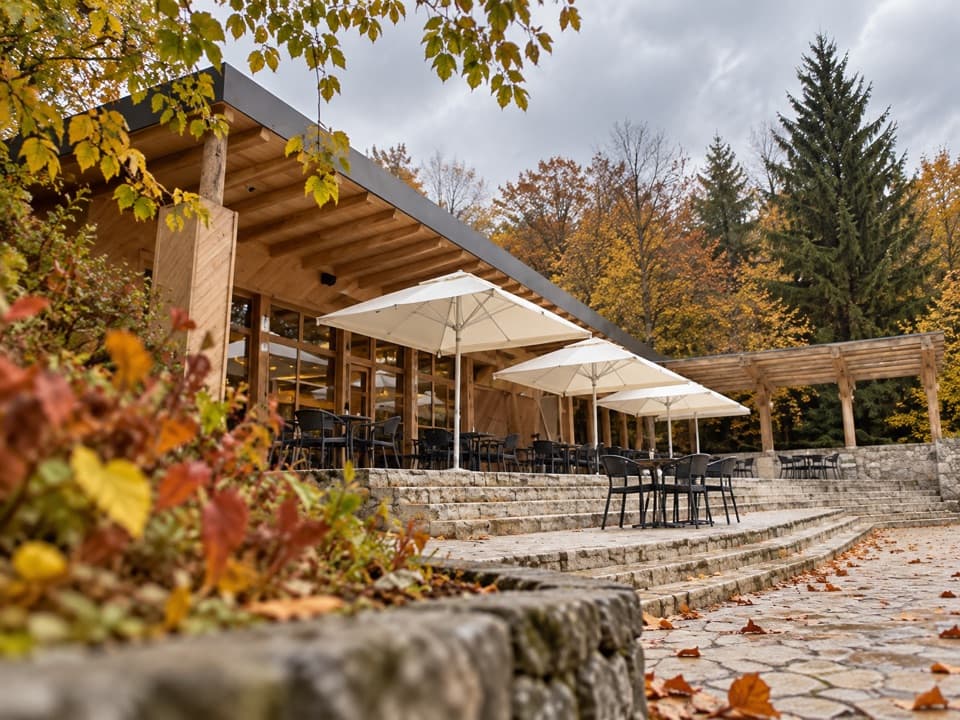
Expect basic services near the main Kozjak docks: restrooms and simple food are available at the P3 electric‑boat stop, and additional restrooms and cafes sit at the St1, St2, and St3 shuttle stops. Away from these hubs, there’s little in the way of amenities, so plan ahead with water and snacks.

Nature and wildlife

The lake’s clear water supports fish like European chub, and the surrounding forested slopes act as reservoirs and habitat for a range of fauna. Keep your eyes on the water’s edge for movement; mornings are generally quieter and better for spotting activity.

Best time to visit

  • Early or late in the day to avoid the heaviest crowds.
  • Spring and autumn bring stronger flows and frequent rain; summer offers milder conditions and punchier colors under bright sun.
  • Winters are cold, snow is common, and the lakes often freeze in December–January—beautiful, but expect slick boardwalks and true winter conditions.

Photography tips

Sun and calm wind make the colors pop; after rain the cascades surge but tones can mute. Respect barriers—no stepping off boardwalks for a “closer” shot.

Good to know

Swimming/bathing is strictly prohibited here. Pack non‑slip footwear, a light waterproof layer, and carry your own water—refill points are scarce around the lake.

Pros

  • Largest, clearest lake in the park with color‑shifting water
  • Electric boat crossing is included with your park ticket

Cons

  • No swimming allowed
  • Services are limited away from the main boat docks

Tips

  • Use the Kozjak boat to bridge upper and lower routes and keep your ticket handy.
  • Hit the P3 dock or shuttle stops for restrooms before longer stretches.
  • Start early or finish late to sidestep the midday crowd surge.
  • Bring plenty of water; refill options are limited near the lake.
  • Wear shoes with good grip—boardwalks get slick after rain or in winter.
The Parkwolf tour guide sitting on a phone mounted in a car

Parkwolf Tour Guide

Like a tour guide in your car.

Save the places you found around Plitvice Lakes, then let Parkwolf guide the drive between them.Download Parkwolf on the App Store