Place · 0.2 mi away

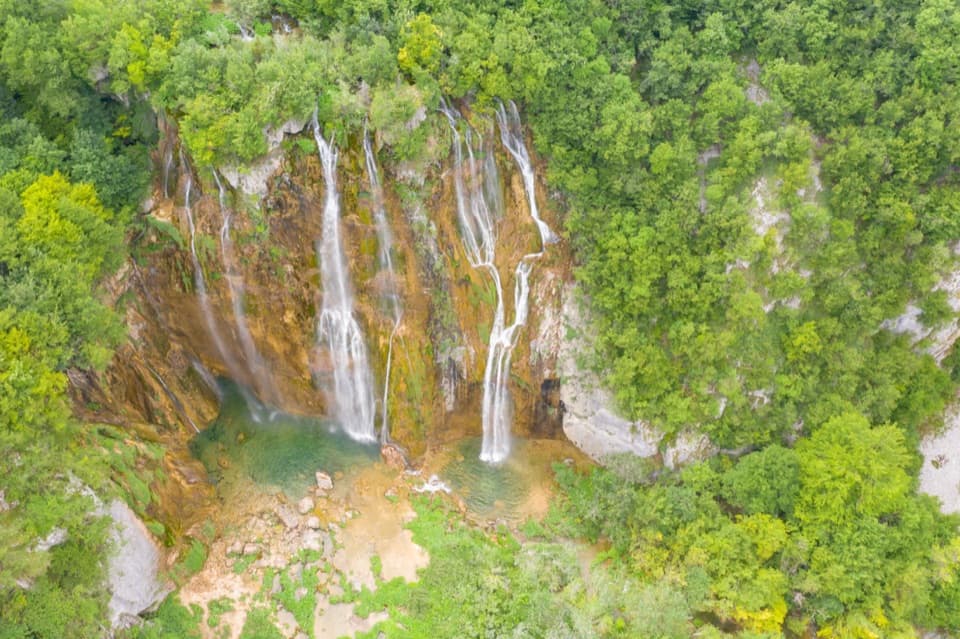
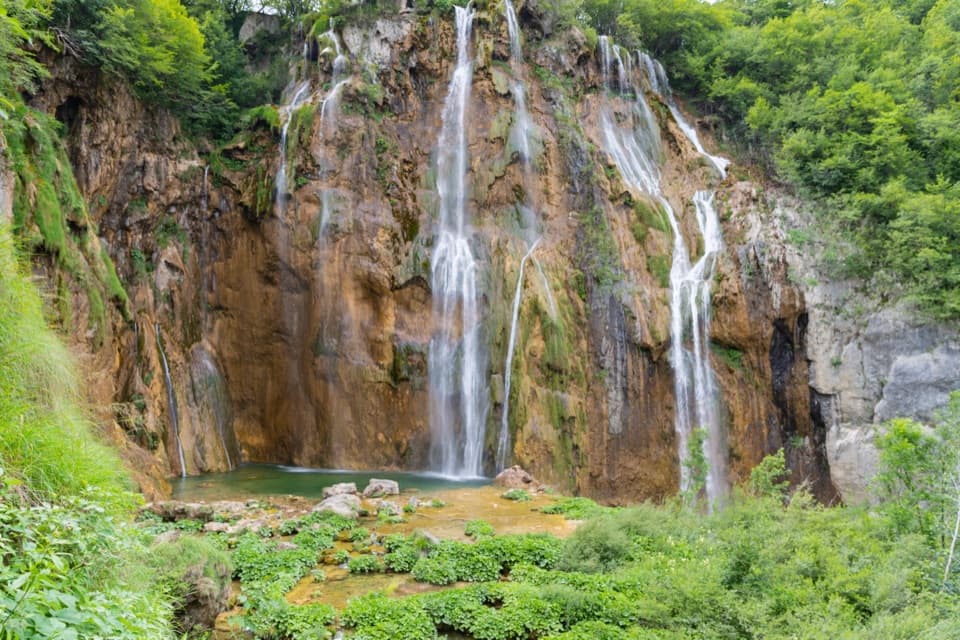
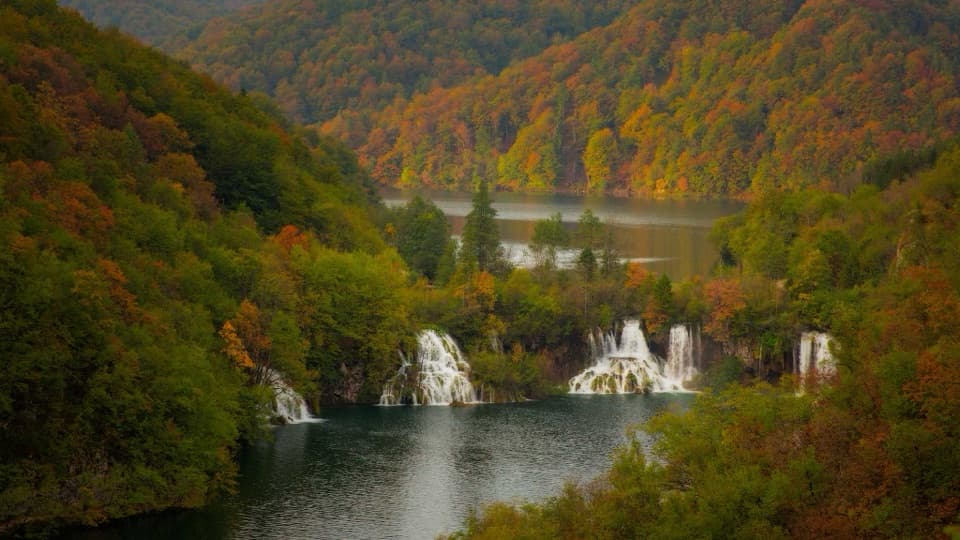
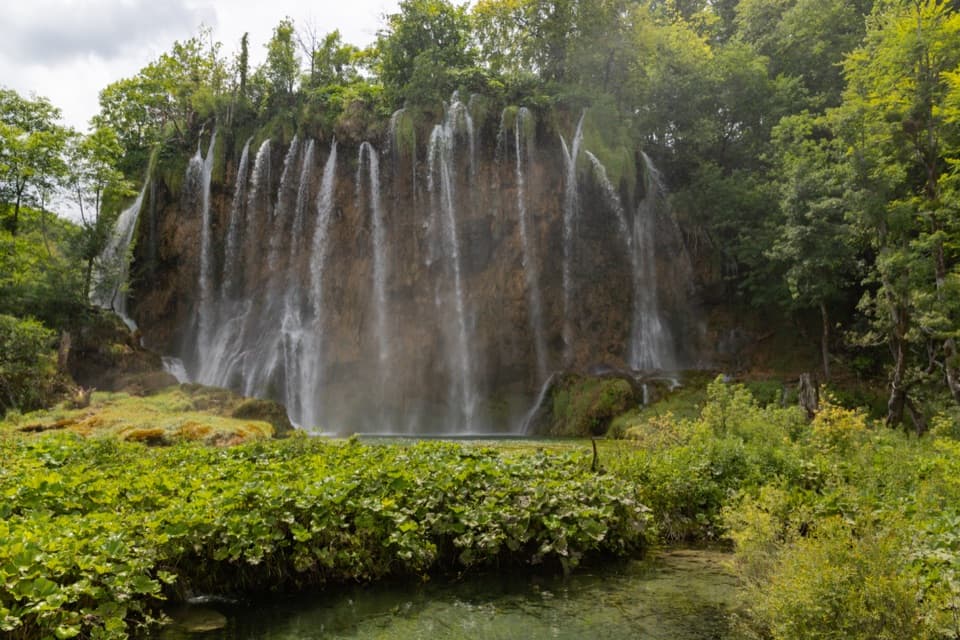
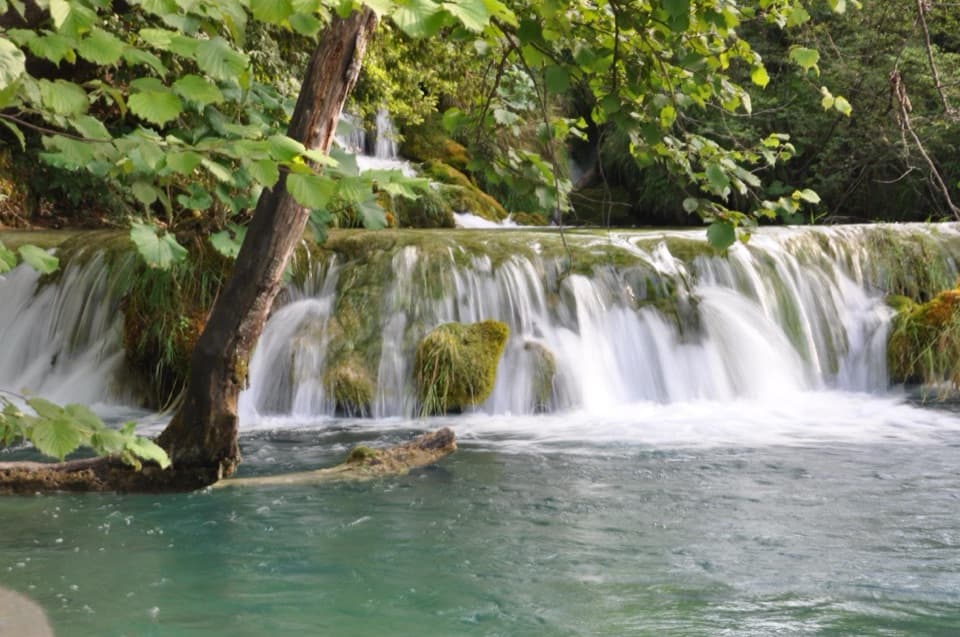
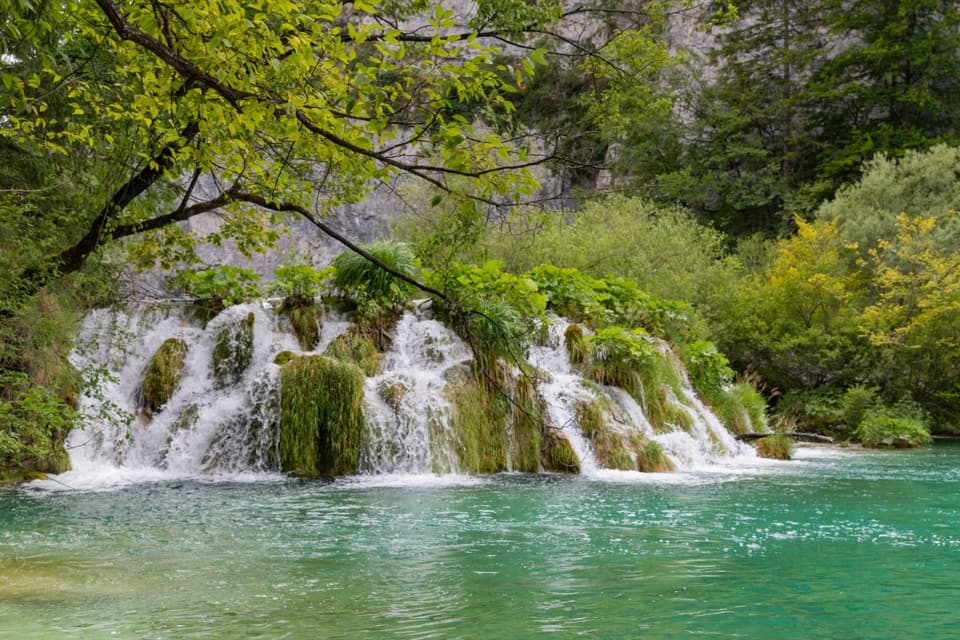
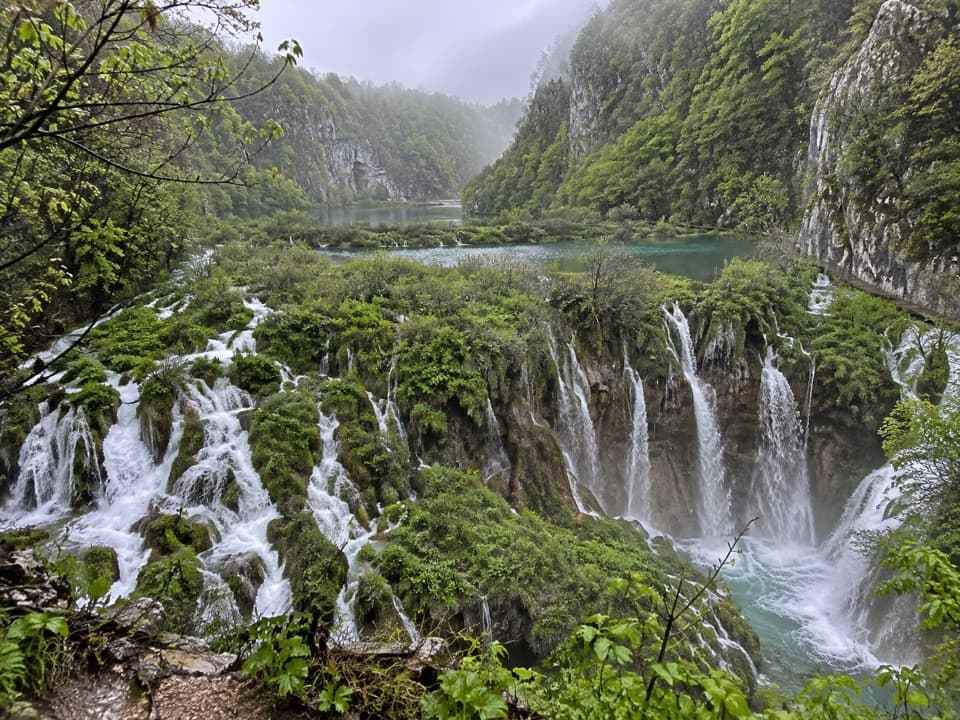
Milanovački Slap is a roughly 10‑meter cascade where the barrier between Lake Kozjak and Lake Milanovac drops into the Lower Lakes. It’s not the tallest in the park, but it’s one of the most scenic, thanks to travertine terraces, clear turquoise water, and dramatic canyon walls.
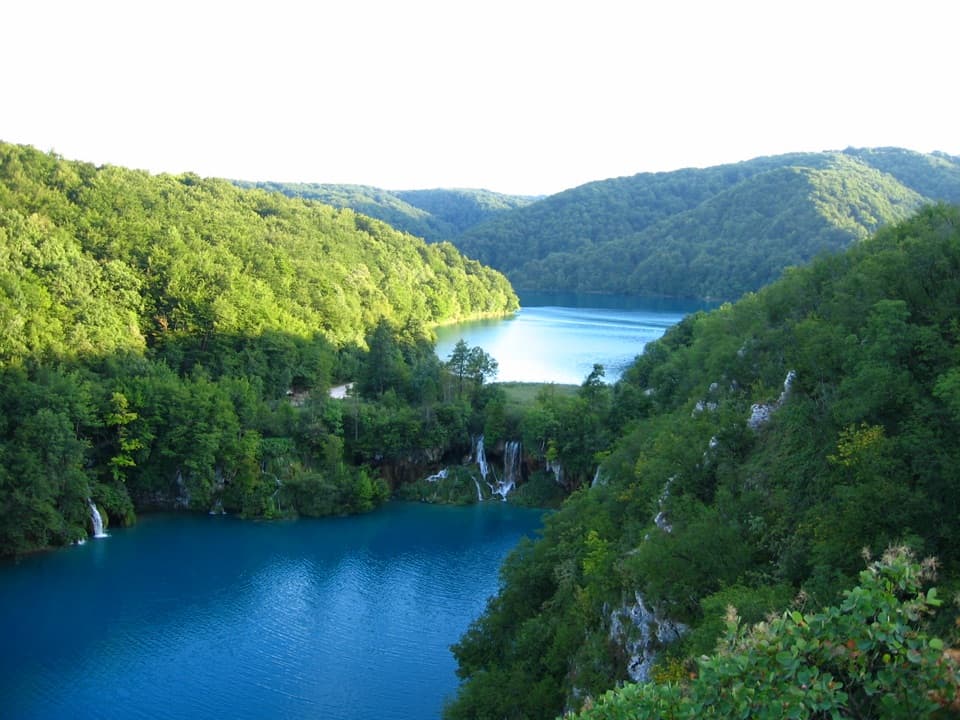
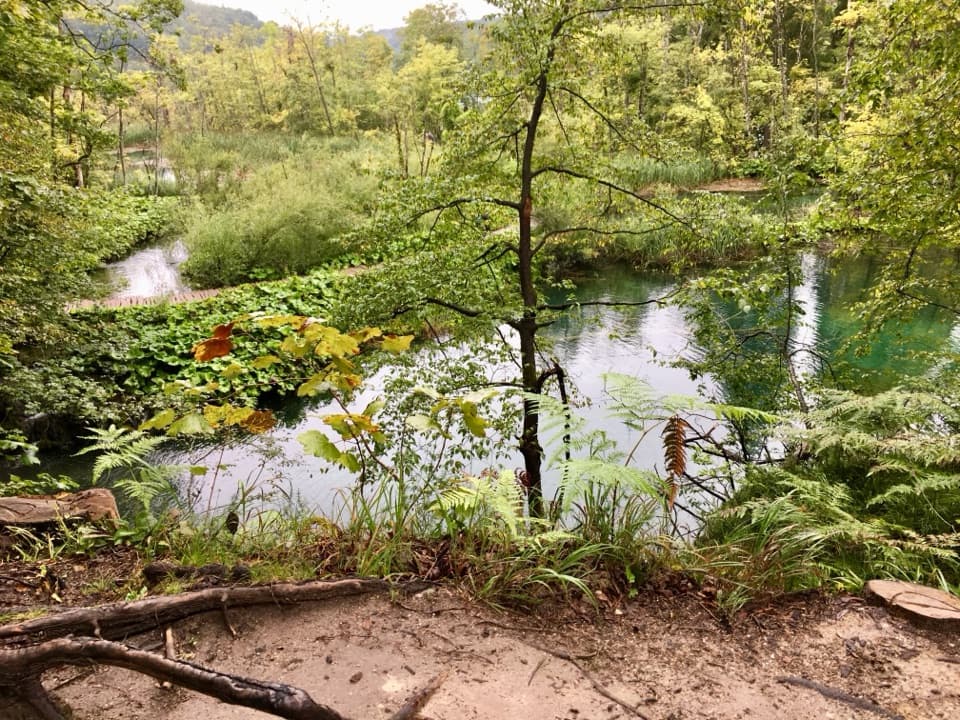
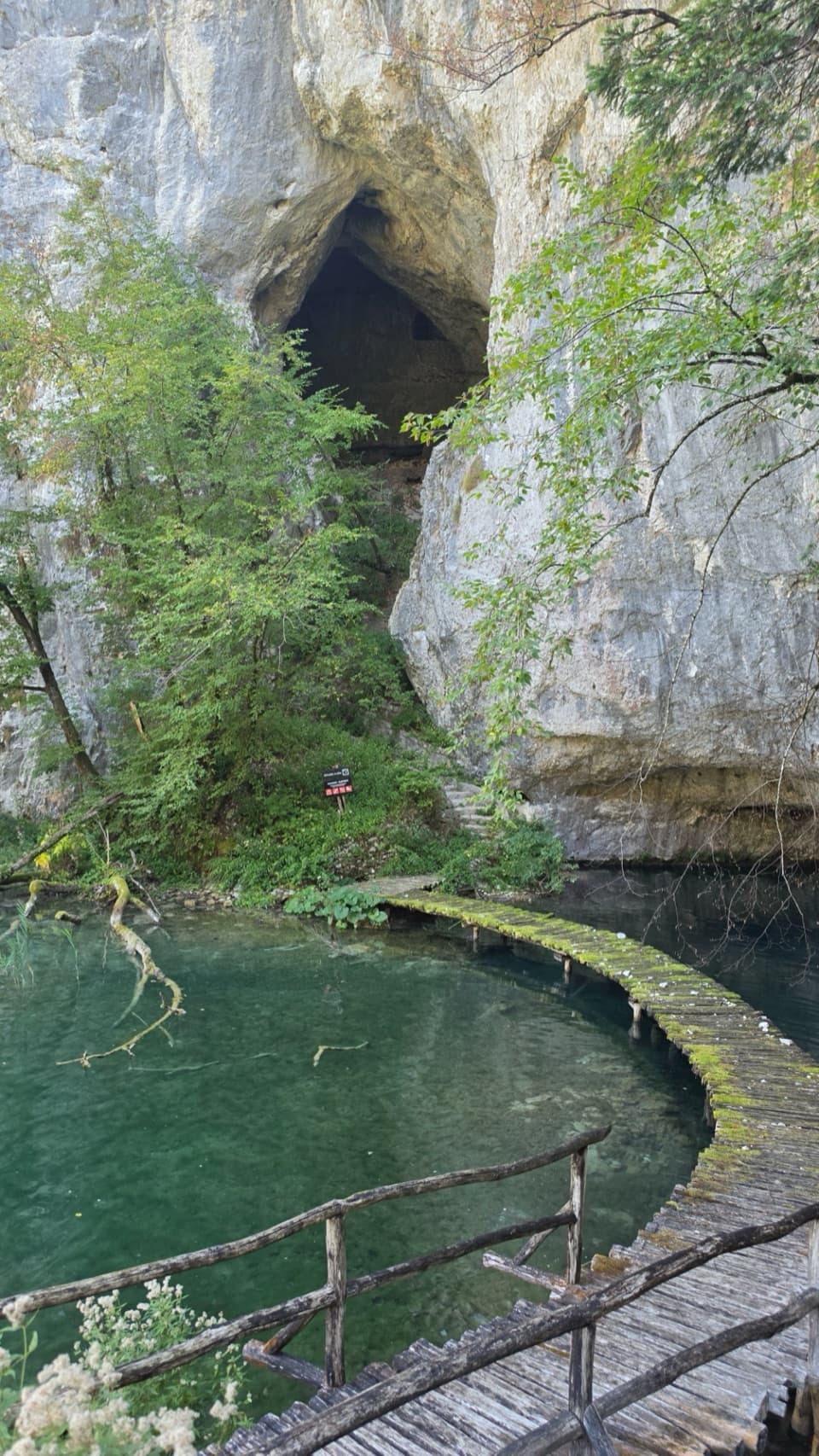
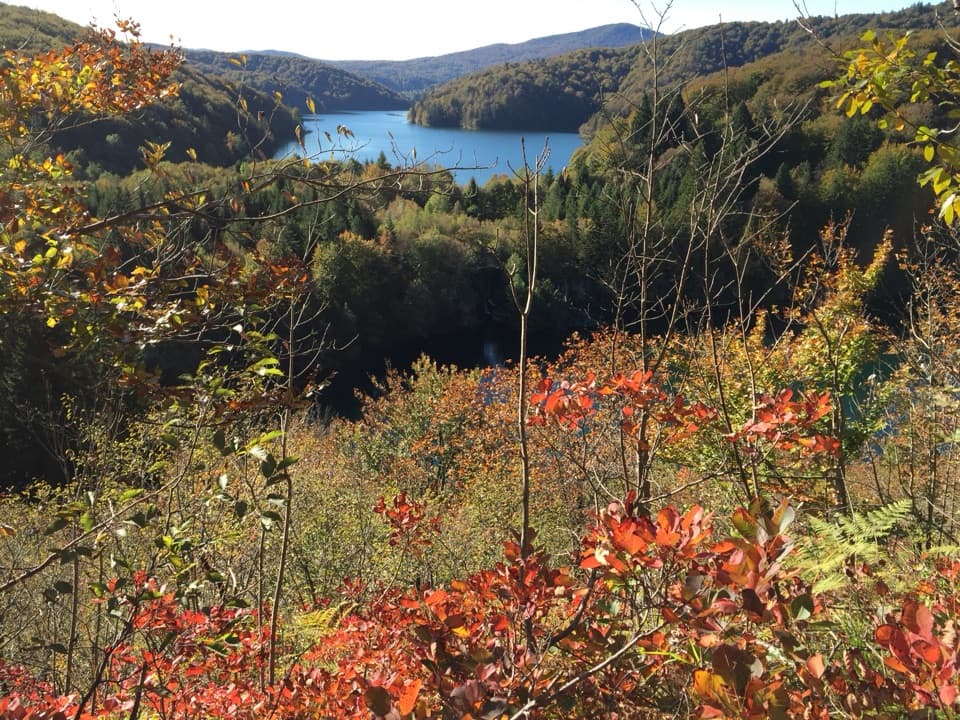
You’ll find it in the Lower Lakes, near Entrance 1. The simplest way to work it into a first visit is to follow Program B from Entrance 1: well‑marked paths and wooden boardwalks take you right alongside the cascades, with occasional stairs and gentle inclines. Expect spray on the planks—good soles help. There are also elevated viewpoints along the canyon rim that frame the waterfall with the Lower Lakes below.
This is classic Plitvice: water flowing over constantly growing travertine (tufa) creates natural terraces and lips, so features like Milanovački Slap subtly change over time. The Lower Lakes are carved into permeable limestone in a narrow gorge, which gives you those tight, dramatic views quite different from the broader, dolomite‑based Upper Lakes.
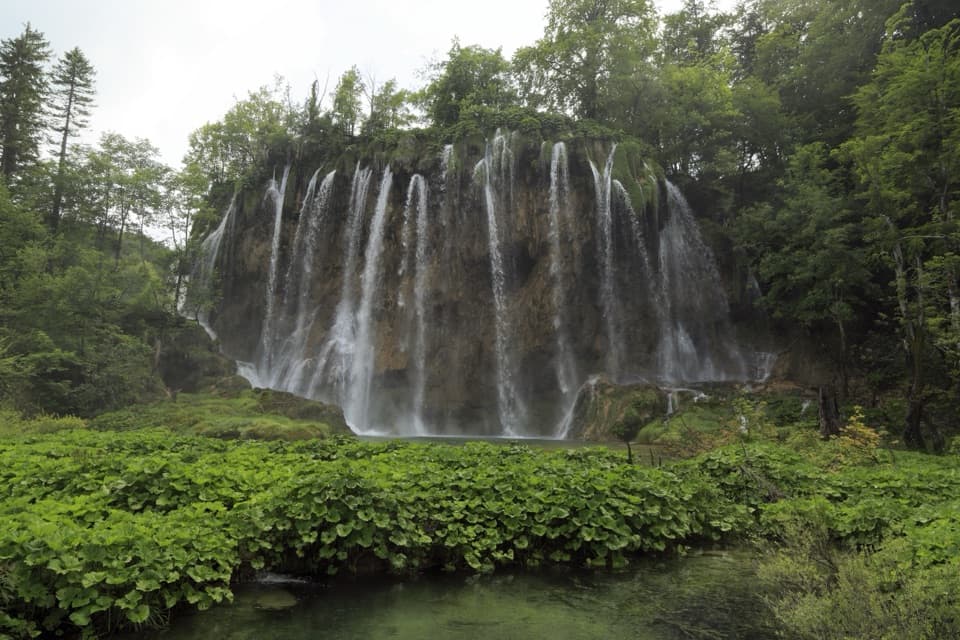
From the same Lower Lakes route, you can easily add the nearby Great Waterfall (Veliki Slap) and Sastavci. From certain lookouts they line up into one grand scene where the Korana River begins.
Be at the park early for softer light and boardwalks with fewer people. Pause at the canyon overlooks before descending from Entrance 1 for wide, layered shots, then use the boardwalk near the falls to frame travertine ledges and overhanging beech/fir. A small cloth to wipe spray and a polarizing filter help tame glare and mist.
Early morning at opening is best for crowd‑free boardwalks and even light. Seasonal hours and occasional winter trail changes mean plans can shift—check conditions the day before. Midday brings the heaviest foot traffic on the narrow planks.
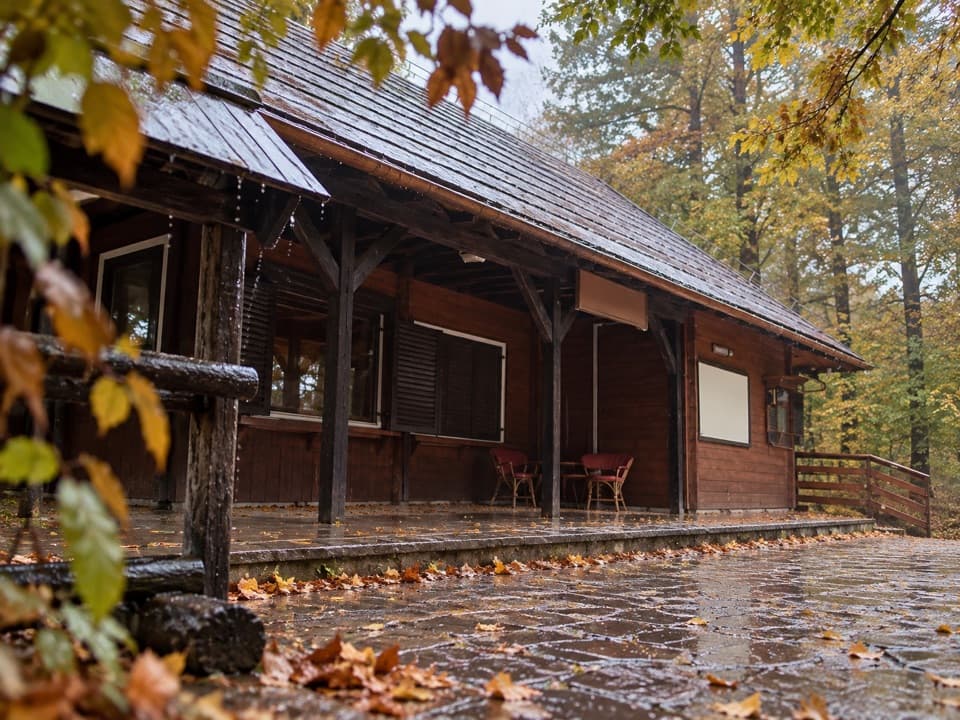
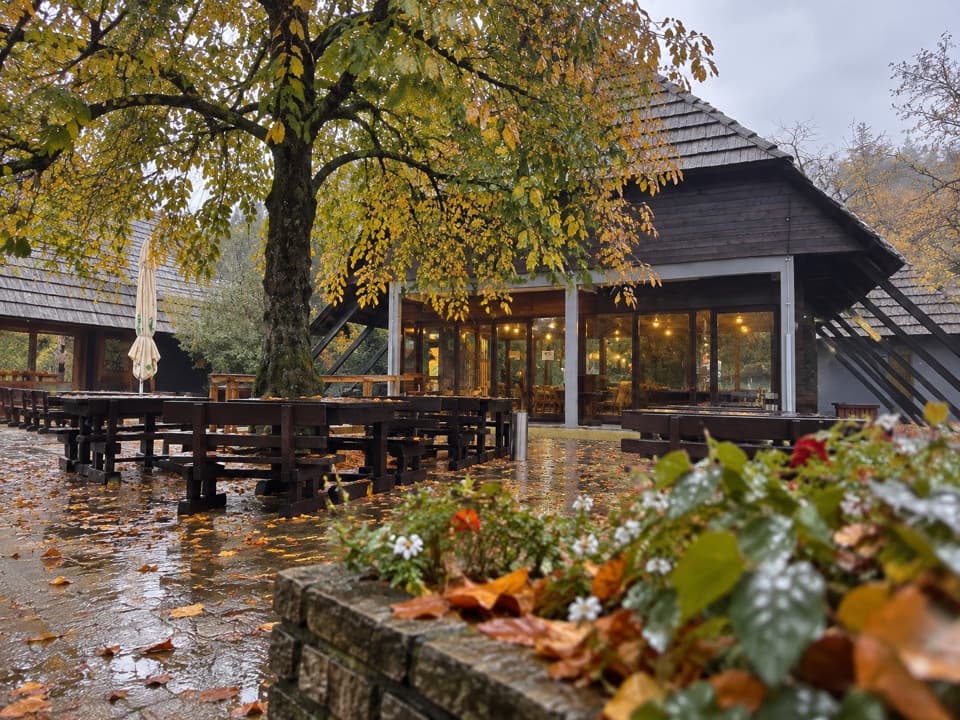
There are no facilities right at the waterfall. Restrooms are at Entrance 1 and at transport hubs (P3 boat and ST1–ST3 panoramic train stops). Simple snacks and cafés operate at P3 and the train stops; fuller dining sits near the entrances (for example by Entrance 1). Buy tickets online in advance; your first entry must match the time and gate on your ticket, and boat/shuttle access depends on the ticket type—keep it handy.
Around the lakes you’re most likely to spot fish and birds; the broader forested park hosts larger animals deeper in the interior. Follow the rules: stay on marked paths, don’t feed wildlife, and skip swimming or fishing. The park is safe for visitors, but another good reason to keep to the trails is the region’s history—going off‑path is never worth the risk.