Place · 0.6 mi away

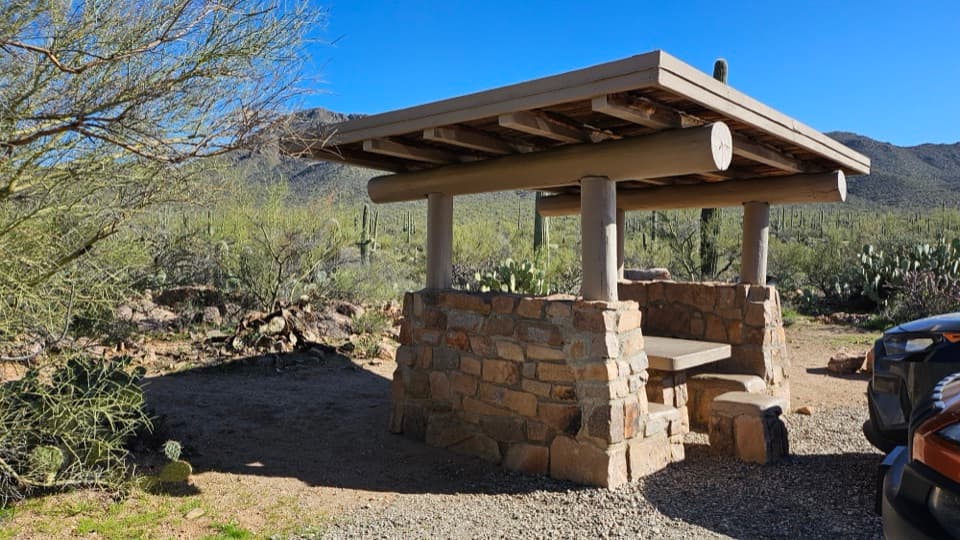
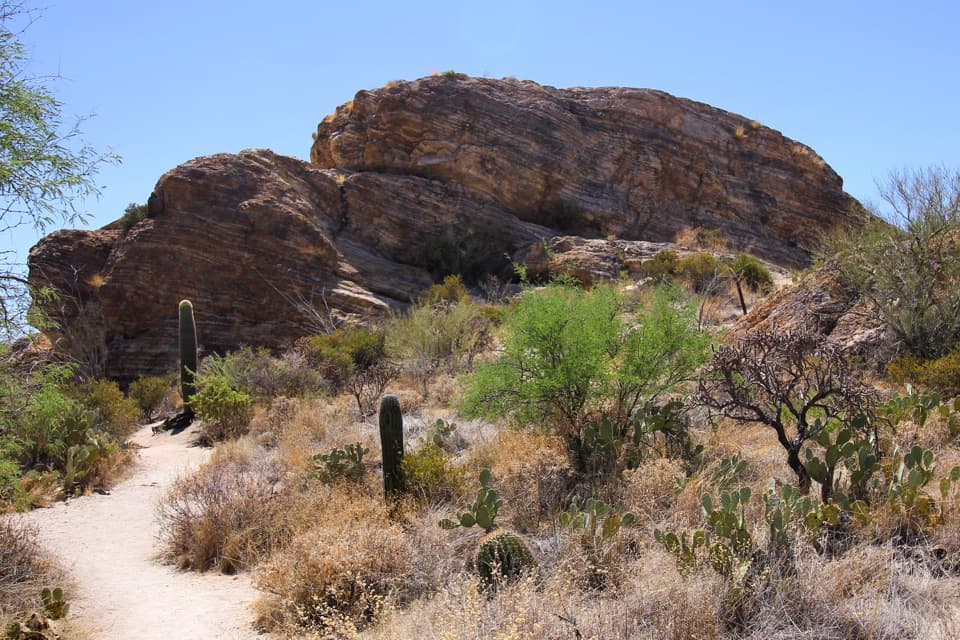
Gould Mine is a bite-size dose of Sonoran Desert history tucked into the Tucson Mountain District. It’s an easy-to-moderate loop from the King Canyon area that trades big mileage for mine relics, desert vistas, and a quick hit of park history.
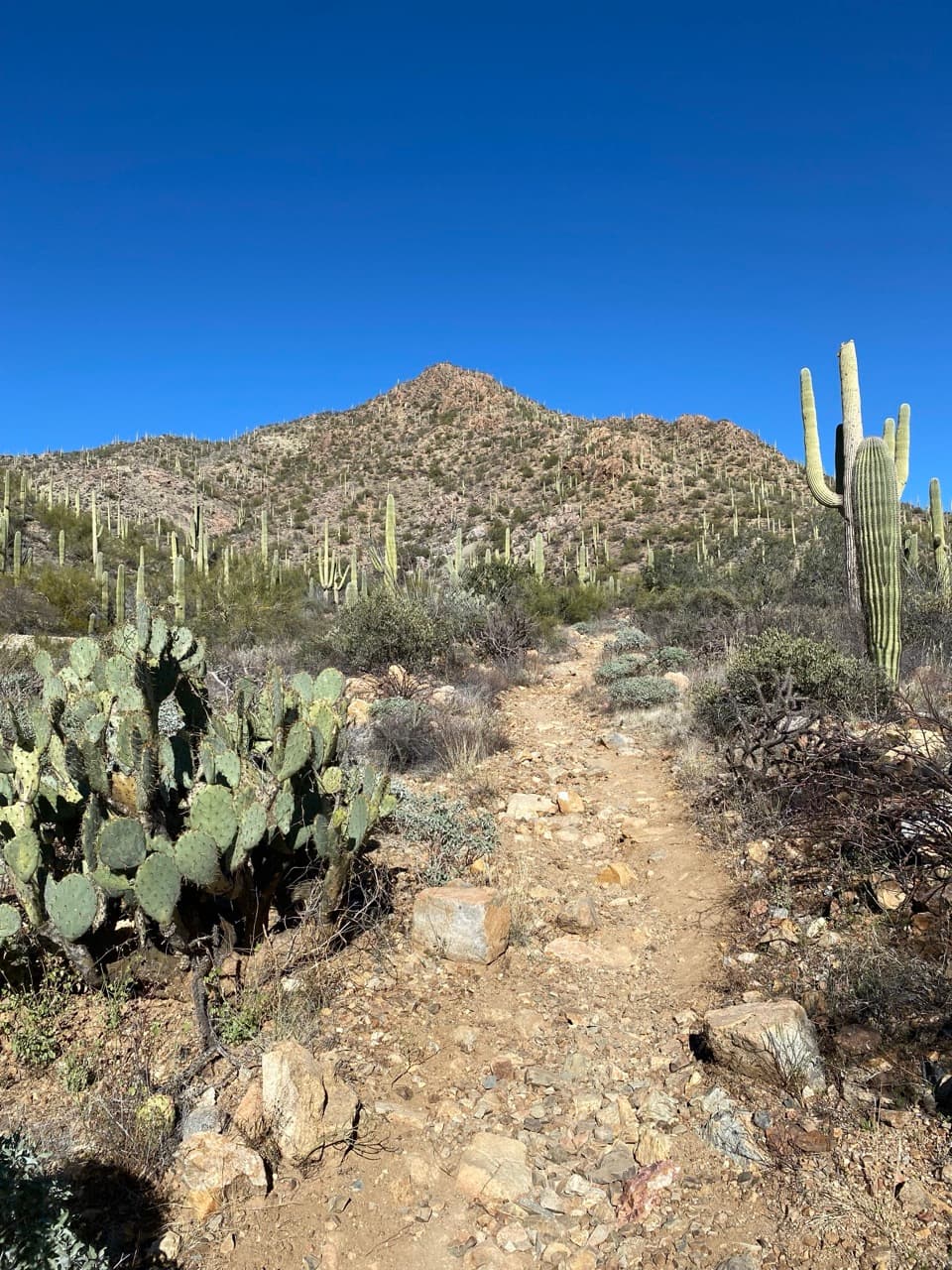
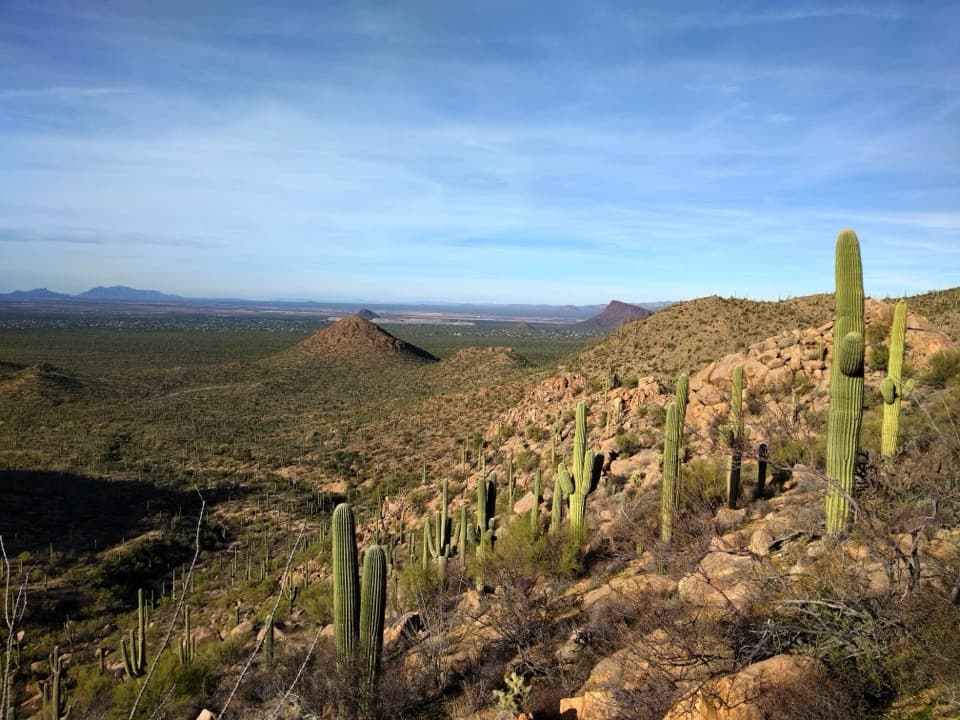
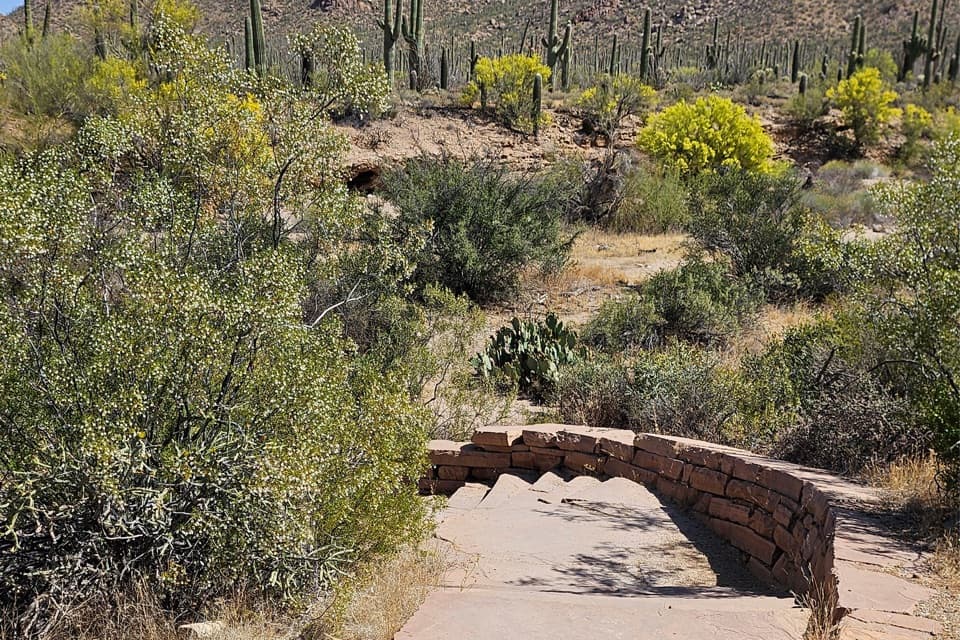
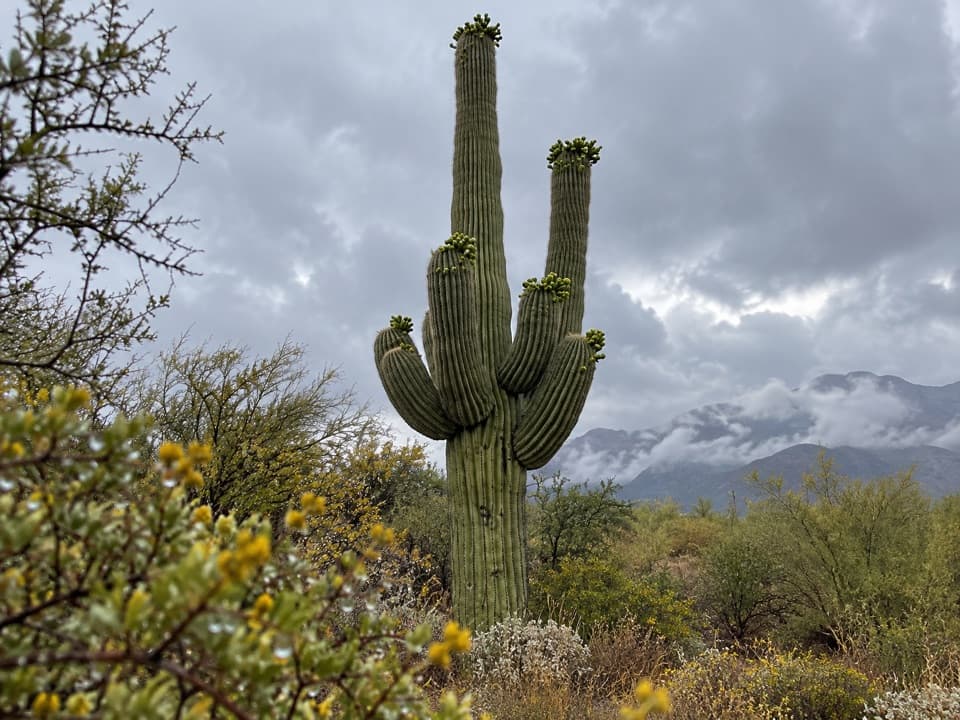
Expect broad stands of saguaro, a big tailings pile, scattered foundations and timbers, and a sealed (grate-covered) mine opening—an eye-opening reminder that this landscape was once heavily prospected. After wet winters, the lower desert pops with wildflowers, and the creosote flats can glow.
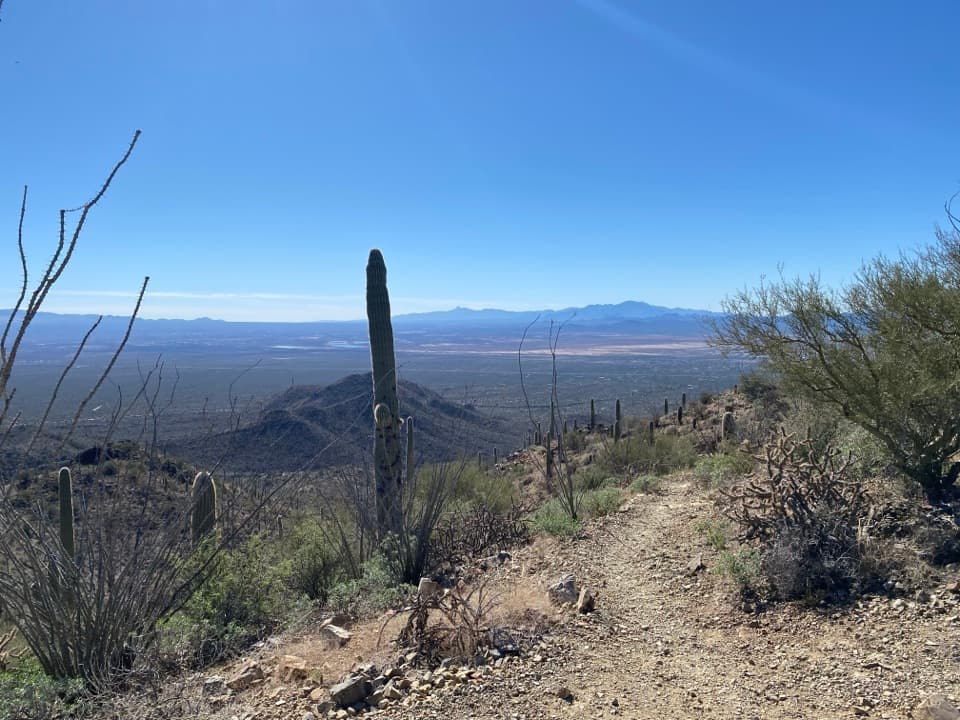
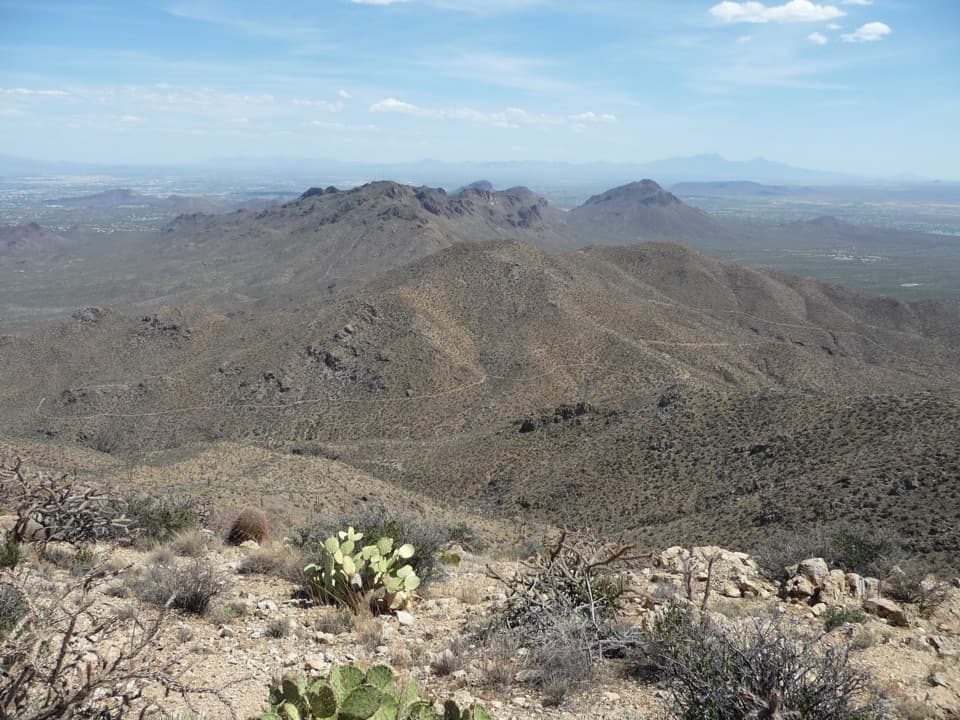
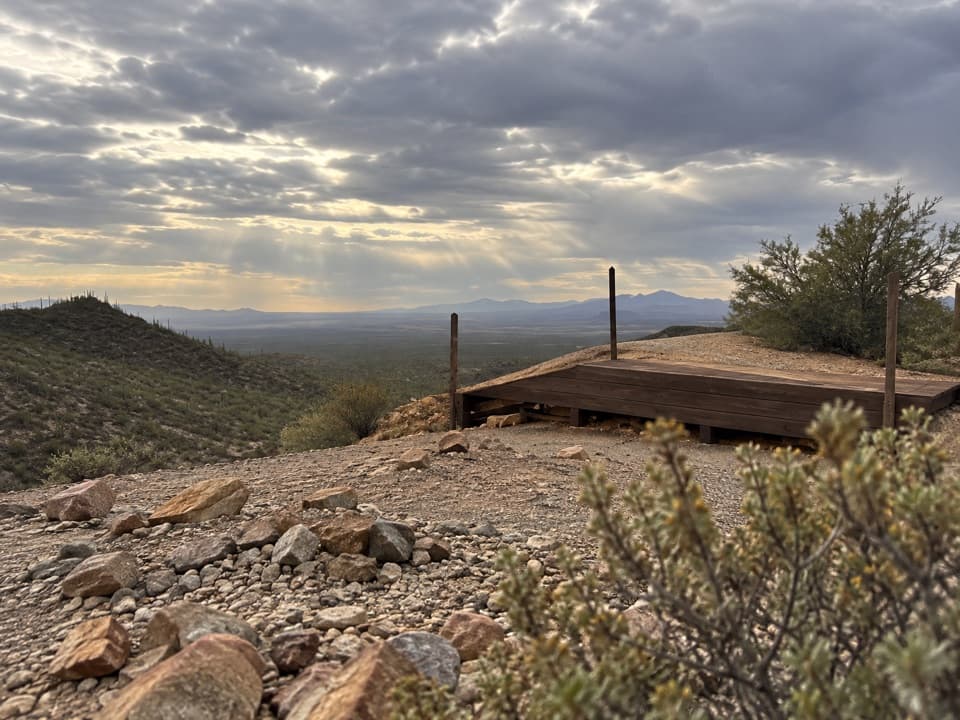
Most visitors do this as a 2.4–2.5 mile loop with roughly 400 feet of gain—enough to feel like a hike without committing your whole day. If you’re chasing summits, the Gould Mine Trail also links into the longer Wasson Peak loop; expect rugged, rocky tread and amazing 360-degree views if you go big.
This is the Amole Mining District, which includes well over a hundred historic sites. Gould Mine was a copper play in the early 1900s—promising on paper, meager in production. You’ll see what’s left: the sealed, very deep shaft, the tailings, and a stone powder house. The broader district’s mining story—and even New Deal-era erosion-control work—still shapes the trails you’re walking.
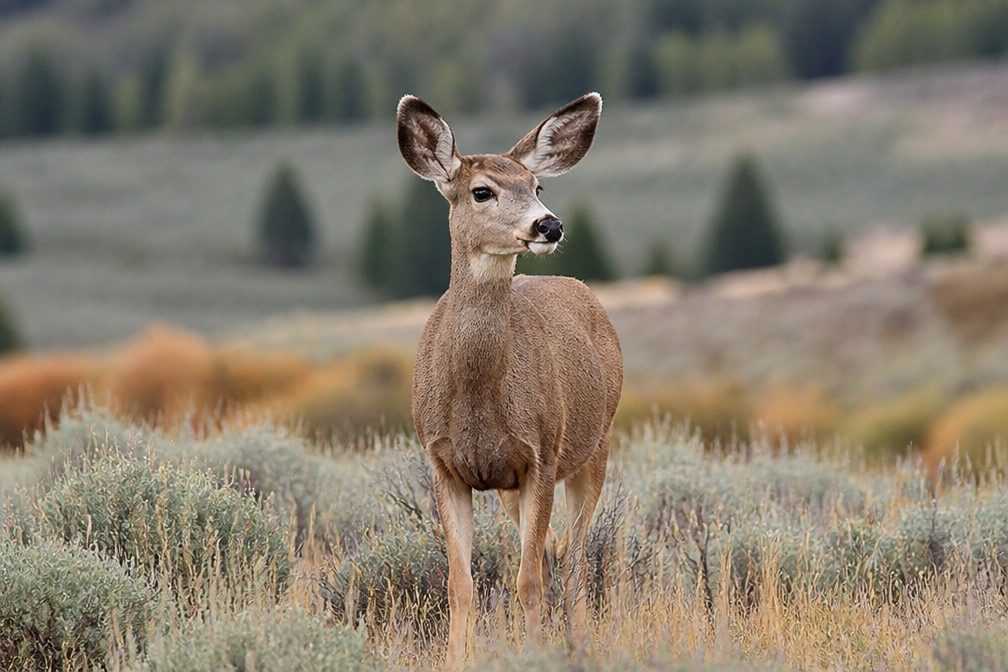
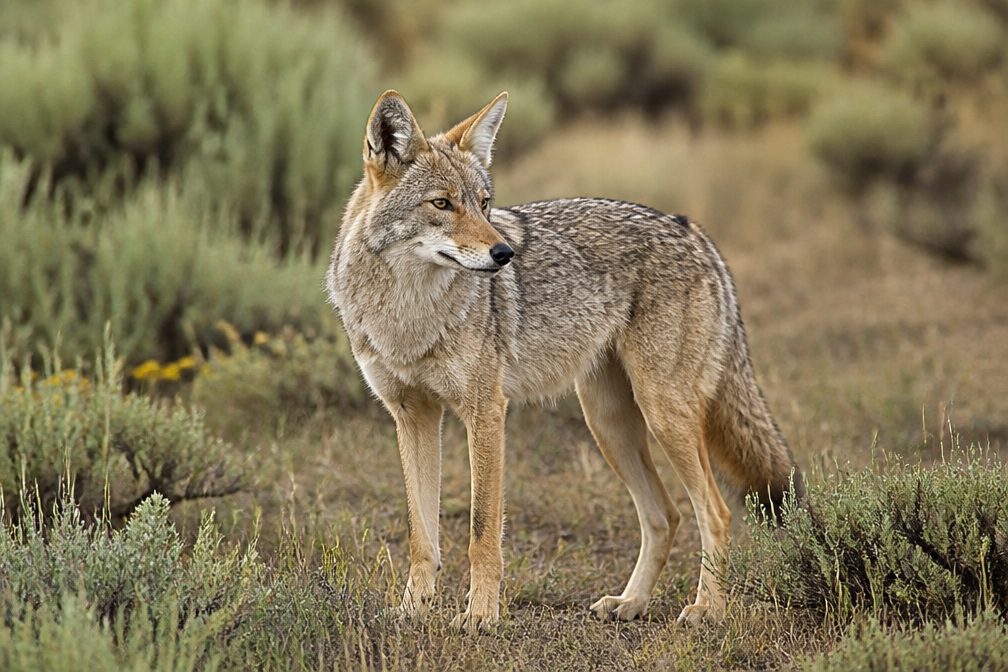
Keep your eyes peeled for desert regulars; hikers in this zone report encounters ranging from deer to the occasional gila monster. Just down the canyon, you’ll find petroglyphs that speak to much older human stories on this landscape.
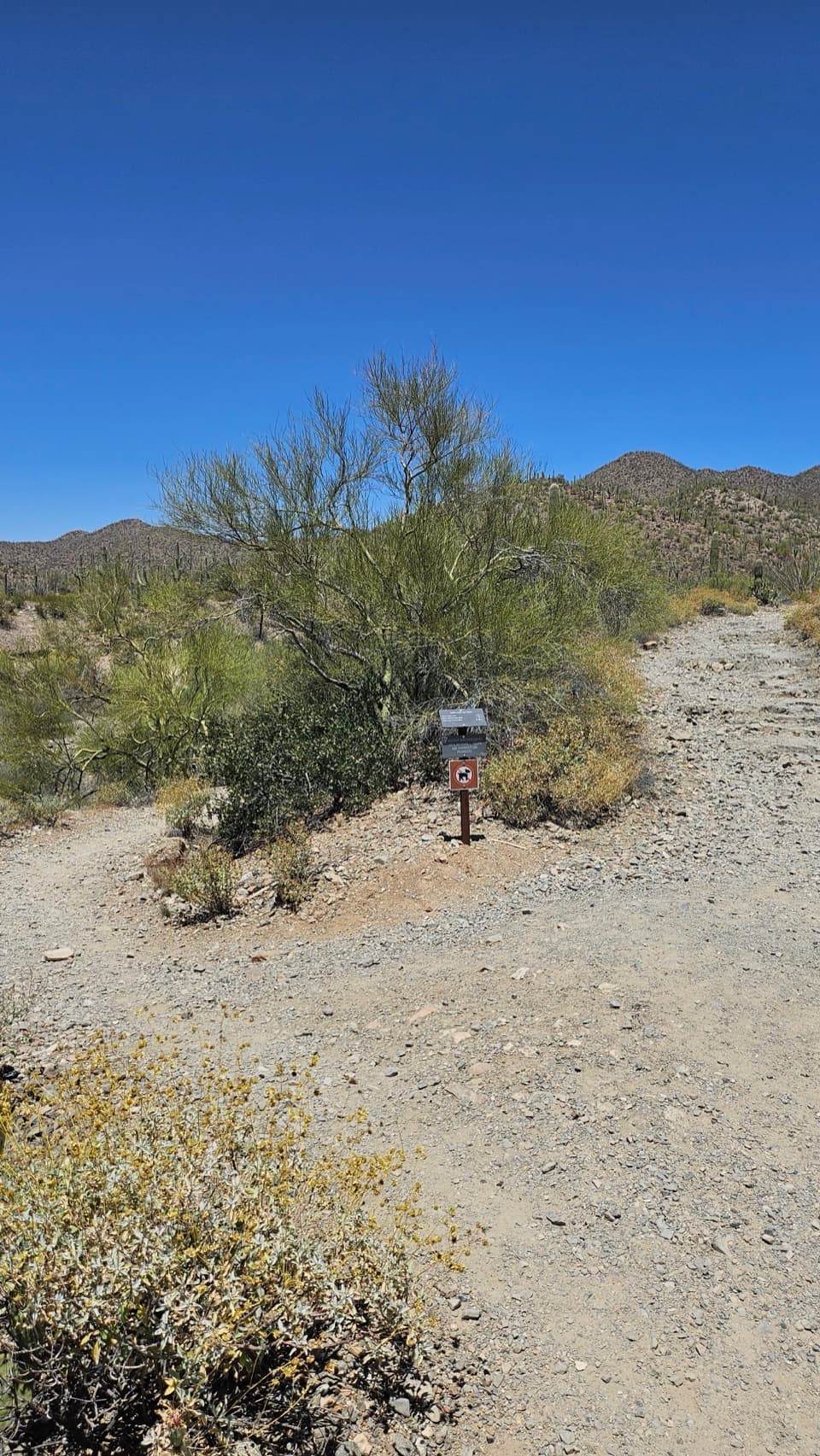
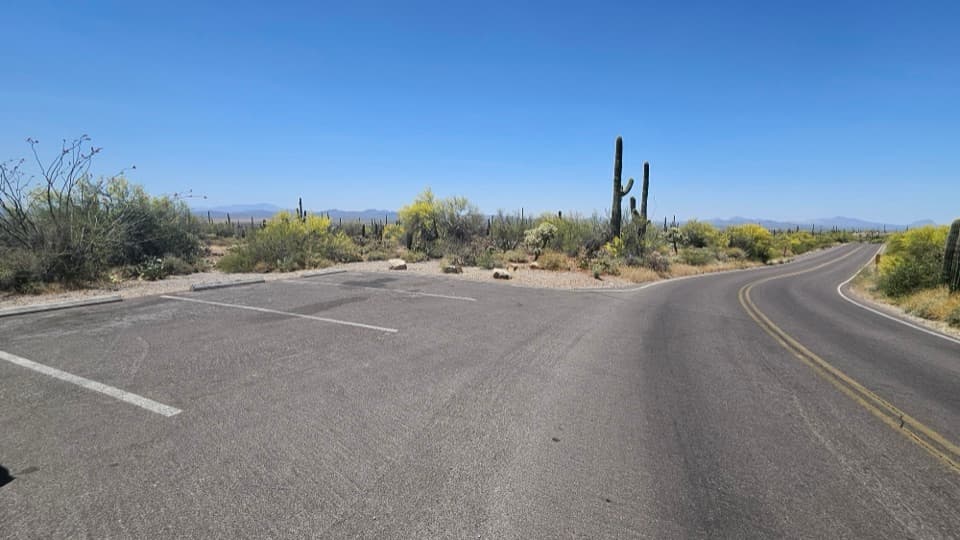
Stay on marked trails and give all mine features a wide berth—even sealed openings and crumbling structures are hazardous. There’s no shade and no water on the loop; start early, carry more water than you think you need, and use sun protection. Dogs aren’t allowed on these trails. Vehicles are permitted in the West District from sunrise to sunset, and the small parking areas can fill on weekends.
There are no restrooms at the King Canyon/Gould Mine trailhead. Hit the Red Hills Visitor Center beforehand. Bring all your water—trailheads and picnic areas don’t have it. An entry pass is required; the 7‑day vehicle pass covers both districts.
November–March is the sweet spot for temperatures and hiking comfort. Start at sunrise for cooler air, softer light on the saguaro forest, and better odds at parking. After wet winters, late winter to early spring brings the best wildflower color; summer afternoons are punishing and not recommended.