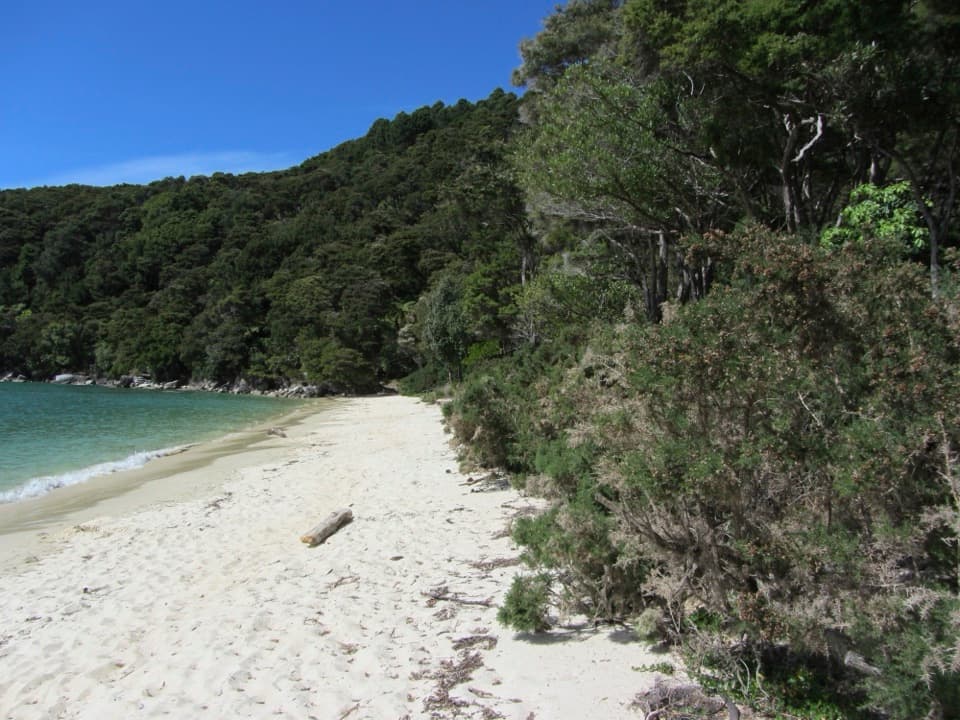
1 active Abel Tasman alert
- ClosureRoad resealing closures near Kaiteriteri, 29–30 OctoberExpect rolling closures on roads near Kaiteriteri from 6am to 8pm on Thursday 29 and Friday 30 October while crews reseal the roads.Official details
Lodging · Abel Tasman National Park
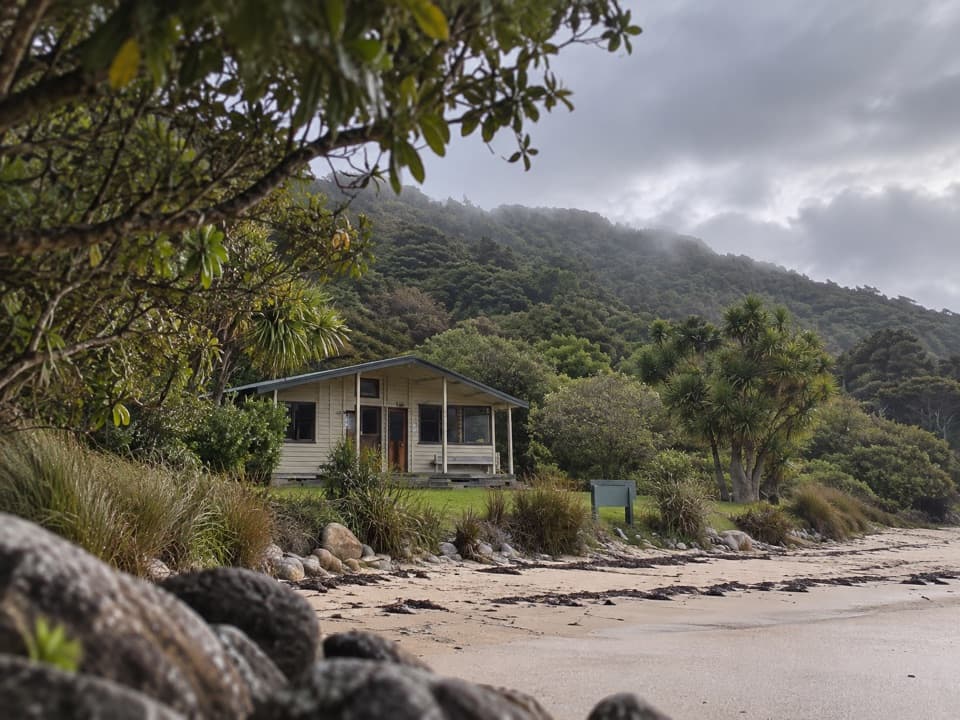
An estuary-side Great Walk hut with a cold outdoor shower.
Overview
Map
Plan your stop

The highest, rockiest slopes around here are a summer buffet for grizzly bears.
Abel Tasman Tour Guide
Parkwolf is a GPS audio tour guide for Abel Tasman National Park. As you drive, it chimes in with what’s ahead: hidden gems, upcoming stops, history, geology, and wildlife, right through your car’s speakers.
More stories near here in the app
“Fantastic app with many points of information… It’s great to just turn on while you’re driving and it gives you an audio tour of the national Park. We love it!!!!”


Guide
Awaroa Hut is a 26-bunk Great Walk hut beside the tidal flats on the Abel Tasman Coast Track. It’s a booked overnight stop, not a drive-up attraction; I’d plan a night here if you’re walking the coast rather than detouring just to see the hut.
The hut has communal bunks, a wood burner, flush toilets and a cold outdoor shower. The estuary and beach are right outside, and that setting is a big part of the appeal. It’s a close-quarters stay, so don’t expect a quiet private room.
Awaroa Inlet is a tide-dependent crossing on the through-route. Check DOC’s current tide guidance before you set your walking day; the crossing can involve shallow water or mud. From Tōtaranui, the hut is about 7.1 km along the Coast Track, roughly 2 hours 20 minutes. You can also arrive by boat to a track access point; there’s no drive-up access to the hut.
Book ahead and bring your own food, portable stove and fuel. These huts have no gas cooking facilities or lighting, so DOC says to bring candles too. Carry drinking water or a way to treat it; the hut’s current potable-water arrangement isn’t clear.
Wildlife
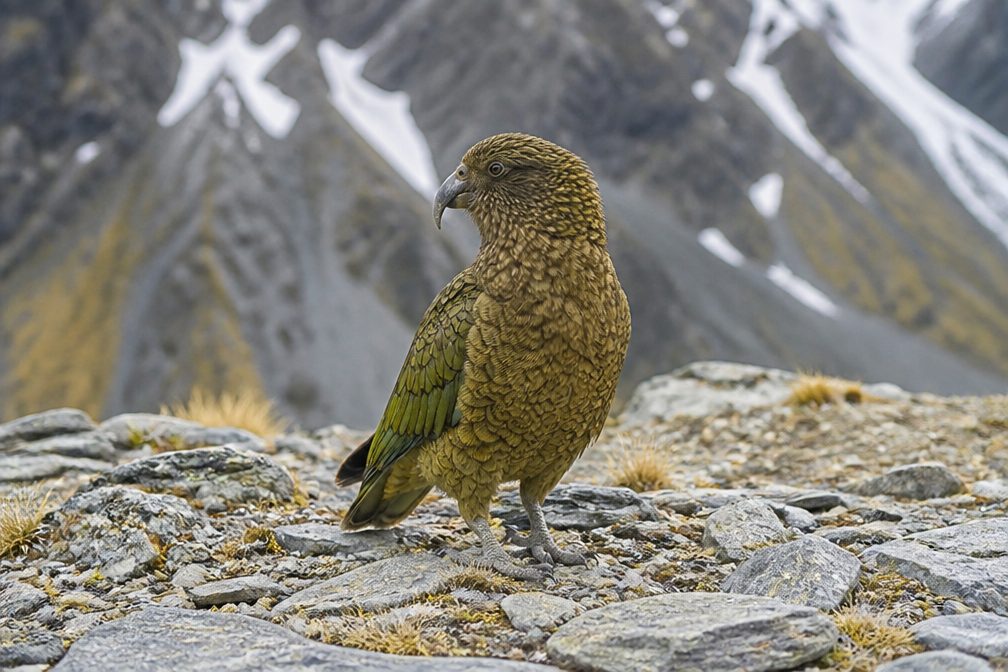 10 sightingsKeaMost seen around 10 AMSighting map
 54 sightingsNew Zealand Fur SealMost seen around 10 AMSighting map
 20 sightingsLittle PenguinMost seen around 9 PMSighting map
 21 sightingsSouth Island KākāMost seen around 5 PMSighting map
 527 sightingsWekaMost seen around 9 AMSighting map
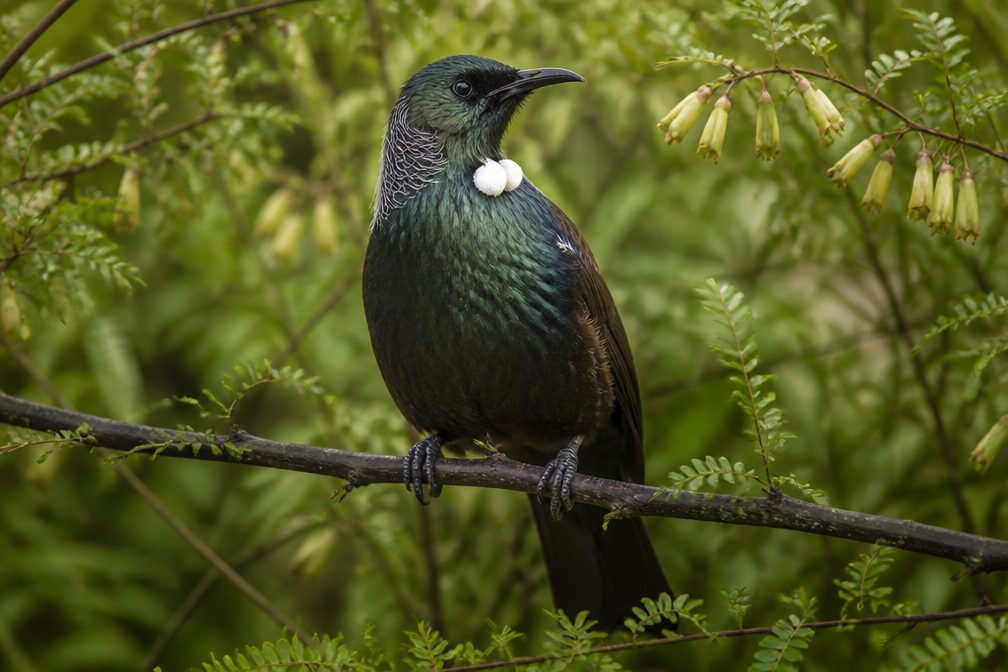 16 sightingsTūīMost seen around 7 AMSighting map
Sighting maps show where each species has been reported across Abel Tasman. Wildlife moves, so no sighting is guaranteed.
Keep exploring
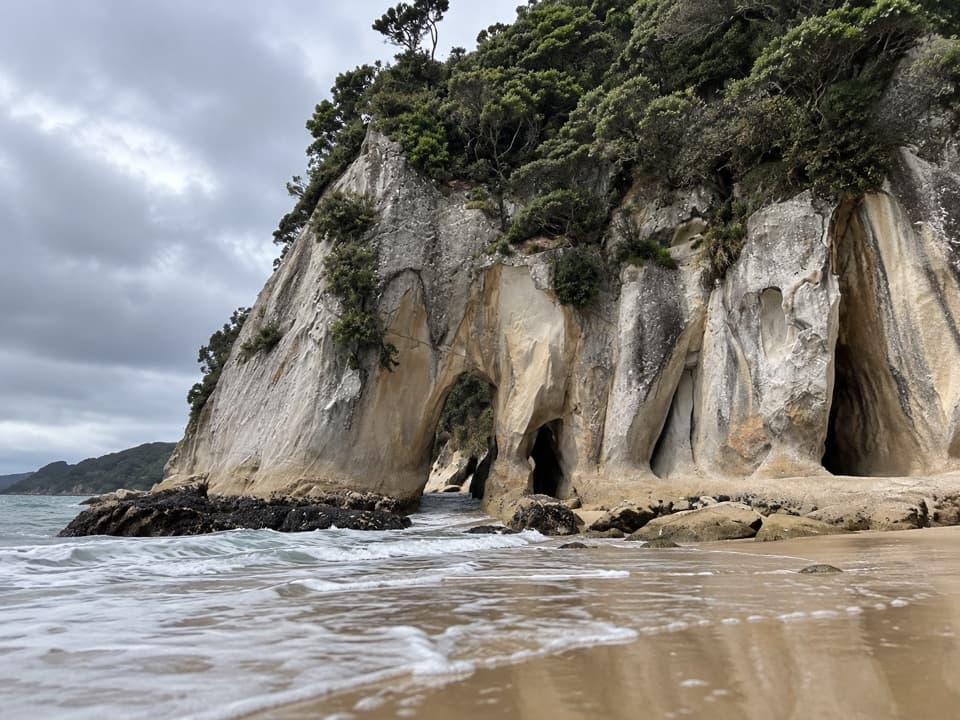 ModerateTonga Arches Walk12.6 km · 5.5 hr · 1.8 km awayA remote Coast Track outing toward low-tide granite arches
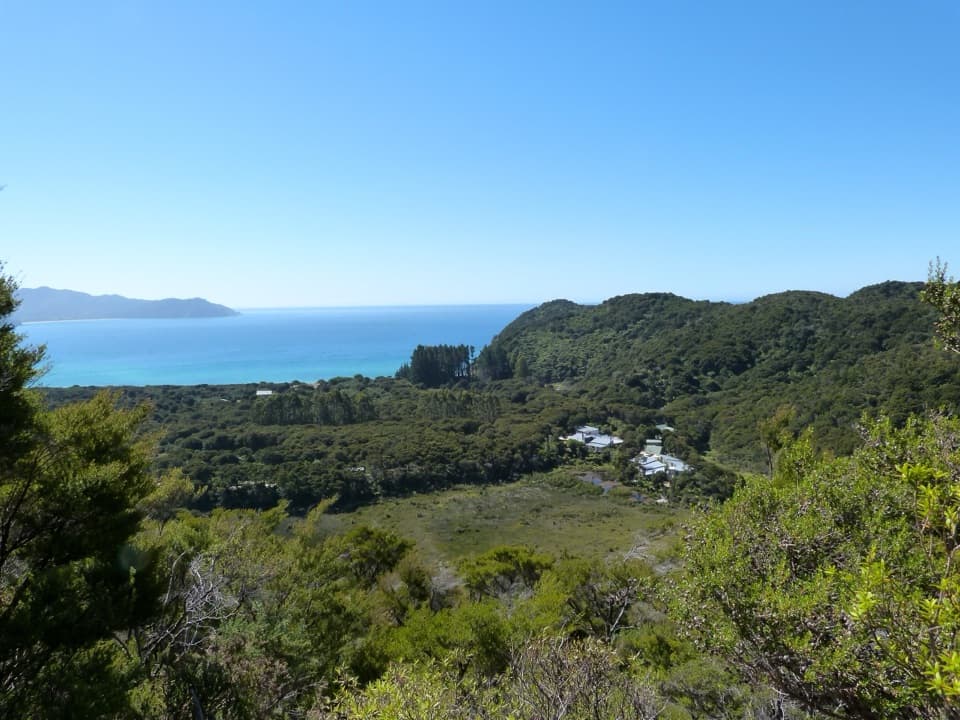 ModerateSky Track1.9 km · 1 hr · 2.1 km awayA short hill climb to a broad Awaroa Bay view.
 ModerateOnetahuti Bay to Awaroa Hut7.1 km · 2.5 hr · 3.3 km awayA wetland boardwalk leads to a ridge above Onetahuti Bay.
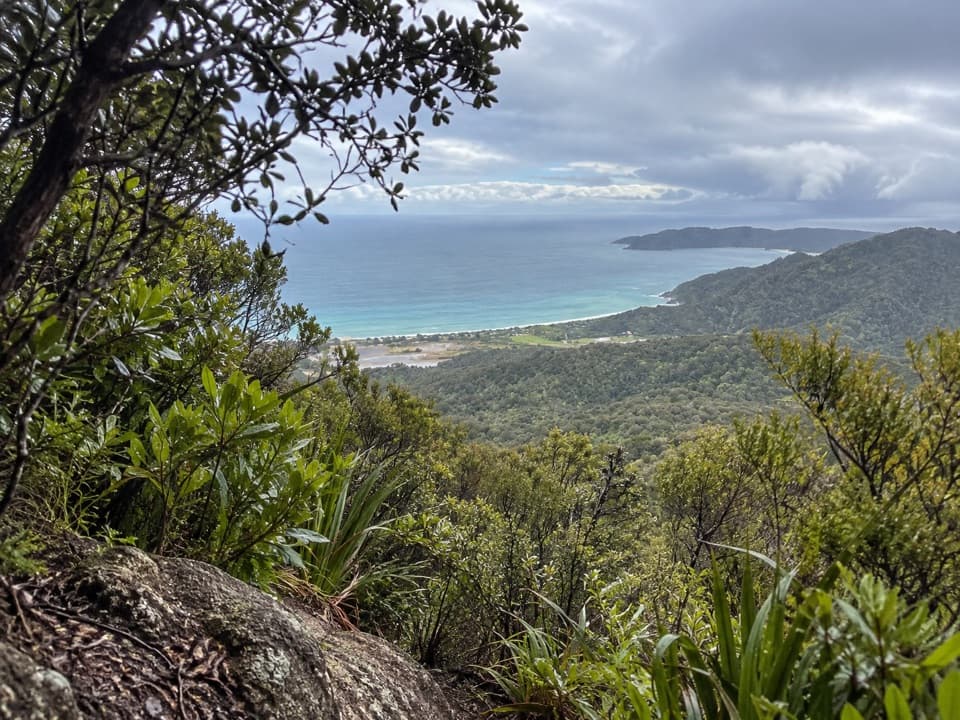 ChallengingGibbs Hill Track from Tōtaranui9 km · 3.8 hr · 4.9 km awaySteep climb from Tōtaranui to a clear-day bay panorama.
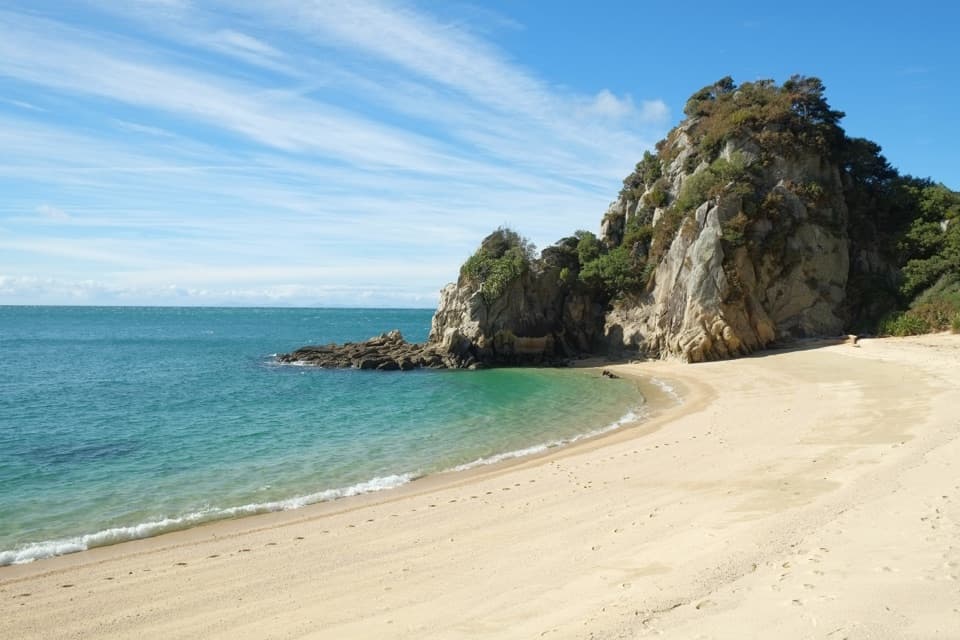 ModerateTōtaranui to Separation Point14.4 km · 4.5 hr · 4.9 km awayGolden beaches, nikau gullies, and a headland between two bays.
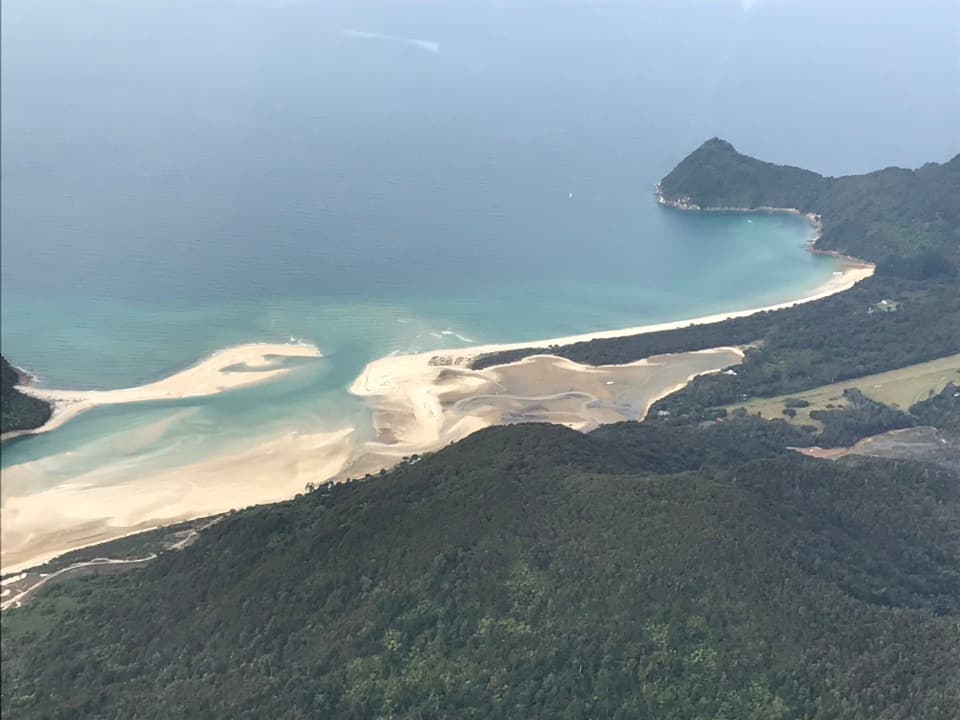 ModerateTōtaranui to Awaroa Bay9 km · 3 hr · 4.9 km awayA low-tide crossing turns this coast walk into a proper outing.
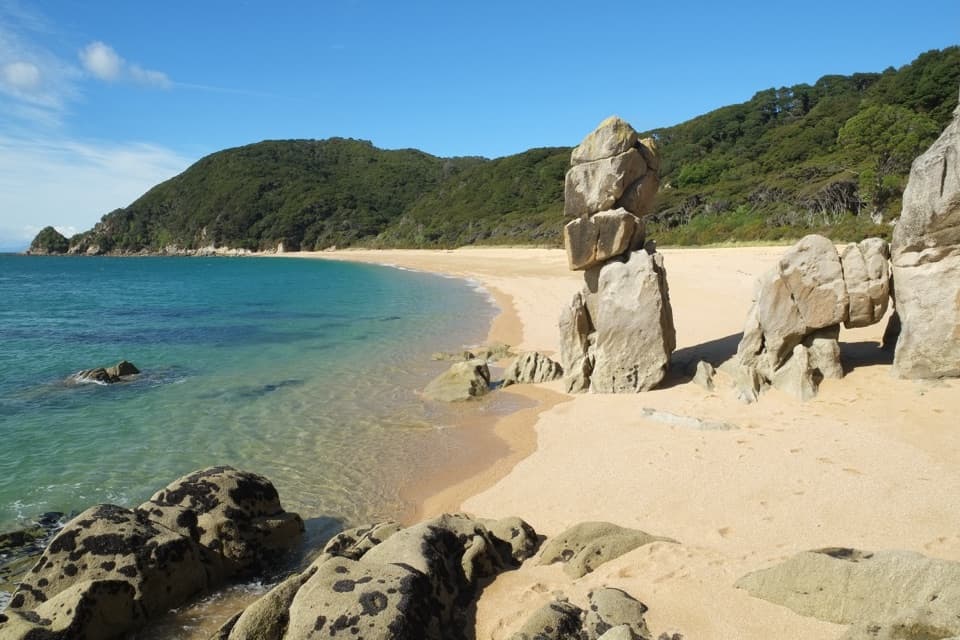 ModerateTōtaranui to Anapai Bay6.4 km · 2.5 hr · 4.9 km awayA low saddle leads to Anapai’s divided beach and granite stacks.
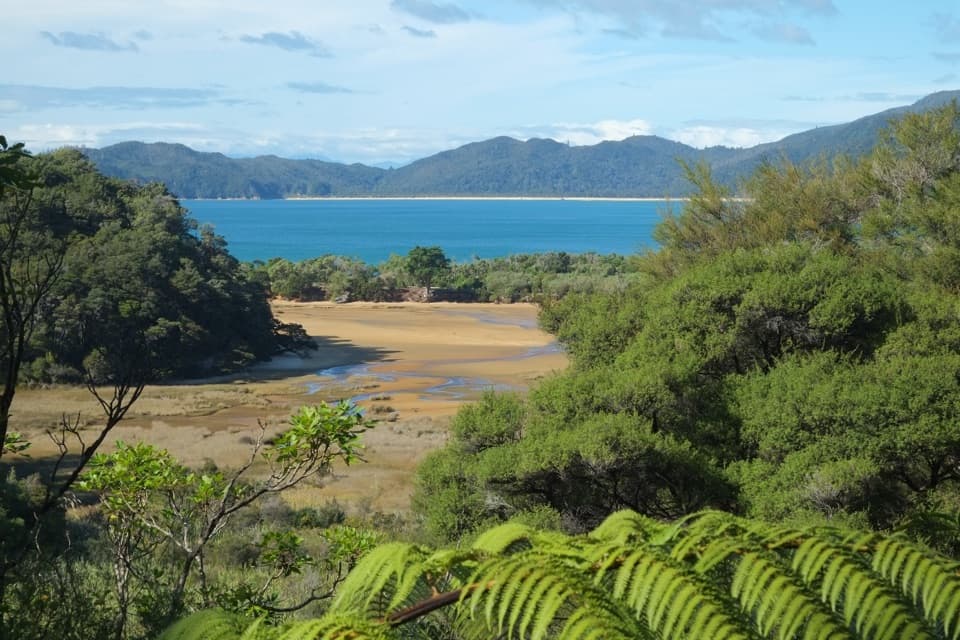 ChallengingGibbs Hill to Whariwharangi Bay Loop Track18.3 km · 5.5 hr · 4.9 km awayA steep ridge and a restored homestead reward the coastal loop.
 Campground · 0.1 km awayAwaroa CampsiteAn 18-site estuary camp that catches good winter sun.
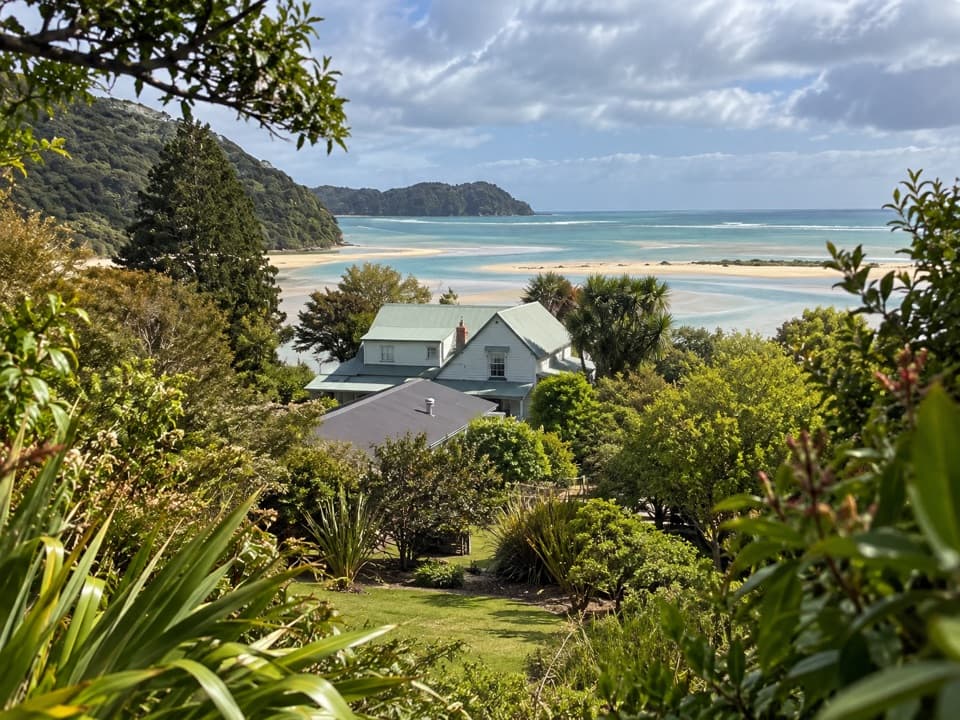 Lodging · 0.8 km awayMeadowbank Homestead at AwaroaA replica homestead lodge for multi-day Abel Tasman trips.
 Sight · 1.3 km awayAwaroa Steam EngineAn old bark-milling engine, tucked into ferns beside Awaroa.
 Beach · 1.6 km awayAwaroa BeachGolden sandbanks, a tide-shaped inlet, and a beach saved for everyone.
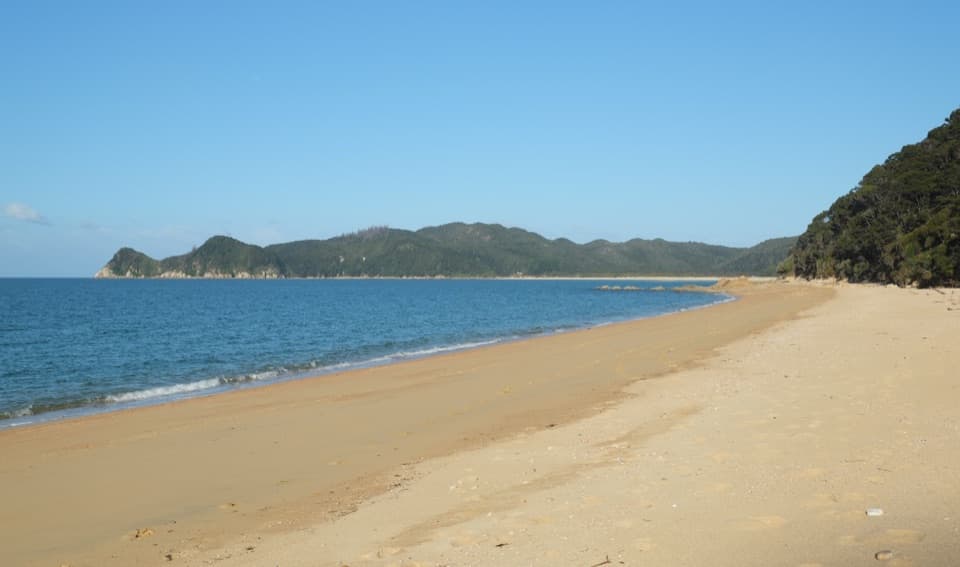 Campground · 1.8 km awayWaiharakeke BayA bush-fringed campsite a short walk from a sandy bay.
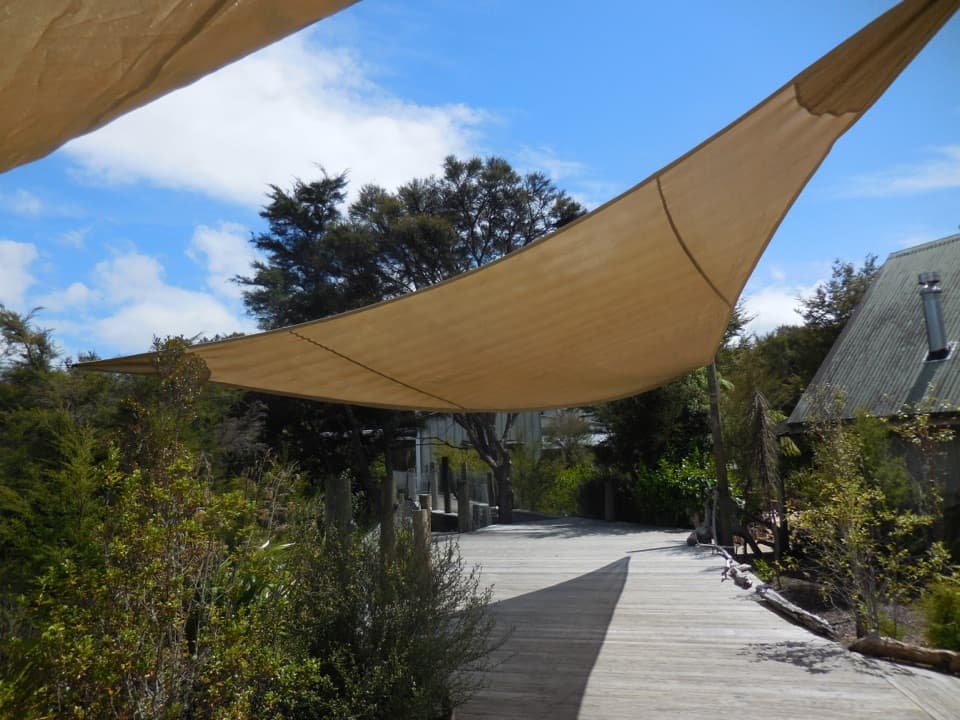 Lodging · 2.2 km awayAwaroa LodgeA proper meal at a remote lodge reached by boat or trail.
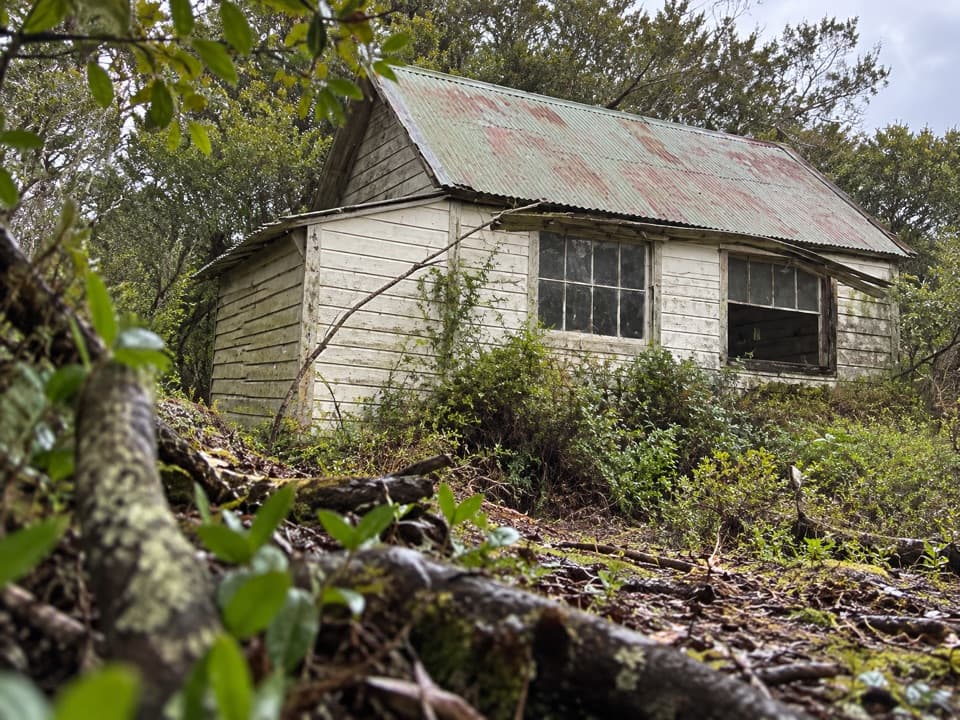 Sight · 2.4 km awayAwaroa Old School SiteA schoolhouse ruin on a tide-shaped walk through Awaroa history.
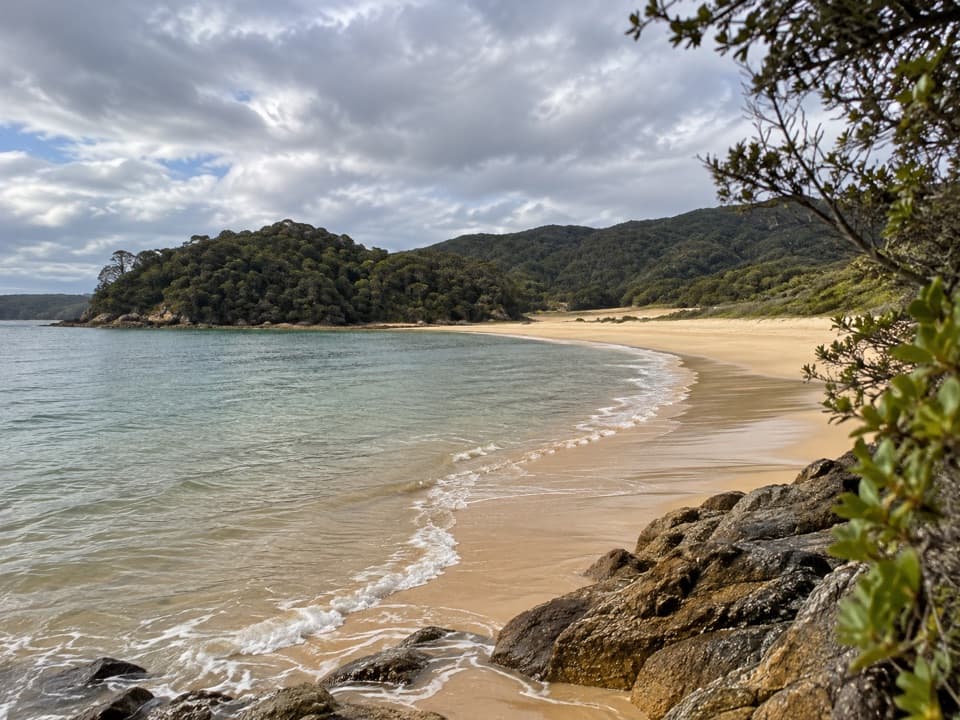 Beach · 3.3 km awayGoat BayA beach stop on the tide-sensitive northern Coast Track.
Parkwolf’s Abel Tasman ranking

The audio tour guide for the drive, plus offline maps, trails, and wildlife heatmaps for when the signal drops.