Place · 0.4 mi away

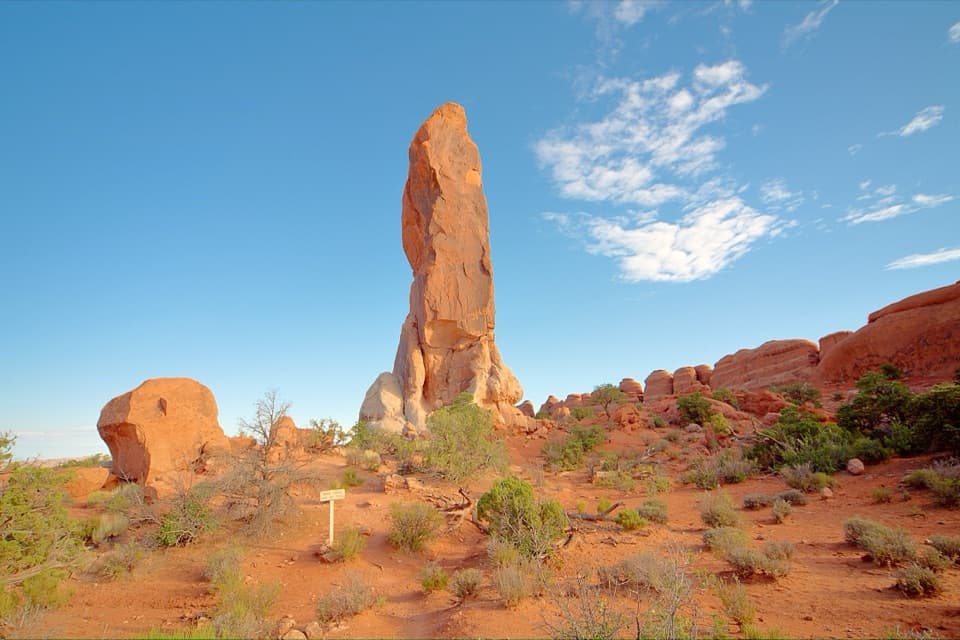
Dark Angel is the moody, freestanding rock spire perched at the far end of the Devils Garden maze. It’s not an arch (a surprise to some), but that’s the point—this vertical pillar feels different from everything you’ve seen on the way in.
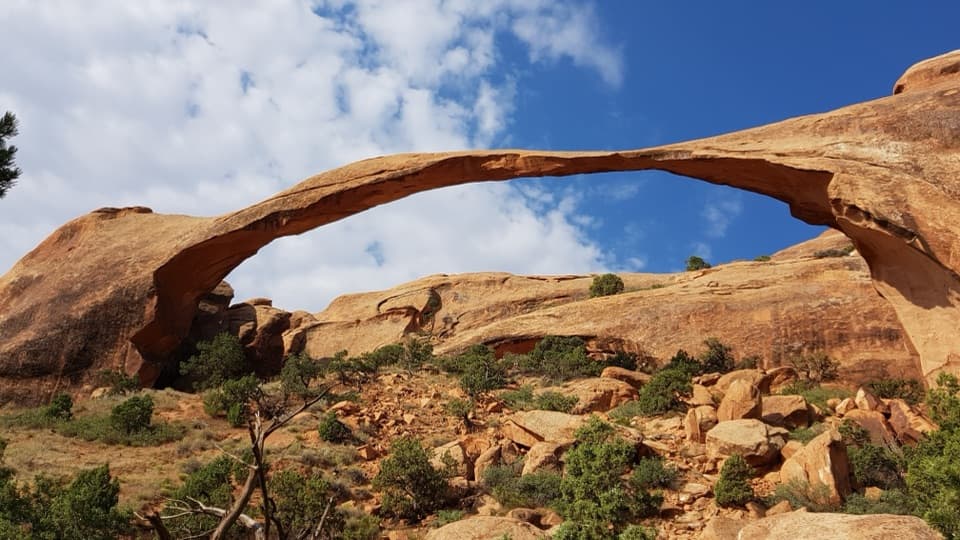
Start from the Devils Garden trailhead. The path is wide and easy to Landscape Arch, then turns rougher on the Primitive Loop. After you pass Double O Arch, a short spur carries you to Dark Angel. The approach mixes slickrock, sandy stretches, and route-finding via cairns—nothing technical, but it’s not a sidewalk either.
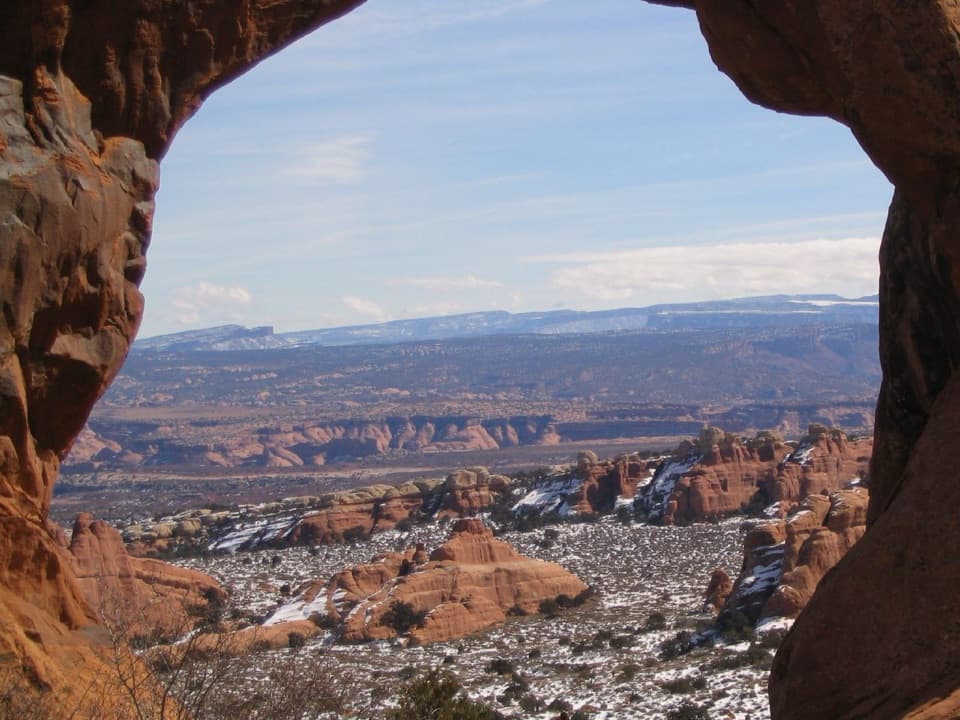
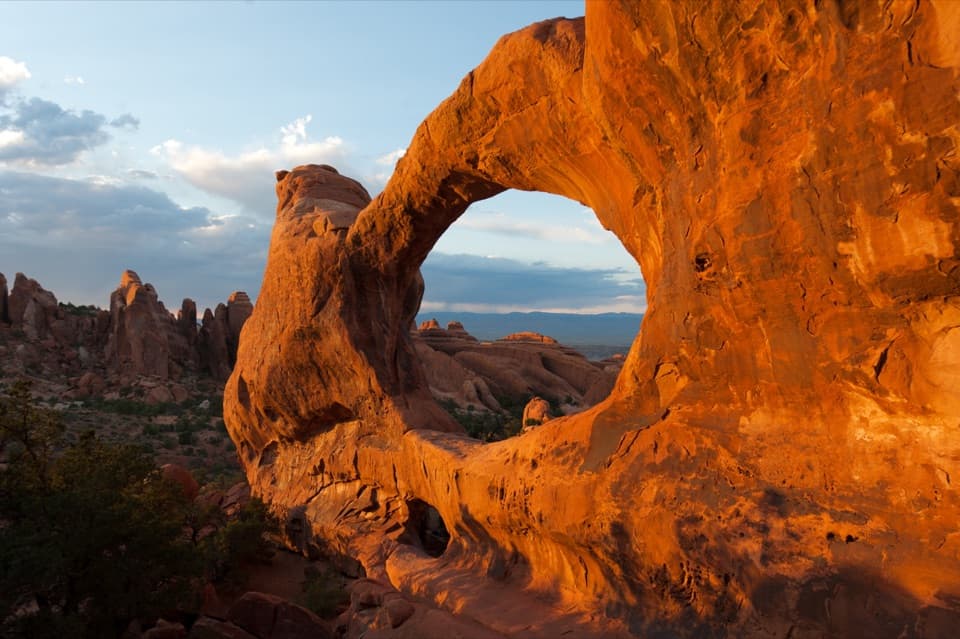
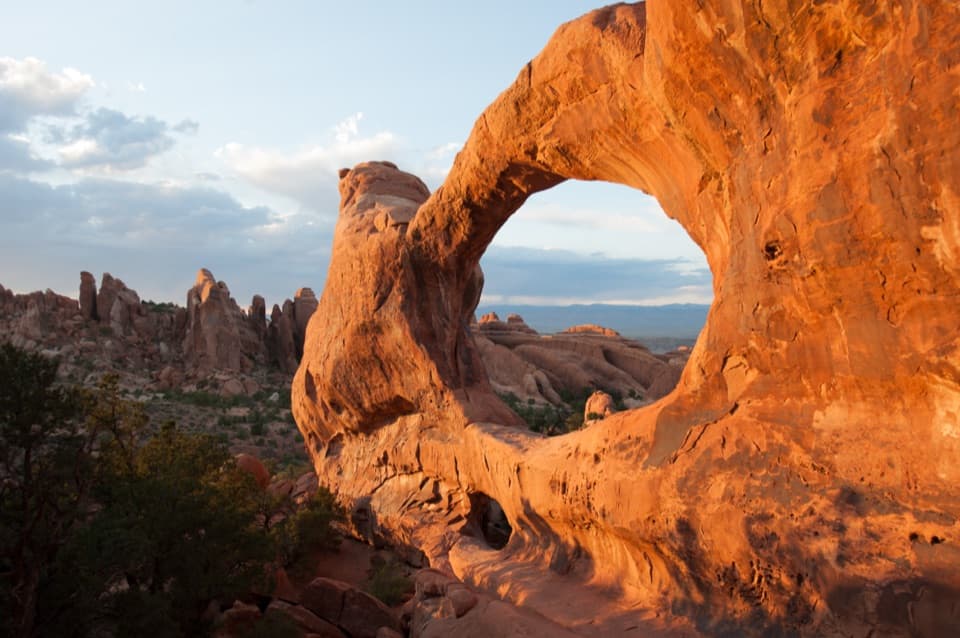
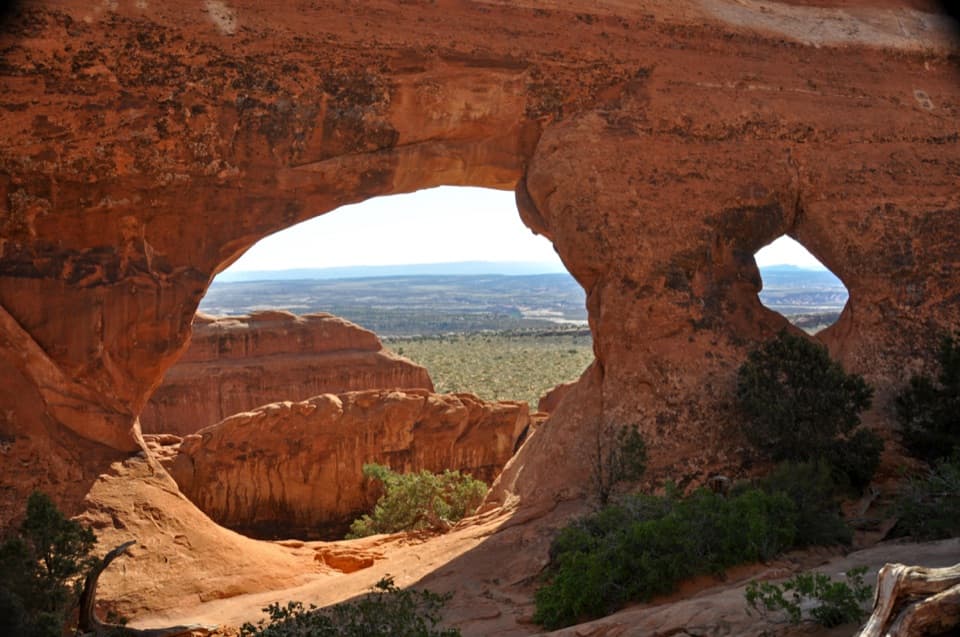
The spire stands alone above Salt Valley, giving big desert views and a welcome sense of solitude compared to the marquee arches you pass en route (Landscape, Double O, plus optional spurs to Navajo and Partition). It’s also a recognized climbing objective, so you may catch climbers inching up the tower.
Expect sun, heat, and very little shade. The improved trail ends at Landscape Arch; beyond that you’re on rougher terrain. The final spur to Dark Angel is mostly flat but sandy, and it can feel longer at the tail end of a big day.
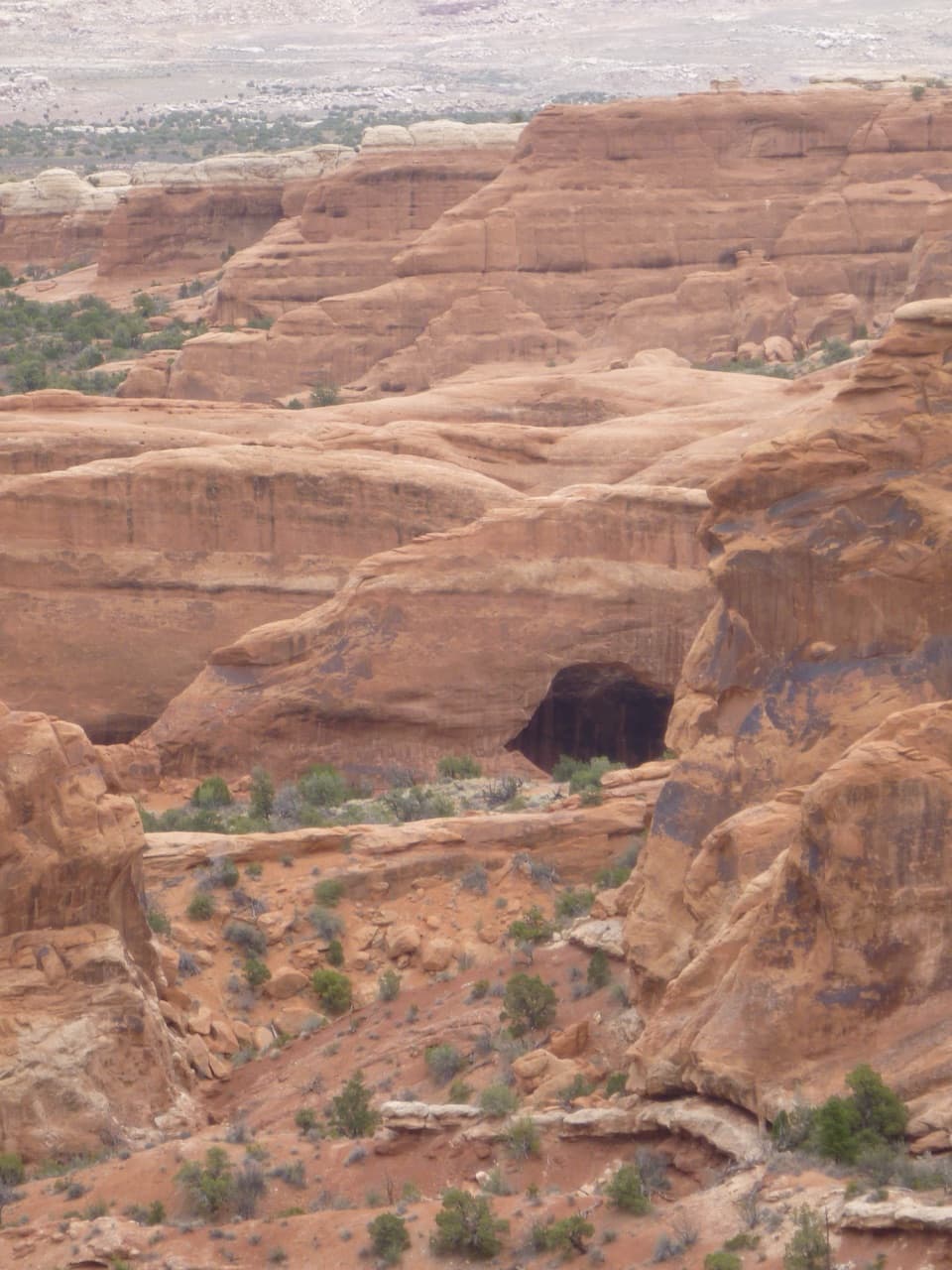
Dark Angel is a sandstone tower carved by relentless erosion in a landscape of parallel rock fins. The broader Devils Garden formed as underlying salt layers shifted and the overlying rock fractured, then weathered into today’s fins, arches, and spires.
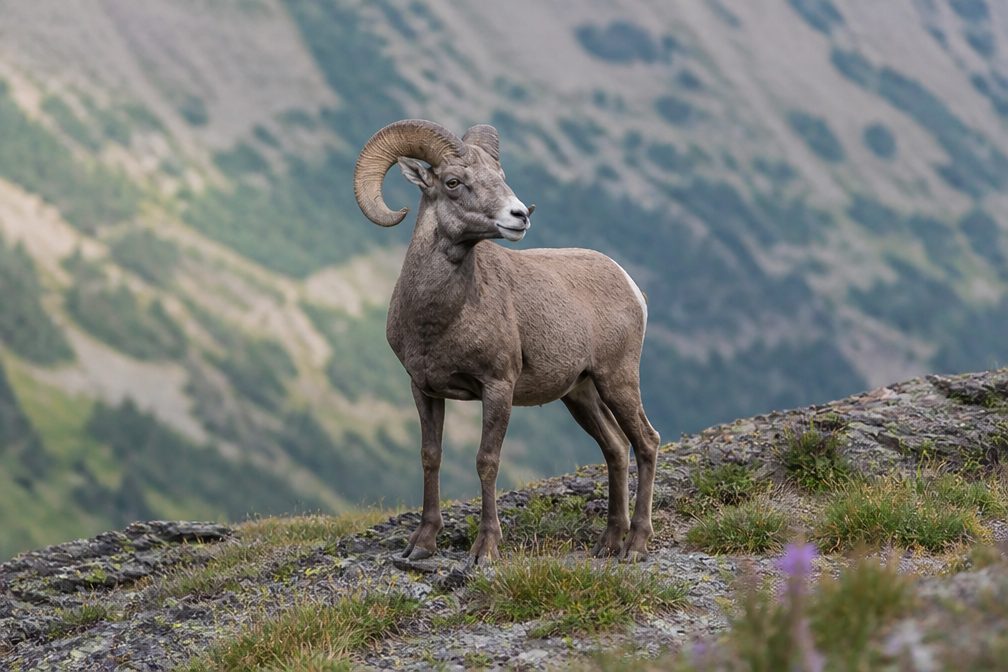
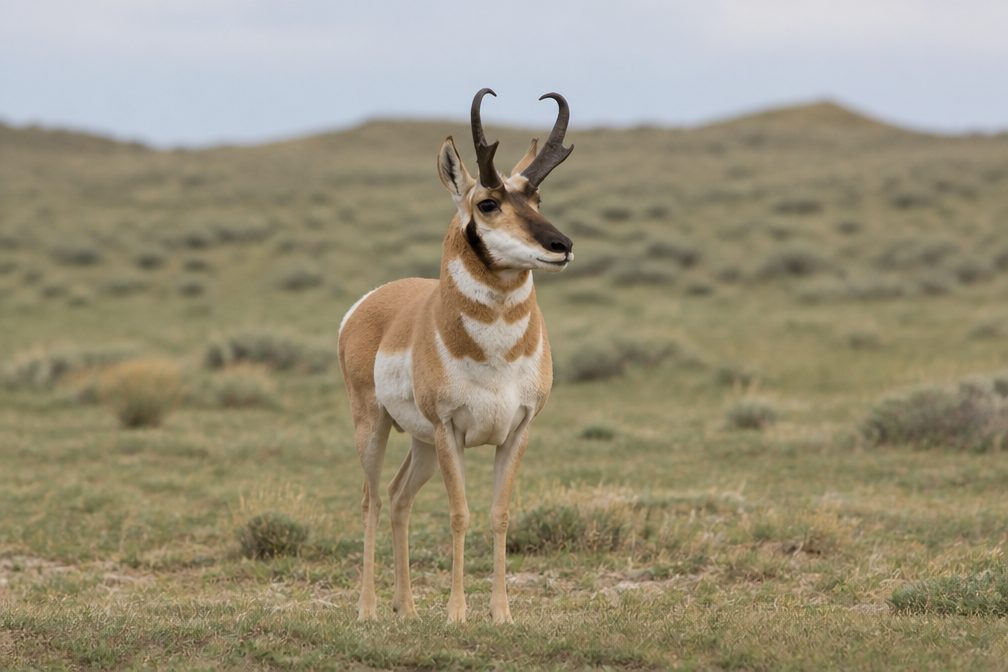
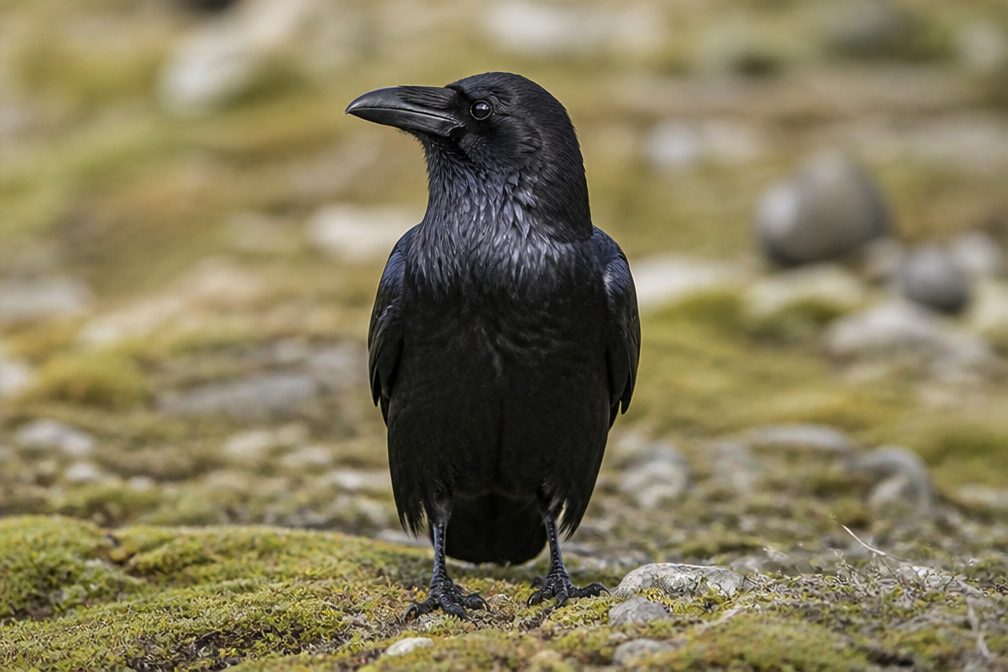
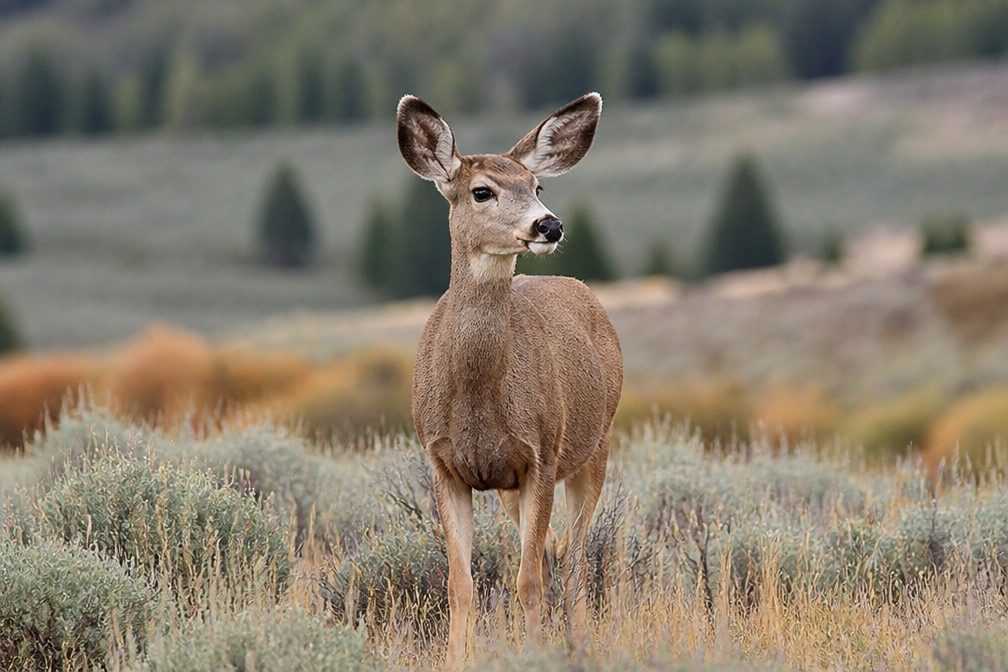
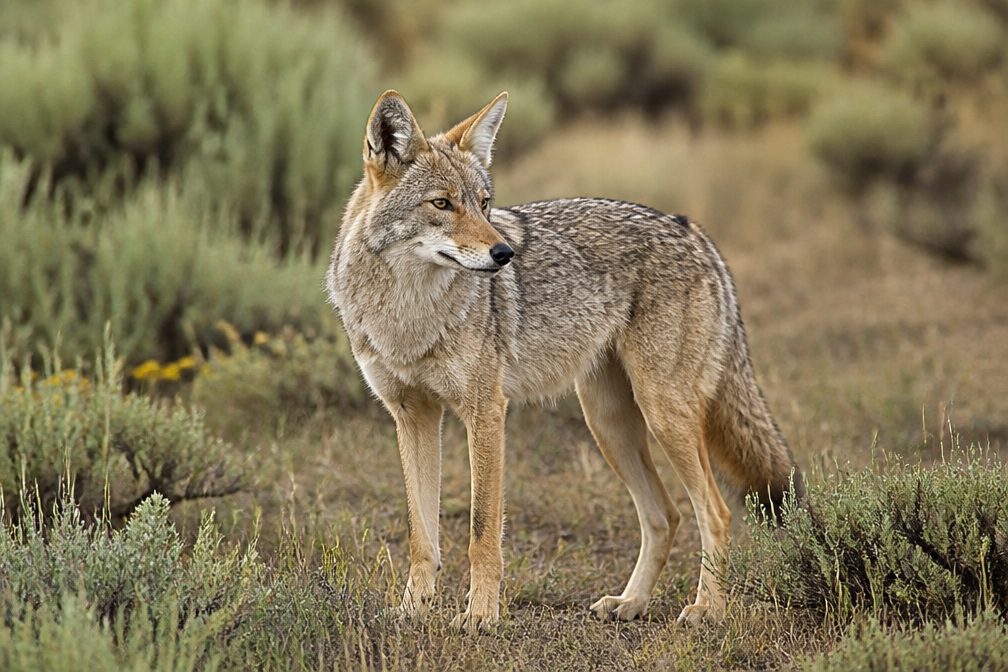
This corner of Devils Garden sees fewer people, which ups your odds of spotting desert lizards, birds, and small mammals along the way.
The spire is an established climb. If you’re heading up, follow park regulations and keep an eye out for any seasonal closures (often for nesting raptors).
Go early or late for cooler temps and better light on the pillar; midday can be harsh and washed out. Crowds thin significantly beyond Double O Arch, so even during busy periods this spur stays relatively quiet.
There are no services at Dark Angel—no water, no restrooms, no shade structures. All facilities are back at the Devils Garden trailhead. Bring more water than you think you’ll need, solid footwear, and a map or GPS—the primitive sections and spurs can be confusing.