
Place · 0 mi away
Challenging
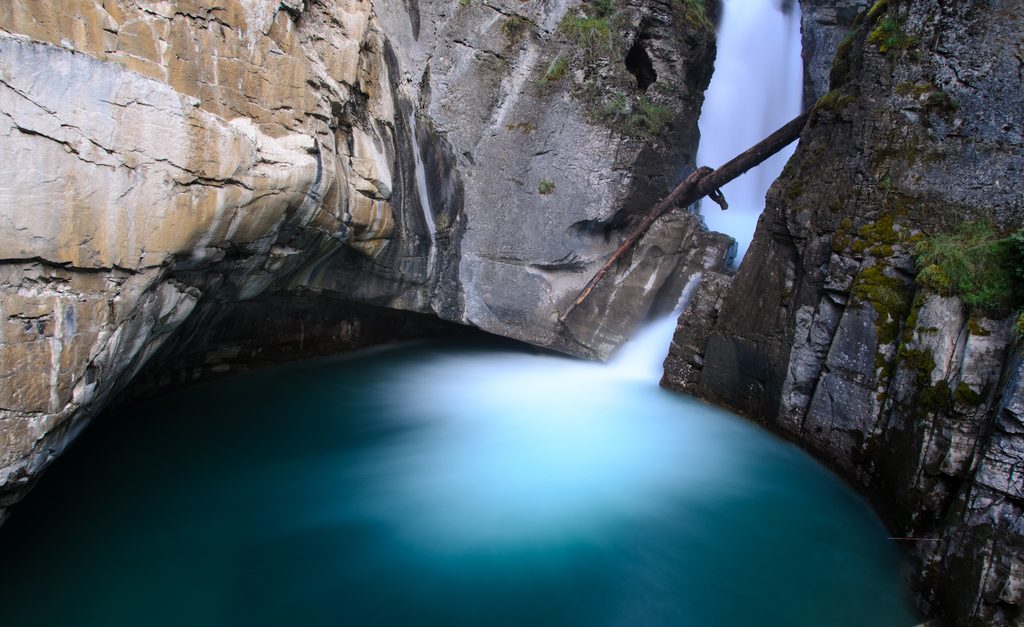
This is a big, rewarding backcountry push that links the touristy spectacle of Johnston Canyon with the quiet meadows and old-growth forests of the Sawback Range before topping out at Mystic Pass and dropping to tranquil Mystic Lake. Expect crowds early, solitude later, and a real sense of wilderness once you’re past the canyon. The full route from Johnston Canyon to Mystic Lake is about 37 km (23 miles) one way via Mystic Pass—most hikers treat it as a 2‑day backpack. Out-and-back doubles the mileage.
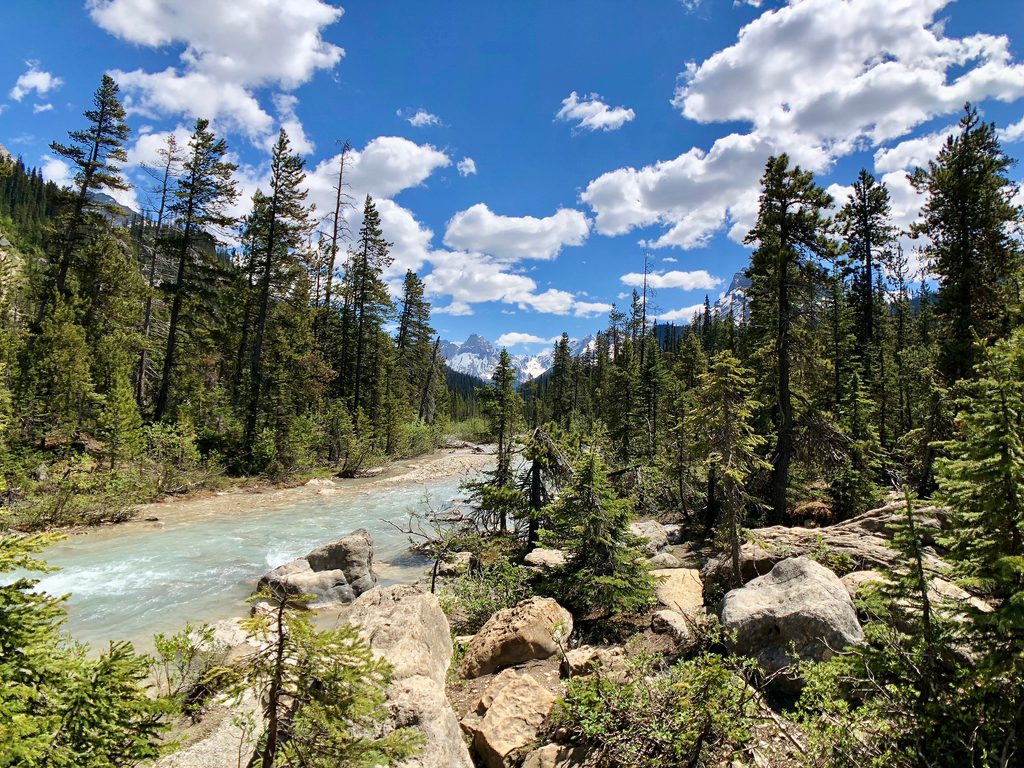
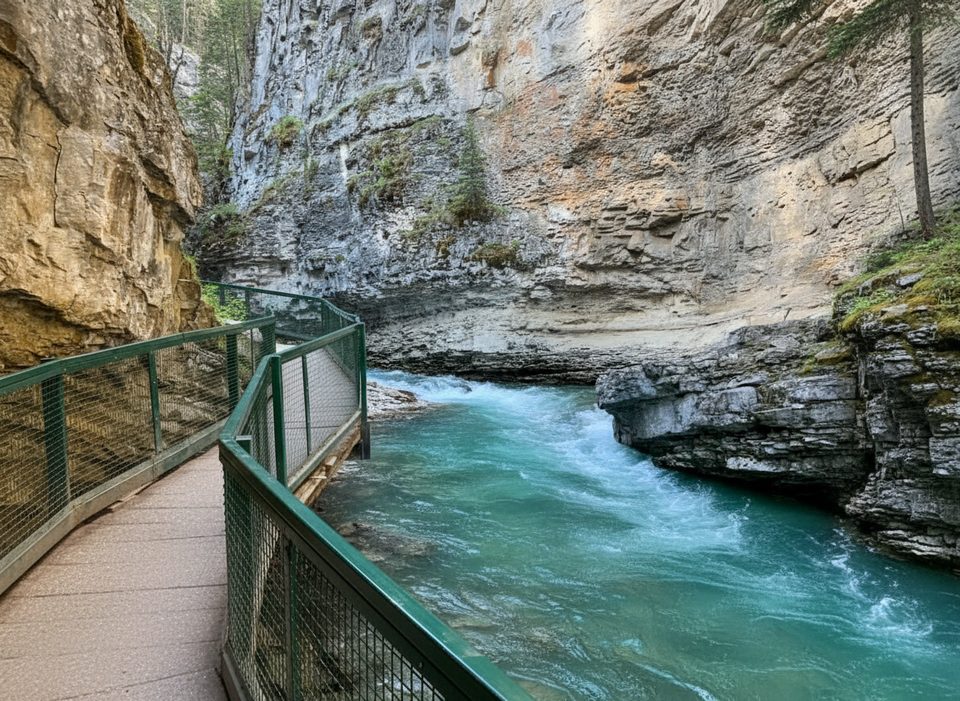
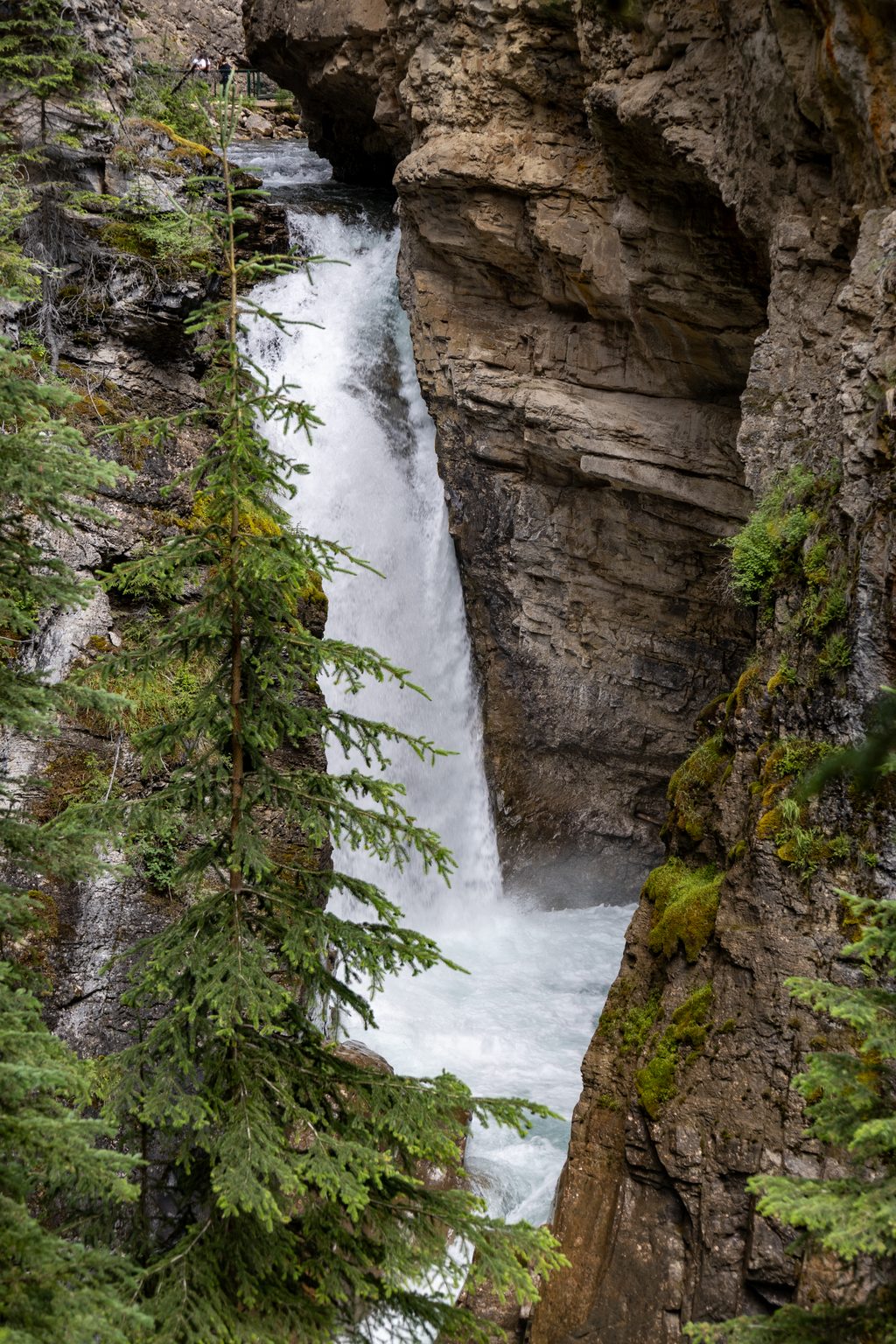
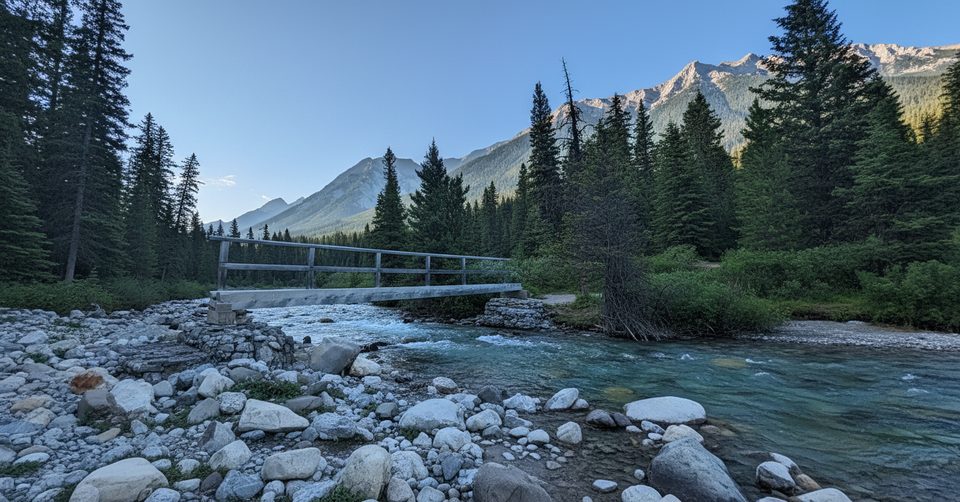
After the catwalks and waterfalls of Johnston Canyon, the trail transitions to packed dirt through forest, then narrows and becomes rootier and more rugged as you approach Mystic Valley. You’ll follow the Johnston Creek drainage toward Mystic Pass, with views into the Sawback Range and peaks like Mystic Peak and Mount Ishbel. There are bridges at key crossings, but expect some rough, horse‑dug sections and a few smaller streams. Net elevation gain sits around 640 m, but the ups and downs make it feel bigger—especially if you traverse the pass.
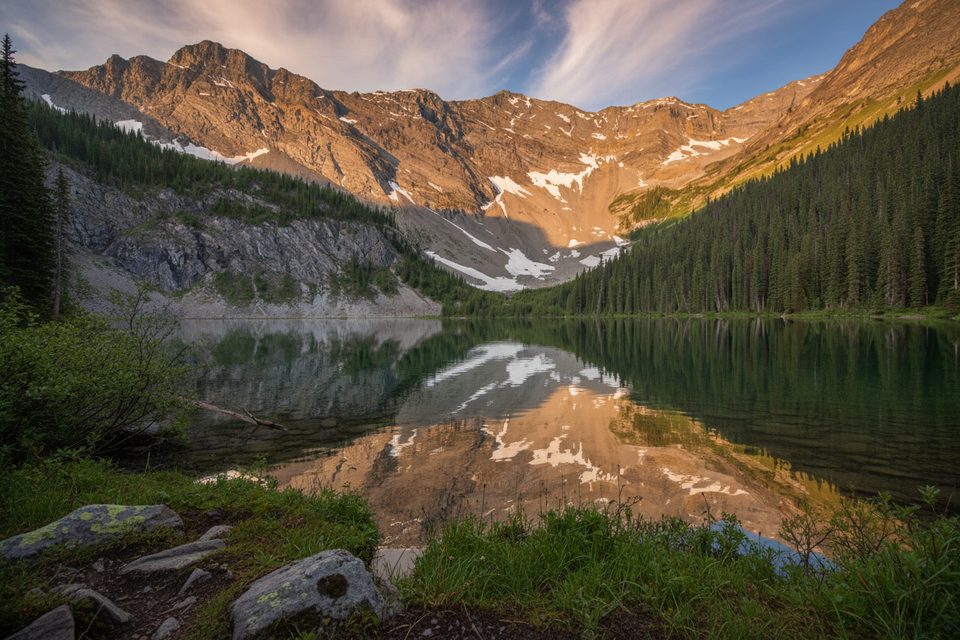
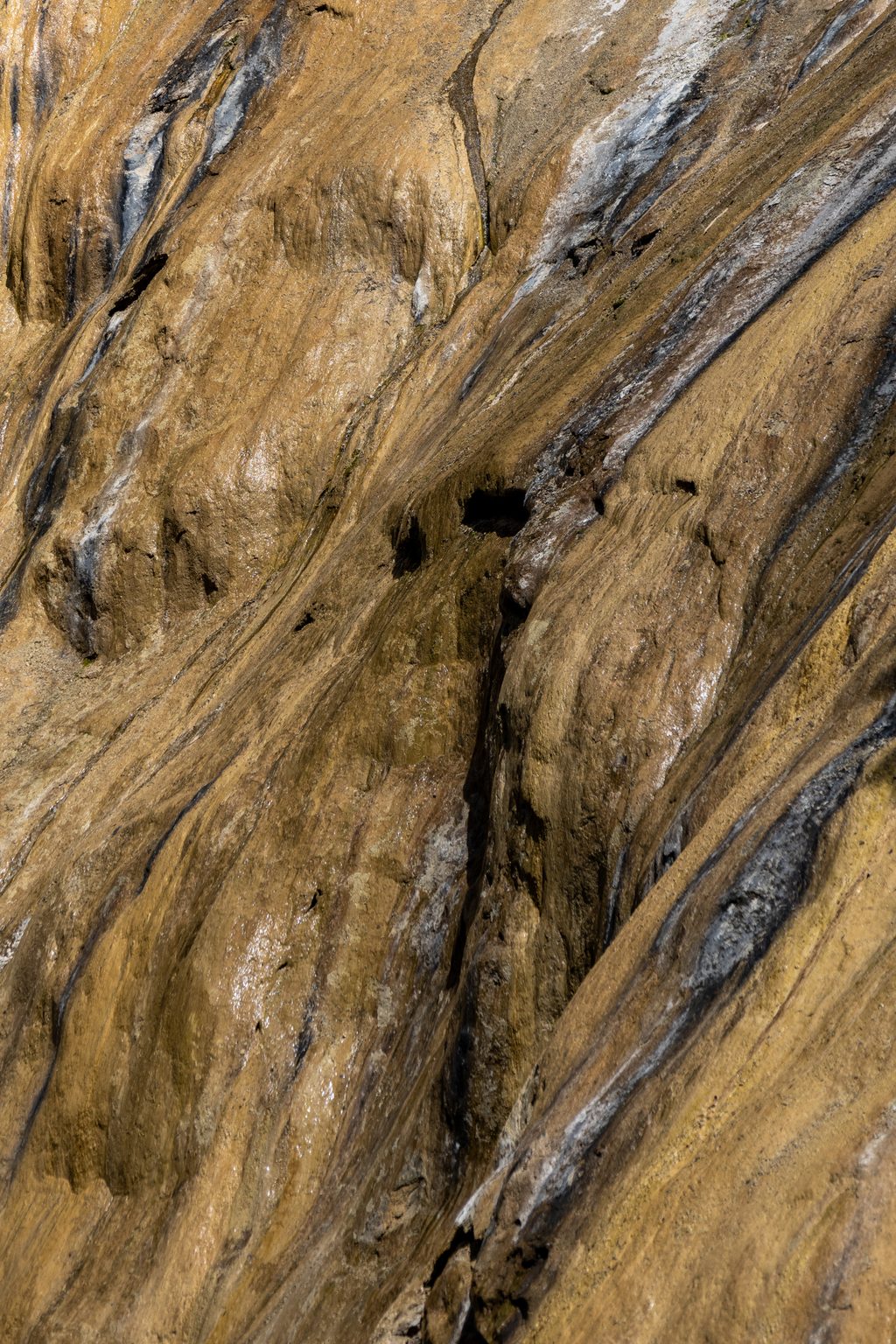
Mystic Lake itself is the payoff: quiet, pristine, and far less visited than Banff’s marquee lakes. Nearby you’ll find a Parks Canada Warden’s Cabin and the Mystic Valley Campground, reminders of the historic patrol routes and horse trails that shaped this part of the park. The landscape—alpine forest, open meadows, and glacially carved valleys—tells a story of ice and water at work over time.
Logistics matter here. This is typically done as a backpacking trip with camping at Larry’s Camp (Jo9) or Mystic Valley (Mi22). You can hike point‑to‑point (popular as part of a shorter Sawback sampler traverse) or as an out‑and‑back from Johnston Canyon or Moose Meadows. If you don’t care about seeing the canyon, start at Moose Meadows to skip the crowds and join the route near the Upper Falls junction. Trail signage is just okay—carry a map or GPS. Wildlife, especially bears, are active; carry bear spray and know how to use it.
Best time to hike: July through September for melted-out passes, blooming meadows, and safer stream crossings. Early season can mean lingering snow and mud. Start early to beat the Johnston Canyon rush and to give yourself ample time over the pass. Pets are allowed but must be leashed. For overnights, reserve designated backcountry campsites through Parks Canada in advance during peak season.
Park at Johnston Canyon along the Bow Valley Parkway (1A); to avoid crowds, use Moose Meadows or the Johnston Canyon Overflow area and connect from there.
This is a long backcountry route with bears, lingering early‑season snow around Mystic Pass, and a few stream crossings. Expect rough, rooty sections and average signage—carry bear spray and navigation.
Place · 0 mi away
Place · 0.1 mi away
Place · 0.6 mi away
Place · 1.2 mi away
Easy · 0 mi away
Moderate · 0 mi away
Easy · 0 mi away
Challenging · 0 mi away

Parkwolf Tour Guide
