Red Hands Cave

Layered Aboriginal hand stencils in a sheltered sandstone overhang
Red Hands Cave, Blue Mountains National Park
InsideBlue Mountains National Park

Overview

Red Hands Cave is one of the standout Aboriginal stencil galleries in the region—layer upon layer of hand stencils sprayed in red, yellow and white ochres. It’s a compact sandstone rock shelter, but the effect is moving and unmistakably old. The site is protected by a screen to preserve the art, so expect to view it from a short, respectful distance.

What You’ll See

  • A dense panel of hand stencils and prints, many overlapping—an evocative visual history created by blowing ochre over hands pressed to the rock.
  • Along the track, keep an eye out for axe‑grinding grooves near Camp Fire Creek—quiet traces of everyday life from centuries past.
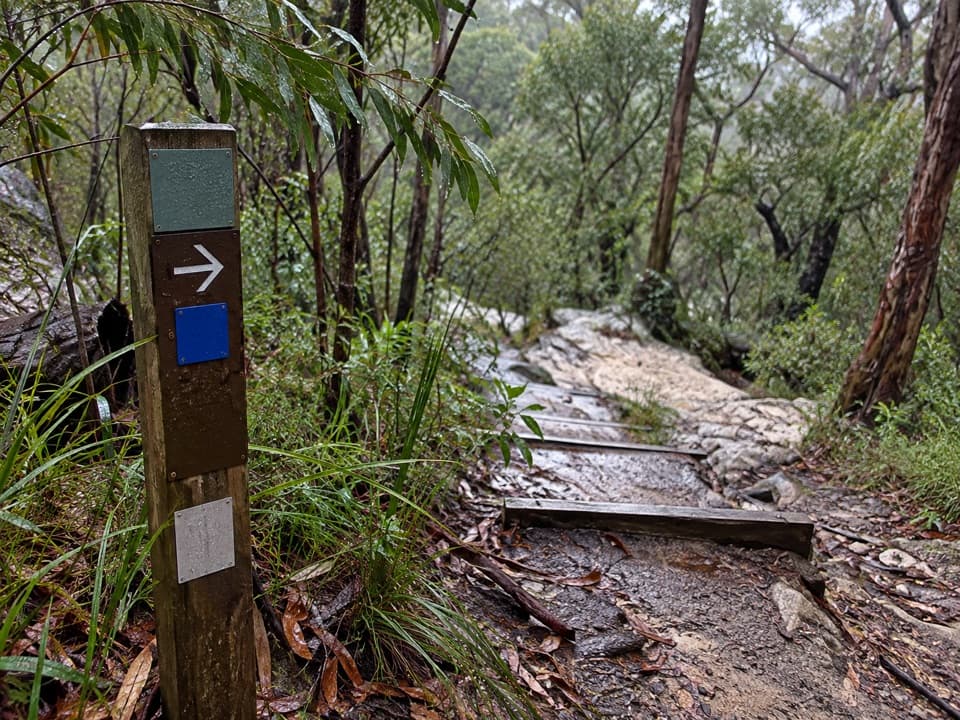
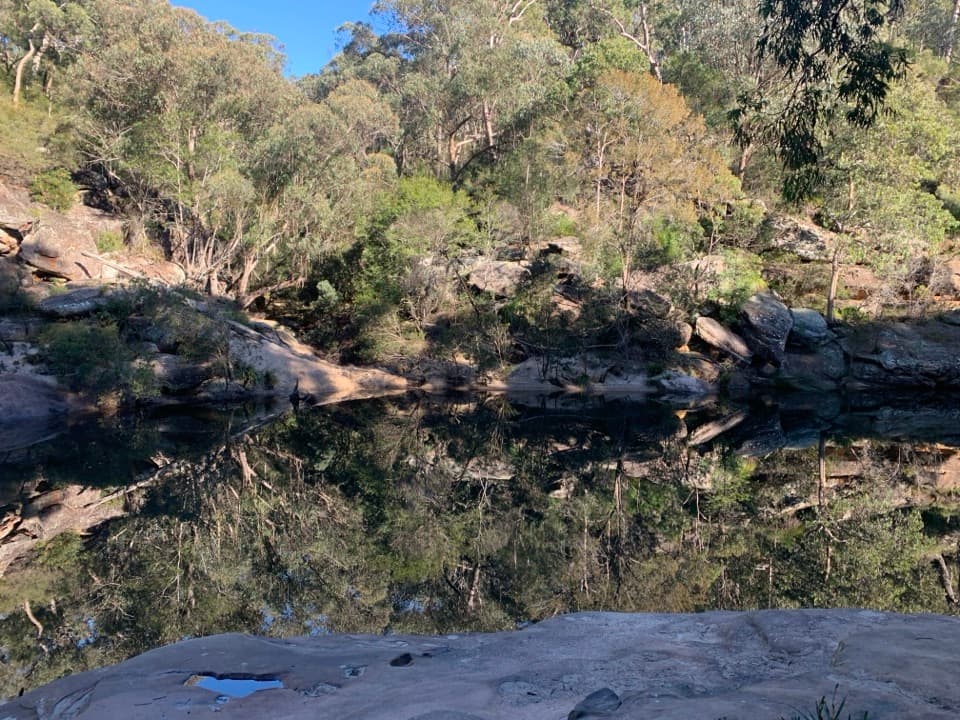
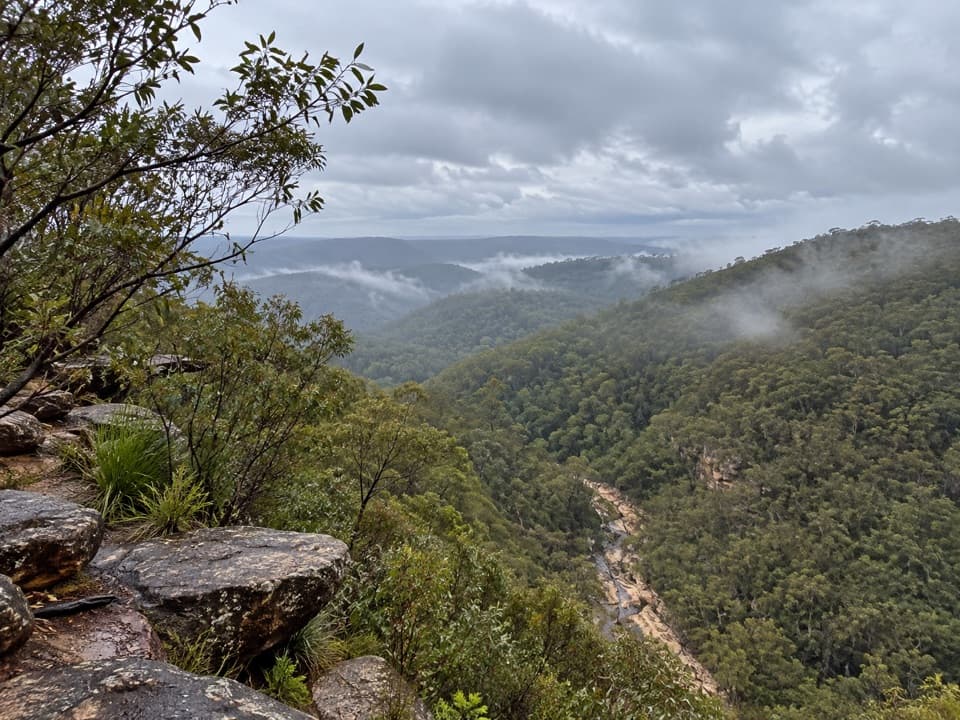
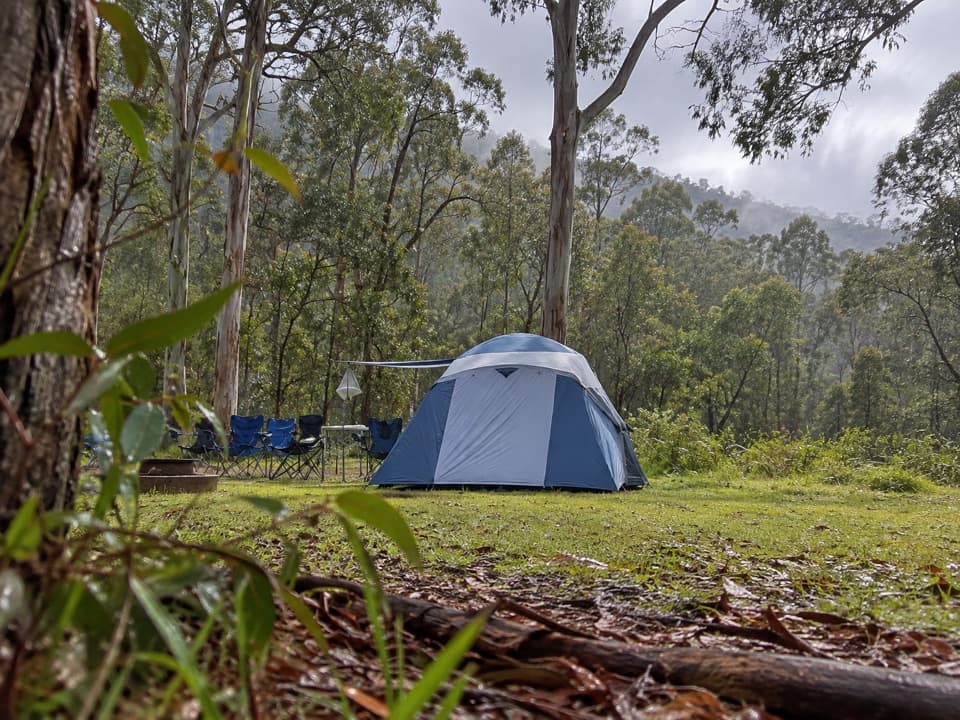
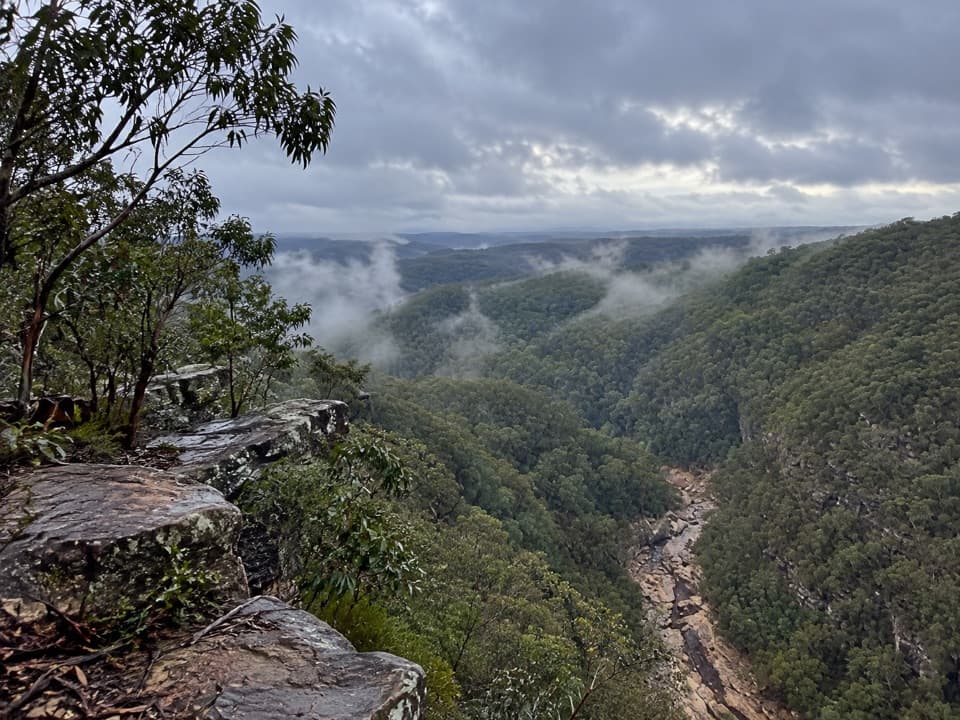
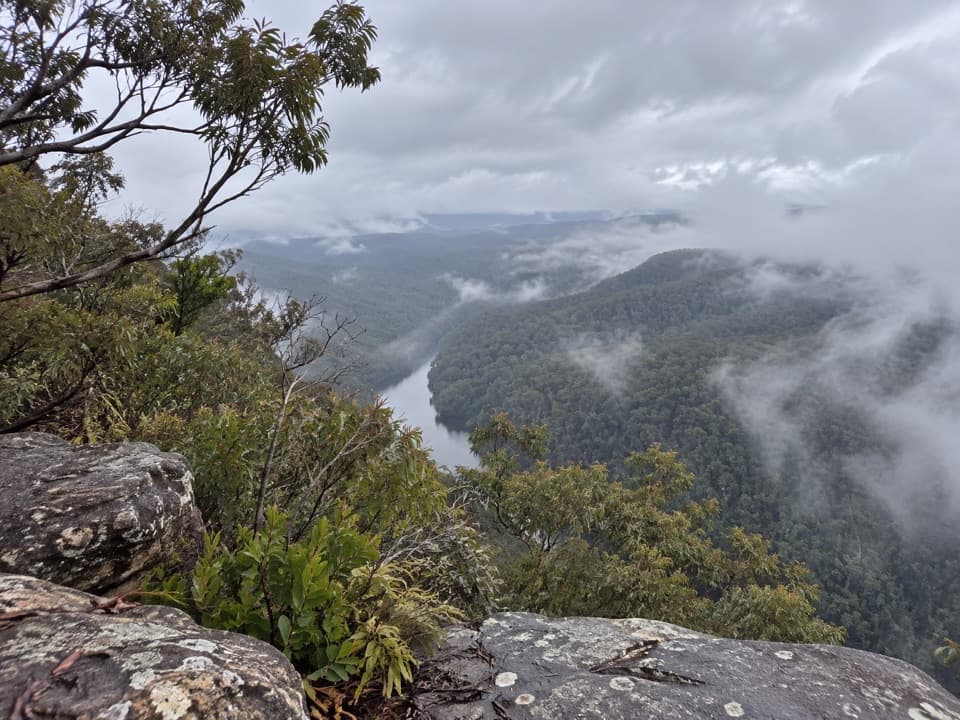
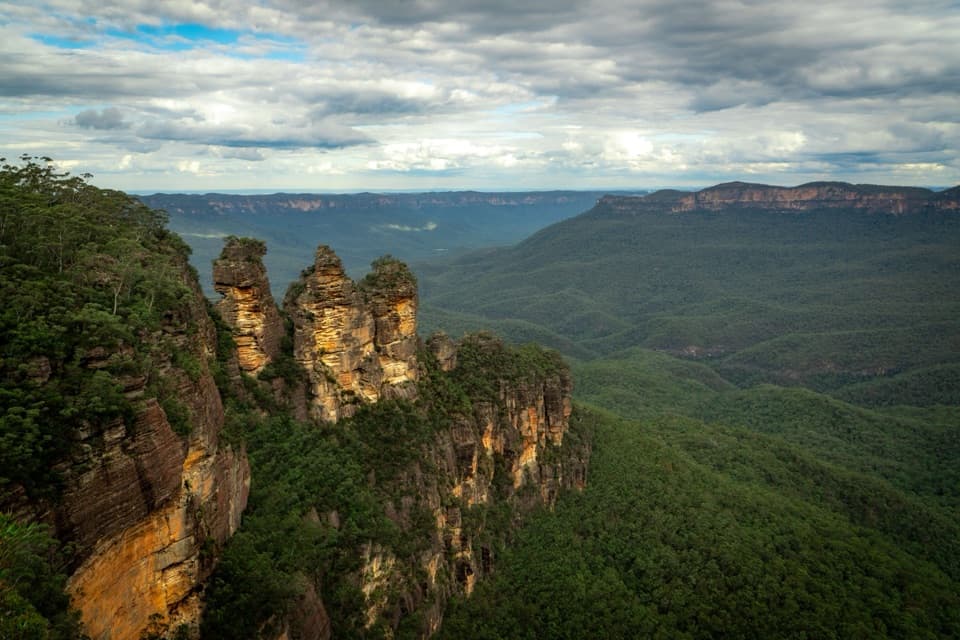
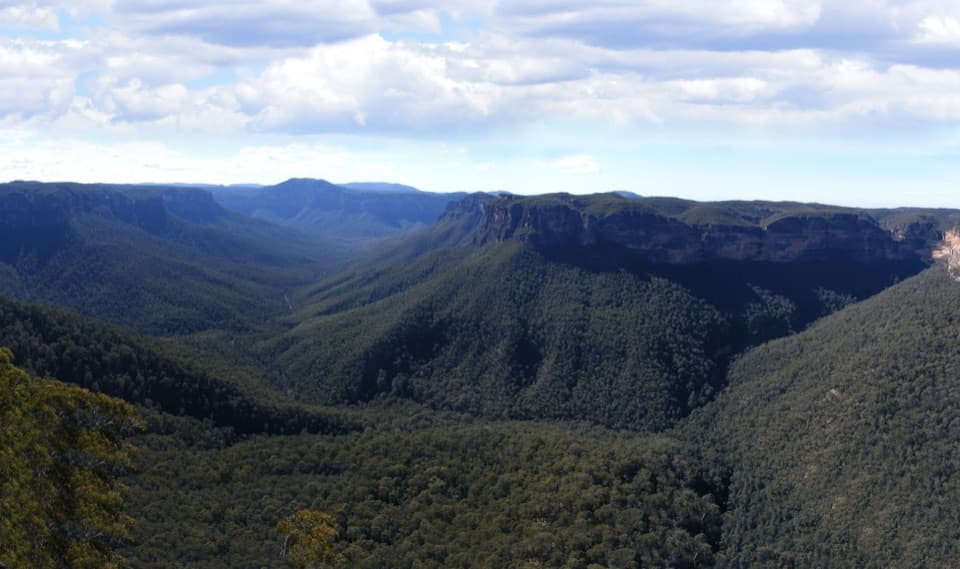
  • Classic Blue Mountains bushland on the approach: sandstone outcrops, eucalypt forest, and a serene gully setting.

Getting There

You’ve got options:

  • Do the Red Hands Cave walking track as an 8 km loop starting near the Glenbrook entrance causeway (allow at least 2 hours; moderate effort).
  • For a shorter visit, drive roughly 13 km past the park entrance on the unsealed Oaks Trail and Red Hands Trail to Red Hands Cave carpark, then it’s about 1 km return on foot.
  • Some walkers link from the Glenbrook entry down to the causeway (steep sections; allow extra time).

Parking is available at the carpark. Park entry/parking fees apply in the Glenbrook area, and gates close at set times—plan your day around that. The access road is unsealed; after rain it can be rough.

Culture, History and Preservation

The stencils were made roughly 500–1,600 years ago by chewing ochre mixed with water and blowing it over a hand on the wall. A protective screen was installed decades ago to reduce vandalism and help the panel endure. Do not touch the art and avoid flash—oils and light can damage the pigments.

Wildlife

It’s bushland all the way in—listen for parrots, lyrebirds and cockatoos, and you might spot wallabies or lizards along the track.

Make It a Day

Bring your own water and snacks; there’s no food or water on site. Many visitors pair the cave with a swim or laze at Jellybean Pool or Blue Pool nearby.

Best Time to Visit

Go early or late in the day for a quieter experience and gentler light on the panel. Weekends see more walkers. In warm weather, earlier starts make the bushwalk more comfortable. Always factor in gate closing times for the Glenbrook entry.

Pros

  • Powerful Aboriginal stencil art in vivid red, yellow and white ochres
  • Choose your approach: 8 km loop bushwalk or 1 km return from carpark
  • Axe‑grinding grooves to spot along the track near Camp Fire Creek

Cons

  • Unsealed access road to the carpark; can be rough after rain
  • Viewing is from behind a protective screen and the gallery is small

Tips

  • Choose the 8 km loop for a fuller bushwalk or the 1 km return from the carpark if short on time.
  • The access road is unsealed—drive slowly and avoid it after heavy rain.
  • Bring plenty of water and snacks; there’s no water or food at the cave.
  • Do not touch the art and avoid using flash to help preserve the stencils.
  • Watch for axe‑grinding grooves near Camp Fire Creek along the walk.
The Parkwolf tour guide sitting on a phone mounted in a car

Parkwolf Tour Guide

Like a tour guide in your car.

Save the places you found around Blue Mountains, then let Parkwolf guide the drive between them.Download Parkwolf on the App Store