Kittys Beach

Remote, sheltered cove reached by a long headland hike
Kittys Beach, Booderee National Park
InsideBooderee National Park

Overview

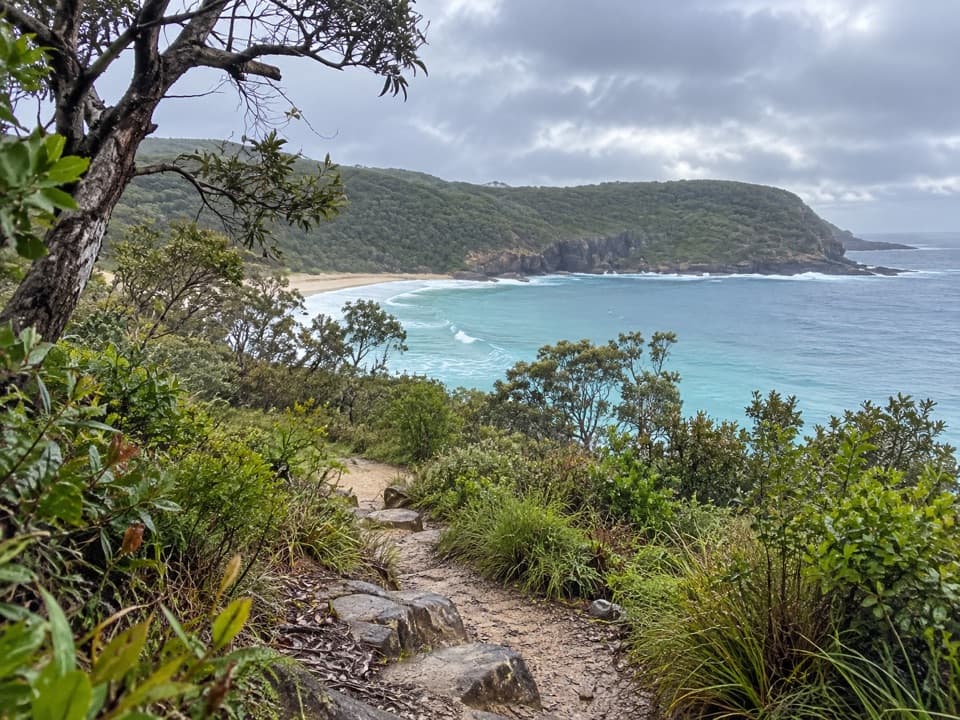
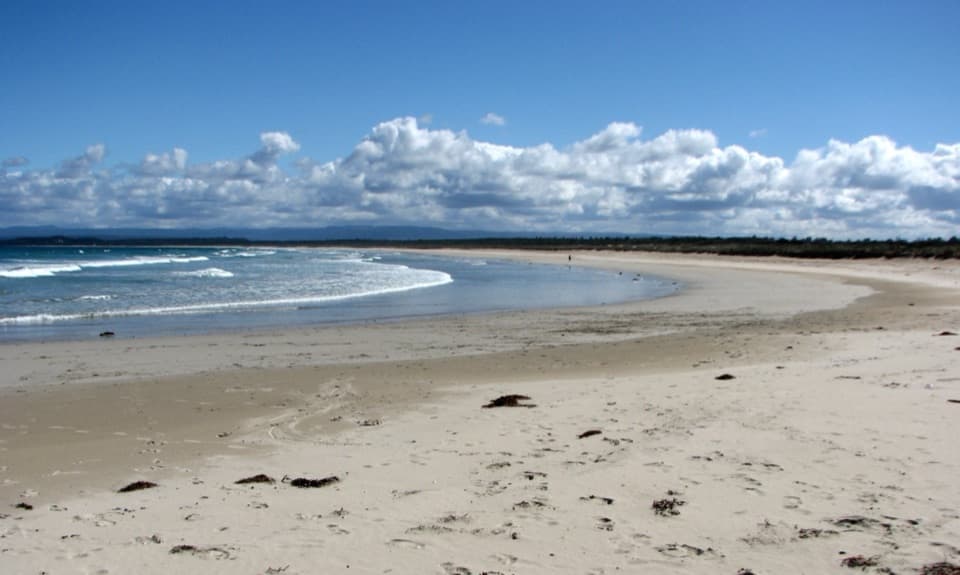
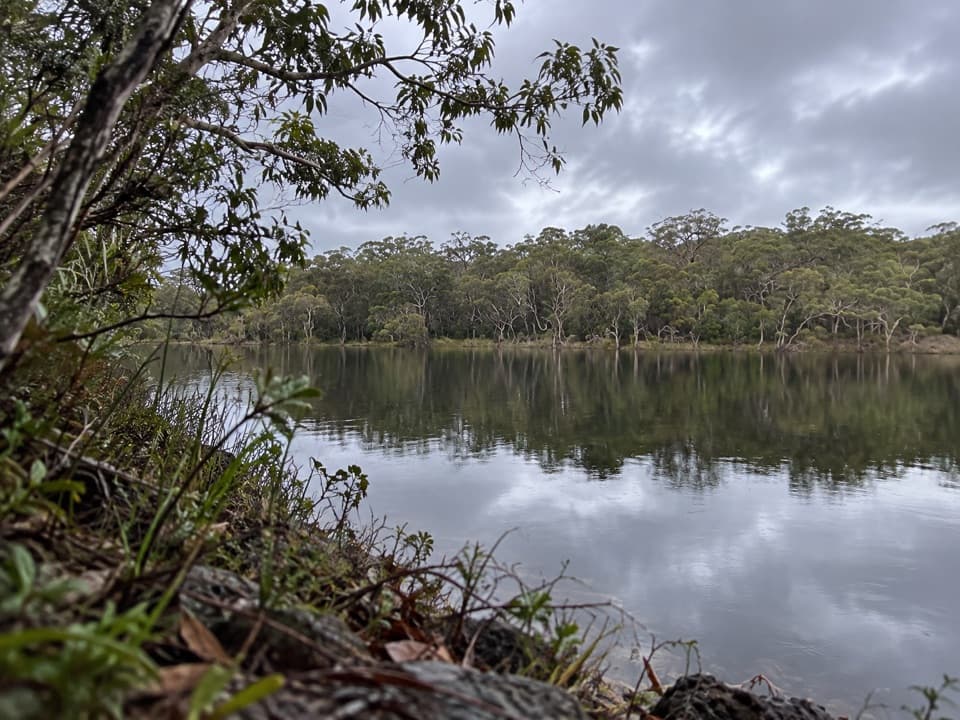
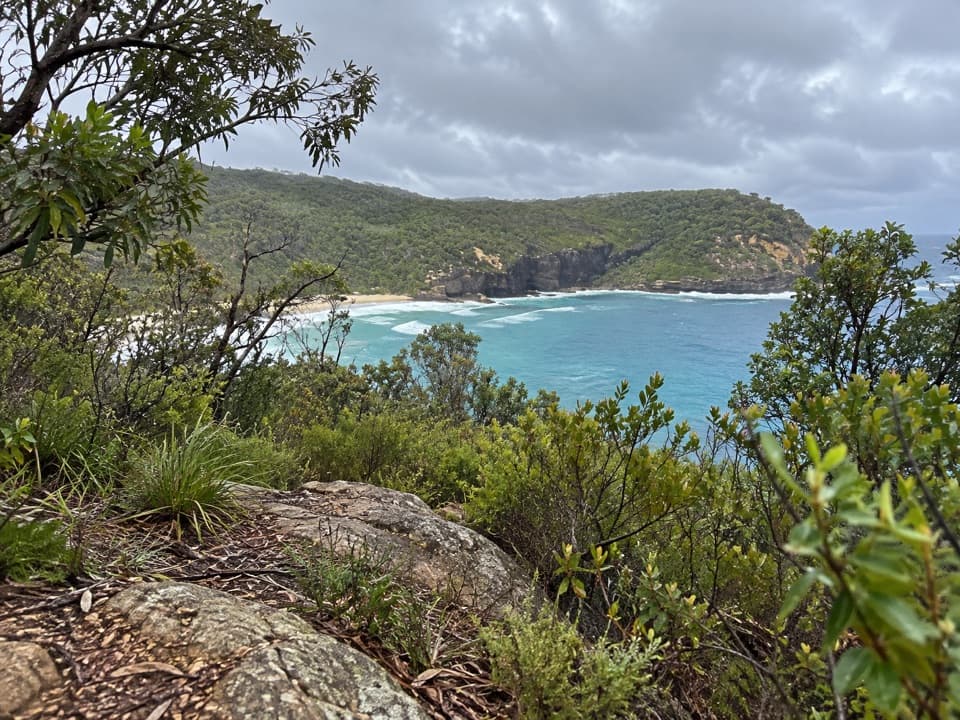
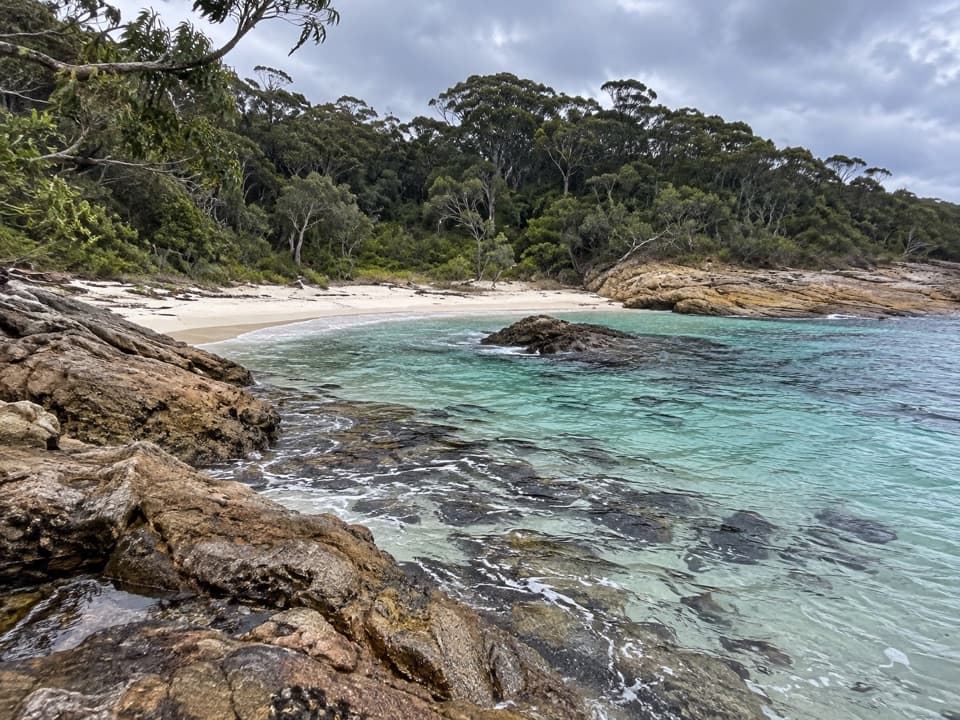
Kittys Beach is a tiny, secluded pocket of sand on the St Georges Headland—a west-facing, protected cove backed by dense coastal vegetation. It’s one of the most remote-feeling beaches in the area, with clear, usually calm water thanks to shelter from Kittys Point. Expect serenity rather than scene.

Access

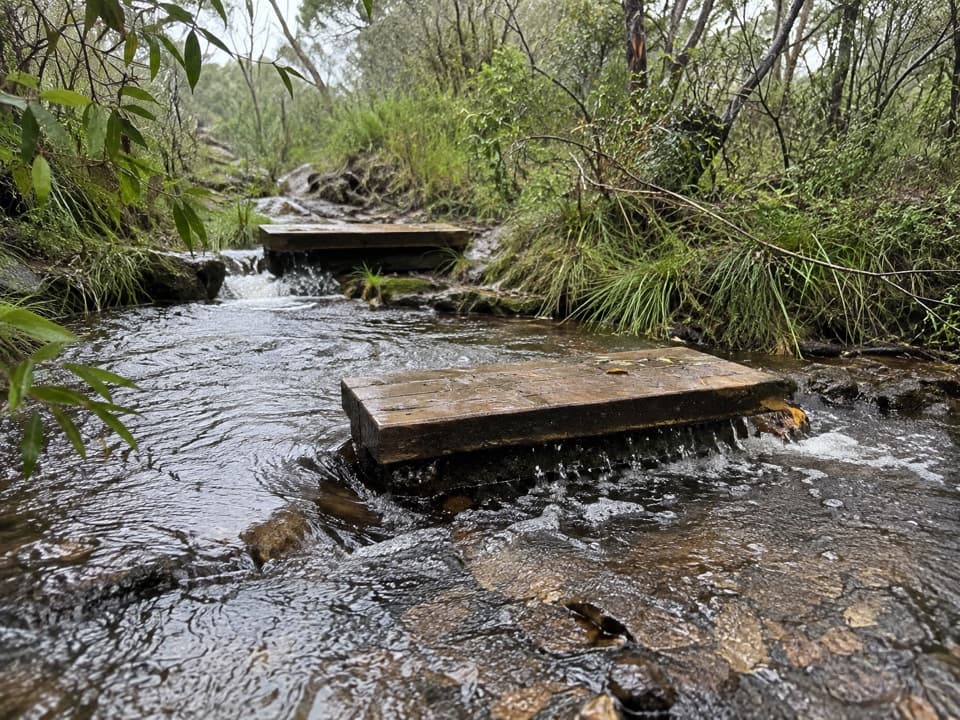
There’s no driving to Kittys Beach. Park at Steamers Beach car park and follow the St Georges Head/Headland circuit, then take the signed side track. Allow about four hours return just to reach Kittys and back, or a full day if you’re linking nearby lookouts and pocket beaches. The approach track is narrow with ocean glimpses; the final descent is sandy with rough wooden steps. Stay on marked tracks and keep well back from crumbly cliff edges.

What You’ll See

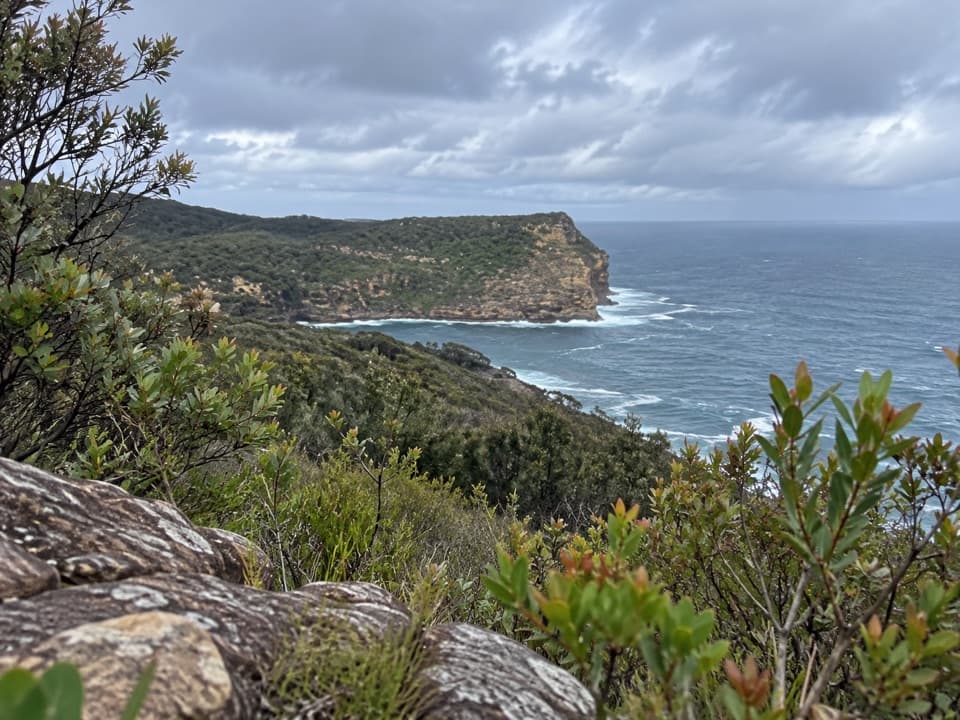
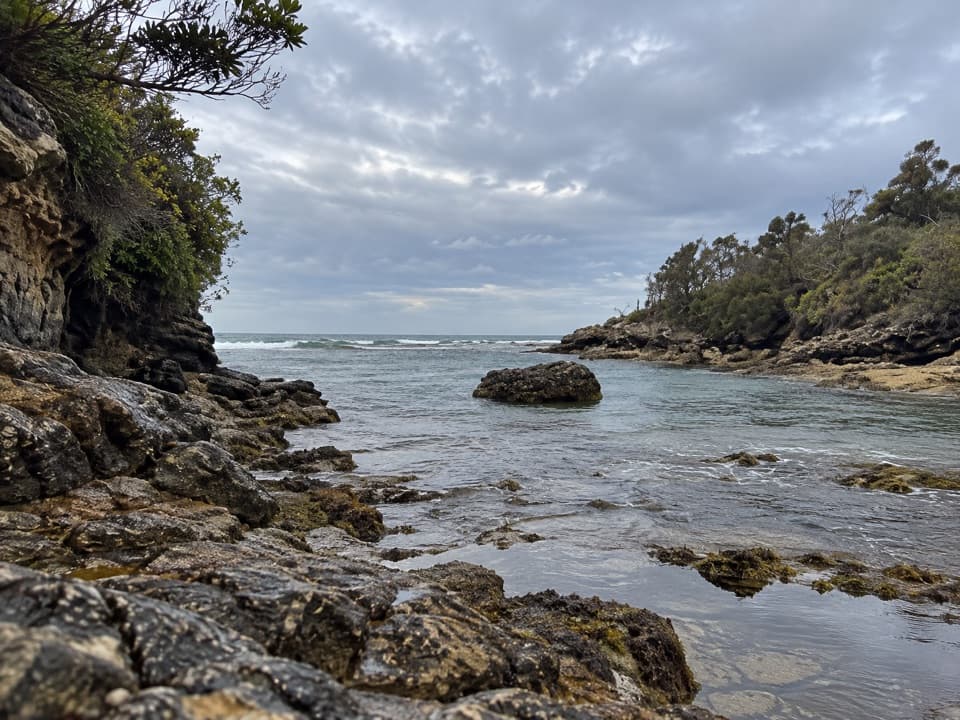
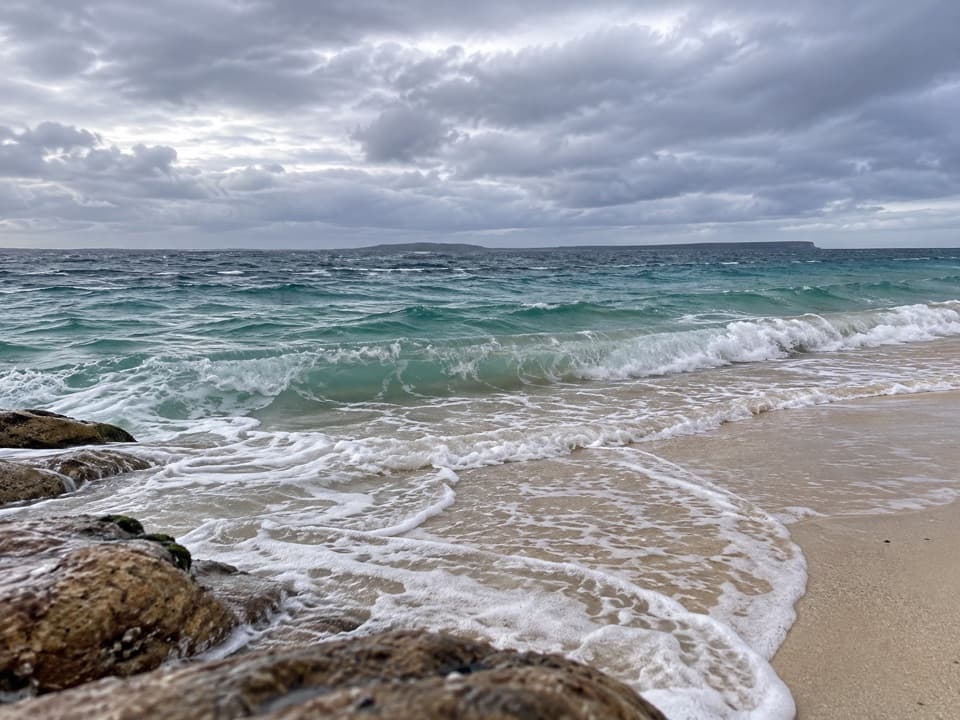
A 50‑metre strip of sand, rock platforms, and glassy water tucked out of the swell. On a calm day it’s lovely for a quiet dip. From the surrounding headlands you can sometimes spot whales between May and October, and sea eagles are often seen cruising the cliffs.

Nature & Context

This is Aboriginal land jointly managed by the Wreck Bay Aboriginal Community and Parks Australia. The headland country exposes Permian sandstones and siltstones, shaping the sea cliffs and platforms. The wider park supports rich biodiversity, including endangered eastern bristlebirds near the headland and ongoing native mammal conservation.

Facilities & Safety

There are no toilets, water, bins, or services at Kittys Beach, and none of the park’s beaches are patrolled. Bring everything you need and pack out all rubbish. Steamers Beach nearby can be hazardous; Kittys and Whiting are the more sheltered options along this walk—always assess conditions. Check park alerts before you go.

Best Time to Visit

Start early: the headland circuit with side tracks is a full‑day outing. Time your visit with lower tide if you plan to explore rock shelves. May–October adds a chance of whale sightings from the surrounding headlands.

Essentials

  • Park pass required for vehicle entry to Booderee National Park.
  • Bring 2–3 litres of water per person, sun protection, sturdy footwear, and a basic first‑aid kit.
  • Consider linking Kittys with Whiting Beach or nearby lookouts for a satisfying loop.

Pros

  • Secluded, west-facing cove with calm, sheltered water
  • Remote feel with few crowds
  • Seasonal whale spotting (May–Oct) from nearby headlands

Cons

  • Long walk-in only access (allow about four hours return)
  • No facilities or services; beaches here are unpatrolled

Tips

  • Start early and allow a full day if combining side tracks and lookouts.
  • Carry 2–3 liters of water per person plus food; there’s no water on the route.
  • Check current park alerts and make sure your park pass is sorted before arrival.
  • Use lower tide to safely explore nearby rock shelves and coves.
  • Stay on marked tracks and well back from crumbly cliff edges.
The Parkwolf tour guide sitting on a phone mounted in a car

Parkwolf Tour Guide

Like a tour guide in your car.

Save the places you found around Booderee, then let Parkwolf guide the drive between them.Download Parkwolf on the App Store