Place · 2.6 mi away

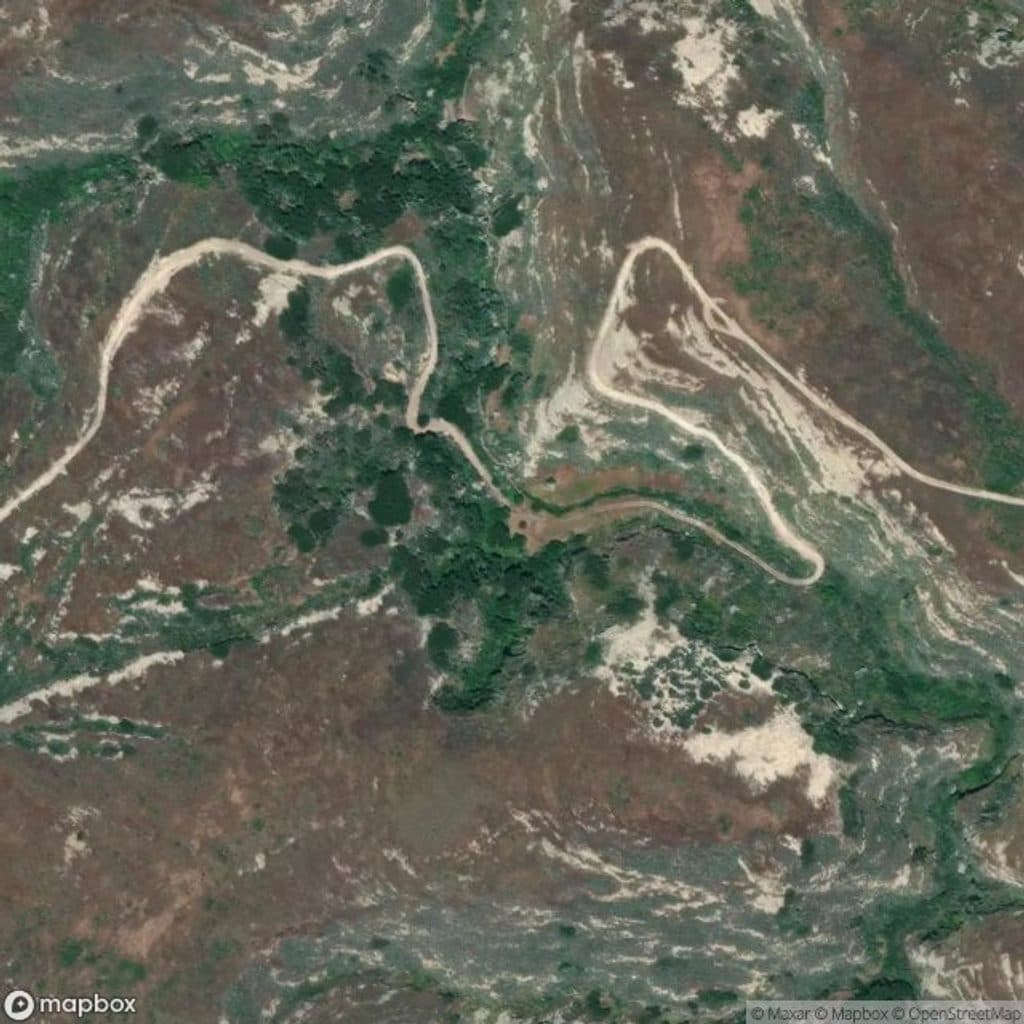
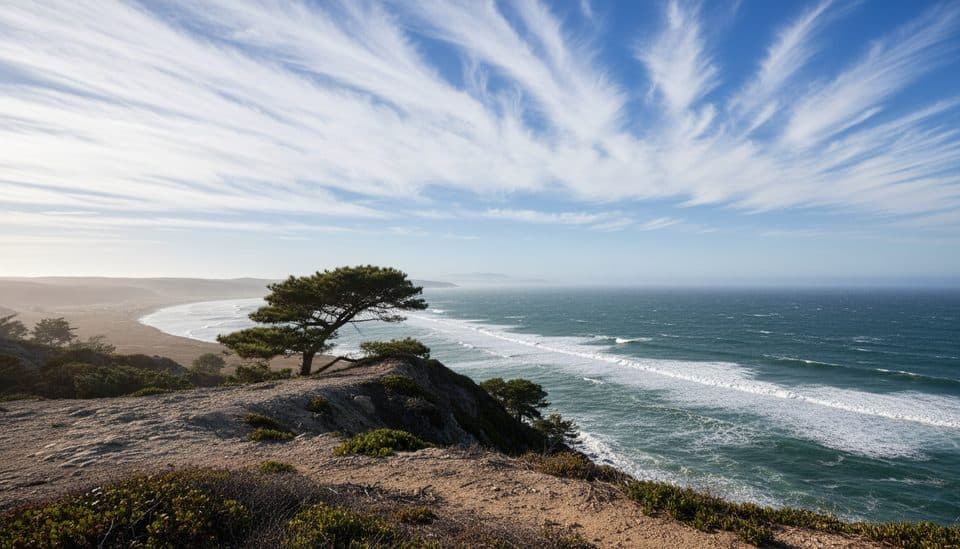
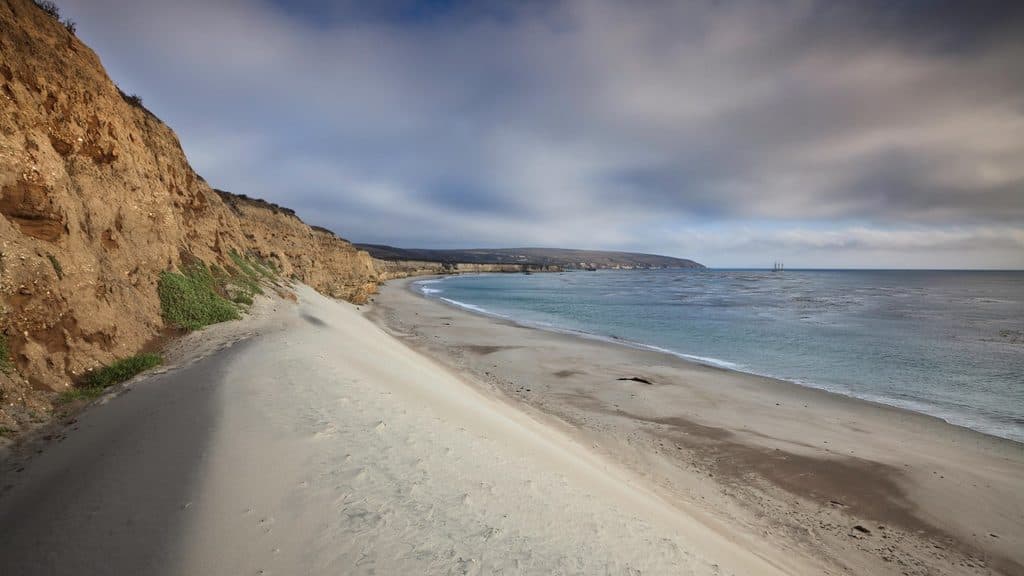
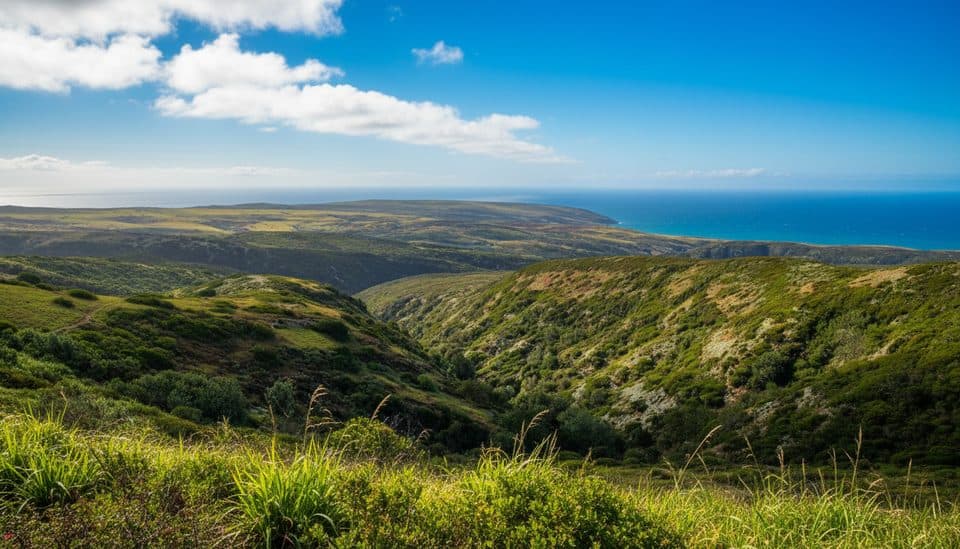
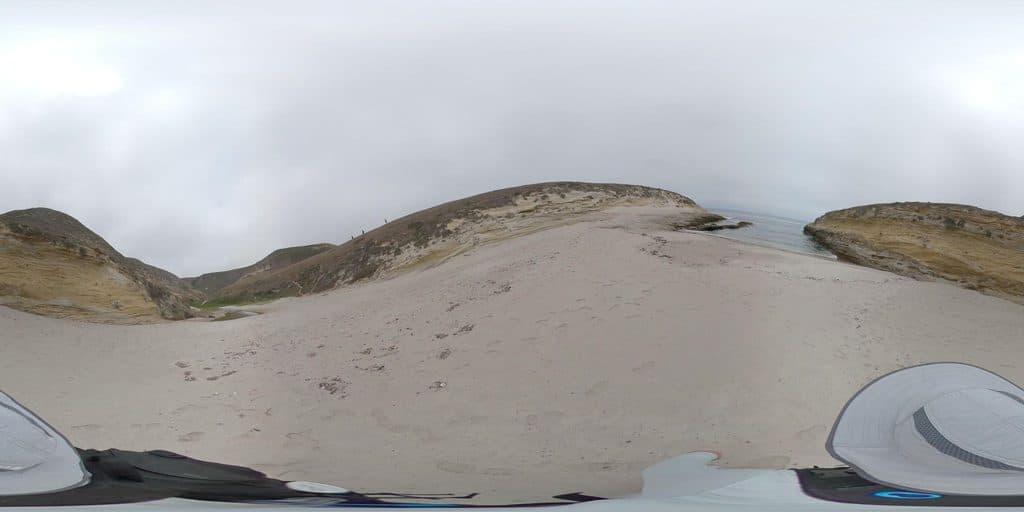
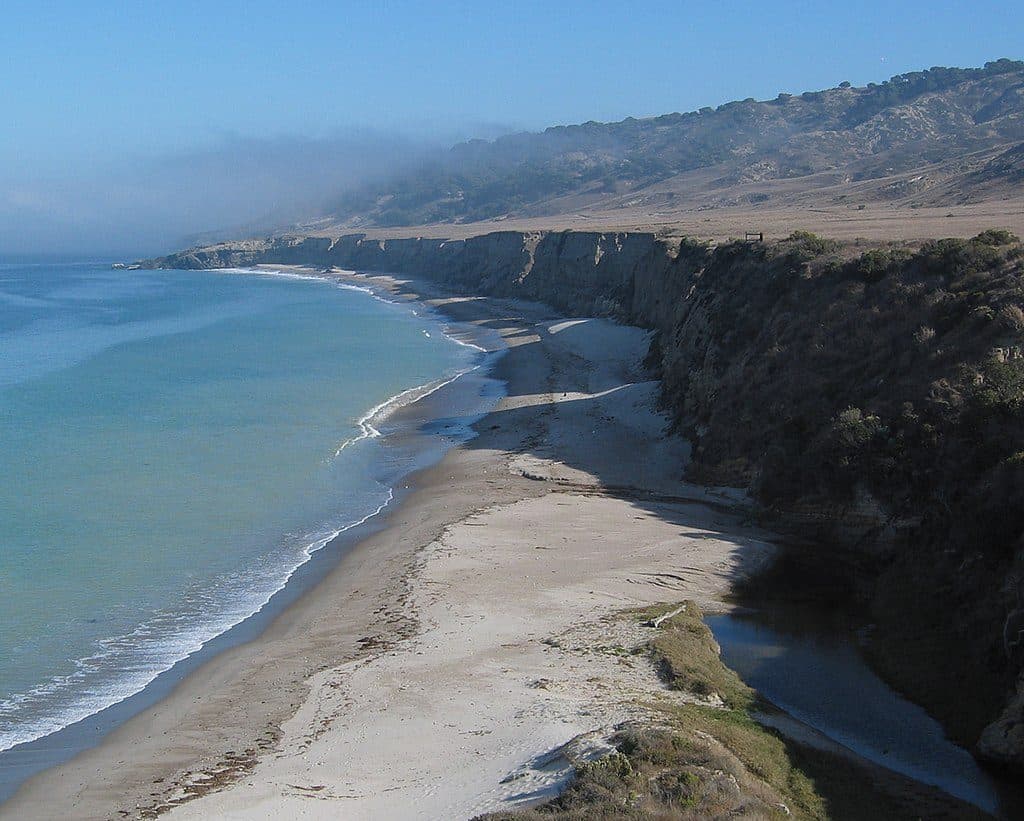
Santa Rosa is the park’s big, wild island—about 53,000 acres of rolling hills, deep canyons, and wide white-sand beaches. It feels remote in the best way: little infrastructure, few people, and a lot of room to roam. Expect wind, sweeping ocean views, and the sense you’ve stepped far away from the mainland.
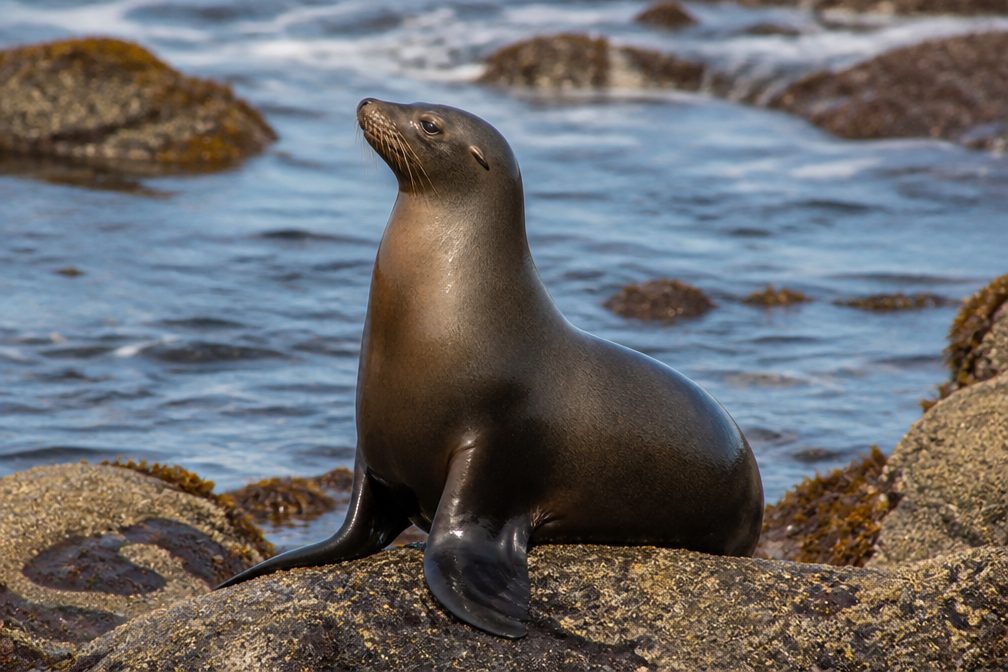
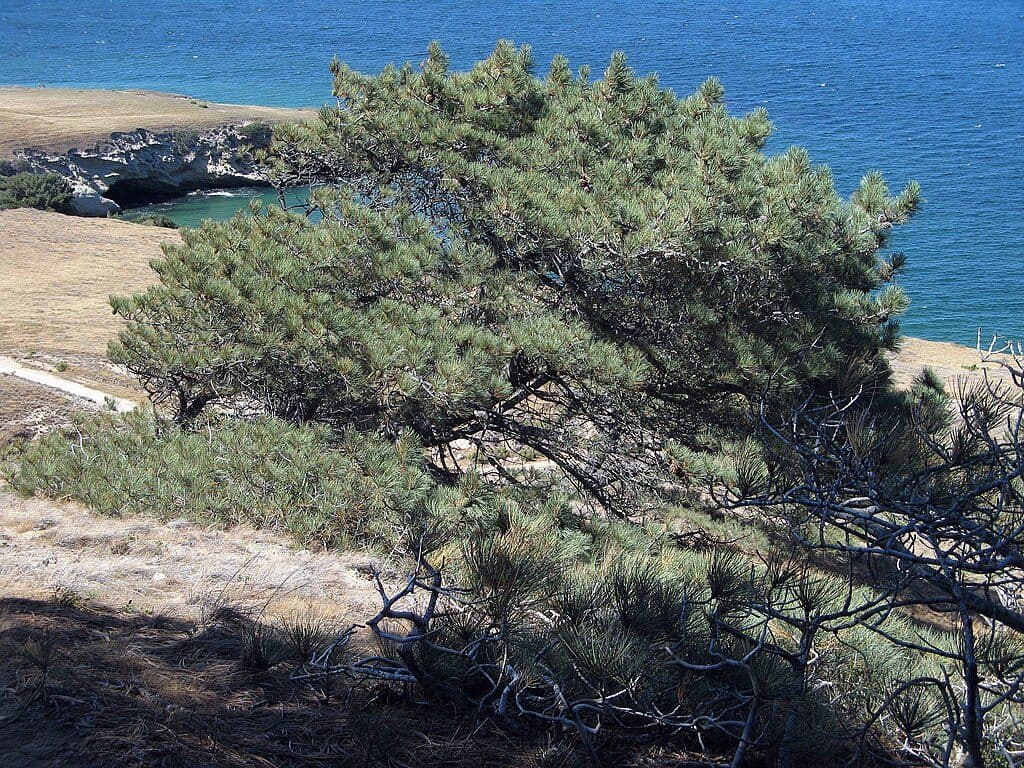
You’ve got a solid shot at seeing island foxes trotting through the campground area, plus elephant seals and sea lions on beaches and coves. On the boat crossing, keep an eye out for dolphins and, in season, whales. Spring can light up the island with wildflowers; year-round you’ll find the signature Torrey pines and other island endemics.
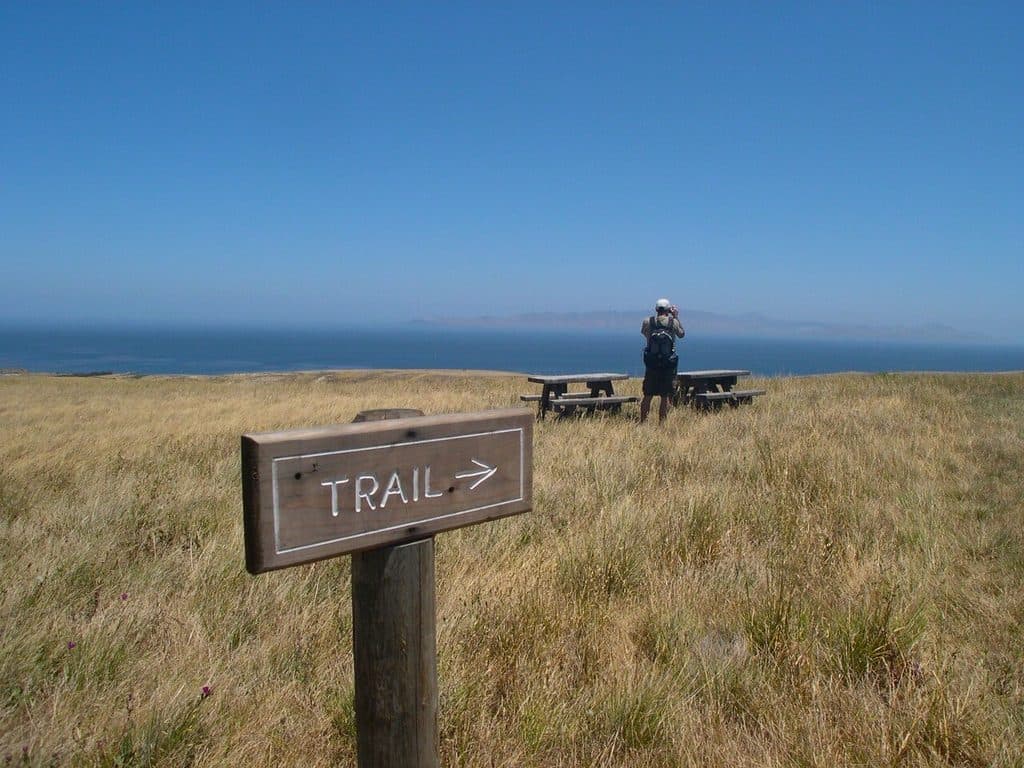
Reaching Santa Rosa takes commitment: it’s about 40 nautical miles offshore, typically a 2.5–3 hour boat ride. Seas can be bumpy. There’s no food or store on the island and no cell service. Potable water and flush toilets are available at Water Canyon Campground and there are restrooms near the pier; otherwise, you’re on your own. Several trails start near Bechers Bay and the campground area.
Compared to the busier islands, Santa Rosa trades convenience for solitude. The rare Torrey pine grove and the sculpted narrows of Lobo Canyon set it apart, and the beaches feel almost impossible for Southern California—big, bright, and empty.
Fall, especially October, often brings friendlier seas and pleasant weather with lighter crowds. Year-round, mornings typically offer softer light for photography on the beaches and in the canyons. Wind is common any time—pack layers and a windbreaker. Weekend boats and campsites can book up fast in peak seasons.
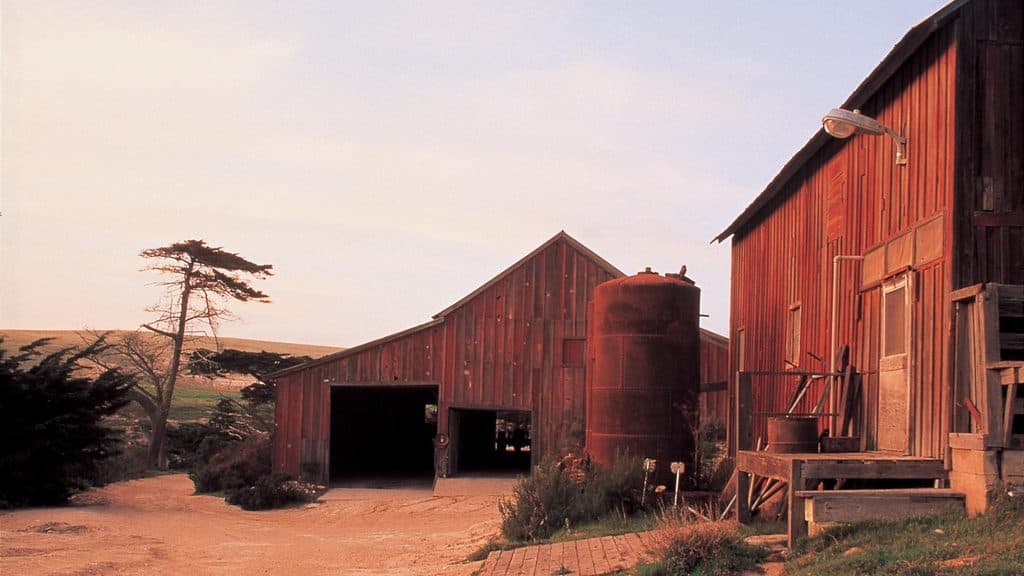
The island carries deep human history—from early Chumash presence and the 13,000-year-old Arlington Springs remains to a long ranching era under Vail & Vickers. Non-native elk and deer once roamed here during the ranching period; restoration has shifted the focus back to native ecosystems. Offshore, portions of the surrounding waters are marine protected areas with regulations for fishing and collecting.
Facilities are limited to the Bechers Bay/Water Canyon area. Some trails are exposed with little shade and may involve uneven footing or seasonal water crossings. If you’re camping or venturing beyond the developed area, plan for self-sufficiency.