Parking
There is no vehicle parking on Santa Rosa Island. Arrive by authorized boat or other permitted island transport and begin at the Bechers Bay Pier.
Channel Islands National Park, CA
Moderate Santa Rosa Island walk to the rare Torrey pine grove
Overview
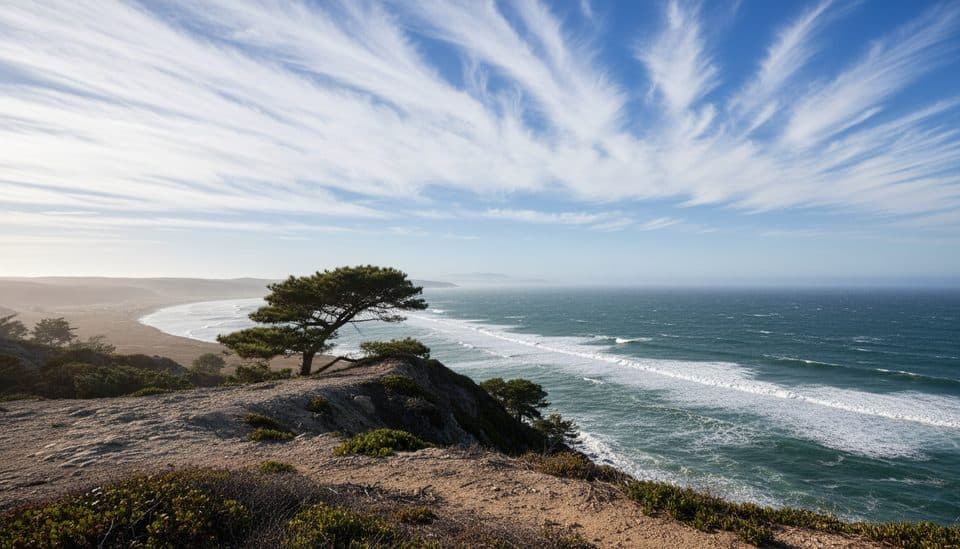
Torrey Pines is a moderate Santa Rosa Island hike to one of the rarest pines in the world. The route begins at Bechers Bay Pier and follows the island's marked road and trail system to the base of the Torrey pine grove, with broad coastal and island views along the way.
For visitors with a boat day on Santa Rosa Island, this moderate out-and-back offers a memorable look at the island's rare Torrey pines without committing to the longer strenuous grove loop.
 Parkwolf’s verdictBottom Line
Map & elevation
Plan your hike
The highest, rockiest slopes around here are a summer buffet for grizzly bears.
Channel Islands Tour Guide
Parkwolf is a GPS audio tour guide for Channel Islands National Park. As you drive, it chimes in with what’s ahead: hidden gems, upcoming stops, history, geology, and wildlife, right through your car’s speakers.
See the Channel Islands audio tourRecorded for this area
Trail Options from the Bechers Bay Pier“From the pier at Bechers Bay, you have a couple of great hiking choices. For an easy walk, a gentle, mostly flat trail follows the bluffs, offering big views of the bay—a nice warm-up.”
Plays on the road 0.1 mi from the trailhead in the Parkwolf Channel Islands Tour Guide.
More stories near here in the app
“Fantastic app with many points of information… It’s great to just turn on while you’re driving and it gives you an audio tour of the national Park. We love it!!!!”


Trail guide
The National Park Service lists this visitor route as 5 miles round trip from the pier to the base of the pines. The stored line follows the physical corridor one way for about 2.47 mapped miles; hikers retrace that corridor on the return, so the line is not duplicated. The route uses Airstrip Road, signed island connectors, South Road, and East Point Road to the Torrey Pines access junction.
This is a moderate, mostly gradual walk on island roads and established paths. The base-of-pines route is the easier way to see the grove; the steeper grove loop is a separate, more strenuous route variant. Expect limited shade, wind, sun exposure, and uneven natural surfaces near the grove.
There is no vehicle parking on Santa Rosa Island. Arrive by an authorized boat or other permitted island transport and plan around the departure schedule. Carry all food, drinking water, sun protection, and navigation supplies; services are limited. Stay on the designated route, avoid unstable cliff edges, and check current park conditions before traveling.
Santa Rosa Island supports island foxes, seabirds, and marine wildlife visible from the coast. Keep wildlife at a distance, stay on established routes, and pack out everything. Pets are not allowed in the national park.
Wildlife
 2,232 sightingsIsland FoxMost seen around 6 PMSighting map
 282 sightingsHumpback WhaleMost seen around 9 AMSighting map
 79 sightingsBlue WhaleMost seen around 7 AMSighting map
 101 sightingsGrey WhaleMost seen around 8 AMSighting map
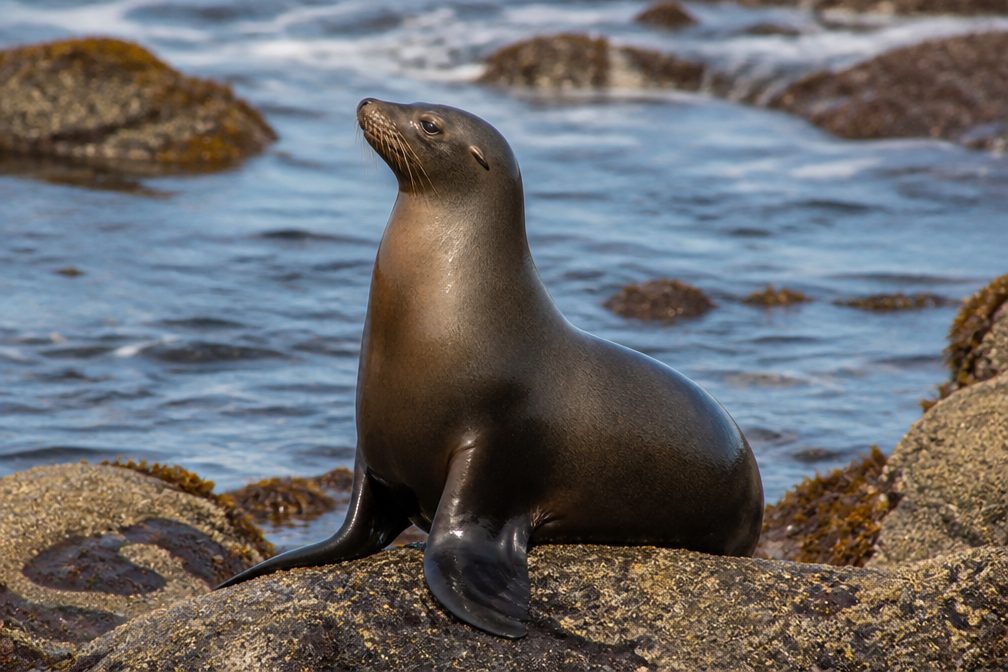 364 sightingsCalifornia Sea LionMost seen around noonSighting map
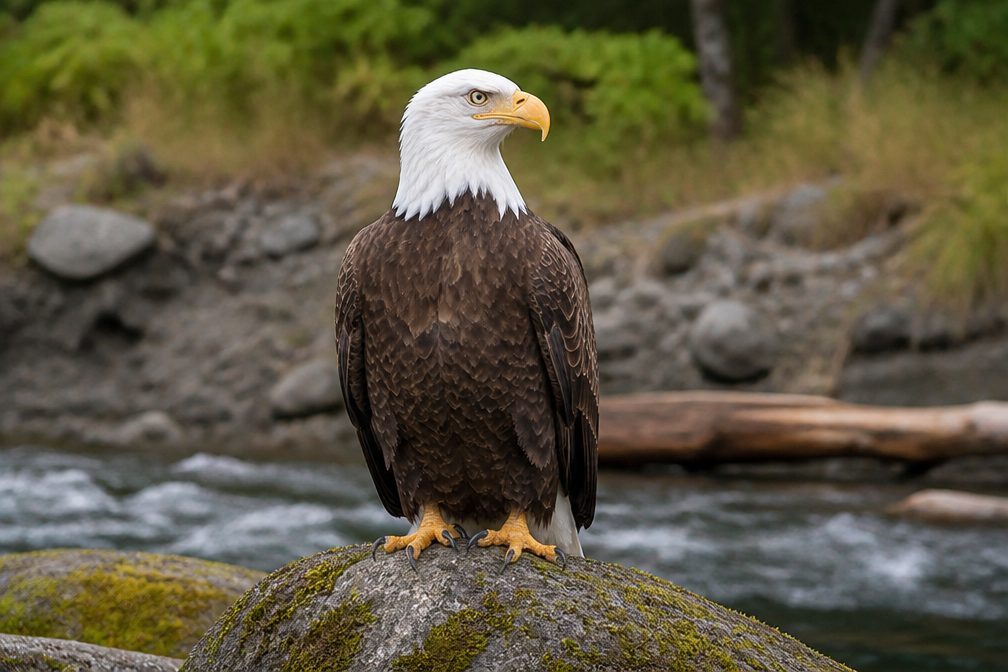 105 sightingsBald EagleMost seen around 5 PMSighting map
Sighting maps show where each species has been reported across Channel Islands. Wildlife moves, so no sighting is guaranteed.
Keep exploring
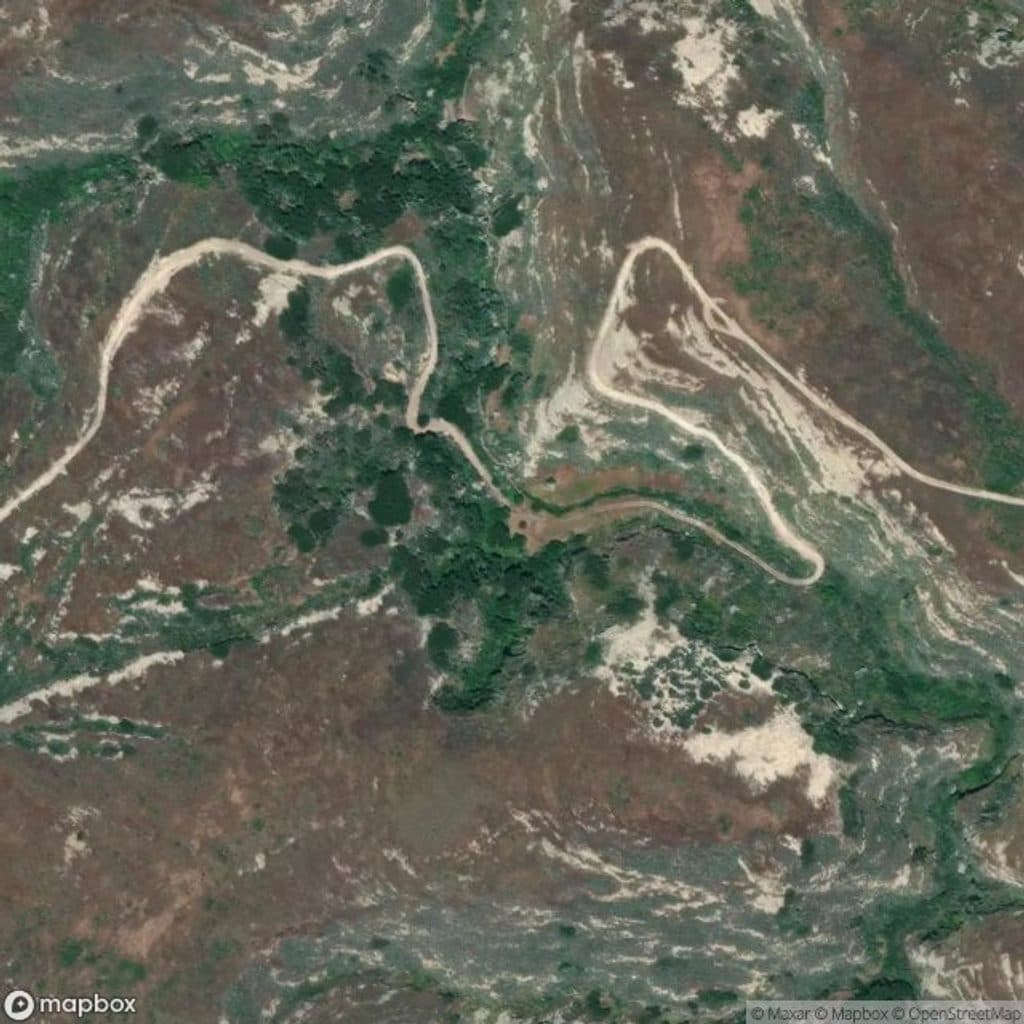 ChallengingLobo Canyon Trail9.6 mi · 6 hr · At the trailheadSculpted sandstone canyon to a wild, lonely Santa Rosa coast
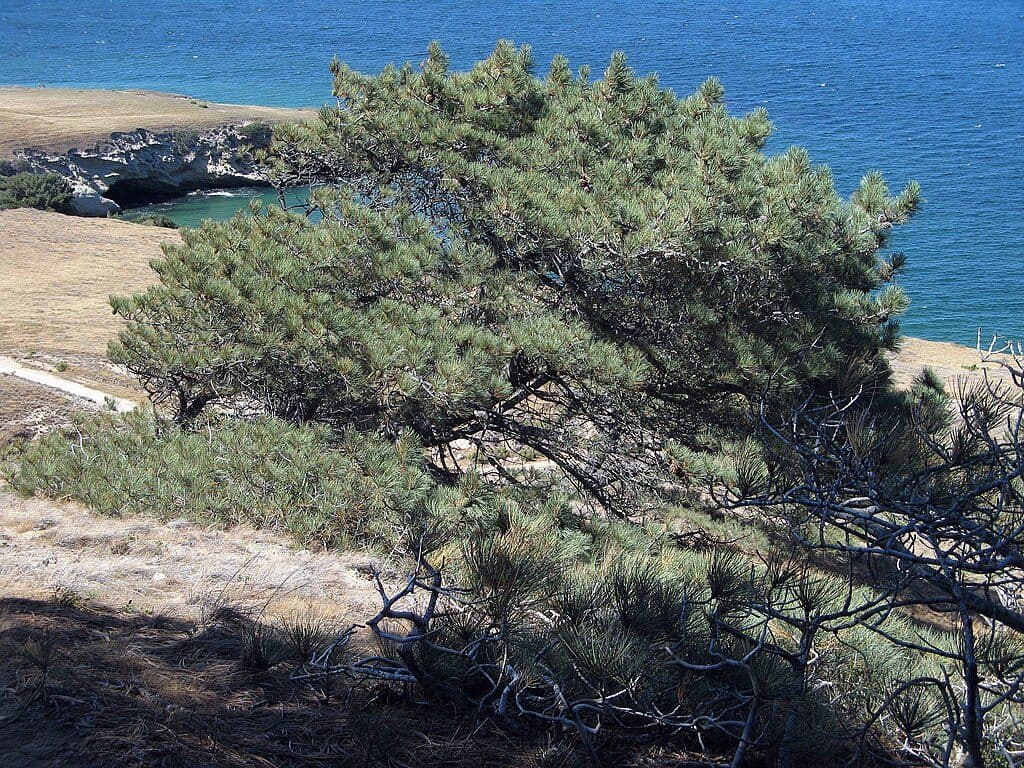 ChallengingTorrey Pines Grove Loop7.5 mi · 4.5 hr · At the trailheadA strenuous Santa Rosa Island loop through the rare Torrey pine grove
 ChallengingSkunk Point Trail12 mi · 6 hr · At the trailheadExposed Santa Rosa Island road, pine, beach, and tidepool hike to Skunk Point
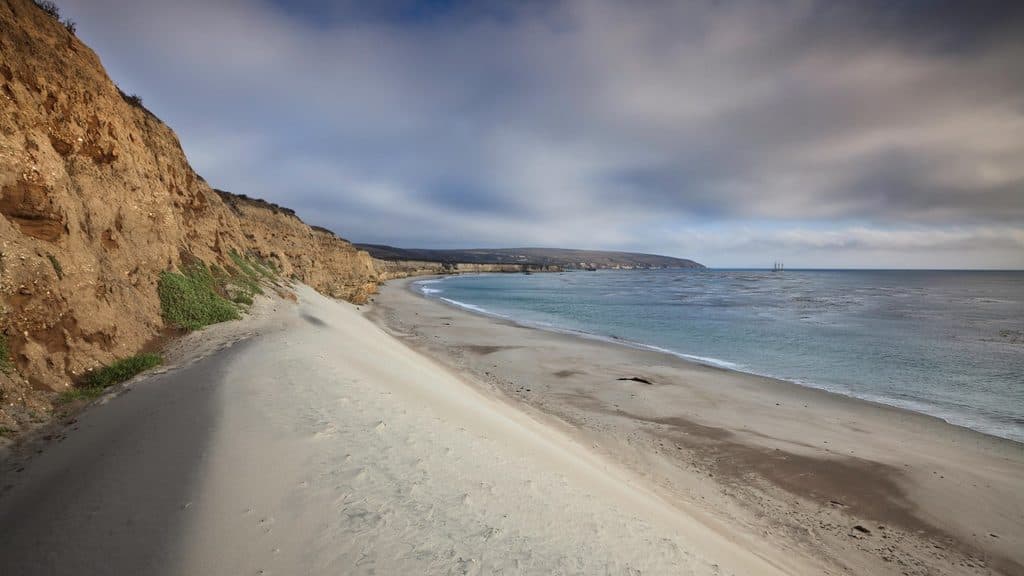 EasyWater Canyon Beach Trail3 mi · 1.5 hr · At the trailheadEasy island walk from the Bechers Bay pier to a broad white-sand beach
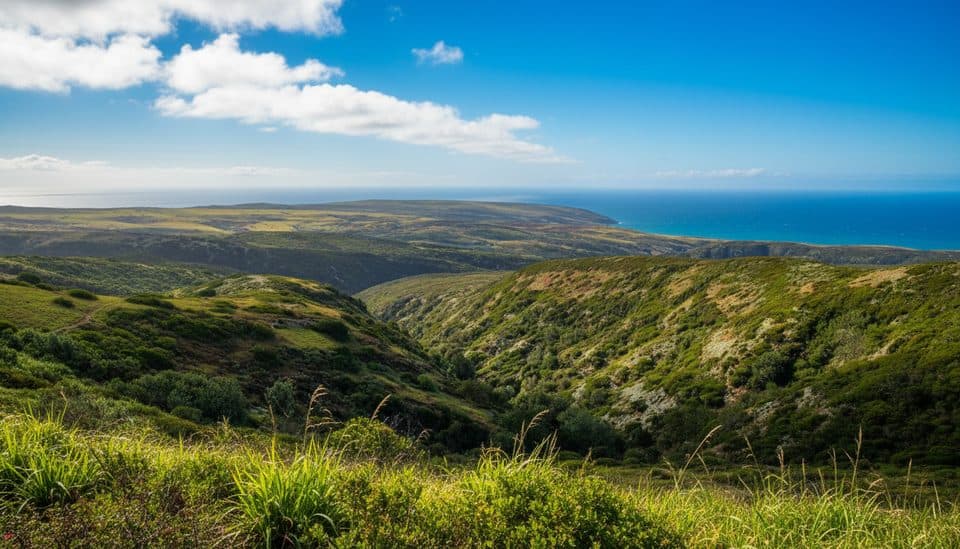 ChallengingBlack Mountain Trail8 mi · 4.5 hr · At the trailheadStrenuous island summit climb through oak woodland to wide ocean and island views
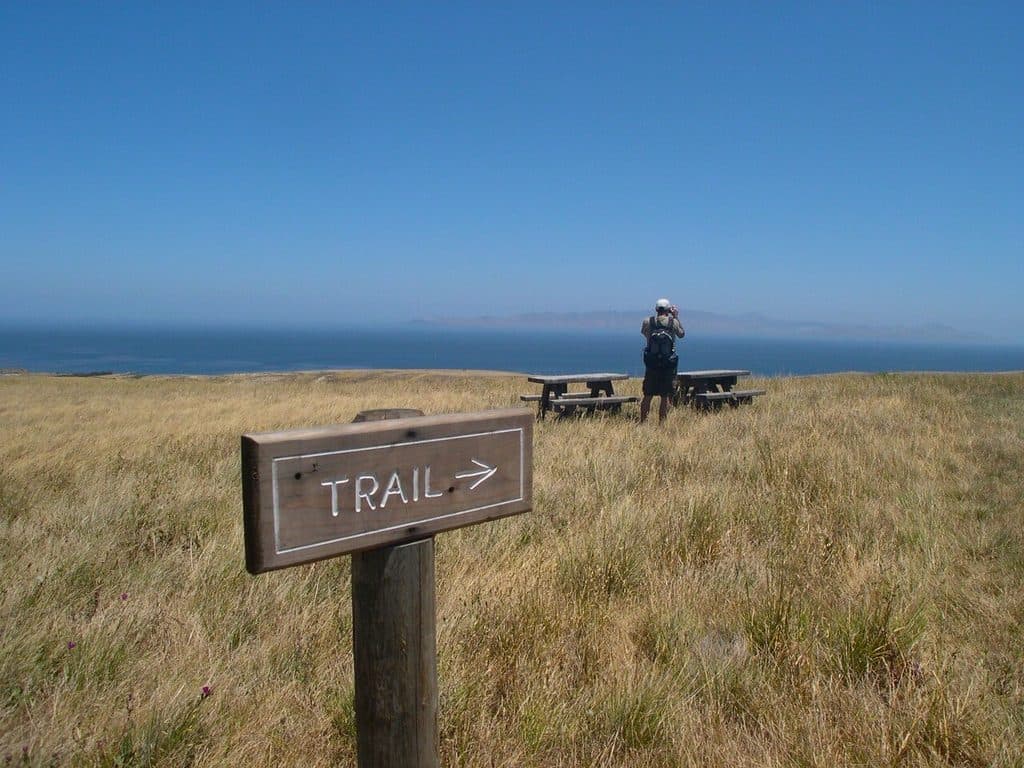 EasyCherry Canyon Trail3.5 mi · 2 hr · At the trailheadModerate loop through Cherry Canyon to Bechers Bay views from the Santa Rosa Island pier
 ChallengingCarrington Point Trail8 mi · 4 hr · 0.1 mi awayStrenuous, windswept out-and-back from Bechers Bay to wildlife-rich Carrington Point
 EasyBechers Bay Coastal Trail2 mi · 1.3 hr · 0.1 mi awayEasy coastal-bluff walk from the Bechers Bay pier to the airstrip junction
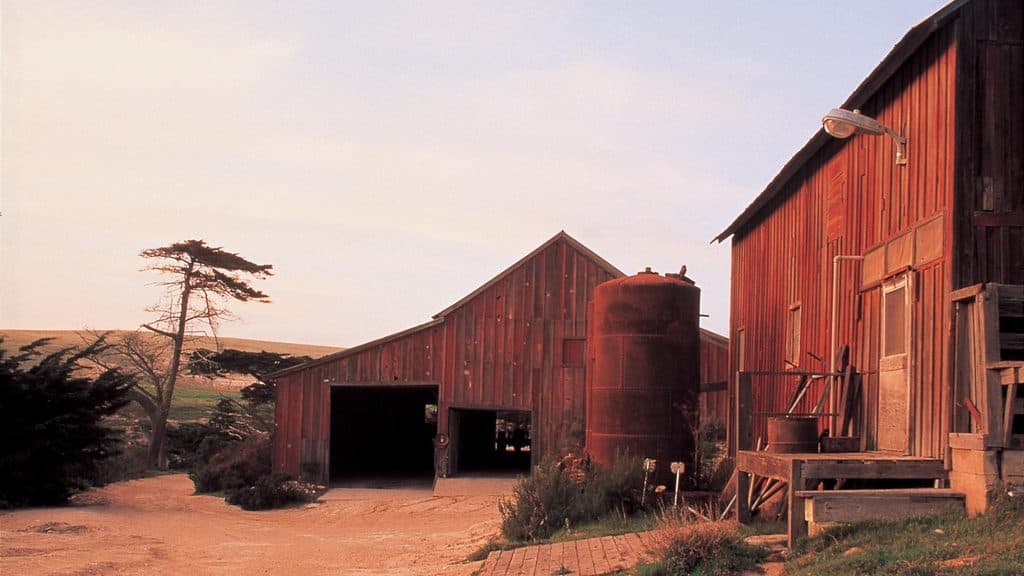 Sight · 0.2 mi awayVail and Vickers RanchHistoric island ranch complex with exterior views and quiet picnic lawn
 Campground · 1.1 mi awayWater Canyon CampgroundWind-sheltered island basecamp steps from Water Canyon Beach
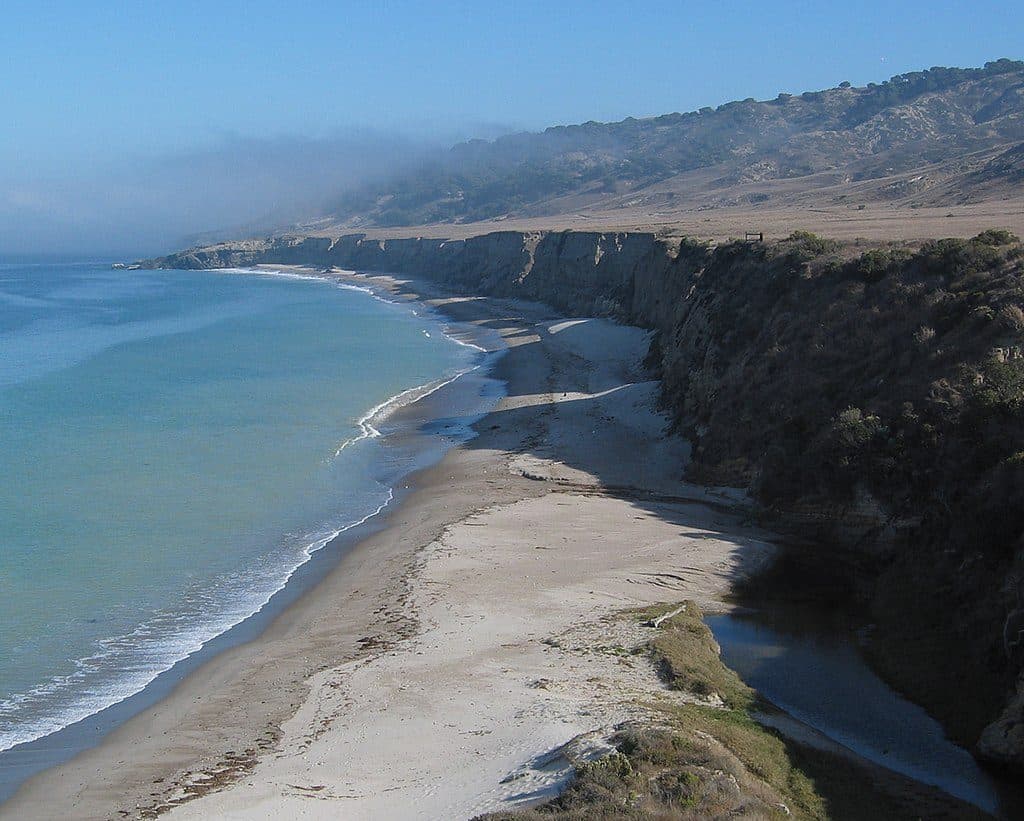 Beach · 1.2 mi awayWater Canyon BeachRemote 2-mile white-sand beach with wind and solitude
 Beach · 1.2 mi awayBechers BayWindswept white-sand beach and main gateway to Santa Rosa Island
 Sight · 2 mi awayTorrey Pines Overlook (Santa Rosa Island)Rare island pines meet sweeping ocean-and-canyon views
 Sight · 2.3 mi awayTorrey Pines GroveRare island grove of ancient Torrey pines with coastal views
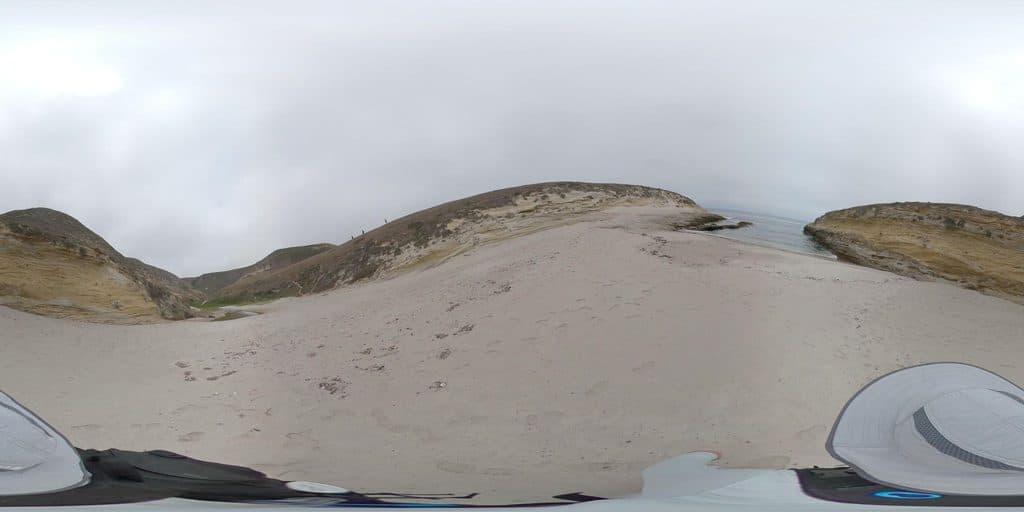 Sight · 2.9 mi awayLobo CanyonRemote, sculpted sandstone canyon that spills onto a wild coast
 Sight · 3.2 mi awaySanta Rosa IslandRemote island of wild beaches, Torrey pines, and foxes
Parkwolf’s Channel Islands ranking
The audio tour guide for the drive, plus offline maps, trails, and wildlife heatmaps for when the signal drops.


