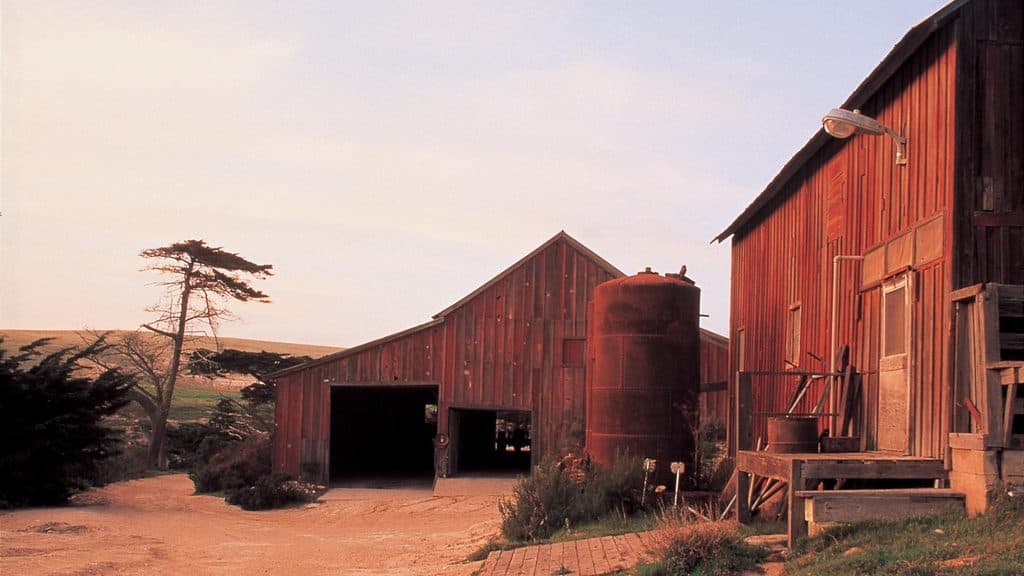
Skunk Point

Remote white-sand point with dunes, tidepools, and shorebirds
Skunk Point, Channel Islands National Park
InsideChannel Islands National Park

Overview

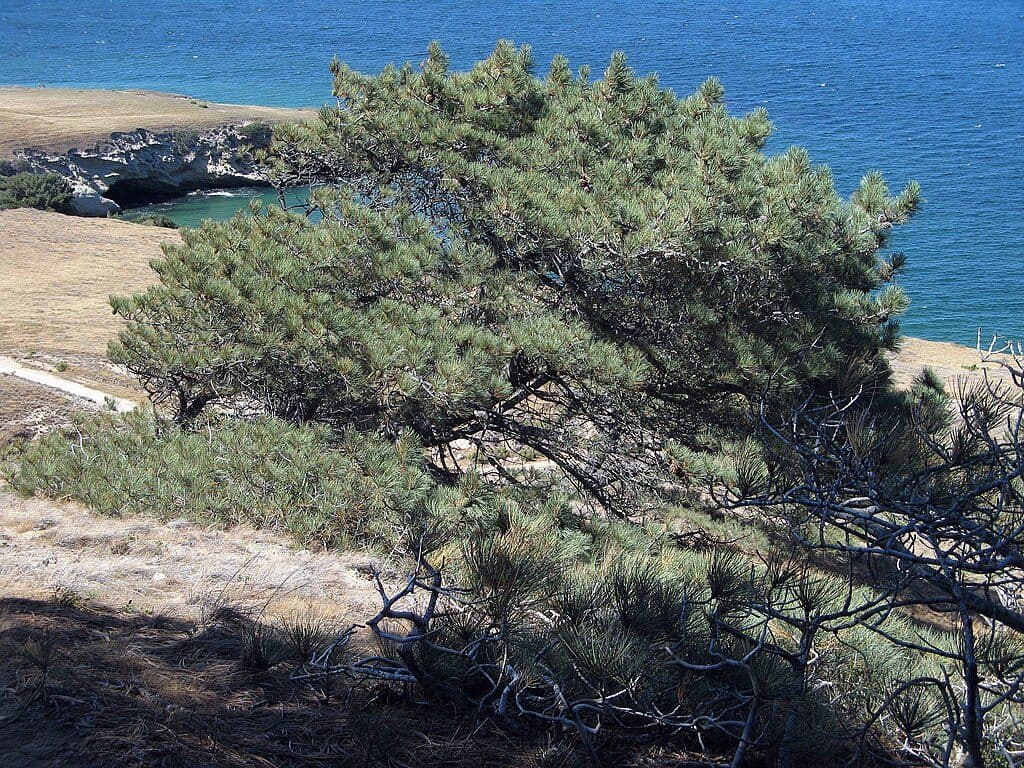
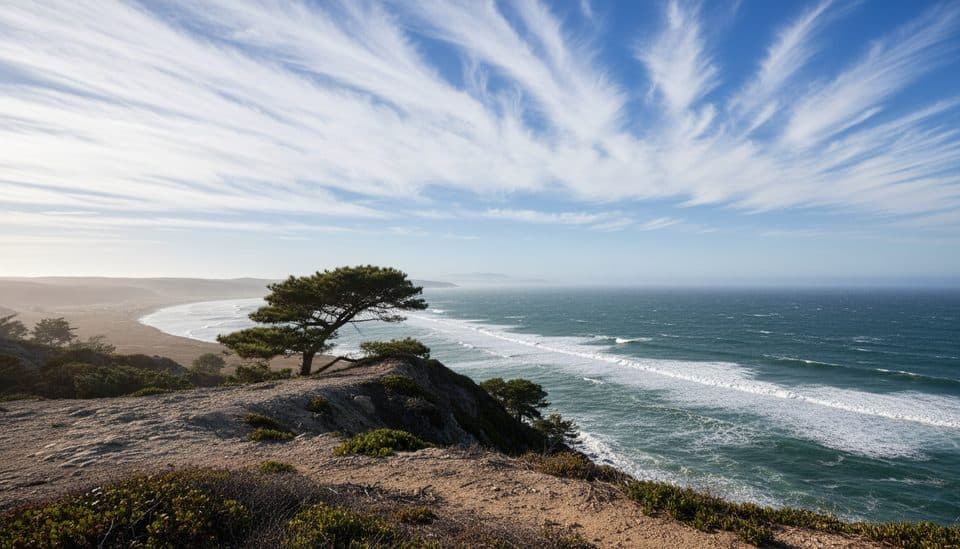
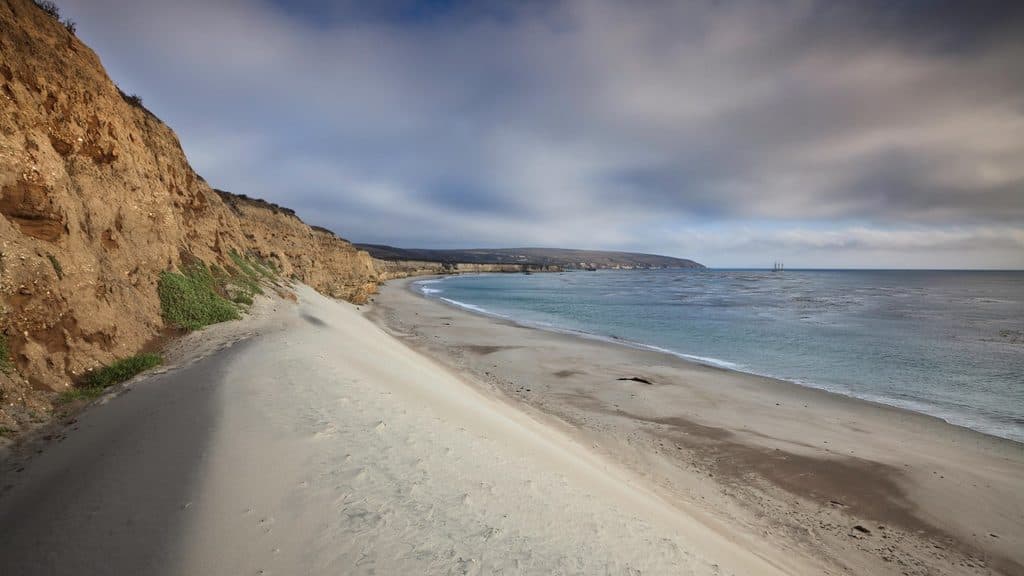
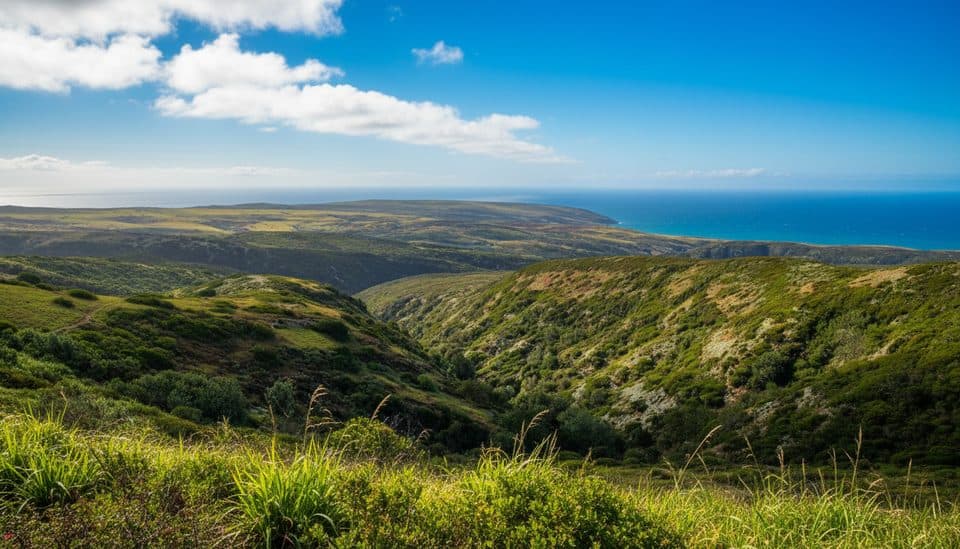
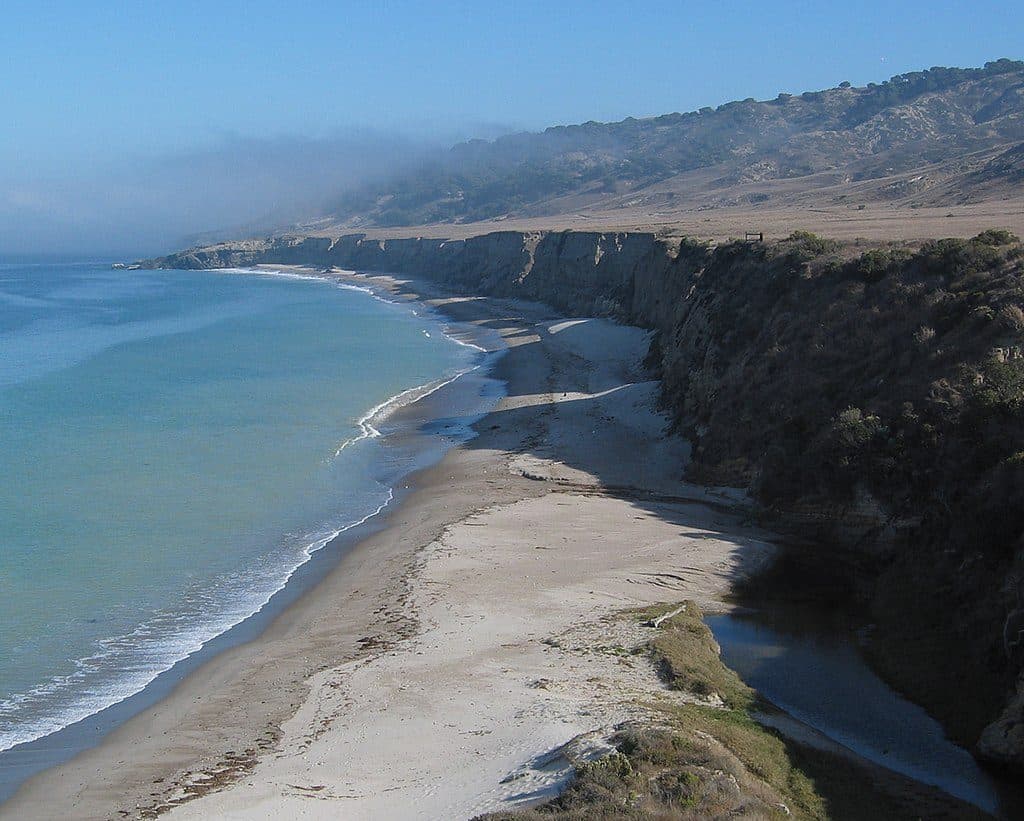
Skunk Point caps the east end of Santa Rosa Island with a broad, white-sand beach backed by wind-sculpted dunes and marshy backwaters. It feels utterly remote—big skies, booming surf, and often no one else around. If you’re up for the mileage, it’s one of the island’s most distinctive coastlines.

What You’ll See

  • Beaches and dunes: The main draw is the wide, powdery beach and vast dune field—classic Santa Rosa scenery with a wild, open feel.
  • Tidepools and rocky corners: Around the point and adjacent headlands, tidepools host hardy invertebrates like anemones, crabs, mussels, and barnacles.
  • Hints of history: Storms sometimes uncover shipwreck remnants on the sand, adding a bit of intrigue to the shoreline ramble.

Wildlife

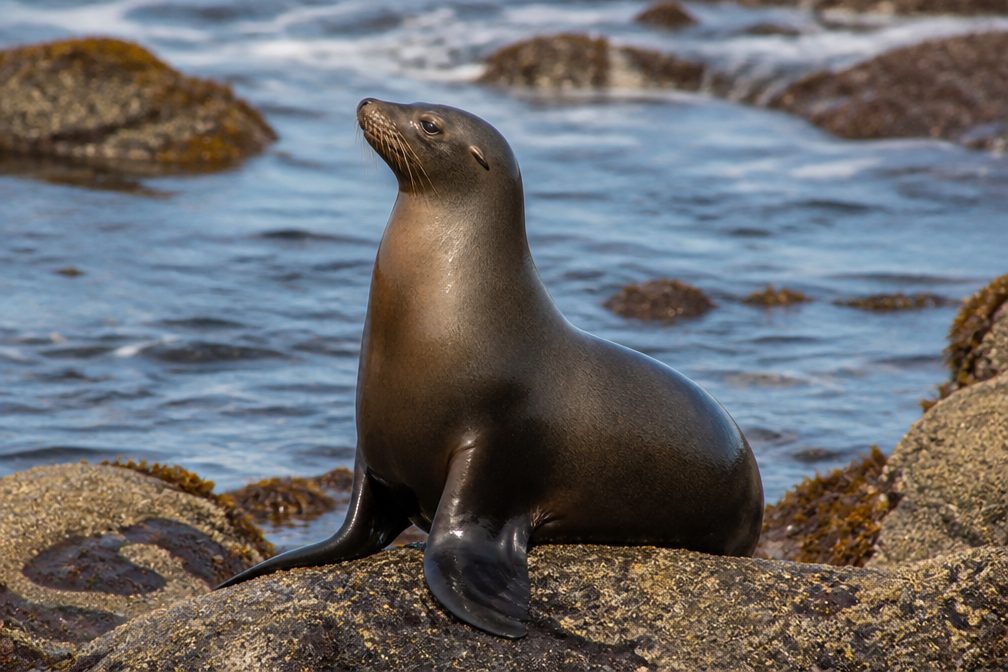
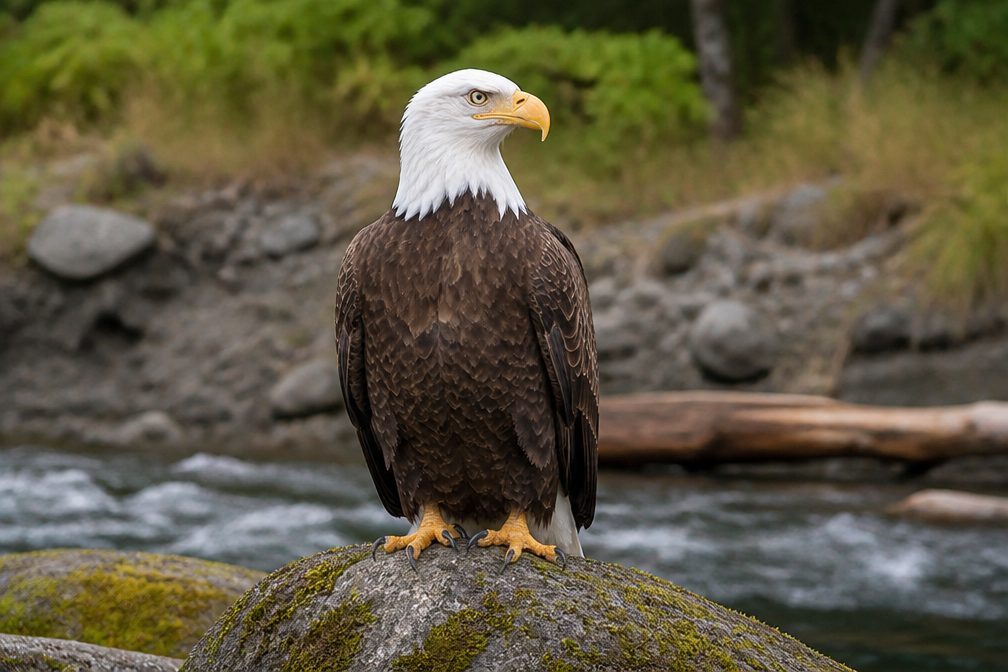
This is prime shorebird territory. The back-dune and beach zone is critical habitat for the threatened western snowy plover, so expect seasonal protections. Offshore, kelp forests and marine grass beds support a rich mix of marine life—keep an eye on the water for diving birds and fish activity.

Getting There & Effort

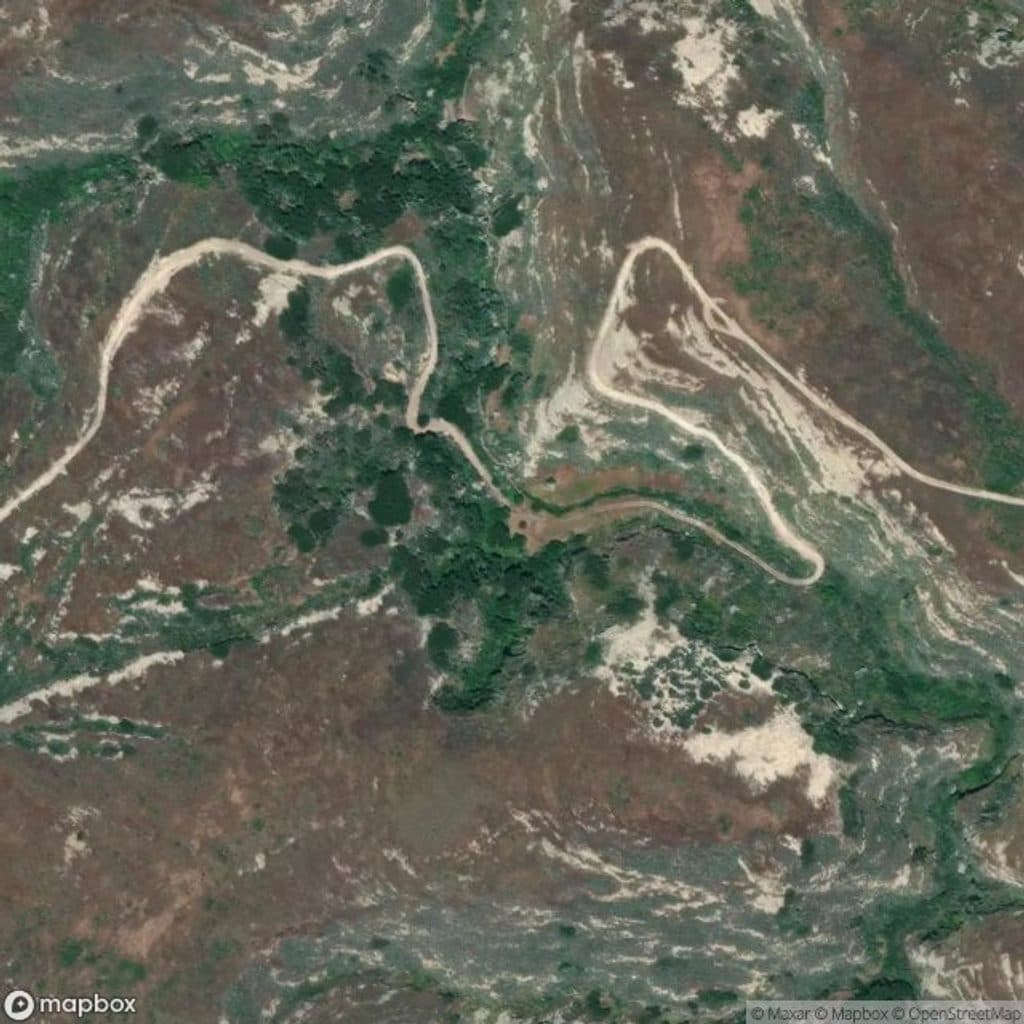
Plan on an 11–12 mile round-trip from the island’s pier area. The route is long, mostly exposed, and windy is common, so bring grit and good layers. There are no services along the way—no water, no restrooms, no shade—so you need to be fully self-sufficient.

Seasonal Closures

From March 1 to September 15, back-beach dunes (including the stretch at Skunk Point) are closed to protect nesting snowy plovers. During this period, hike on the wet sand below the high tide line where allowed or stick to designated roads and routes. Obey all signage; rangers enforce closures to safeguard this fragile habitat.

Best Time to Visit

  • Outside nesting season (mid-September through February) if you want freer exploration of the dune margins.
  • Early mornings typically bring calmer winds and better light for photos; afternoons can howl.
  • Low tide is best for tidepooling—check tides before you go.
  • Crowds are rarely an issue; the long approach keeps numbers low year-round.

What to Pack & Tips

Bring plenty of water, food, sun protection, and windproof layers; there’s no water or shade on the route. Navigation matters—carry a map and GPS for confidence on the long out-and-back. Footing is straightforward but the distance adds up, so start early and pace yourself.

Bottom Line

If you want solitude, sweeping coastal scenery, and real-deal wilderness beach vibes, Skunk Point delivers. If you want short walks and amenities, this isn’t your stop.

Pros

  • Pristine white-sand beach and sweeping dune system
  • Wildlife hot spot with tidepools and shorebirds

Cons

  • Long, exposed 11–12 mile round-trip hike from the pier
  • Seasonal nesting closures limit access to dunes; stay on wet sand

Tips

  • Start at first light to beat wind and comfortably cover the mileage.
  • Carry all water and food; there are no services on the route or at the point.
  • During Mar 1–Sept 15, stay on wet sand where allowed and obey dune closures.
  • Check tides for the best tidepooling and easier wet-sand travel.
  • Bring a map and GPS—signage is limited and the hike is long and exposed.
The Parkwolf tour guide sitting on a phone mounted in a car

Parkwolf Tour Guide

Like a tour guide in your car.

Save the places you found around Channel Islands, then let Parkwolf guide the drive between them.Download Parkwolf on the App Store