
Place · 0.6 mi away
Challenging
Fall Canyon delivers classic Death Valley drama without the crowds. Expect a remote-feeling out-and-back up a broad desert wash into a soaring chasm of multicolored rock. It’s 6.0 miles total (round-trip) to the main dryfall with about 2,460 feet of gain, and typically takes around 3.5 hours. The effort is steady rather than technical—the real grind is the deep, loose gravel underfoot.
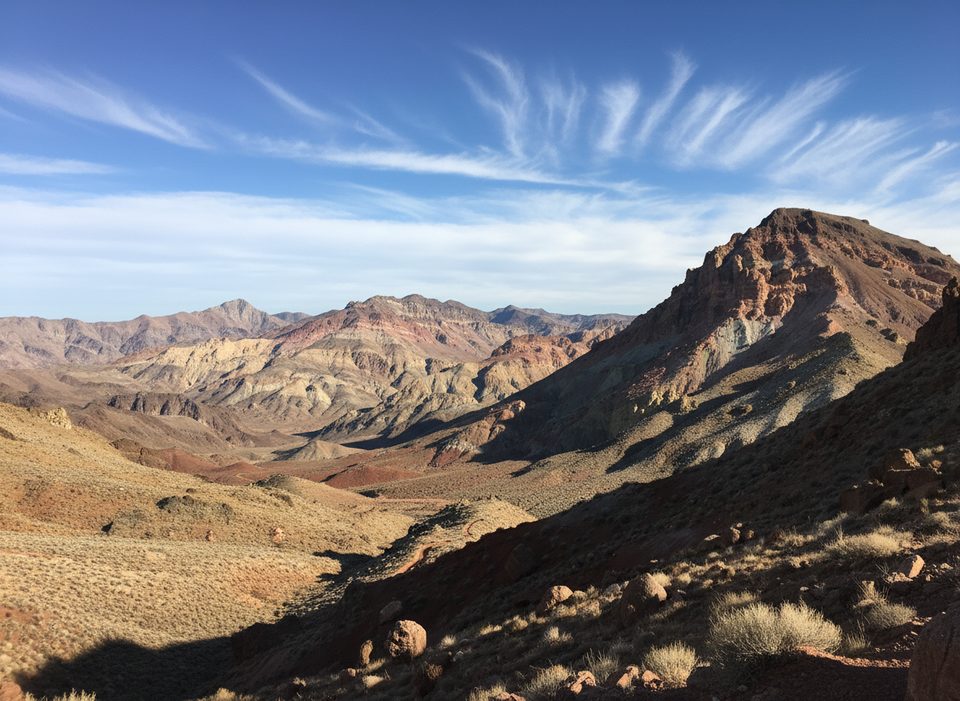
From the Titus Canyon parking area, a faint use-trail skirts the base of the mountains to the mouth of Fall Canyon. You’ll cross an alluvial fan with occasional seasonal wildflowers and big views back over the valley before dropping into the main wash. Once in the canyon, the path is straightforward: follow the wash as the walls rise higher and colors intensify. About 2 miles in, a side canyon branches off—duck in briefly to admire an impressive dryfall—then continue up the main drainage.
At roughly 3 miles, a roughly 20-foot dryfall blocks the way for most hikers and serves as the standard turnaround. Confident scramblers can bypass it via a short, steep, and loose route on the south side to reach especially photogenic narrows above, with smooth walls and a hushed feel. Beyond, the canyon alternates between tight, twisting sections and wider, airy corridors.
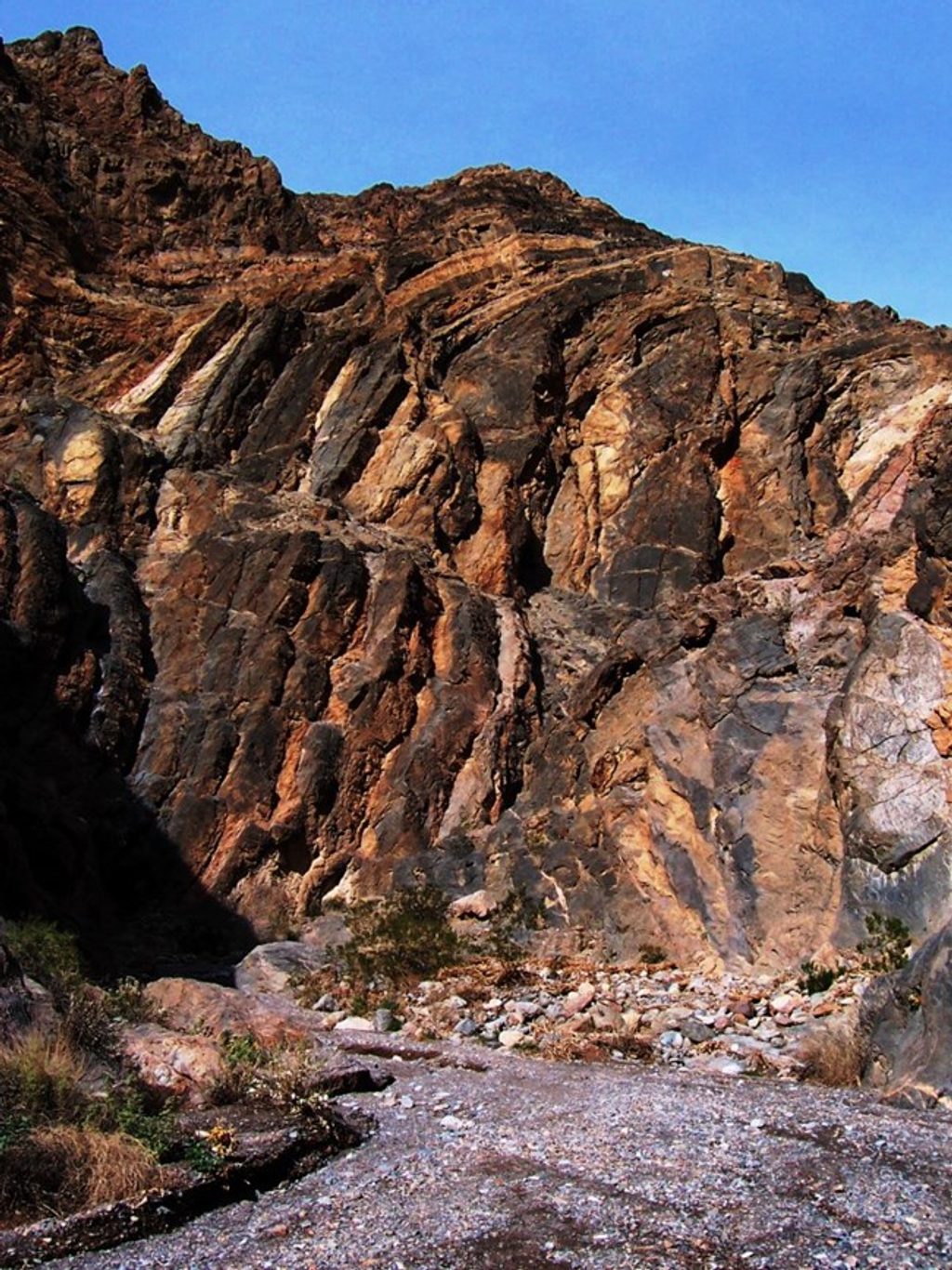
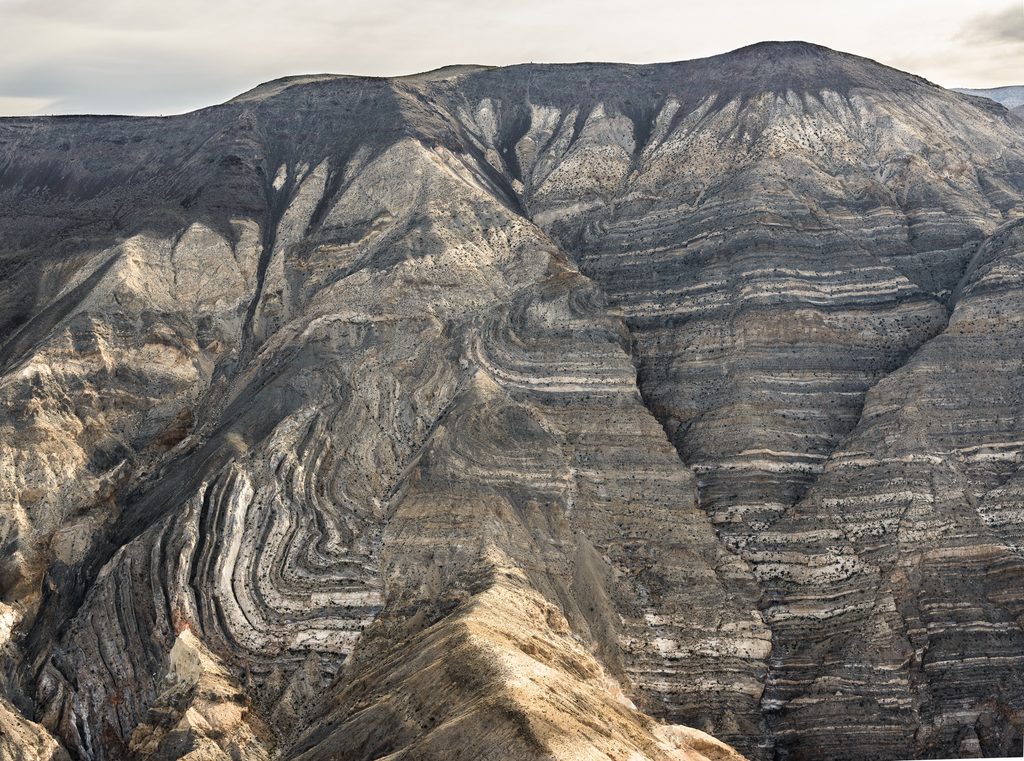
This is a canyon lover’s canyon. Sheer walls climb up to 2,000 feet, banded in reds, oranges, yellows, whites, and blacks. Look for the striking Bonanza King dolomite and limestone—orange-and-black striping that steals the show. In places the rock is buckled and twisted, a snapshot of the powerful forces that shaped the Grapevine Mountains. Higher up, the narrows feature smooth walls that can take on a bluish tint after floods polish the rock. Keep an eye out for “hanging gardens” where hardy plants cling to the cliffs.
Access the Titus Canyon parking area via a 2.7-mile, two-way unpaved stretch of Titus Canyon Road off Scotty’s Castle Road. It’s typically passable to sedans. Park in the gravel lot (vault toilet available). The lot isn’t suitable for large RVs or buses. The use-trail to Fall Canyon begins behind the restroom and runs along the base of the mountains to the wash.
If you like big walls, solitude, and geologic eye candy, yes. It’s less busy than nearby Titus Canyon and feels wilder. Compared with Golden Canyon’s splashy color, Fall Canyon trades crowds for scale and quiet. The catch: the deep gravel makes it a cardio slog, and most hikers will turn around at the dryfall unless they’re comfortable with a steep, loose bypass.
Go in fall, winter, or spring when temperatures are mild. Start early for shade on the approach and softer light on the canyon walls; mid-afternoon can be harsh and hot. Avoid summer—extreme heat makes this a bad idea.
Titus Canyon parking area via a 2.7-mile unpaved two-way segment off Scotty’s Castle Road; gravel lot with a vault toilet; not suitable for large RVs or buses. The use-trail starts behind the restroom.
Extreme heat outside cooler months; no water on route; deep loose gravel; flash flood risk after rain; dryfall bypass is steep and loose—turn around if unsure.
Place · 0.6 mi away
Place · 2.5 mi away
Place · 4 mi away
Place · 7.5 mi away
Challenging · 7.5 mi away
Challenging · 12.5 mi away
Easy · 15.4 mi away
Easy · 16.3 mi away

Parkwolf Tour Guide
