Overview
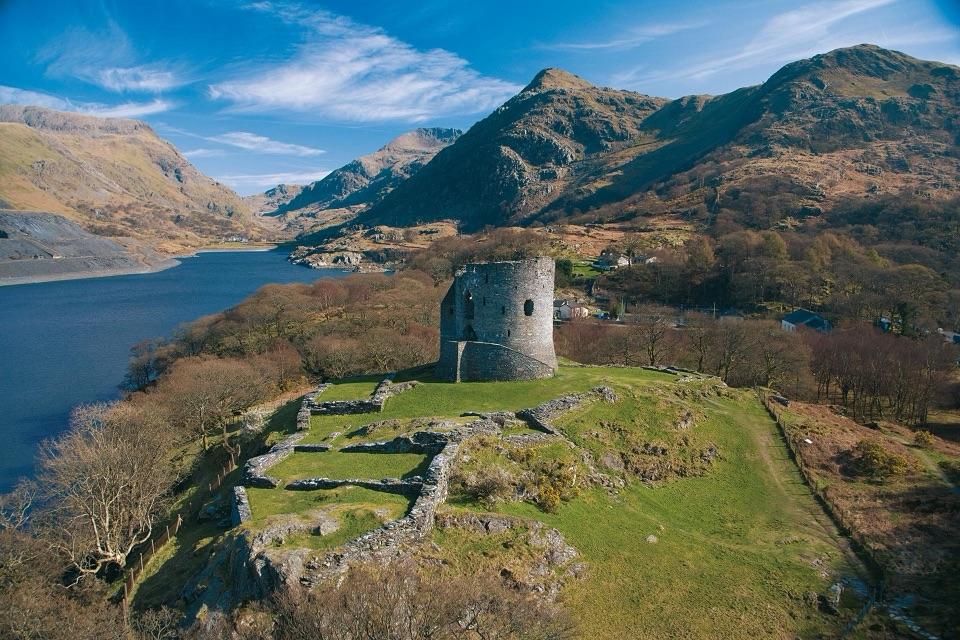
About Dolbadarn Castle
Why stop
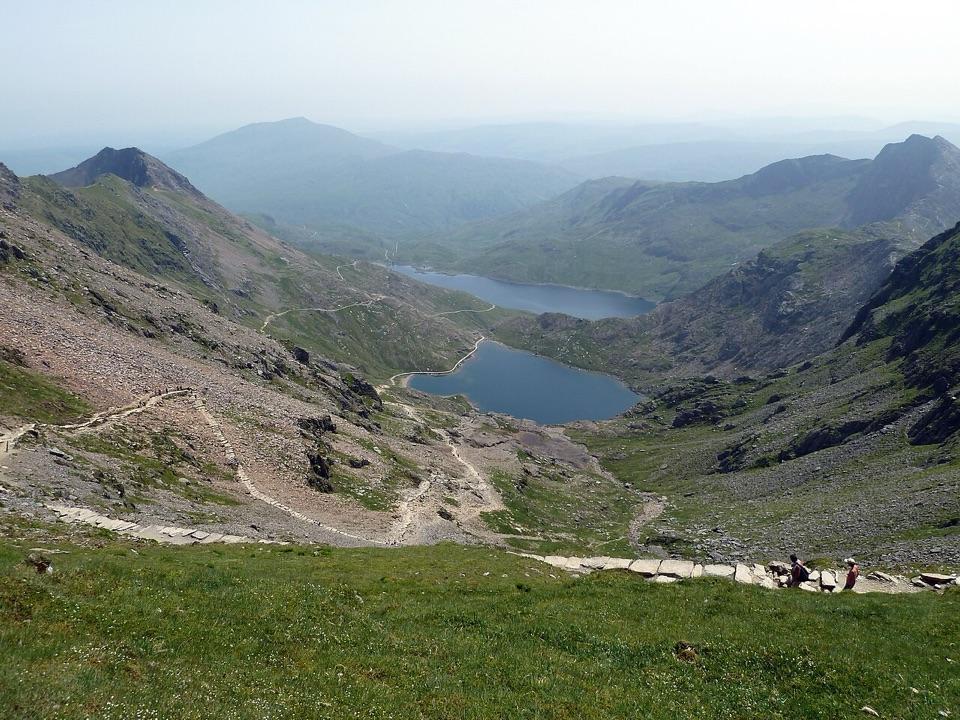
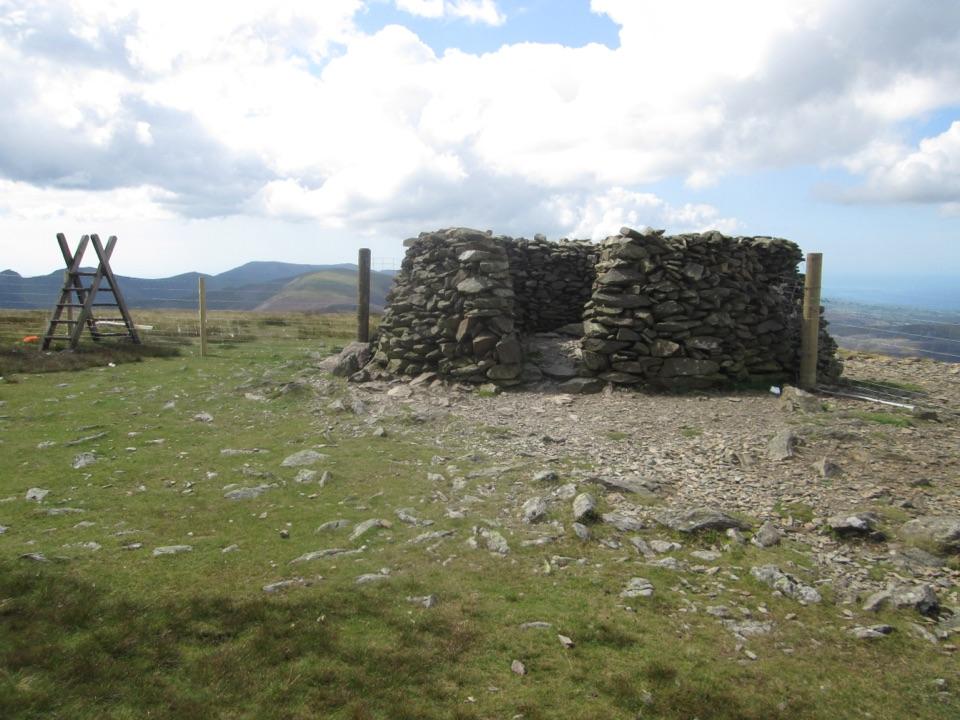
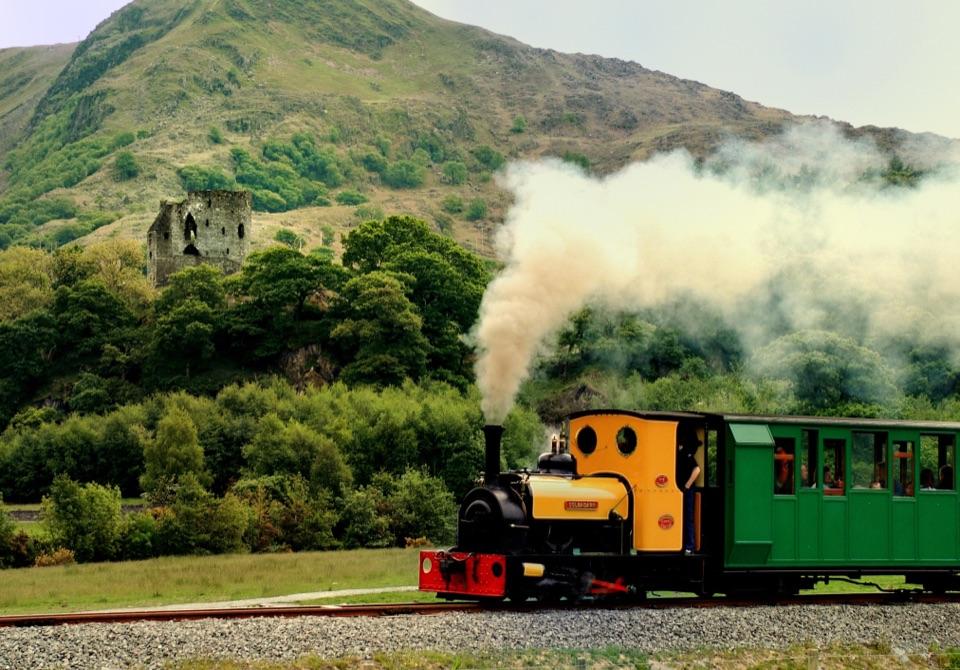
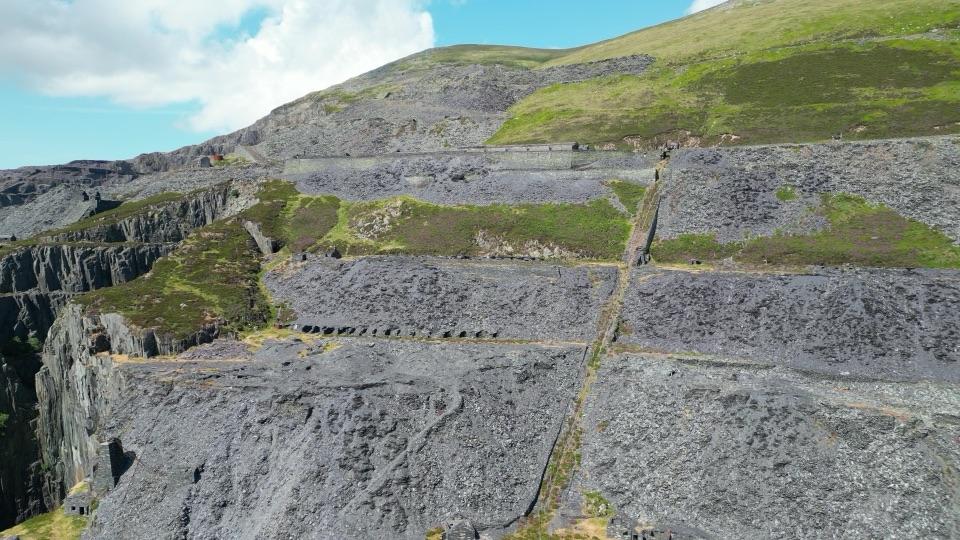
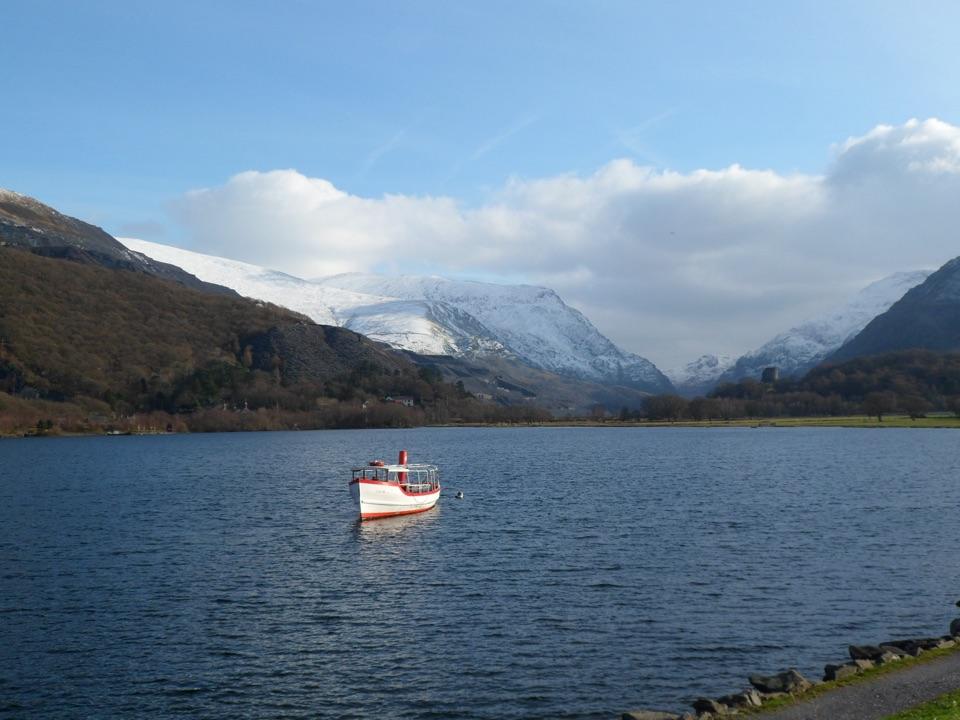
- Round tower and slate ruins with a classic Llanberis Pass backdrop
Heads up
- Muddy approach and steep, uneven steps in wet weather
Map
Where it is
The highest, rockiest slopes around here are a summer buffet for grizzly bears.
Eryri Tour Guide
Your drive to Dolbadarn Castle, narrated.
Parkwolf is a GPS audio tour guide for Eryri National Park. As you drive, it chimes in with what’s ahead: hidden gems, upcoming stops, history, geology, and wildlife, right through your car’s speakers.
See the Eryri audio tourRecorded for this place
Llanberis and Llyn Padarn“You're nearing Llanberis, the village beside Llyn Padarn. For a shorter visit, I'd choose the walk to Dolbadarn Castle's round tower, built to guard the pass for the princes of Gwynedd.”
Plays as you drive up to Dolbadarn Castle in the Parkwolf Eryri Tour Guide.
More stories near here in the app
- The Prisoner of Dolbadarn
- The Mountain That Stores Power
- The Corner Above the Pass
- Two Names for the Ranger Path
- 298 audio storiesacross Eryri’s roads, triggered by GPS as you drive
- Wildlife heatmapsfor Grey Heron, European Badger, Tawny Owl, and 10 more
- Works offlinemaps, 122 trails, 84 places, and audio download before you lose signal
- CarPlay readysimple controls built for the drive
“Fantastic app with many points of information… It’s great to just turn on while you’re driving and it gives you an audio tour of the national Park. We love it!!!!”


Guide
More about Dolbadarn Castle
A Welsh castle above the passDolbadarn Castle is a compact ruin on a rocky knoll above Llanberis, with Llyn Padarn on one…
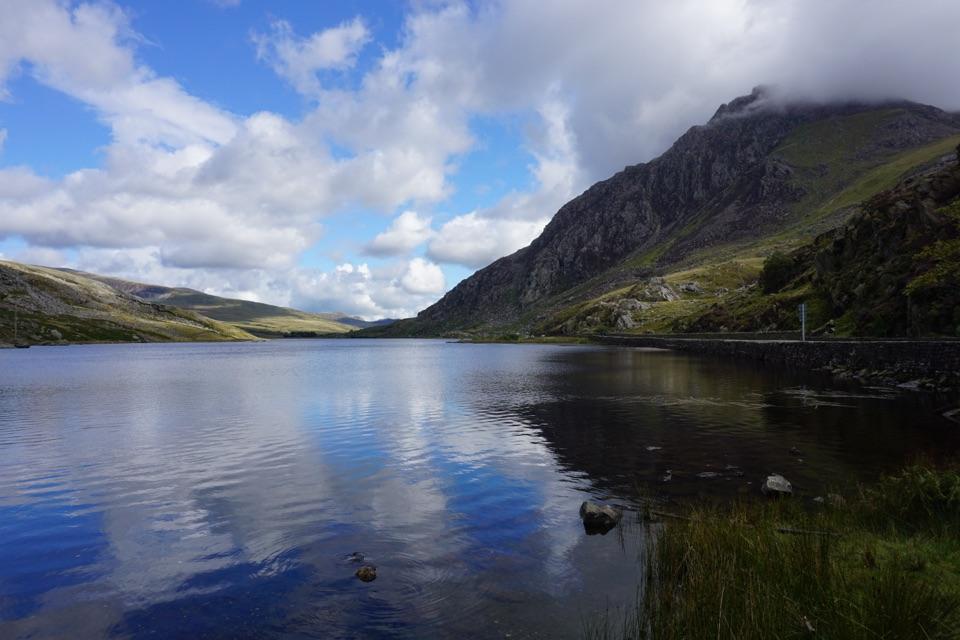
Dolbadarn Castle is a compact ruin on a rocky knoll above Llanberis, with Llyn Padarn on one side and the Llanberis Pass on the other. Its sturdy round tower rises 50 feet (15.2 metres) above the remains of the walls. Come for a short historic stop and the setting rather than a sprawling castle complex.
Allow 10 to 25 minutes to walk from the paid car park across the road. Farm tracks can be muddy, uneven and slippery; the approach steepens near the castle and finishes on a natural path and historic stone steps. There is a handrail on the main entrance steps.
Exploring the towerA single ruinous staircase leads up inside the tower.
A single ruinous staircase leads up inside the tower. It is narrow and awkward, with steps and dim natural light, so take care and keep away from the edges. Guardrails protect dangerous areas; do not climb over them or onto the walls. If the stairs do not suit you, the views from the base and the rock outside are still rewarding.
The low remains around the keep include curtain walls of unmortared slate slabs. For a photograph, frame the round tower against the pass and mountains, then turn toward Llyn Padarn for the view down the valley.
A stronghold of GwyneddThis is a native Welsh castle, probably built by Llywelyn ap Iorwerth, or Llywelyn the Great,…
This is a native Welsh castle, probably built by Llywelyn ap Iorwerth, or Llywelyn the Great, in the late 12th or early 13th century. It guarded the route inland from Caernarfon toward the upper Conwy Valley and formed part of the defences of the medieval kingdom of Gwynedd.
The tower's design was probably influenced by fortresses built by Llywelyn's rivals in the southern Marches. Its solid round form stands apart from the slate-slab curtain walls around it.
Making the visit workThe site is open all year during reasonable daylight hours.
The site is open all year during reasonable daylight hours. Dogs on short leads are welcome on ground-floor levels. The knoll is exposed, and stone and tracks can be slippery after rain. Plan food, water and toilets in Llanberis; a walk beside Llyn Padarn pairs well with the castle.
Wildlife
Wildlife in Eryri
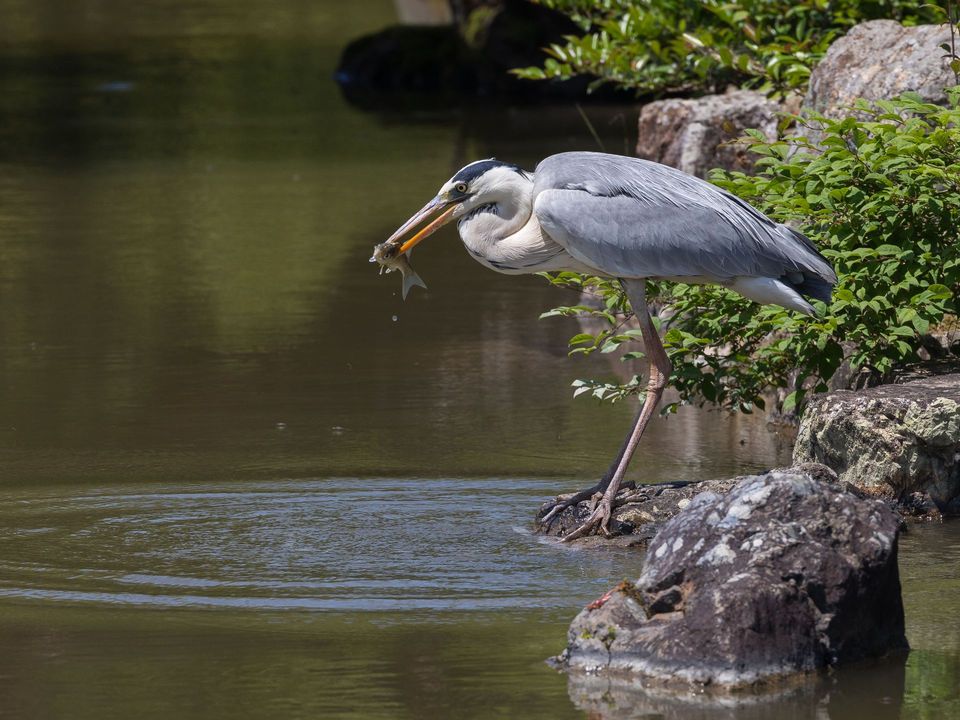 80 sightingsGrey HeronMost seen around 7 AMSighting map
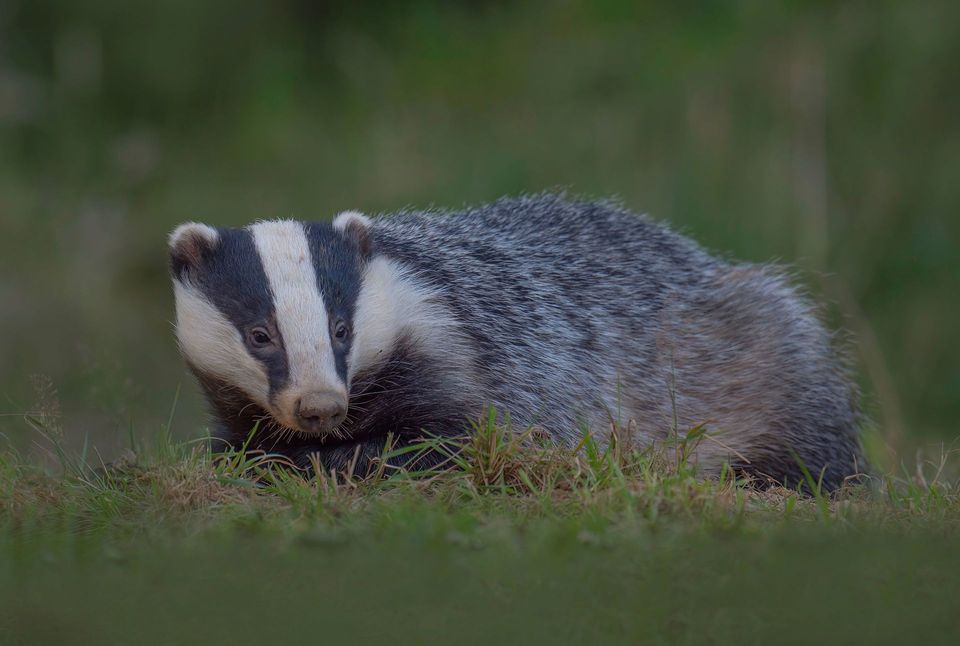 10 sightingsEuropean BadgerMost seen around 8 PMSighting map
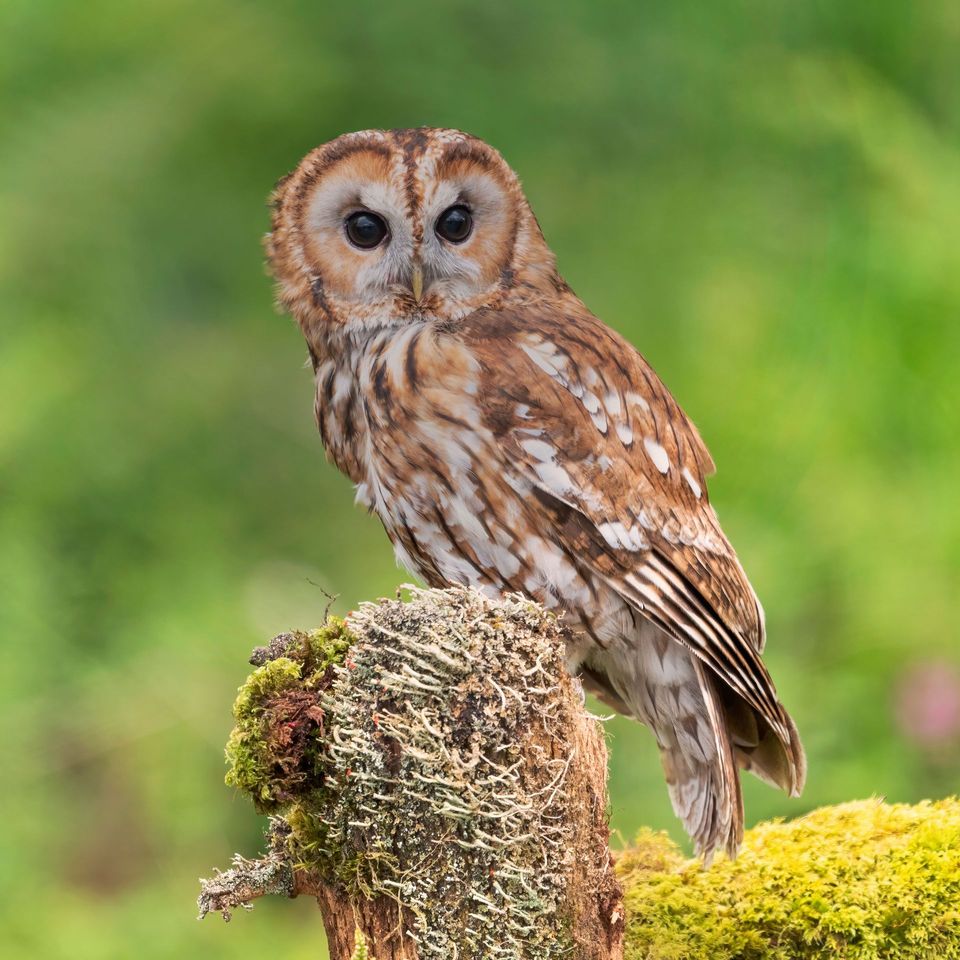 17 sightingsTawny OwlMost seen around 6 AMSighting map
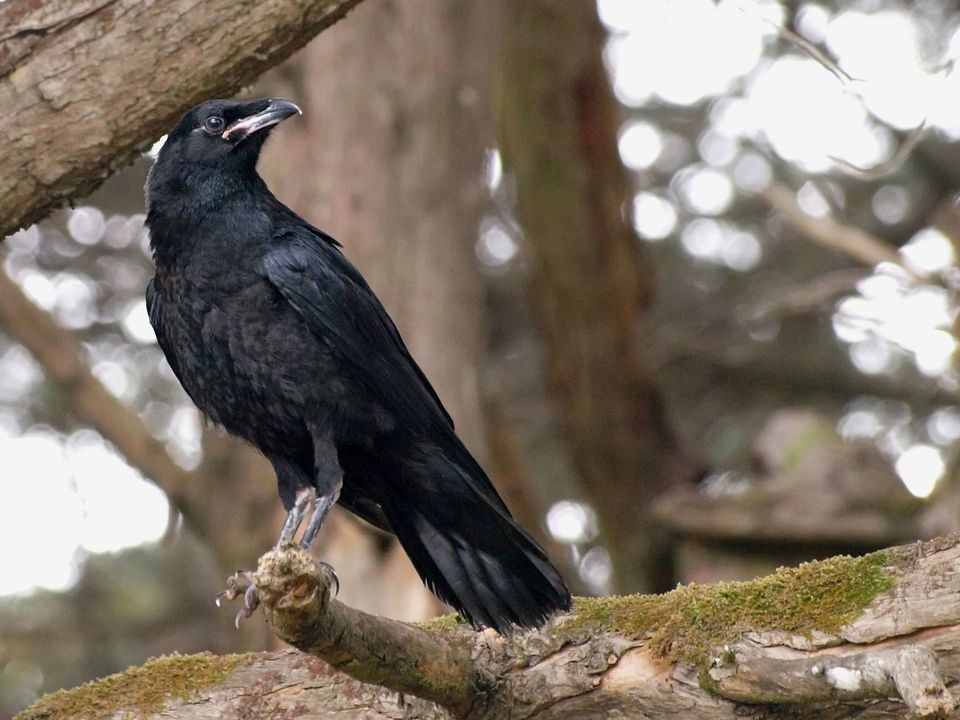 36 sightingsCommon RavenMost seen around 8 AMSighting map
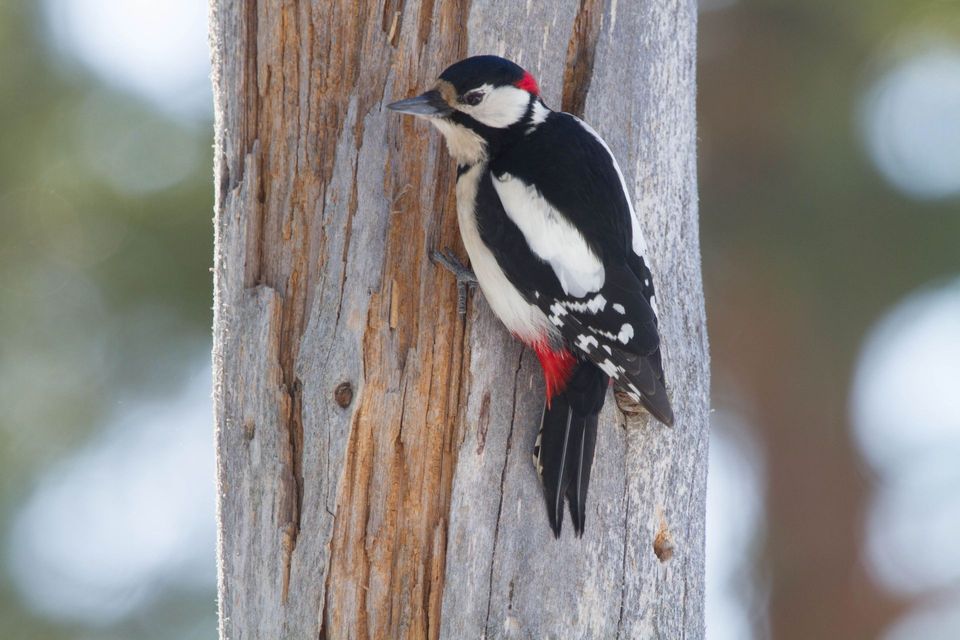 21 sightingsGreat Spotted WoodpeckerMost seen around 7 AMSighting map
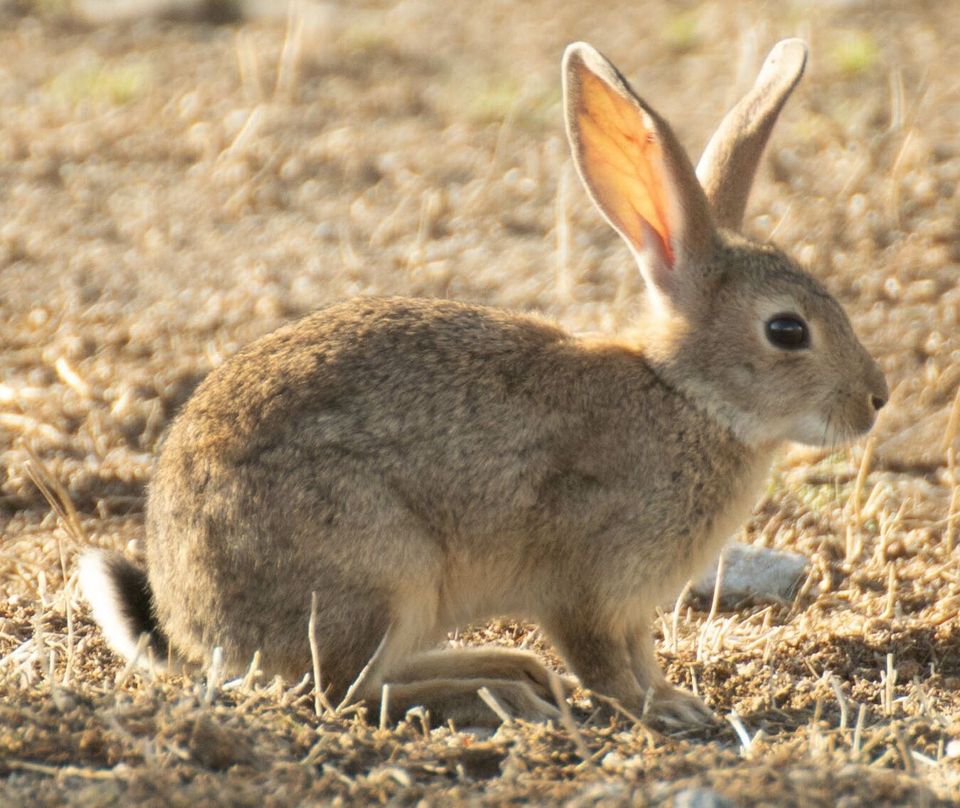 18 sightingsEuropean RabbitMost seen around 7 AMSighting map
Sighting maps show where each species has been reported across Eryri. Wildlife moves, so no sighting is guaranteed.