Phantom Ranch

Historic cabins and canteen at the canyon’s floor oasis
Phantom Ranch, Grand Canyon National Park
InsideGrand Canyon National Park

Overview

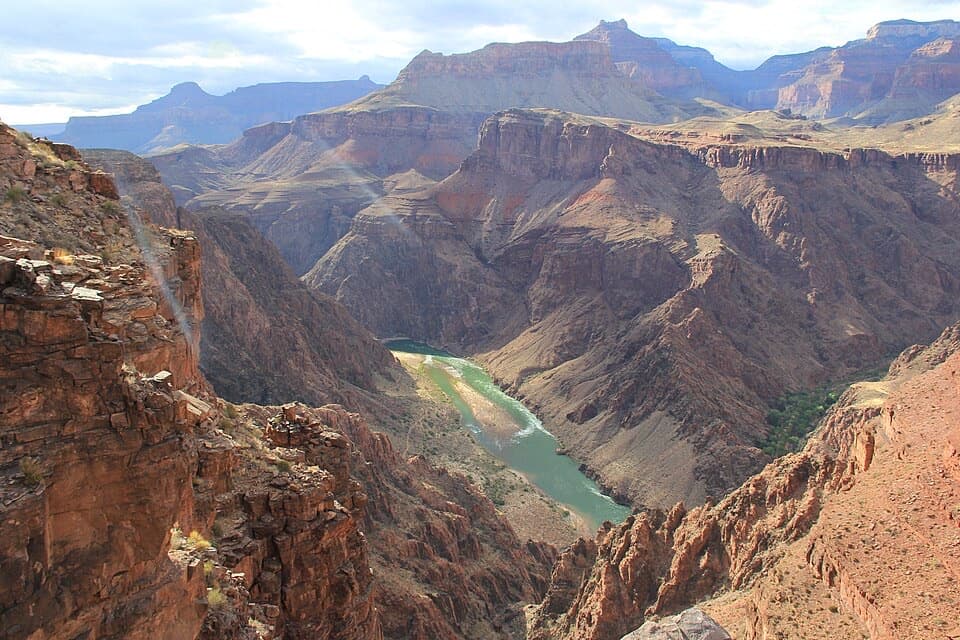
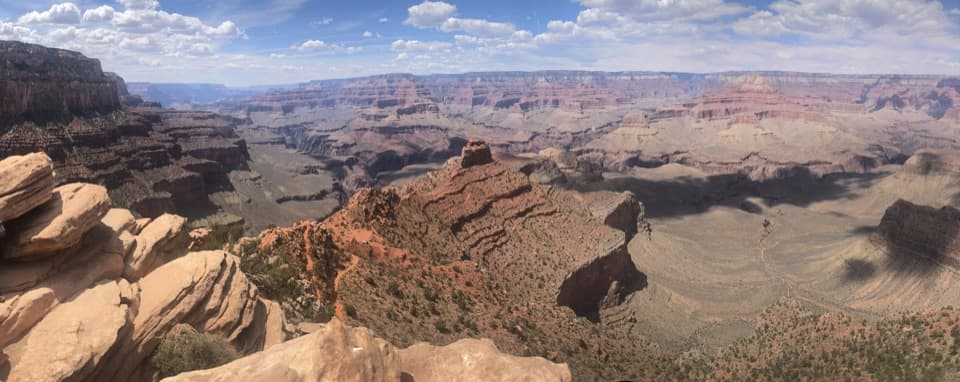
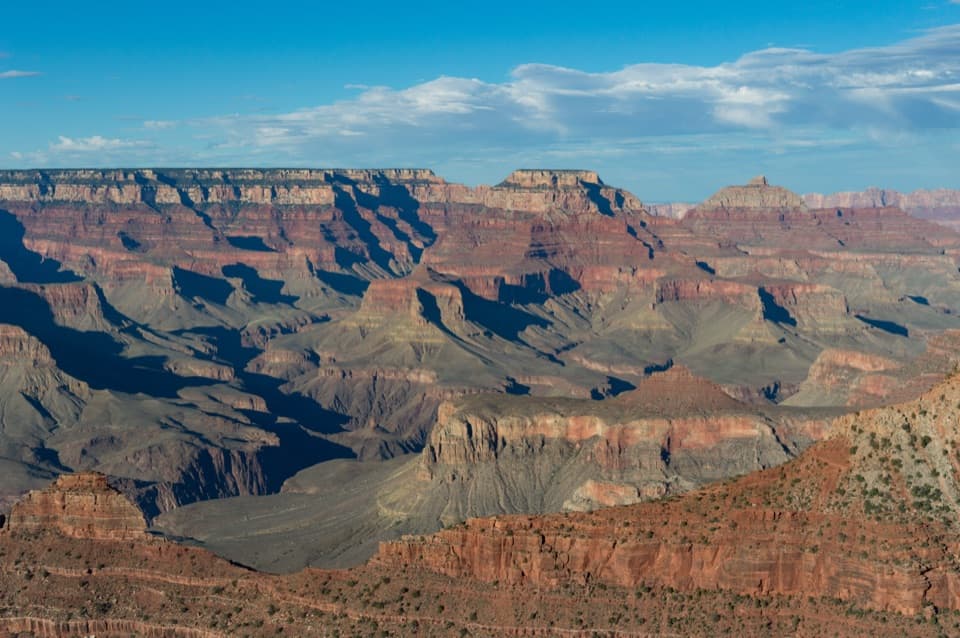
Tucked beside Bright Angel Creek at the canyon floor, Phantom Ranch is the park’s classic oasis: historic cabins and simple dorms, a tiny canteen, and star-filled skies framed by thousand‑foot walls. Built in the 1920s (with rustic architecture credited to Mary Colter), it’s the only place you can sleep in a bed below the rim—no tent required.

Getting There

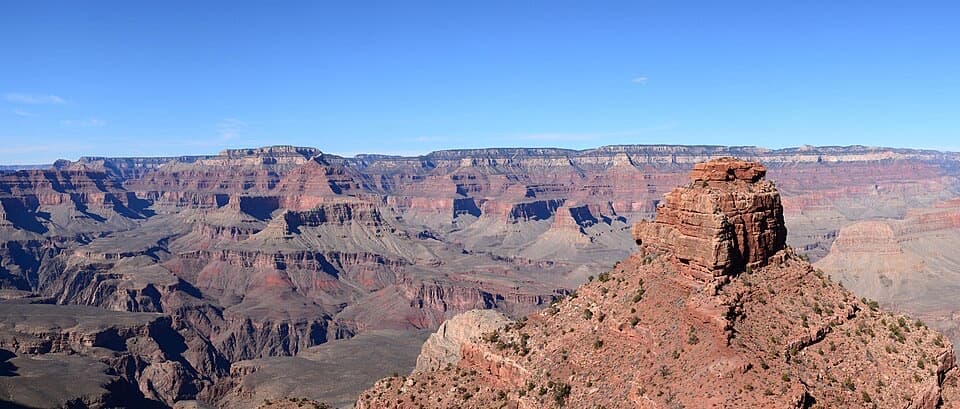
There’s no road. You hike 7–14 miles via the South Kaibab, Bright Angel, or North Kaibab Trails, ride a mule, or arrive by river. Expect real effort, exposure, and big elevation change; the South Kaibab in particular has no water on the way down. Start early, carry electrolytes, and check current trail conditions before you commit.

Staying Here

Cabins have a cold‑water sink and toilet; showers are in a central building. Dorms are bunk-style with shared facilities. Heating in winter and cooling in summer keep things reasonable, but the vibe is intentionally spartan. Bedding and towels are provided. The experience is about the setting and the quiet, not luxury.

Food & The Canteen

Meals (breakfast and dinner) must be reserved in advance and are served family‑style—perfect for swapping stories with other hikers. Walk‑up snacks, drinks, and small essentials are sold from the canteen window during limited hours; cold lemonade has an outsized reputation after a hot descent. Drinking water refills are available.

What Makes It Special

  • Historic, below‑the‑rim lodge at the confluence of Grand Canyon history and adventure.
  • Night skies are exceptional—this is dark, quiet country.
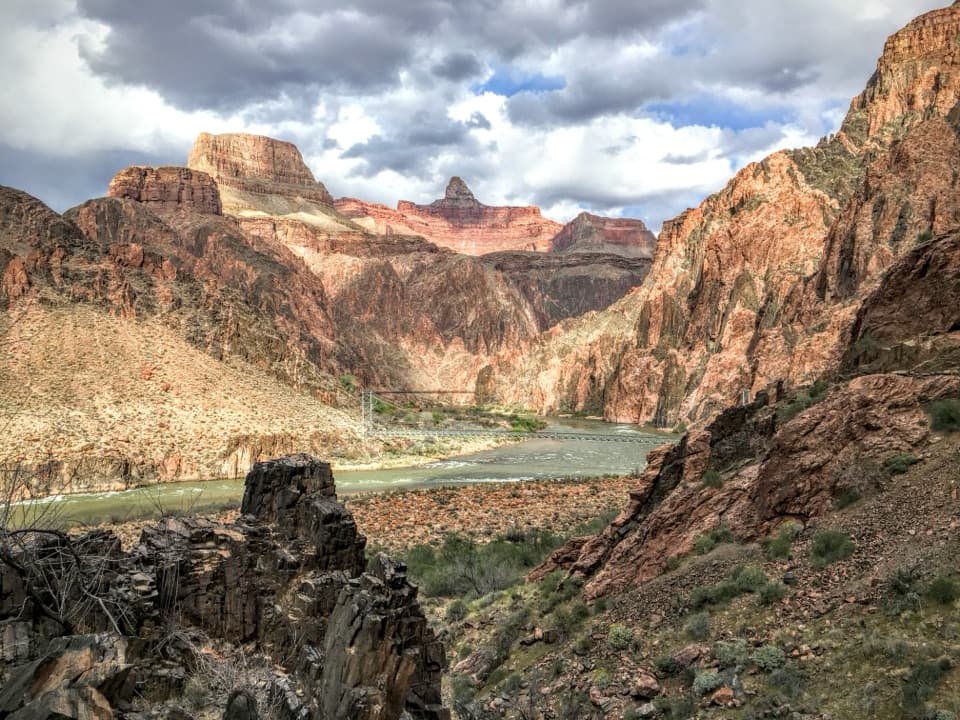
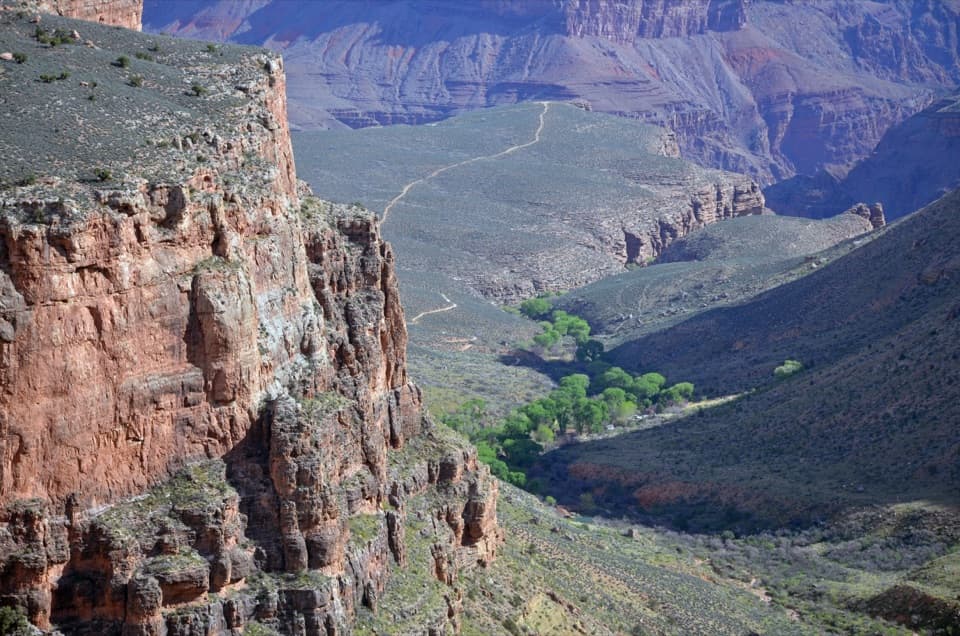
  • You’re steps from the Colorado River, the Silver and Black Bridges, riparian greenery along Bright Angel Creek, and the ranch’s rustic buildings.
  • Mail still arrives by mule—a charming throwback.

Wildlife

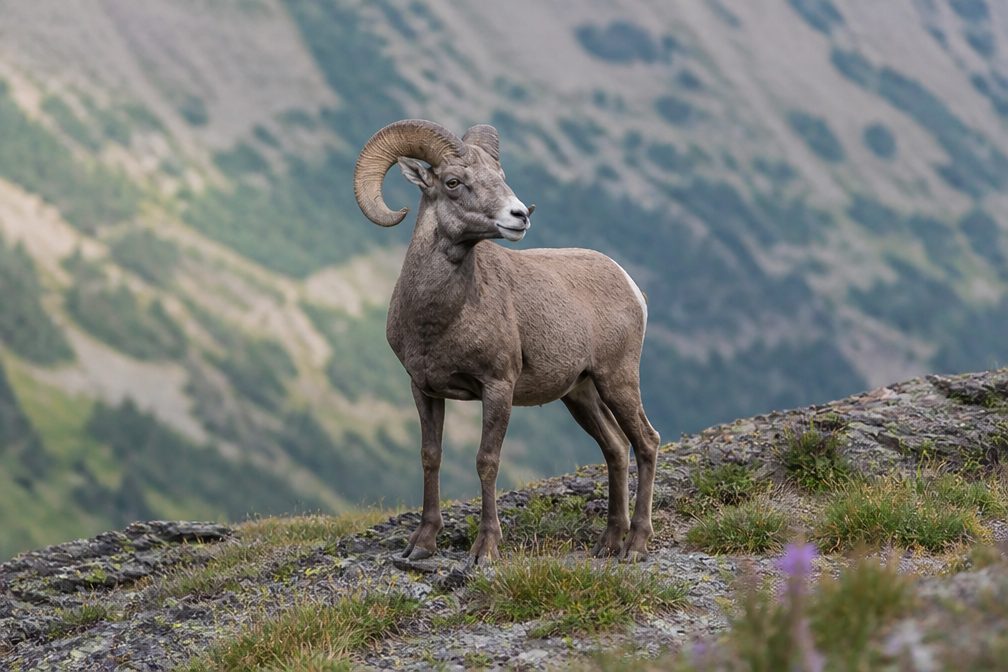
Around the creek, watch for lizards, squirrels, bats, and a mix of canyon birds; frogs and toads thrive in the riparian zone. Occasional sightings include ringtails, mule deer, bighorn sheep, and even rattlesnakes. Some evenings feature ranger programs and scorpion night walks—check postings when you arrive.

Need-to-Know

  • Demand is intense. Space is limited and often allocated via an advance request/lottery system. Plan early and be flexible.
  • The inner canyon gets dangerously hot midday. Time your hike for early morning or later afternoon, and pack salts/electrolytes.
  • South Kaibab has no water en route; carry what you need.
  • Services are minimal: think simple meals, a few supplies, and basic comforts.

Best Time to Visit

Aim for cooler weather and cooler hours. Start predawn for the hike in and out, avoid the midday furnace at the bottom, and linger after sunset for stargazing. Weekdays are a touch quieter, but the real limiter here is reservations—grab any date you can get.

Pros

  • Only below-the-rim lodging with real beds
  • Canteen meals by reservation plus snacks and cold drinks

Cons

  • No road access—reached only by strenuous hike, mule, or raft
  • Reservations are highly competitive and limited

Tips

  • Submit your lodging request as early as possible and be flexible on dates.
  • Reserve meals in advance; walk-up food is limited to snacks and drinks.
  • Start hikes before dawn—inner canyon heat is brutal by late morning.
  • South Kaibab has no water; carry ample water and electrolytes.
  • Check current trail alerts and conditions before committing to your route.
The Parkwolf tour guide sitting on a phone mounted in a car

Parkwolf Tour Guide

Like a tour guide in your car.

Save the places you found around Grand Canyon, then let Parkwolf guide the drive between them.Download Parkwolf on the App Store