Parking
There is no road access or parking at the junction. It sits about 0.3 mile north of Phantom Ranch on the North Kaibab Trail; reach it on foot from Phantom Ranch.

Grand Canyon National Park, AZ
An exposed, full-day traverse across the Tonto Platform to Clear Creek.
Overview
Map & elevation
Plan your hike

The highest, rockiest slopes around here are a summer buffet for grizzly bears.
Grand Canyon Tour Guide
Parkwolf is a GPS audio tour guide for Grand Canyon National Park. As you drive, it chimes in with what’s ahead: hidden gems, upcoming stops, history, geology, and wildlife, right through your car’s speakers.
See the Grand Canyon audio tourMore stories near here in the app
“Fantastic app with many points of information… It’s great to just turn on while you’re driving and it gives you an audio tour of the national Park. We love it!!!!”


Trail guide
Clear Creek Trail is an 8.4-mile, one-way backcountry route from a junction on the North Kaibab Trail to Clear Creek. It climbs away from Phantom Ranch, crosses the north-side Tonto Platform, then drops into the creek’s drainage. This is a point-to-point walk, not a loop, and it’s a demanding stretch of the inner canyon rather than a casual side trip. Allow about seven hours for the trail itself with breaks. Reaching Phantom Ranch from either rim takes its own long hike, so this makes more sense as part of a backcountry itinerary than as an out-and-back from the rim in one day.
The signed junction sits about 0.3 mile north of Phantom Ranch. From there, steep switchbacks climb toward Phantom Overlook, a sharp turn with stone benches and an open view straight down to the ranch. It’s a good place to stop early, but it can fool you into thinking the route is nearly at its payoff. It isn’t. The trail continues along the base of Tapeats Sandstone before climbing another stretch onto the Tonto Platform. This section also exposes the Great Unconformity, a gap of more than a billion years in the rock record.
On the plateau, the path contours east across Sumner Wash and two smaller drainages, with long views toward Zoroaster Temple. Near Demaray Point it turns north toward Clear Creek. The broad canyon that appears on your right is only a sign you’re about halfway there, not at the creek. Keep that in mind if you’re judging progress by the view. The Tonto stretch is open and exposed, and there’s still a long way to go.
At the far end, the trail leaves the plateau on a narrow series of switchbacks over bright orange Hakatai Shale. The loose, steep footing is the roughest part of the route. The marked trail ends at a dry tributary bed; walk about 150 meters down the wash to reach Clear Creek itself. This trail’s line ends there. Routes farther downstream to the Colorado River and upstream toward Cheyava Falls are separate backcountry trips and aren’t included here.
From Phantom Ranch to Clear Creek, the slope faces south and gets sun from sunrise to sunset. There’s no shade or reliable water between the ranch and the creek. Sumner Wash potholes are seasonal, so don’t plan a hot, exposed crossing around finding water there. In hotter months, the park recommends starting very early or hiking in the evening; either way, water is the limiting factor. Clear Creek is susceptible to flash floods. Treat or filter creek water before drinking. If you camp, the Clear Creek Use Area is at-large except for no-camping zones; an overnight backcountry permit is required; bring an animal-proof food container.
The Civilian Conservation Corps built this route in 1934 and 1935 as a mule trail from Phantom Ranch to a scenic side canyon. It remains the only trail crossing the north-side Tonto Platform. The route follows Tapeats Sandstone, where the Great Unconformity marks more than a billion years missing from the rock record. Stop at Phantom Overlook and look back at the canyon you’ve climbed out of before the wider Tonto views take over.
Wildlife
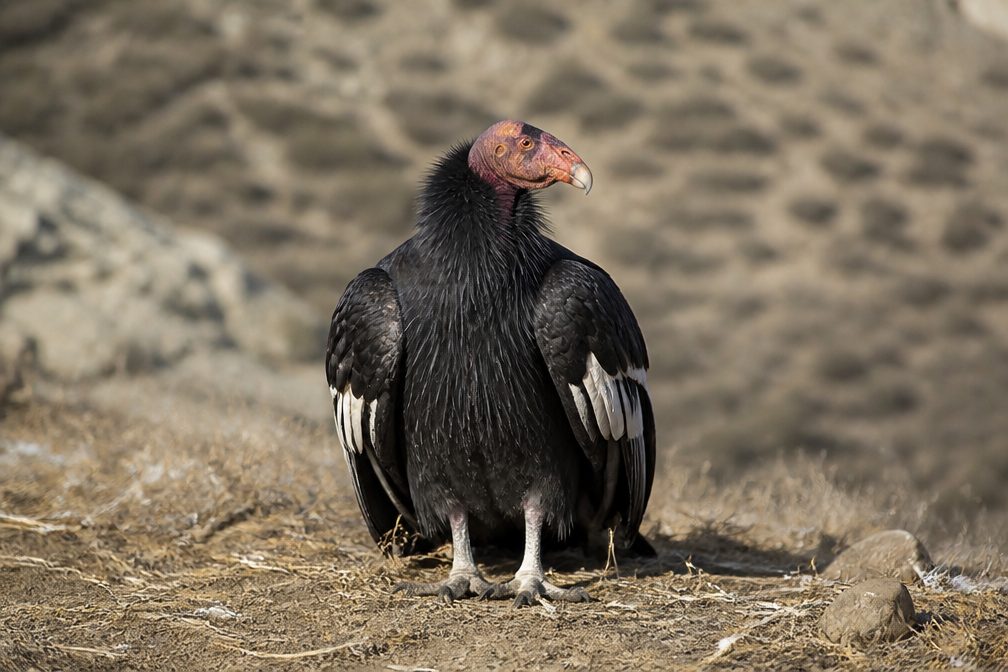 718 sightingsCalifornia CondorMost seen around 5 PMSighting map
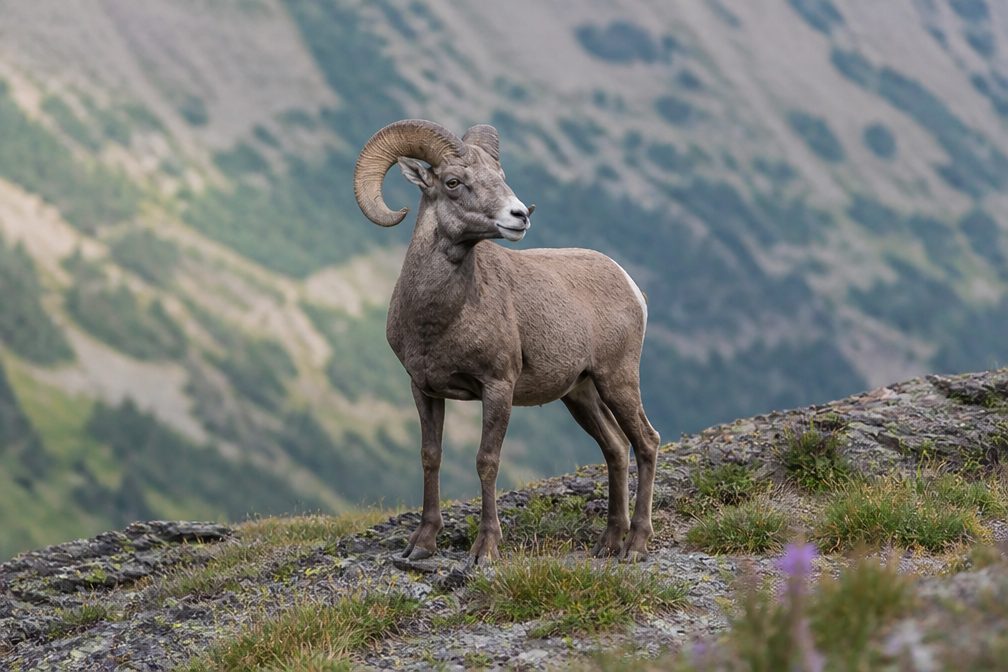 533 sightingsBighorn SheepMost seen around 7 AMSighting map
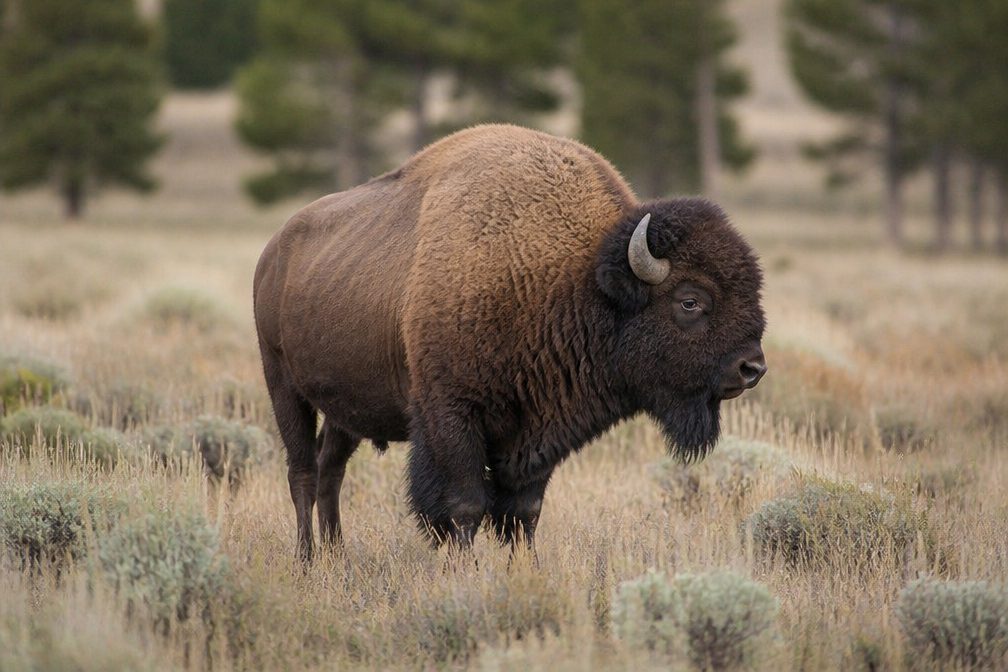 169 sightingsAmerican BisonMost seen around 7 PMSighting map
 1,891 sightingsElkMost seen around 6 AMSighting map
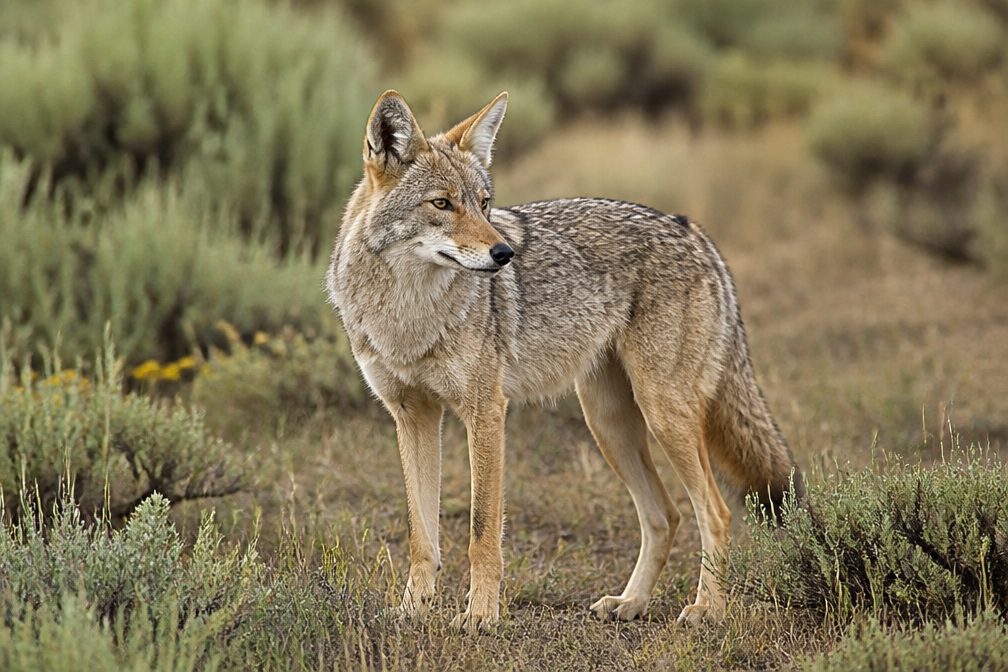 59 sightingsCoyoteMost seen around 6 PMSighting map
 27 sightingsGray FoxMost seen around 6 AMSighting map
Sighting maps show where each species has been reported across Grand Canyon. Wildlife moves, so no sighting is guaranteed.
Keep exploring
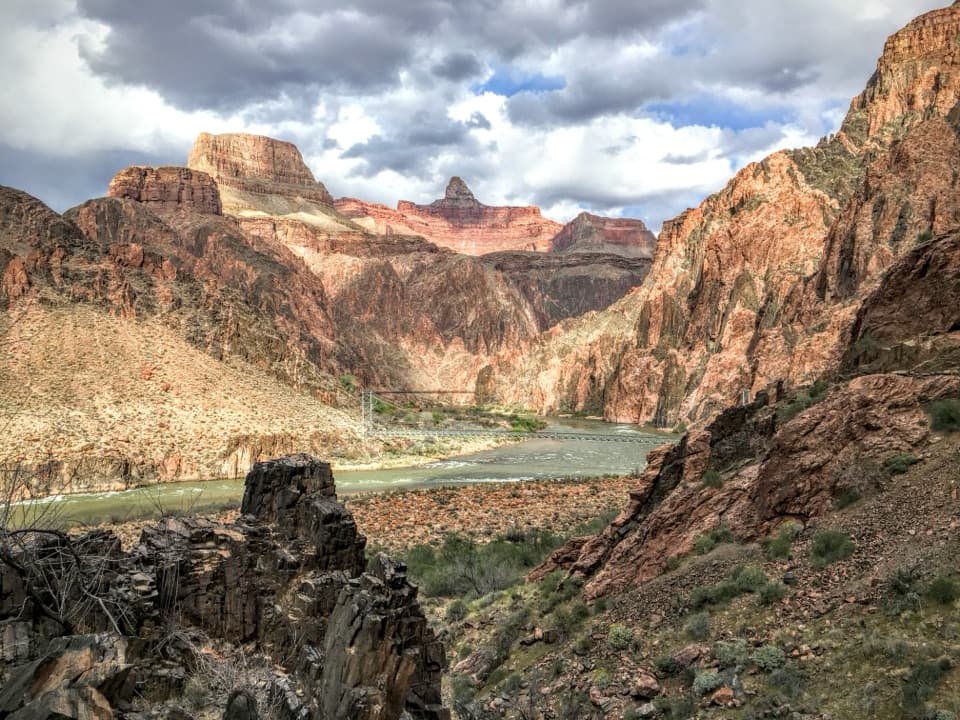 ModerateRiver Trail1.7 mi · 1 hr · 0.8 mi awayA river-level connector beneath steep inner-canyon walls.
 EasyThe Trail of Time3.3 mi · 2 hr · 3.4 mi awayA paved timeline where every meter spans a million years.
 ModerateClear Creek (from the Colorado River)1.4 mi · 2 hr · 3.7 mi awayA river beach, schist scramble and a waterfall that throws water sideways.
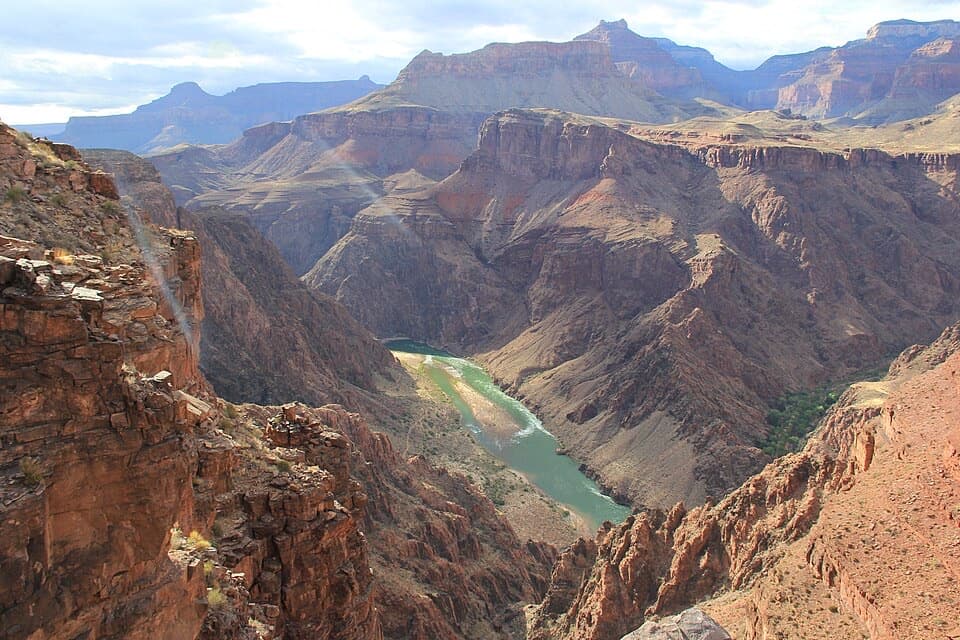 ChallengingSouth Kaibab Trail6.3 mi · 5 hr · 4 mi awayA steep ridge descent with a first river view at Skeleton Point.
 ModerateRim Trail12.8 mi · 7 hr · 4 mi awayThe full 12.8-mile rim walk, easiest to sample by shuttle.
 ChallengingRim-to-Rim: South Kaibab to North Kaibab21 mi · 16 hr · 4 mi awayA one-way canyon crossing from the South Rim to the North Rim.ChallengingSouth Kaibab–Bright Angel Loop15.8 mi · 14 hr · 4 mi awayA 15.8-mile canyon traverse from South Kaibab to the Bright Angel rim.
 ChallengingPlateau Point Trail12 mi · 10.5 hr · 4.7 mi awayA long descent earns a wide view of the Colorado River.
 Lodging · 0.4 mi awayPhantom RanchA rare creekside night at the canyon floor.
 Campground · 0.7 mi awayBright Angel CampgroundEarn a creekside night in the canyon's cottonwood shade.Sight · 1.8 mi awayPlateau PointA long hike earns a sweeping view of the Colorado River.
 Sight · 2 mi awaySkeleton PointThe river view is earned on a 6-mile out-and-back.
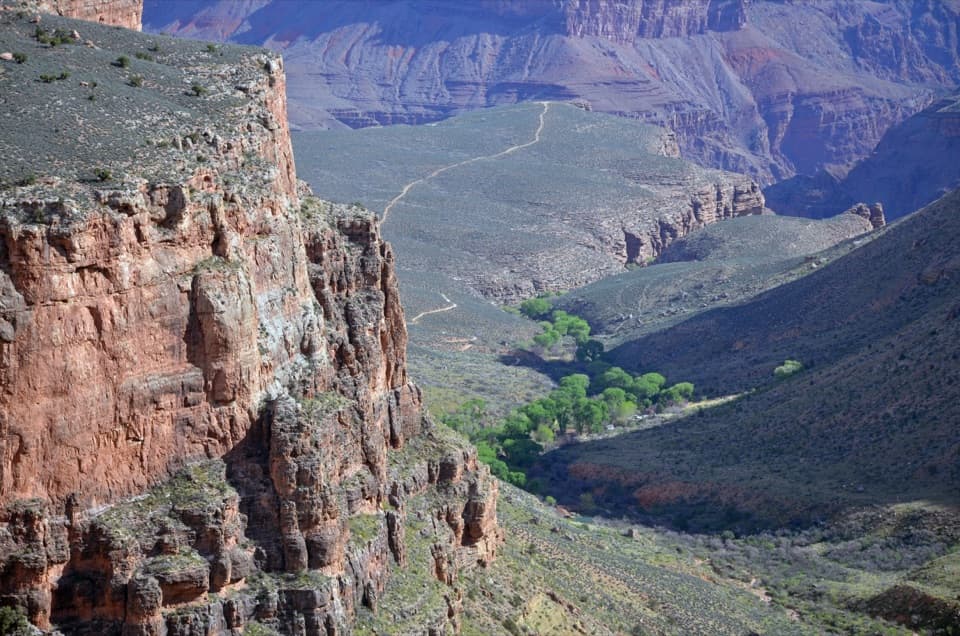 Campground · 3.1 mi awayHavasupai GardensA shaded break on the canyon corridor, with Havasupai history.
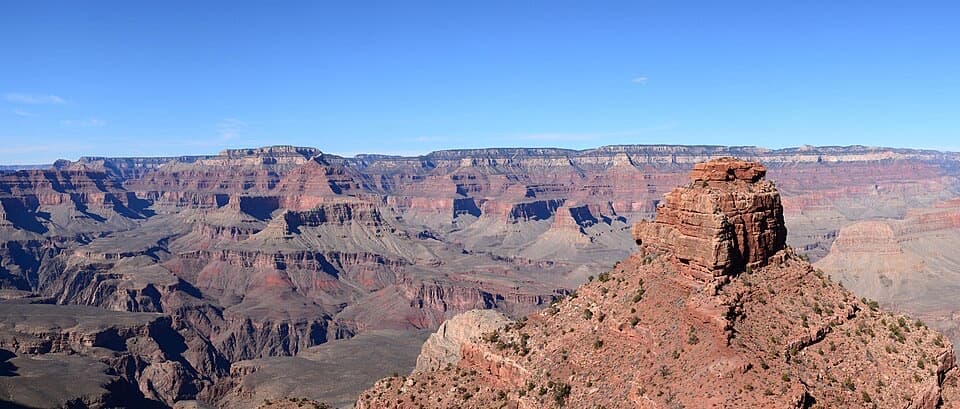 Sight · 3.2 mi awayCedar RidgeA good first canyon hike, with wide views of O’Neill Butte.
 Sight · 3.4 mi awayYavapai Geology MuseumA geology lesson with the canyon spread out in front of you.
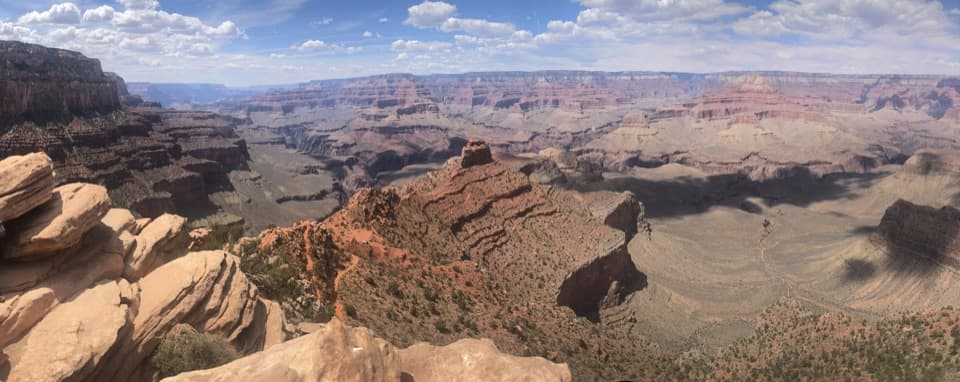 Sight · 3.4 mi awayOoh Aah PointFirst canyon panorama below the rim, with a steep climb back.
Parkwolf’s Grand Canyon ranking

The audio tour guide for the drive, plus offline maps, trails, and wildlife heatmaps for when the signal drops.


