Overview
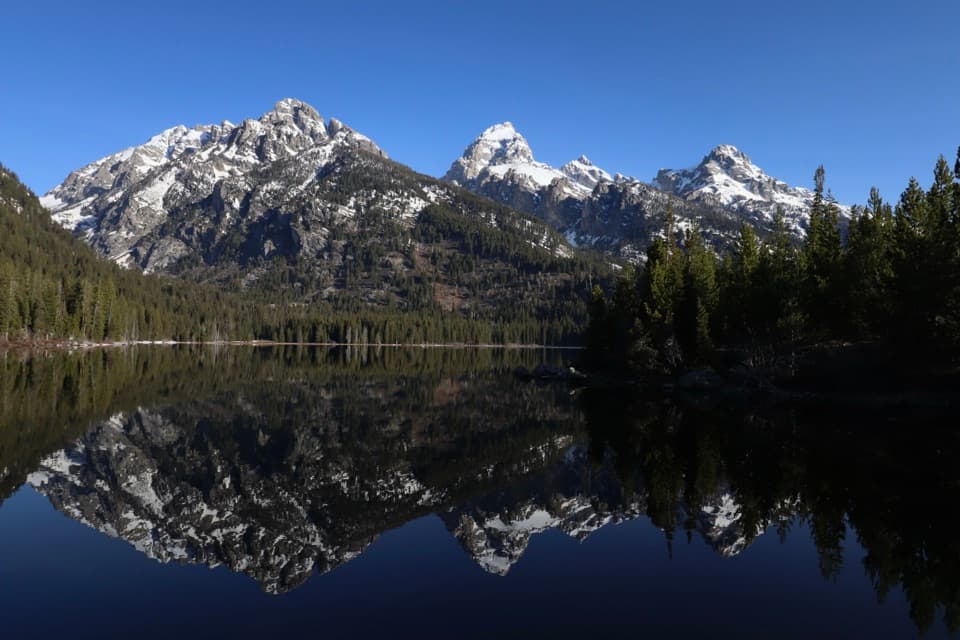
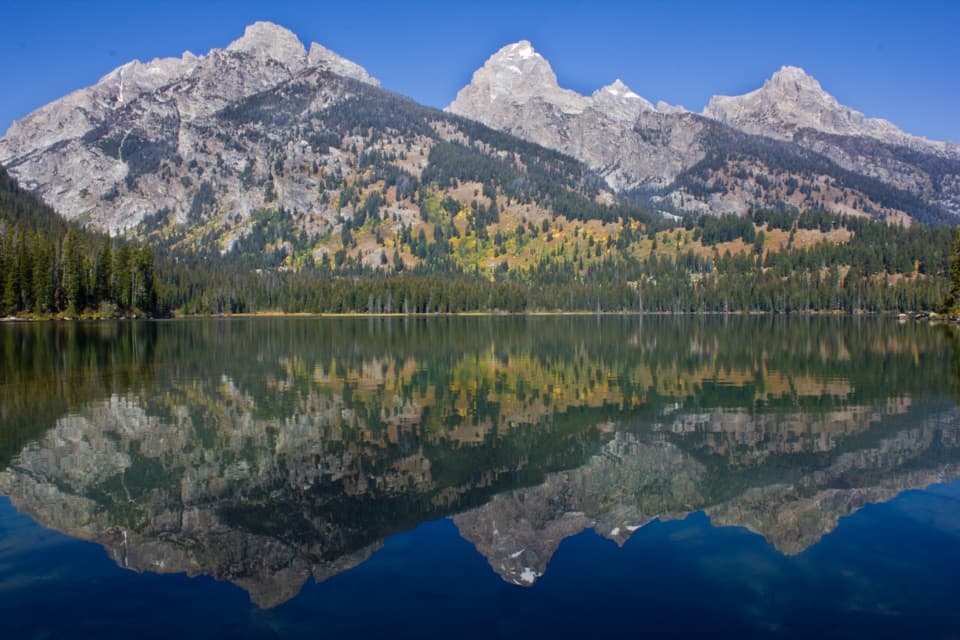
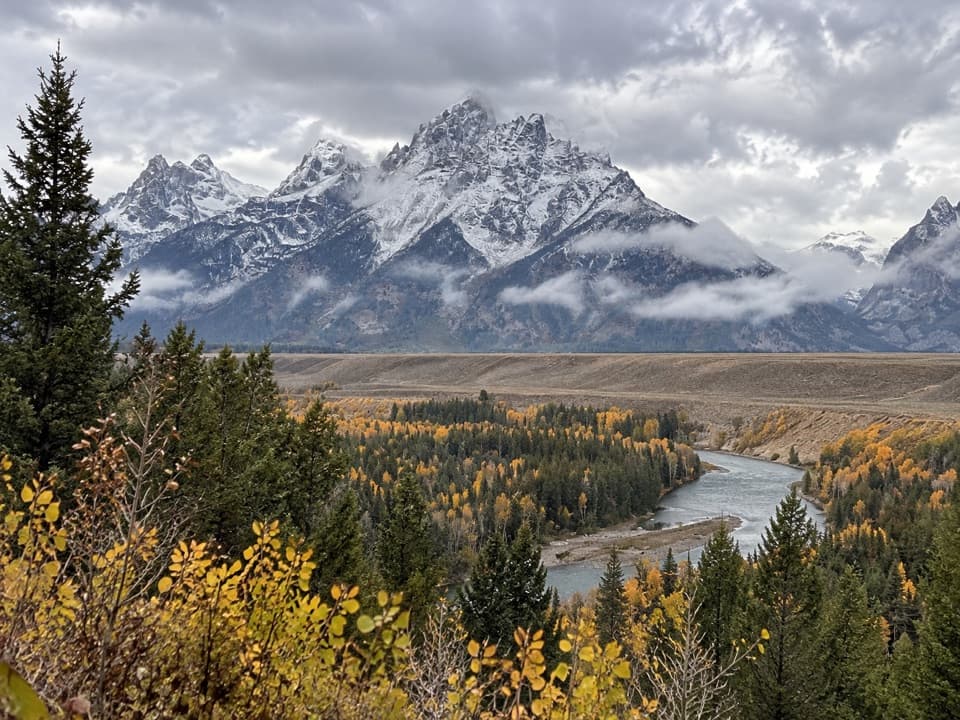
Windy Point Turnout is a simple roadside stop on Teton Park Road near Moose that punches well above its weight for views. As you crest the hill from the Moose entrance, the Teton skyline fills your windshield, and this turnout lets you pull over, breathe, and take it all in. It’s popular with motorists and cyclists using the nearby multi‑use pathway, but it still feels like a quiet pause compared to the park’s headliner viewpoints.
What You’ll See
- Peaks front and center: an unobstructed, up‑close sweep of the central Teton Range.
- Classic foregrounds: sagebrush flats and a broken treeline that add depth and scale.
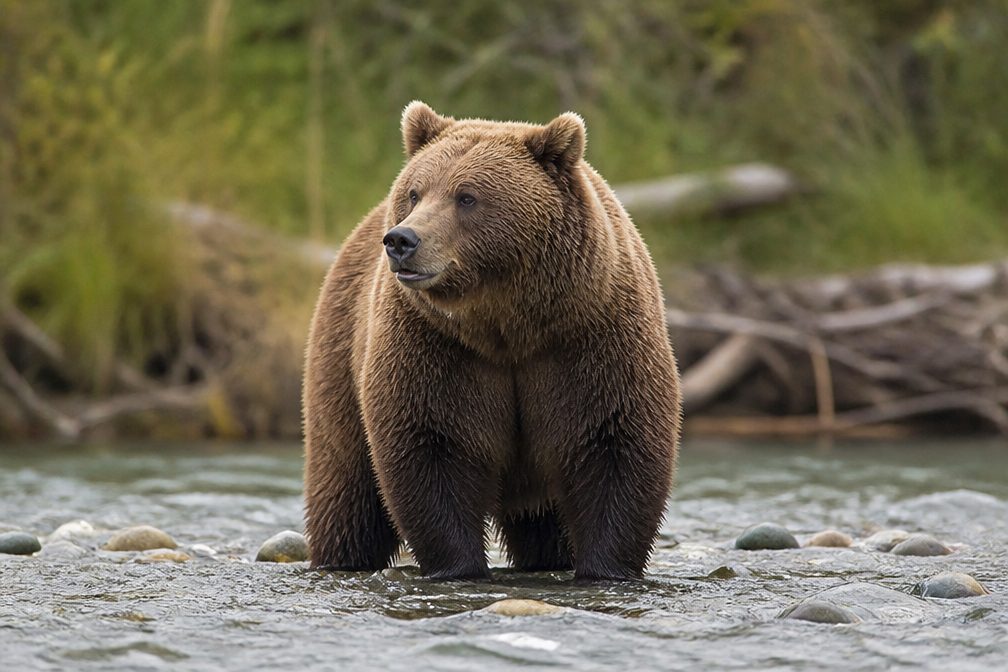
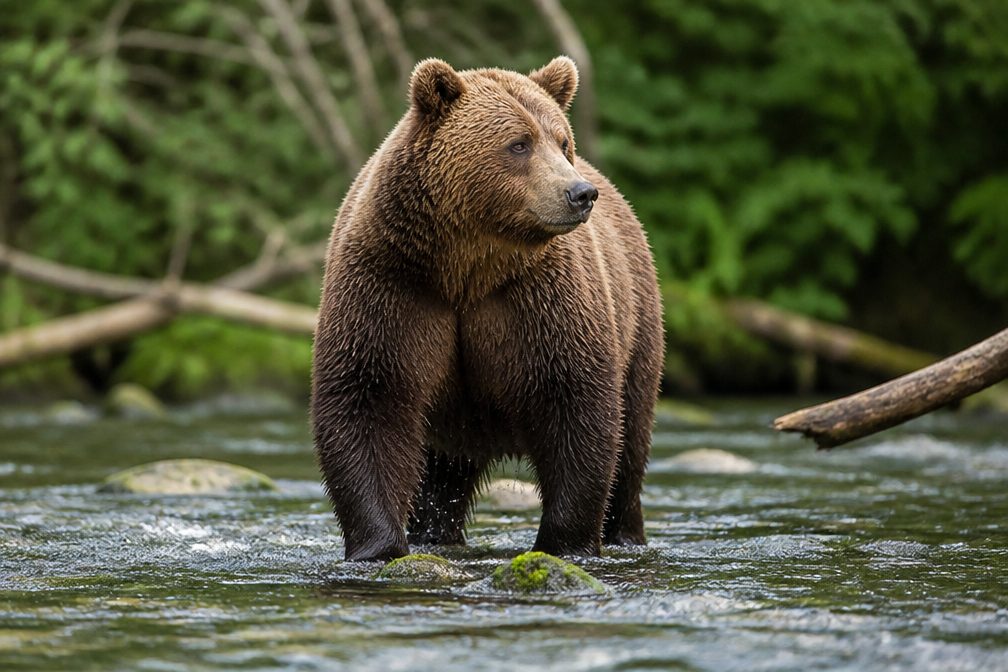
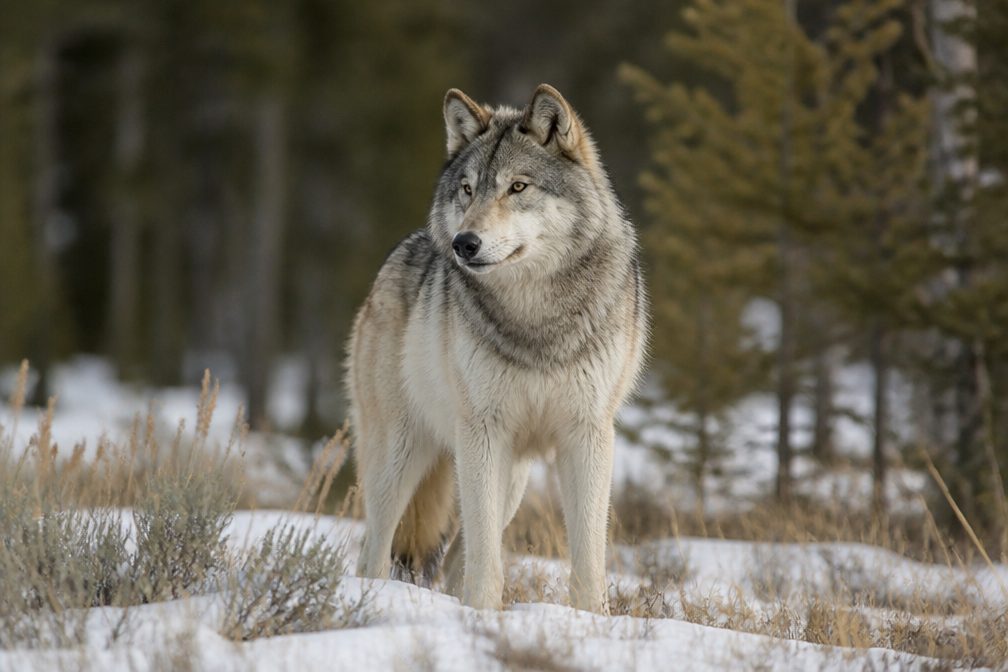
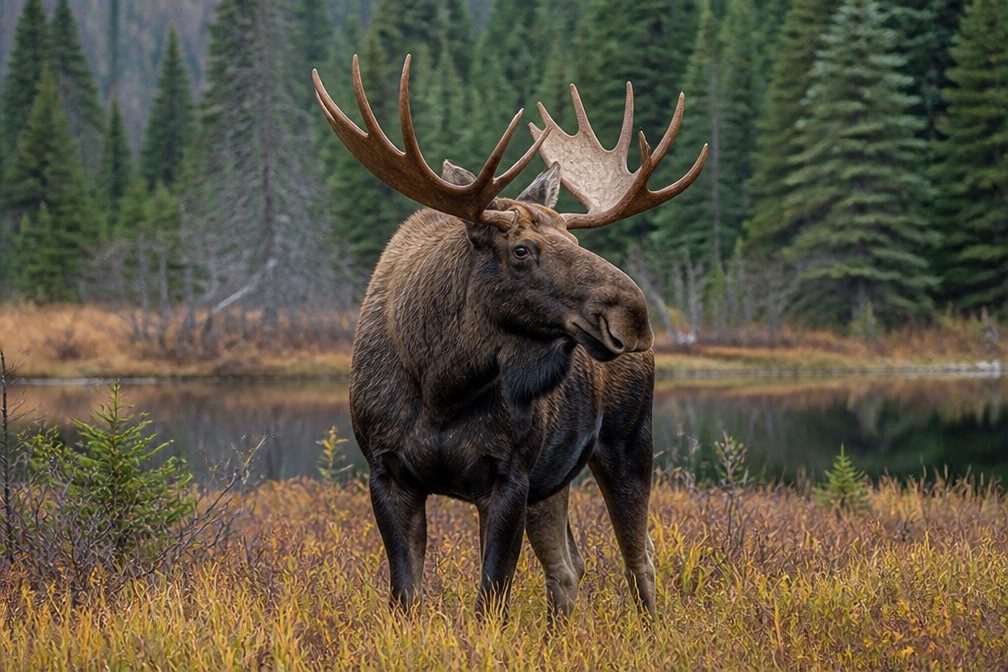
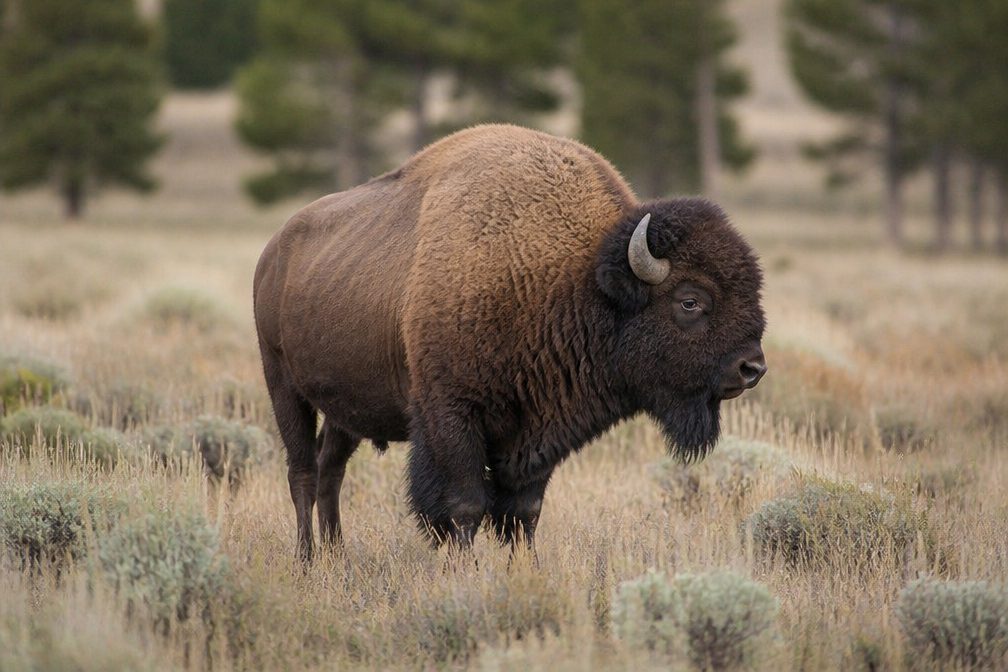
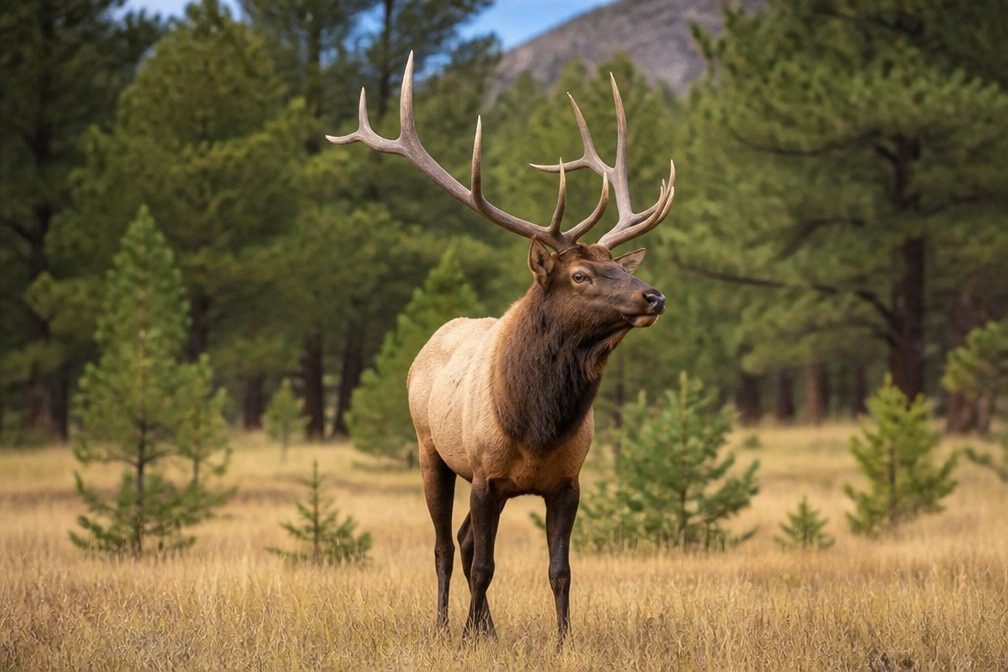
- Wildlife potential: in fall, listen at dusk for bull elk bugling; raptors often hunt the flats, and you may spot deer or distant bison across the valley.
Why It’s Worth a Stop
This is one of the closest, easy‑access vantage points to the mountains—especially valuable in winter when many places are harder to reach. The tree line and frequent winter cloud breaks can make for moody, dramatic frames that photographers love. Most visits are quick; many people spend around 10–15 minutes here before continuing.
Best Time to Visit
- Light: sunrise and sunset deliver the most dramatic light on the peaks; winter days can reward patience between passing clouds.
- Crowds: midday is typically the busiest; early morning and late day are quieter and better for wildlife activity.
- Seasons: it’s a go‑to winter pullout, offering dependable access when snow limits other stops.
Photography Tips
- Bring both a wide‑angle for the sweeping skyline and a telephoto to compress peaks or pick out wildlife.
- After storms, wait for brief openings in the clouds—those windows can be magic.
- Use the trees as natural framing to break up big skies and snowfields.
Logistics
- Parking: roadside pullout with space for cars; cyclists often pause here from the multi‑use pathway.
- No facilities: no bathrooms, water, or shade—bring layers, water, and snacks, and pack out trash.
- Expect wind: the name is accurate. Windproof layers and a warm hat make this stop far more pleasant outside summer.
History & Setting
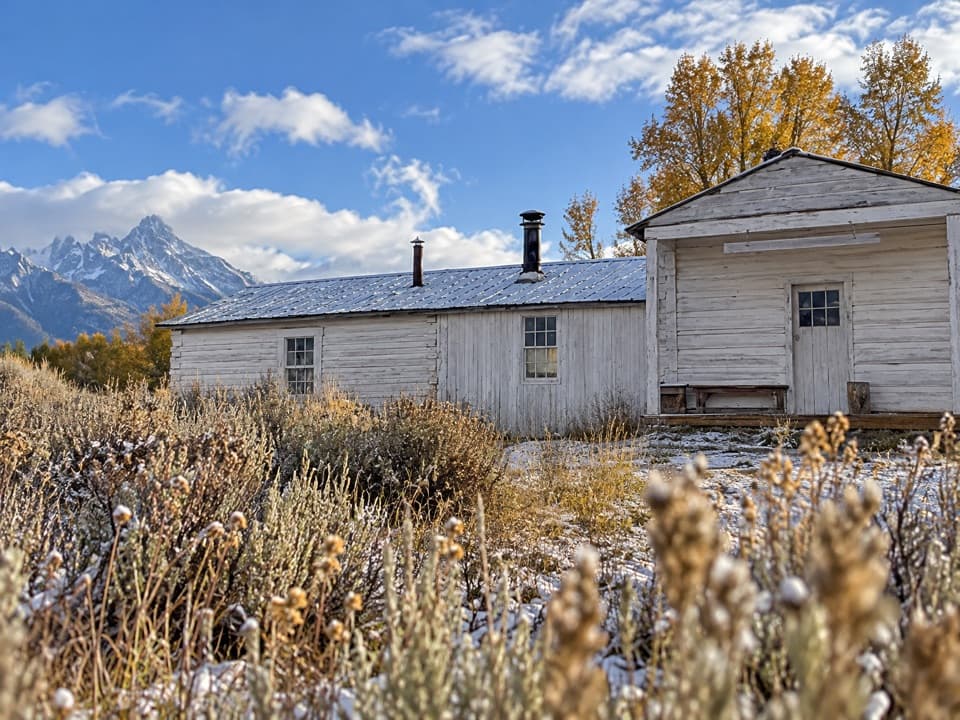
The turnout sits above the Snake River floodplain, with textbook views of glacially carved peaks and moraines. The east side of the road was once homesteaded by Lee Manges—his cabin later became the Jenny Lake Ranger Station, a small historic thread woven through this otherwise modern roadside pause.
Bottom Line
If you’re driving Teton Park Road, don’t overthink it—this is a quick, high‑reward stop with stellar mountain drama, especially good in winter and during the day’s edge‑light hours.