Place · 0 mi away

A mile east of Pine Springs Visitor Center and just off US 62/180 at 5,400 feet, this is the park’s purpose-built base for riders. It’s a single, reservable group site intended for stock users—if you’re camping without animals, the park asks you to use Pine Springs instead. Expect function-over-frills and a convenient launch point for stock-approved trails.
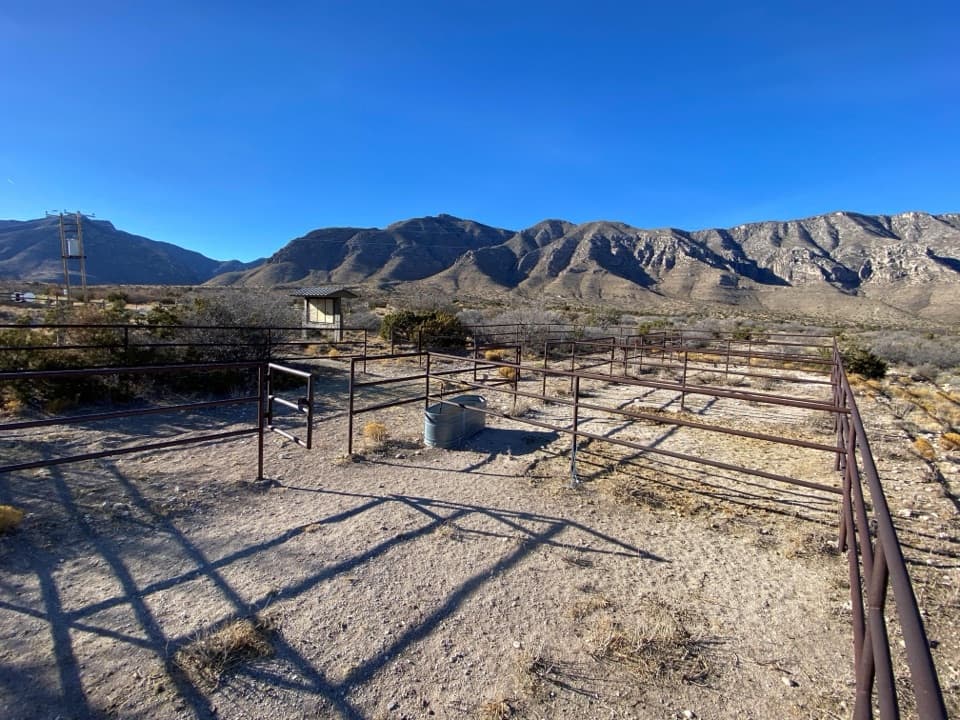
The site accommodates up to 12 people and 10 animals. You’ll find four corrals, hitching posts, stock water troughs/tanks, a large gravel parking area with extra trailer space (not level), two tent pads, and two RV parking spaces (maximum length around 40 feet). There’s a toilet, a drinking fountain, and a picnic table. There are no showers, hookups, or dump station—arrive with tanks filled. Open fires are prohibited throughout the park, including propane fire rings and charcoal; use only stoves or lanterns with containerized fuel.
A free stock-use permit is required; pick it up at Pine Springs Visitor Center the day of your ride or up to 24 hours ahead. Only horses, mules, burros, and llamas/alpacas are considered stock. Groups are limited to 10 animals and one group per trail at a time. Bring only certified weed‑free feed and feed animals weed‑free for one week before arrival. Clean corrals and pack out or trash manure per park rules. Stock rides must start from the Frijole corrals via the Foothills or Frijole trails; approved routes include El Capitan, Salt Basin Overlook, Foothills, Frijole, Tejas, and sections of Bush Mountain, Marcus, and Blue Ridge, plus certain connecting old roads.
Proximity to the highway means steady truck noise day and night, and privacy is minimal. High winds—often 50+ mph in winter and spring—are common, so secure tents and gear. Cell service can be hit-or-miss; you may find free Wi‑Fi near the Pine Springs Visitor Center. The park is remote—fuel up and buy supplies before you arrive. Pets are allowed in the campground and along roads on a 6‑foot leash but not on trails (except the Pinery Trail).
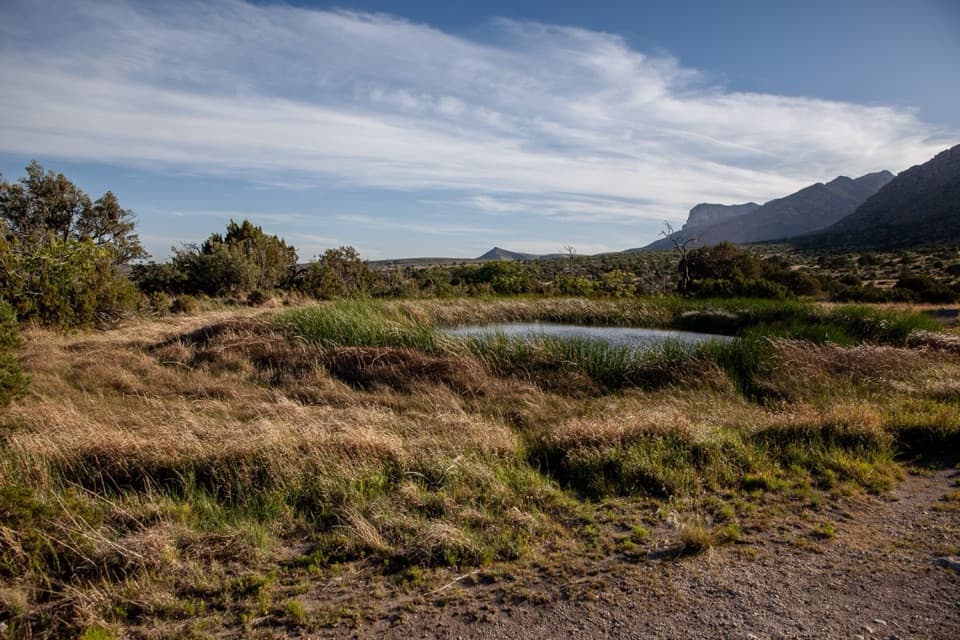
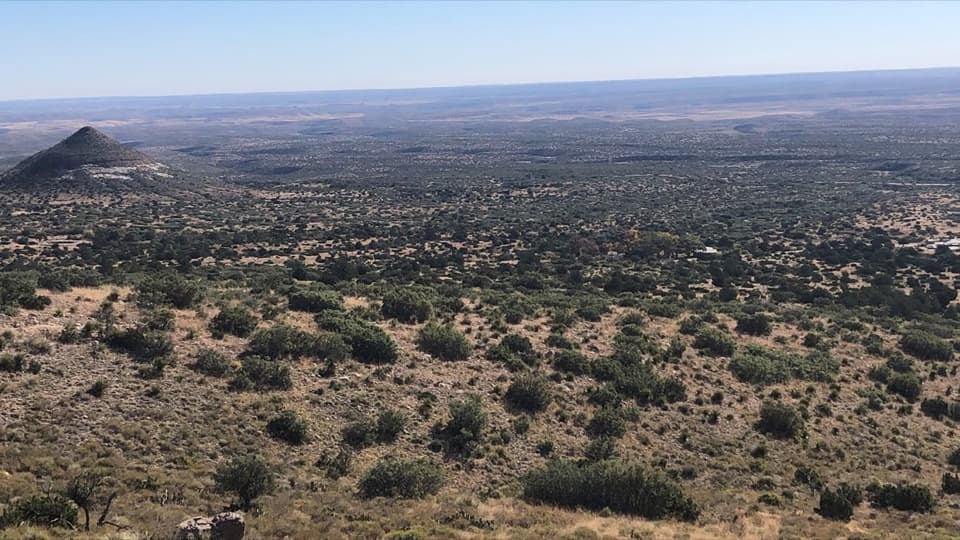
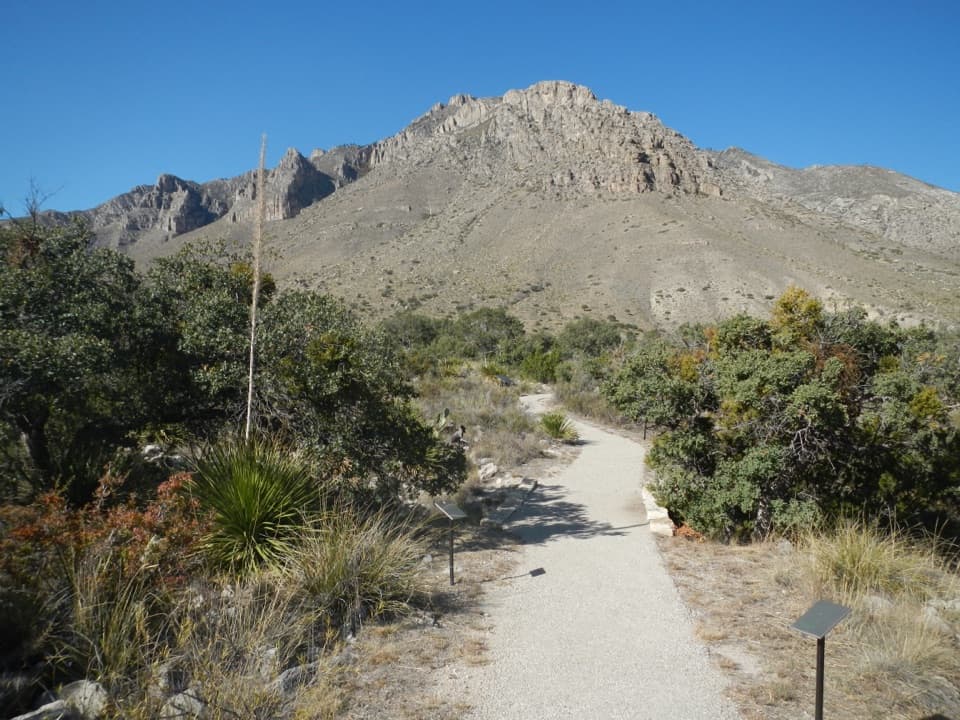
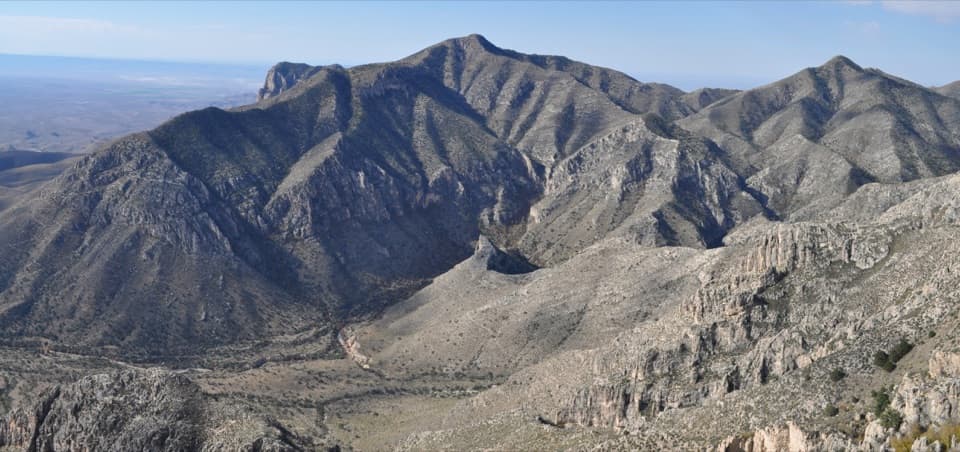
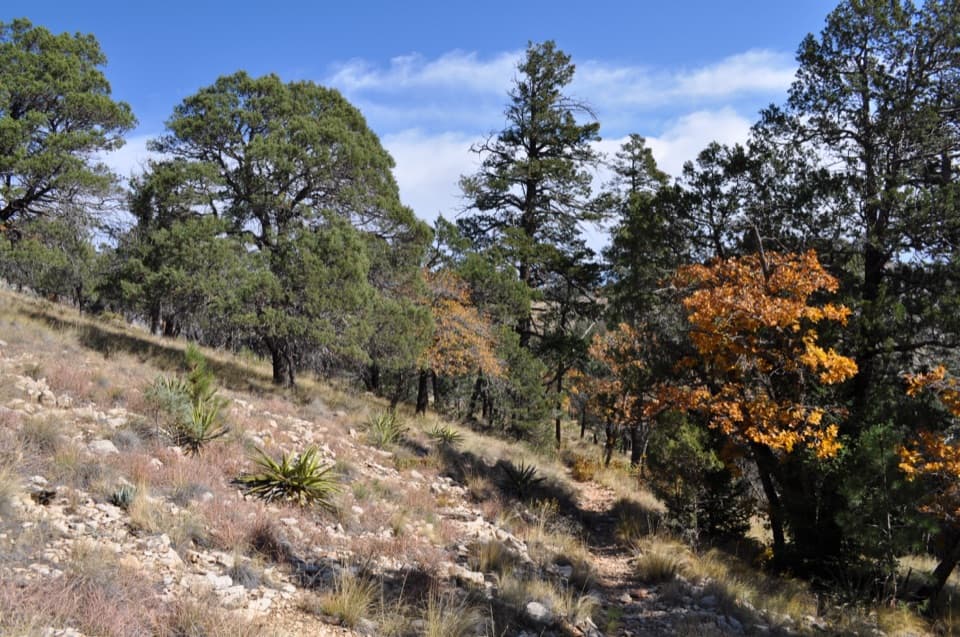
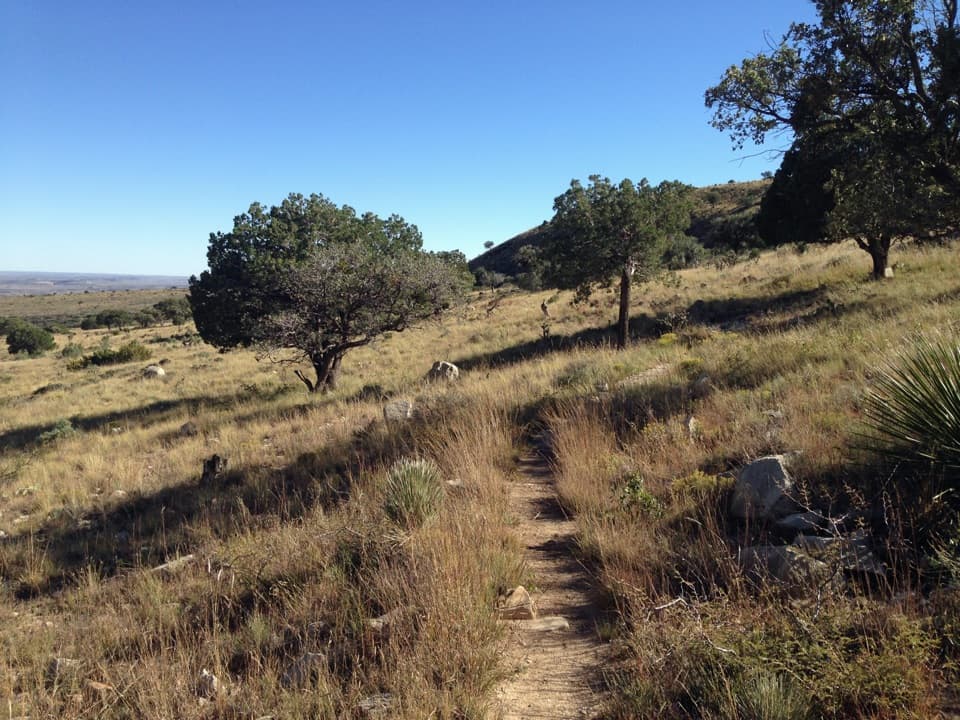
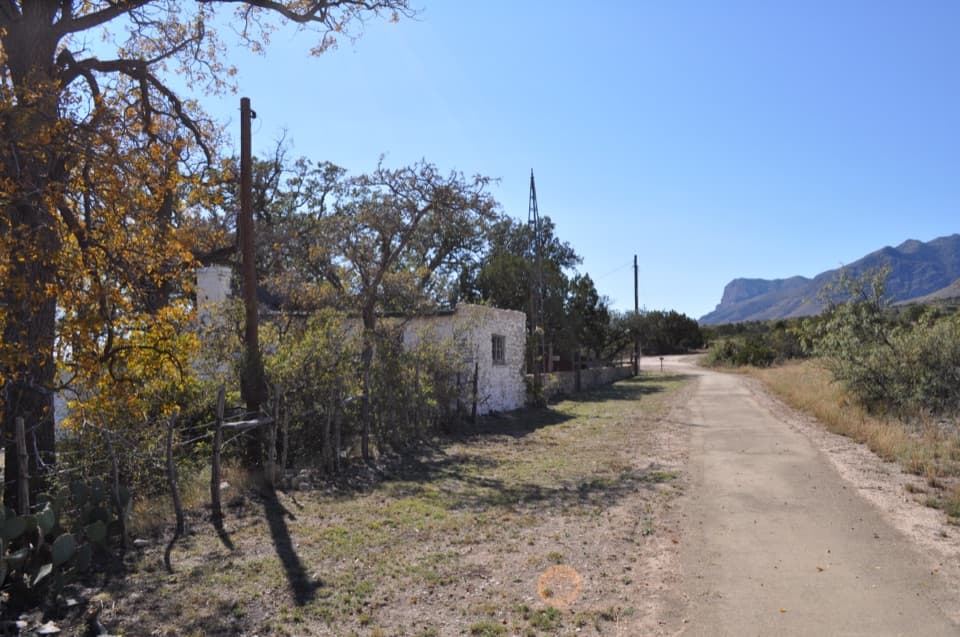
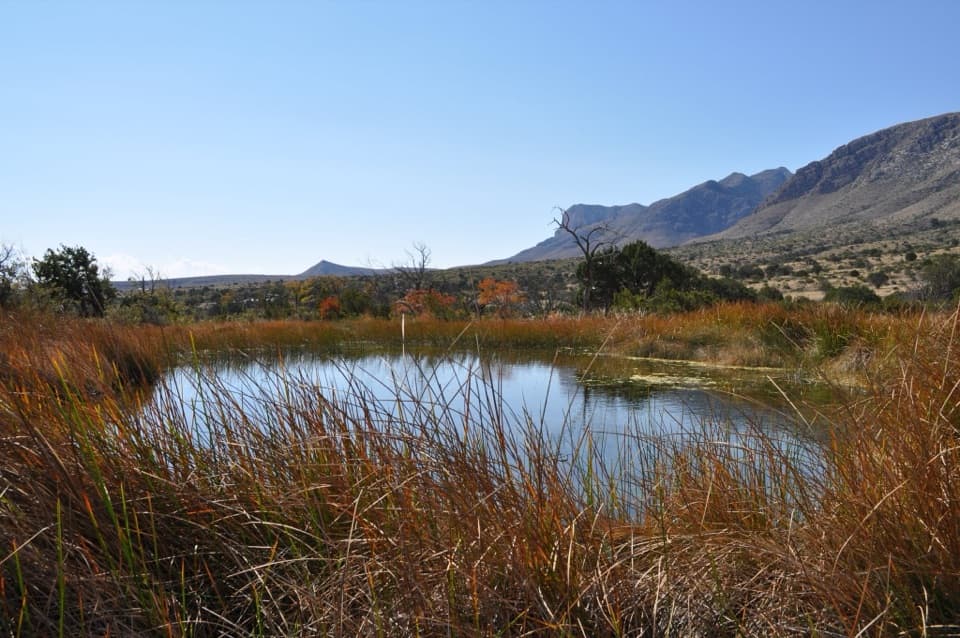
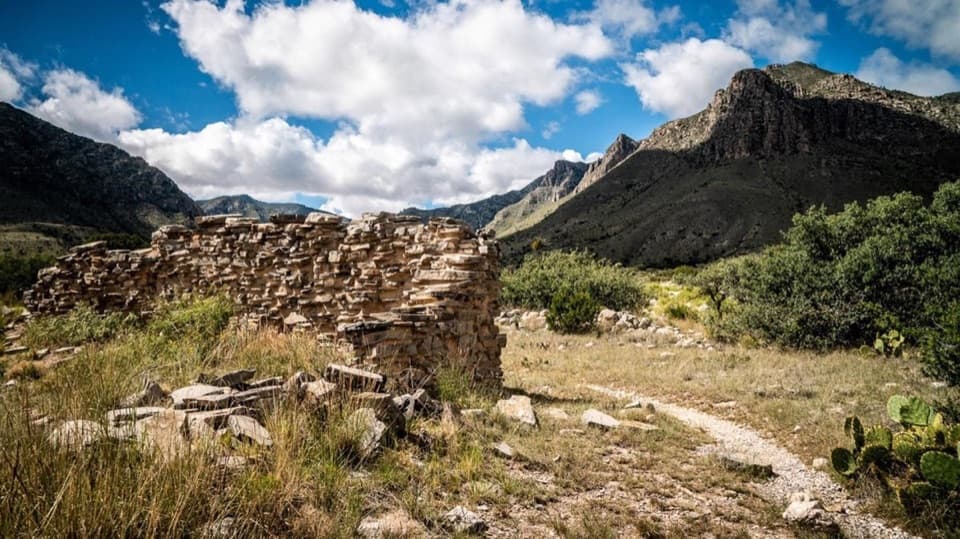
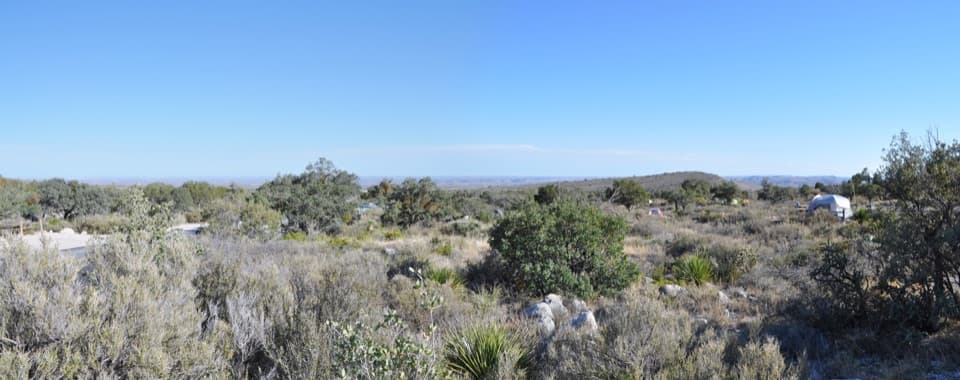
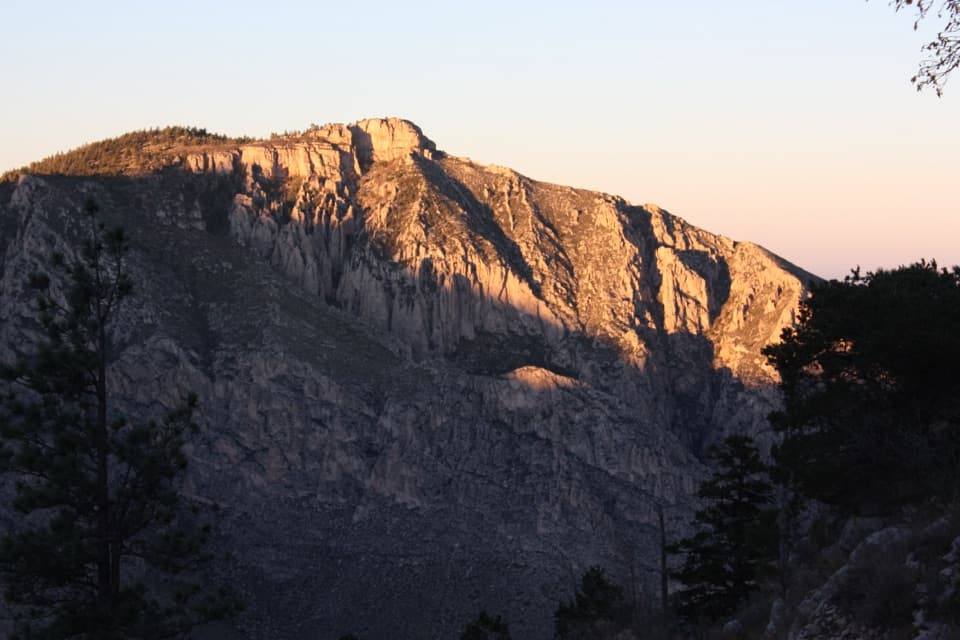
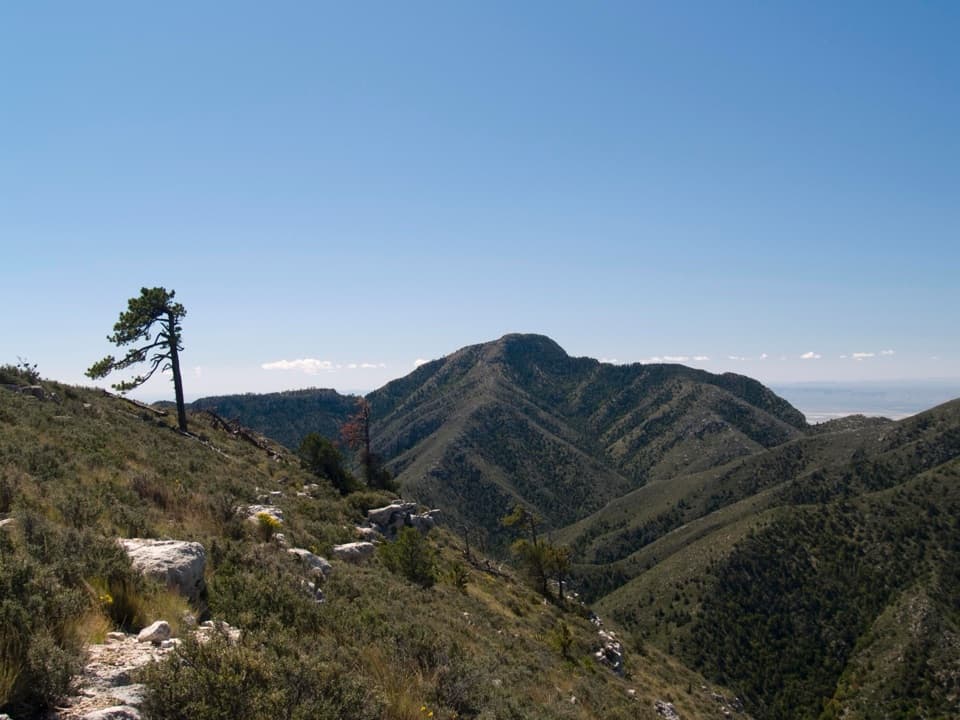
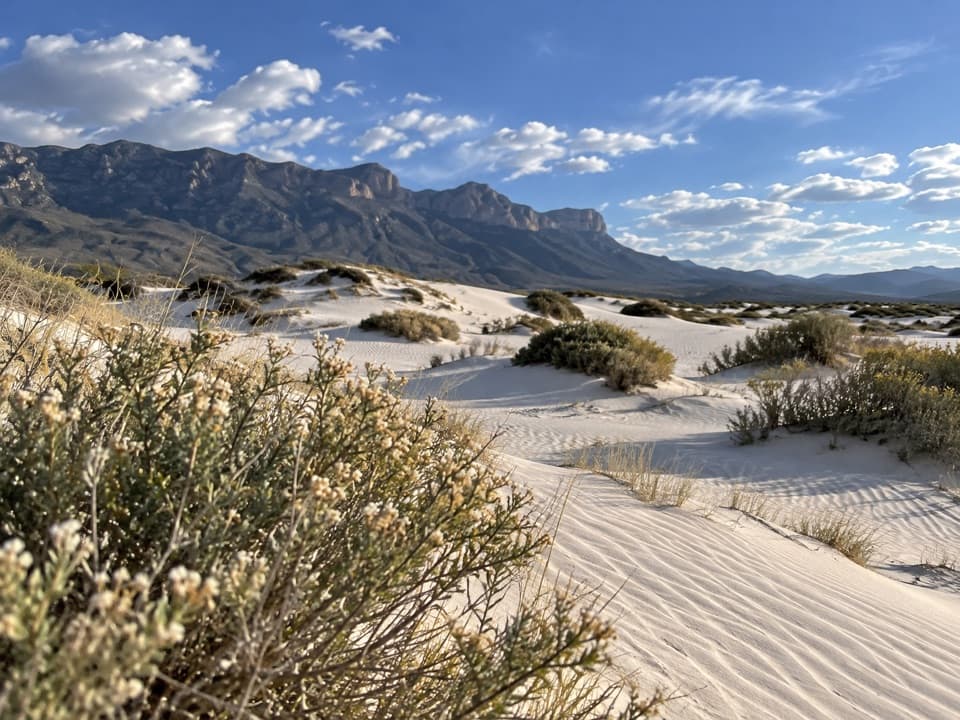
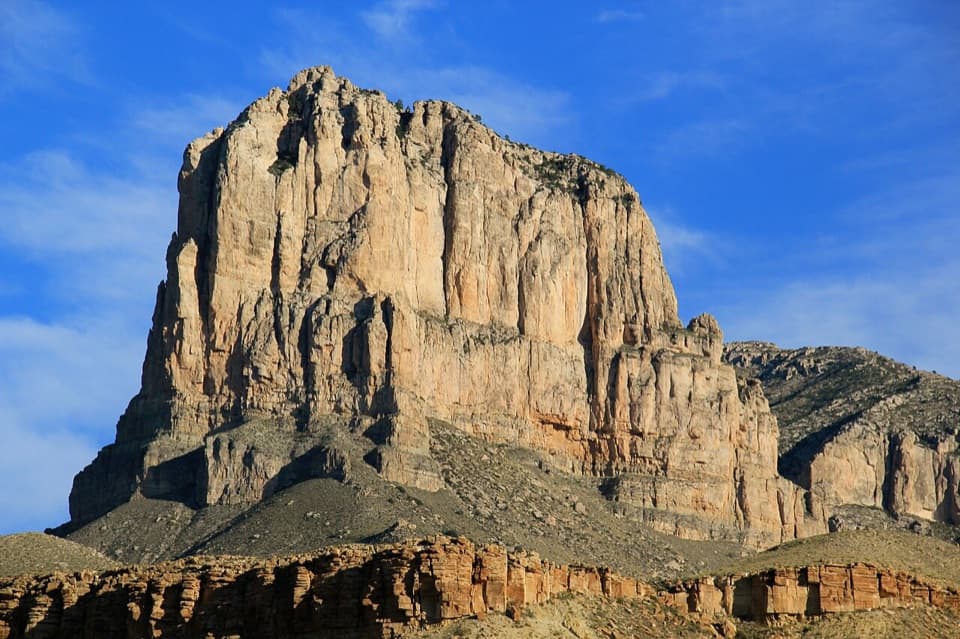
From camp you can spot Hunter Peak, El Capitan, and even Guadalupe Peak. The surrounding desert scrub holds gray oaks, redberry junipers, prickly pear, New Mexico agave, and shrubs like whitethorn acacia and Apache plume. Birdlife includes canyon towhees, turkey vultures, white‑winged doves, ravens, and Woodhouse’s scrub jays. Night skies are excellent when the wind calms.
It’s open year‑round, with peak seasons in March–May and September–November. Reservations can be made up to two months in advance. Stock users pay an additional nightly corral fee. Cancellation windows and fees apply; check the details when booking.
Spring and fall offer the most pleasant riding temps and are the busiest—book early. Winter brings powerful winds; summer is hot and exposed. For photos, late-day light can be gorgeous on El Capitan and the front range, and clear nights reward stargazers.