Overview
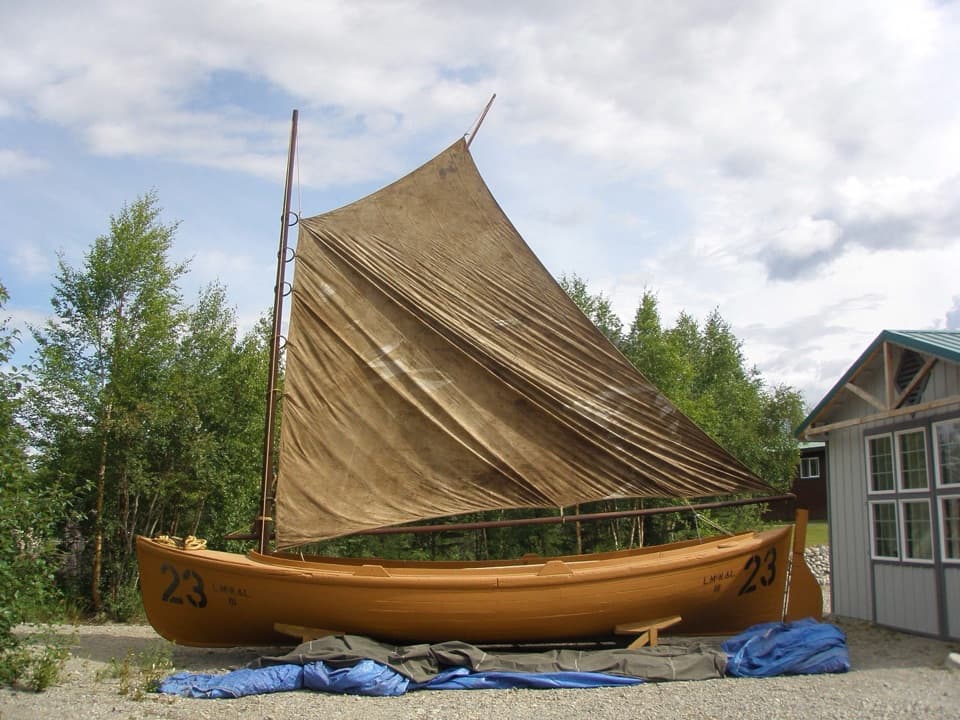
About Libby's No. 23 Bristol Bay Double-Ender
Why stop
- A rare surviving sailboat makes local fishing history tangible.
Heads up
- Access outside visitor-center hours is unclear.
Map
Where it is
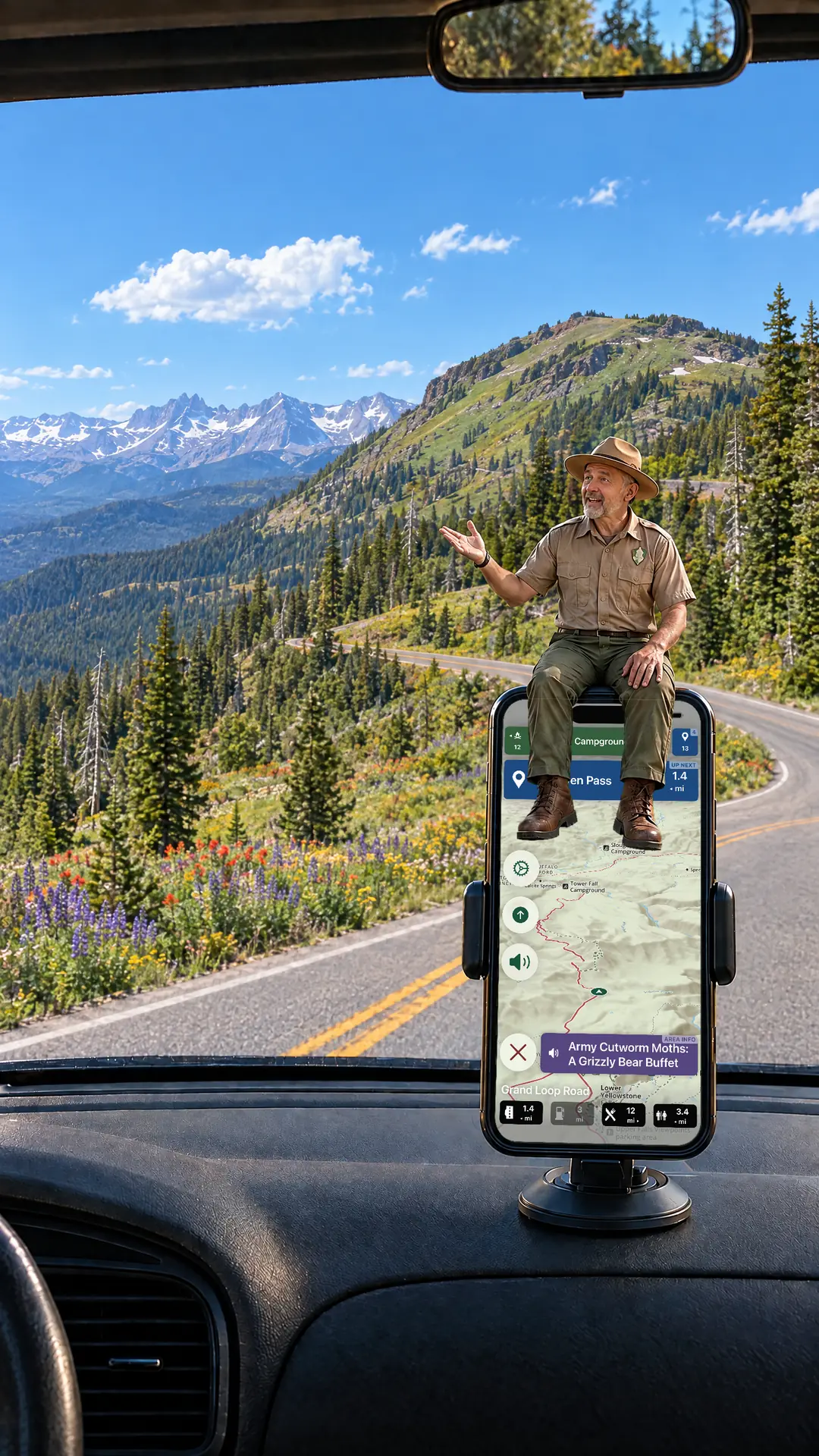
The highest, rockiest slopes around here are a summer buffet for grizzly bears.
Lake Clark Tour Guide
Your drive to Libby's No. 23 Bristol Bay Double-Ender, narrated.
Parkwolf is a GPS audio tour guide for Lake Clark National Park. As you drive, it chimes in with what’s ahead: hidden gems, upcoming stops, history, geology, and wildlife, right through your car’s speakers.
See the Lake Clark audio tourRecorded for this place
Port Alsworth Visitor Center and Fish Cache“Up ahead is the Port Alsworth Visitor Center, a useful stop for trail maps and a closer look at local history. Outside, look for the Wassillie Trefon Dena'ina Fish Cache, a raised log building used to store food.”
Plays as you drive up to Libby's No. 23 Bristol Bay Double-Ender in the Parkwolf Lake Clark Tour Guide.
More stories near here in the app
- Libby's Orange Sailboat
- Cissie's Kitchen
- Tanalian Trails and Falls
- 18 audio storiesacross Lake Clark’s roads, triggered by GPS as you drive
- Wildlife heatmapsfor Brown Bear, Bald Eagle, Common Merganser
- Works offlinemaps, 5 trails, 34 places, and audio download before you lose signal
- CarPlay readysimple controls built for the drive
“Fantastic app with many points of information… It’s great to just turn on while you’re driving and it gives you an audio tour of the national Park. We love it!!!!”


Guide
More about Libby's No. 23 Bristol Bay Double-Ender
A short historic stopLibby's No.
Libby's No. 23 is a restored, roughly 30-foot wooden Bristol Bay fishing sailboat displayed on the Port Alsworth visitor-center campus. I'd stop if you want something tangible behind the region's fishing history: it is one of very few museum-quality double-enders left, and the self-guided exhibit is a short commitment, estimated at 5 to 45 minutes. Access information differs on whether the boat barn can be visited outside visitor-center hours, so check before making a special trip. The approach is described as fairly flat gravel, and wheelchairs are available at the visitor center, though the interior route is not clearly described.
How the boat reached Lake ClarkBuilt in 1914, the boat worked Bristol Bay's fishery until 1951.
Built in 1914, the boat worked Bristol Bay's fishery until 1951. In 1953, John Coray, a schoolteacher who had worked aboard, brought it from the Koggiung cannery up the Kvichak River. It crossed the Iliamna–Newhalen portage road on a trailer before reaching Lake Clark. Local families later used it for recreation, subsistence, and hauling cargo; Al Woodward donated it to the park in 1997.
A fleet run by wind and tideBefore motorboats, two-person crews used wind and tides to deliver fish to scows.
Before motorboats, two-person crews used wind and tides to deliver fish to scows. Missing a scow could mean waiting for another tide, and shoals at Dead Man Sands in Kvichak Bay could ground or swamp a boat. Libby's painted its boats butterscotch orange so cannery managers could identify the fleet from shore before radios. When crews needed help, a smaller “monkey boat” could be sent to tow them.
The gear tells its own storyCooking stoves, hard-tack, oilskins, and leather fin boots show what a fishing crew carried.
Cooking stoves, hard-tack, oilskins, and leather fin boots show what a fishing crew carried. The stove types reflect different food traditions: Italian crews used Santa Maria coal stoves for dishes such as cioppino and spaghetti, while Swedish and Norwegian crews favored Primus Optimus stoves. One pair of displayed boots belonged to Jay Hammond, later Alaska's governor. Those are artifacts of meals aboard the boat, not food served at the exhibit.
Wildlife
Wildlife in Lake Clark
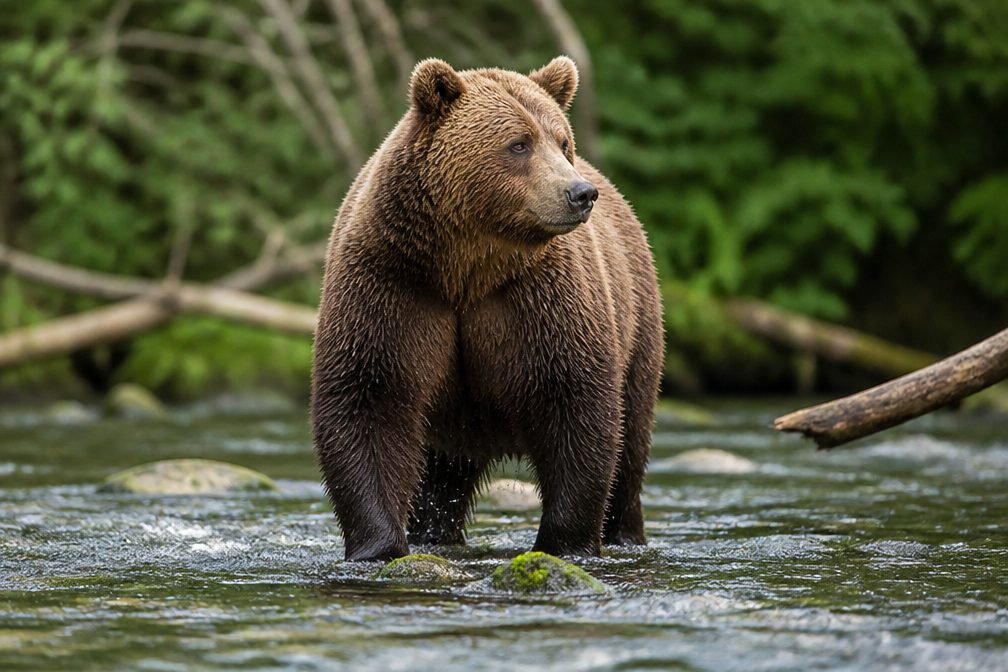 142 sightingsBrown BearMost seen around 8 AMSighting map
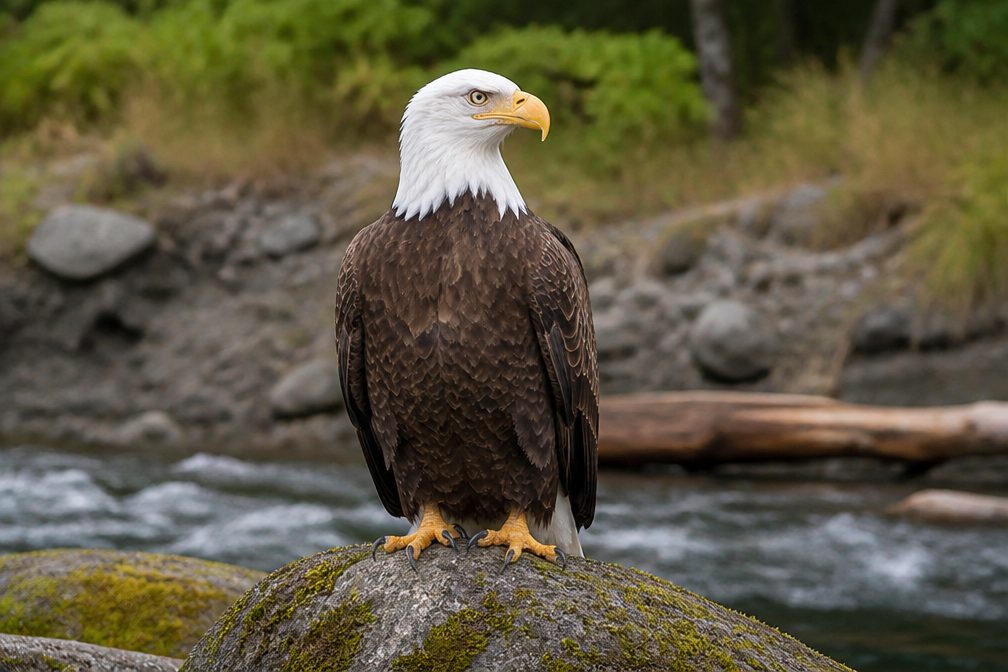 11 sightingsBald EagleMost seen around 6 PMSighting map
 13 sightingsCommon MerganserMost seen around 8 AMSighting map
Sighting maps show where each species has been reported across Lake Clark. Wildlife moves, so no sighting is guaranteed.