Place · 0.6 mi away

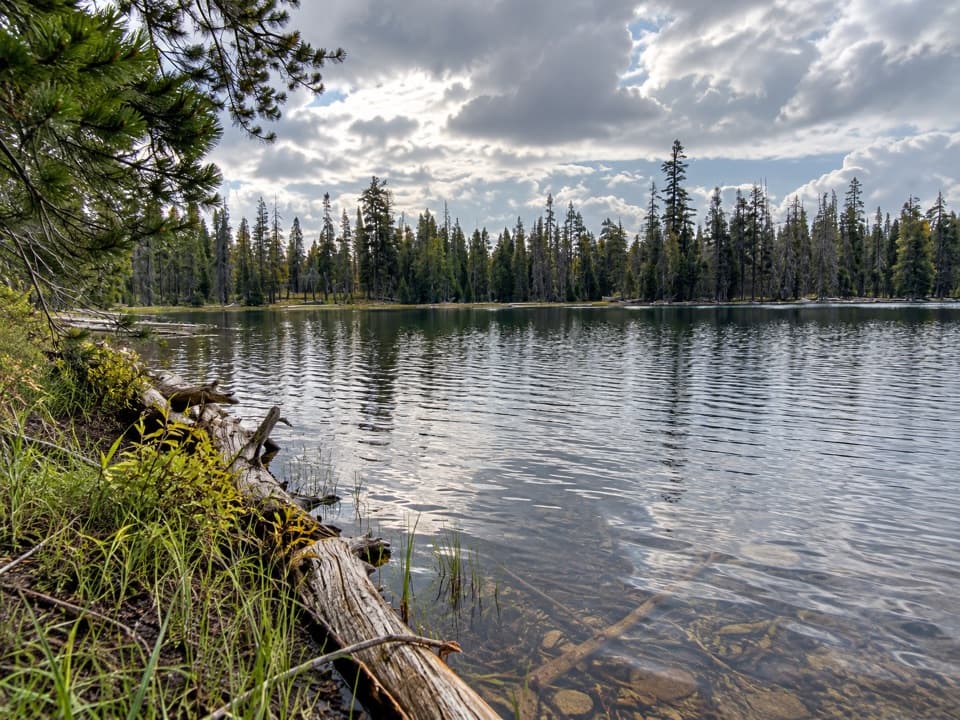
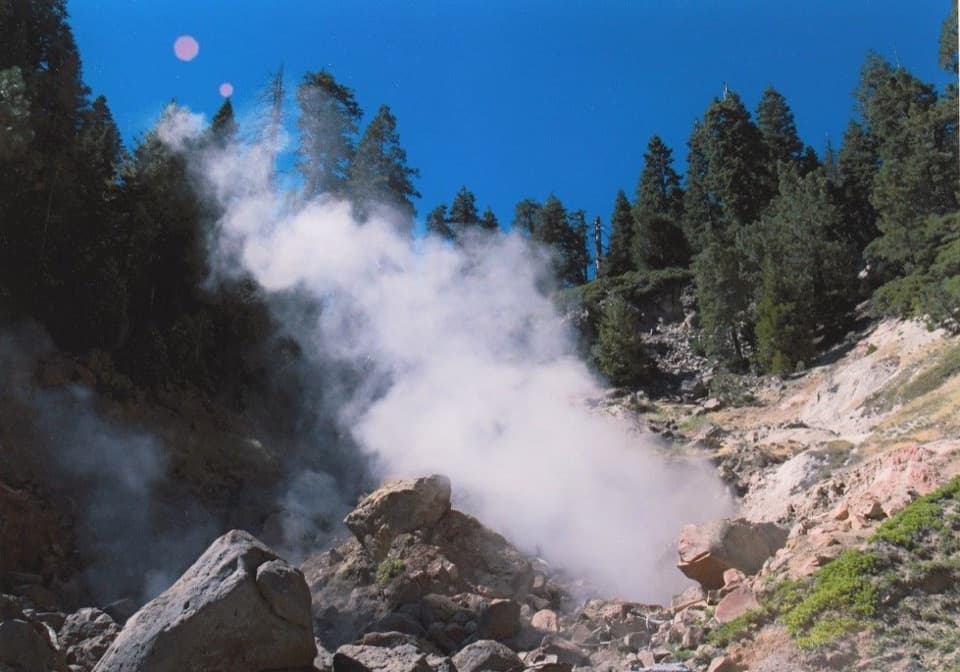
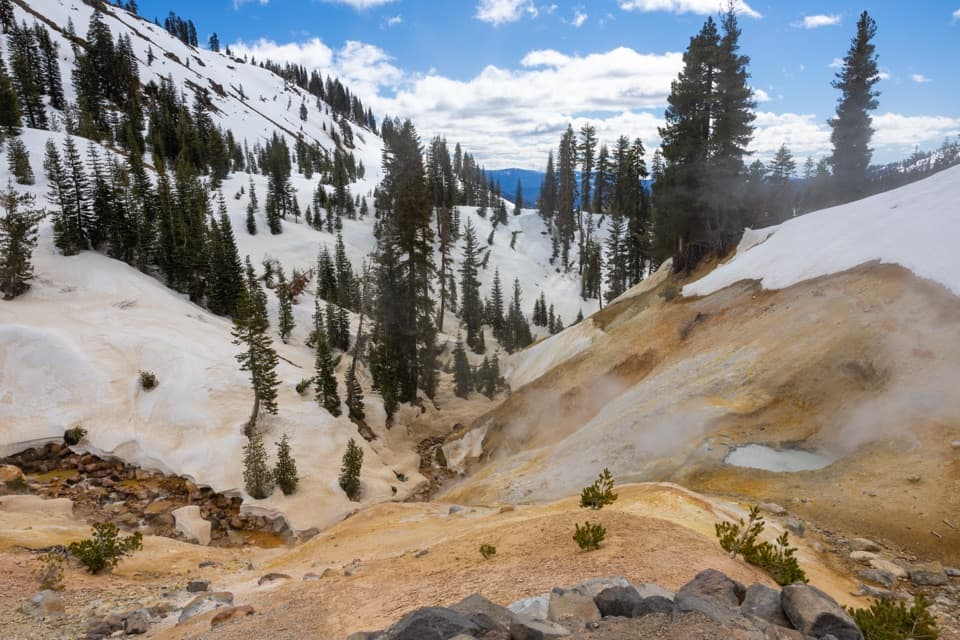
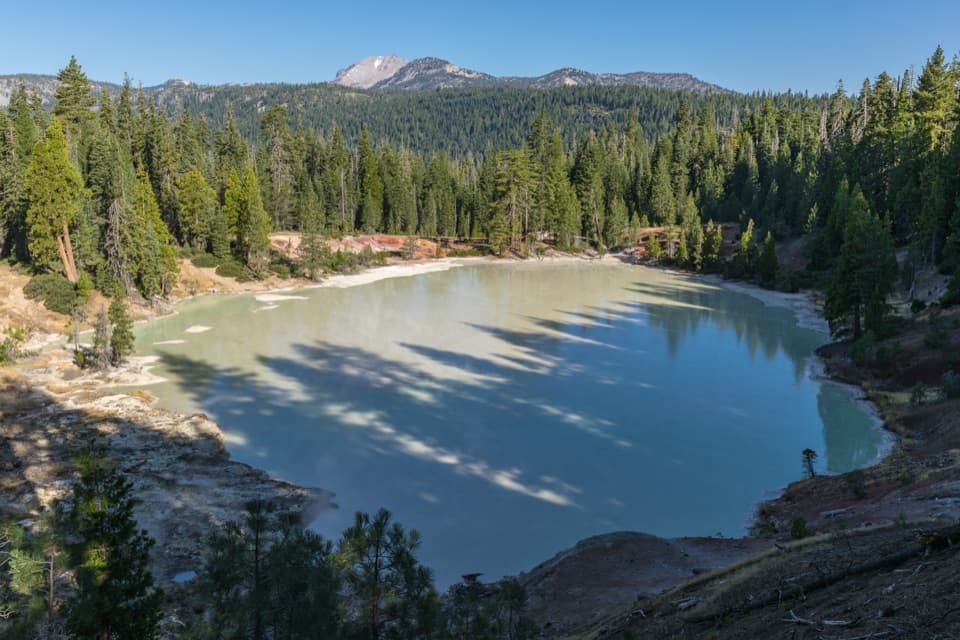
Boiling Springs Lake is one of the park’s most dramatic hydrothermal scenes: a large, milky-blue lake heated by steam vents to roughly 125°F, with mudpots and fumaroles hissing along the shore. You’ll smell the sulfur before you see the steam. It feels wild and otherworldly without much bustle.
Expect an easy-to-moderate outing. The park lists it at about 3 miles round trip and ~200 feet of climb (around 2 hours at a relaxed pace). Many hikers do a ~2.4-mile loop with ~300+ feet of gain. The trail briefly follows the Pacific Crest Trail across meadow and creek before a gentle climb to the lake, and a path circles the shoreline for full panoramas.
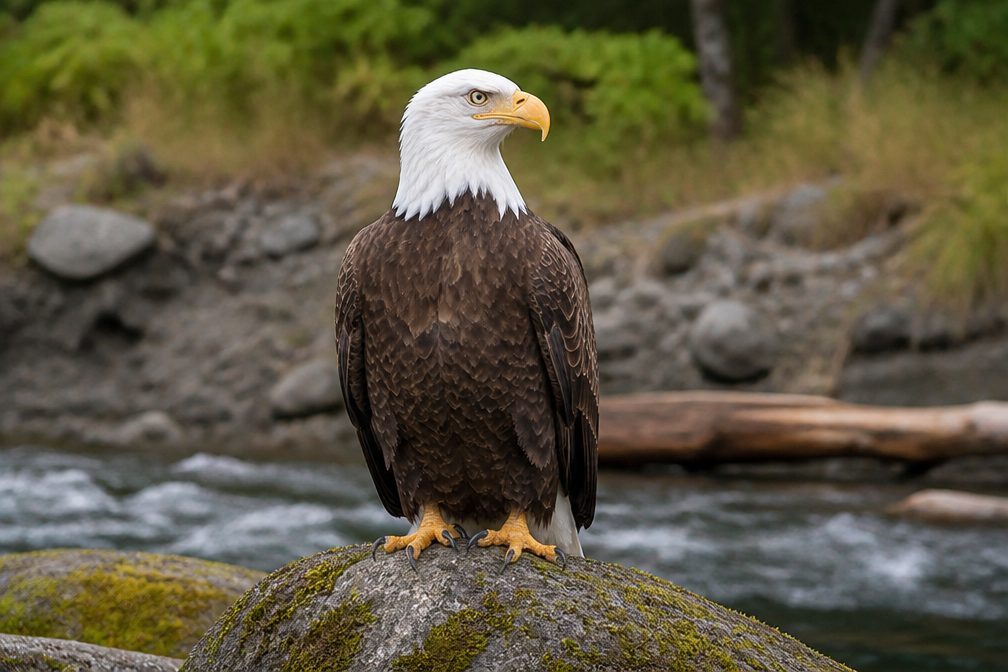
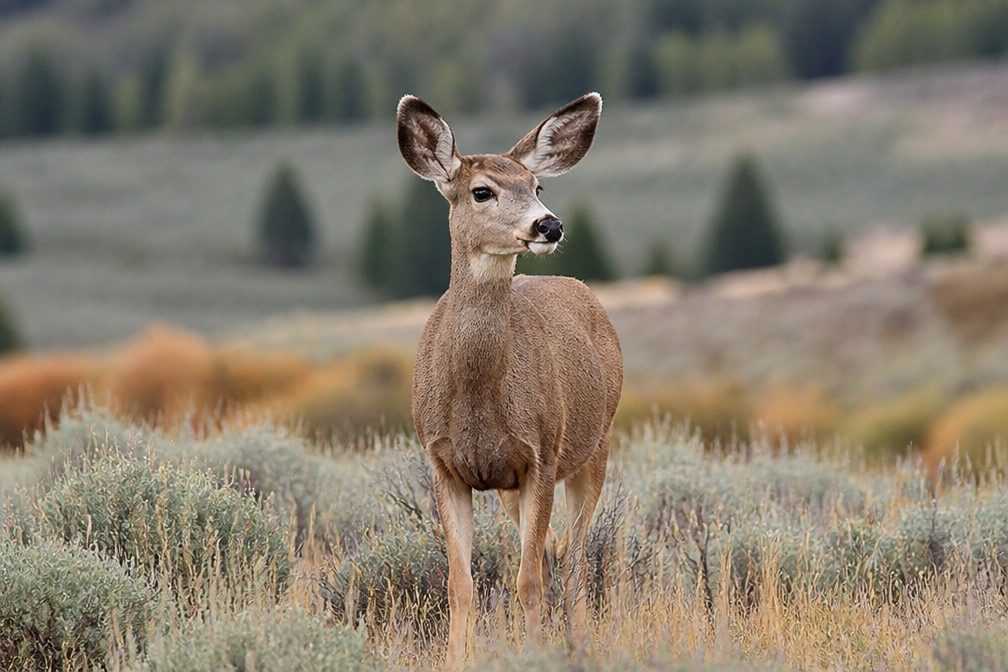
From the south side, you get big, photogenic views across the milky water toward the surrounding peaks. Watch for active mudpots on the southeast shore and steam vents ringing the basin. Wildlife shows up often—deer and garter snakes are common, with birds and butterflies working the meadows—so keep your distance and never feed animals.
Stay on the established trail. Hydrothermal ground can be thin and unstable, and the water is scalding—do not touch or enter it. Treat every steaming patch with caution. This is living volcanism on display.
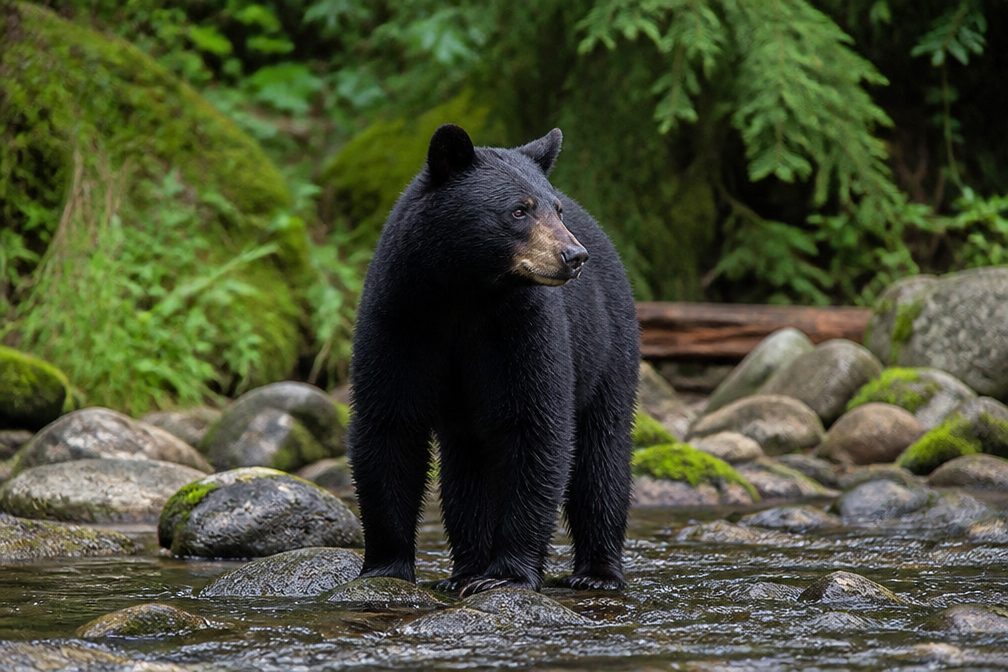
Warner Valley Road is narrow, partly unpaved, and rough in places—higher clearance helps, and you’ll want extra drive time. Expect limited shade, some muddy stretches, and scratchy brush; long pants and sturdy footwear are smart. Bears and ticks are possible in the valley. Recent fire impacts in this area mean less shade and occasional rough tread or tired bridges, but the route remains walkable.
If you’ve got more in the tank, add Devil’s Kitchen or Terminal Geyser from the same area. Doing the lake plus Devil’s Kitchen is a popular half-day combo, often totaling around 6.5–7 miles and 4–4.5 hours with photo stops.
Trails here are most reliably snow-free July through September. Start early for cooler temperatures, calmer winds, and more solitude. Always check current road, trail, and area status before you go—conditions and access in Warner Valley can be seasonal.