Place · 0.4 mi away

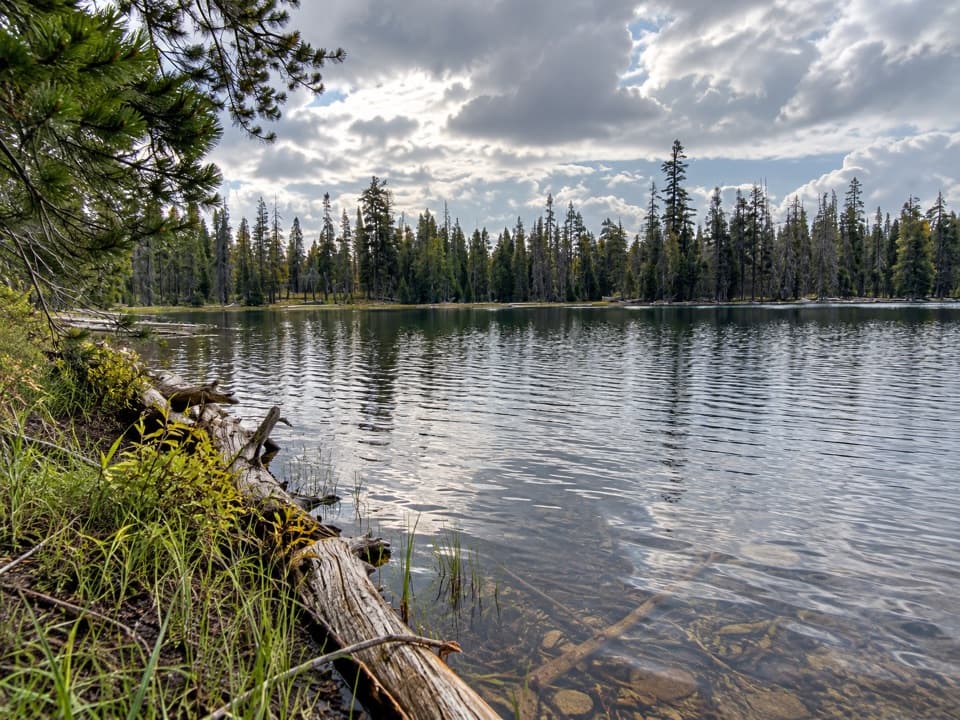
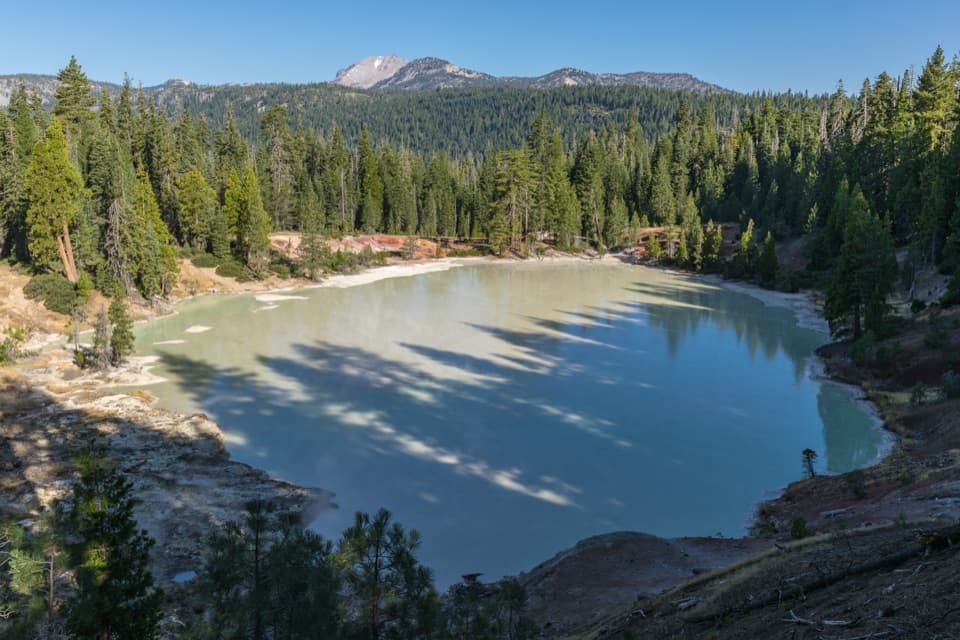
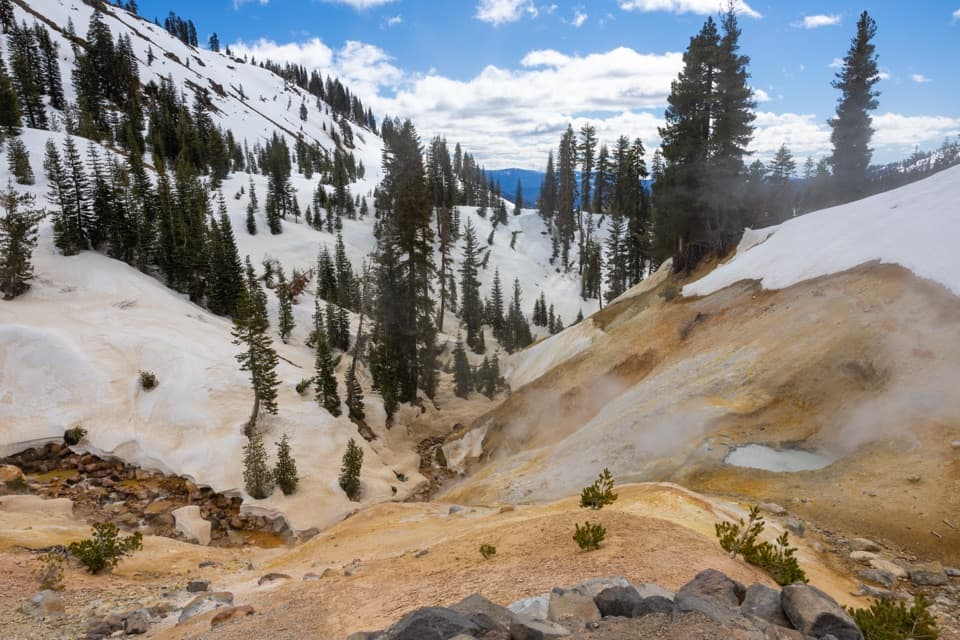
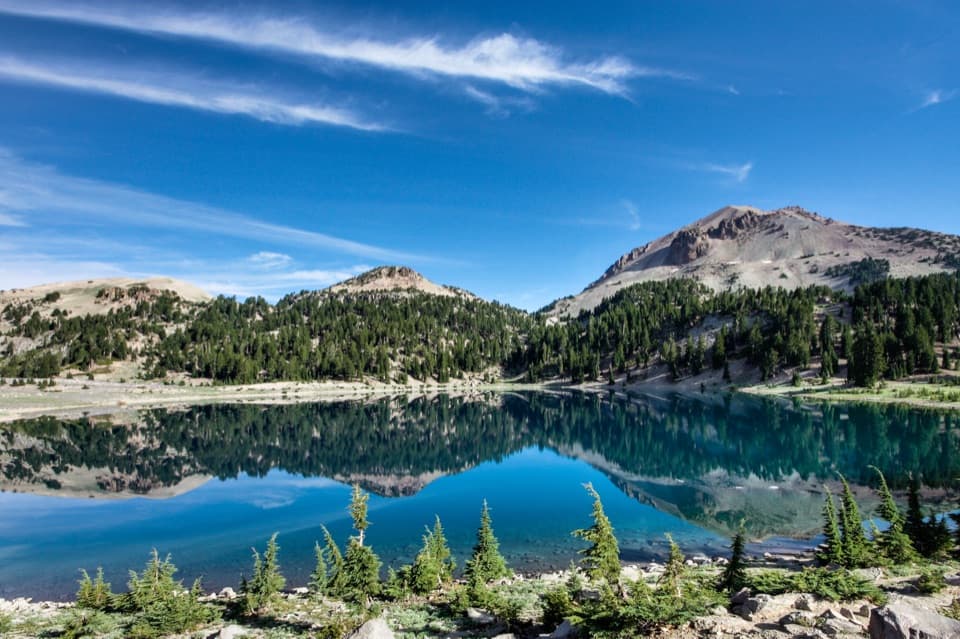
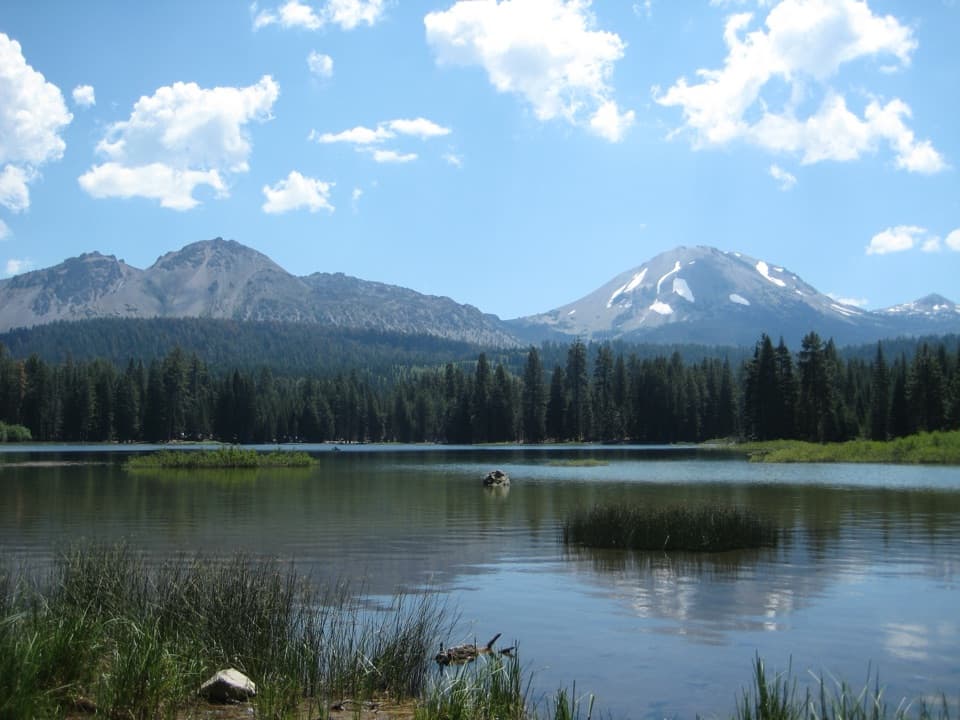
Tucked into the park’s southeastern corner, Warner Valley Campground is a mellow, limited‑development basecamp with big rewards nearby: steaming hydrothermal basins, a pastel-green crater lake, and the Pacific Crest Trail right out of camp. If you’re after quiet nights and easy access to volcanic wonders without the Manzanita Lake crowds, this is your spot.
There are 17 sites with picnic tables, fire rings, and bear‑resistant food lockers. Potable water is available from spigots, and restrooms are vault toilets (seasonal). Expect cool nights even in midsummer. Campfires are typically allowed in provided rings when conditions permit—always confirm current restrictions.
Access is via a steep, sometimes rutted gravel road about a mile past the Warner Valley Ranger Station and roughly 17 miles north of Chester. Passenger cars can make it in dry conditions with care, but RVs and trailers are not recommended. There’s no cell service in the valley, so download maps and info before you go.
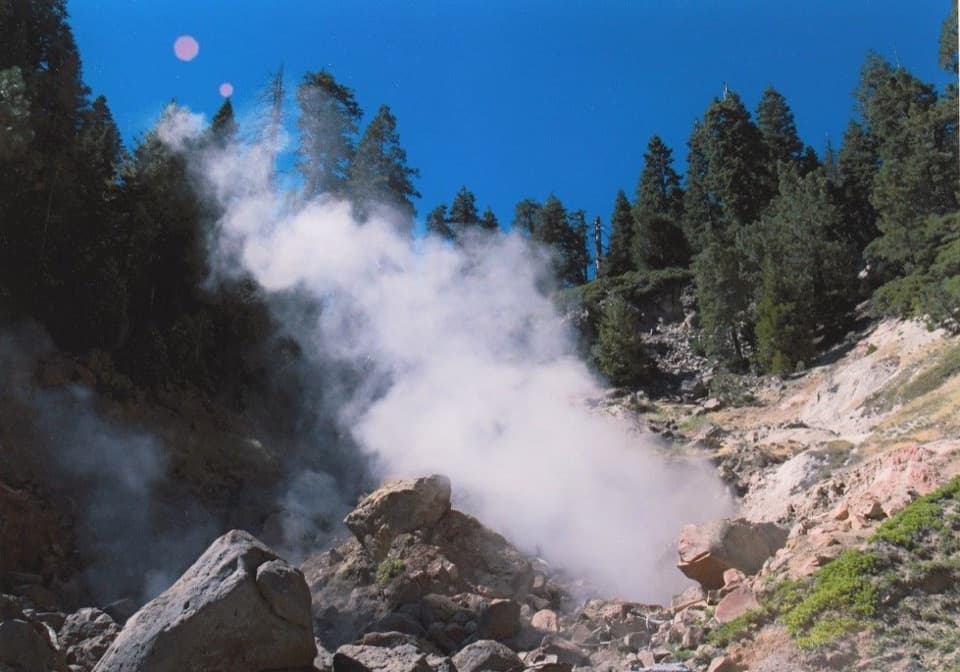
From the campground you can wander to Boiling Springs Lake, continue on to Terminal Geyser, or head to Devil’s Kitchen—three of the park’s best hydrothermal areas—without moving your car. The PCT passes near camp, making this an excellent launchpad for longer rambles and quiet sunrise or evening strolls.
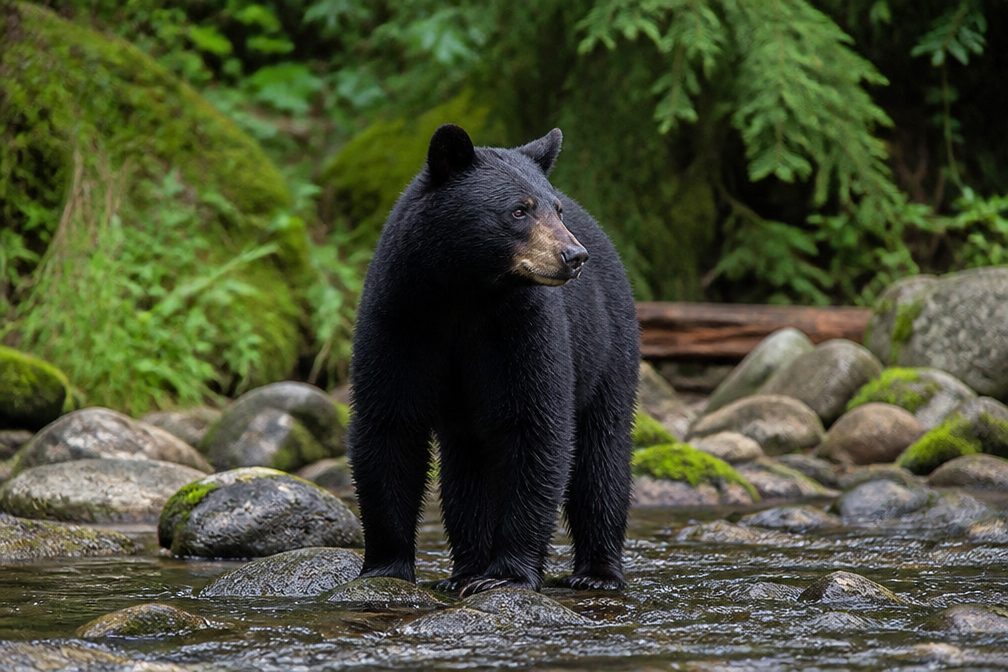
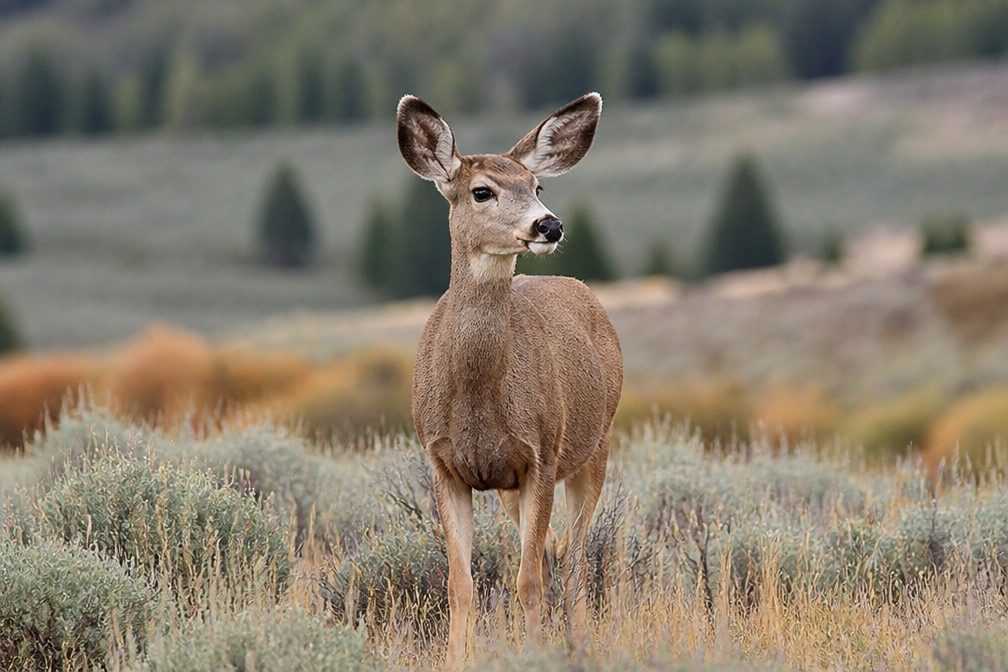
Deer are common around camp, and the broader valley sees occasional black bear, bobcat, and mountain lion. Store all food in the provided lockers and give all wildlife plenty of space. Stay on signed trails and boardwalks near hydrothermal features; the ground can be thin and unstable off‑trail.
The campground generally operates from early June to early October, weather permitting. Historically, sites have been a mix of reservable and first‑come, first‑served—policies can change, so check the current setup and availability before you drive the gravel road.
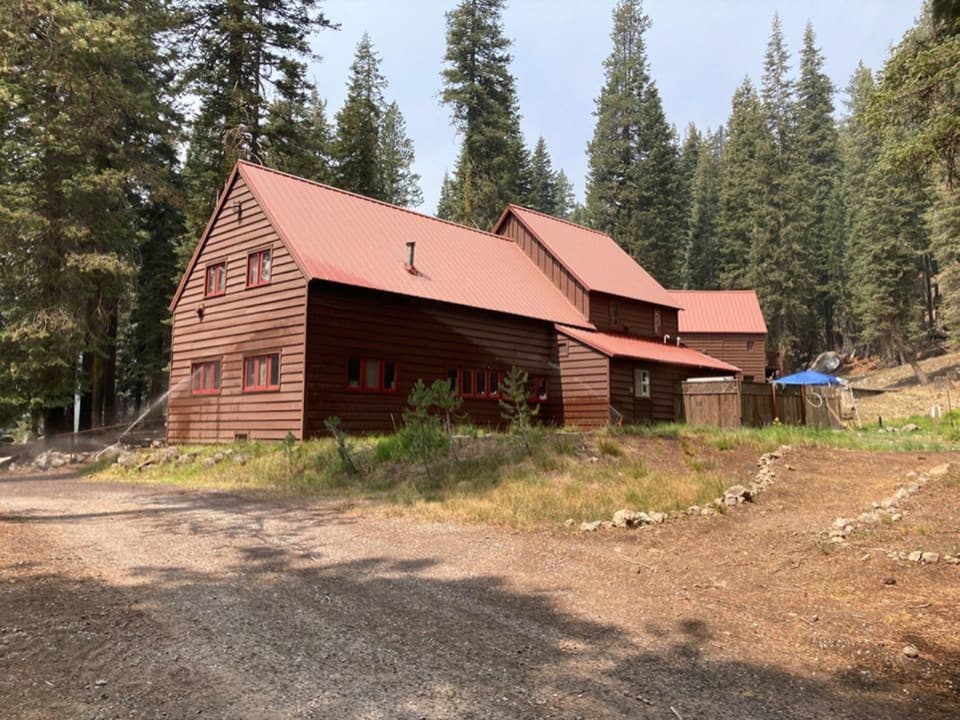
Drakesbad Guest Ranch sits about a half‑mile away and is a handy backup for a sit‑down meal if you reserve ahead. It’s also a useful waypoint for trip planning while you’re off‑grid.
June through September offers the most reliable access and trail conditions. Aim for weekday arrivals to improve your odds of snagging a site, and start hikes early for cool temps, empty trails, and soft morning light over the steaming vents.