Place · 1.4 mi away

Kautz Creek is a glacially fed stream and valley just off the Nisqually–Paradise corridor, about three miles east of the park’s southwest entrance and three miles west of Longmire. Born on the Kautz Glacier, the creek cuts through a young, constantly changing landscape shaped by lahars, floods, and outburst events.
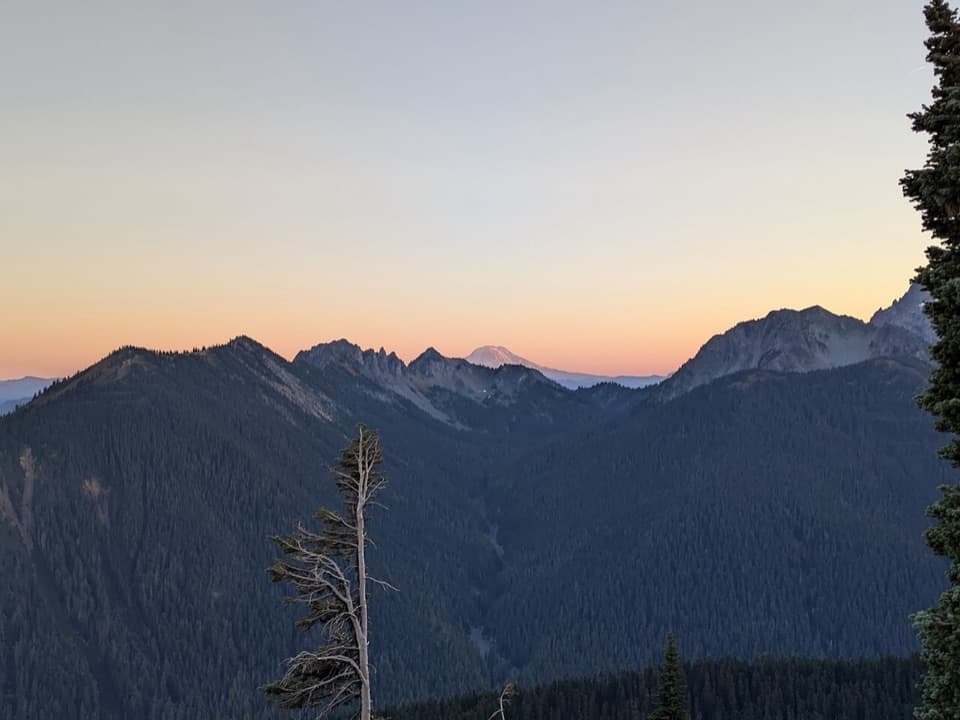
A very short boardwalk-style nature trail (about 0.1 mile) leads from the parking area to the creek. Expect interpretive signs that bring the geologic story to life—think fresh flood deposits, shifting channels, and a valley that looks different after big melt events. On clear days you can catch glimpses of Rainier, though young trees increasingly frame and sometimes limit those views. Summer brings fast regrowth and wildflowers along the floodplain, a striking contrast to the raw geology.
If you’re here for a leg-stretcher, the Kautz Creek Trail climbs steeply toward Indian Henry’s Hunting Ground—about 11.6 miles roundtrip with 3,200 feet of gain. It’s a workout, but you’re rewarded with broad meadows, seasonal wildflowers, and more solitude than busier approaches. In late summer, huckleberries add a sweet bonus along portions of the route.
This valley is a front-row seat to Rainier’s power. The creek slices a narrow trench (roughly 100–200 feet wide and up to 75 feet deep) through soft, lahar-laid sediments. After warm spells or intense melt, the channel can shift dramatically as floods and debris flows rearrange the valley floor. It’s a living laboratory for how glaciers and volcanoes sculpt a landscape.
Flash floods and debris flows can occur at any time, especially during warm periods with high meltwater. If you hear a low rumble or feel an earthquake, move uphill immediately. Stay on designated trails and avoid venturing onto unstable flood deposits or down into the trench.
High in the headwaters, Kautz Creek plummets in a multi-tiered waterfall created as the glacier has retreated. There’s no direct trail to the falls, and off-trail travel in this drainage is hazardous—admire the idea, not the scramble.
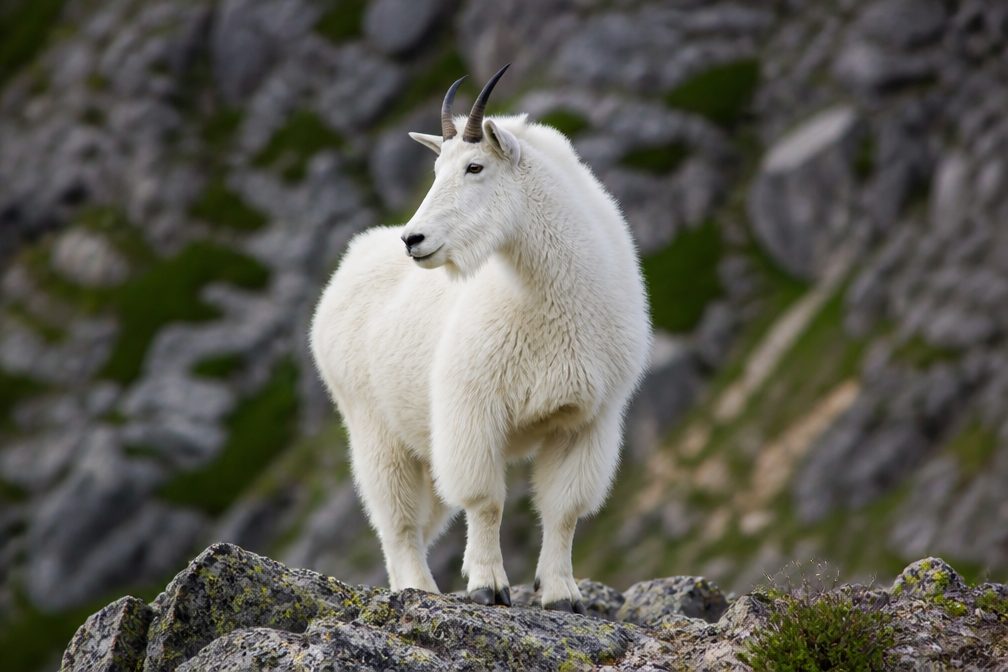
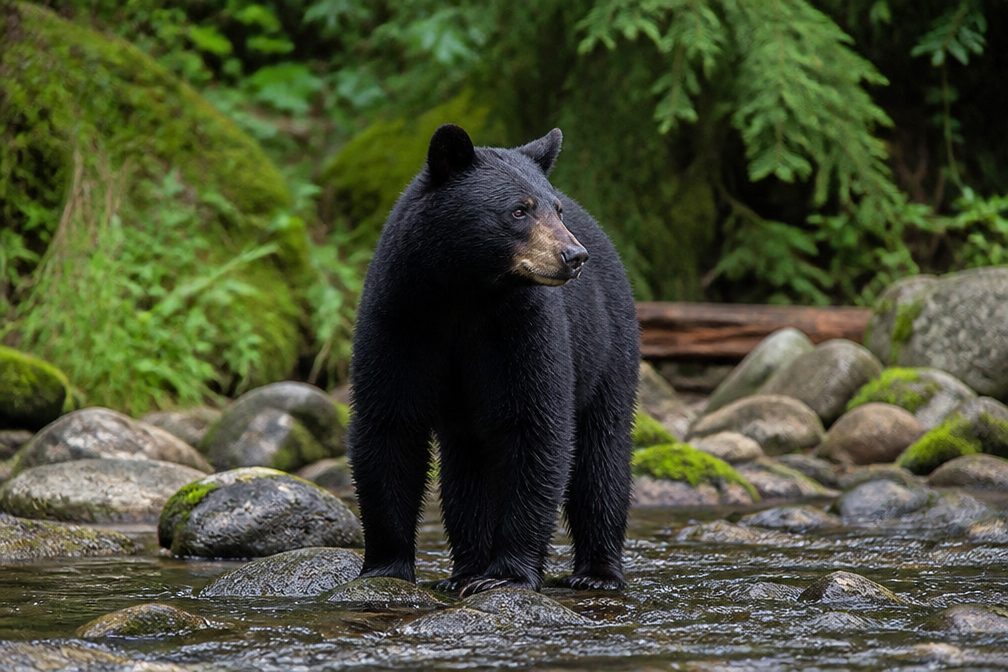
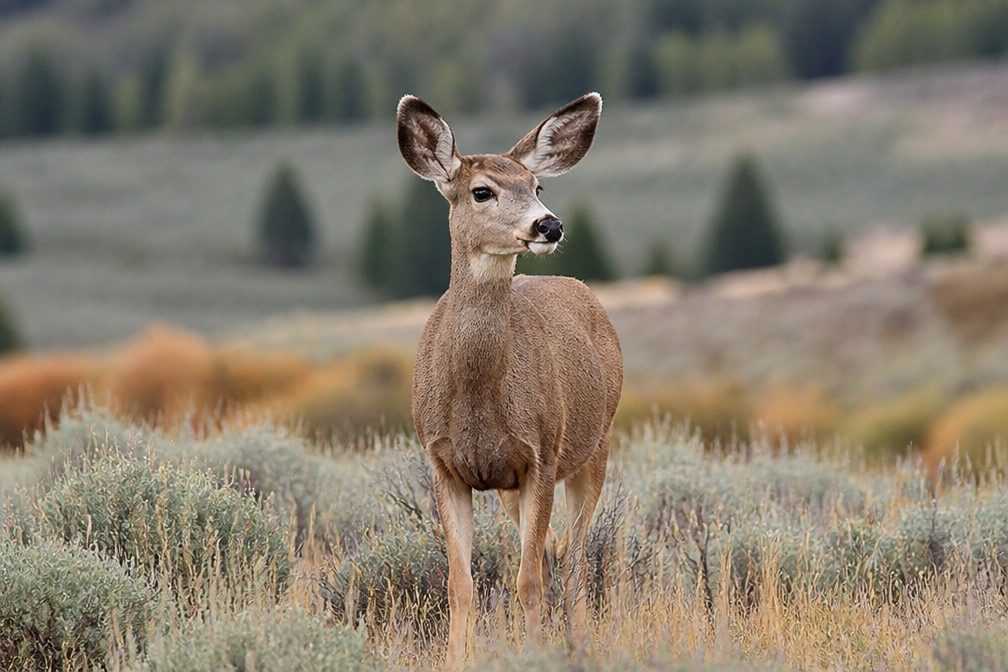
Sources don’t call out specific wildlife highlights here. Expect the usual forest and meadow species typical of the area; this spot is more about geology than critter watching.
For flowers and lush valley growth, July–August shine—especially if you’re taking the long trail to Indian Henry’s. Be extra cautious during hot spells when melt-driven flows are more likely.