Place
Challenging

Eagle Peak is a classic leg-burner with big payoff: 7.2 miles round-trip, out-and-back, climbing roughly 3,000 feet to the Eagle Peak–Chutla Peak saddle at about 5,700 feet. It starts near Longmire in Mount Rainier’s southwest corner and wastes no time—this one is steep and sustained, best suited to strong day hikers who like efficient elevation for the views.
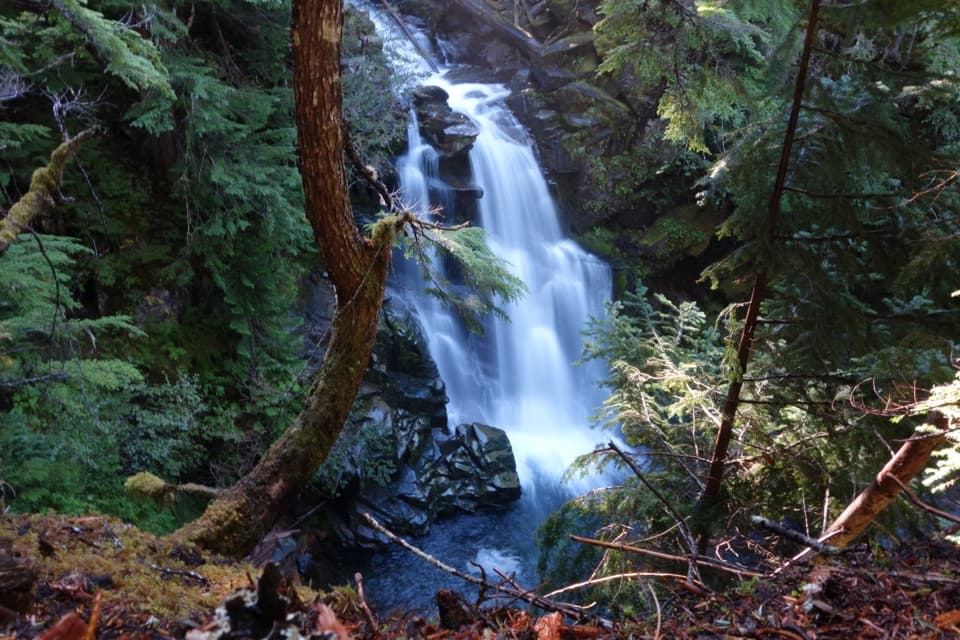
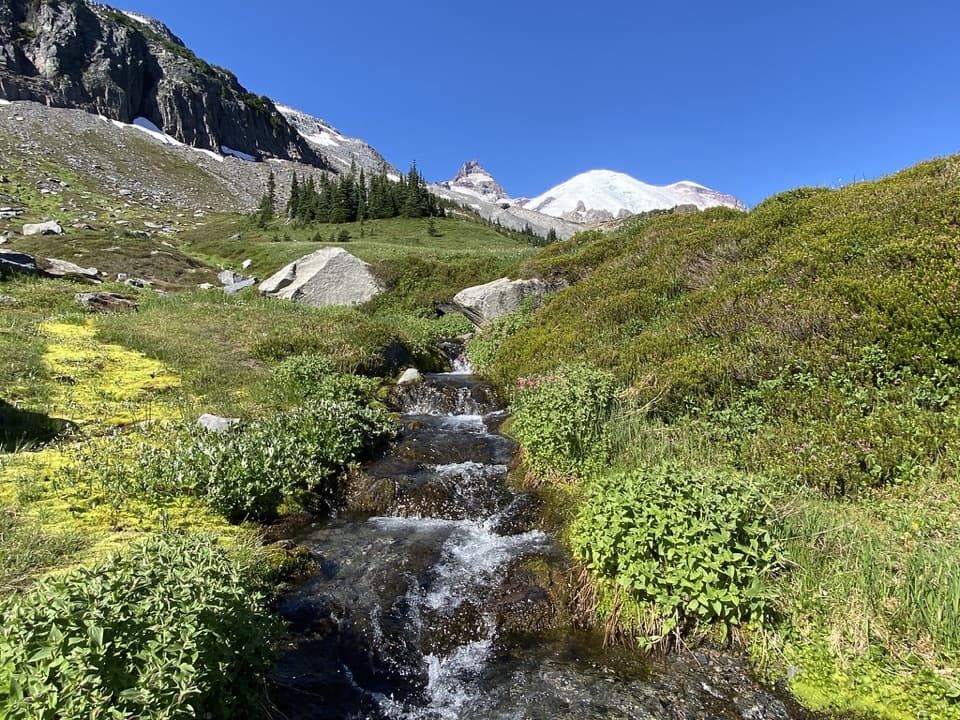
From the first steps you’re switchbacking through quiet old-growth forest with a soft, often rooty tread. The grade is steady, with only occasional breathers. Around 4,430 feet you cross a scenic stream on a footbridge, then the canopy thins and the trail breaks into subalpine meadows. Expect the final half-mile to kick up: it’s steeper, rockier, and more exposed as you crest the saddle.
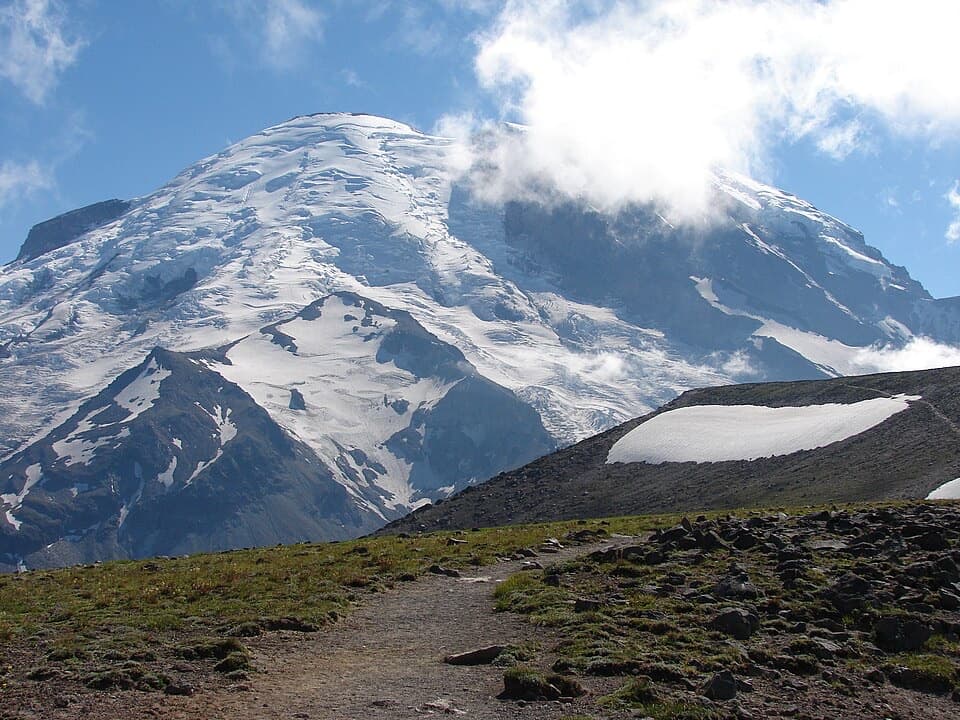
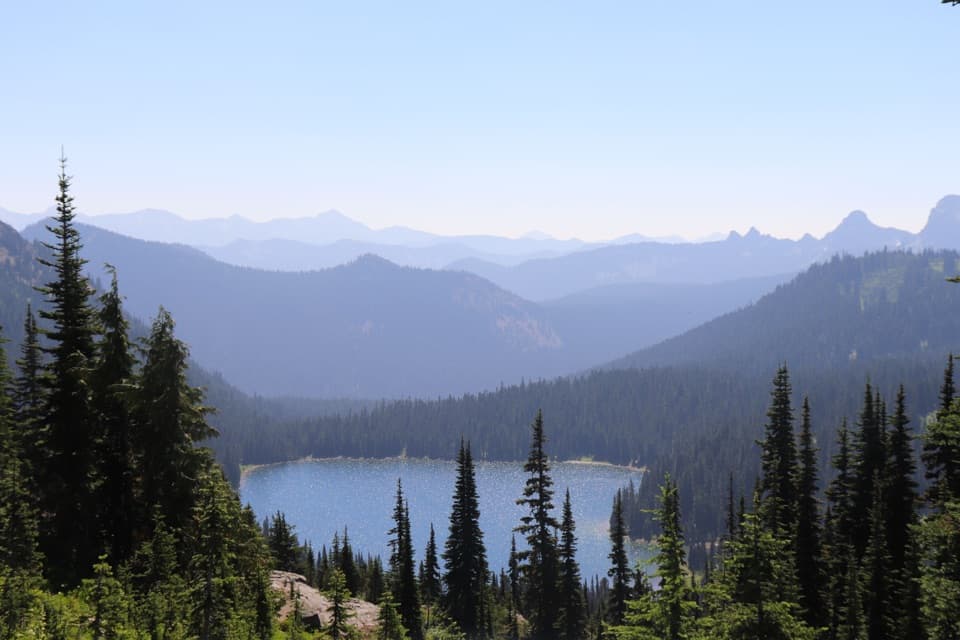
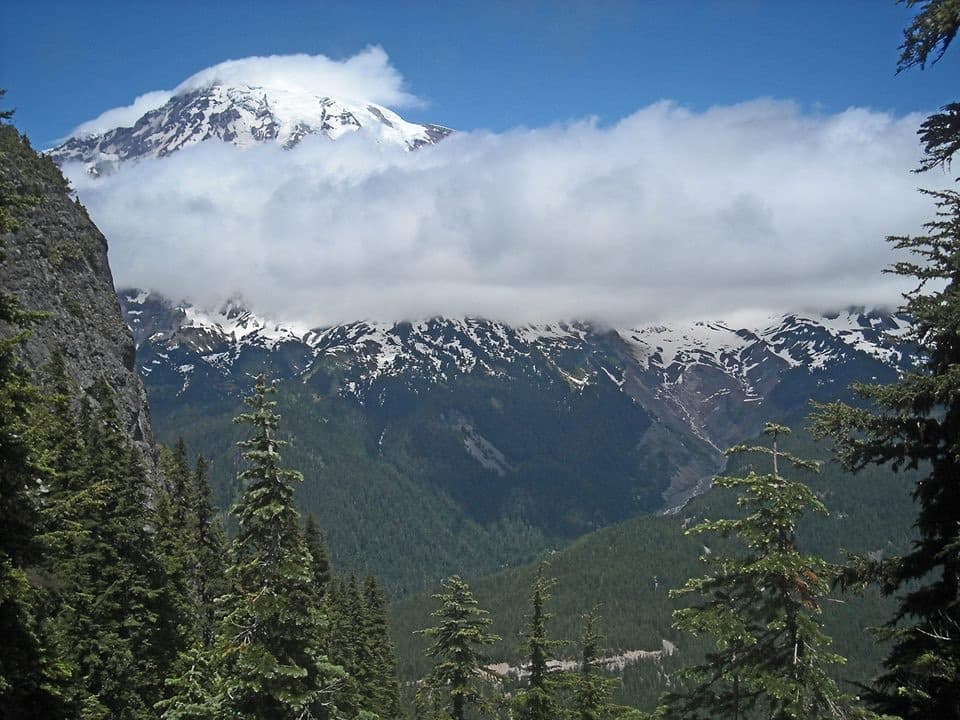
The maintained trail ends at the saddle, where the vistas explode—Mount Rainier and the Paradise area to the north, the Nisqually River Valley below, and on clear days distant Cascade volcanoes to the south. For an even better angle, head a short distance right from the saddle toward Chutla Peak; there’s a backcountry bench that’s tailor-made for a long stare.
Mid-summer through early fall (roughly July–October) is the sweet spot. Wildflowers usually peak in late July to early August, and lingering snow early in the season can make travel slow or unsafe. Once autumn storms arrive, snow returns and the upper trail quickly becomes a winter mountaineering problem—avalanche awareness and advanced skills are required if you go then.
Limited parking at Eagle Peak Trailhead near Longmire; arrive early. If space or access is an issue, park at the main Longmire lot and walk across the small bridge to the trailhead.
Steep, sustained climb with a rocky, exposed final section. Snow lingers into early summer and returns in fall; winter travel requires avalanche awareness and advanced skills. No designated campsites; fires prohibited; treat all water.