Place · 0 mi away

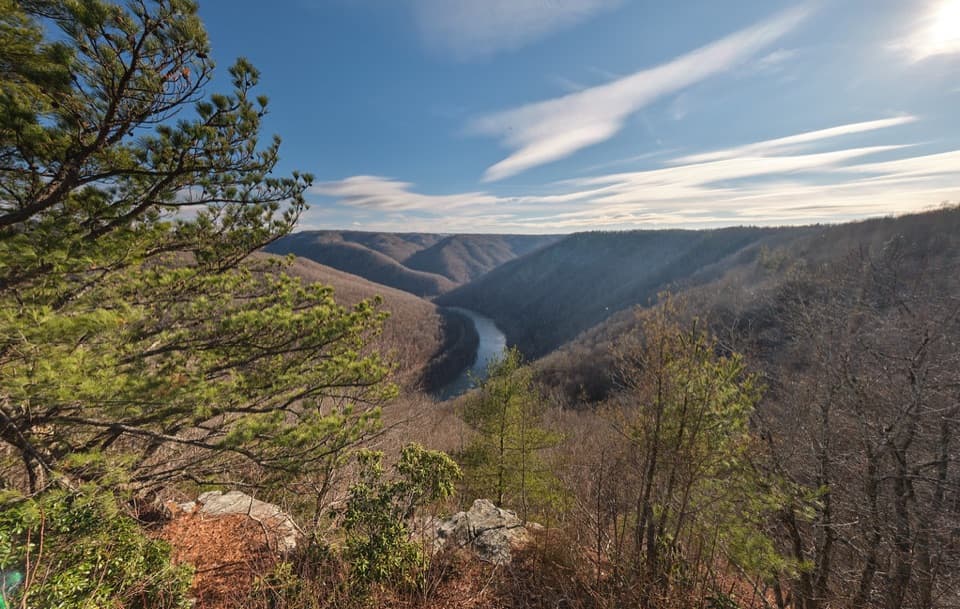
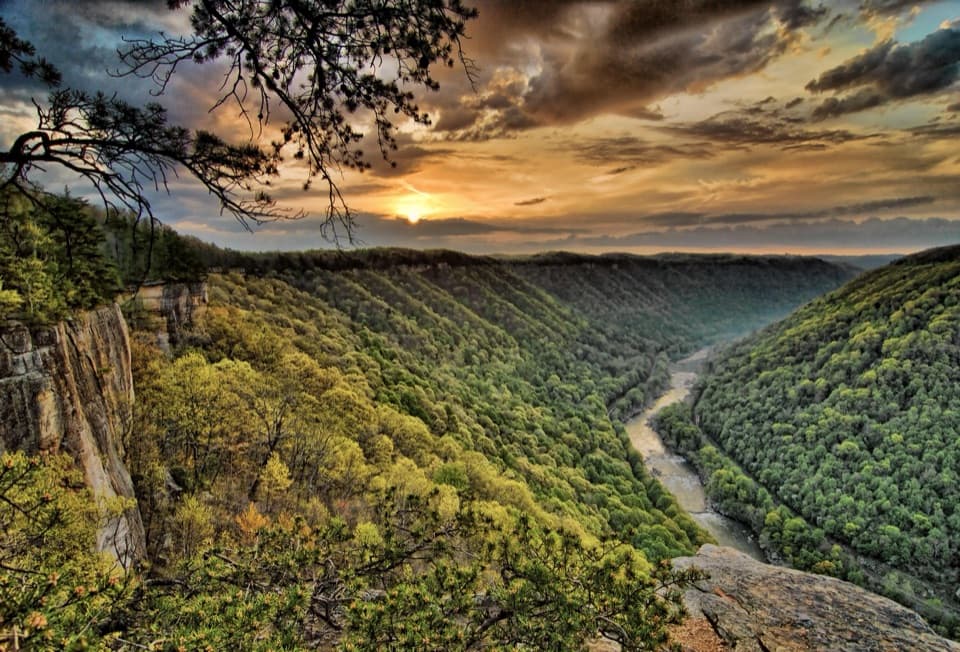
Grandview Visitor Center is the small, seasonal info hub for the Grandview section—home to some of the most jaw‑dropping views in the park. The area sits about 1,400 feet above the New River, making it the park’s high‑elevation perch with sweeping river‑bend vistas just a short walk from parking. It’s a mellow alternative to busier canyon viewpoints and pairs big scenery with easy logistics.
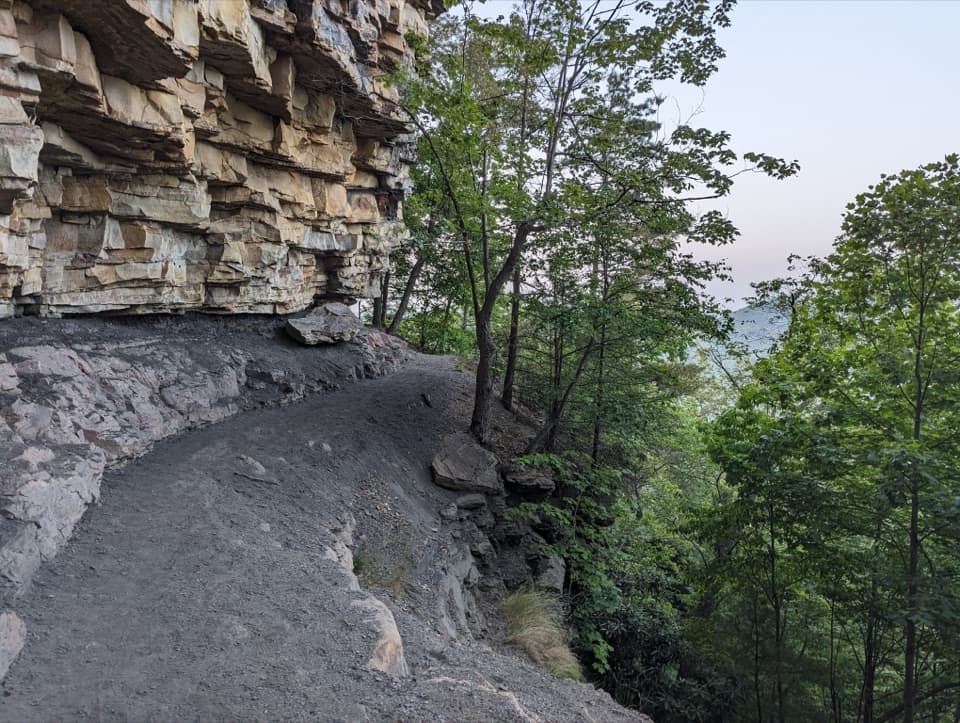
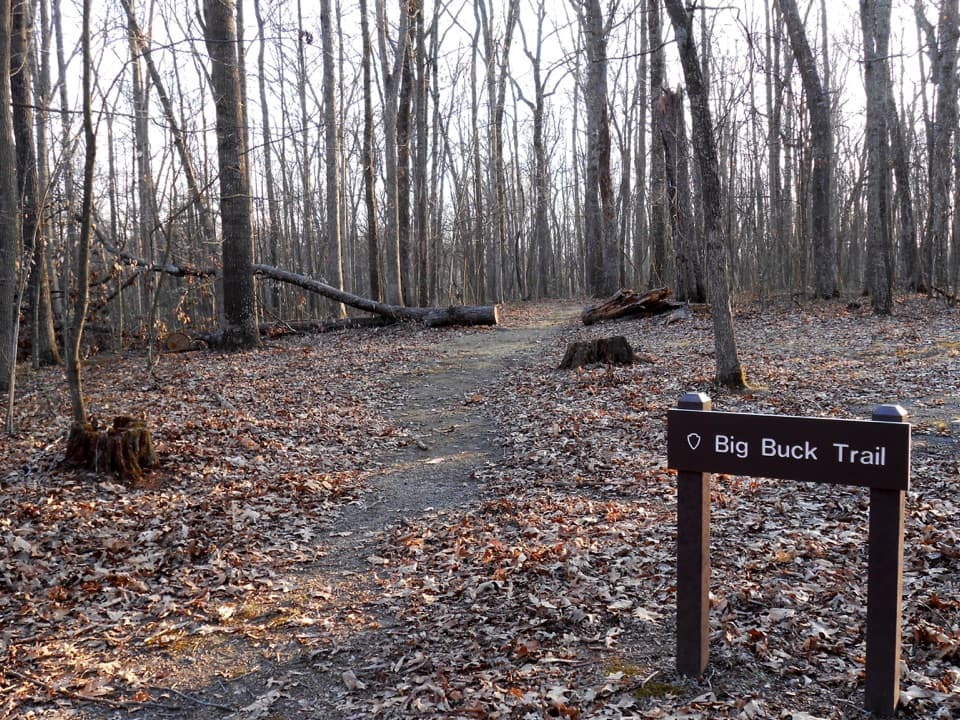
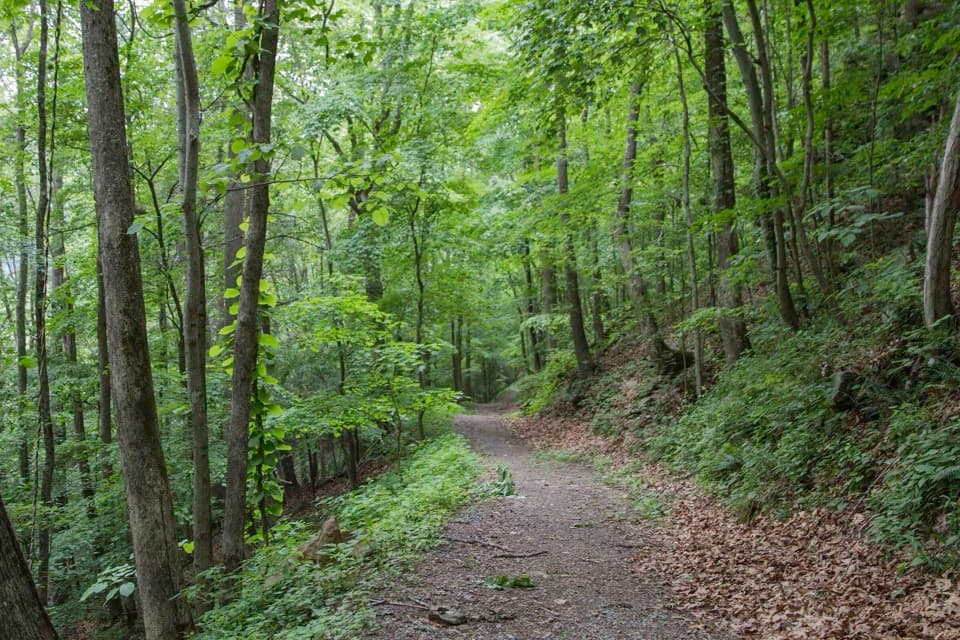
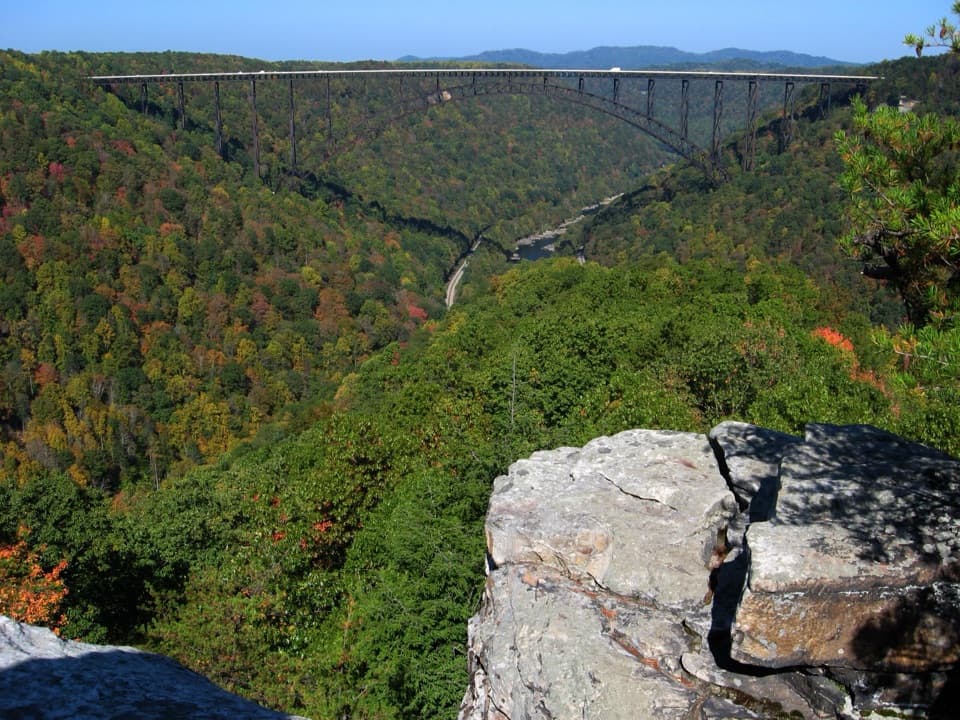
From the Main Overlook you can gaze along seven miles of the New River and its watershed, often spotting trains on the active rail line below and, on clear days, the town of Quinnimont—where coal first shipped out of the gorge in 1873. Drive or walk to Turkey Spur Overlook for a different, wide‑angle take on the gorge’s bends (there are stairs at Turkey Spur). The surrounding six miles of trails—favorites include the Rim, Tunnel, and Castle Rock segments—thread through sandstone outcrops and woodlands with frequent peek‑a‑boo views.
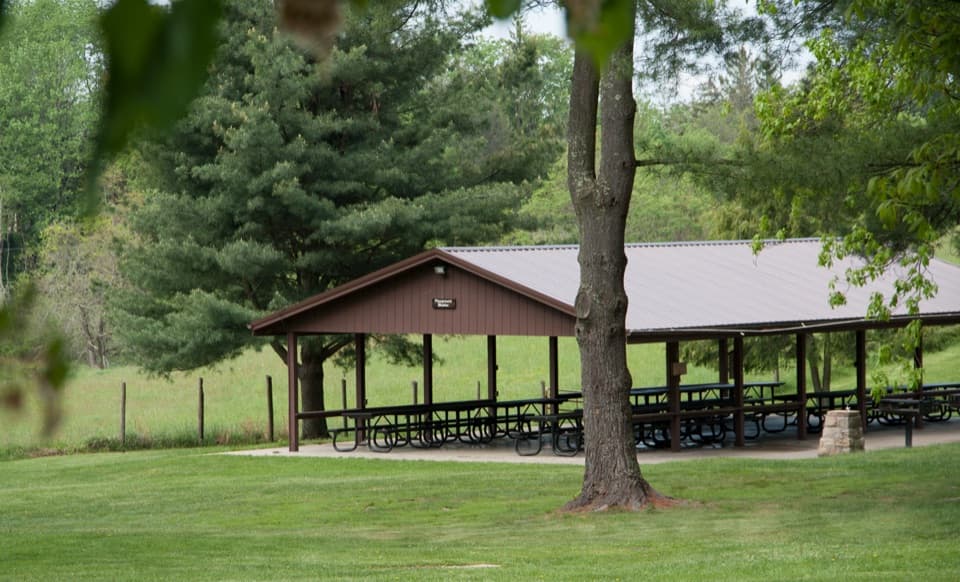
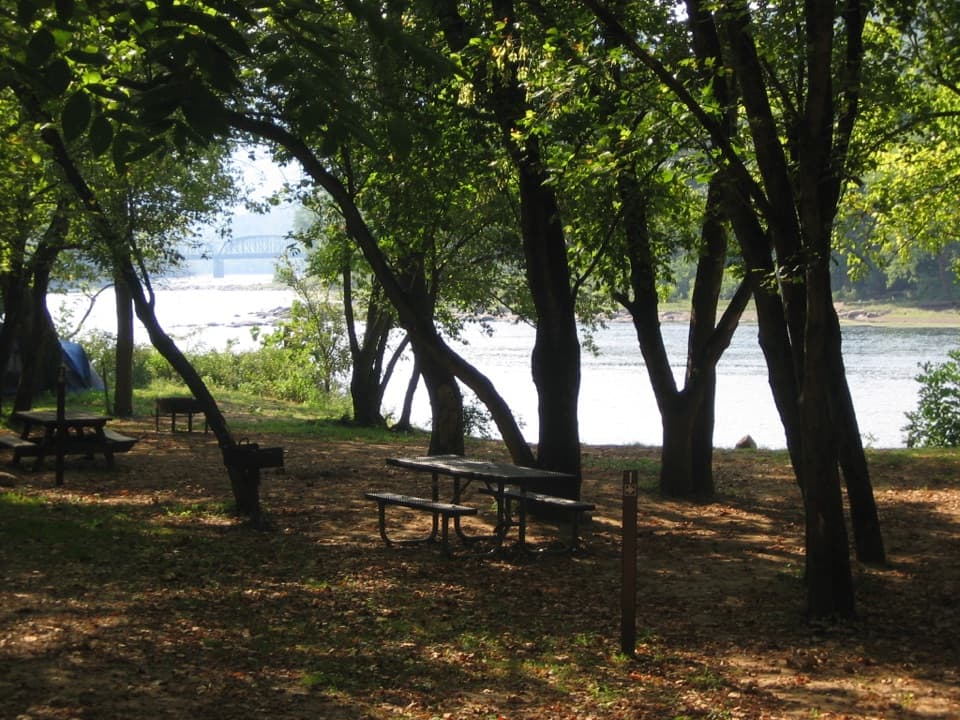
The visitor center operates seasonally (typically June through August) with rangers, maps, interpretive displays, and a small bookstore. Nearby, you’ll find large shaded picnic areas, three shelters (reservable), a playground, ball field, and restrooms with drinking water by the shelters. In summer, Theatre West Virginia stages outdoor dramas at the on‑site amphitheater—easy bonus entertainment after a golden‑hour overlook session.
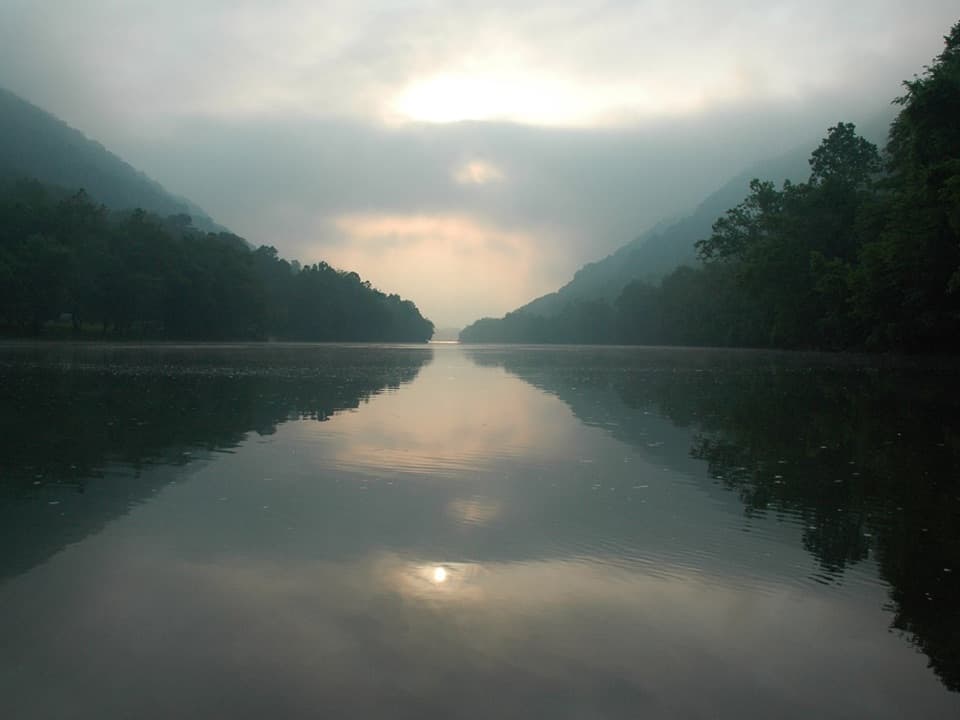
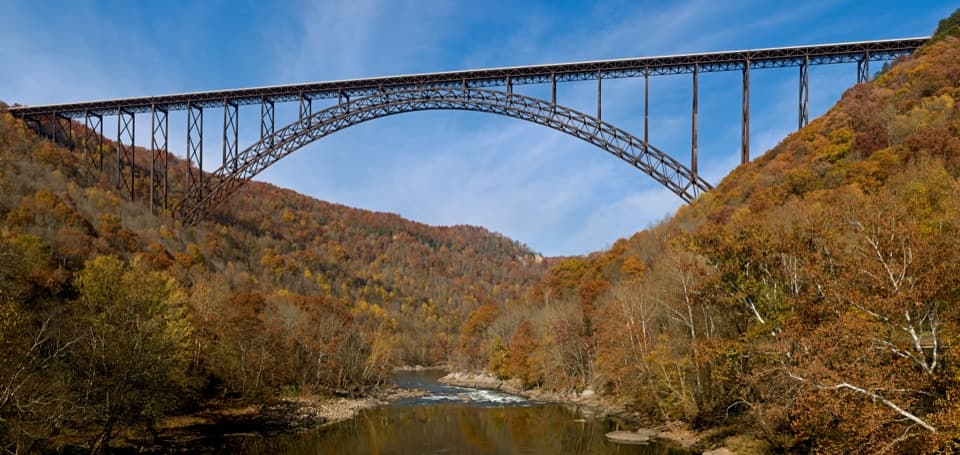
Grandview’s facilities—roads, shelters, picnic areas—owe a lot to the Civilian Conservation Corps, and the site itself transitioned from a West Virginia state park to the National Park Service in 1990. Bigger picture: the “not‑so‑New” River is ancient, carving a steep, V‑shaped gorge roughly 900 feet deep through 300‑million‑year‑old sandstone, shale, and coal. The Chesapeake & Ohio Railroad’s arrival in 1873 ignited coal mining here, and echoes of that era remain part of the landscape you’re looking at.
Grandview is famous for rhododendron displays—Catawba typically light up the slopes in mid‑May, with great rhododendron blooming into July. The broader area protects rare plants and a rich river corridor; enjoy the flora, but mind signed closures and keep a healthy distance from cliff edges and drop‑offs.