Parking
Bridge Creek Trailhead is beside SR 20. It has at least 20 parking spaces, an information sign, picnic table, and vault toilet. Cross SR 20 to reach the southbound Pacific Crest Trail.

North Cascades National Park, WA
Climb through flower meadows to the remains of a fire lookout
Overview
Map & elevation
Plan your hike
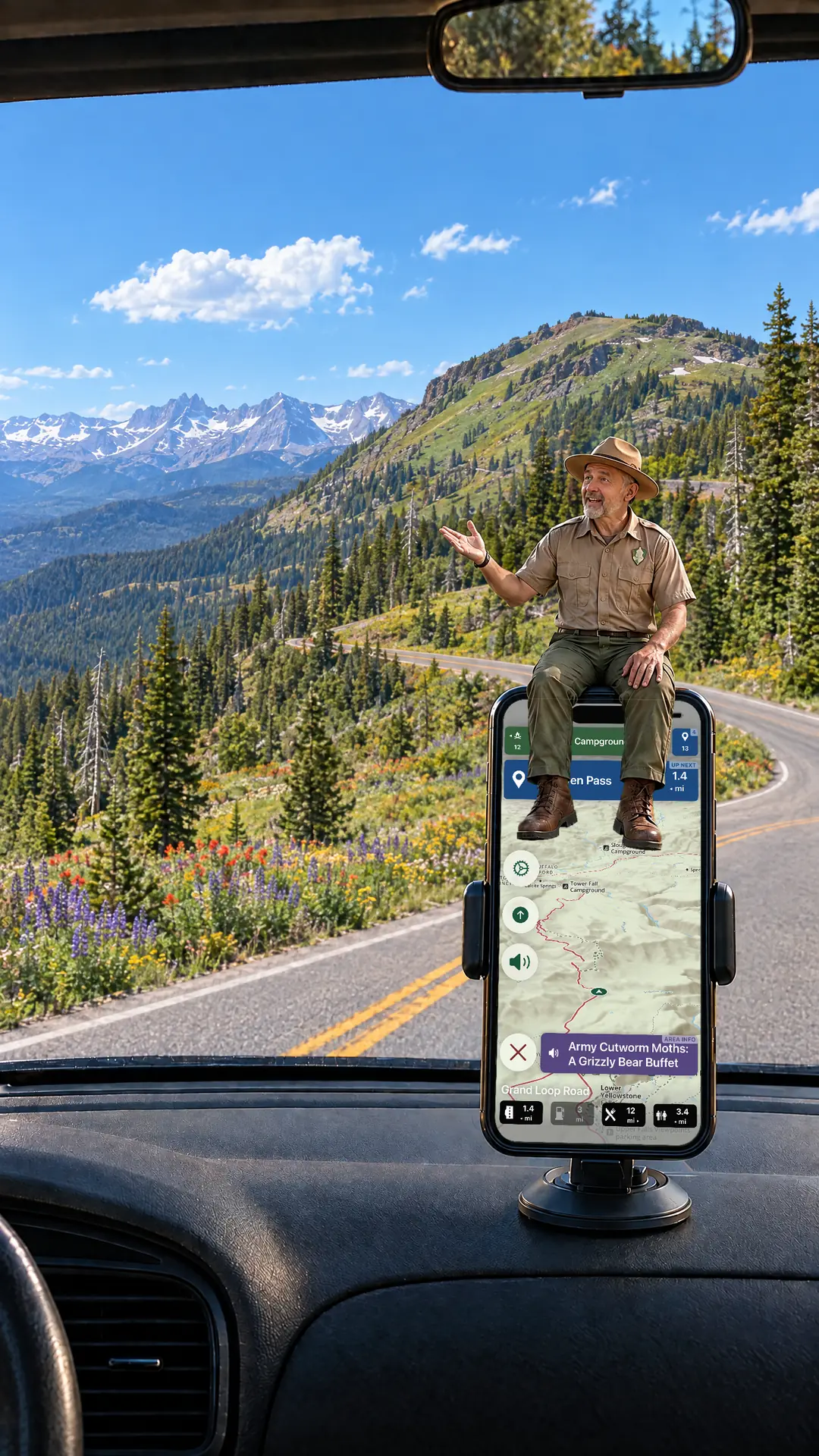
The highest, rockiest slopes around here are a summer buffet for grizzly bears.
North Cascades Tour Guide
Parkwolf is a GPS audio tour guide for North Cascades National Park. As you drive, it chimes in with what’s ahead: hidden gems, upcoming stops, history, geology, and wildlife, right through your car’s speakers.
See the North Cascades audio tourRecorded for this trailhead
Bridge Creek and the Pacific Crest Trail“You're coming up on Bridge Creek Trailhead, an access point for the Pacific Crest Trail. The route descends through forest, meadows and avalanche tracks, with wildflowers in spring and early summer.”
Plays as you drive up to this trailhead in the Parkwolf North Cascades Tour Guide.
More stories near here in the app
“Fantastic app with many points of information… It’s great to just turn on while you’re driving and it gives you an audio tour of the national Park. We love it!!!!”


Trail guide
Stiletto Peak Trail is a 10.4-mile out-and-back from Bridge Creek Trailhead to the former Stiletto Lookout site, climbing through a forested creek valley and high meadows to a broad North Cascades ridge. The route gains about 3,650 feet; allow 9 to 11 hours with breaks and time to find the faint upper tread. It suits strong hikers comfortable with steep climbing, creek crossings, and route-finding. Turn around at the lookout: the 7,660-foot Stiletto Peak summit is beyond the hike and requires a climber's scramble, so it is not part of this distance.
Cross SR 20 from Bridge Creek Trailhead and follow the wide, forested Pacific Crest Trail about 0.9 mile to the marked Stiletto Spur turn. The narrower spur dips slightly, gets brushier, and crosses State Creek. At about 1.1 miles, stay on the right branch past Copper Pass; Copper Creek follows around 1.4 miles. In spring or after rain, these crossings can be more demanding; later in summer a rock hop may be possible. The spur passes avalanche chutes, ferns, and flowers before reaching the Stiletto Peak Trail junction around 2.1 miles. Its low, south-facing sign is below the trail on the downhill side, so it can be hard to spot until you're at the junction.
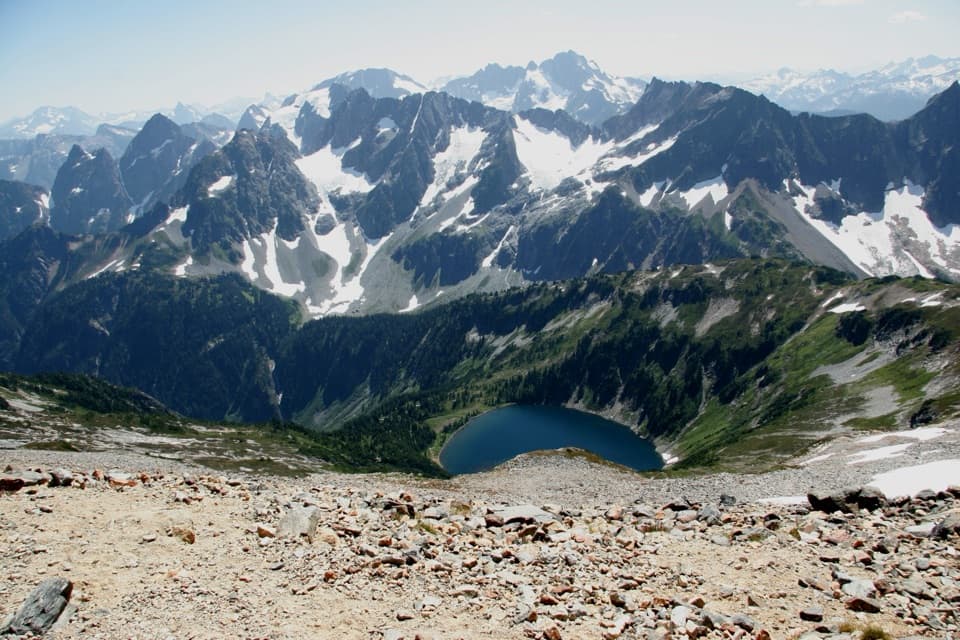
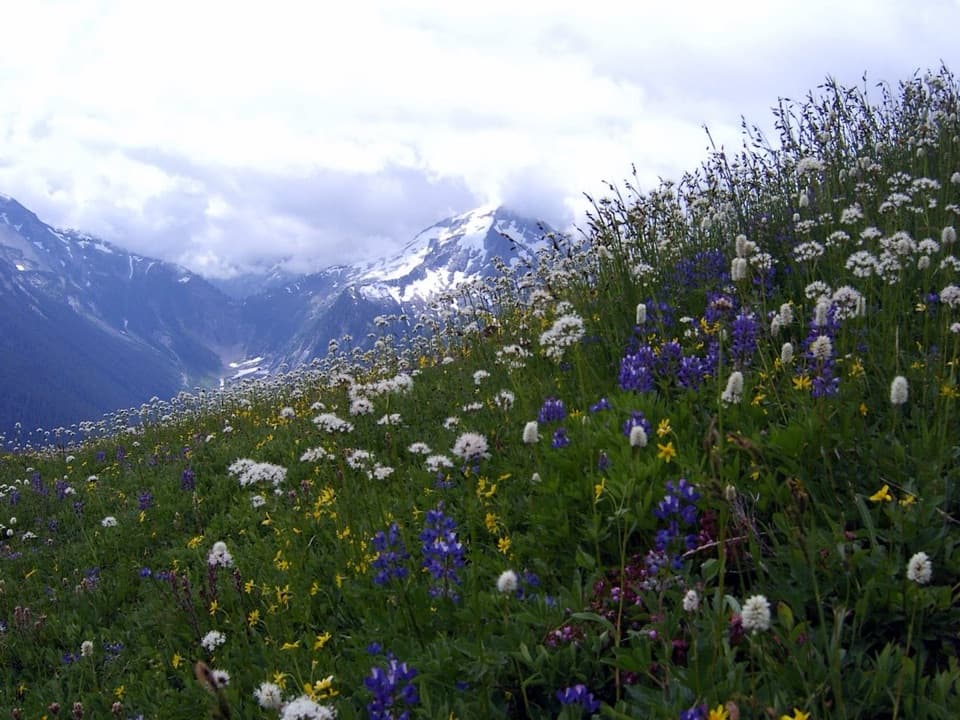
The Stiletto Peak Trail climbs steeply on switchbacks through forest, with brushy stream crossings. At about 2.8 miles, the trees open to a view down Bridge Creek Valley; around 3.7 miles, the view broadens toward McGregor Mountain and the north end of Lake Chelan. Around 4.3 miles the grade eases into flower meadows, but the faint trail can disappear under grass; follow the cairns and keep checking the line. Early-summer flowers brighten the meadows, and mosquitoes can be bothersome in midsummer.
At 5.2 miles, the route reaches the old lookout site at 7,223 feet. The lookout was built in 1931 and removed in 1953; its fire-finder post and rock windbreak remain. From the ridge, Stiletto Peak stands to the east and Glacier Peak to the southwest, with views across the surrounding Cascades and a 2,000-foot drop toward Copper Creek. The fire-finder post makes a useful foreground against Stiletto Peak. The route continues to a saddle 0.3 mile farther; climbing the summit from there is a separate scramble. Stiletto Lake and Twisp Pass are off-route cross-country options, not part of this hike.
Bridge Creek Trailhead along SR 20 has at least 20 parking spaces, an information sign, a picnic table, and a vault toilet. Cross the highway to join the southbound Pacific Crest Trail. Dogs may be leashed on the PCT, but they are not allowed beyond it inside the national park, so they cannot complete this route. Backcountry permits are required for overnight trips in the park; this route is described as a day hike.
Wildlife
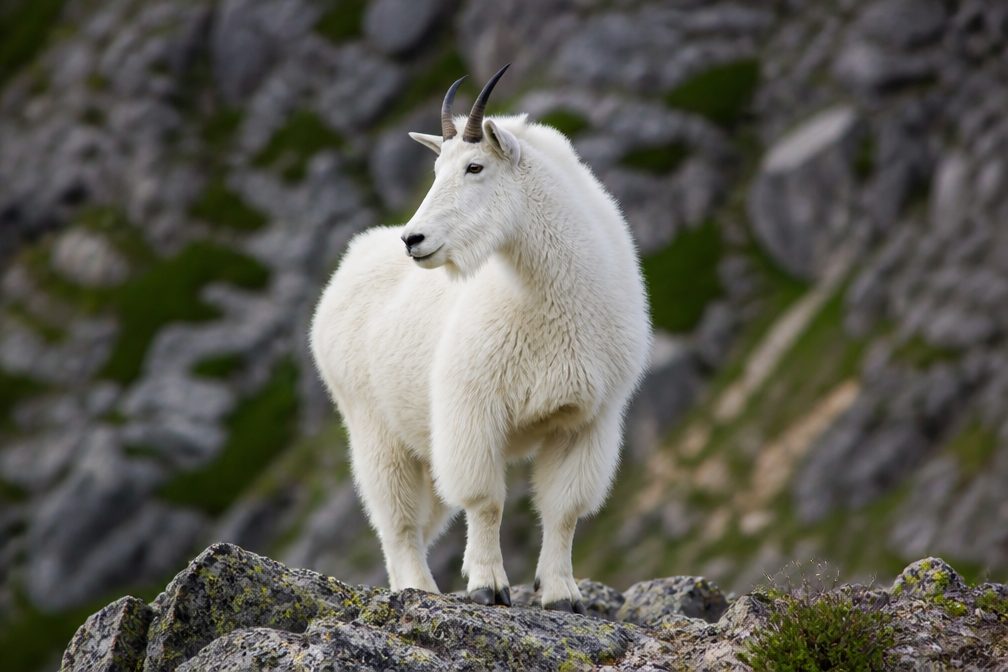 101 sightingsMountain GoatMost seen around 6 PMSighting map
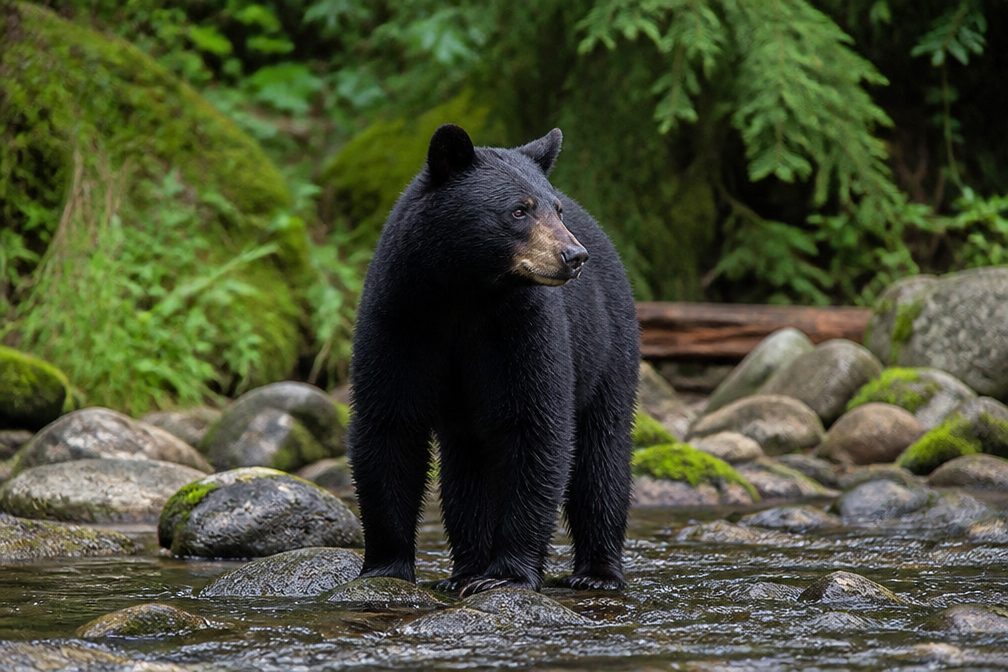 70 sightingsBlack BearMost seen around 8 PMSighting map
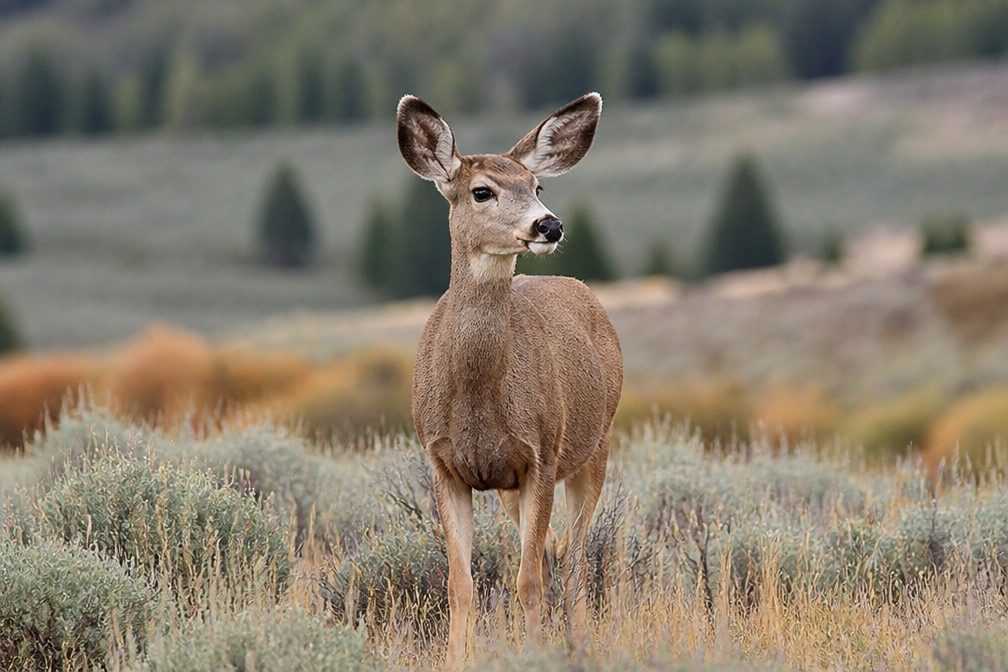 20 sightingsMule DeerMost seen around 7 PMSighting map
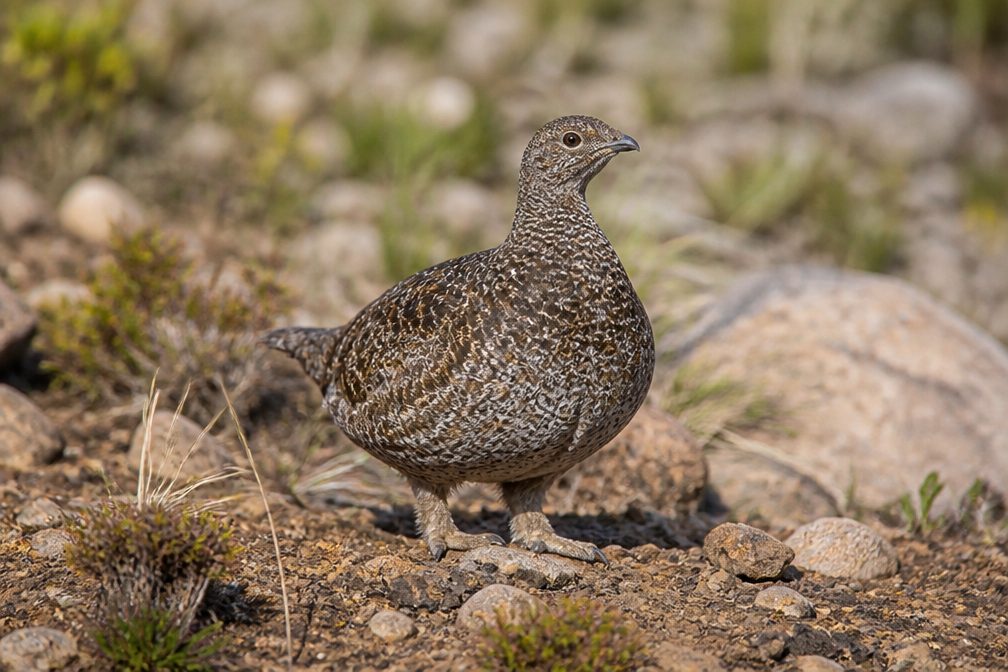 77 sightingsSooty GrouseMost seen around 6 AMSighting map
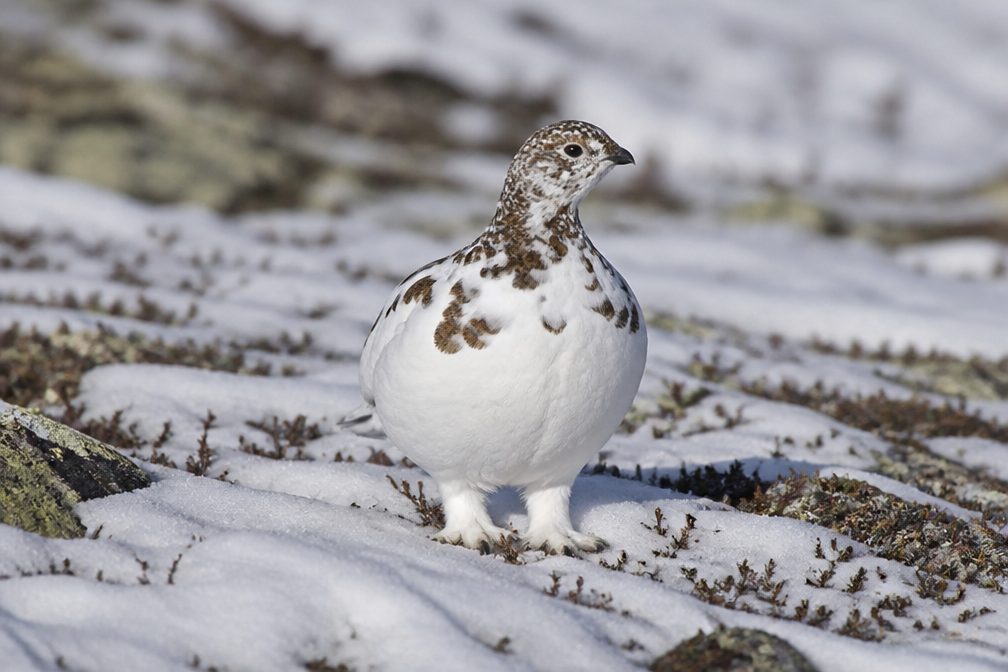 23 sightingsWhite-tailed PtarmiganMost seen around 6 PMSighting map
 75 sightingsWestern ToadMost seen around 8 PMSighting map
Sighting maps show where each species has been reported across North Cascades. Wildlife moves, so no sighting is guaranteed.
Keep exploring
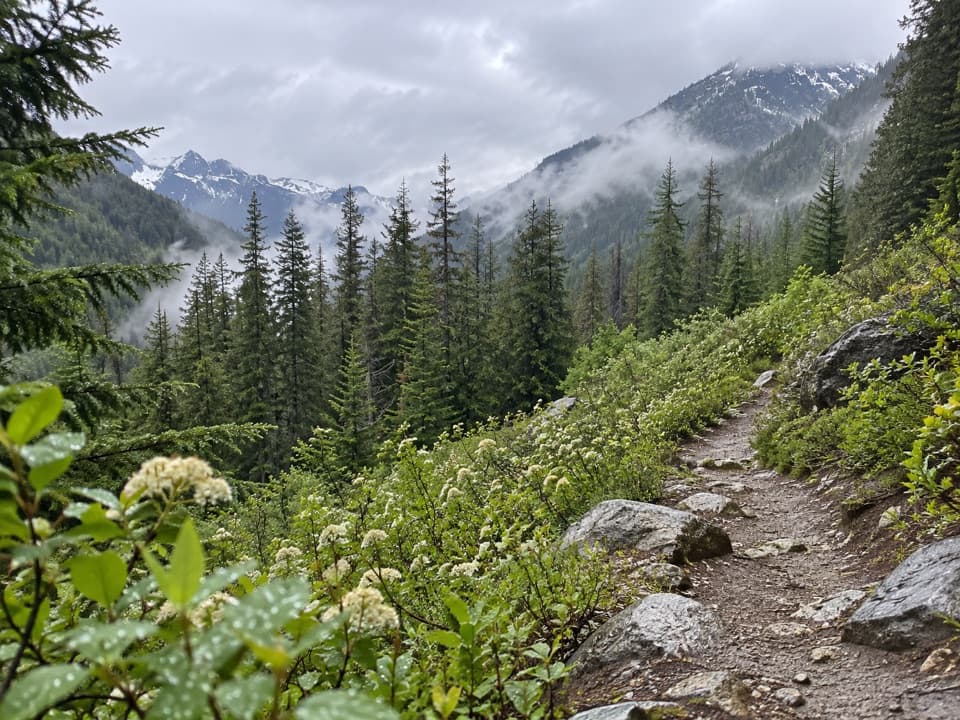 ModerateBridge Creek (Pacific Crest) Trail12.8 mi · 7 hr · At the trailheadA long PCT descent from SR 20 to Bridge Creek Camp.
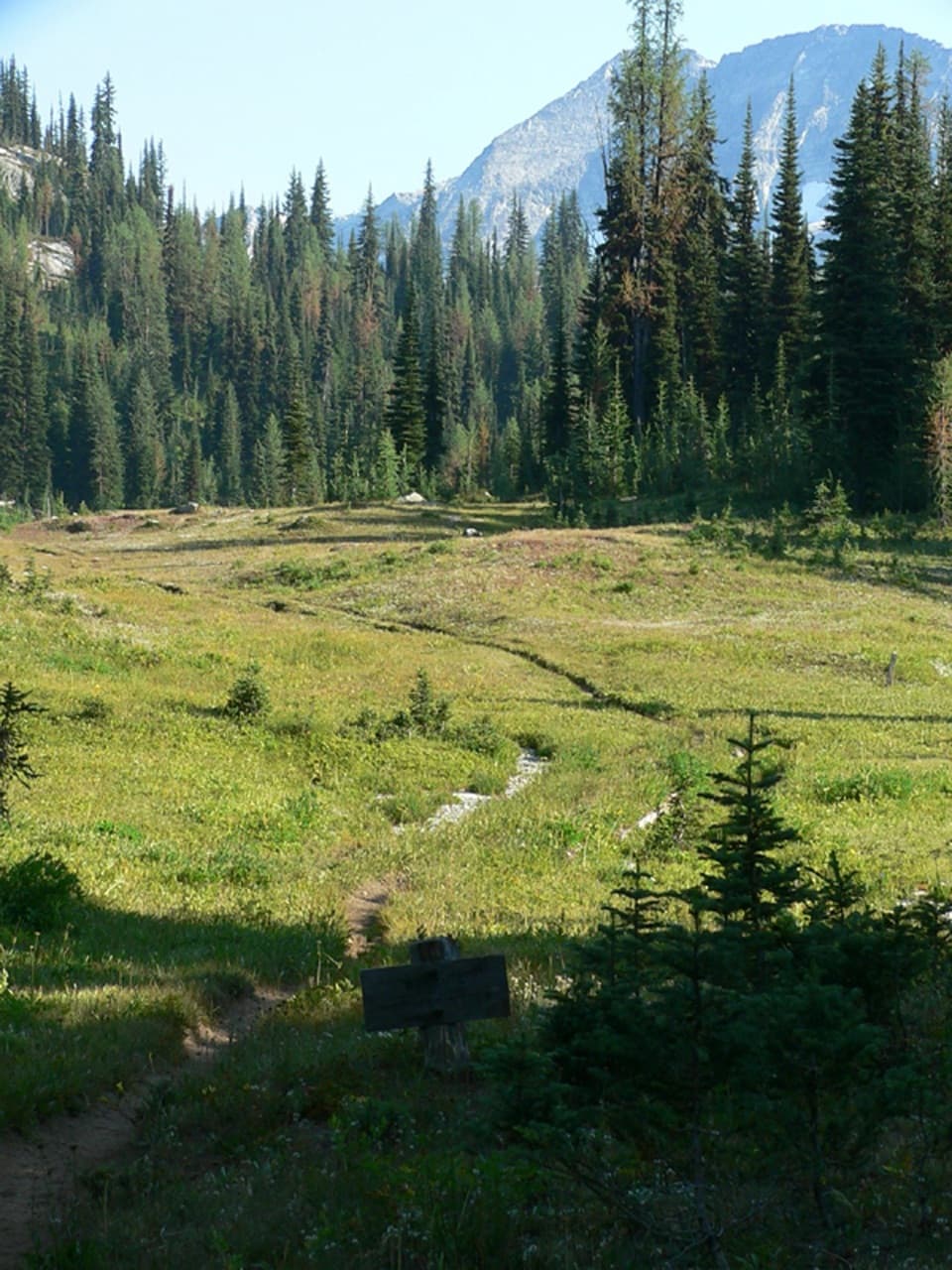 ModerateMcAlester Lake Trail15.2 mi · 10 hr · At the trailheadA long climb through forest and meadows to a Cascade lake
 ChallengingRainbow / McAlester Pass Loop31.5 mi · 1 day · At the trailheadA four-day loop links two high lakes across two rugged passes.
 ChallengingPacific Crest Trail: SR 20 to High Bridge18.1 mi · 10 hr · At the trailheadA long PCT traverse from SR 20 to High Bridge.
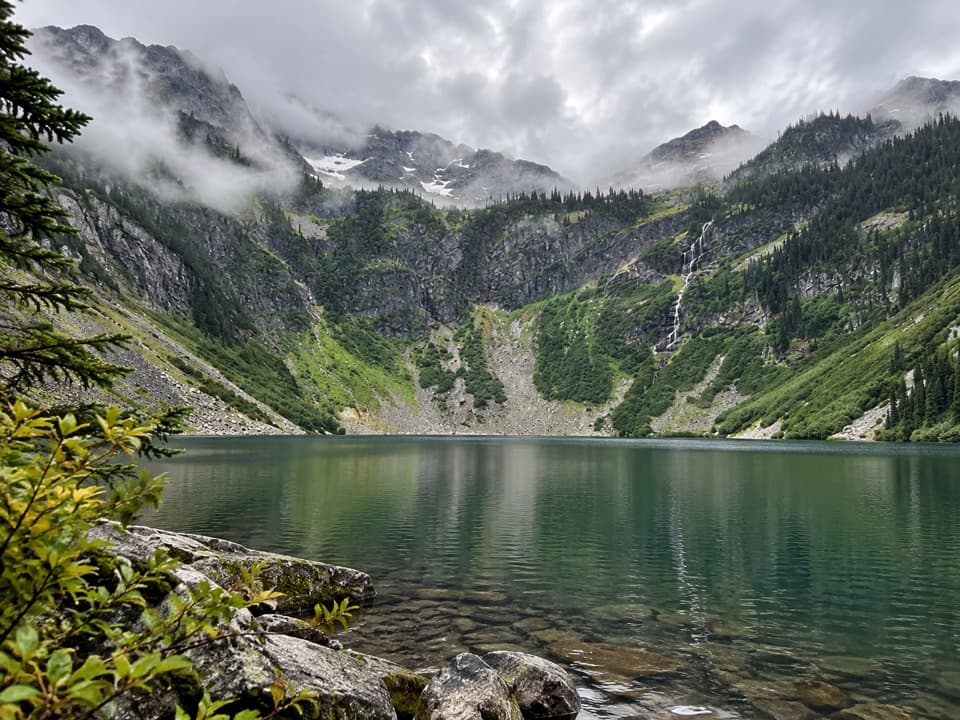 EasyRainy Lake Trail #3102 mi · 54 min · 1 mi awayA paved mile to a lake, waterfalls, and glacier views.
 ChallengingHeather–Maple Pass Loop7.2 mi · 5 hr · 1 mi awayTwo passes and two lakes reward a big alpine ridge circuit.
 ModerateLake Ann Trail (Rainy Pass)3.4 mi · 2.5 hr · 1 mi awayA lakeshore view of the Heather–Maple Pass ridge without the long loop.
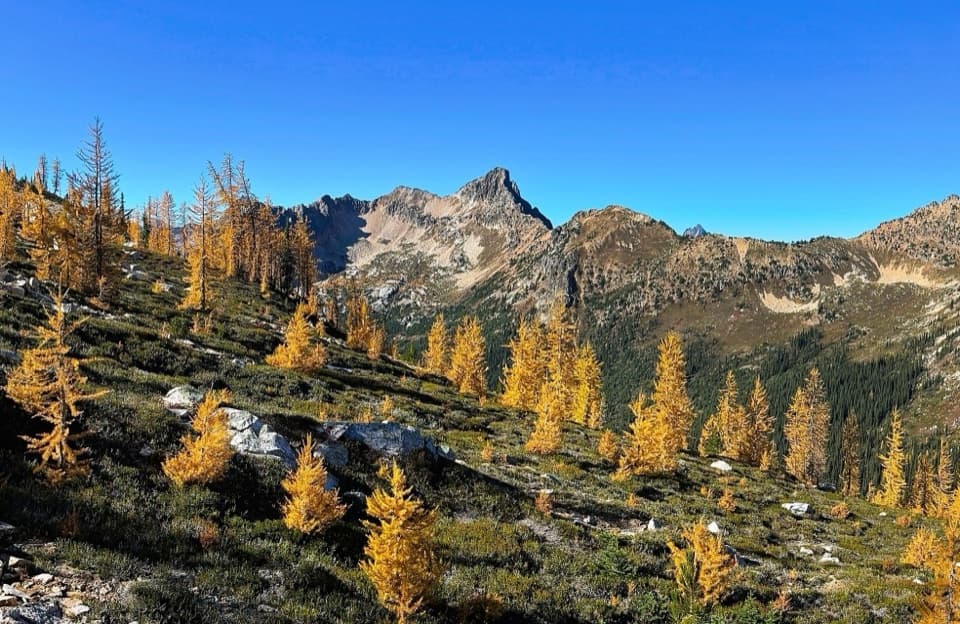 ChallengingCutthroat Pass via Pacific Crest Trail10.1 mi · 5.5 hr · 1.1 mi awayAn alpine PCT climb to Cutthroat Pass and lake views.
 Sight · 3.6 mi awayWashington Pass OverlookWatch the Liberty Bell group rise above Highway 20.
 Campground · 8.5 mi awayBridge Creek CampA river confluence camp for the trails beyond Stehekin.
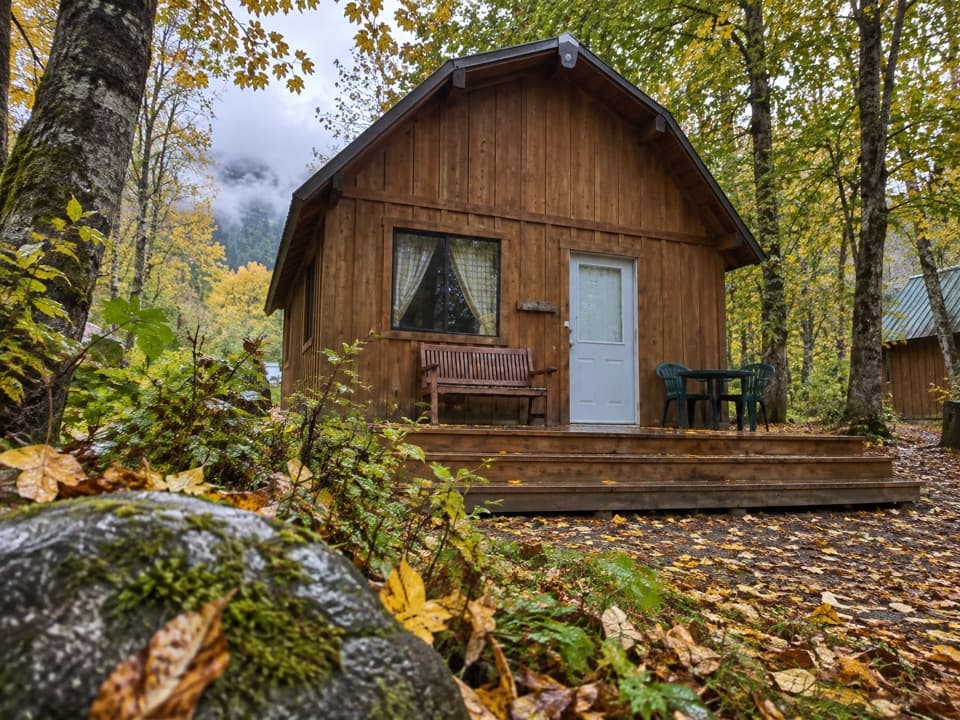 Lodging · 9.4 mi awayStehekin Valley RanchA remote stay nine miles up-valley with meals and transport included.
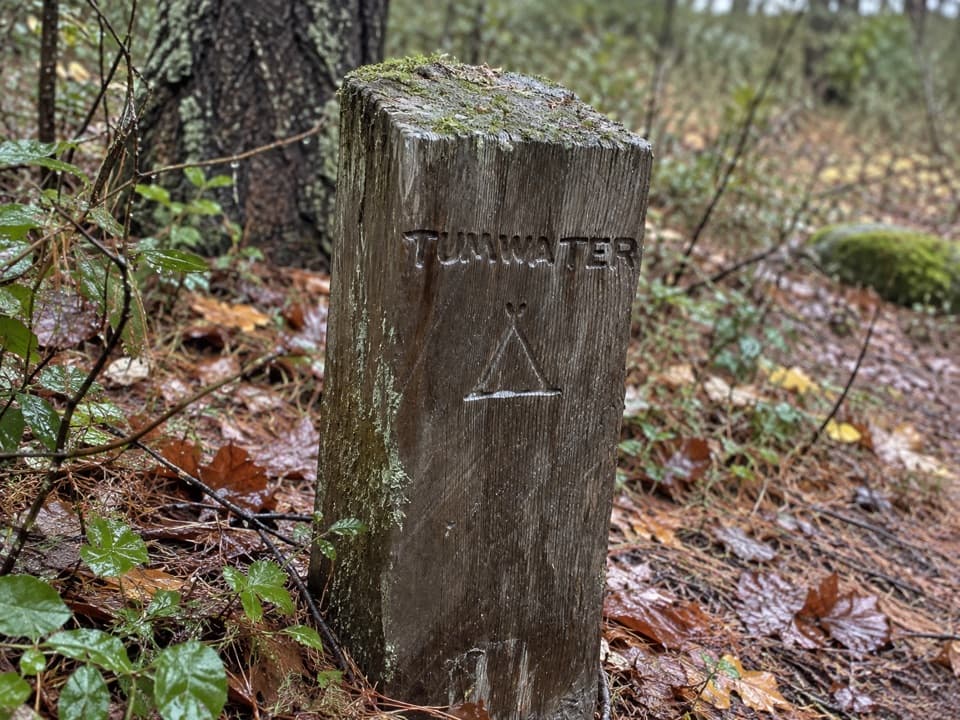 Campground · 9.8 mi awayTumwater CampA backcountry night along Stehekin’s upper valley routes.
Parkwolf’s North Cascades ranking

The audio tour guide for the drive, plus offline maps, trails, and wildlife heatmaps for when the signal drops.