Bear Gulch Cave

A moody talus cave leading to a hidden reservoir and falls
Bear Gulch Cave, Pinnacles National Park
InsidePinnacles National Park

Overview

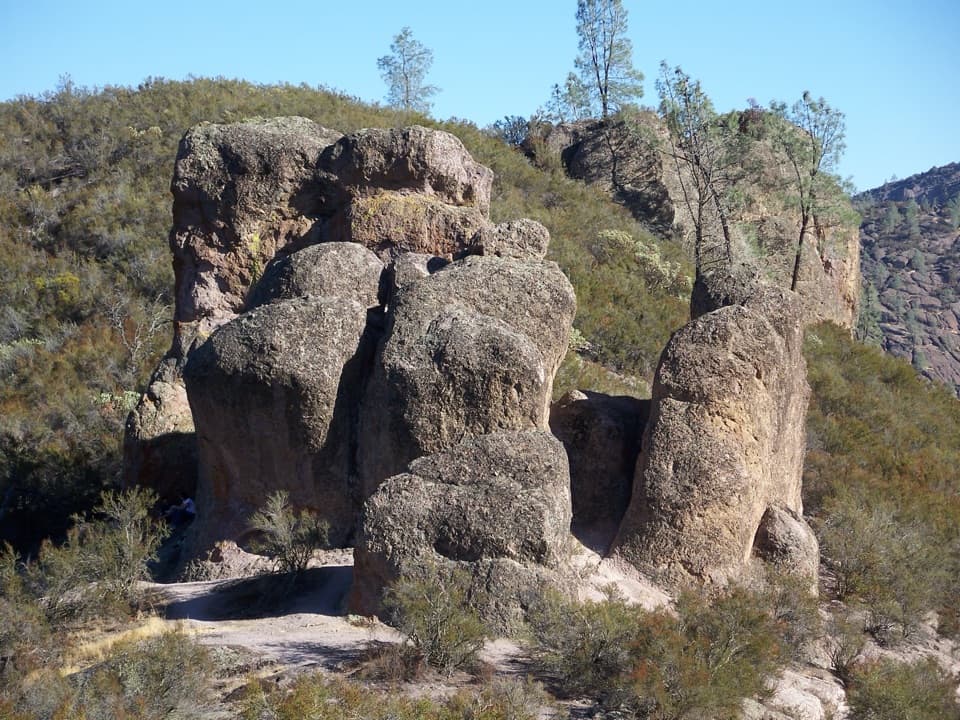
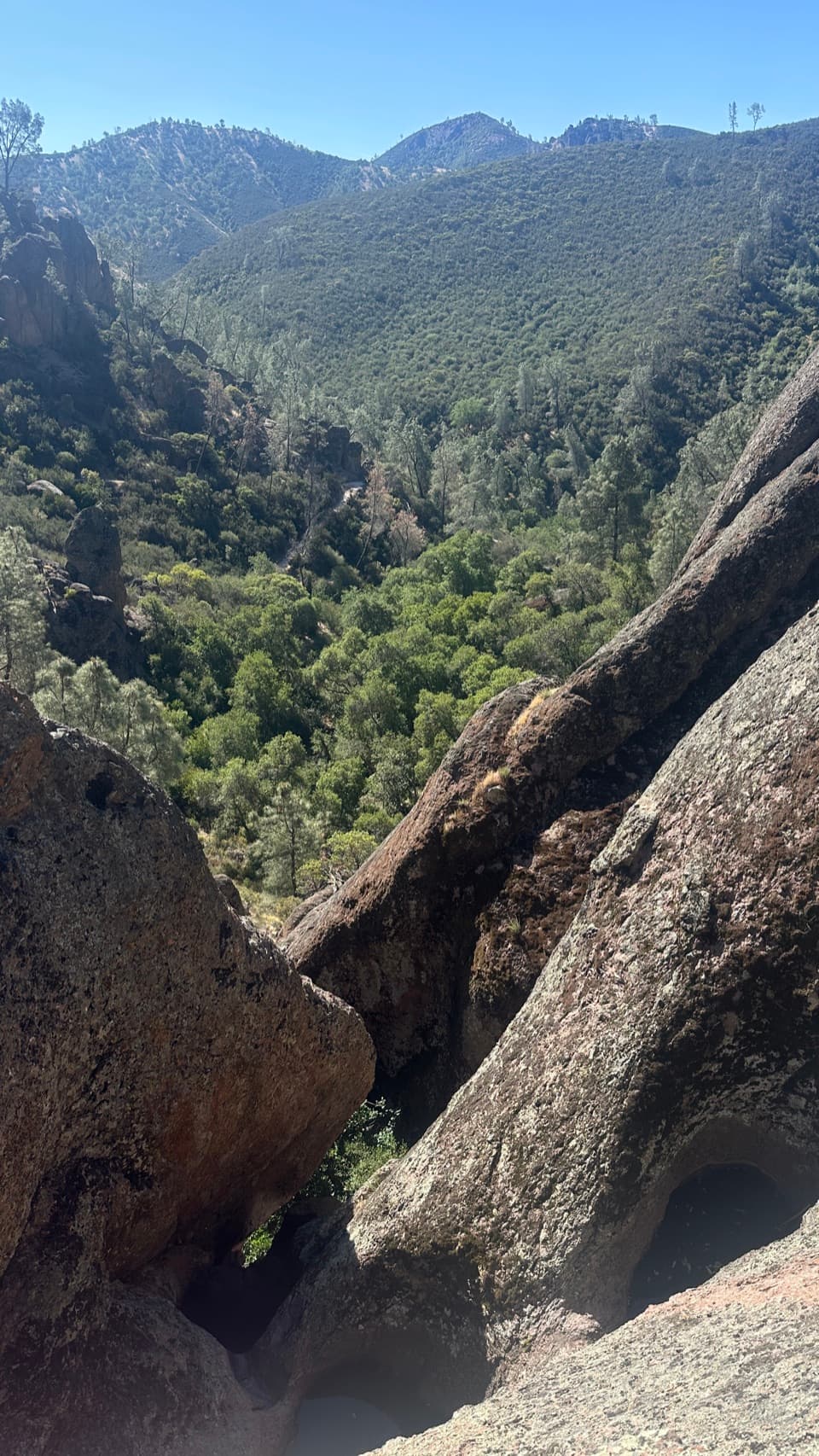
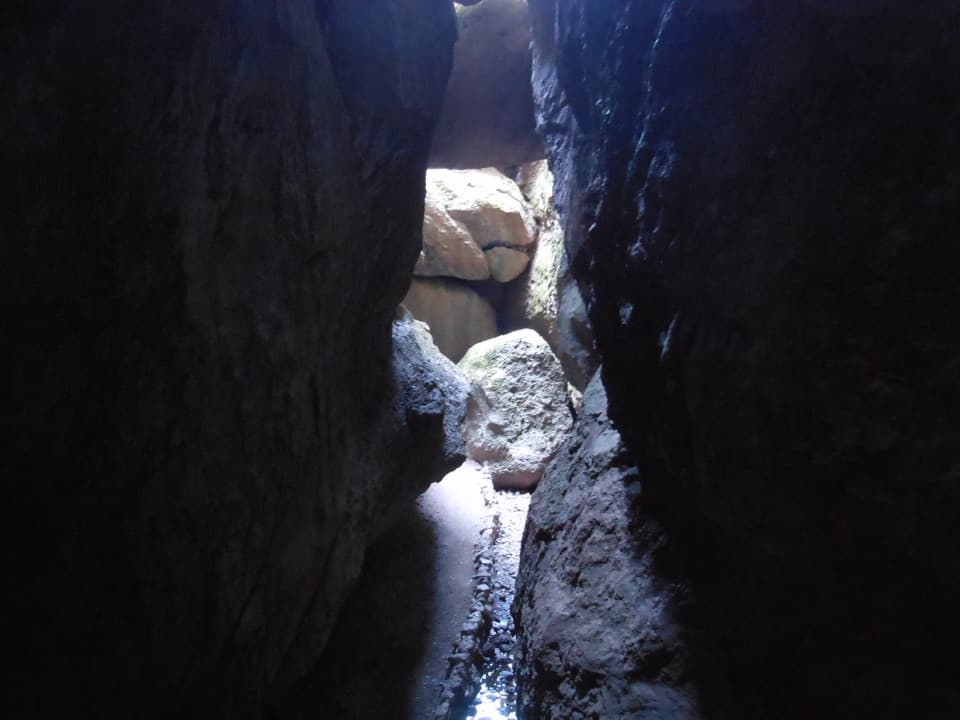
Bear Gulch Cave is Pinnacles’ signature talus cave—formed where massive boulders jammed a narrow canyon and left a maze of passages underneath. In the 1930s, the Civilian Conservation Corps cut steps and routes through the jumble so visitors could safely explore, and their handiwork is still what you use today. It’s short, it’s dramatic, and it’s a very different kind of “cave” experience.

What the hike is like

Expect real cave conditions: pitch‑black stretches, uneven footing, stone stairs, narrow squeezes, and occasional water crossings. In spring, small waterfalls can flow through the cave and the rock can be slick. A strong headlamp or flashlight for each person isn’t optional—phone lights aren’t enough. If you’re uncomfortable with tight spaces or slippery rock, this won’t be your favorite part of the park.

Route at a glance

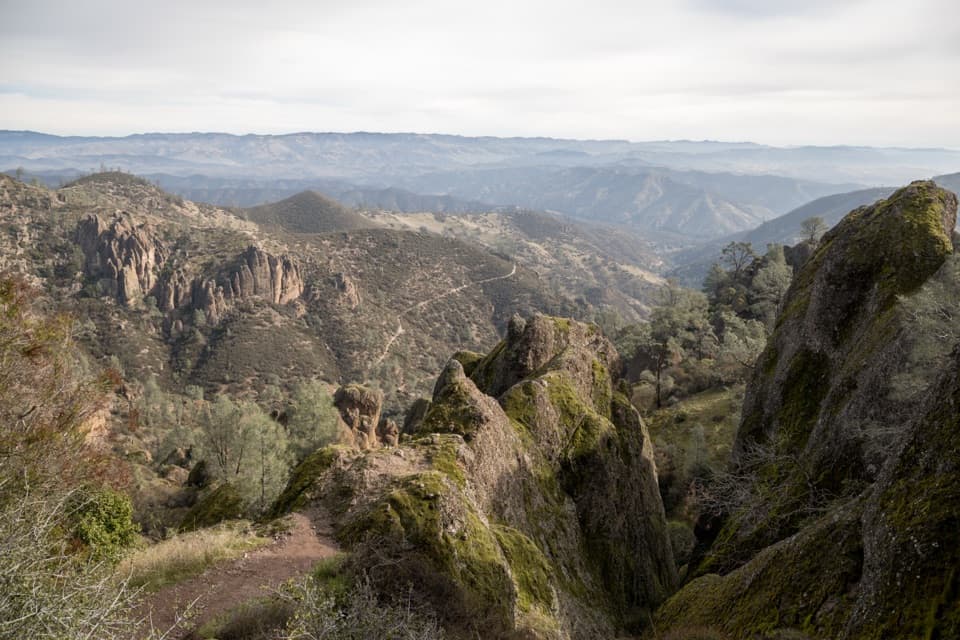
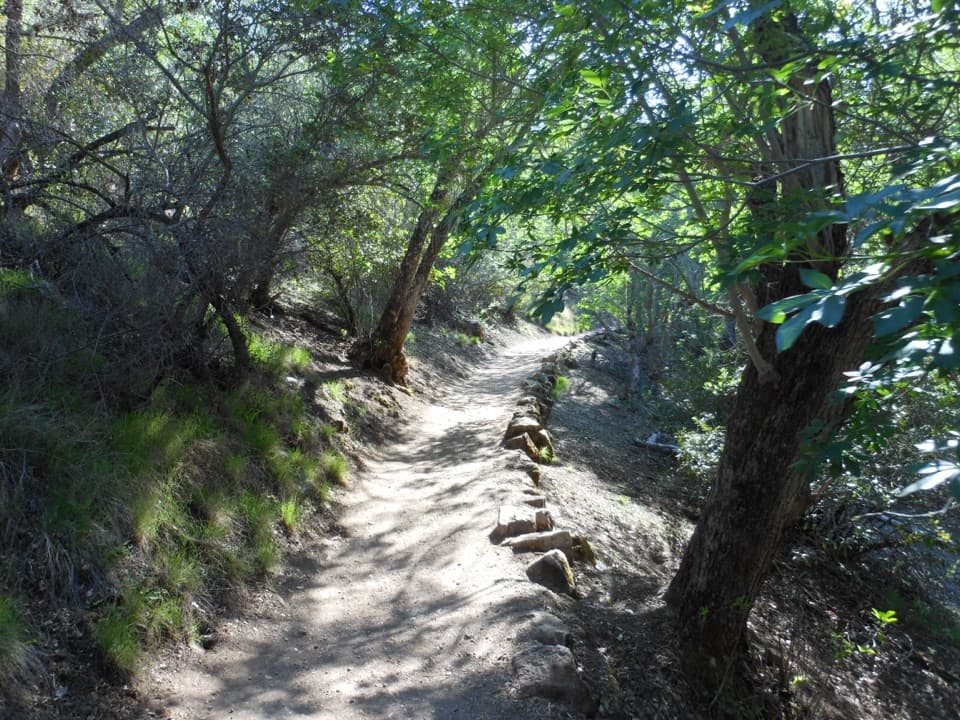
From the east side of the park, park at Bear Gulch Day Use or Moses Spring. The classic outing is roughly 2 miles round trip with 300+ feet of gain—easy to moderate. Take Moses Spring Trail into Lower Bear Gulch Cave; stone stairs lead you out near a small waterfall just below Bear Gulch Reservoir. From the reservoir, return the way you came or continue via the Rim Trail for a loop. If the cave (or just the upper section) is closed, the Moses Spring Trail offers a bypass and even a mid‑cave exit.

Closures and why they matter

The cave shelters a major maternity colony of Townsend’s big‑eared bats, so access is tightly managed. Patterns vary by year, but commonly: the entire cave opens briefly in March and again in October, closes from about mid‑May to mid‑July for pupping, and the lower section is often open at other times. Closures can also occur due to flooding, rockfall, or vandalism. Respect gates and keep voices low when the cave is open.

Wildlife highlights

Beyond the bats inside the cave, the reservoir above is habitat for threatened California red‑legged frogs. Along the trail, be mindful of rattlesnakes and patches of poison oak; staying on trail helps with both.

Facilities and logistics

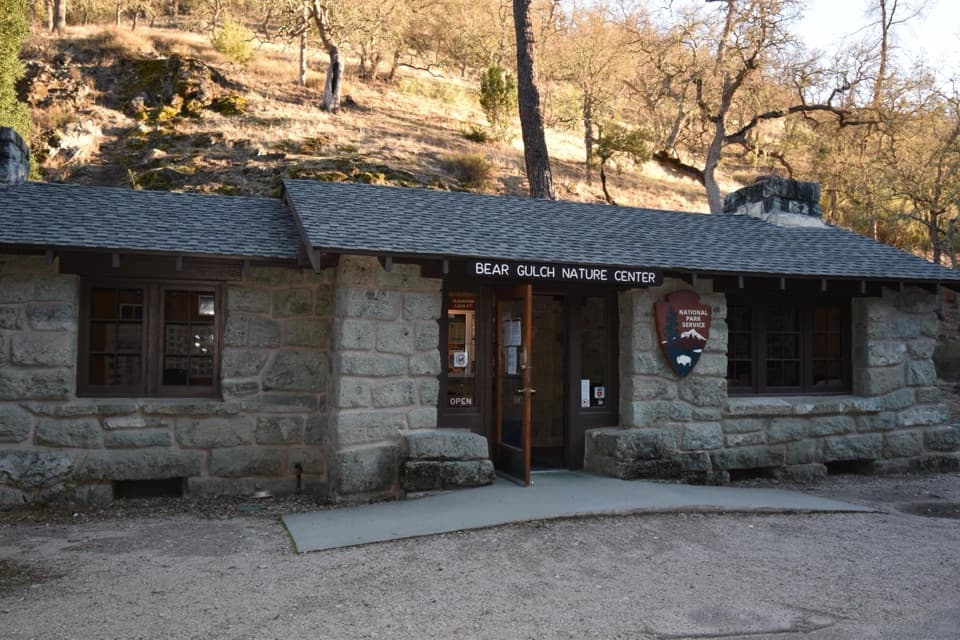
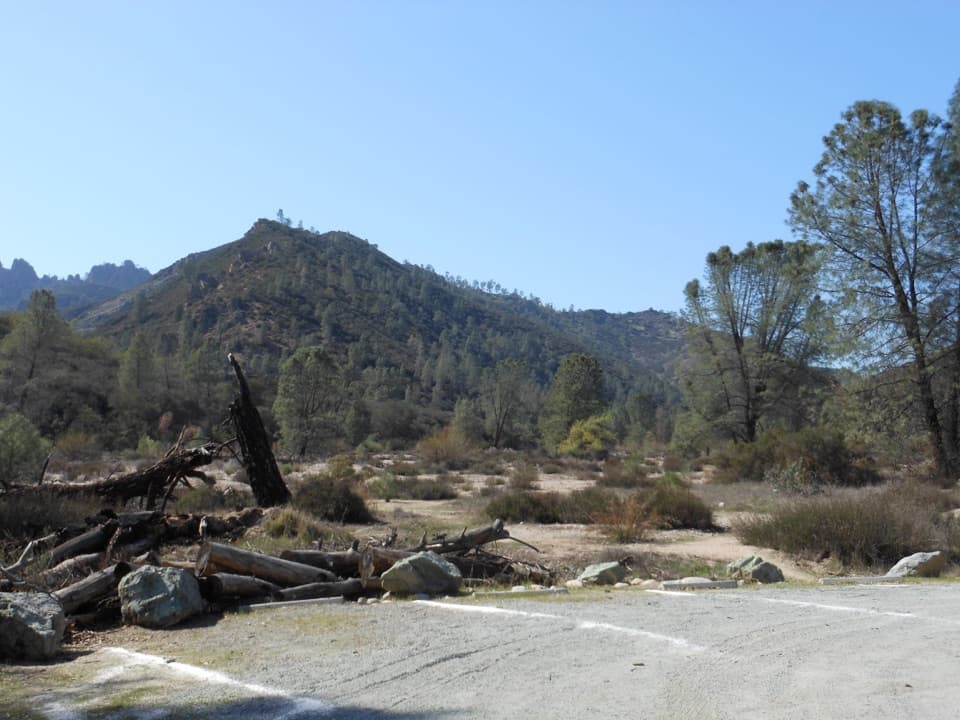
Use the flush restrooms and water refill near the Bear Gulch day‑use/Nature Center area before you start; there are no facilities in the cave or at the reservoir. Parking is at Bear Gulch Day Use or Moses Spring, and spaces can fill early on busy days. Remember the park’s east and west entrances don’t connect by road; Bear Gulch is on the east.

Best time to visit

Spring and fall are the sweet spots. Spring brings flowing water inside the cave but also the highest chance of flooding closures—check status the morning of your hike. Aim for early mornings on weekdays to beat crowds and snag parking. For photos, the cave itself is dark; the reservoir makes a peaceful rest stop, with softer light early or late in the day.

Pros

  • Short, adventurous talus-cave hike with CCC-built stairs and passages
  • Leads directly to the scenic Bear Gulch Reservoir

Cons

  • Seasonal closures to protect a sensitive bat maternity colony
  • Dark, tight, slick sections—strong lights and careful footing required

Tips

  • Start from the east entrance; there’s no road through the park between entrances.
  • Bring a headlamp per person plus a backup; phone lights aren’t enough.
  • Check cave status the morning of your visit; sections close for bats or flooding.
  • If the cave is closed, use the Moses Spring bypass to reach the reservoir.
  • Keep voices low and avoid shining lights at bat roosts inside the cave.
The Parkwolf tour guide sitting on a phone mounted in a car

Parkwolf Tour Guide

Like a tour guide in your car.

Save the places you found around Pinnacles, then let Parkwolf guide the drive between them.Download Parkwolf on the App Store