Bear Gulch Reservoir

Cliff-ringed reservoir crowning the classic talus cave hike
Bear Gulch Reservoir, Pinnacles National Park
InsidePinnacles National Park

Overview

A small, tranquil reservoir tucked beneath volcanic cliffs, Bear Gulch Reservoir is the postcard payoff on the east side. It’s man‑made (completed by the Civilian Conservation Corps in the 1930s) and doubles as habitat for wildlife, so it’s strictly a look‑but‑don’t‑touch kind of place. Most visitors arrive via the talus cave route, then linger to snack and shoot those glassy reflections.

Getting There & Route

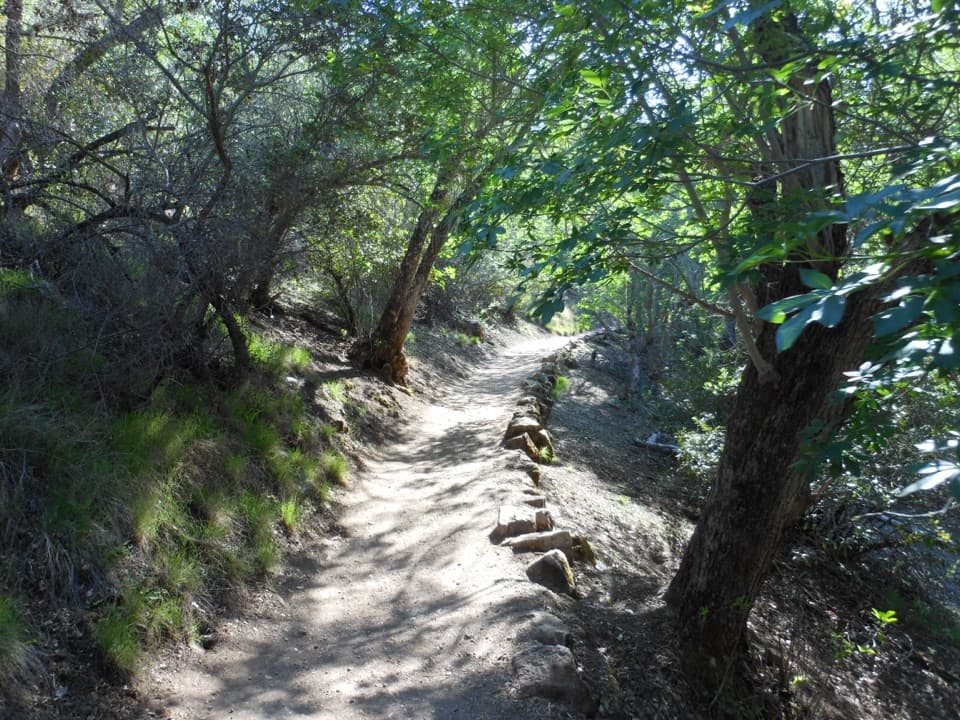
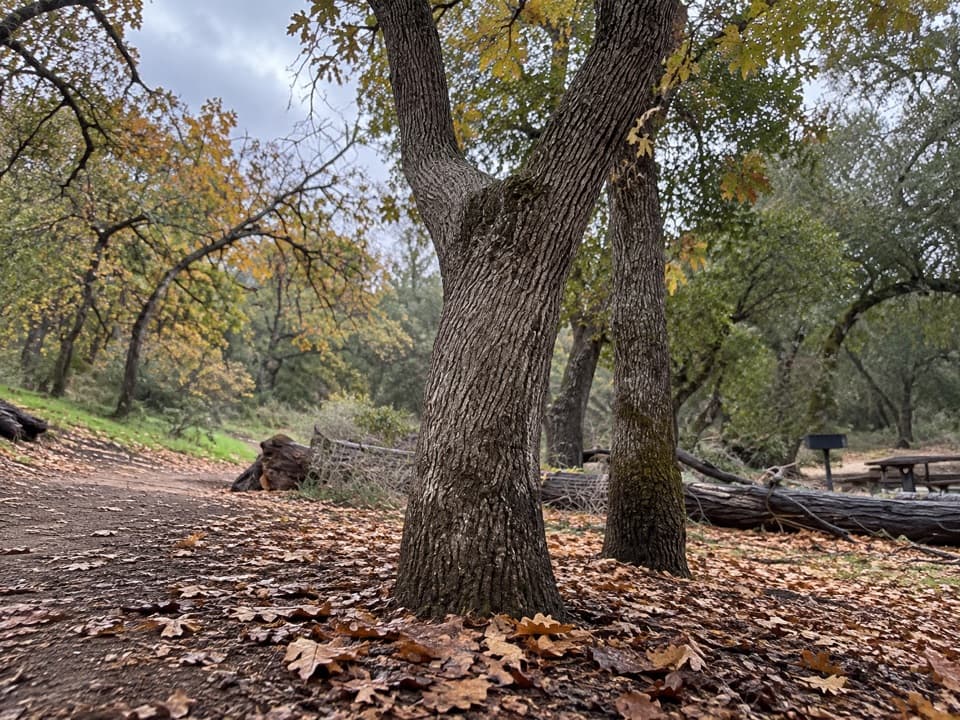
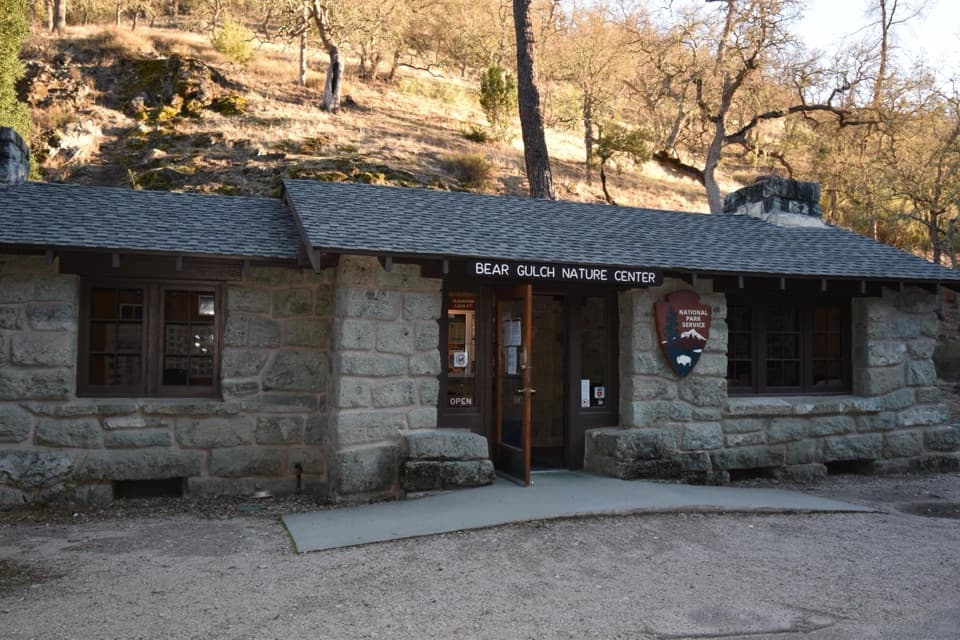
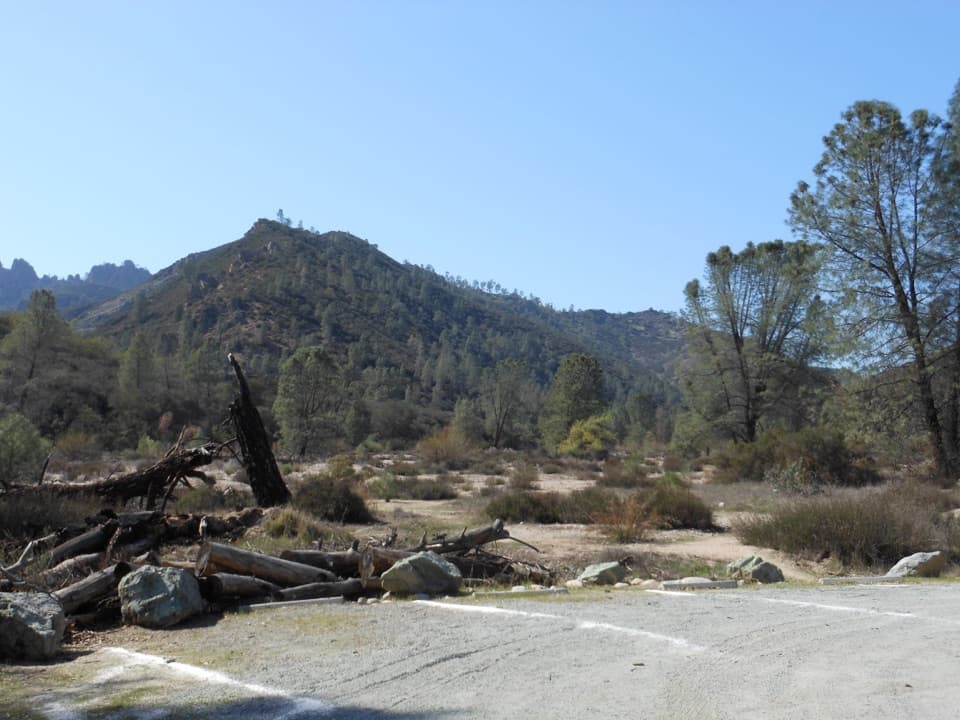
Start from the Bear Gulch Day Use/Moses Spring area on the east entrance. Lots are small and fill early; overflow parking is down the hill, and a seasonal shuttle sometimes runs. From the Moses Spring Trail it’s roughly 1 mile to the reservoir (about 2–2.4 miles round trip, 300–400 feet of gain). When open, the classic line threads Lower Bear Gulch Cave; otherwise, a well‑signed bypass still gets you to the dam.

What You’ll See

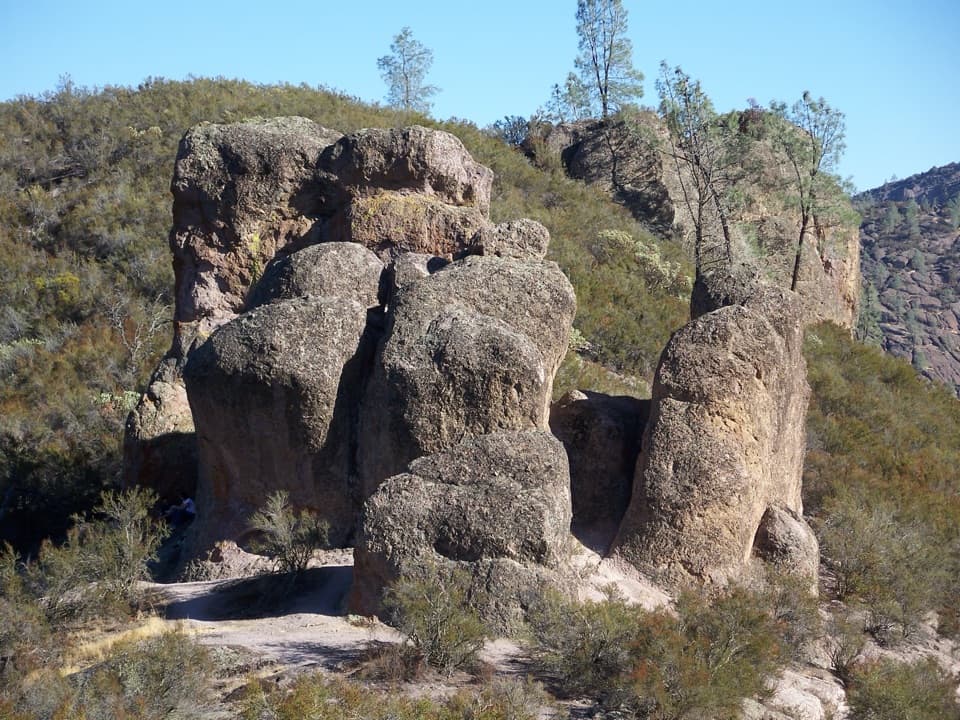
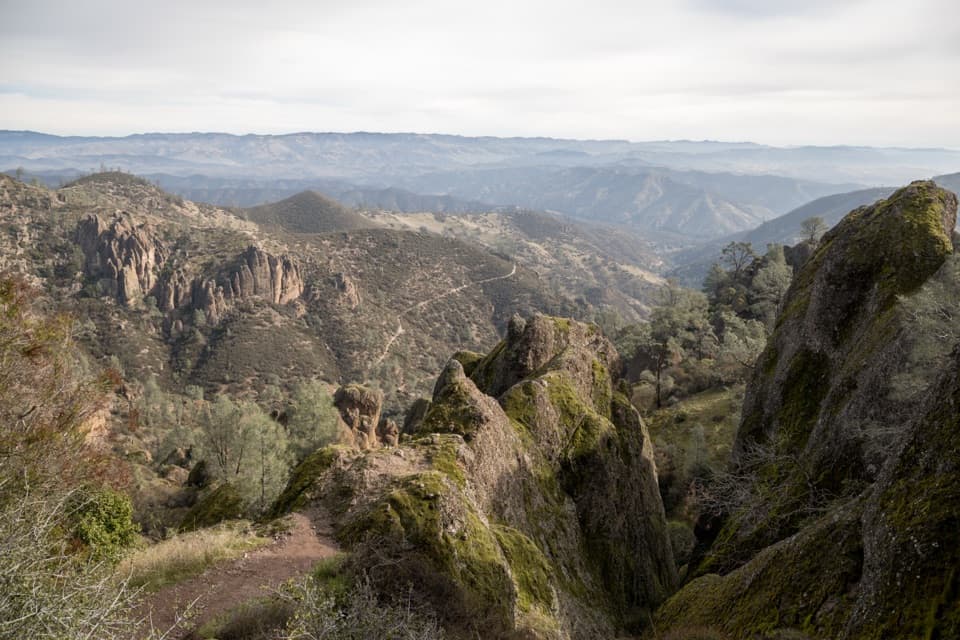
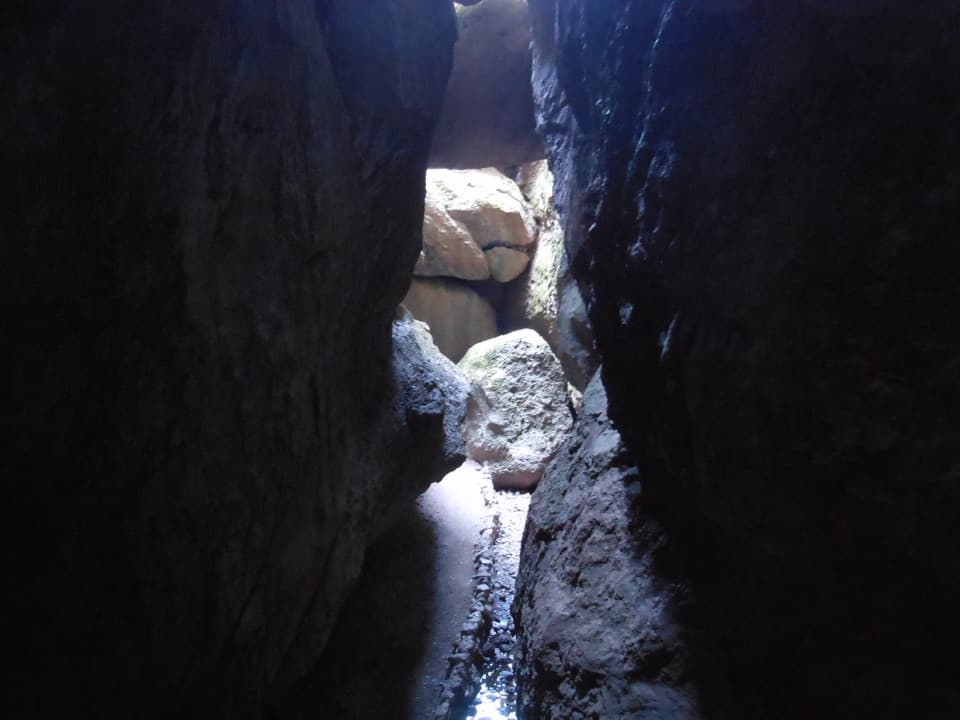
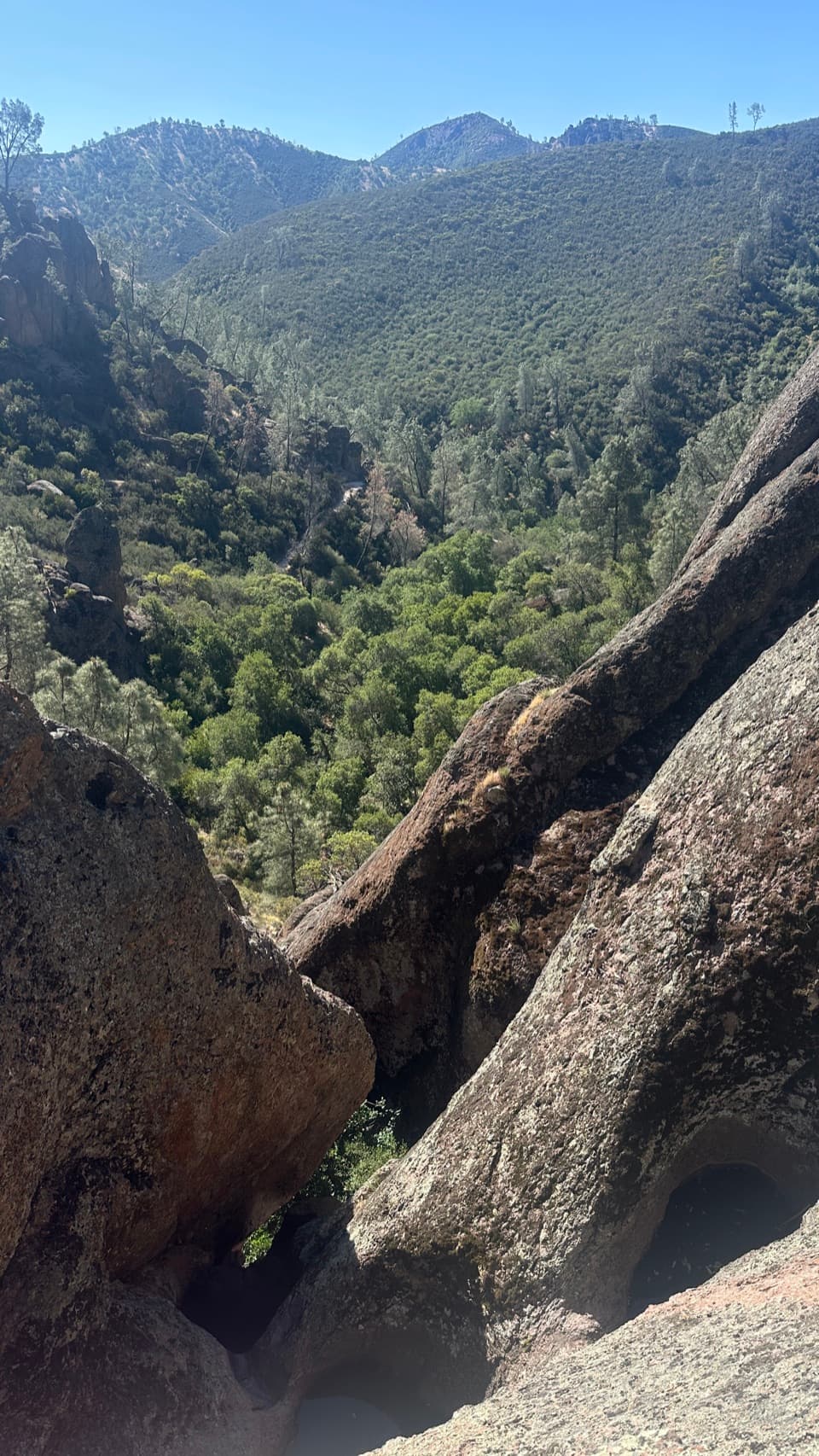
The cave is a true talus cave—narrow corridors roofed by house‑sized boulders—with stone steps, short tunnels, and occasional mild scrambles. Expect darkness, uneven rock, and often water underfoot; in spring you may hear cascades. Up top, the reservoir’s calm surface mirrors the surrounding pinnacles, and the CCC stonework around the dam makes for great photos at low‑angle light.

Wildlife

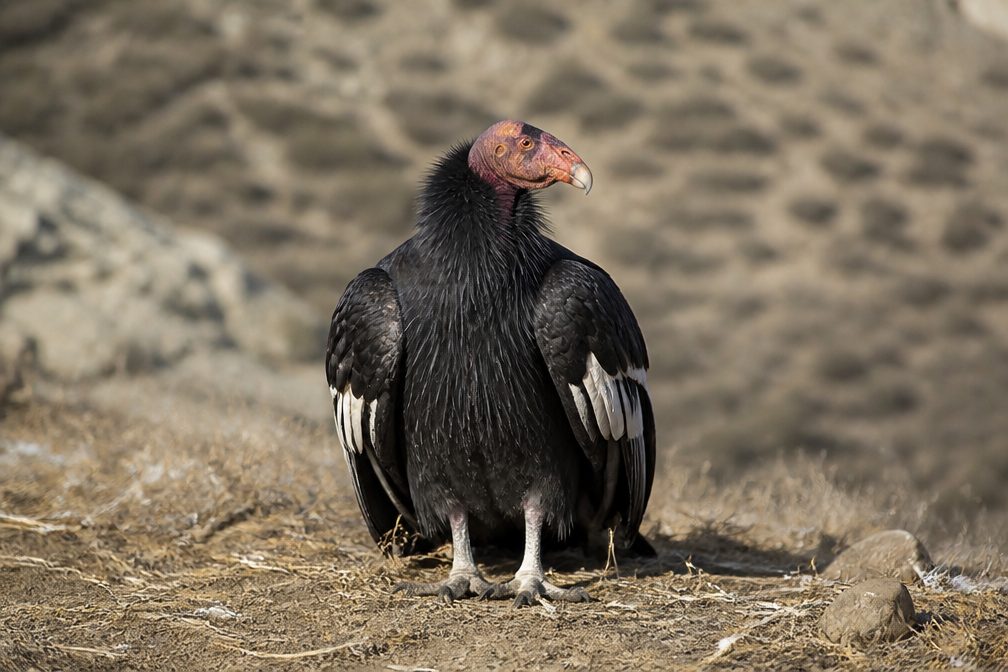
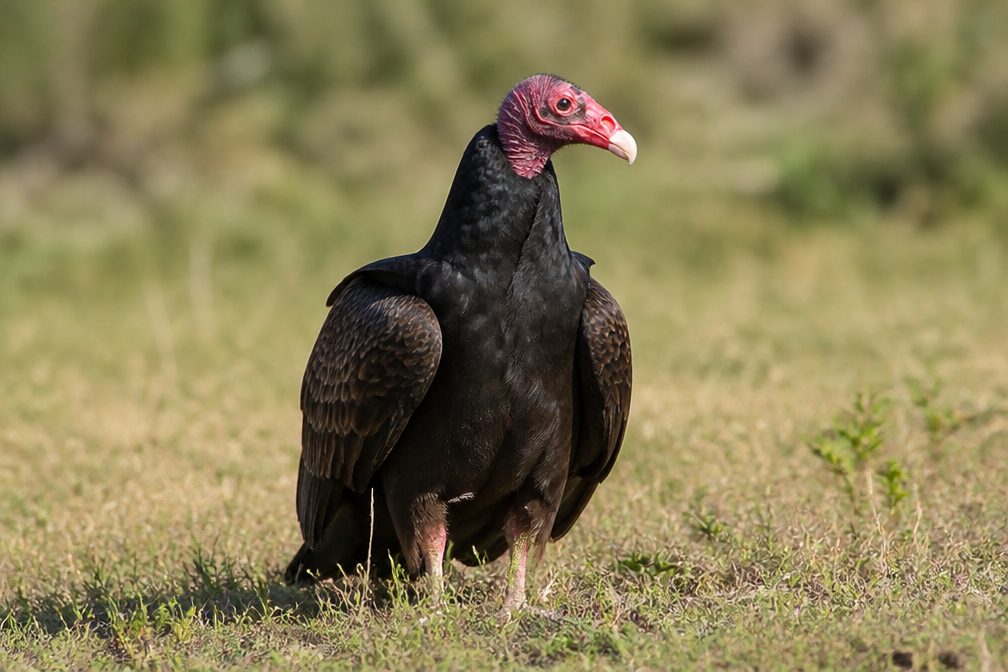
This pond is important habitat for California red‑legged frogs—scan the edges quietly and keep your distance. The caves shelter multiple bat species (including a maternal colony of Townsend’s big‑eared bats). Raptors patrol the cliffs; on lucky days people spot condors overhead. On the trail, keep an eye out for rattlesnakes, and avoid brushing into poison oak and stinging nettle in the gulch.

Seasonal Closures & Conditions

Bear Gulch Cave often closes fully in early summer for bat pup‑rearing, with partial openings the rest of the year depending on conditions. The bypass remains an option when the cave is closed. Heat is a real factor here—summer can be brutal—so plan early starts and carry plenty of water.

Best Time to Visit

Early spring and late fall offer the sweetest mix of cooler temps, flowing water in the cave, and softer light. Aim for early morning or late afternoon for calmer reflections and fewer crowds. Weekends and holidays pack out the parking by mid‑morning.

Practical Notes

There are no services at the reservoir—no restrooms, water, or trash cans—so use facilities at the day‑use area and pack out everything. Drones aren’t permitted, both for wildlife protection and everyone’s solitude.

Make It a Loop or More

Return the way you came or drop the Rim Trail to form a scenic loop back toward Moses Spring. If you’re energized, you can extend toward the High Peaks for a bigger day—just respect the heat and your water supply.

Pros

  • Photogenic CCC-era reservoir with volcanic cliff reflections
  • Peaceful picnic and rest spot after the cave climb

Cons

  • No facilities at the reservoir itself
  • Cave route may close seasonally for bats, adding a bypass and effort

Tips

  • Arrive early; lots are small and fill fast, with overflow down the hill.
  • Bring a bright headlamp; phone flashlights feel weak in the pitch-black cave.
  • Check Bear Gulch Cave status the morning of your hike; a signed bypass reaches the reservoir when closed.
  • Wear grippy shoes; water on the cave path can make rocks slick.
  • Make a loop: ascend Moses Spring through the cave, return via the Rim Trail.
The Parkwolf tour guide sitting on a phone mounted in a car

Parkwolf Tour Guide

Like a tour guide in your car.

Save the places you found around Pinnacles, then let Parkwolf guide the drive between them.Download Parkwolf on the App Store