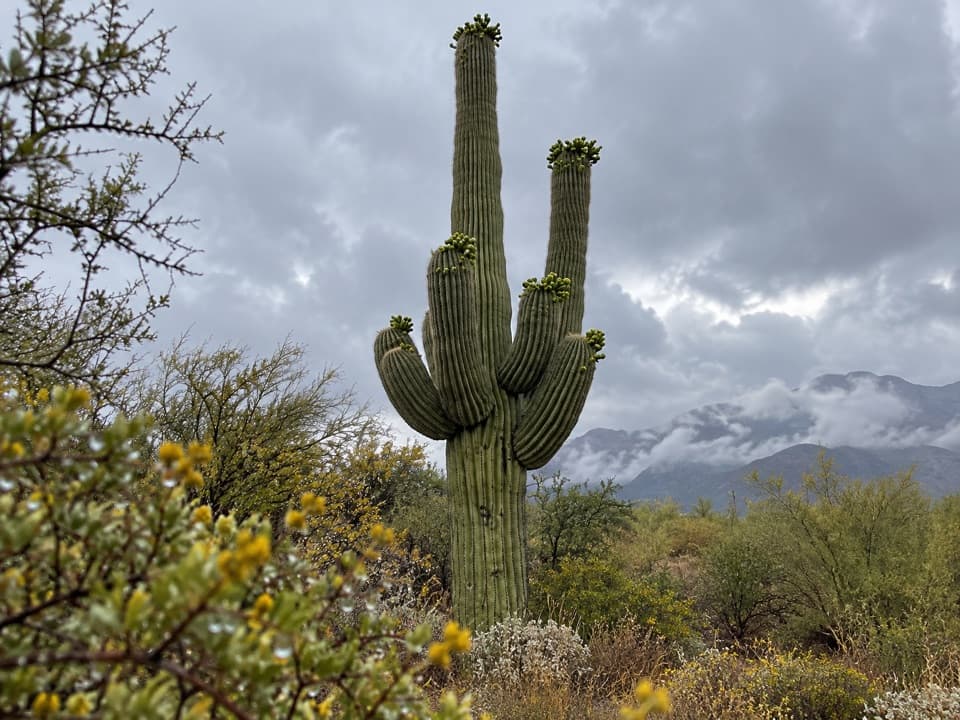
Juniper Basin Campground

Strenuous hike-in camp perched high on the Rincon ridge
Juniper Basin Campground, Saguaro National Park
InsideSaguaro National Park

Overview

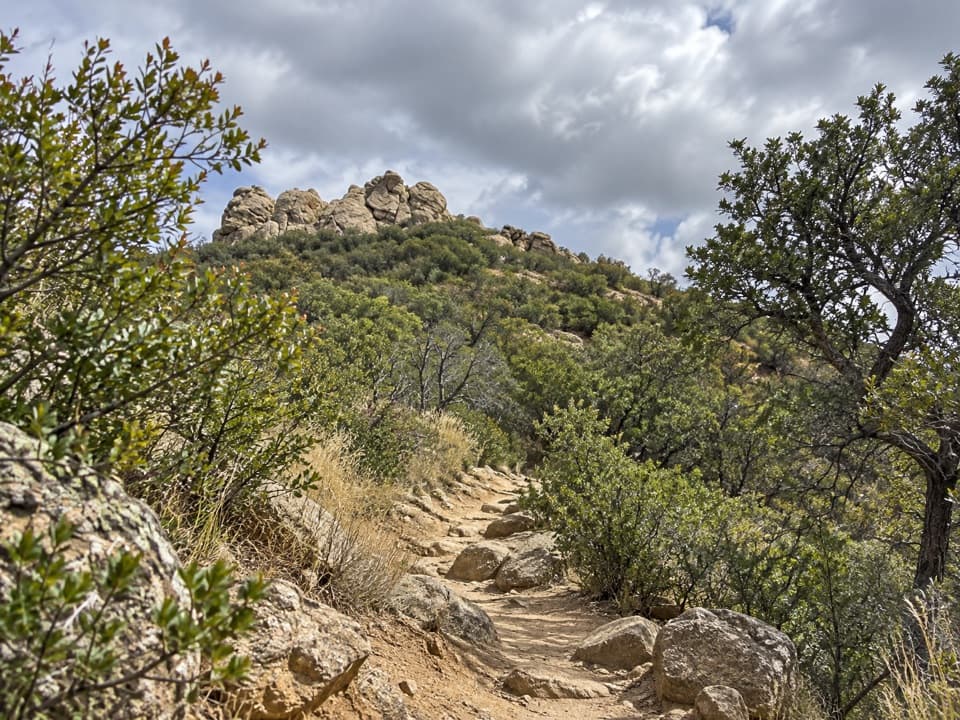
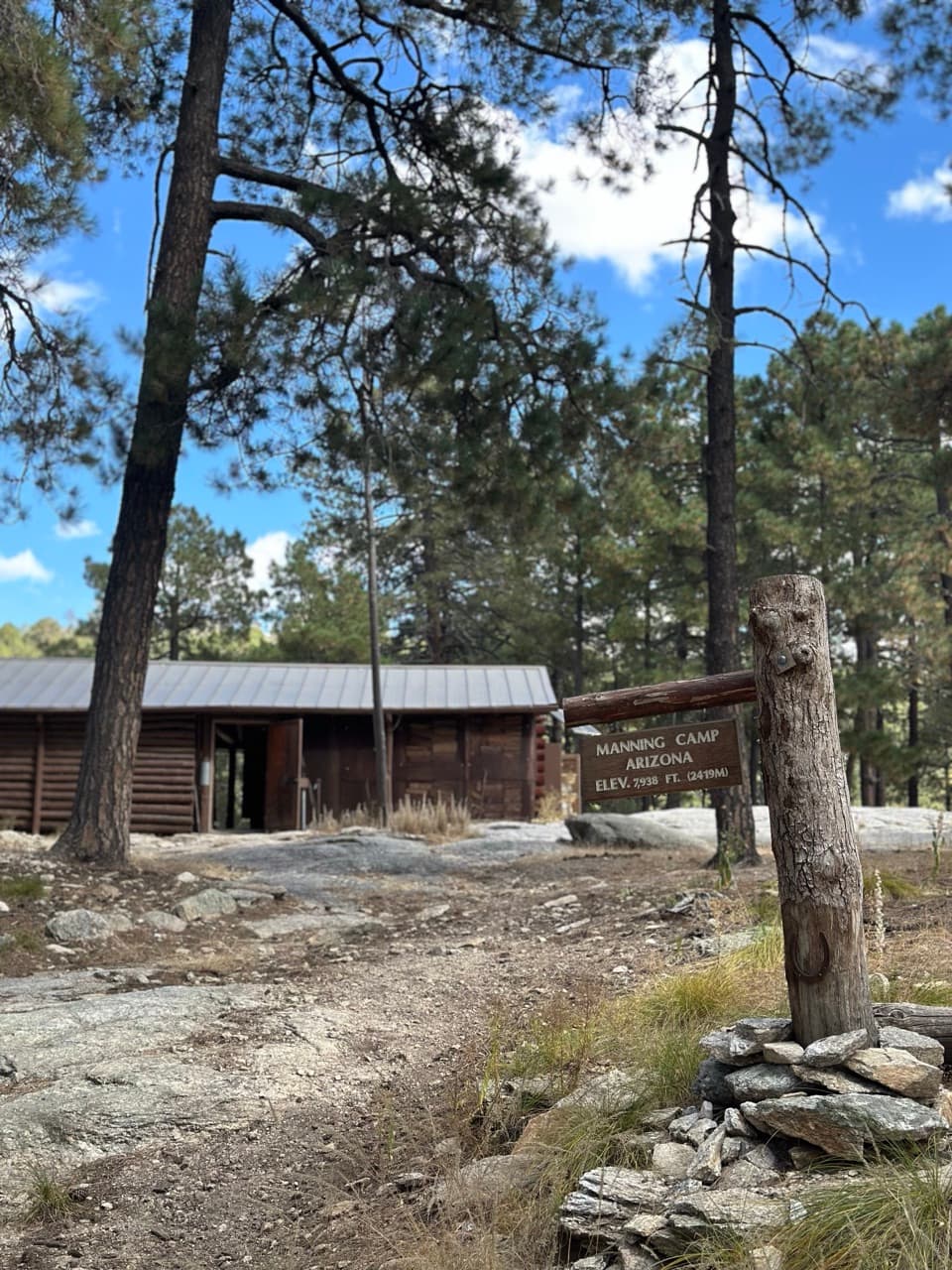
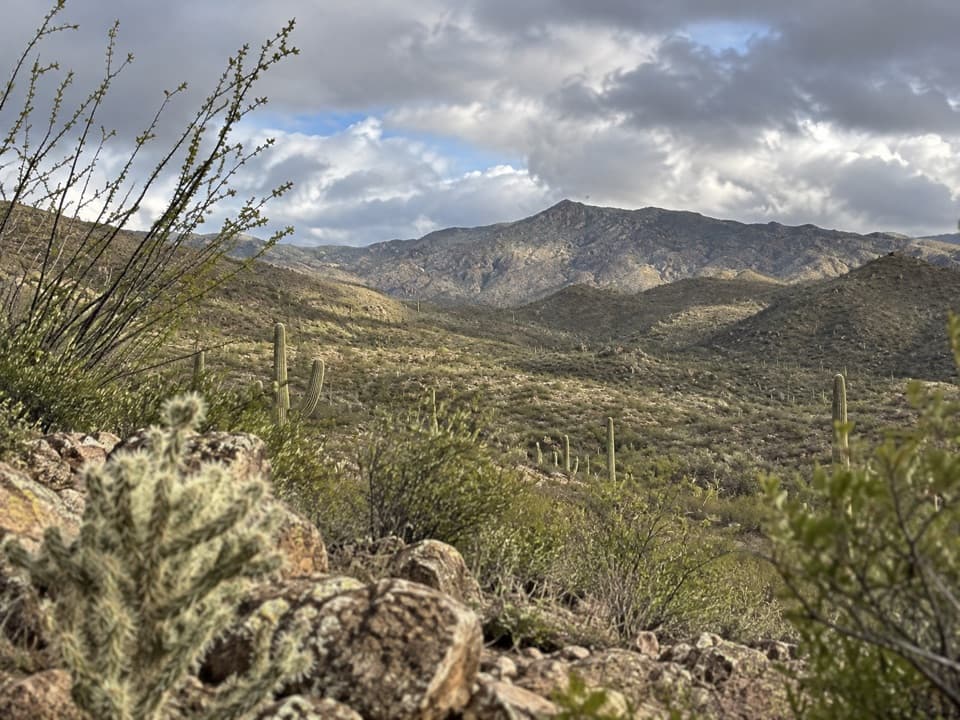
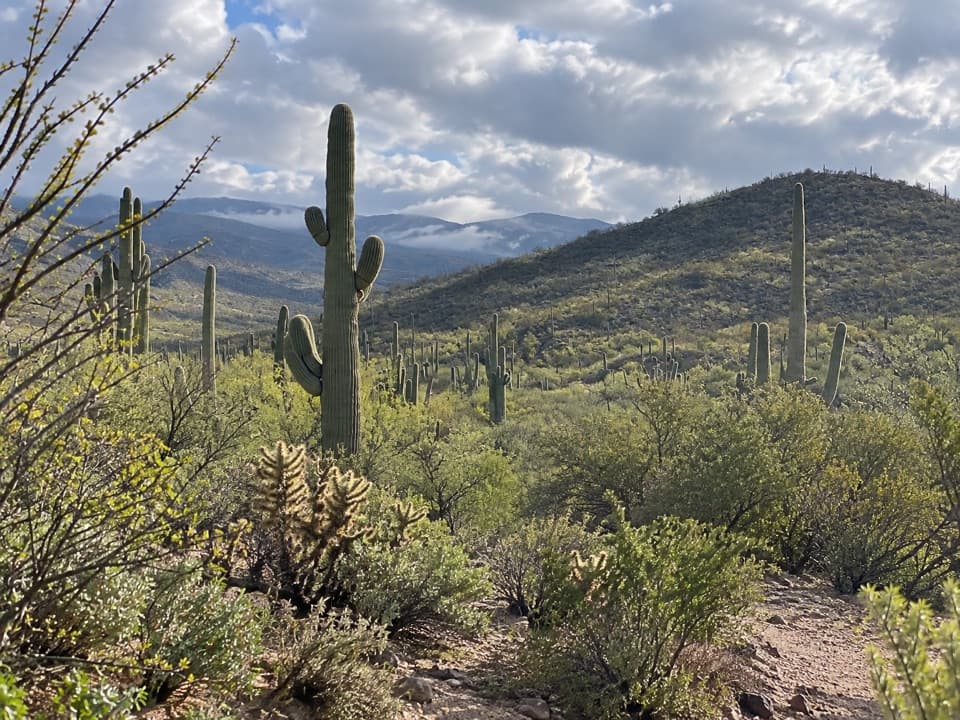
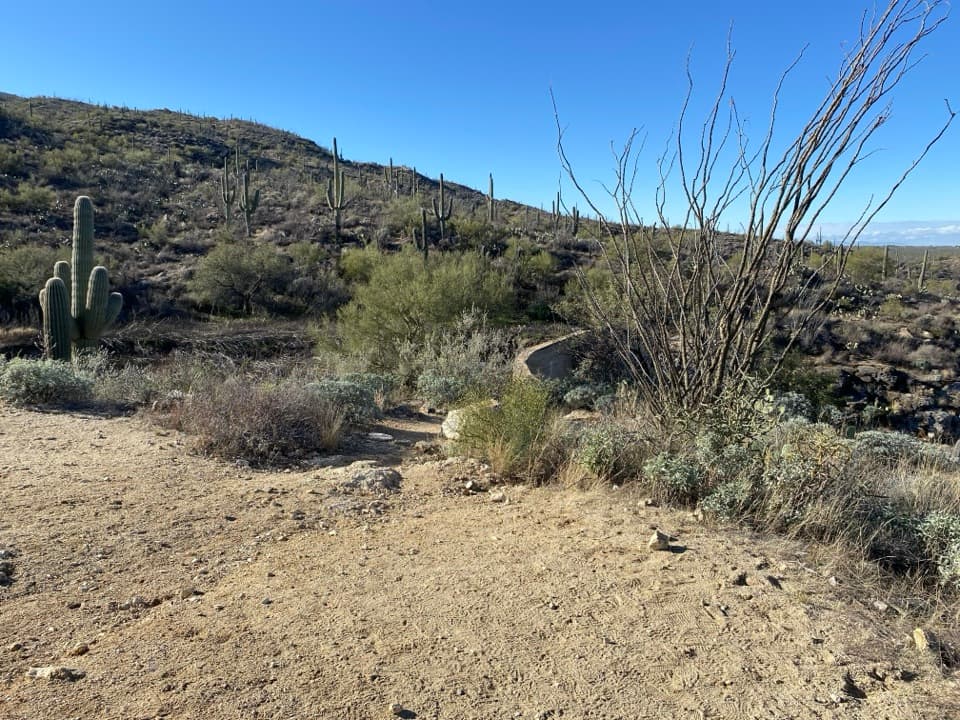
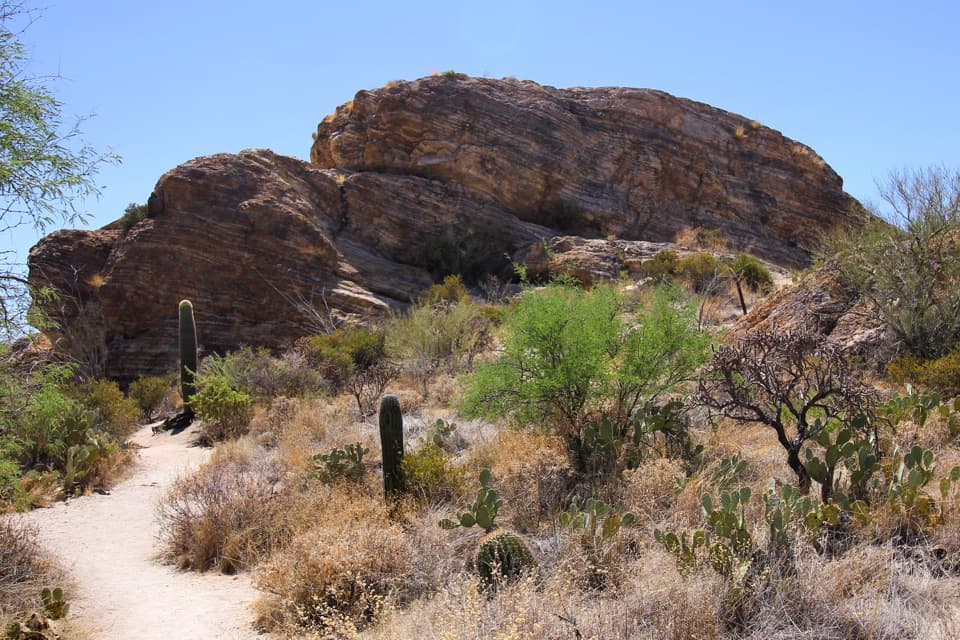
Juniper Basin is a primitive, backcountry campground perched high on the Tanque Verde Ridge in the park’s eastern (Rincon Mountain) district. At roughly 6,000 feet, it trades saguaro-studded desert for oak, manzanita, and juniper habitats and wide views back toward the Tucson Basin. It’s peaceful, rewarding, and decidedly earned.

Getting There

Reach it via the Tanque Verde Ridge Trail from the Javelina Picnic Area, a demanding 6.9-mile climb with about 3,000 feet of gain. Expect relentless elevation, sun exposure early on, and a dramatic habitat shift as you climb. There are three designated sites here; camping is by permit only, with a per-site nightly fee and a limit of six people per site.

Water, Fires, and Food Storage

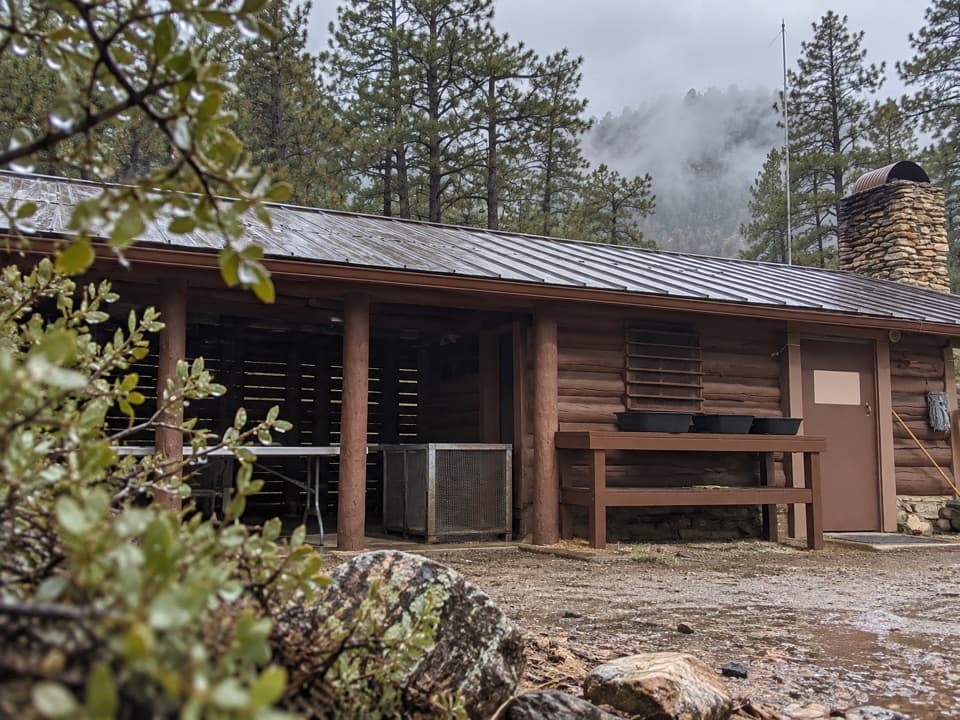
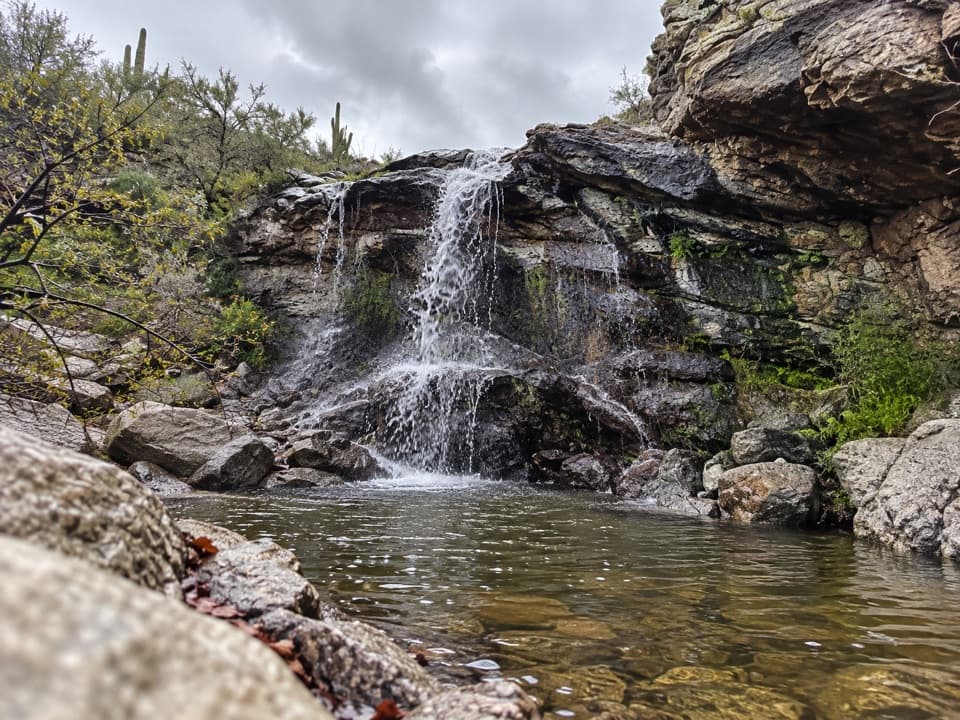
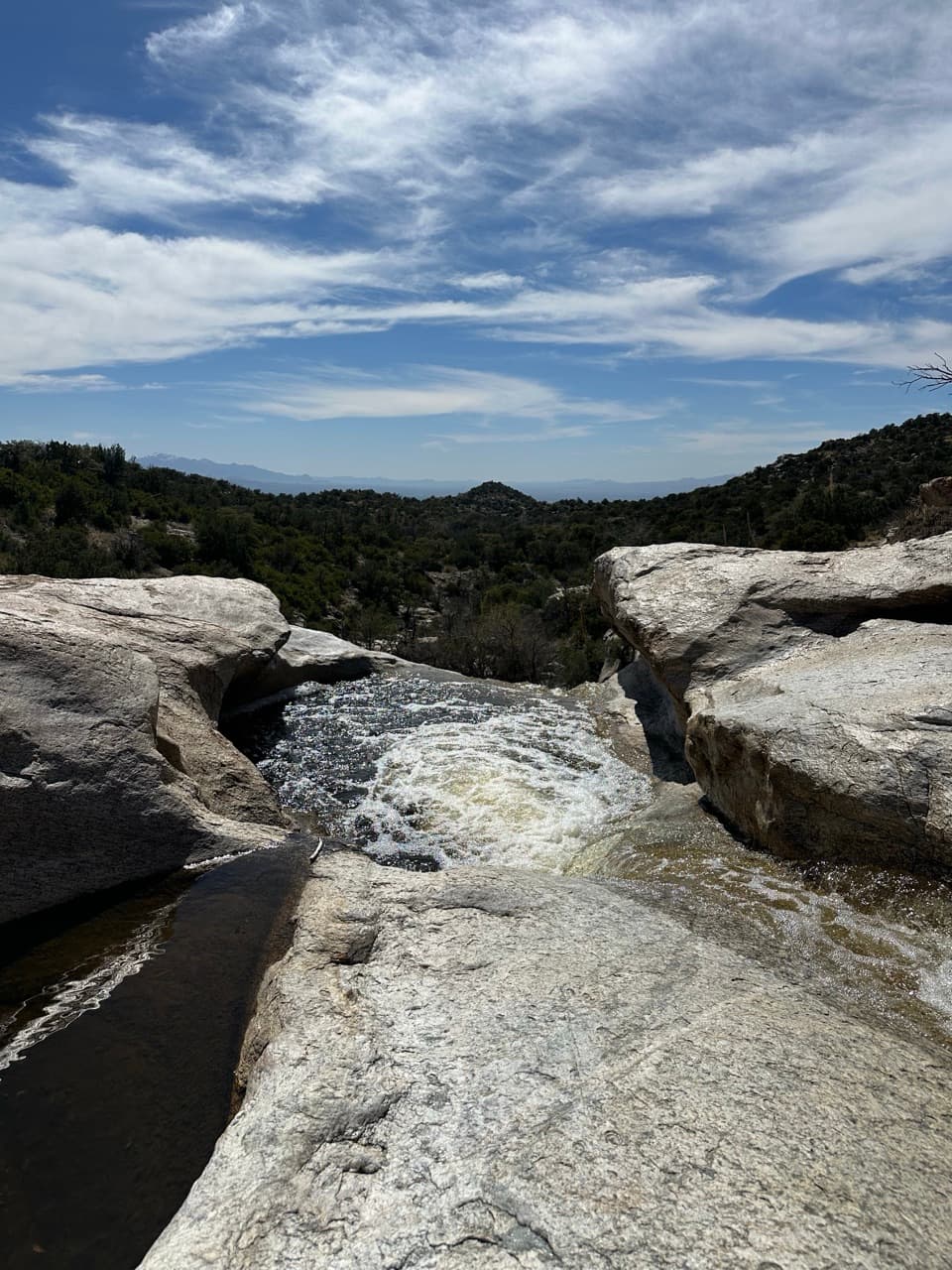
There is no potable water. Natural water is highly seasonal and often dry for long stretches. When present, small pools may be found west of Site 1 and north of Sites 2 and 3—always treat anything you collect. Plan to carry at least a gallon per person per day (more in heat). Campfires are allowed here using dead-and-downed wood when conditions permit; always check current restrictions. Site #2 includes a bear box and a stone fire ring. There are no toilets—follow Leave No Trace and pack everything out.

Conditions, Wildlife, and Safety

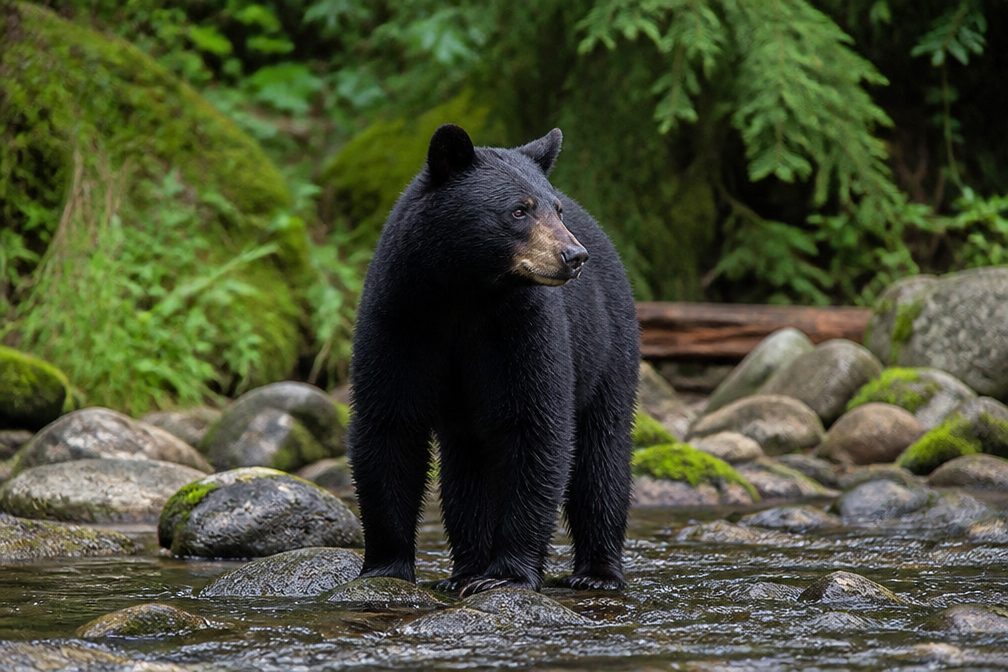
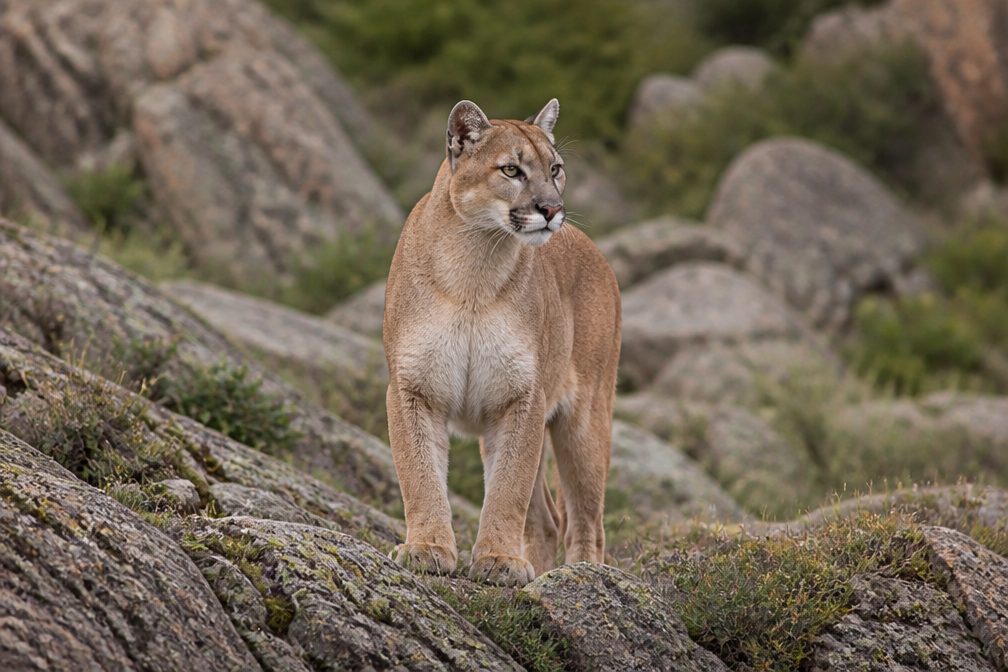
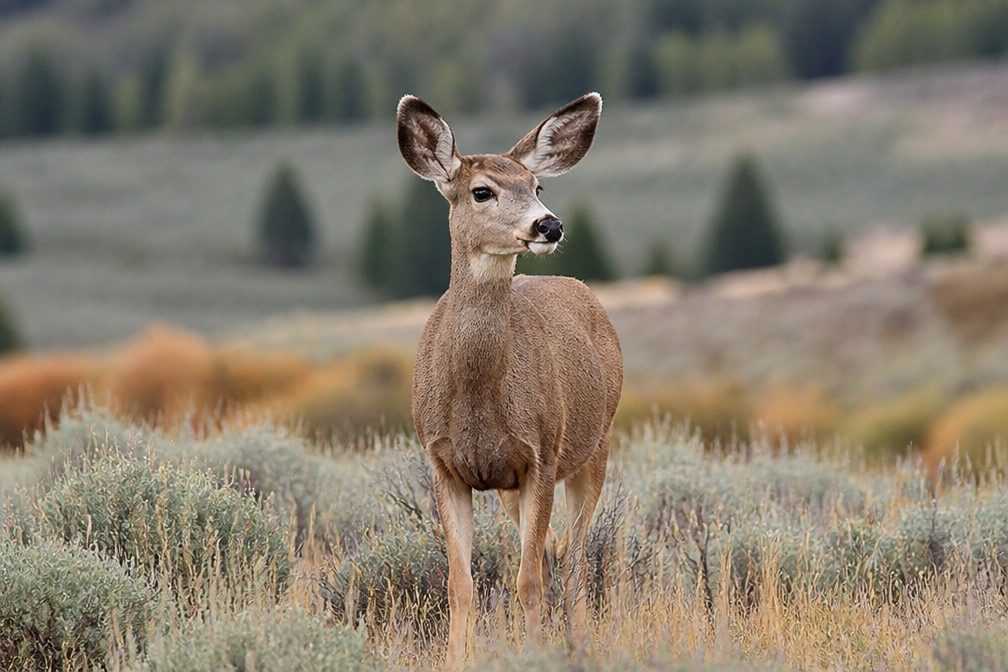
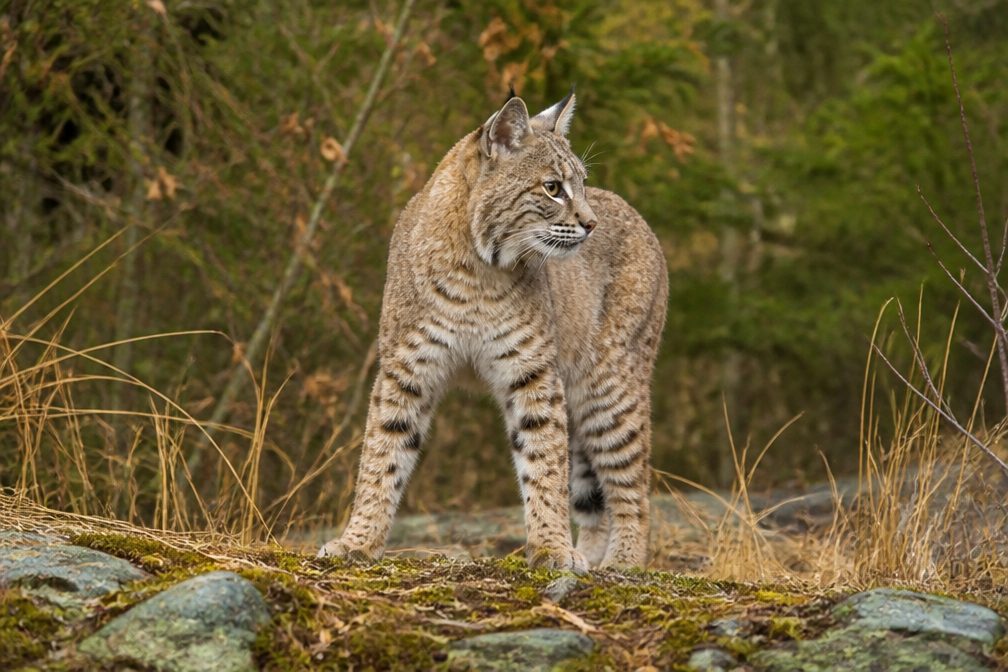
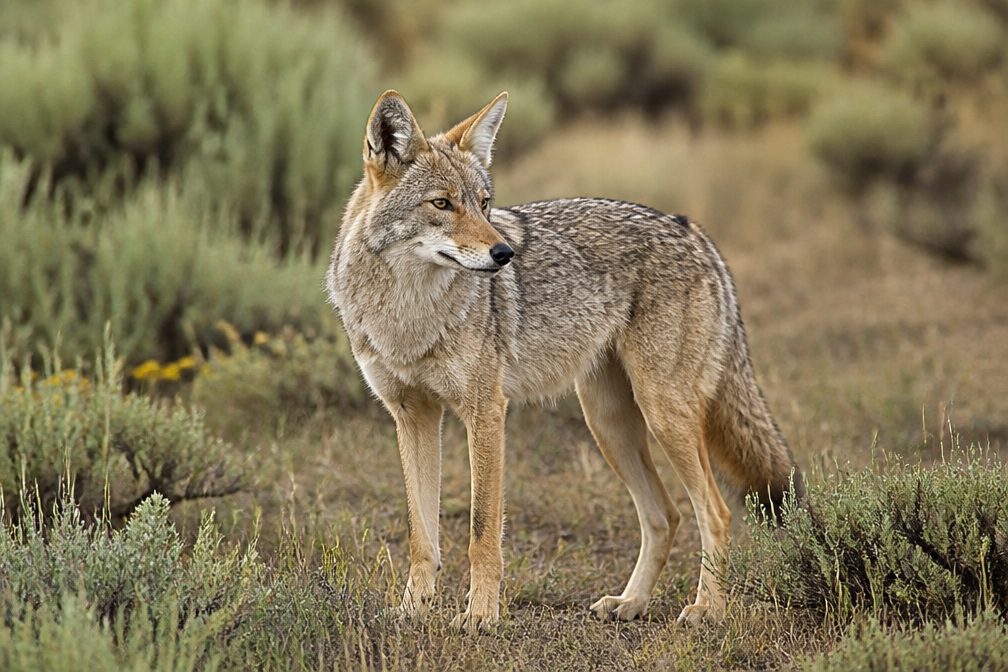
Temperatures can swing from winter chills to triple digits lower down, so layer well and start early. Monsoon storms can bring lightning and flash flooding; plan around forecasts and be conservative with turnaround times. Cell service is spotty; you might find a signal only from higher points with a clear view. Wildlife lives here—be mindful around bees, and know how to respond to bears and mountain lions.

Why This Hike Feels Different

You’re climbing a classic Sonoran Desert “sky island,” leaving cactus country for cooler woodlands as the ridge rises. The Rincon Mountains expose notable metamorphic geology, but for backpackers the headline is the biodiversity shift you can actually feel underfoot and see on every switchback.

Best Time to Visit

Aim for late fall through spring for cooler temps and safer conditions; summer is punishing and best avoided for long climbs. Start before sunrise to beat heat and give yourself plenty of daylight. Weekdays see fewer hikers, and late-afternoon light makes the ridges and valleys glow—just arrive early enough to set camp before dark.

Pros

  • Quiet, hike-in sites at ~6,000 feet with big desert-to-forest views
  • Site #2 has a bear box and established fire ring

Cons

  • No reliable water; natural sources are often dry
  • No restrooms and a strenuous 6.9-mile, ~3,000-foot approach

Tips

  • Permits are required and limited; secure one before you go [nps.gov](https://www.nps.gov/sagu/planyourvisit/camping.htm).
  • Carry all the water you need and confirm current water reports with the park before your trip [nps.gov](https://www.nps.gov/sagu/planyourvisit/camping.htm).
  • Look for intermittent pools west of Site 1 and north of Sites 2–3; always filter or treat.
  • Site #2 has a bear box and established fire ring—use existing infrastructure [recreation.gov](https://www.recreation.gov/camping/campsites/10028681).
  • Avoid summer heat; plan shoulder-season trips and start pre-dawn for the climb [tripadvisor.com](https://www.tripadvisor.com/Attraction_Review-g60950-d12704675-Reviews-Saguaro_National_Park-Tucson_Arizona.html).
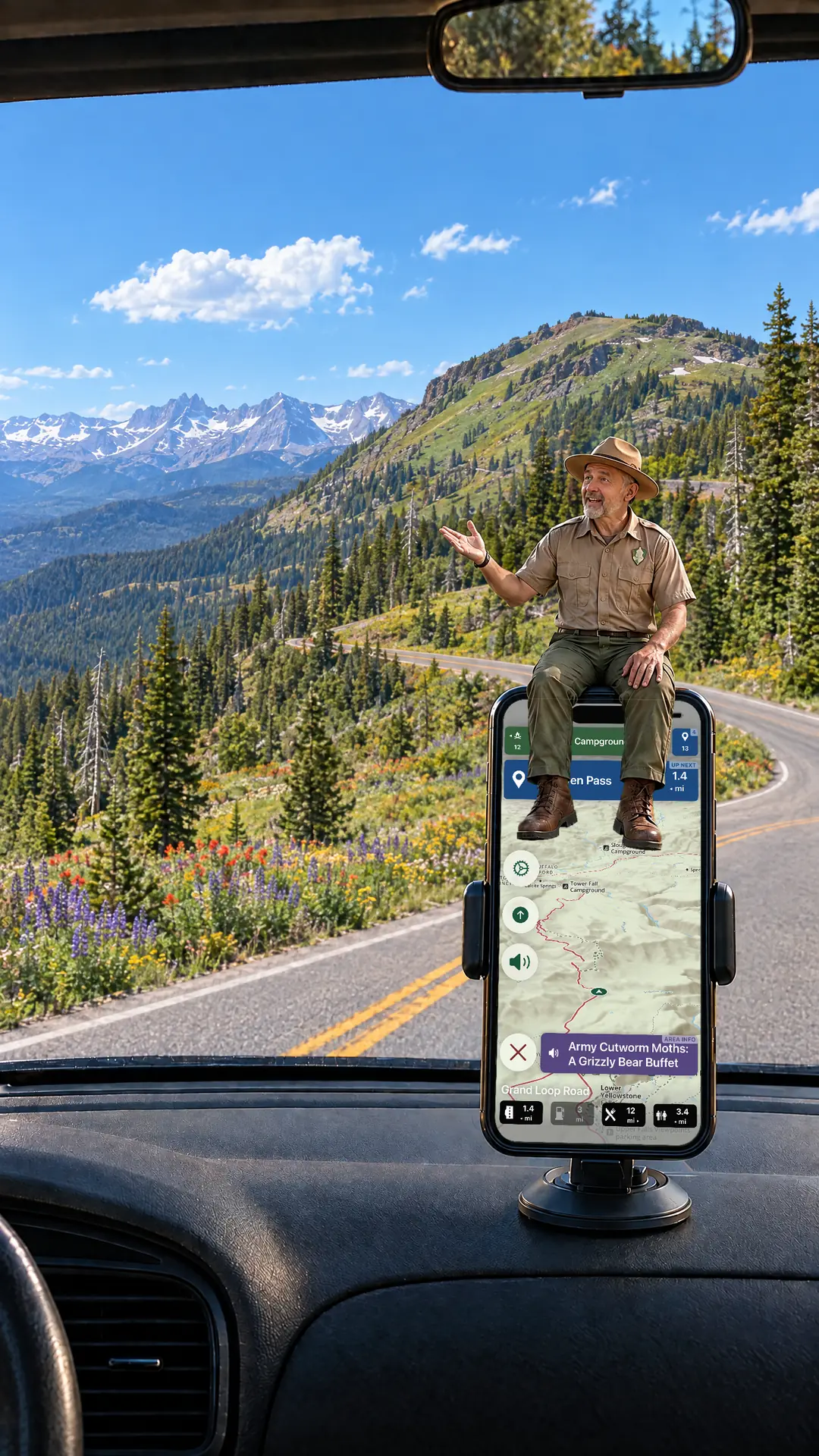
The Parkwolf tour guide sitting on a phone mounted in a car

Parkwolf Tour Guide

Like a tour guide in your car.

Save the places you found around Saguaro, then let Parkwolf guide the drive between them.Download Parkwolf on the App Store