Place · 2.4 mi away

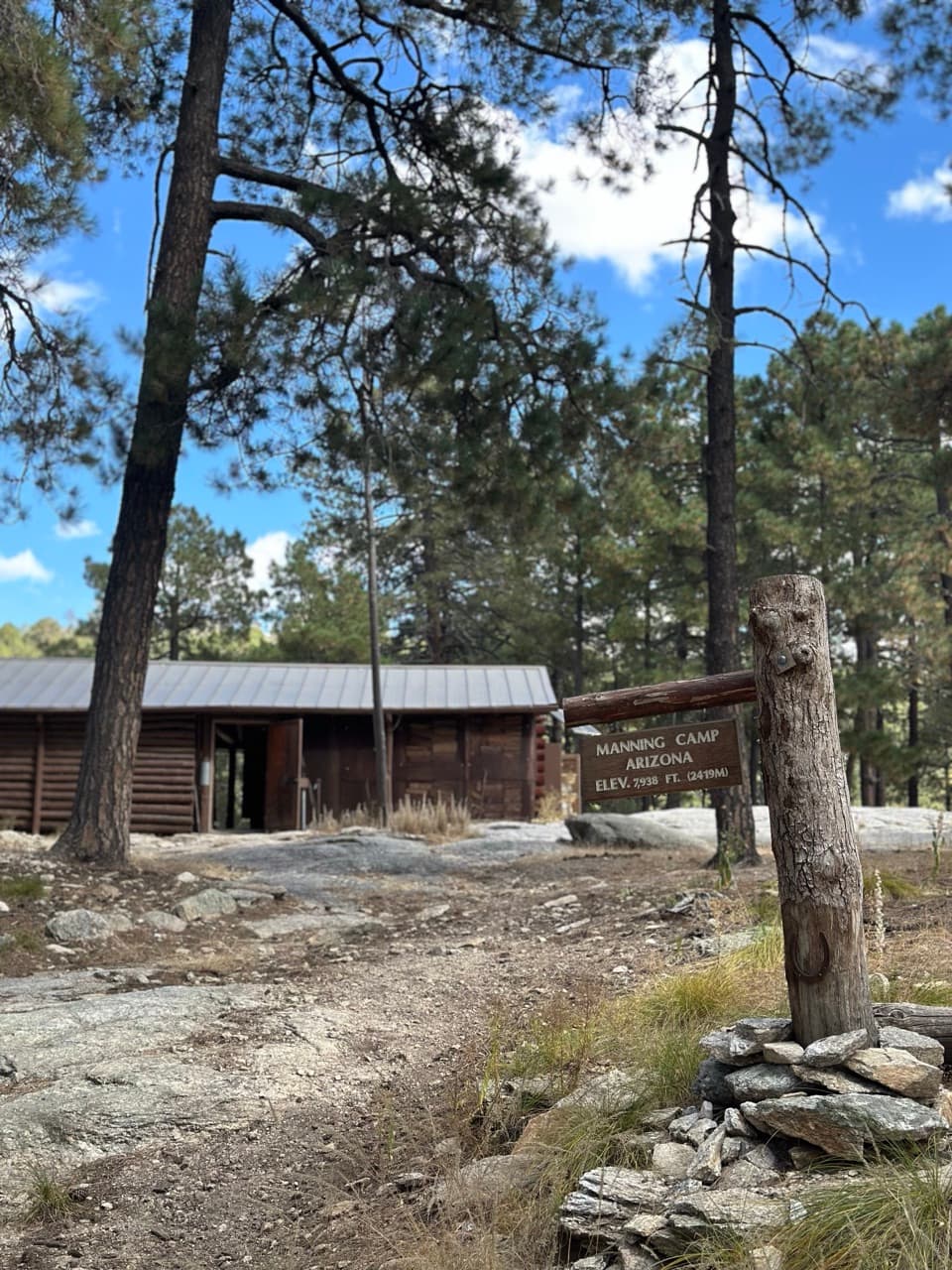
Grass Shack is a quiet, hike-in backcountry campground tucked at about 5,200 feet in the Rincon Mountains’ mid-elevation zone. You trade the low desert’s furnace for a shaded, riparian pocket with oaks and junipers—and a nearby creek that often holds water. It’s a favorite overnight for Arizona Trail backpackers and anyone linking loops deeper into the Rincons.
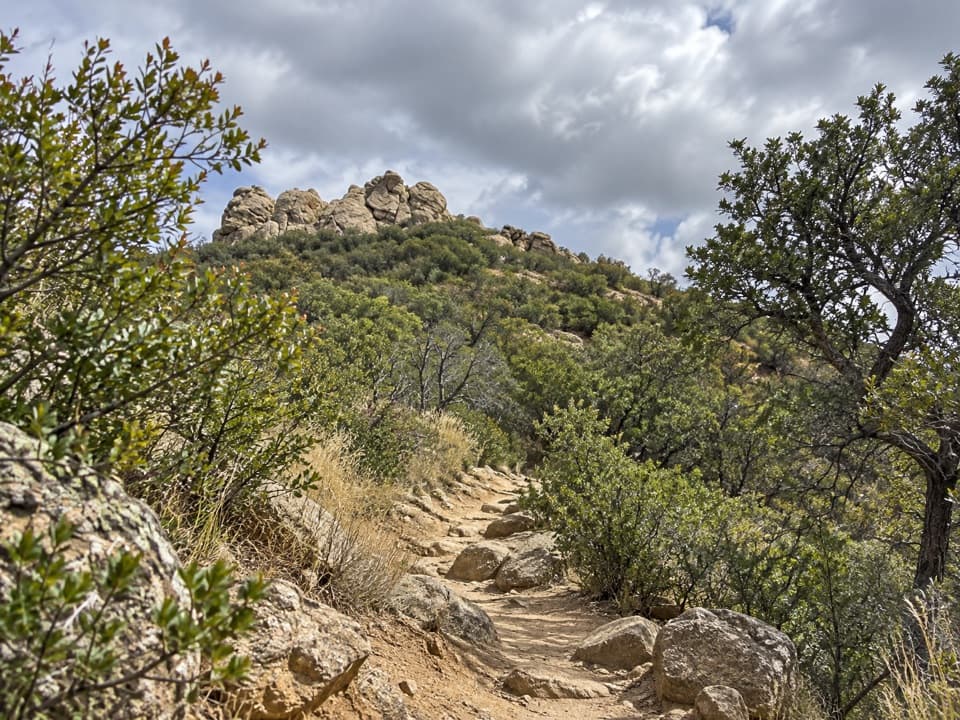
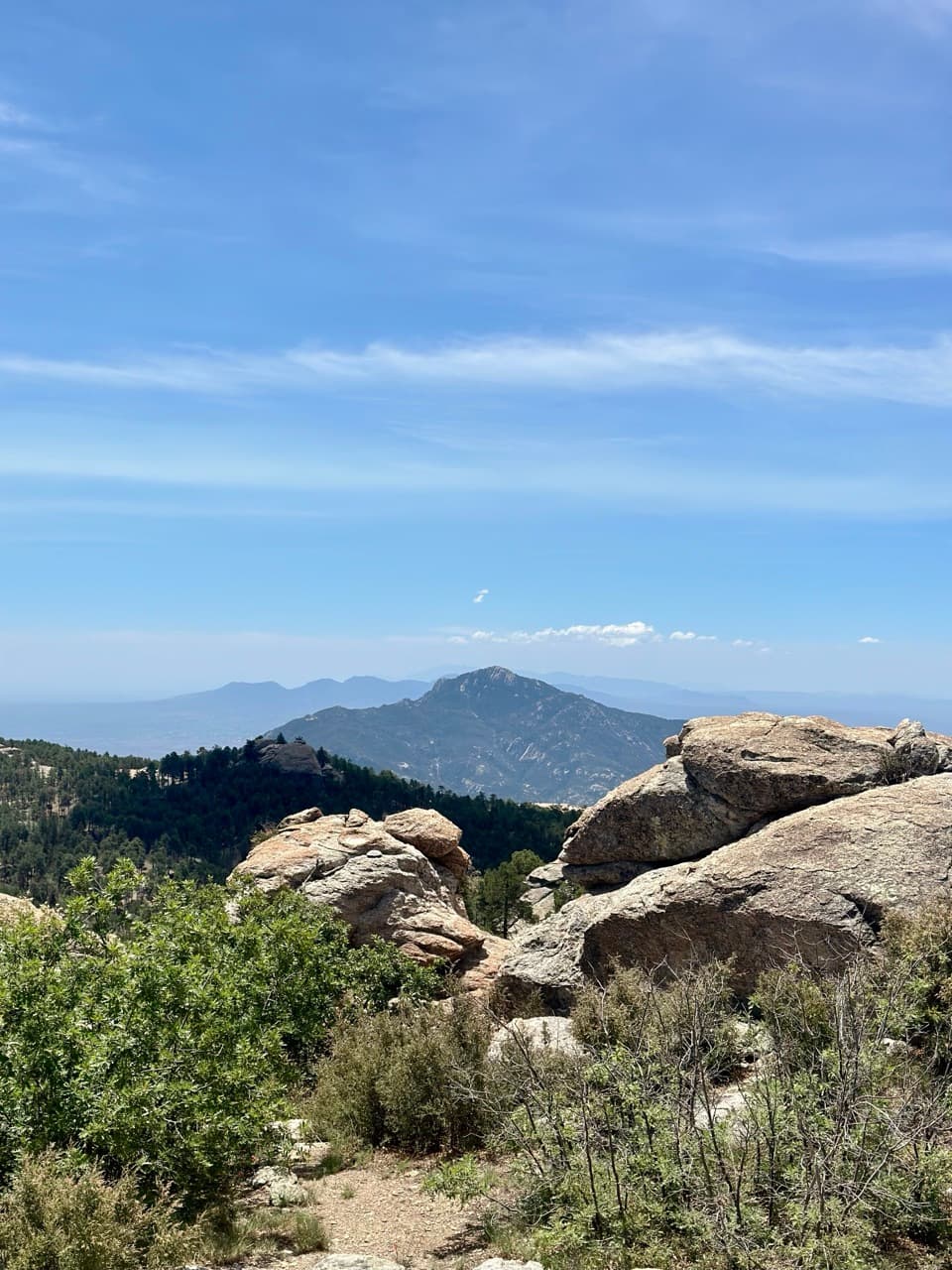
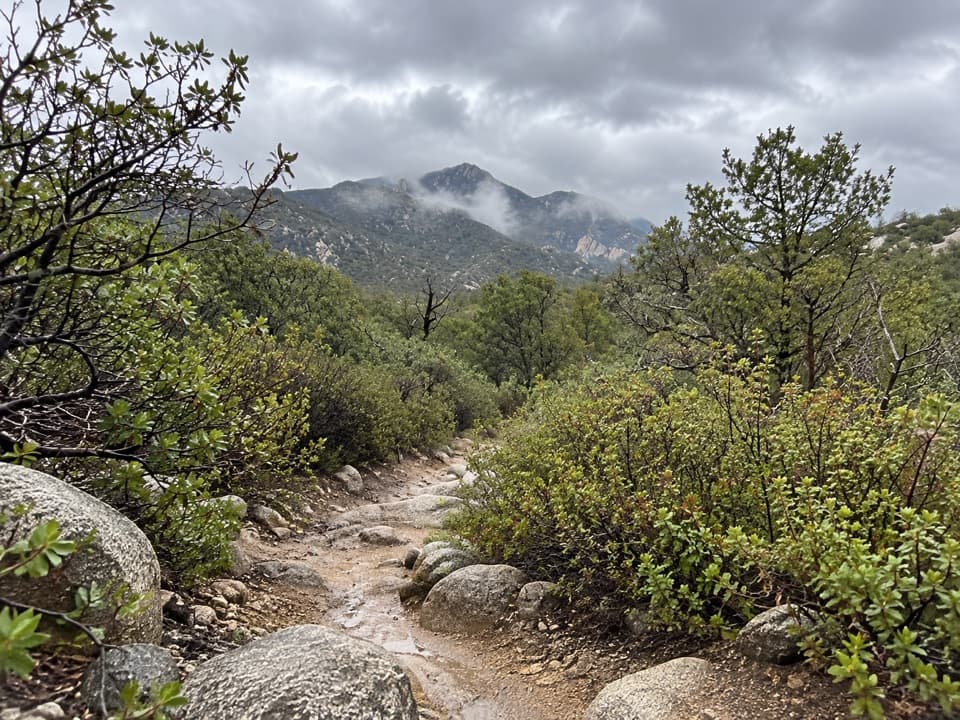
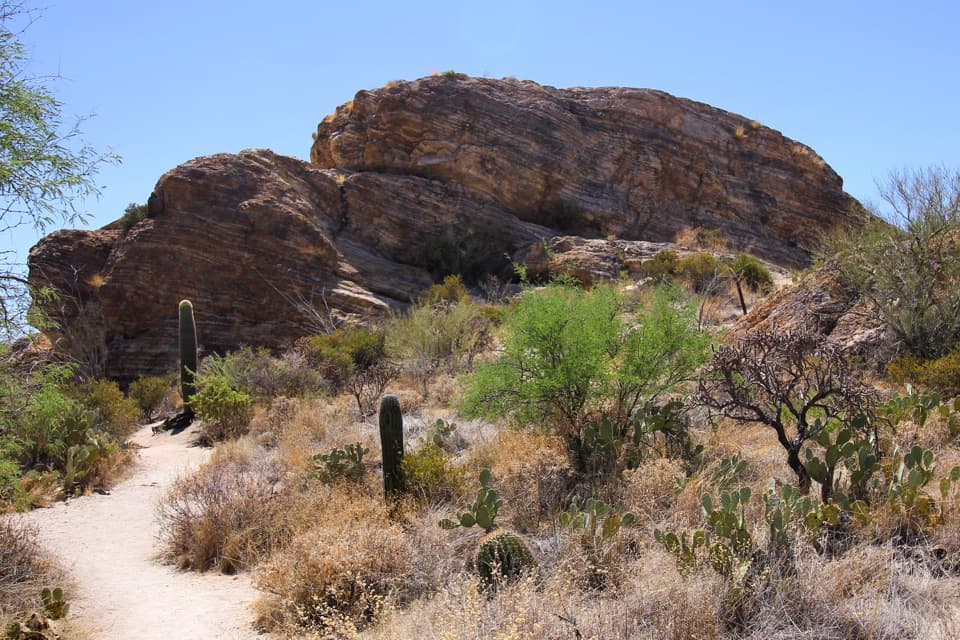
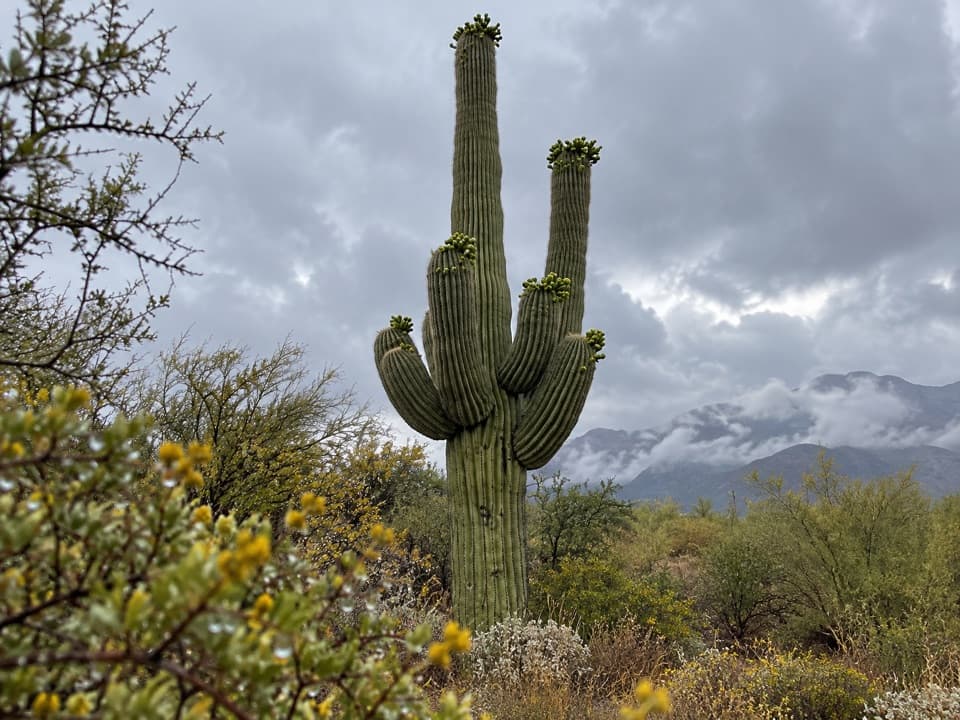
The most straightforward approach is from the Camino Loma Alta/Hope Camp trailhead in the East District. It’s roughly 10 miles one way with about 2,200 feet of climbing. Expect excellent southern views as you climb out of saguaro country toward cooler, greener terrain. There’s no vehicle access to camp.
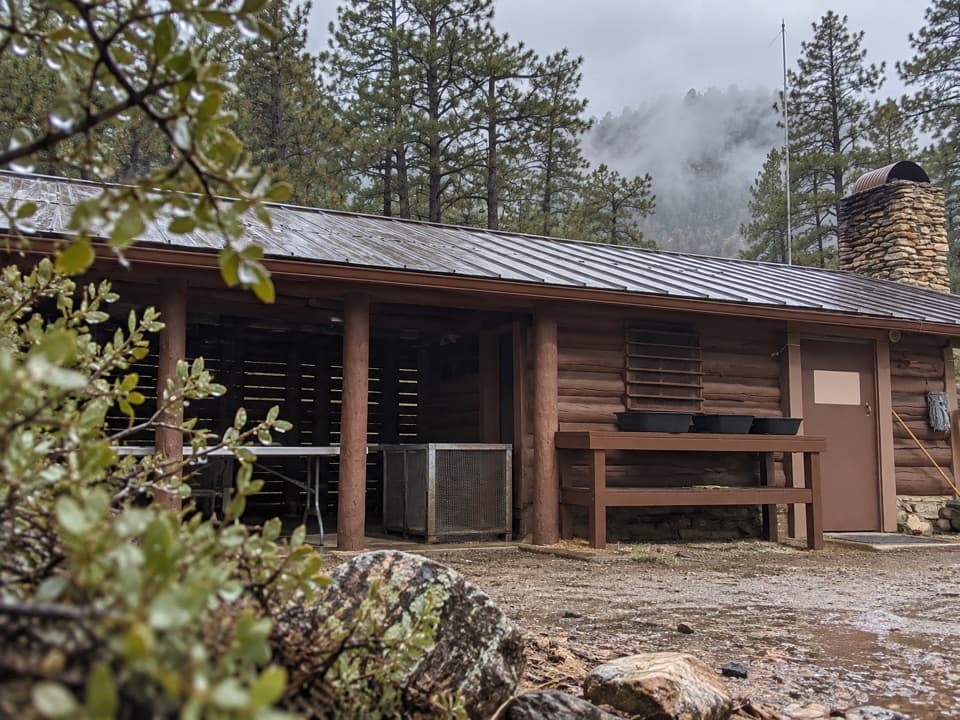
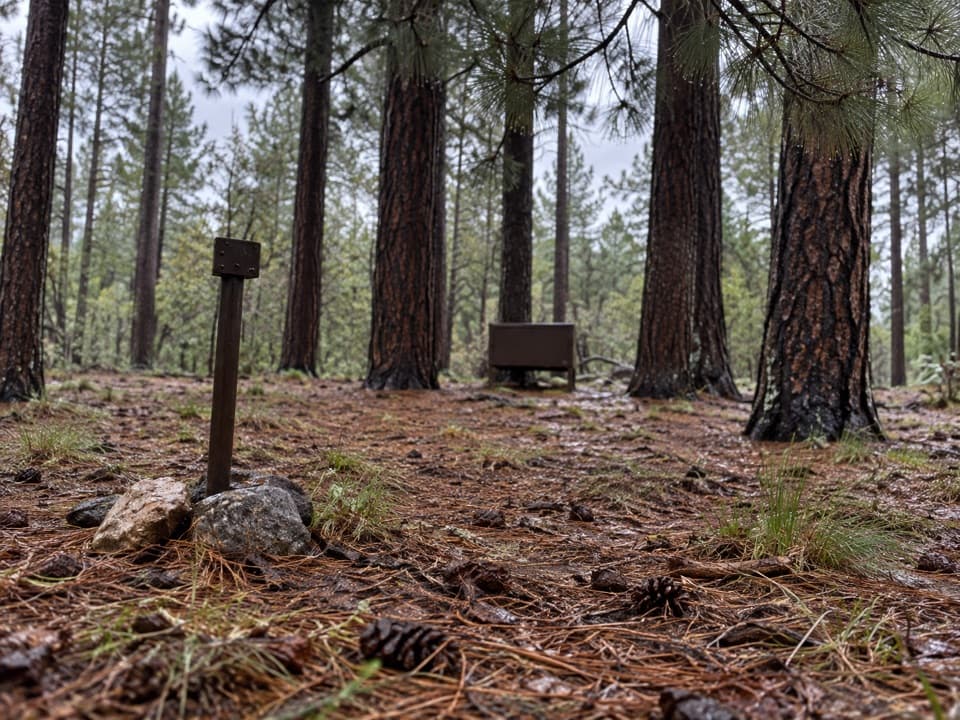
There are three designated sites, each for up to six people. Site layouts vary, with multiple tent pads at some, including a notably roomy pad at one site—handy for larger groups. Bear boxes are provided for food storage. This is a primitive setup: no picnic tables and no toilets. Fires are not allowed here due to the fragile riparian setting and surrounding grasslands.
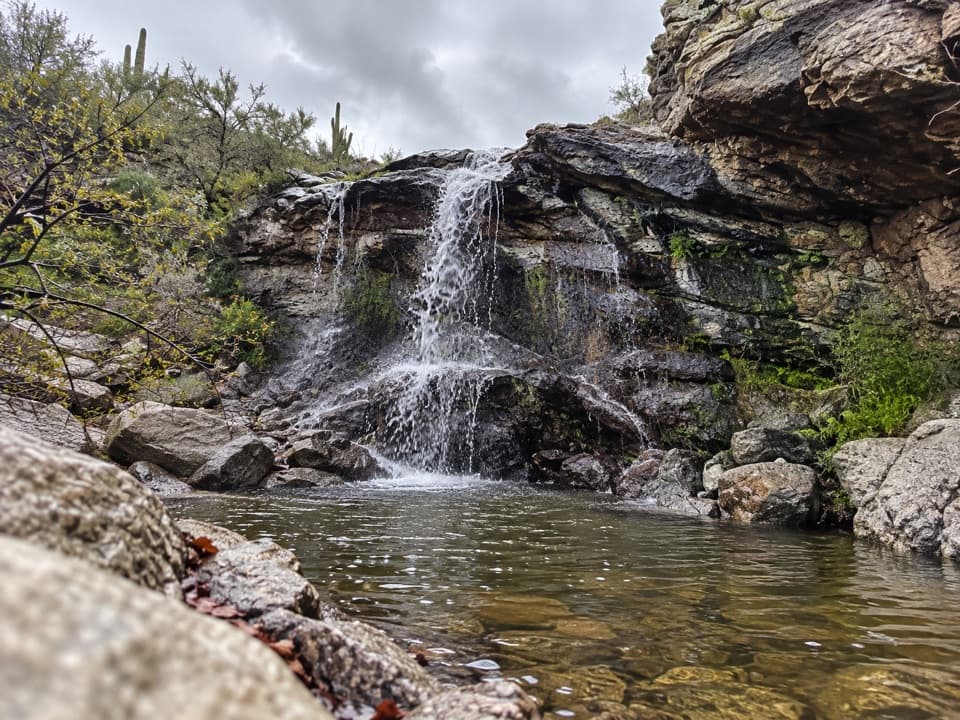
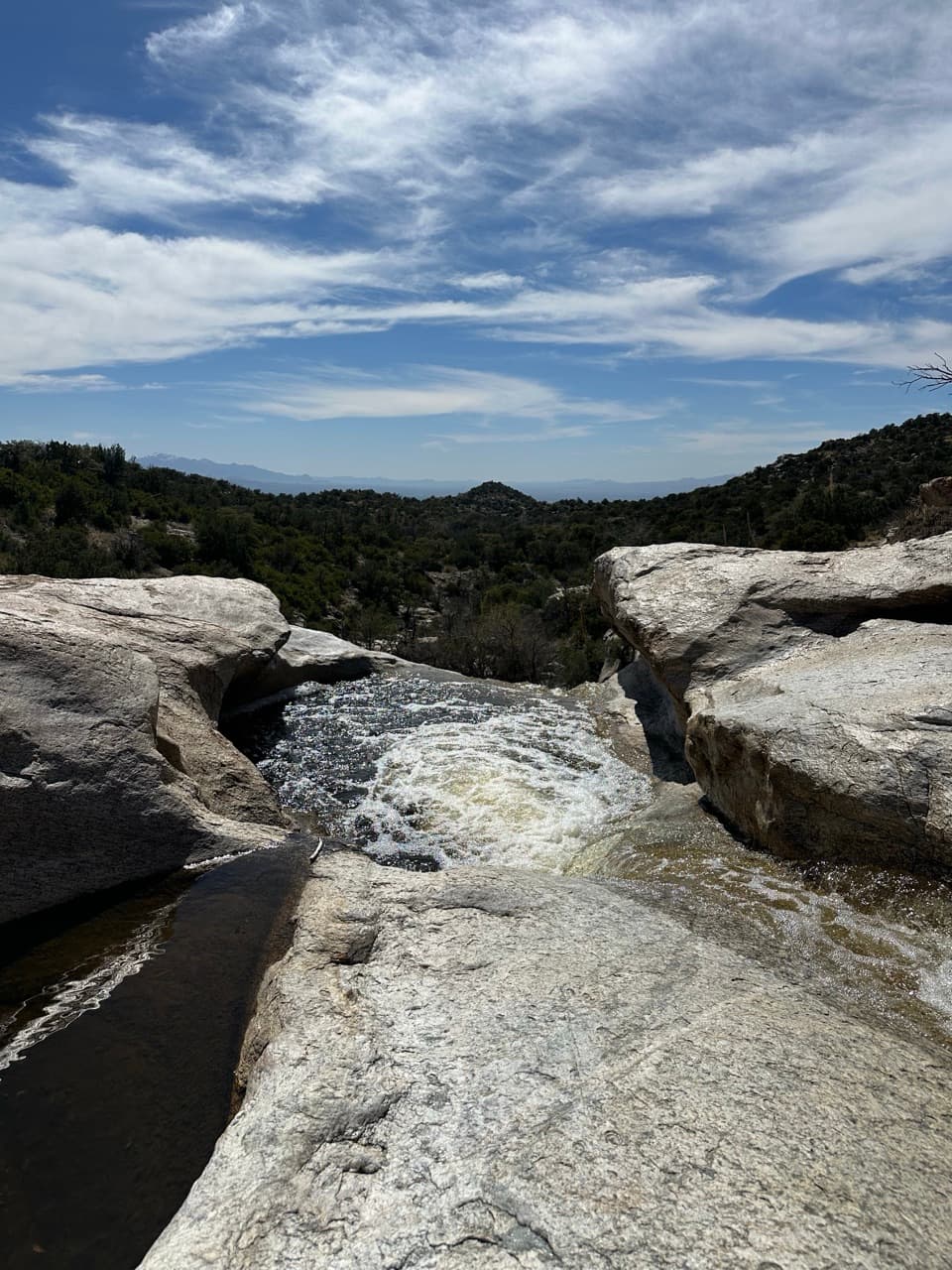
Chimenea Creek flows through or near camp and typically has water much of the year, but availability fluctuates. Always treat before drinking, and verify recent conditions with the park. Savvy hikers top off at reliable sources along the way (like Rincon Creek) before the final climb.
Backcountry camping is by permit only and limited to designated sites. Permits are per site, per night, and must be reserved in advance. Follow Leave No Trace, pack out all waste, and keep group sizes within posted limits.
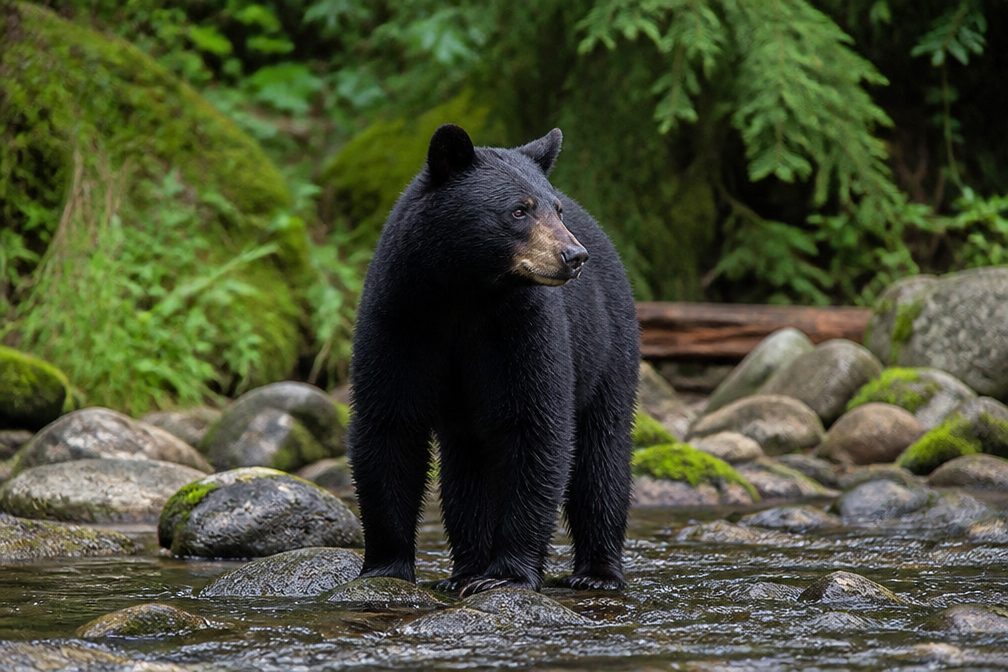
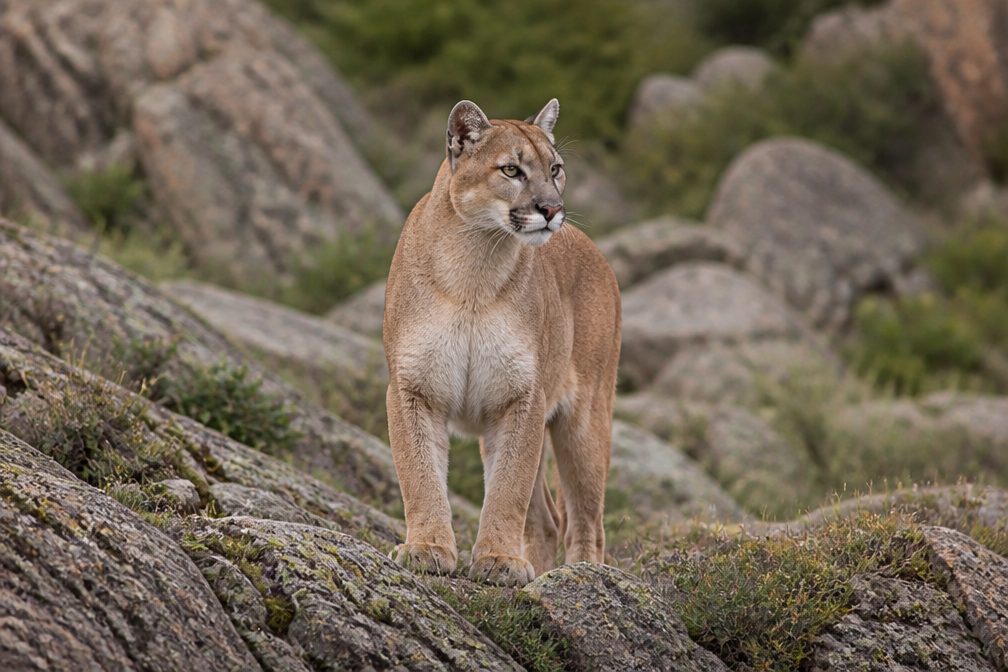
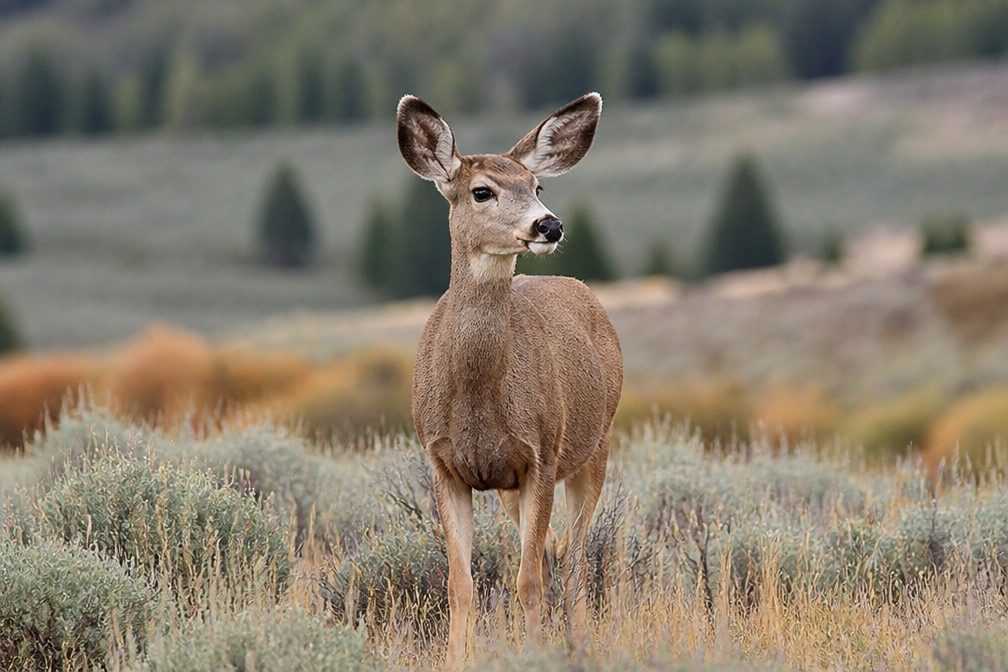
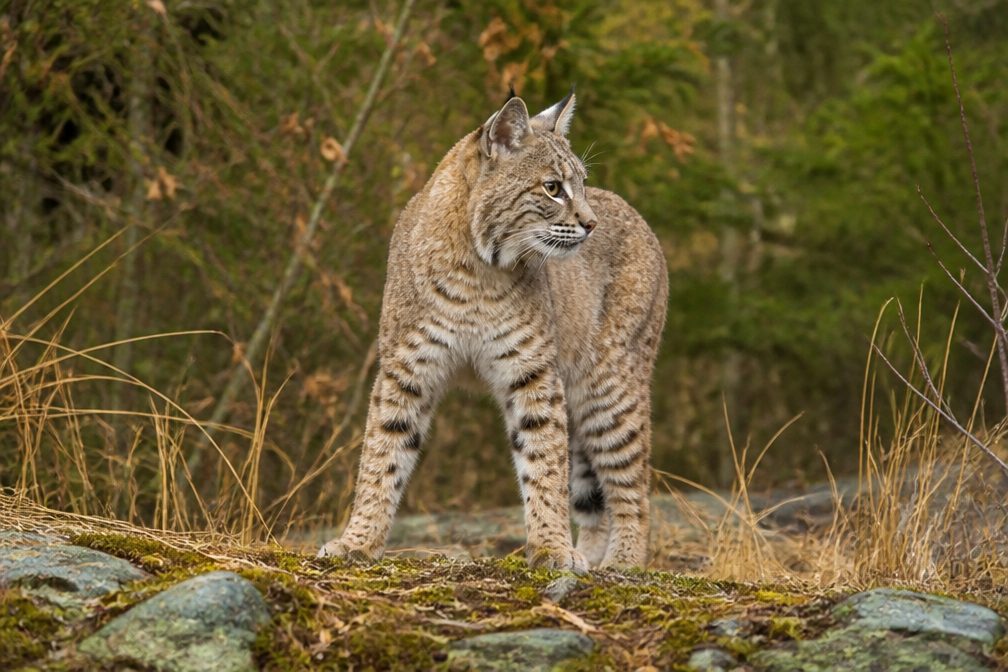
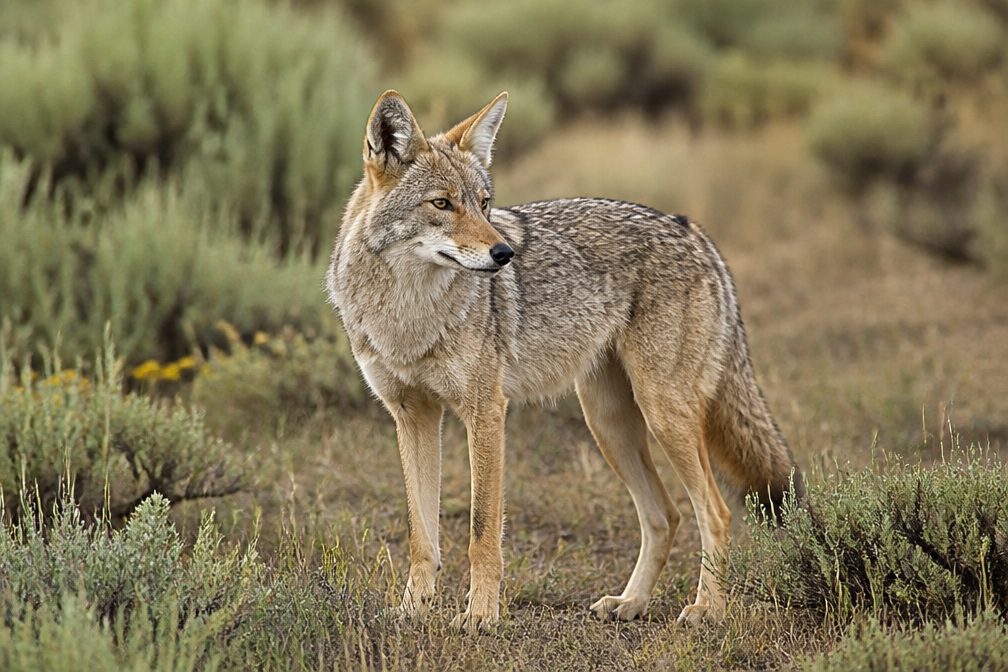
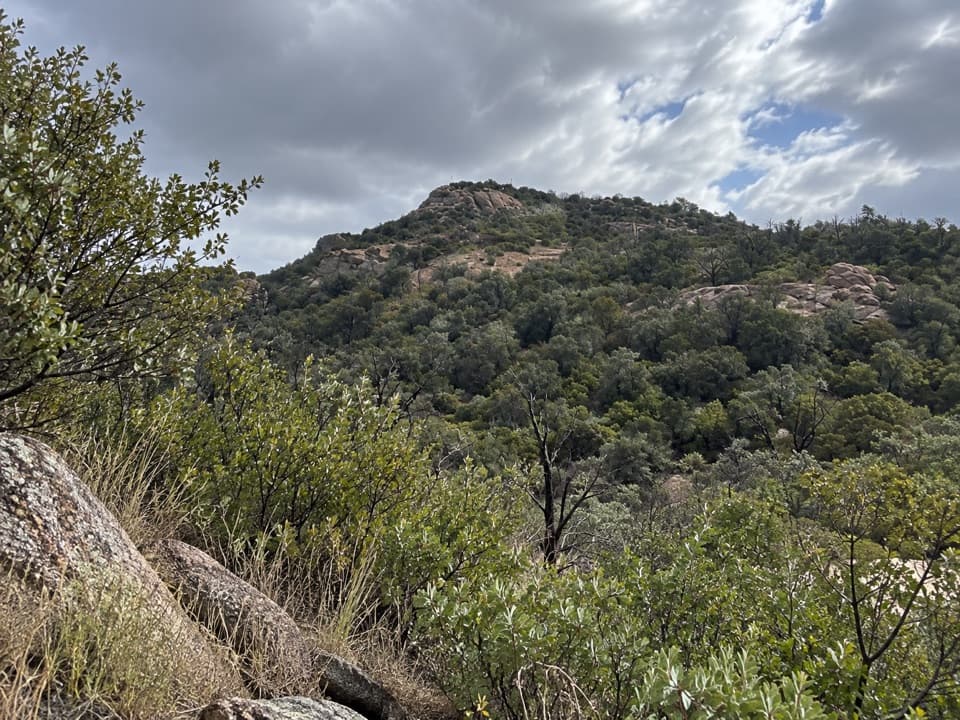
Deer are common in the mid-elevations, and the broader Rincon backcountry hosts black bear, mountain lion, and coati—store food securely and stay alert. As you hike, you’re crossing a mountain range shaped by a classic metamorphic core complex, moving from cactus-studded desert into grasslands and oak–juniper woodlands.
Cell service is inconsistent to nonexistent at camp; you may need to walk up or down the trail to catch a signal. This elevation is often less affected by winter storms than the high country, but mornings can be cool. Summer brings heat, strong sun, and the risk of lightning and flash floods during monsoon—plan accordingly.
Late fall through spring is prime: cooler temps, better hiking conditions, and typically more dependable water. Start early to beat sun exposure on the approach. Weeknights see the fewest people. In summer, aim for dawn departures and reach camp before afternoon storms.