Place · 0 mi away

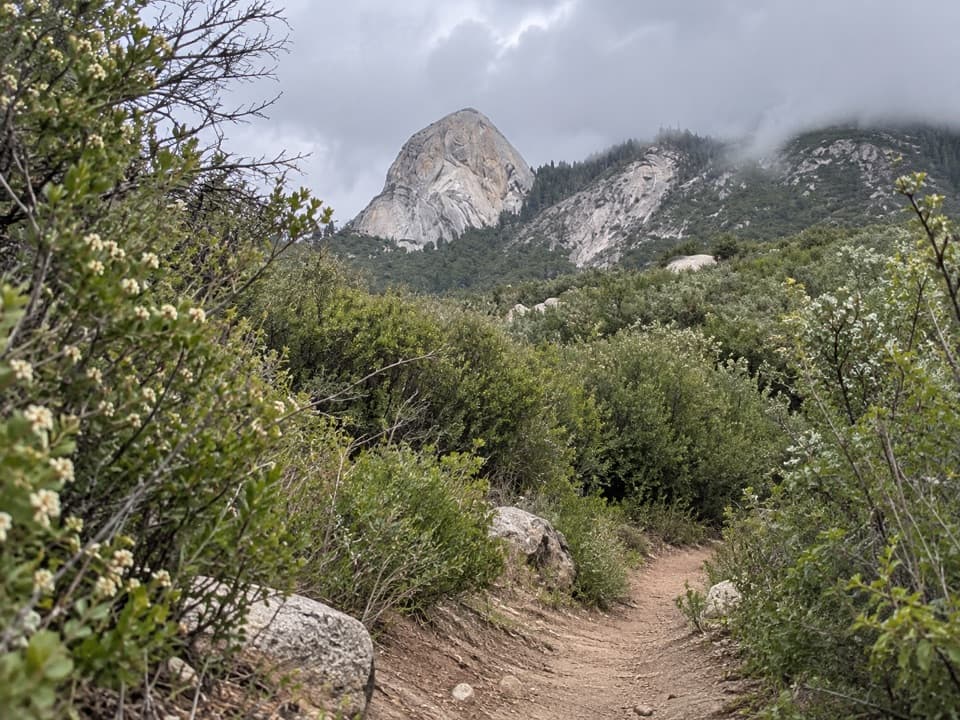
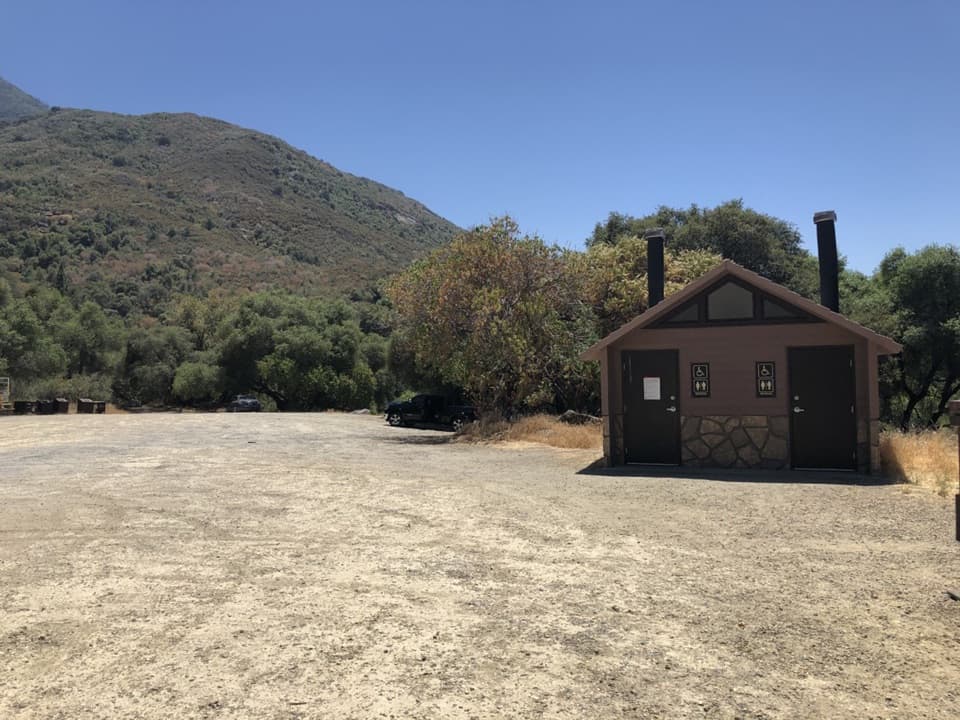
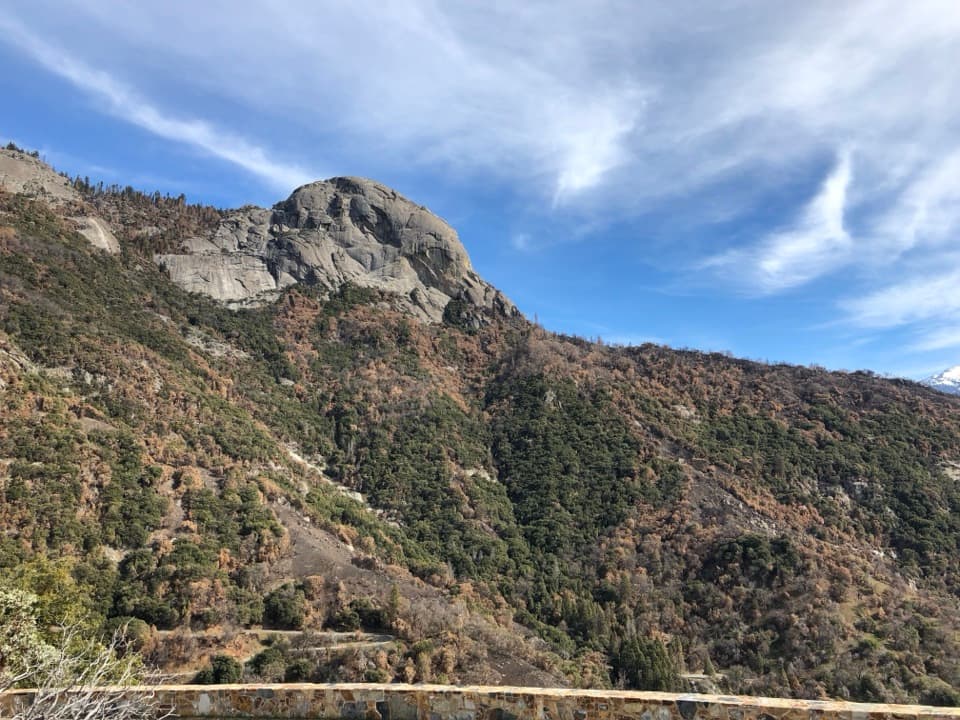
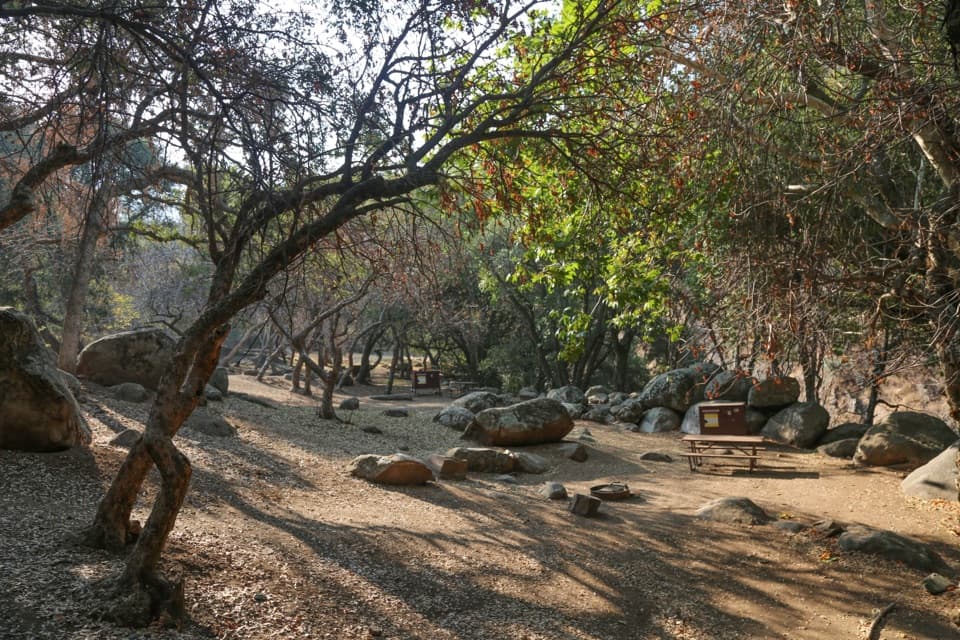
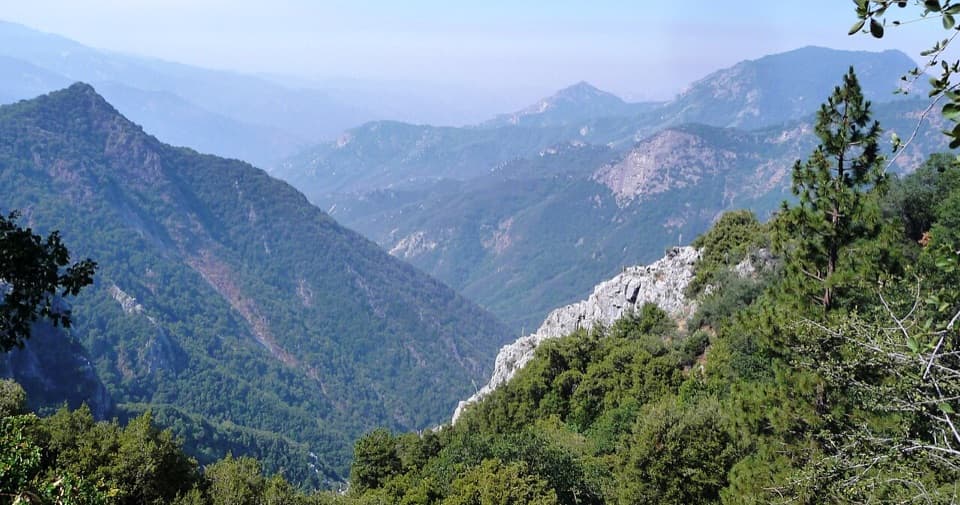
Potwisha sits in the sunny Sierra foothills just 4 miles past the Ash Mountain entrance, making it one of the most convenient bases for exploring the park. At roughly 2,100 feet, it’s warmer than the high country—great for winter and shoulder seasons, but sweltering in midsummer. Expect a classic foothills vibe: gray pines, boulders, and the Kaweah’s Marble Fork nearby.
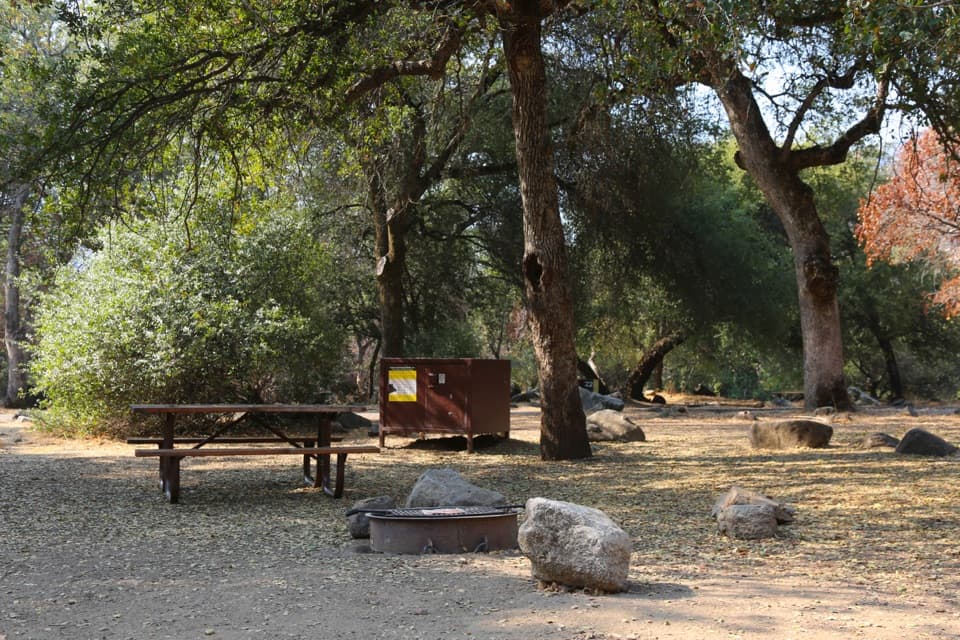
There are 42 developed sites for tents, RVs, and trailers (some pull-throughs). Every site has a picnic table, fire ring, and a metal food locker, and the campground provides flush toilets and potable water. There’s no power, water, or sewer at the sites, but a free dump station sits across the highway and is typically available year-round. Quiet hours run 10 pm–6 am, with generators allowed 9 am–9 pm.
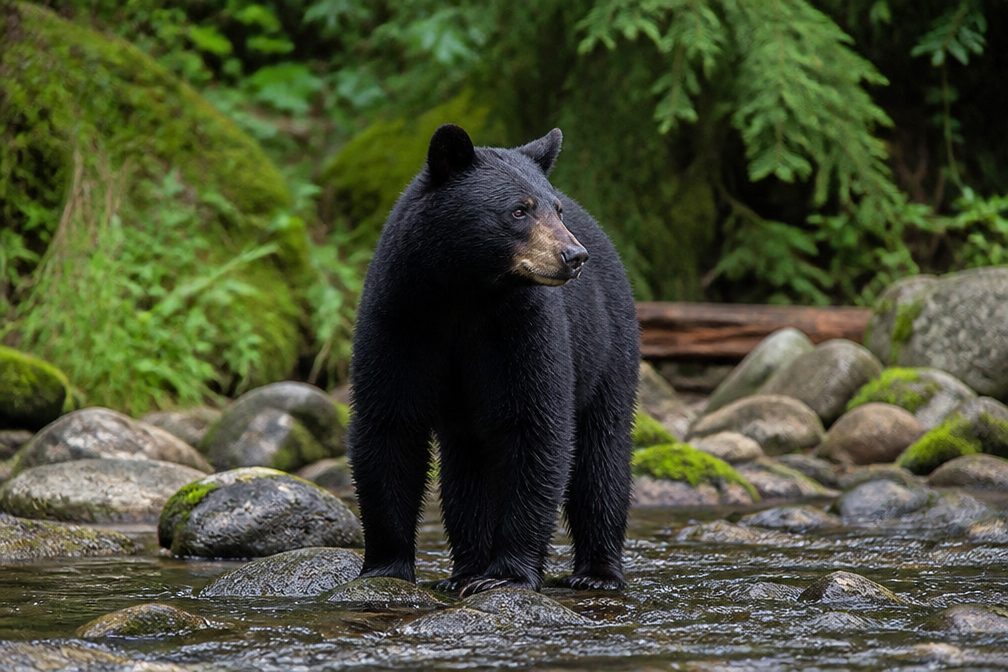
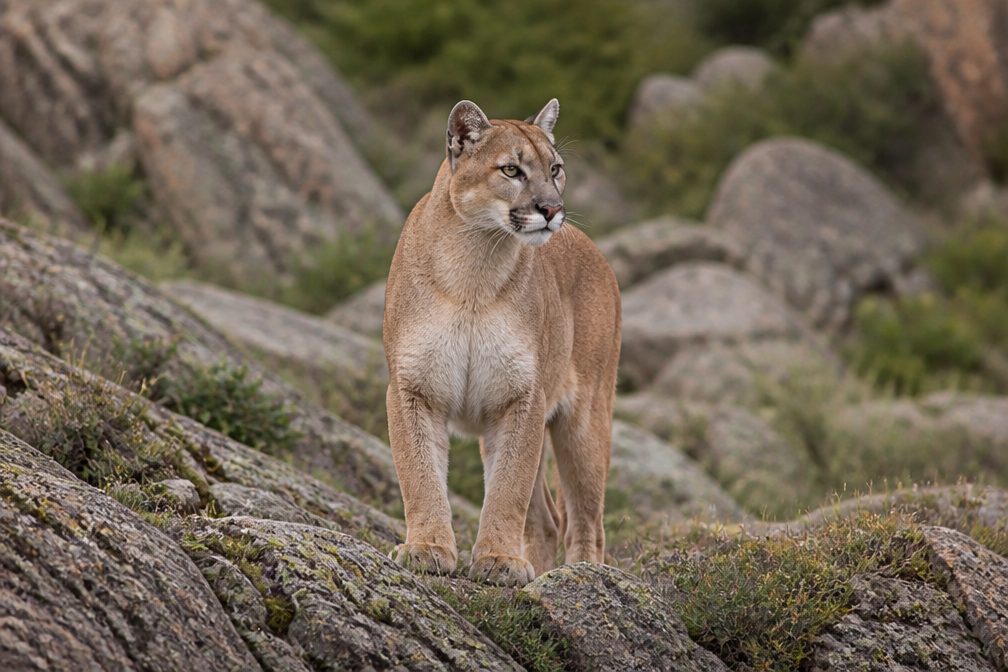
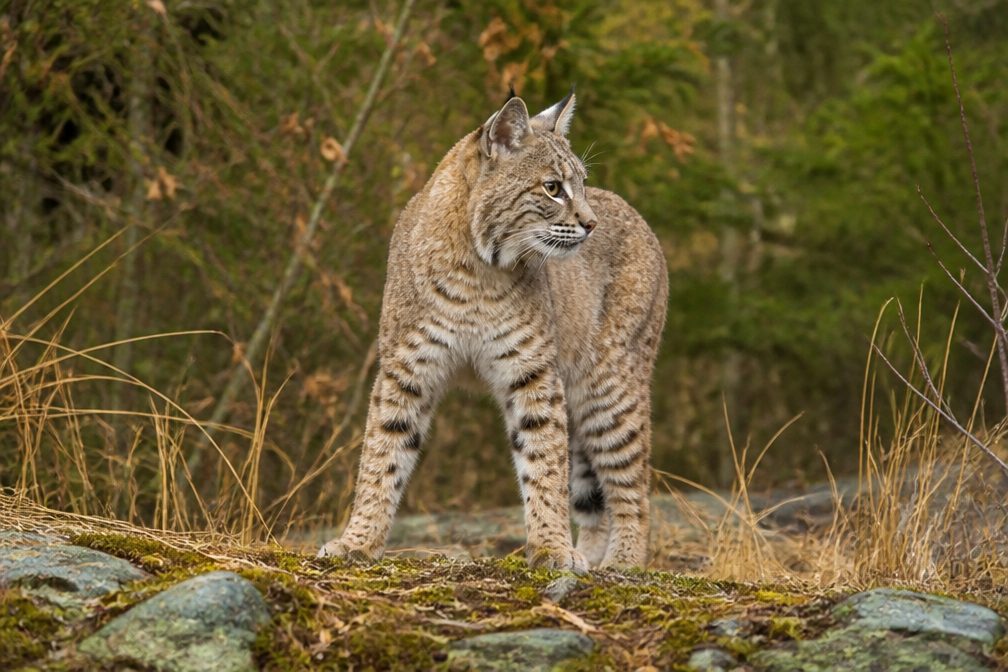
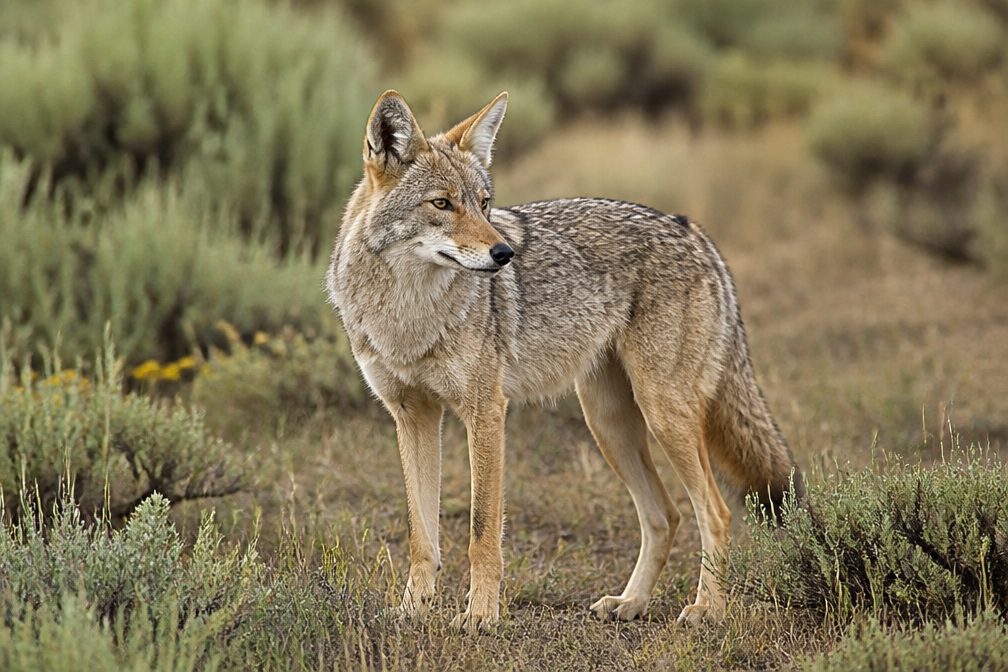
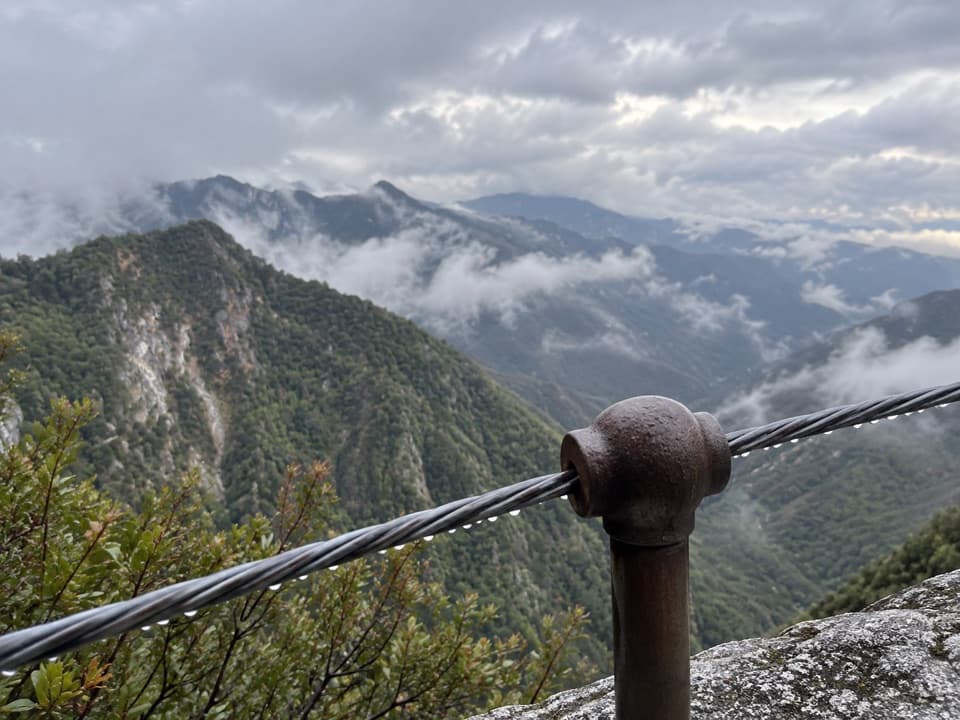
Two things make Potwisha stand out: convenience and foothills scenery. You can roll in year-round with a reservation, step out for a quick river walk, and still be within striking distance of the Giant Forest’s big-ticket sights. It’s also one of the better wildlife-watching zones—bears are active here, along with mule deer and a ton of birdlife.
This is active bear country. Store all food, coolers, and scented items in the provided lockers any time they’re not in your immediate control—day and night. Rivers are deceptively dangerous; currents can be strong even when the surface looks calm. In the foothills, expect poison oak along some nearby paths, and keep an ear out for cracking branches—move away if you hear them.
RVs and trailers are welcome, but sites and pads can be uneven—leveling blocks are helpful. If your vehicle is over 22 feet and you plan to drive to the Giant Forest area, avoid the winding section of Generals Highway above Potwisha and consider entering via Highway 180 instead. There are no hookups here; think of Potwisha as scenic, dry camping with essentials covered.
Spring and fall offer the sweet spot: greener hills, manageable temps, and flowing water for the nearby falls. Winter is usually mild at this elevation, but storms can still require tire chains. Summer brings long daylight but also intense heat and frequent fire restrictions—plan dawn/dusk activities and retreat to shade midday.
Reservations are required year-round; there are no walk-ups. Pets are allowed in camp (leash ≤6 ft) but not on park trails. Fire restrictions often limit wood and charcoal use in hot, dry periods—bring a propane stove as backup. Cell service is spotty to nonexistent; download maps and plans ahead of time.