Lineham Falls

Tall alpine waterfall at the end of a quieter, rewarding hike
Lineham Falls, Waterton Lakes National Park
InsideWaterton Lakes National Park

Overview

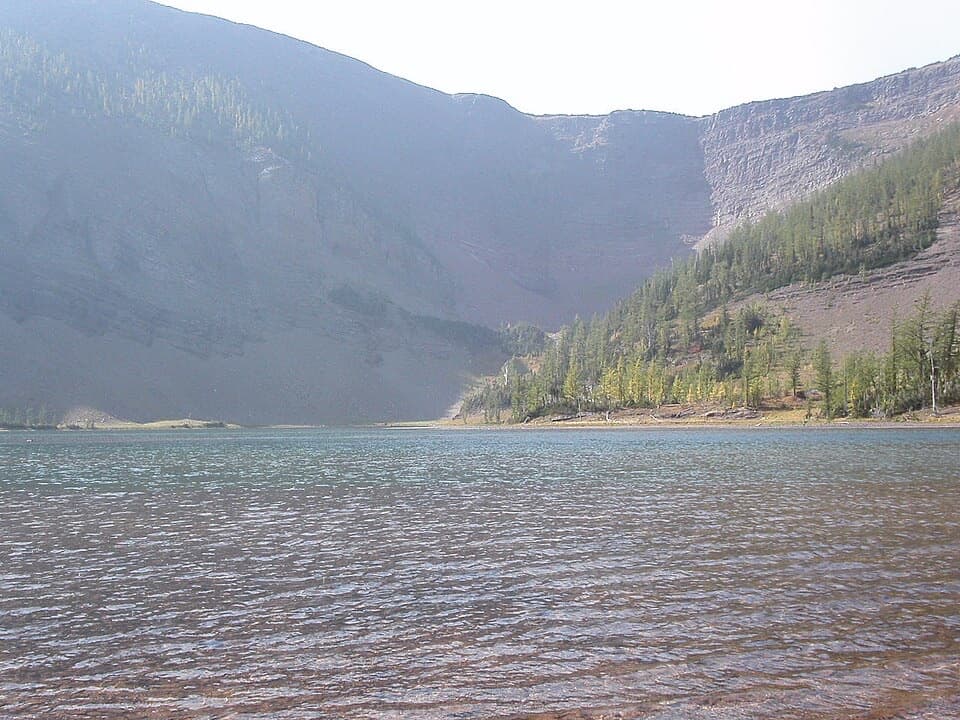
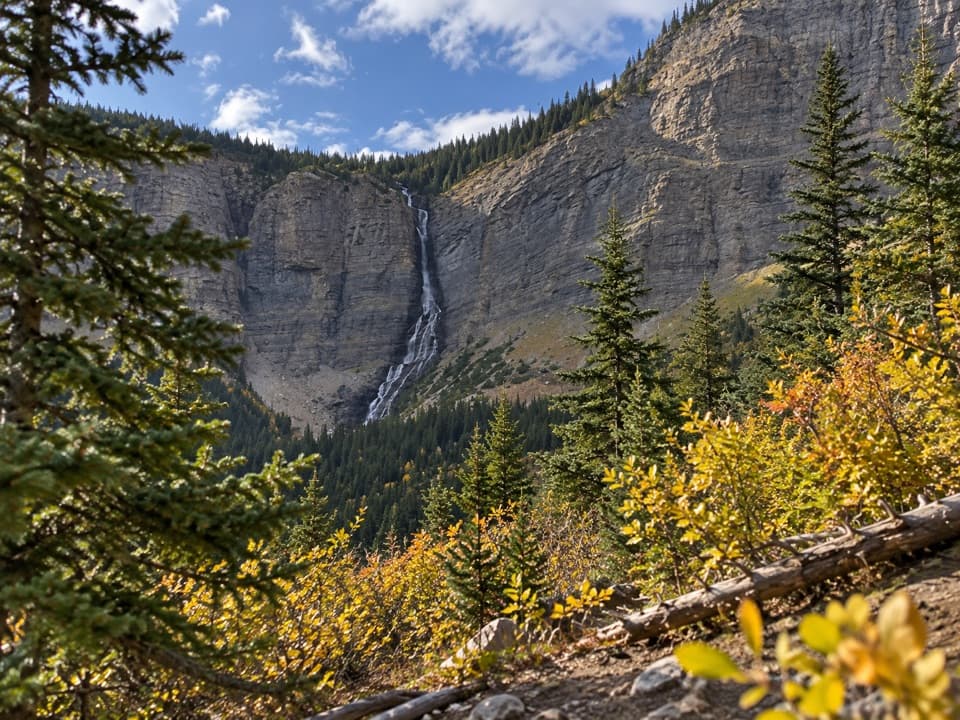
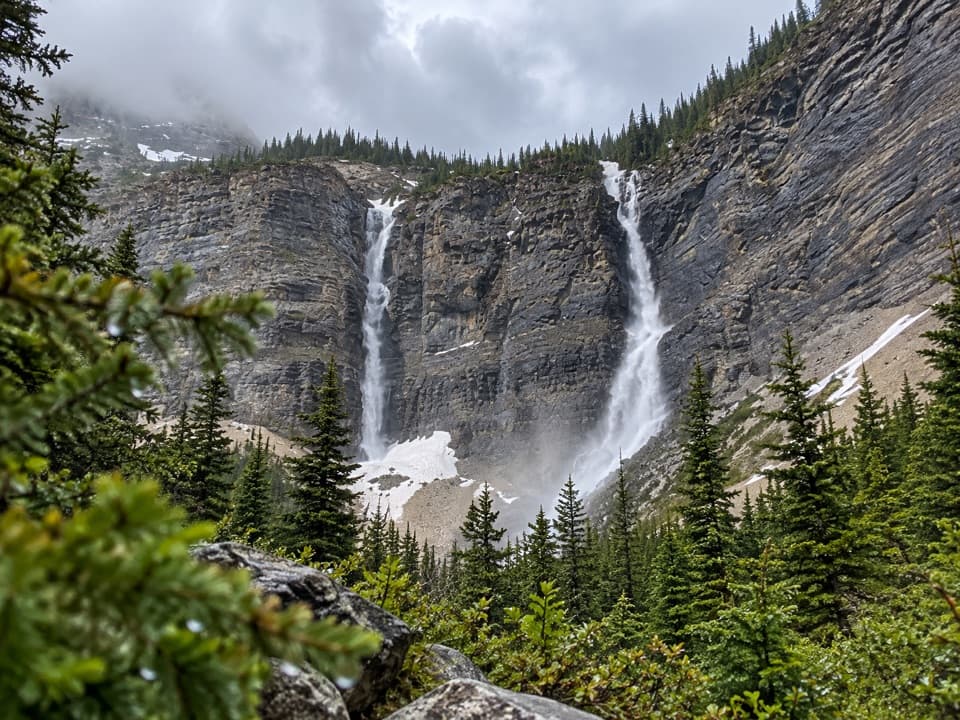
Lineham Falls is all about big-mountain drama without a huge time commitment. The trail climbs out of the Akamina Parkway into a hanging valley where a tall, slender waterfall drops beneath craggy walls between Mount Lineham and Mount Blakiston. It feels remote and wild, but it’s a straightforward day hike for most prepared visitors.

The hike at a glance

  • Distance/gain/time: roughly 8.5 km round-trip, about 350 m of gain, plan on 2–3 hours.
  • Terrain: a steady initial climb on a good path, then easier grades through meadows and forest to the official viewpoint. Expect a few small creek steps and some rocky patches near the end.
  • Trail’s end: the maintained trail ends before the base of the falls, with excellent views from a safe stopping point.

What makes it special

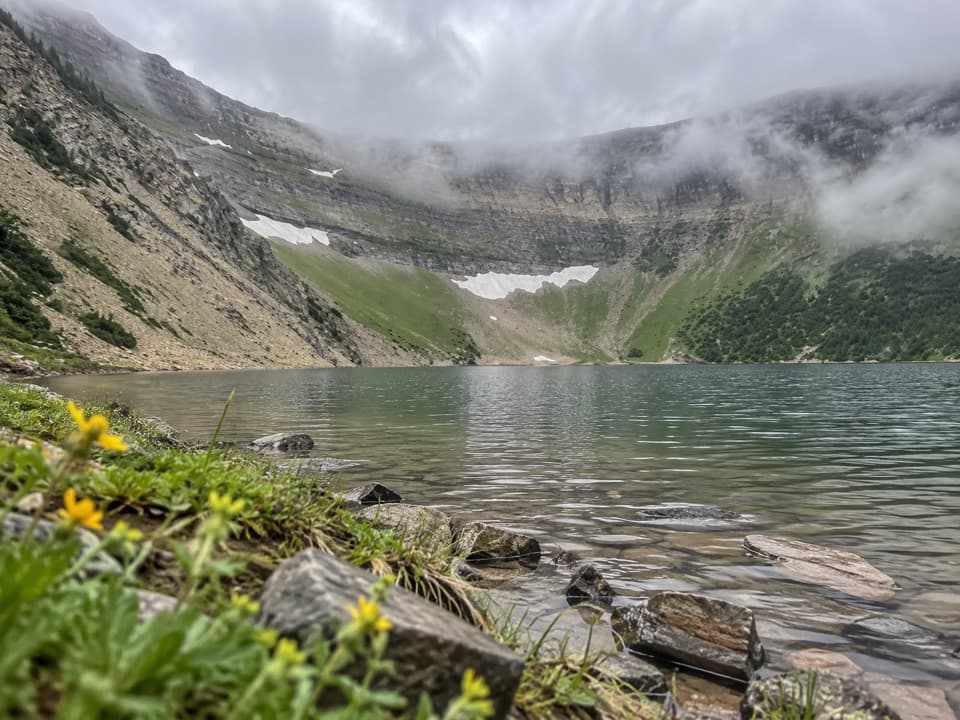
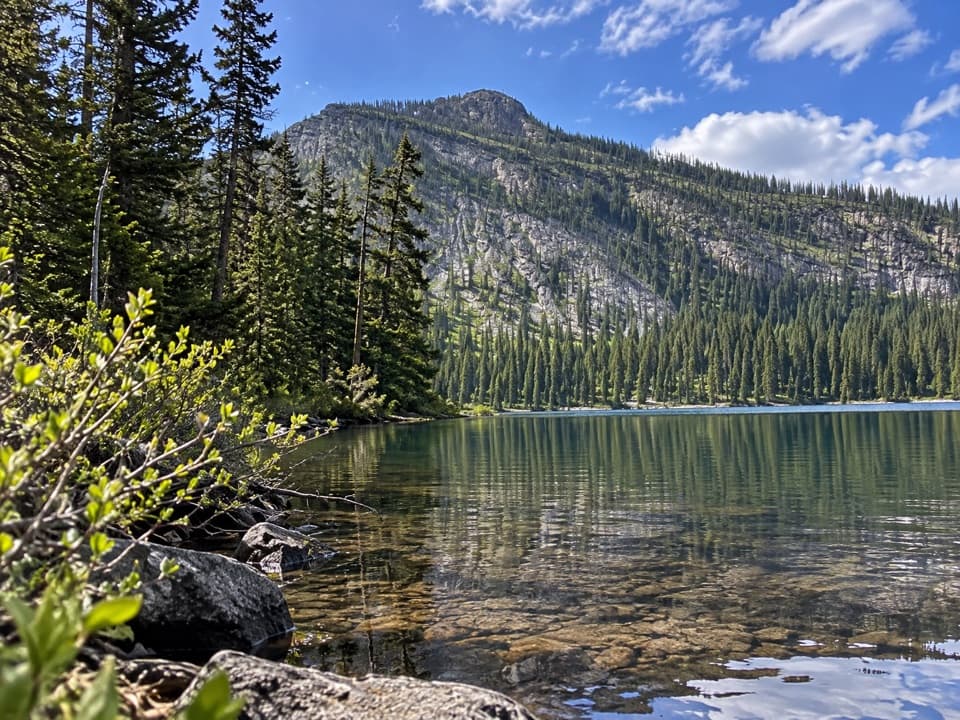
You get a classic Waterton sampler in one outing: burned slopes with big views, cool pockets of older forest, open meadows that pop with wildflowers in summer, and then that sheer headwall with the falls pouring off it. It’s less busy than marquee trails, so you’re more likely to hear the creek than a crowd.

Wildlife & wildflowers

Keep an eye on the cliffs and ridgelines—mountain goats are occasionally spotted here. Deer and a variety of birds work the forests and meadows, and the wildflower show can be excellent from late spring through mid-summer.

Safety & regulations

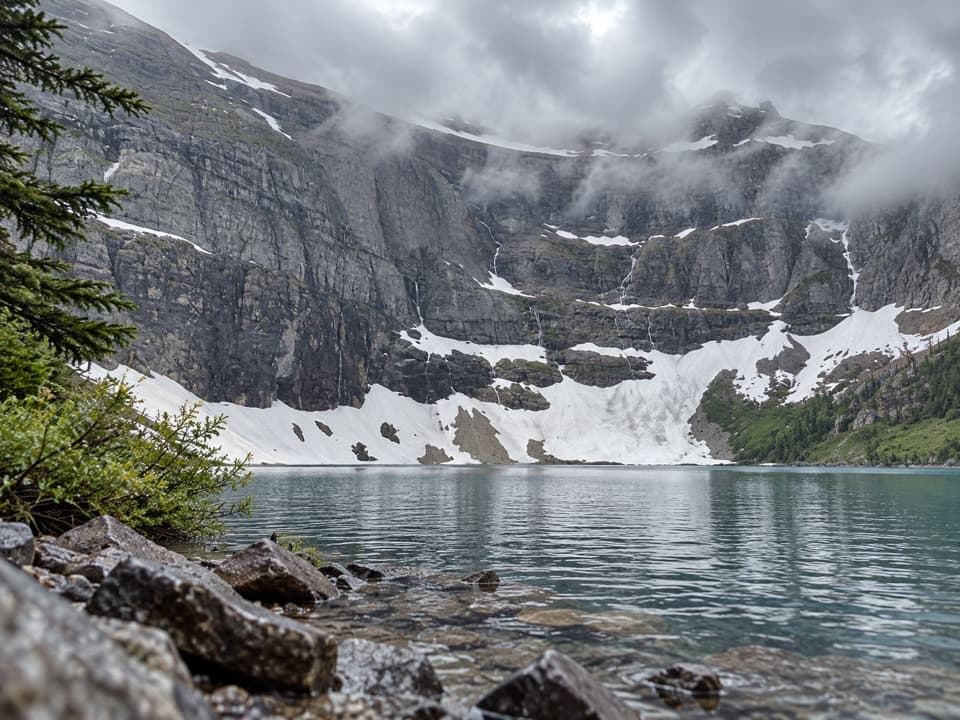
  • Do not leave the official trail to descend into the basin or push to the base unless you fully understand the risks. Off-trail travel here is hazardous and descending into the Lineham Lakes basin requires a Parks Canada permit.
  • The 2017 Kenow Wildfire opened up long, exposed stretches—bring sun protection and expect heat on bright days.
  • Standard Waterton advice applies: carry bear spray and know how to use it.

Logistics

The signed trailhead sits off the Akamina Parkway. Parking is a roadside pullout/small lot; it’s fine early but can fill by late morning in peak season. There are no restrooms, water, or services—come self-sufficient.

Best time to visit

  • Season: late spring through early summer has the most powerful flow and peak wildflowers.
  • Time of day: mornings offer cooler temps, easier parking, and gentler light on the headwall. Weekdays are typically quieter than weekends in summer.

Photography

Bring a longer lens to compress the falls against the cliffs, and a wide-angle for the meadows. The end viewpoint is the safest and best-balanced composition; scrambling closer is not worth the risk for most people.

Pros

  • Dramatic waterfall framed by a rugged glacial amphitheatre
  • Rewarding moderate hike with wildflowers and varied scenery
  • Usually quieter than other popular trails

Cons

  • Maintained trail stops short of the falls; off‑trail routes are hazardous
  • Little shade on burned, exposed sections; hot in midsummer
  • No facilities at the trailhead

Tips

  • Start early for cooler temps, softer light, and easier parking.
  • Bring sun protection and plenty of water; much of the route is exposed.
  • Enjoy the official viewpoint and skip risky scrambles unless permitted and skilled.
  • Carry bear spray and make noise in vegetated sections.
  • Early summer delivers peak flow and the best wildflowers.
The Parkwolf tour guide sitting on a phone mounted in a car

Parkwolf Tour Guide

Like a tour guide in your car.

Save the places you found around Waterton Lakes, then let Parkwolf guide the drive between them.Download Parkwolf on the App Store