Overview
About Ngarata Homestead
Why stop
- A 1914 homestead with seven bunkrooms for up to 40
Heads up
- Only available to booked groups; no casual interior access
Map
Where it is
The highest, rockiest slopes around here are a summer buffet for grizzly bears.
Abel Tasman Tour Guide
Your drive to Ngarata Homestead, narrated.
Parkwolf is a GPS audio tour guide for Abel Tasman National Park. As you drive, it chimes in with what’s ahead: hidden gems, upcoming stops, history, geology, and wildlife, right through your car’s speakers.
Recorded for this place
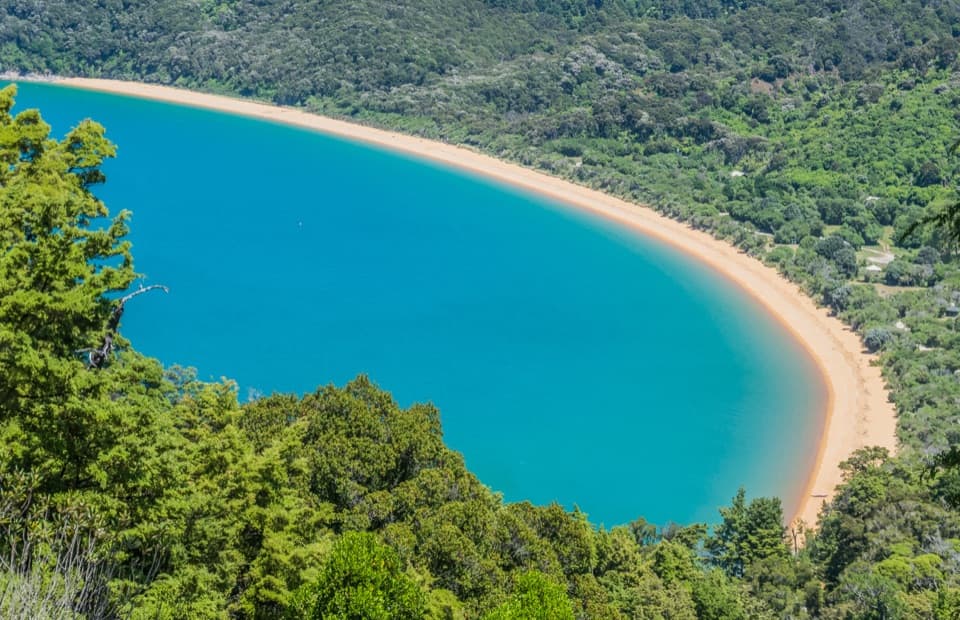
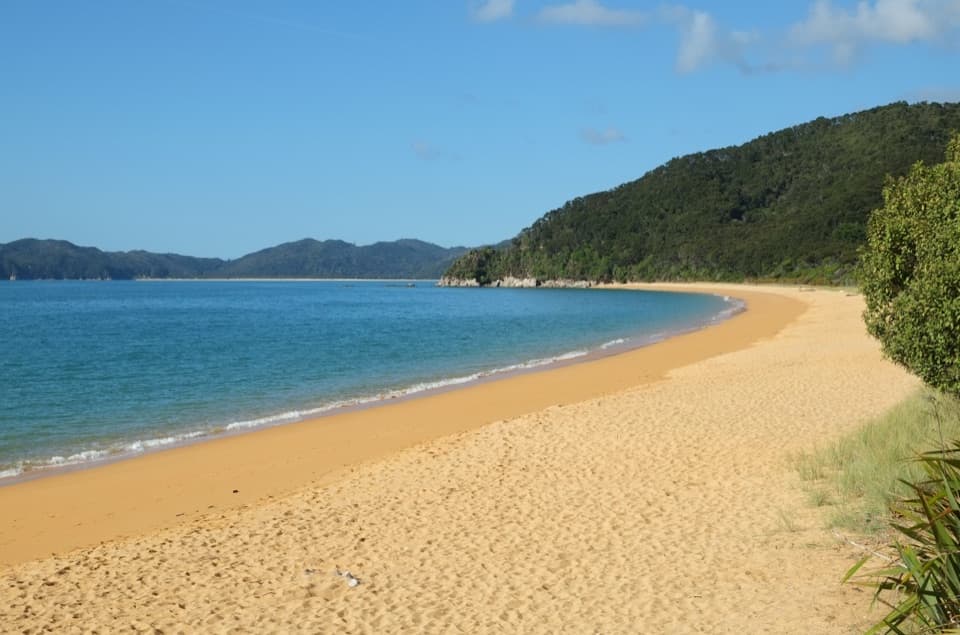
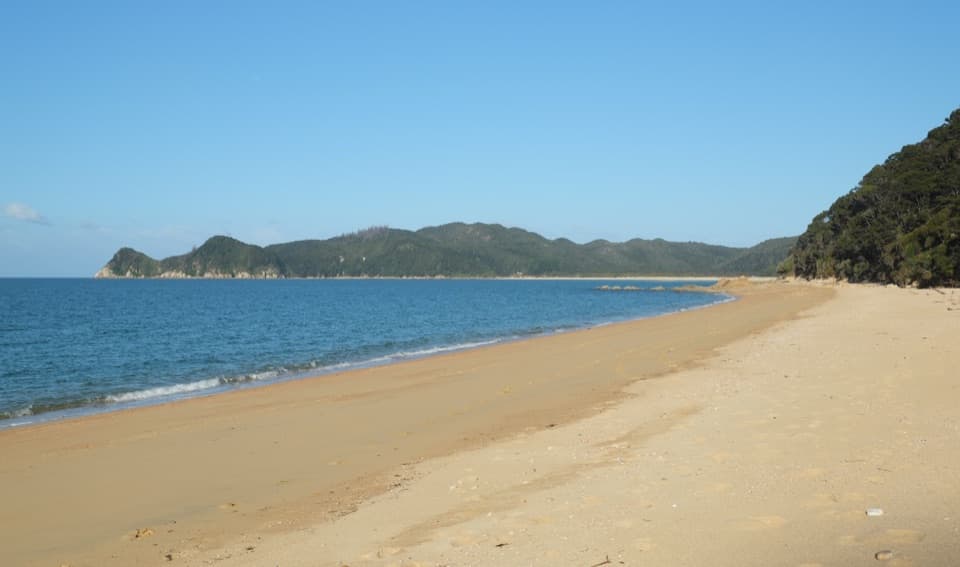
Tōtaranui Beach and Campground“You're coming up on Tōtaranui Beach and Campground, where the long golden beach is just across the road from the main camp.”
Plays as you drive up to Ngarata Homestead in the Parkwolf Abel Tasman Tour Guide.
More stories near here in the app
- The Tide Sets the Walking Day
- The Coughs in the Birdsong
- A Fur Seal's Night Shift
- Pigeon Saddle and Awapoto Hut
- 23 audio storiesacross Abel Tasman’s roads, triggered by GPS as you drive
- Wildlife heatmapsfor Kea, New Zealand Fur Seal, Little Penguin, and 13 more
- Works offlinemaps, 43 trails, 65 places, and audio download before you lose signal
- CarPlay readysimple controls built for the drive
“Fantastic app with many points of information… It’s great to just turn on while you’re driving and it gives you an audio tour of the national Park. We love it!!!!”


Guide
More about Ngarata Homestead
A homestead used by groupsNgarata Homestead is a historic timber house at Tōtaranui, now the main sleeping building of…
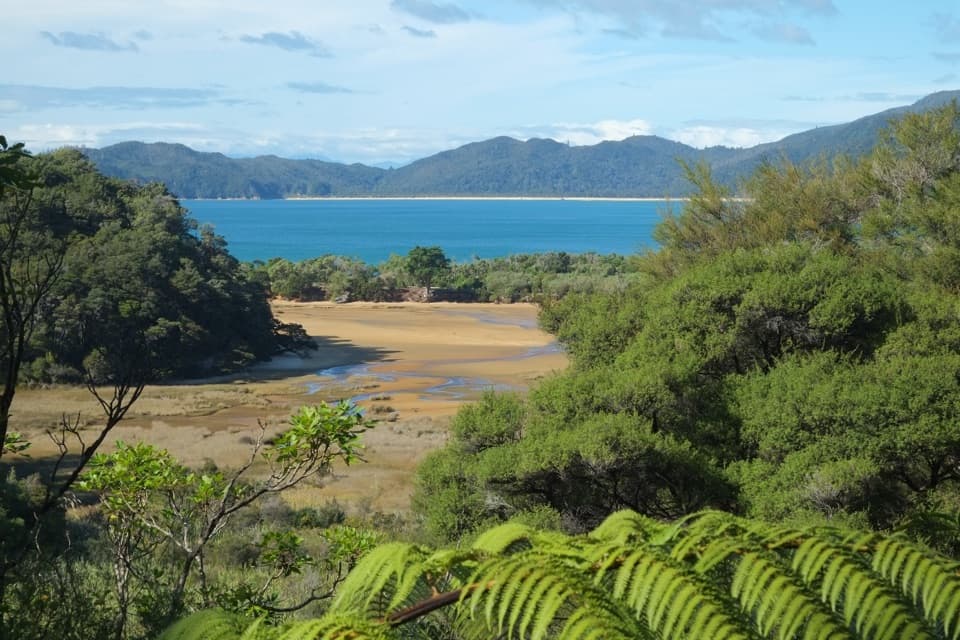
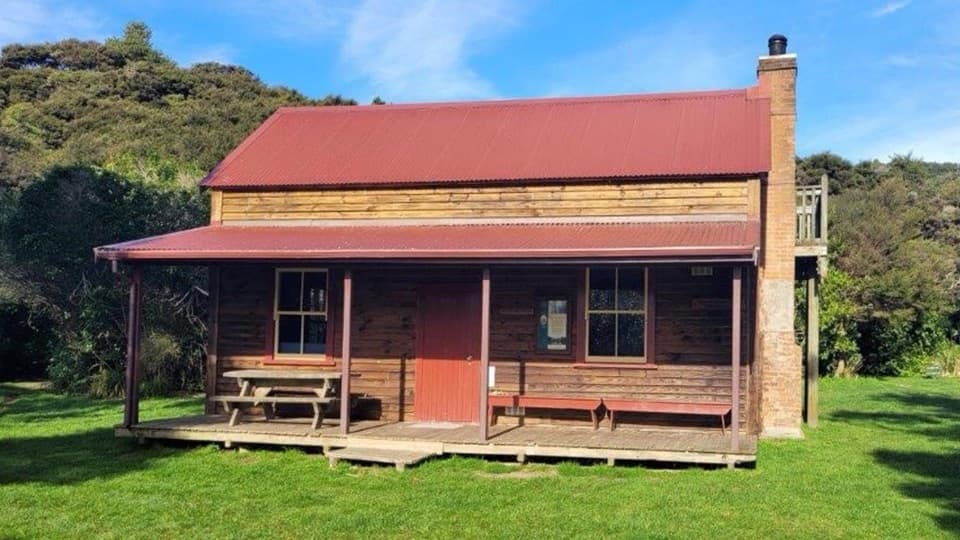
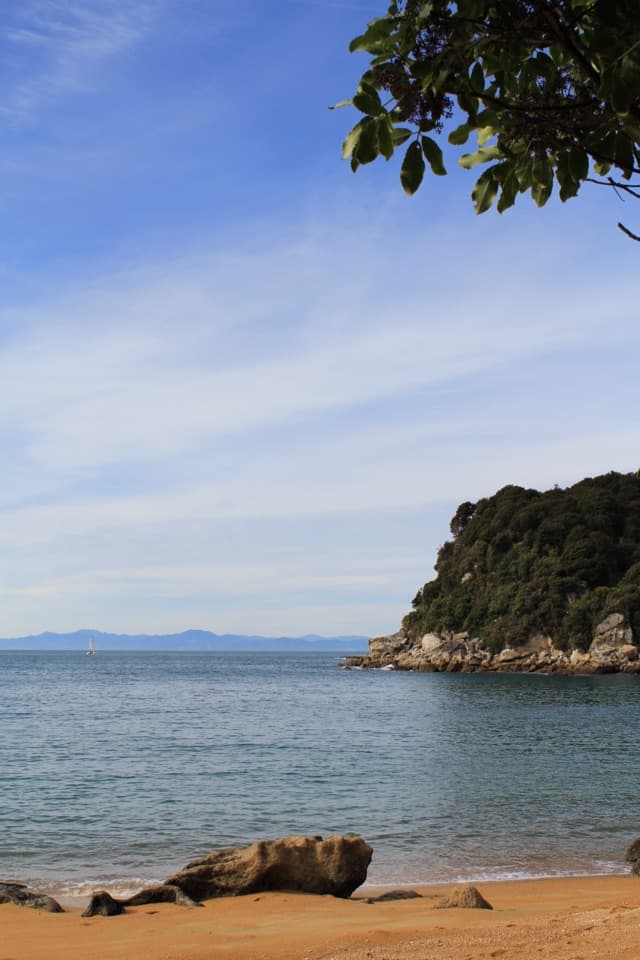
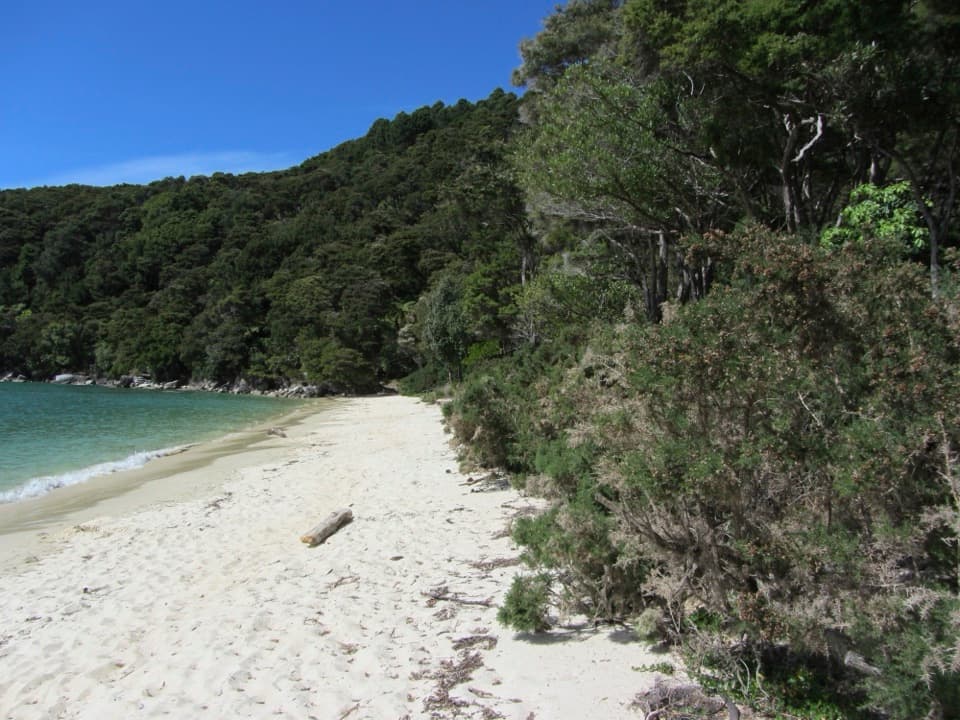
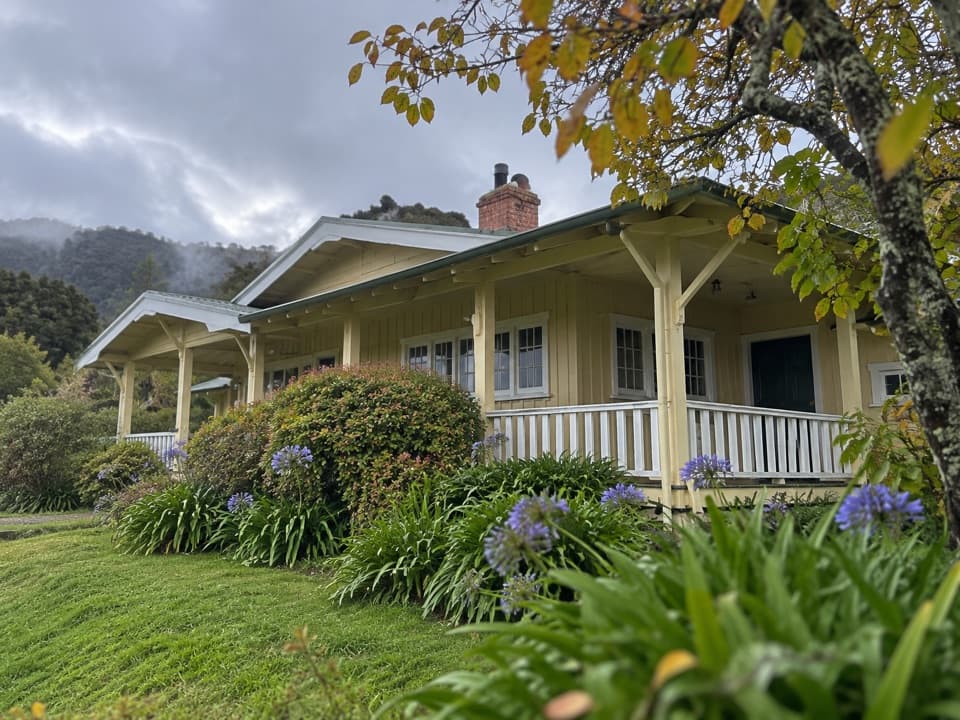
Ngarata Homestead is a historic timber house at Tōtaranui, now the main sleeping building of the education centre. It is a reserved group stay for schools and other groups, not a walk-in museum: the group with the booking has exclusive use. A nature-study trail, estuary, beaches and bush walks nearby make it a base for exploring this part of Abel Tasman.
Staying hereThe house has seven bunkrooms for up to 40, plus a lounge, workroom, laundry and two toilets.
The house has seven bunkrooms for up to 40, plus a lounge, workroom, laundry and two toilets. A separate amenities block has a dining room, showers, toilets, drying room, pantry and a self-catering kitchen with commercial stoves, a coal range, microwave, fridges, freezer and gas barbecue. Wood fires heat the buildings, and firewood is supplied. Boil all water at Tōtaranui and take your rubbish and recycling away; there are no rubbish facilities at the centre. Bring food for the group; this is a self-catering stay.
Reaching TōtaranuiFrom Nelson, the drive takes about two and a half hours via SH6 and SH60 over Tākaka Hill.
From Nelson, the drive takes about two and a half hours via SH6 and SH60 over Tākaka Hill. The last 12 km is narrow, winding and unsealed. Campground gates close overnight and their opening hours vary by season, so plan your arrival before the gate closes. A seasonal bus and water taxis also serve the area.
Built for Herbert PrattWilliam Henry Pratt acquired 272 acres at Tōtaranui in 1892 and added another 100 acres behind…
William Henry Pratt acquired 272 acres at Tōtaranui in 1892 and added another 100 acres behind Anapai in 1893. Ngarata was built for his eldest son Herbert William in 1914, after he married. Local builder Tommy Hunter used locally milled timber in a California bungalow style.
Traces of the farmAfter the farm changed hands in 1920, Charles Pestall Harris enlarged Ngarata and tried to…
After the farm changed hands in 1920, Charles Pestall Harris enlarged Ngarata and tried to reclaim swampy pasture with stopbanks and sluice gates; remnants remain in the swamp and estuary. A water wheel, first built in Pratt's time to run a circular saw, later powered milking equipment and generated electricity for John Cameron. The wheel survives as a relic.
Wildlife
Wildlife in Abel Tasman
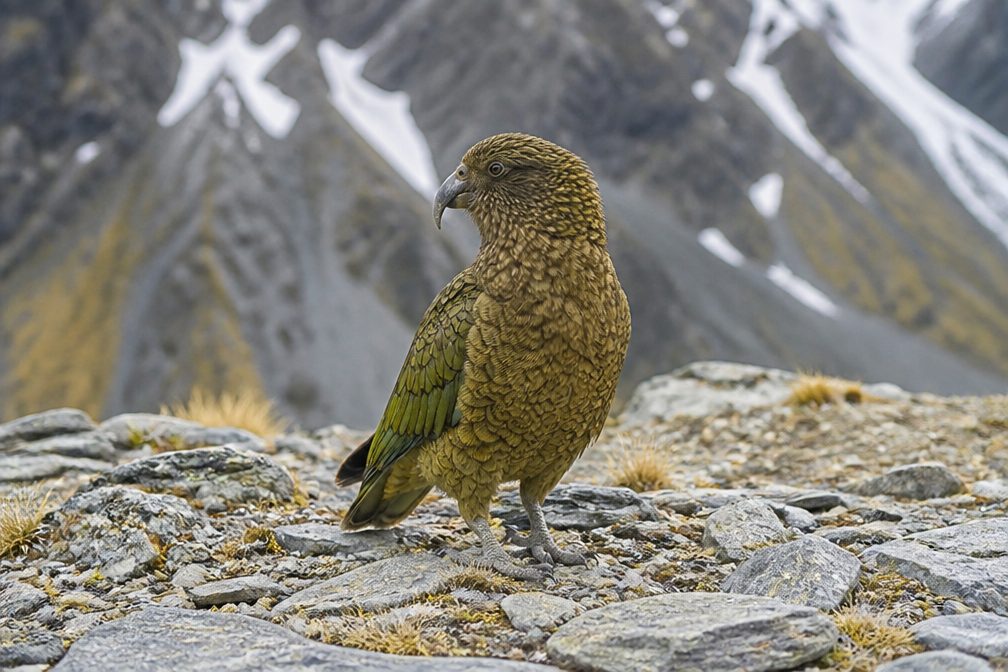 10 sightingsKeaMost seen around 10 AMSighting map
 54 sightingsNew Zealand Fur SealMost seen around 10 AMSighting map
 20 sightingsLittle PenguinMost seen around 9 PMSighting map
 21 sightingsSouth Island KākāMost seen around 5 PMSighting map
 526 sightingsWekaMost seen around 9 AMSighting map
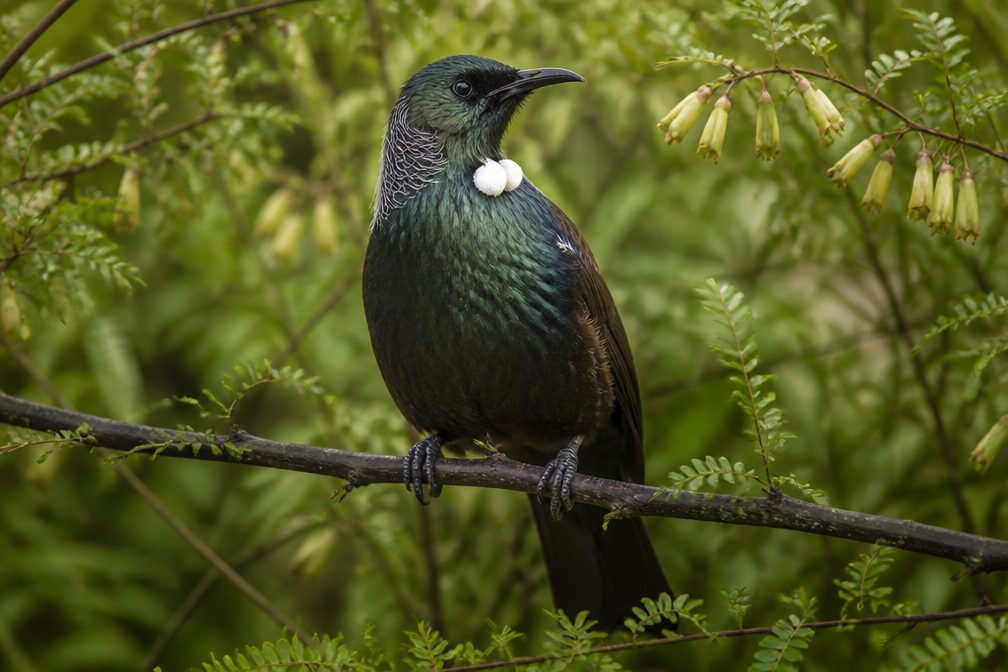 16 sightingsTūīMost seen around 7 AMSighting map
Sighting maps show where each species has been reported across Abel Tasman. Wildlife moves, so no sighting is guaranteed.