Parking
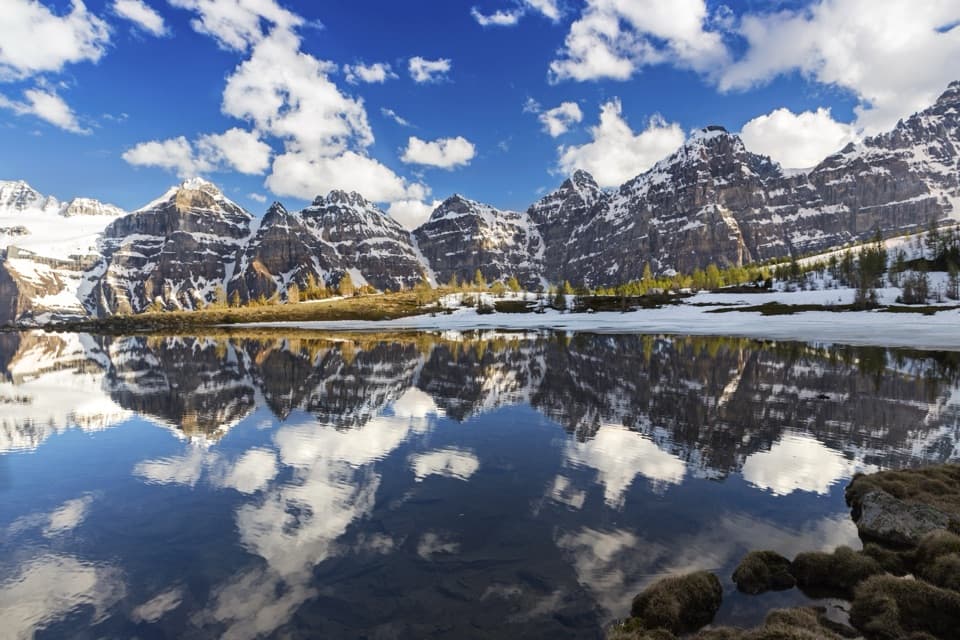
Start at Bow Lake Parking Lot A near Num-Ti-Jah Lodge. The north-shore and Bow Glacier Falls hikes share this busy lot, which fills quickly; parking capacity and fees were not confirmed.
Banff National Park, AB
A rough canyon and moraine approach to a hut beneath the icefield.
Overview
Bow Hut Trail is a 16 km (9.9 mile) out-and-back from Bow Lake to a hut below Bow Glacier, climbing about 400–500 m through forest, canyon, boulder fields and a moraine basin. Allow 4.5–6 hours; the path is rough and the creek crossings can be difficult, so this is a proper backcountry day hike rather than a casual walk. Do it if you want an alpine approach and a close look at the Wapta Icefield. Skip it if you want a predictable path or an easy hut visit. The route ends at the hut and returns the same way; it doesn't include glacier travel.
 Parkwolf’s verdictIs this hike for you?
Map & elevation
Plan your hike
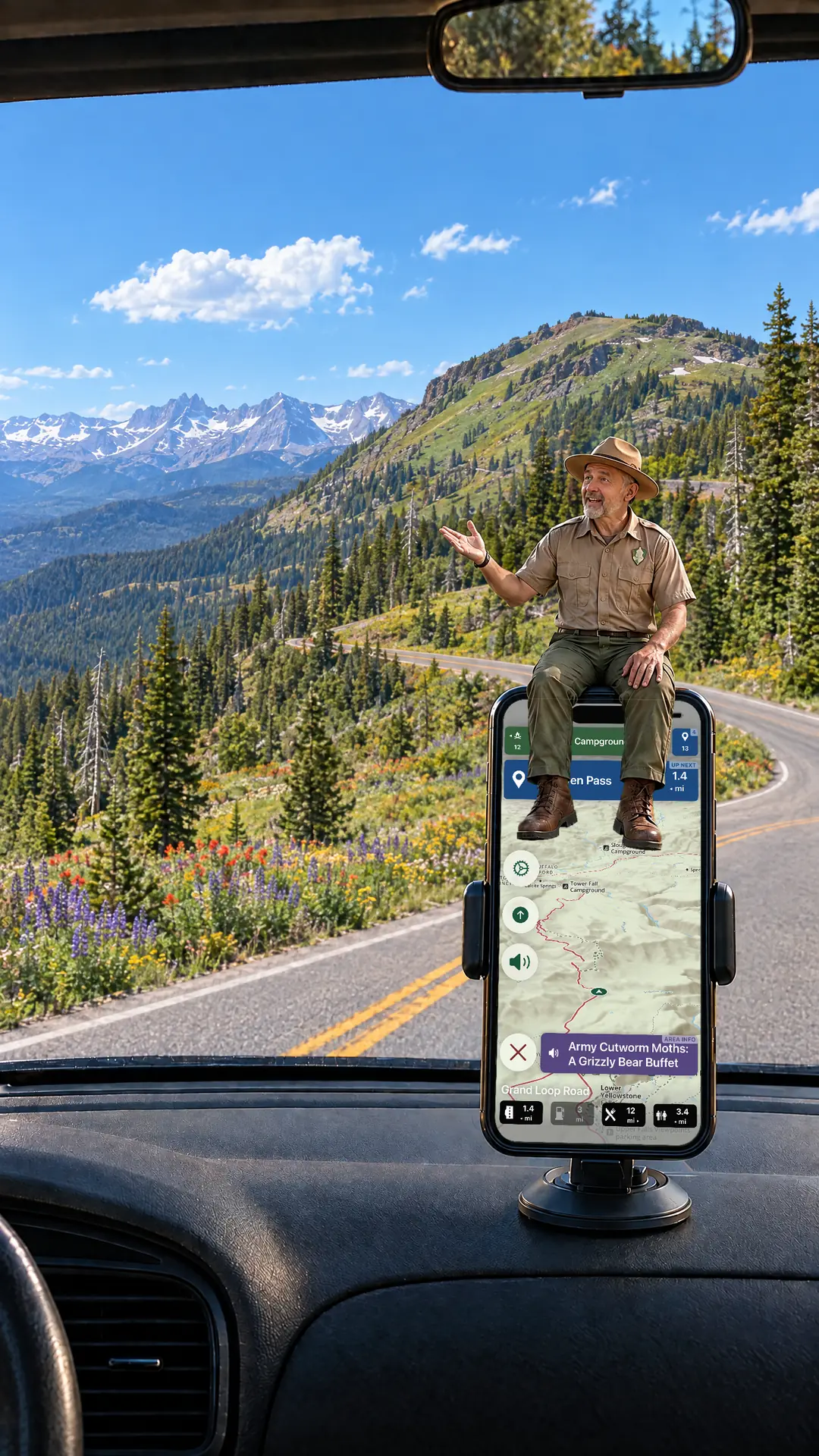
The highest, rockiest slopes around here are a summer buffet for grizzly bears.
Banff Tour Guide
Parkwolf is a GPS audio tour guide for Banff National Park. As you drive, it chimes in with what’s ahead: hidden gems, upcoming stops, history, geology, and wildlife, right through your car’s speakers.
See the Banff audio tourRecorded for this trailhead
Bow Lake: North Shore and a Café Stop“Up ahead is Bow Lake's north-shore access, by The Lodge at Bow Lake. Stop here for turquoise water beneath the mountains without committing to a hike; a short gravel path leads from the public parking to the shore.”
Plays as you drive up to this trailhead in the Parkwolf Banff Tour Guide.
More stories near here in the app
“…Loved the commentary as you drove thru. I’m sure the app can do more than I know but the tips were very helpful. I’m gonna use it when we go to Banff next month.”


Trail guide
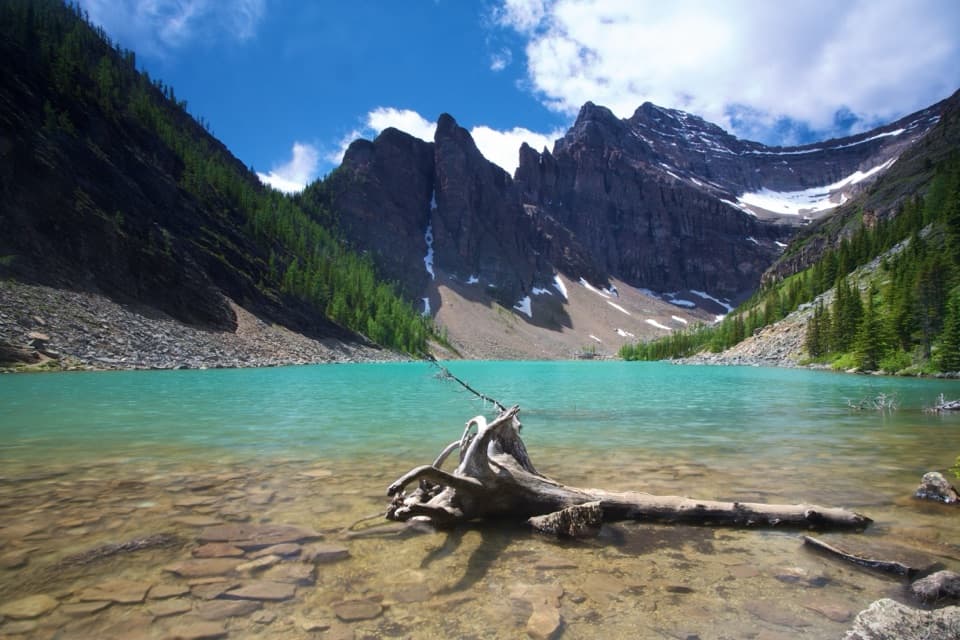
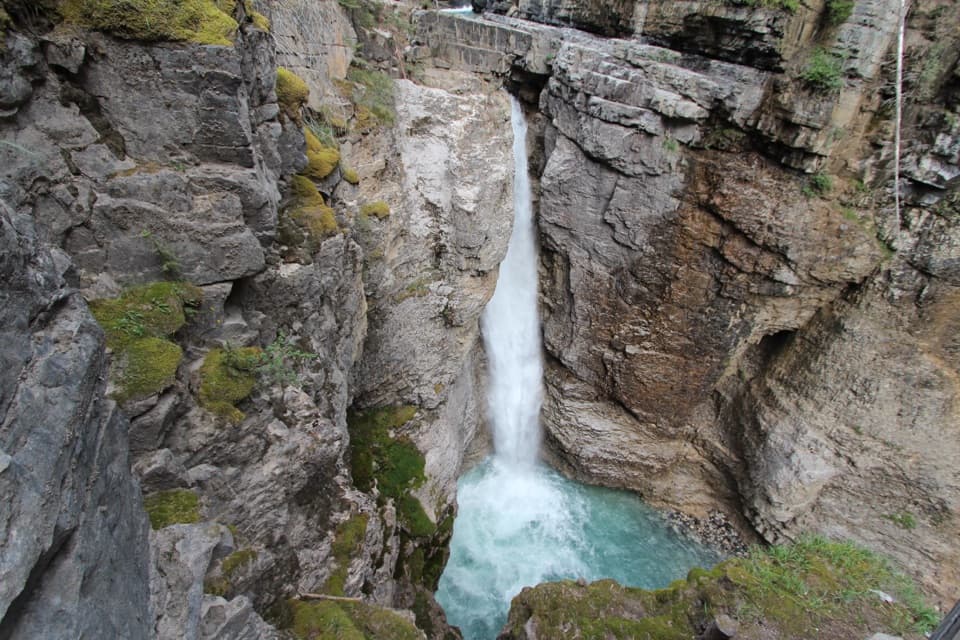
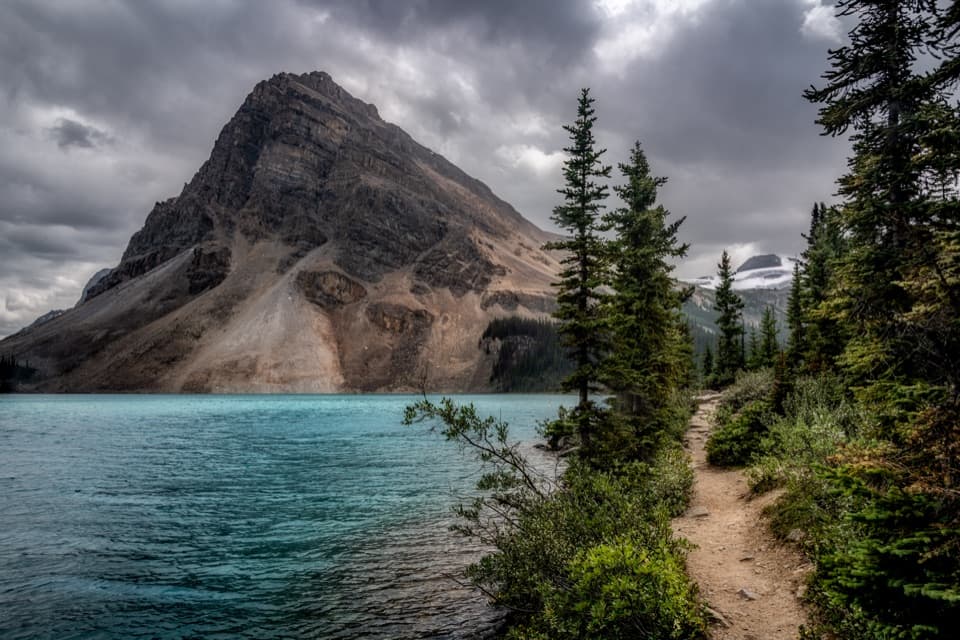
Start from the Bow Lake parking area near Num-Ti-Jah Lodge and follow the rough north-shore trail, with changing views across the water. At the stream entering the lake, climb the marked path beside the canyon and take its first left over a boulder bridge to the east side of the river. The stairs that continue toward Bow Glacier Falls lead to a different hike, so follow the Bow Hut branch here. The parking area is shared with other lake hikes and fills quickly; an early start helps.
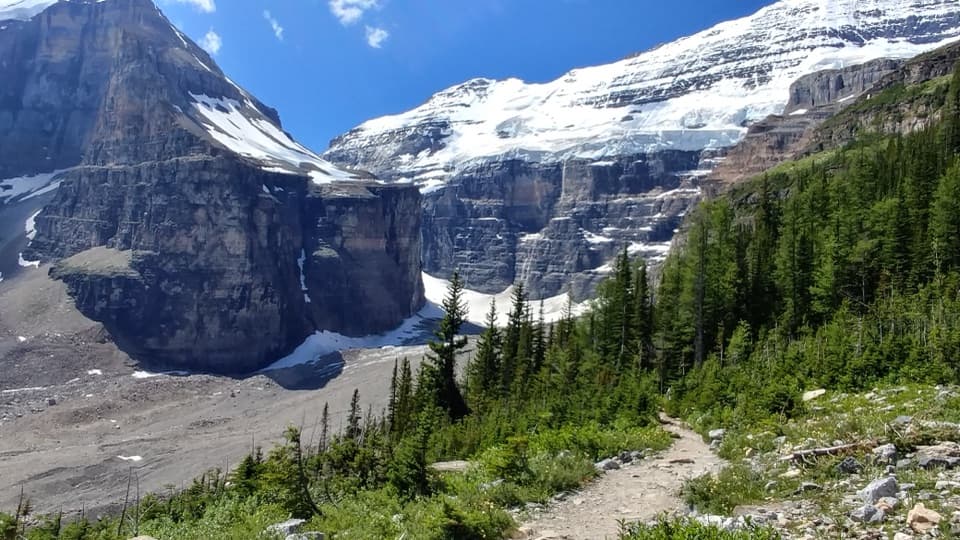
Beyond the bridge, stay on the trail above the east bank, then drop to the streambed and keep left as you head upstream. The path climbs through trees and over boulder fields. In the upper sections, cairns mark a braided route rather than one polished tread, and they're easy to lose among the rubble. Snow can linger, and the creek crossings can be difficult when water is high. Take the cairn line carefully and don't force a crossing that doesn't look safe.
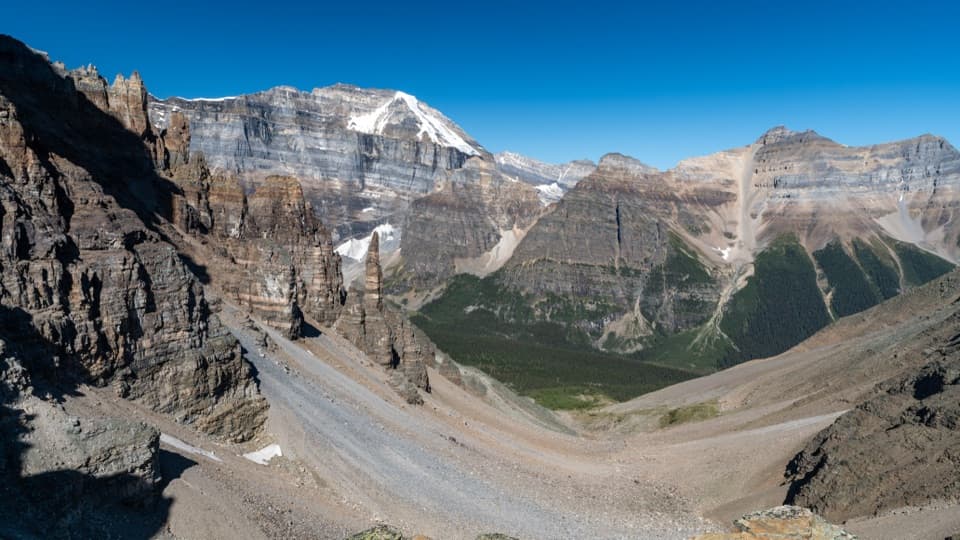
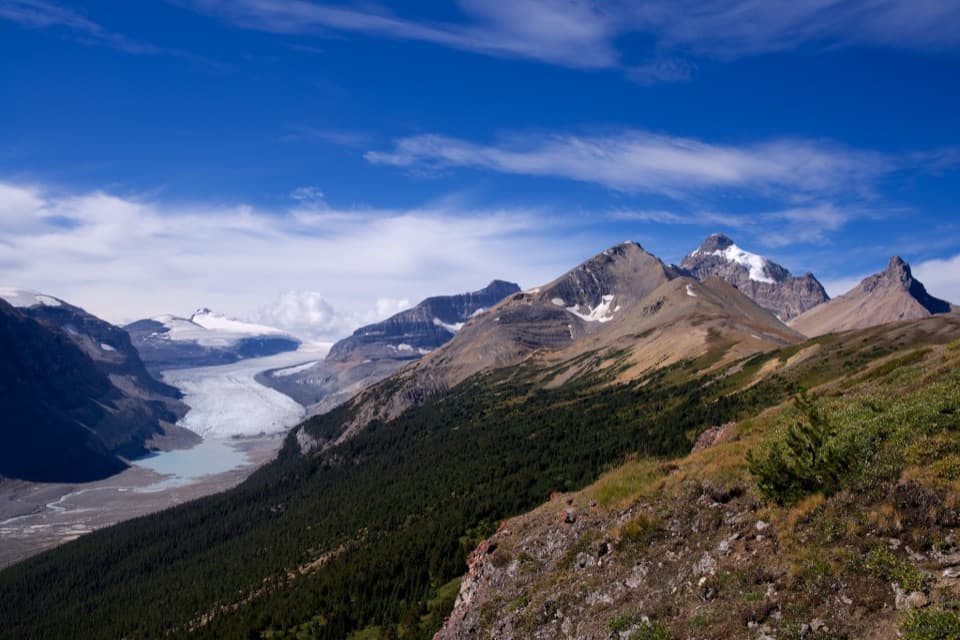
The trees give way to an open, rubble-filled moraine basin beneath a headwall. Bow Glacier fills the far end, and Bow Hut sits on a rock ledge to the right. Follow the cairns across the basin, cross the last creek before the steep final paths, then climb to the hut. From the basin, frame the glacier and hut together; that view shows how far the route has carried you from the lake. The hut is reserved overnight accommodation, not a day-use shelter. Turn around outside unless you have ACC authorization to go in.
The first Bow Hut was built in 1968 to help ski tourers and mountaineers reach the Wapta Icefields from Bow Lake. Peter Fuhrmann started the project, Peter and Catharine Whyte funded it, and Calgary Ski Club and Alpine Club of Canada members helped build it. The original hut later fell into disrepair, with drainage and sanitation problems at its site. A replacement opened in 1989, built with $98,000 raised mainly by the Calgary and Edmonton ACC sections. The hut still serves as a base for longer glacier and mountaineering trips.
The Alpine Club of Canada lists the approach as ATES Class 3 avalanche terrain. This is the summer hiking route; the hut's year-round opening has a separate winter ski approach. Dogs are allowed on Banff summer trails unless a specific restriction applies, and must stay leashed and under control. Don't continue onto the glacier without glacier-travel experience and proper equipment.
Wildlife
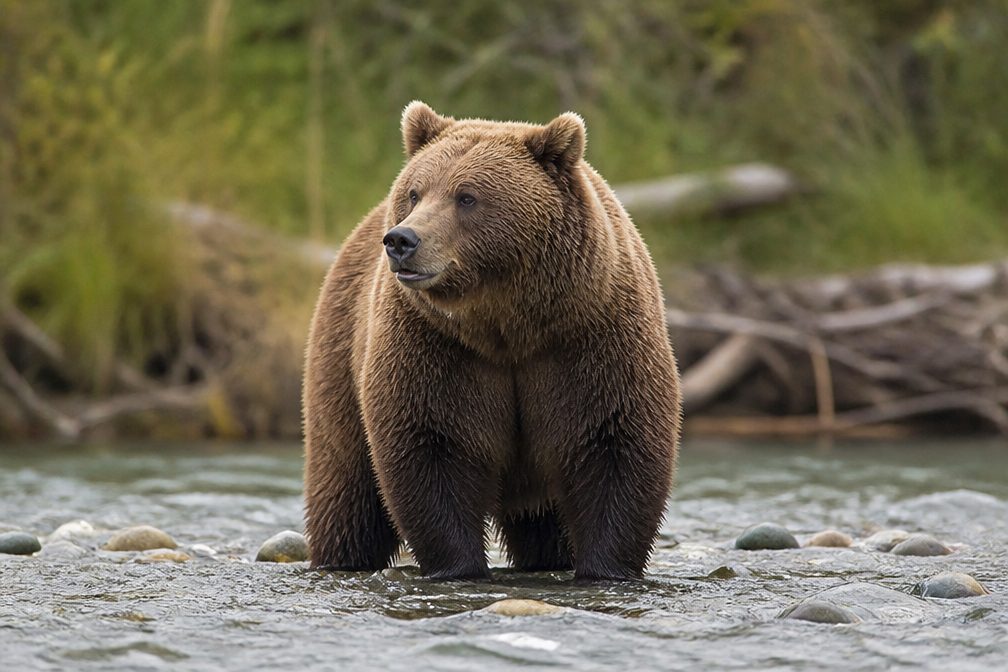 123 sightingsGrizzly BearMost seen around 6 AMSighting map
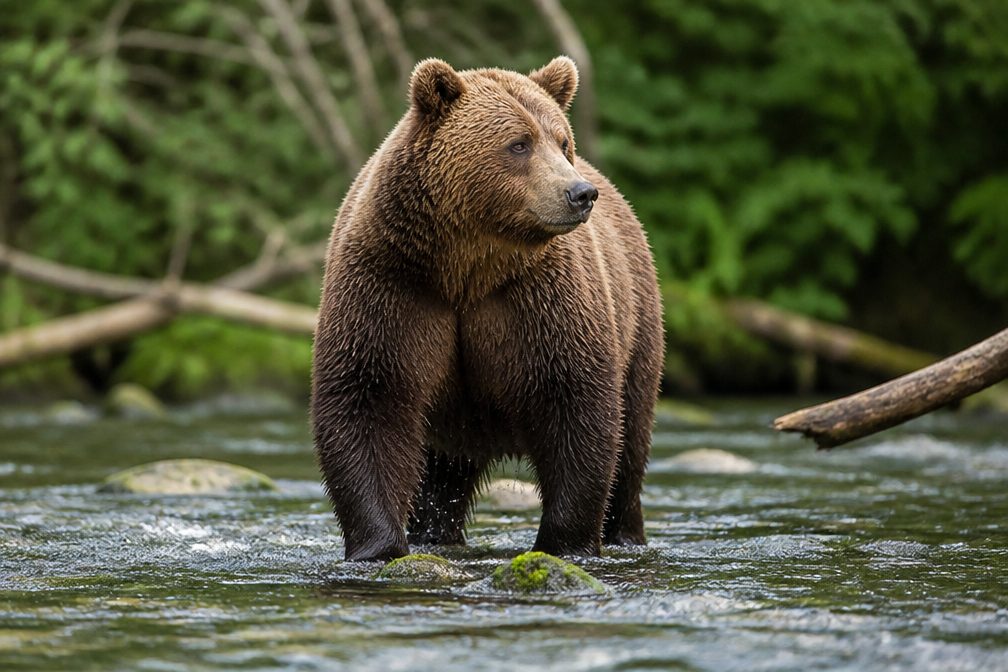 150 sightingsBrown BearMost seen around 6 PMSighting map
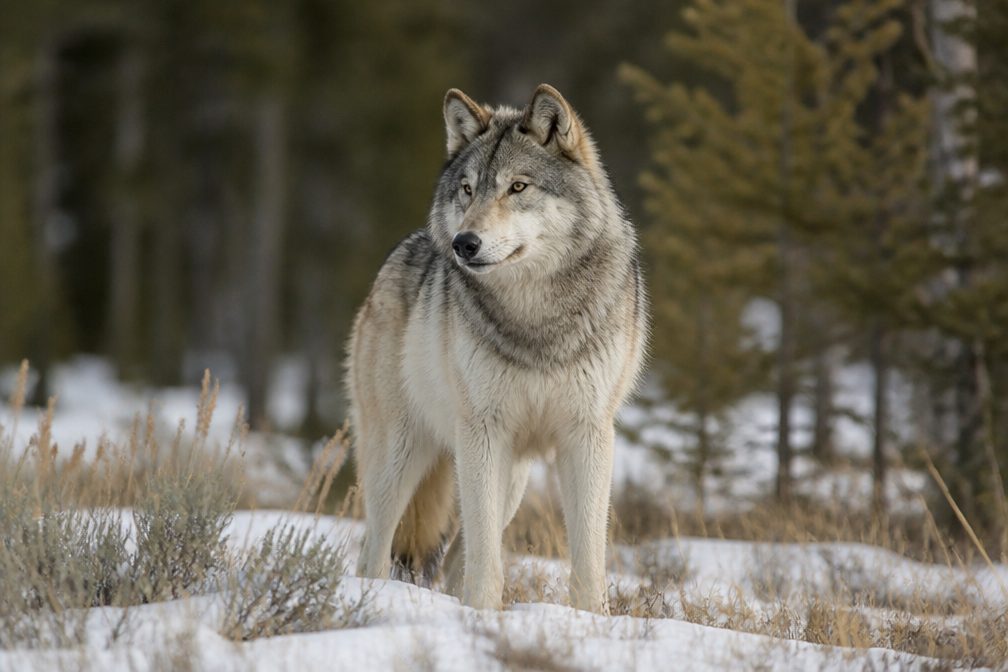 44 sightingsGray WolfMost seen around 6 AMSighting map
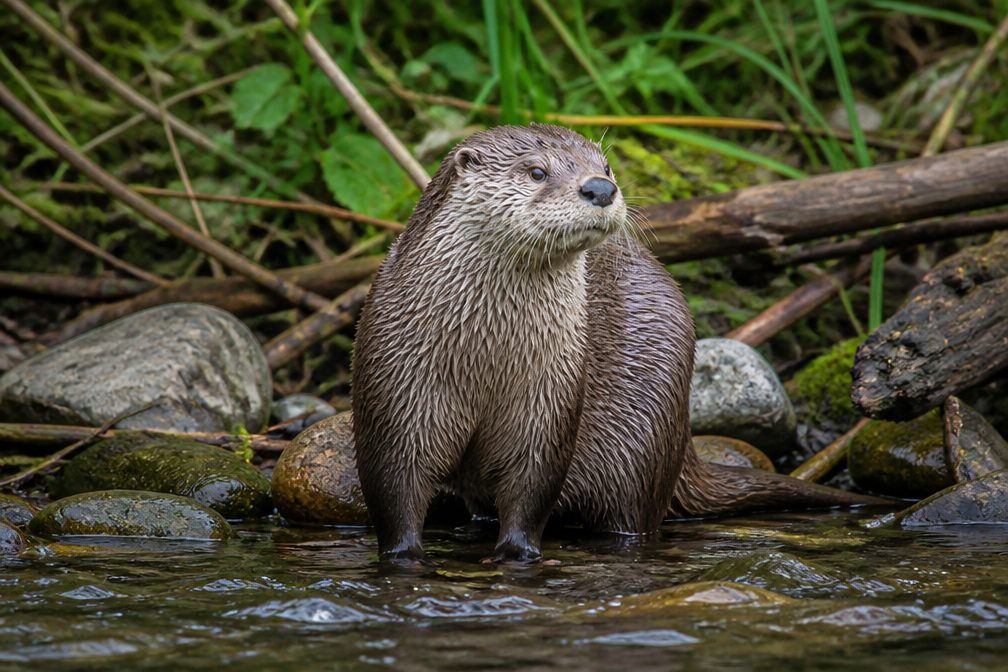 12 sightingsRiver OtterMost seen around 8 PMSighting map
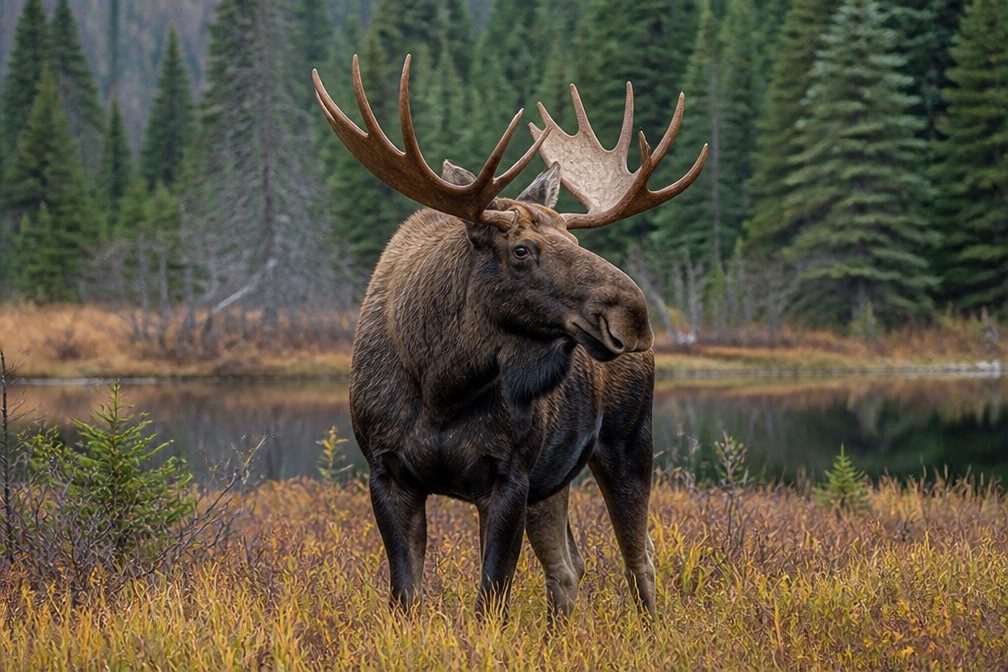 69 sightingsMooseMost seen around 8 PMSighting map
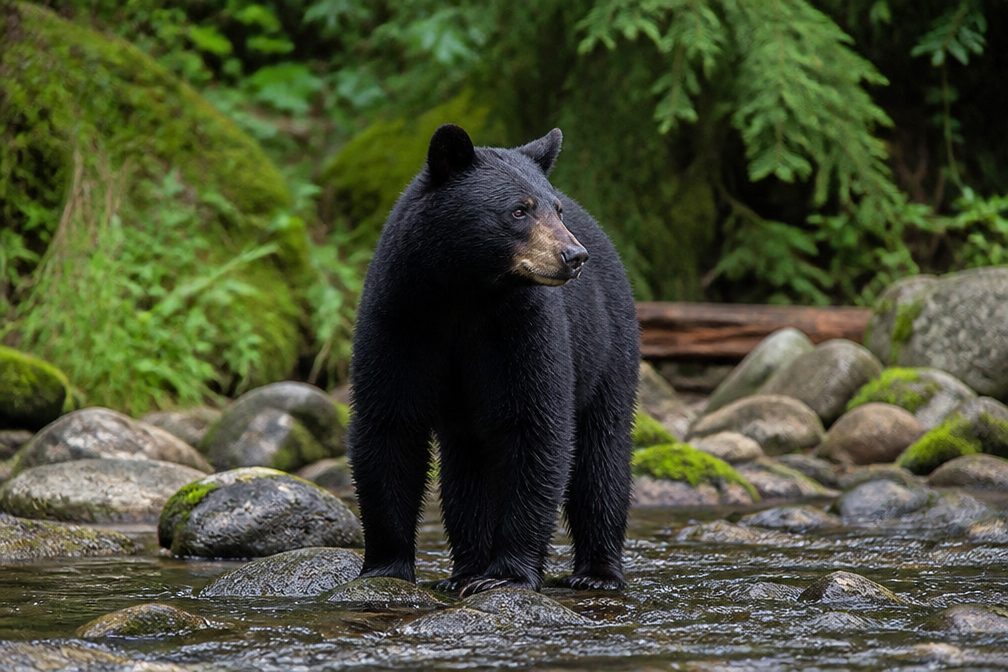 466 sightingsBlack BearMost seen around 9 PMSighting map
Sighting maps show where each species has been reported across Banff. Wildlife moves, so no sighting is guaranteed.
Keep exploring
EasyBow Lake Lakeshore Trail3.4 km · 45 min · At the trailheadA flat shore walk with turquoise water and Crowfoot Glacier in view.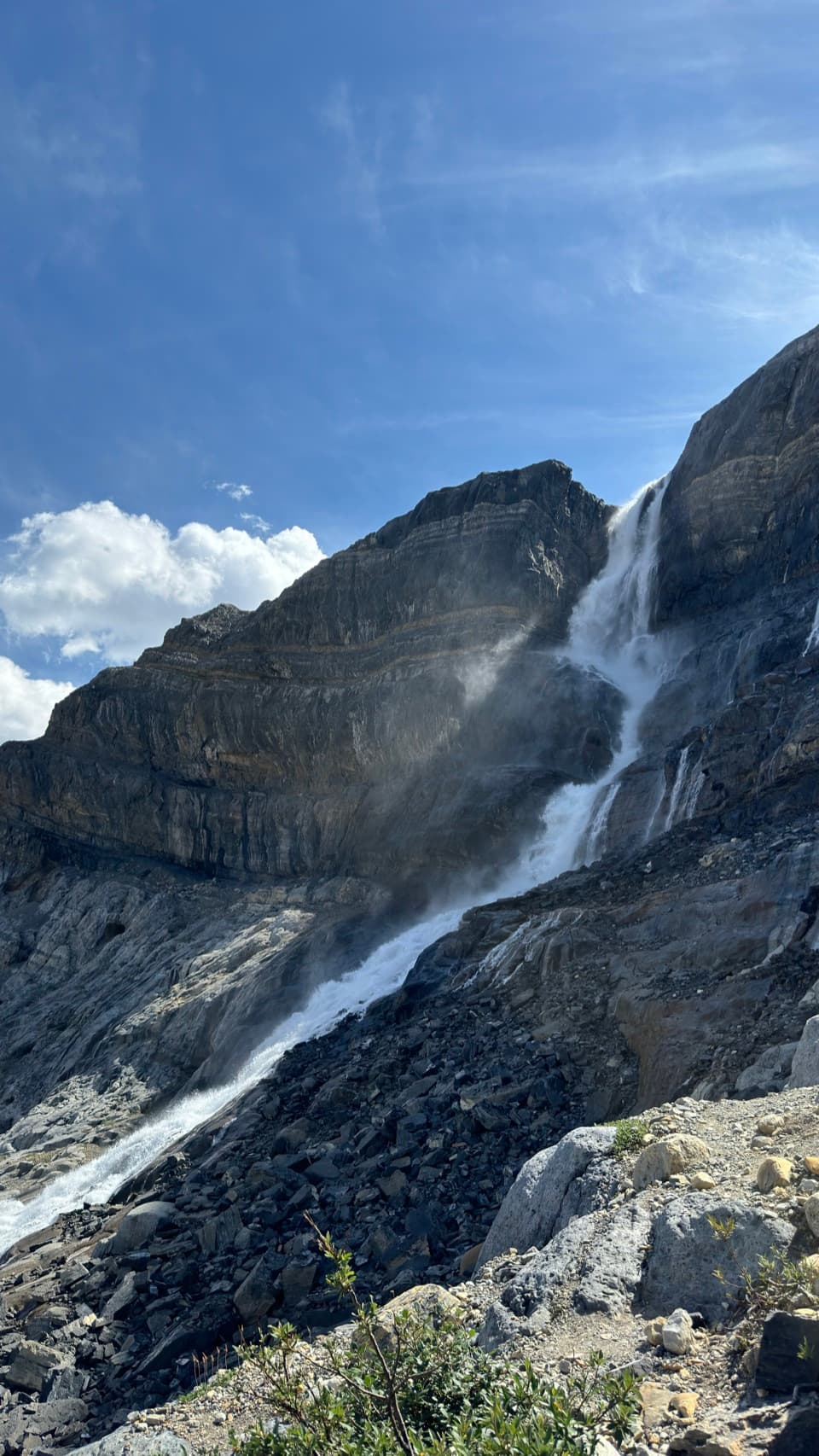 ModerateBow Glacier Falls Trail5.6 km · 2.5 hr · 0.3 km awayLakeshore, gorge, glacier water, and a waterfall view from the marked end.
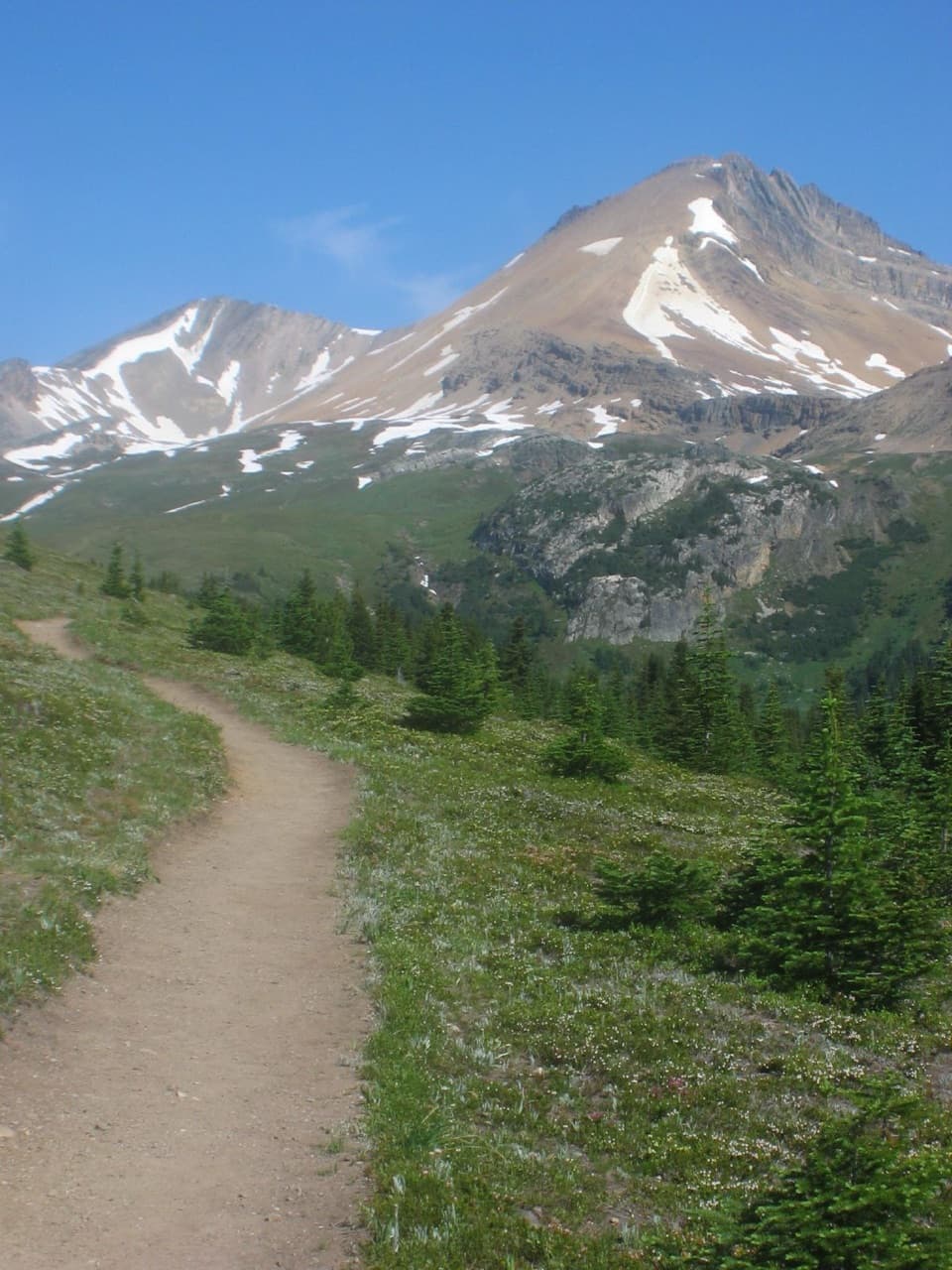 ModerateHelen Lake Trail11.7 km · 4.5 hr · 2.4 km awayA rooty climb earns glacier views before a modest alpine lake.
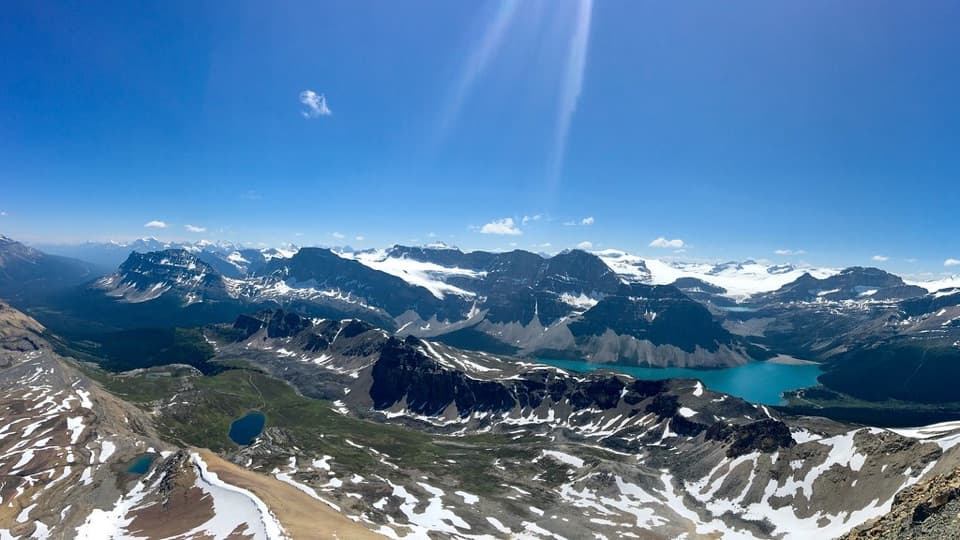 ChallengingCirque Peak Trail via Helen Lake16.3 km · 6.5 hr · 2.4 km awayA hands-on summit above Bow Lake and the Wapta Icefield.
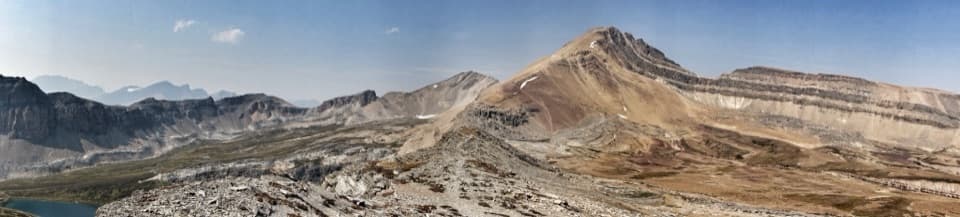 ChallengingDolomite Pass Trail17.8 km · 6.5 hr · 2.4 km awayBeyond Helen Lake, alpine meadows lead to an unmarked pass.
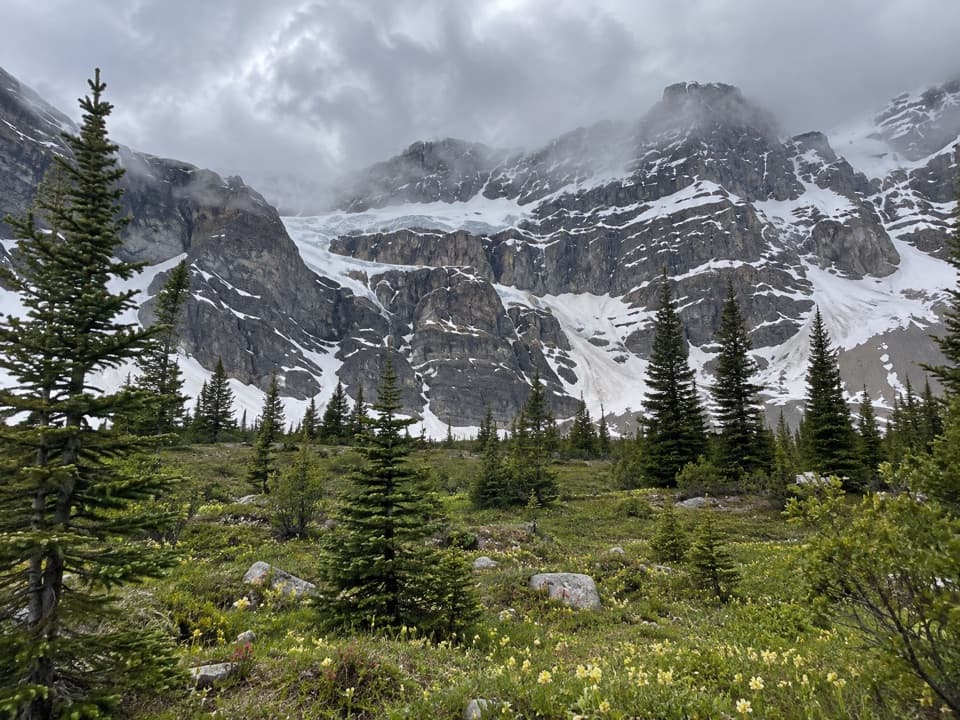 ChallengingCrowfoot Pass and Balfour Viewpoint Trail15.4 km · 6 hr · 3.5 km awayA cold ford, a broad pass, and a waterfall view.
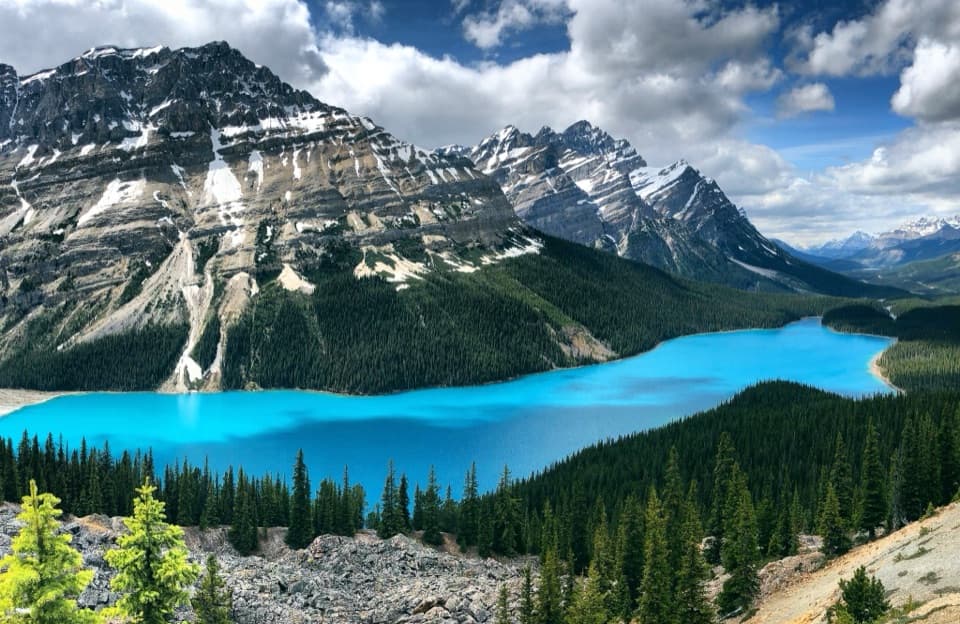 EasyPeyto Lake Lookout Trail1.2 km · 30 min · 4.9 km awayA quick uphill walk to a bright lake framed by rugged mountains.
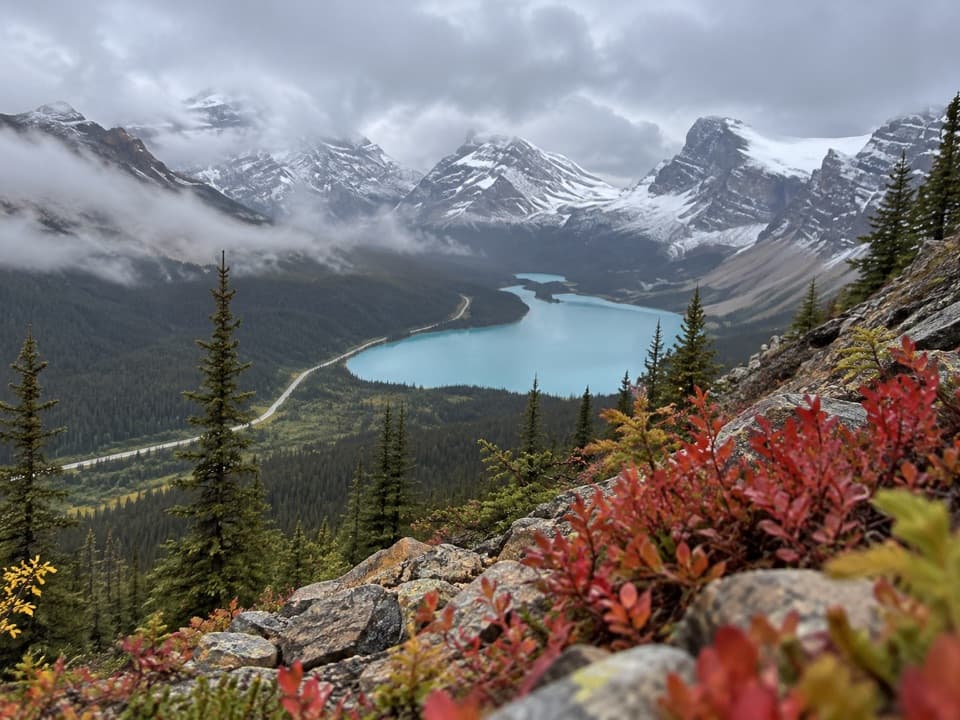 ModerateBow Summit Viewpoint Trail6.4 km · 2.5 hr · 4.9 km awayGo beyond Peyto’s busy platform for a Bow Lake view.
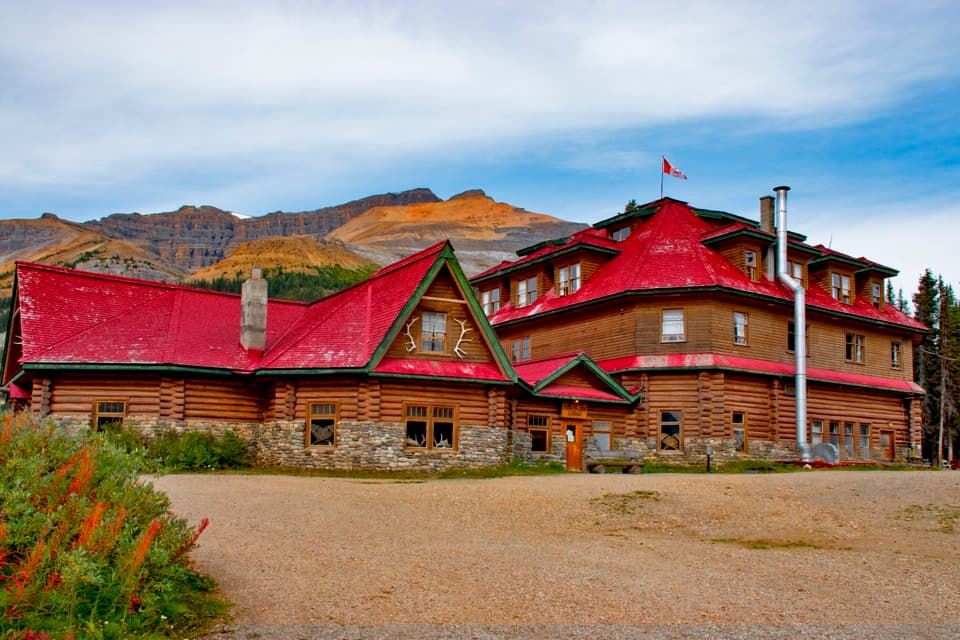 Lodging · 0.2 km awayThe Lodge at Bow LakeStay beside Bow Lake in a storied Icefields Parkway lodge.
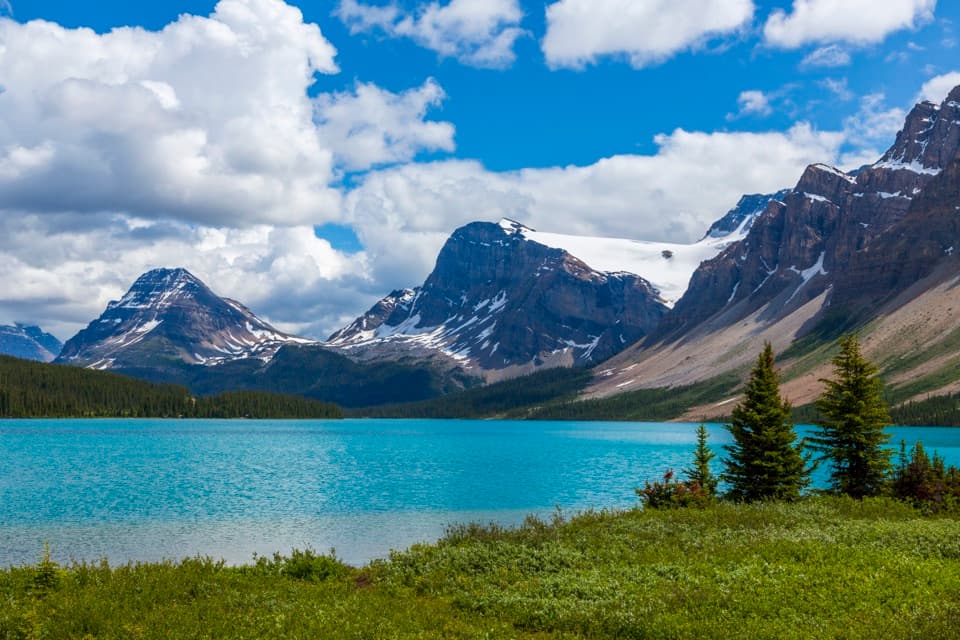 Sight · 0.4 km awayBow LakeTurquoise water and glacier views, just off the Icefields Parkway.
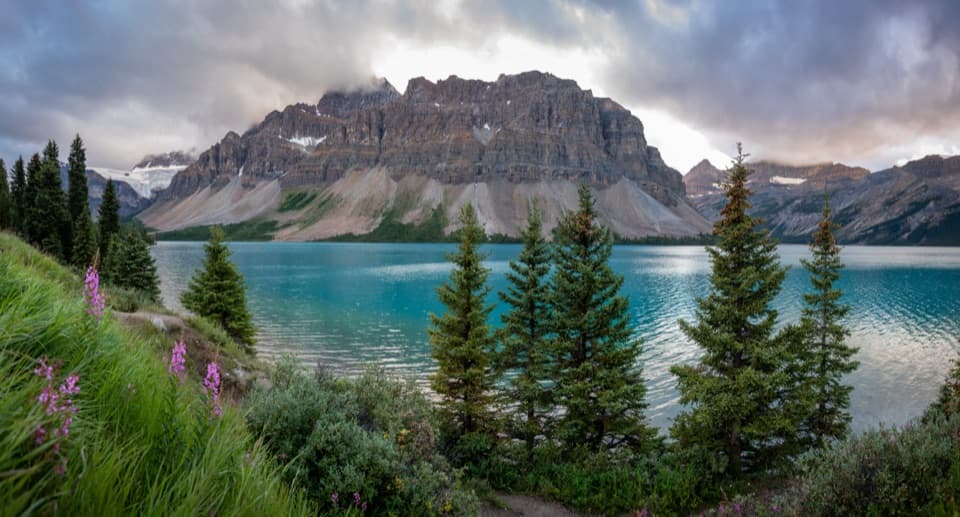 Picnic area · 1.2 km awayBow Lake Picnic SiteA quick pullout for clear lake water and high mountain views.
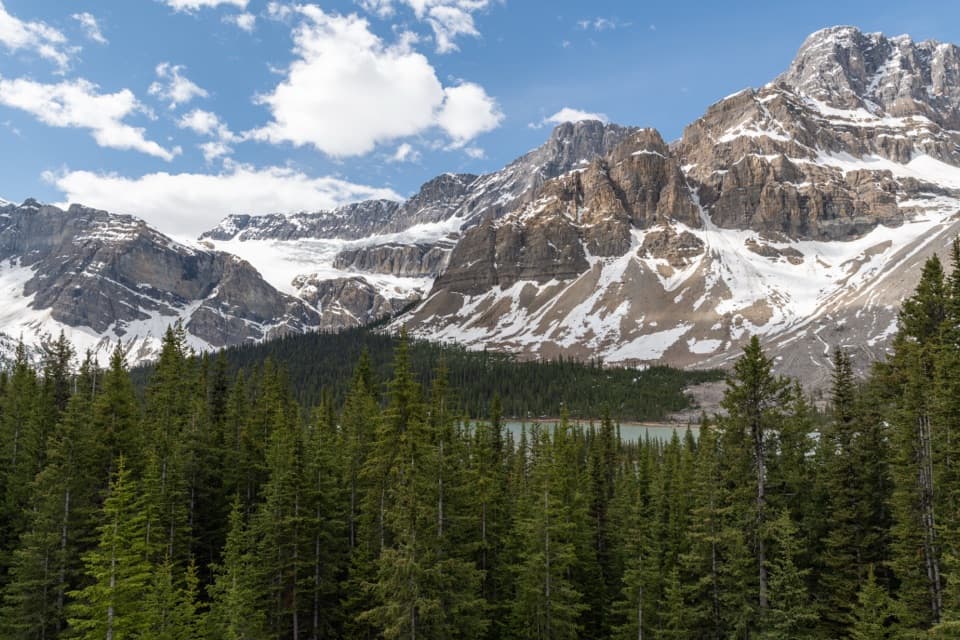 Sight · 2.5 km awayCrowfoot Glacier ViewpointA quick glacier stop with the story of its missing toe.Sight · 3.7 km awayBow Glacier FallsA waterfall in the rocky basin where the Bow River begins.
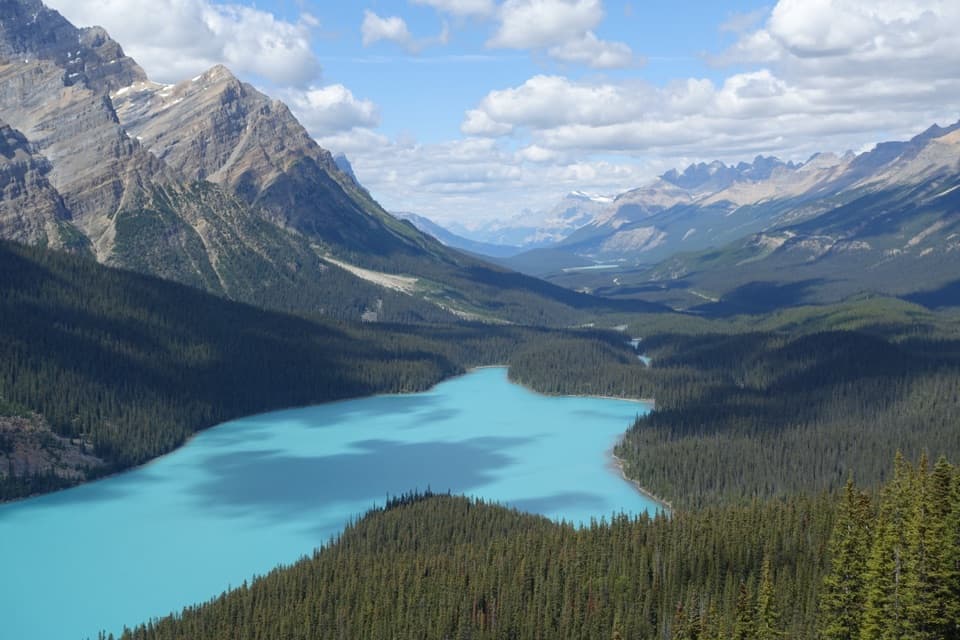 Sight · 5.2 km awayPeyto Lake ViewpointA short climb opens onto a wolf-shaped lake in the peaks.
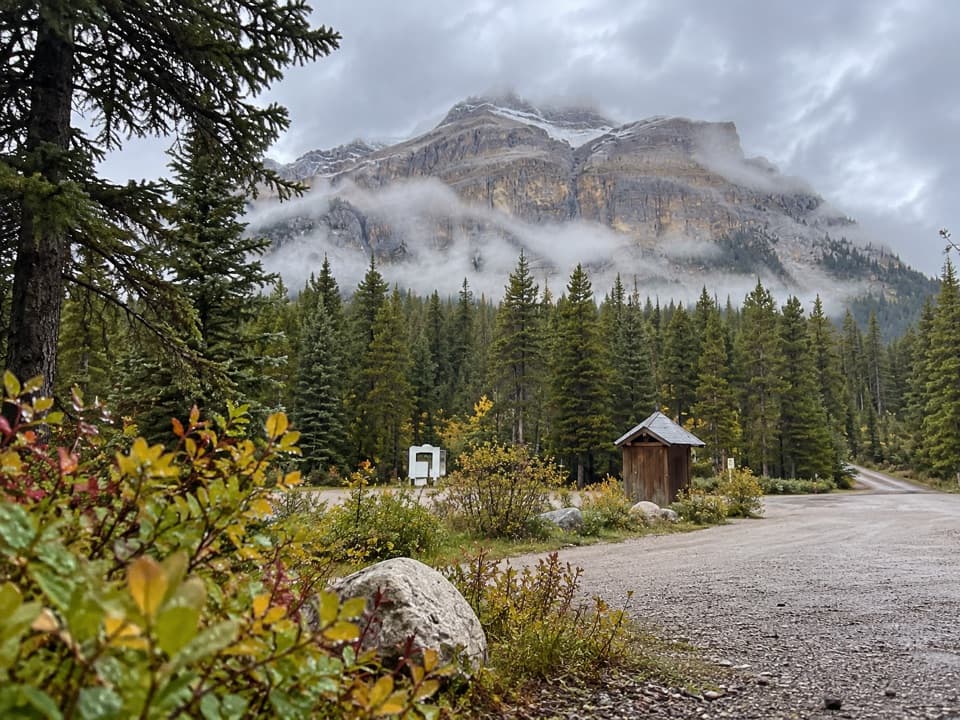 Campground · 10.7 km awayMosquito Creek CampgroundCreekside sites and mountain views at a basic Parkway campground.
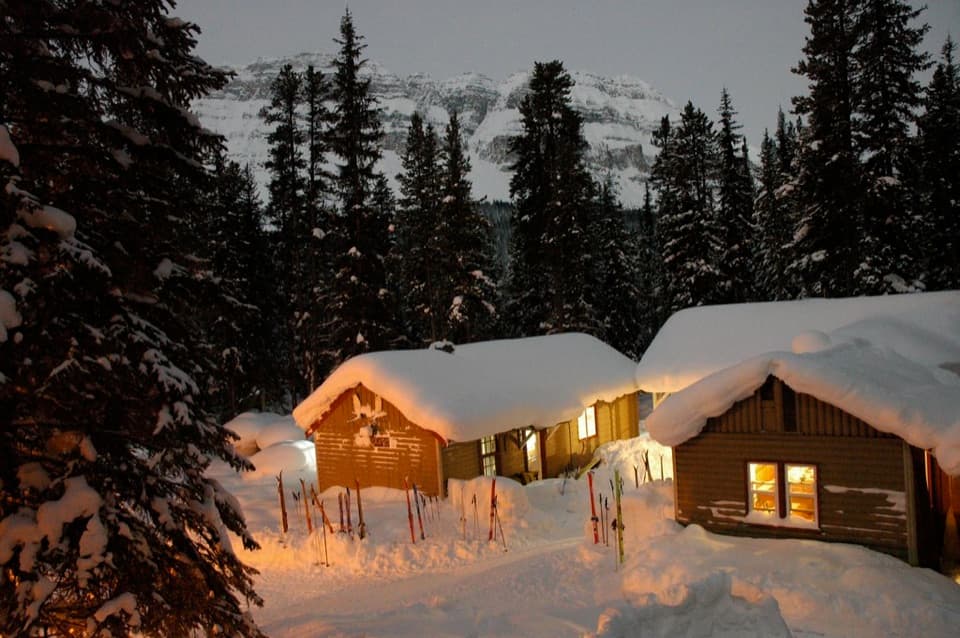 Lodging · 10.8 km awayHI Mosquito Creek Wilderness HostelA remote base with a sauna and trails just outside.
Parkwolf’s Banff ranking
The audio tour guide for the drive, plus offline maps, trails, and wildlife heatmaps for when the signal drops.