Parking
Use the Bryce Point parking area and follow the Hat Shop/Under-the-Rim signs near the overlook. Parking capacity and overflow details were not found.

Bryce Canyon National Park, UT
A steep descent to gray-capped hoodoos, then the climb back.
Overview
Map & elevation
Plan your hike
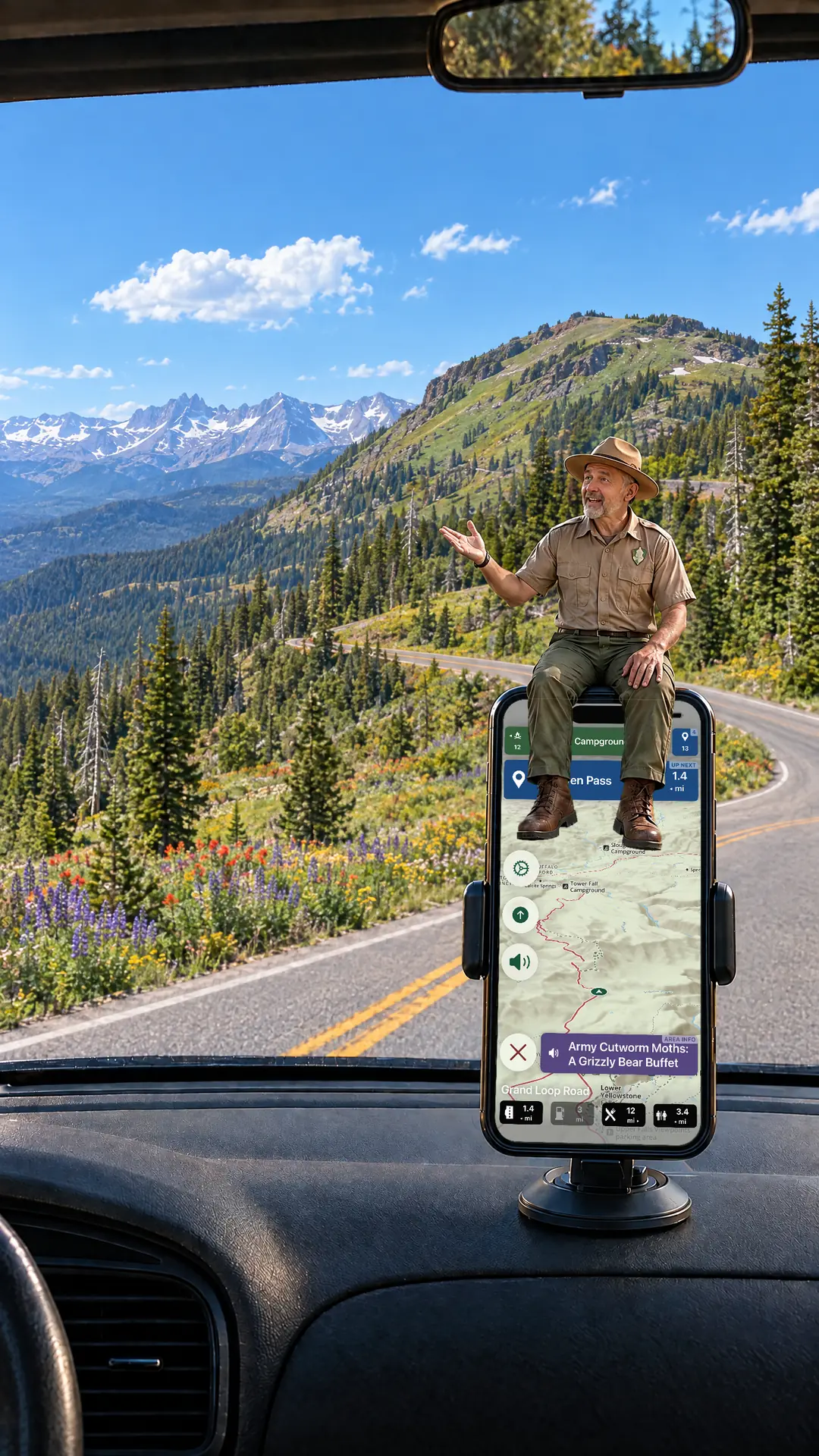
The highest, rockiest slopes around here are a summer buffet for grizzly bears.
Bryce Canyon Tour Guide
Parkwolf is a GPS audio tour guide for Bryce Canyon National Park. As you drive, it chimes in with what’s ahead: hidden gems, upcoming stops, history, geology, and wildlife, right through your car’s speakers.
See the Bryce Canyon audio tourRecorded for this trailhead
Bryce Point: The Whole Amphitheater“You're approaching Bryce Point, where you can look across the whole hoodoo-filled amphitheater. Keep this stop if you want to see how the rows of towers fit together.”
Plays as you drive up to this trailhead in the Parkwolf Bryce Canyon Tour Guide.
More stories near here in the app
“Super fun and useful app! We especially enjoyed the guide as we drove through Bryce Canyon National Park.”


Trail guide
Hat Shop Trail is a 4-mile out-and-back from Bryce Point to orange hoodoos capped by gray boulders, following the first two miles of Under-the-Rim Trail each way. The National Park Service rates it strenuous and allows 3–4 hours. Choose it for a demanding trip below the rim and an unusual rock cluster; this isn't the easy way to see Bryce's hoodoos. Reservations aren't required, and pets aren't allowed.
The signed route drops from Bryce Point into the backcountry. About 0.1 mile in, take the right branch for Hat Shop and Under-the-Rim; the left heads toward Peekaboo. The descent starts fairly gently, then gets steeper among the formations. Views open toward the colorful cliffs of the Grand Staircase, and the route passes through forest before a short, steep climb to the Hat Shop.
At the turnaround, narrow orange pinnacles hold large gray boulders. The harder caps wear away more slowly than the softer rock beneath them, leaving the hoodoos with their distinctive hats. From the upper slope, you can see the cluster below; at the destination, frame the gray caps against Bryce's cliffs. A route account notes that early morning gives the formations their best light.
Turn around at Hat Shop and retrace the same trail to Bryce Point. Under-the-Rim continues farther south, so carrying on changes this outing into a different backcountry route. The return climbs steadily after the descent, and Bryce Point is above 8,000 feet. Published elevation-change figures differ, so plan for the strenuous effort rather than a precise gain.
Begin at the Bryce Point parking area and follow the Hat Shop/Under-the-Rim signs near the overlook. No water source is documented on the route. The NPS listing says no reservation is required and pets are not allowed.
Wildlife
 15 sightingsWapitiMost seen around 6 AMSighting map
 51 sightingsUtah Prairie DogMost seen around 9 AMSighting map
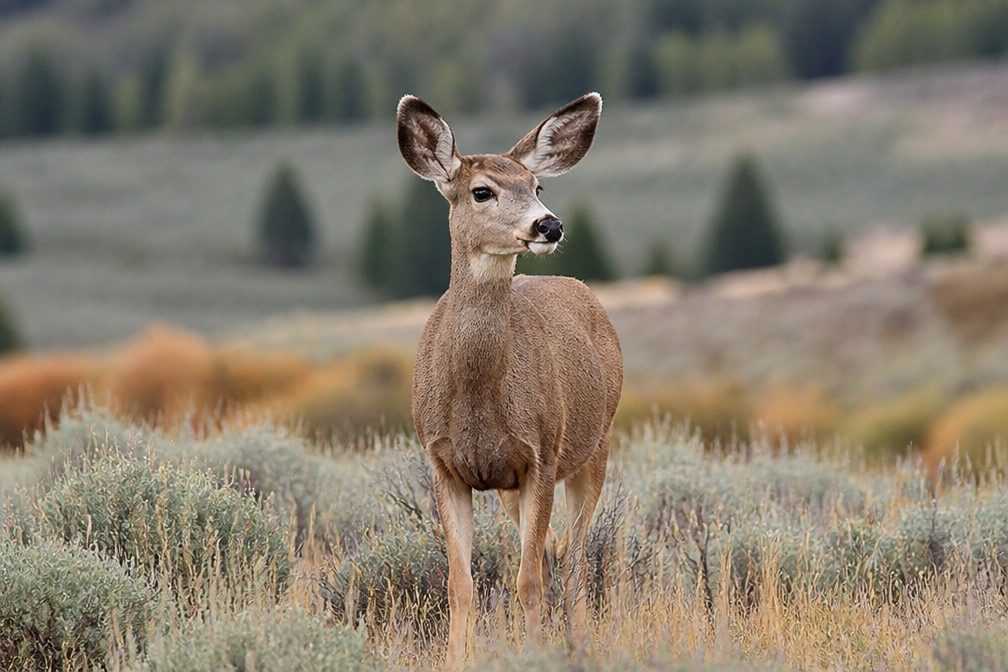 334 sightingsMule DeerMost seen around 7 AMSighting map
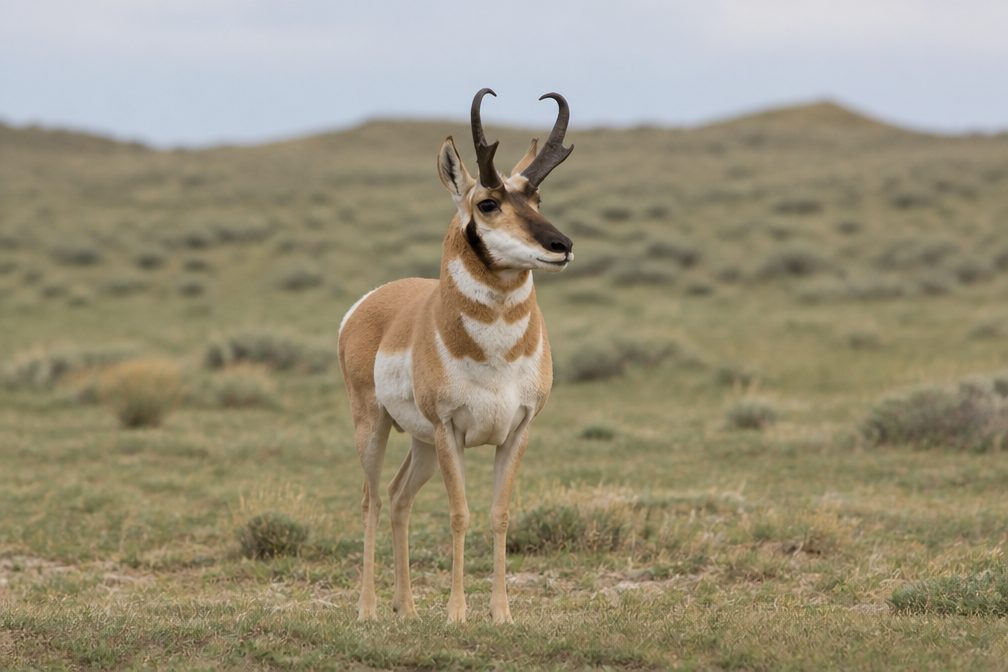 120 sightingsPronghornMost seen around 6 PMSighting map
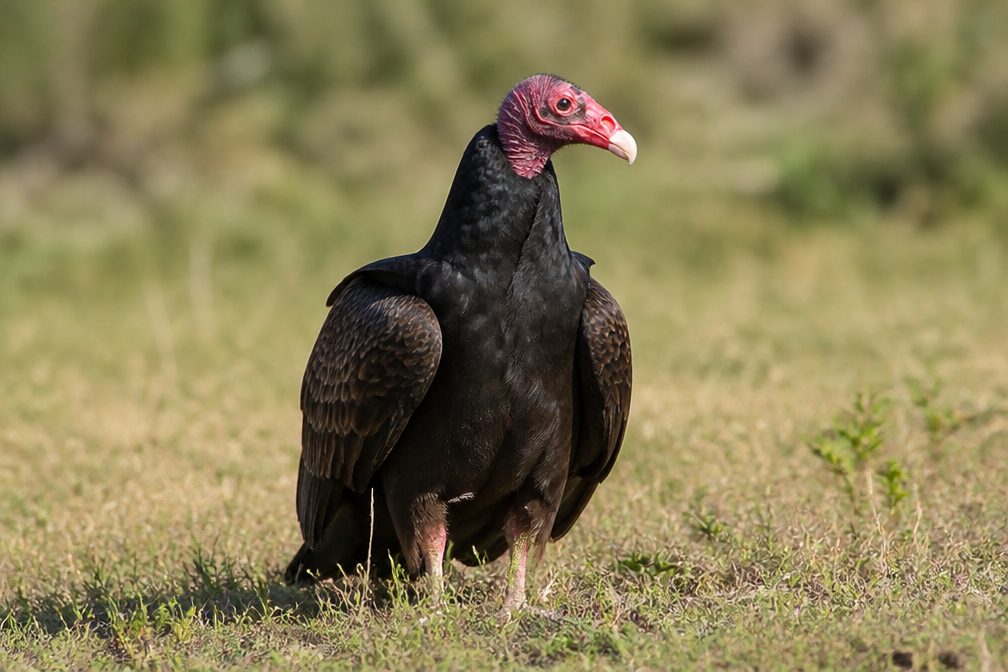 41 sightingsTurkey VultureMost seen around noonSighting map
 44 sightingsWild TurkeyMost seen around 7 AMSighting map
Sighting maps show where each species has been reported across Bryce Canyon. Wildlife moves, so no sighting is guaranteed.
Keep exploring
 ChallengingBryce Amphitheater Traverse4.7 mi · 3.5 hr · At the trailheadA hoodoo descent, a clockwise trail stretch, and a steep rim climb.
 ModerateThe Rim Trail5.5 mi · 3.5 hr · At the trailheadFive and a half rim miles link Bryce Amphitheater’s big overlooks.
 ChallengingPeekaboo Loop Trail5.5 mi · 3.5 hr · At the trailheadWall of Windows close up; a 1,560-foot climb back to the rim.
 ModerateNavajo Loop Trail1.3 mi · 1.5 hr · 1.4 mi awayA steep descent to Thor’s Hammer, then a climb back out.
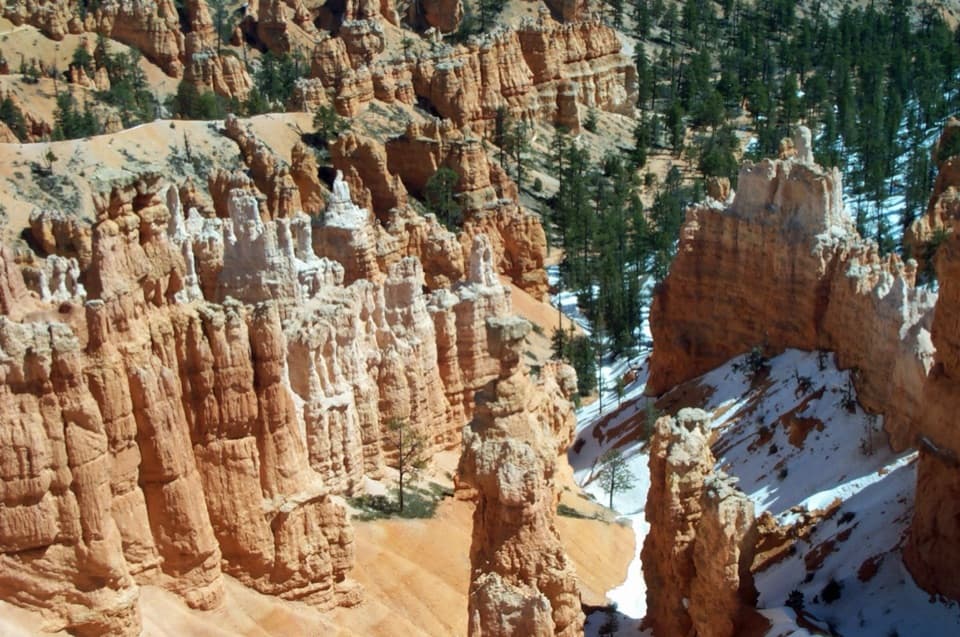 ChallengingNavajo/Peekaboo Combination Loop4.9 mi · 3.5 hr · 1.4 mi awayLink Navajo’s steep switchbacks to a clockwise lap around Peekaboo.
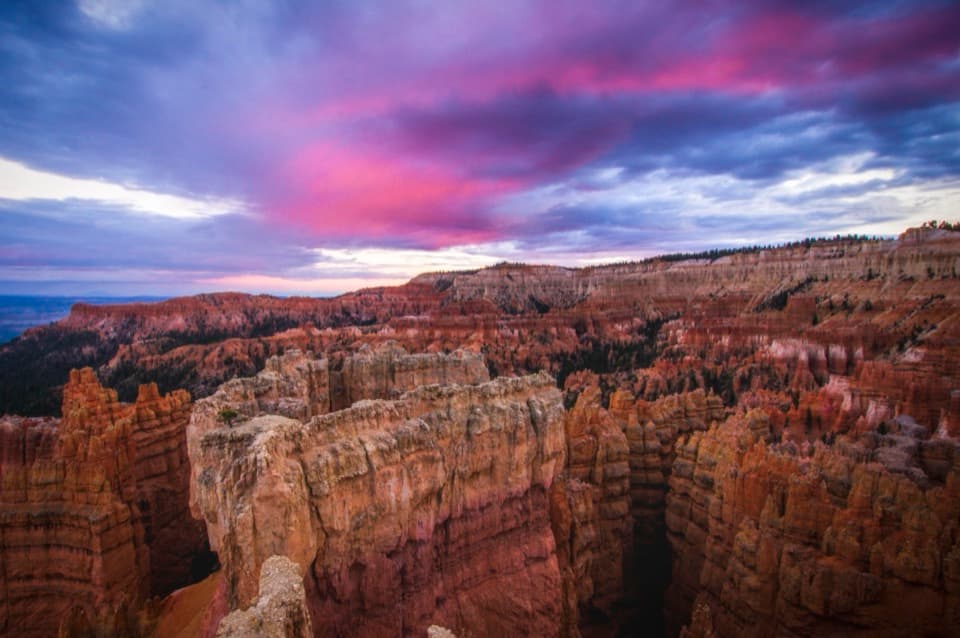 EasySunset Point to Sunrise Point Hike1 mi · 1 hr · 1.4 mi awayA paved half-mile rim walk with Bryce’s classic hoodoo view.
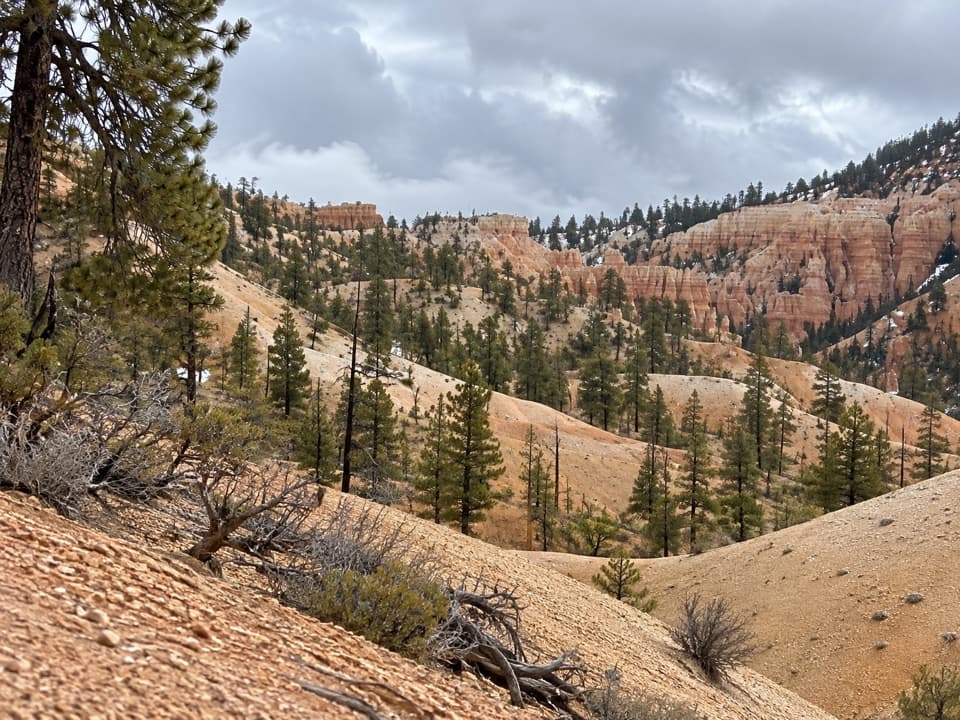 ModerateTropic Trail3.5 mi · 2 hr · 1.4 mi awayA quieter, below-rim way into the amphitheater.
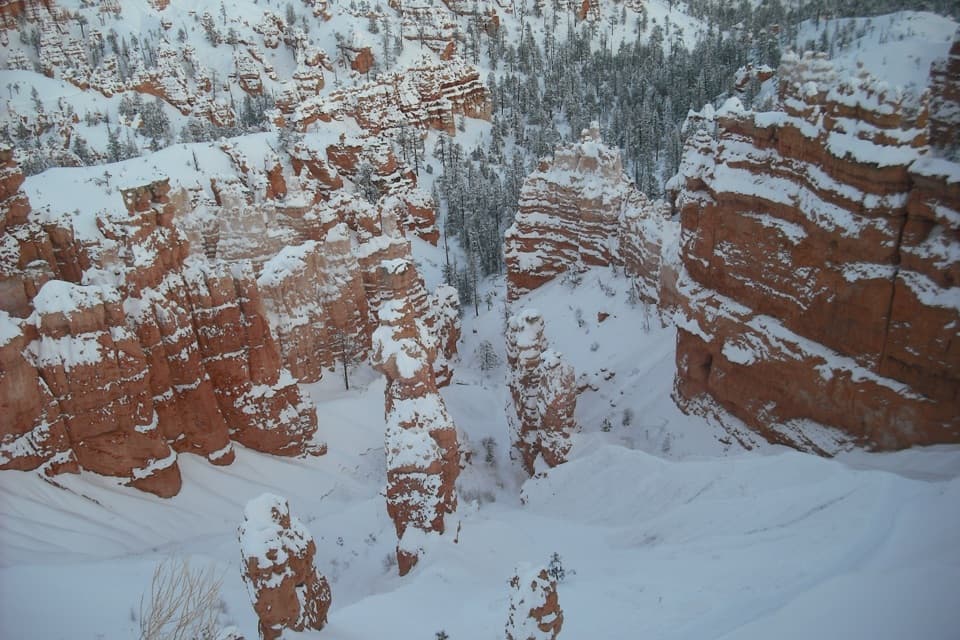 ChallengingFigure-8 Combination6.4 mi · 4.5 hr · 1.7 mi awayA long loop links Queen’s Garden, Peekaboo, Navajo, and the rim.
 Sight · 0.1 mi awayBryce PointA sweeping view across the hoodoo amphitheater from its southern rim.
 Restroom · 0.3 mi awayPeekaboo Loop RestroomA seasonal pit toilet on the west side of Peekaboo Loop.
 Sight · 0.4 mi awayWall of WindowsA close-up of this limestone fin comes with a full hike.
 Sight · 1 mi awayParia ViewA quieter overlook above Yellow Creek’s 500-foot amphitheater
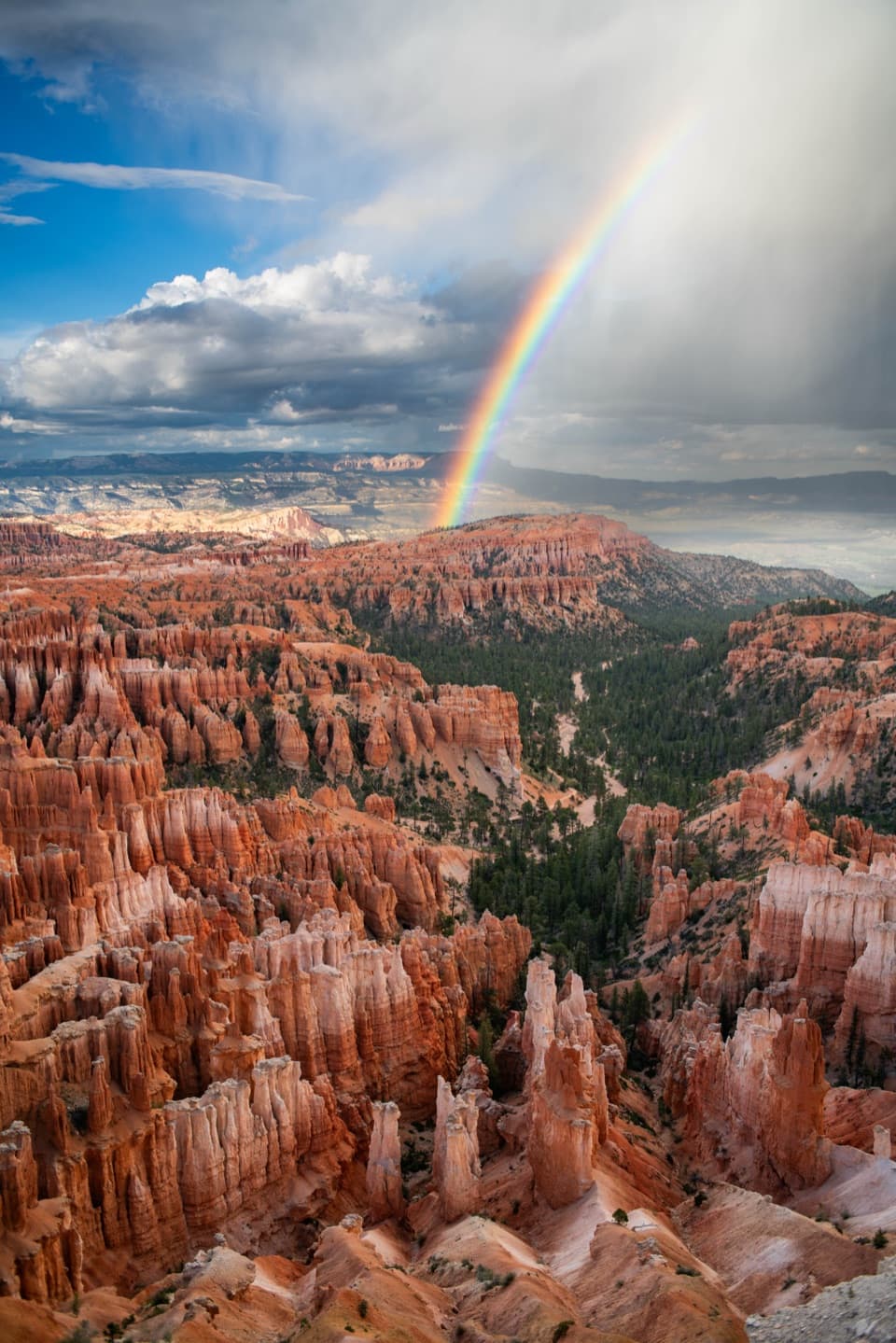 Sight · 1.1 mi awayInspiration PointThree levels offer different angles over the hoodoo amphitheater.
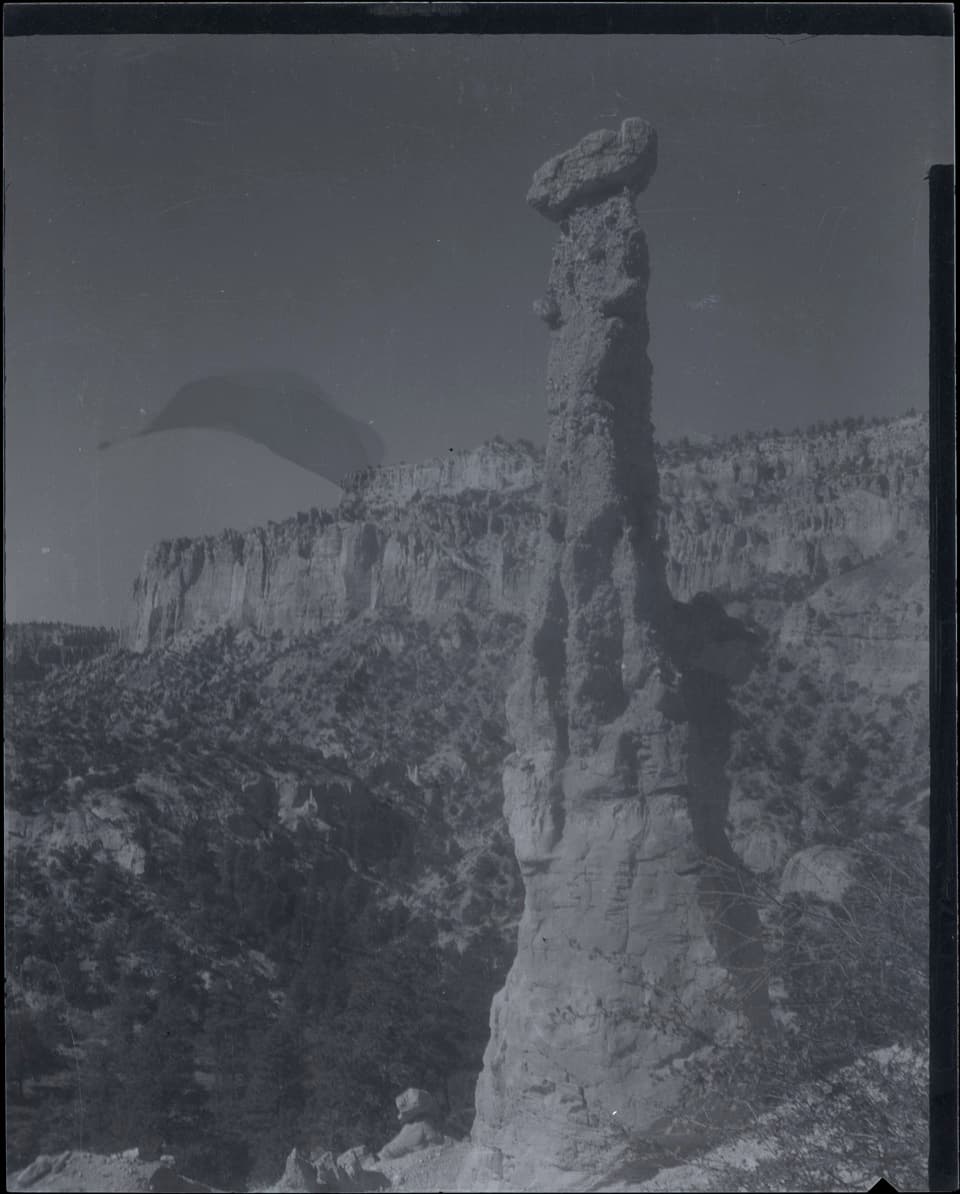 Sight · 1.1 mi awayHat ShopA demanding hike ends at strangely capped orange hoodoos.
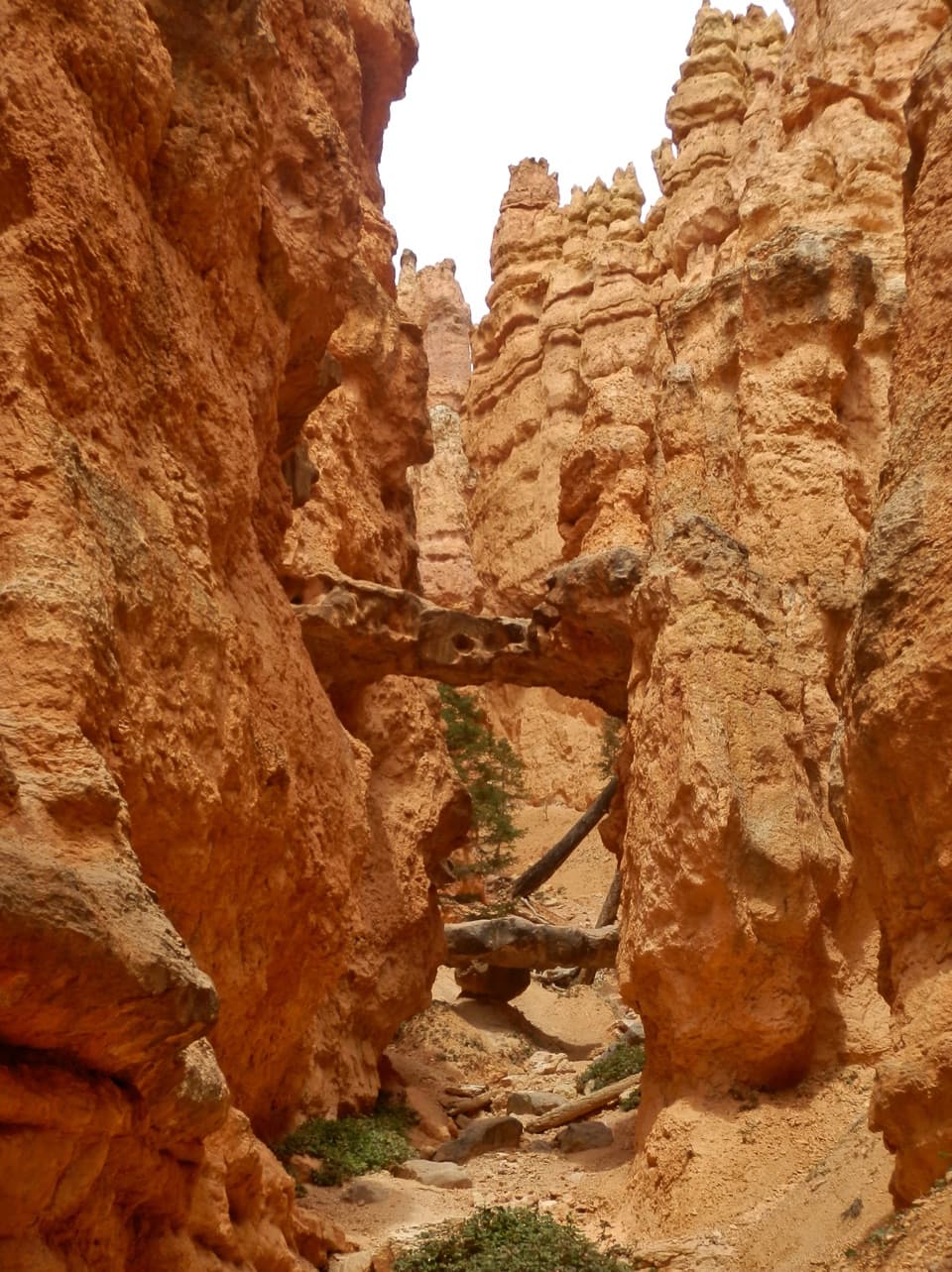 Sight · 1.2 mi awayTwo BridgesTwo rock spans tuck into a narrow, red-walled Navajo Loop canyon.
 Sight · 1.3 mi awayWall StreetA tight-walled walk through hoodoos and towering Douglas-firs.
Parkwolf’s Bryce Canyon ranking

The audio tour guide for the drive, plus offline maps, trails, and wildlife heatmaps for when the signal drops.


